Top 5 Castles around Caldogno
Best castles around Caldogno are primarily historical villas and fortified structures, reflecting the region's architectural heritage. Caldogno, located in the province of Vicenza, Italy, is notable for its Palladian villas, including the UNESCO World Heritage site, Villa Caldogno. These sites offer insights into Renaissance architecture and historical significance. The area's historical landmarks contribute to its cultural landscape.
Best castles around Caldogno
- The most popular castles is Villa La Rotonda, a historical site that was planned and built around 1567–1571.…
Last updated: October 3, 2026
Villa La Rotonda
Highlight • Historical Site
Translated by Google •
Tip by

Torrione di Porta Castello
Highlight • Historical Site
Translated by Google •
Tip by

Sign up now to discover places like this
Get recommendations on the best single tracks, peaks, & plenty of other exciting outdoor places.
Colle di San Vittore
Highlight • Trail
Translated by Google •
Tip by

Tower of the Castle in Piazza Castello, Vicenza
Highlight • Castle
Translated by Google •
Tip by

Monte Berico Military Fort
Highlight (Segment) • Historical Site
Showing Translation
Tip by

Sign up for free to discover even more castles around Caldogno.
Already have an account?
Start today with a free account
Your next adventure awaits.

Tips from the Community

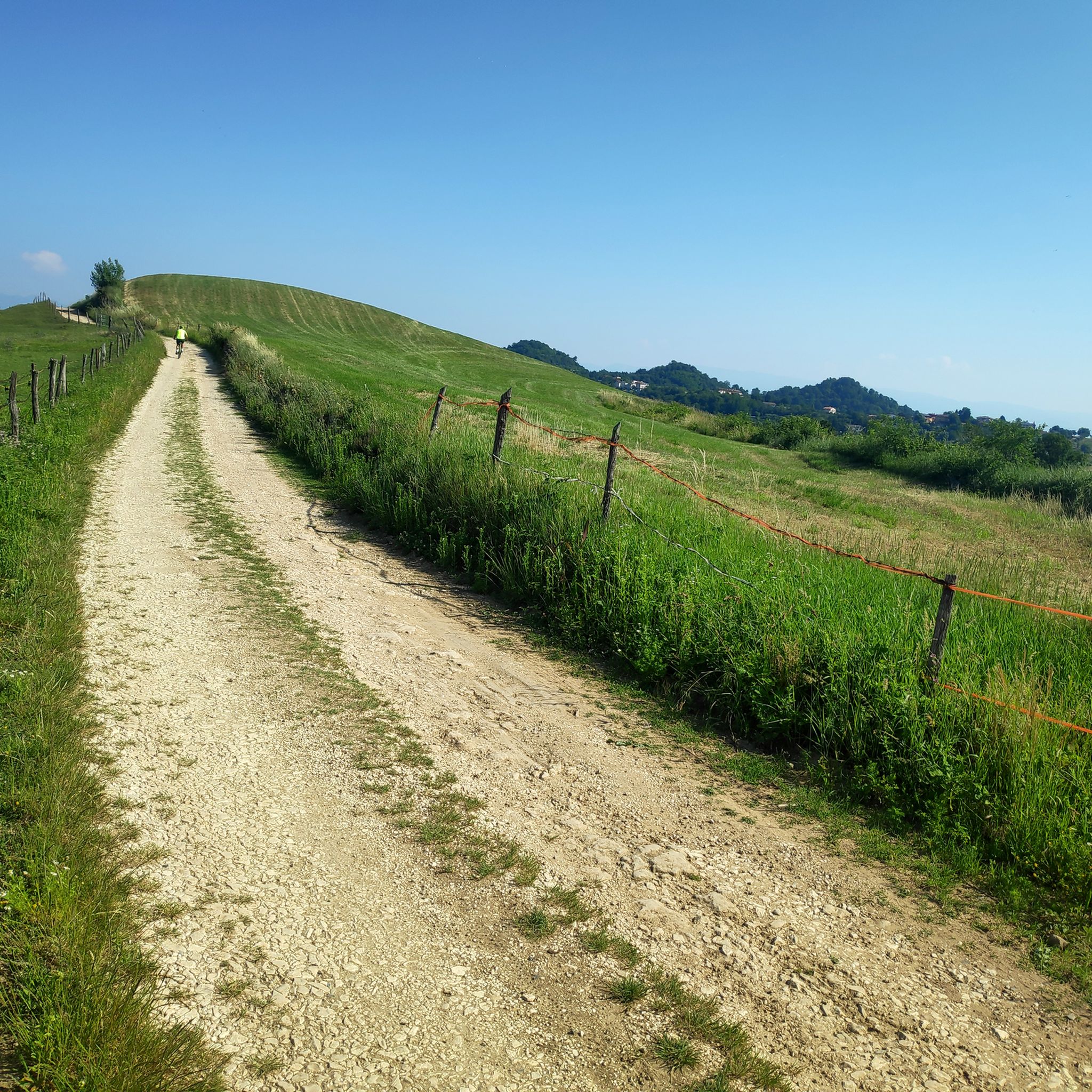
The «Forte Militare di Monte Berico» section runs south of Vicenza, at the foot of Monte Berico. The name refers to the area's former military significance. Monte Berico was used for the defense of Vicenza due to its elevated position. The hill played an important role, especially during the conflicts of 1848, when fighting occurred between Austrian and Italian troops.
0
0

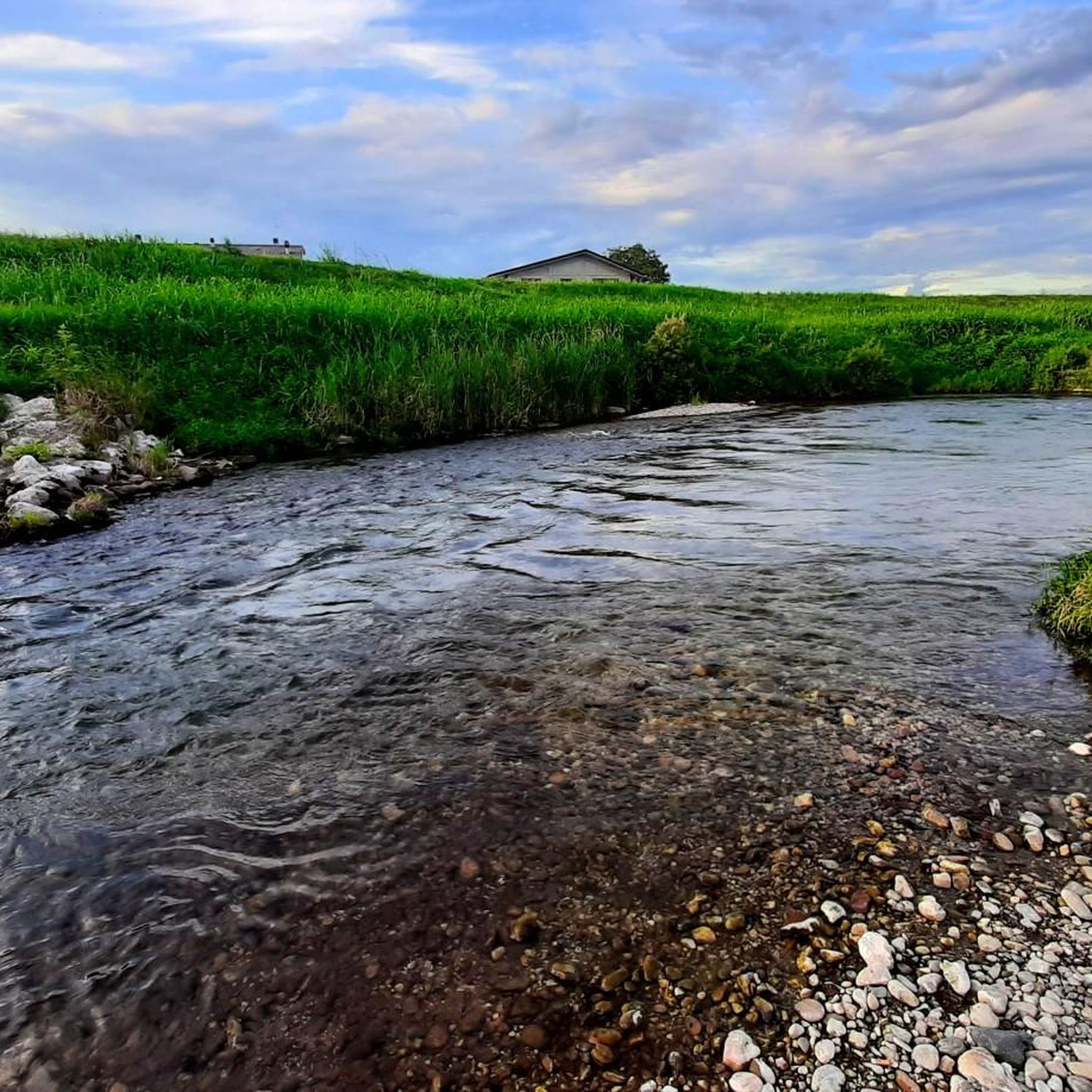
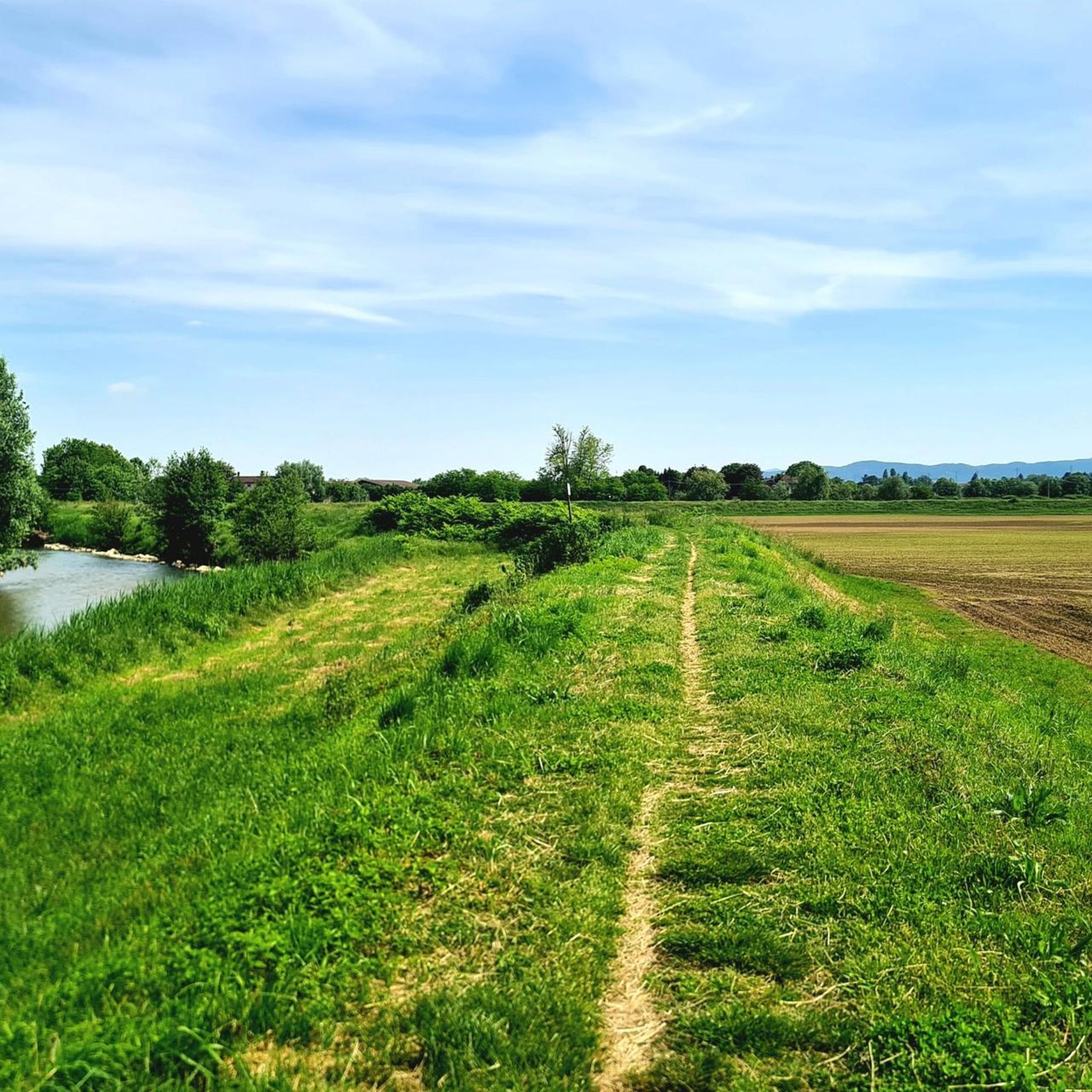
Beautiful paved E7 railway cycle path, great views of the Colli Berici
1
0
Gigantic tower, worth seeing
1
0

Piazza Castello, another beautiful destination in Vicenza
0
0
Beautiful gate of the city walls of Vicenza, with tower
0
0

Colle di San Vittore is a silent, secluded and suggestive place that dominates a strategic passage between the Alta Pianura Vicentina and the Valle dell'Agno, with a view of the piedmont: precisely because of its position, it hosted the castle of Pietramala (ancient name of Priabona), built in the 8th-9th century and destroyed in 1250. For many centuries the hill was the center of the village, in a protected position, with the construction of the first parish church and the cemetery. Until quieter times pushed the inhabitants to go down to a more comfortable position, along the pass and the current road: the new church and the new cemetery were built. Today the hill hosts an unusual gathering of eras and styles: the church (with an appearance distorted over the centuries), the characteristic and squat bell tower, the ancient oratory (what remains of the castle), the deconsecrated cemetery and the 'recent' abandoned convent. https://padovasorprendi.it/loratorio-di-san-vittore-di-priabona-e-il-colle-ponimo/
2
0

Vicenza's medieval western city gate is quite impressive. The foundations date from the 12th century. The name of the nearby square tells us that this location was the site of the great Ezzelini fortress in the 14th century. It was a square area with a castle and a wet vest. In the 17th century the fortress lost its defensive role and the site changed shape and purpose. The north wing was converted into a palace overlooking the old garden. Dr fortress was almost completely dismantled by the 17th and 18th centuries. The only silent witnesses from these early Middle Ages are the Torrione and the parade ground.
7
0

The tower was built in the 12th century at the western entrance to the historic center of the city of Vicenza. In 1343 it was heavily rebuilt during the Scaliger occupation and became part of the medieval city walls. In modern times, for traffic reasons, the actual entrance arch was doubled and extended by two pedestrian walkways.
2
0
Frequently Asked Questions
What kind of historical sites can I visit around Caldogno?
Caldogno and its surroundings are rich in historical villas and fortified structures. You can explore the UNESCO World Heritage site, Villa Caldogno, known for its Palladian architecture and frescoes. Other notable sites include Villa La Rotonda, a significant Palladian villa, and medieval structures like Torrione di Porta Castello and the Tower of the Castle in Piazza Castello, Vicenza.
Are there any UNESCO World Heritage sites near Caldogno?
Yes, Caldogno is home to the UNESCO World Heritage site, Villa Caldogno, a prime example of Palladian architecture. Additionally, Villa La Rotonda, another renowned Palladian villa, is also a UNESCO World Heritage site, recognized for its architectural significance.
What are the main architectural features of Villa Caldogno?
Villa Caldogno, attributed to Andrea Palladio, showcases classic Palladian style with three large arches on its main facade opening onto the loggia of the entrance hall. It is particularly famous for its exquisite frescoes by artists like Giovanni Antonio Fasolo and Giovanni Battista Zelotti, depicting scenes of villa life and entertainment. The villa also features a rare intact 16th-century hydraulic system in its basement.
Are there guided tours available for the historical sites in the Caldogno area?
Yes, Villa Caldogno, owned by the municipality, is open to the public and offers guided tours. For other sites like Villa La Rotonda or the historical structures in Vicenza, it's advisable to check their official websites for specific tour availability and booking information.
What outdoor activities can I do near these historical sites?
The Caldogno area offers various outdoor activities. You can find numerous routes for gravel biking, hiking, and running. For gravel biking, explore routes like the 'Santa Tecla Climb' or the 'Lake Fimon loop'. Hiking options include 'Caldogno Flood Control Basin' or 'Timonchio Stream' loops. Runners can enjoy routes such as 'White roads of Villaverla' or 'Risorgiva' loops. You can find more details on these activities in the Gravel biking around Caldogno, Hiking around Caldogno, and Running Trails around Caldogno guides.
Are there family-friendly historical sites to visit around Caldogno?
Many of the historical sites around Caldogno are suitable for families. Villa La Rotonda, Torrione di Porta Castello, and the Tower of the Castle in Piazza Castello, Vicenza are all categorized as family-friendly, offering engaging experiences for visitors of all ages.
What is the best time of year to visit the historical sites in Caldogno?
The spring (April-May) and autumn (September-October) months generally offer pleasant weather for exploring the historical sites around Caldogno, with comfortable temperatures for walking and outdoor activities. Summer can be warm, while winter visits are possible but may require checking specific opening hours, as some sites might have reduced schedules.
Where can I find cafes or restaurants near the historical sites?
The area around Caldogno and nearby Vicenza offers various dining options. For instance, Villa Cavajon – Montemezzo Castle now houses a renowned restaurant. In Vicenza, near sites like Torrione di Porta Castello and the Tower of the Castle in Piazza Castello, you'll find numerous cafes and restaurants in the city center.
Is public transport available to reach these historical sites?
Caldogno is a municipality in the province of Vicenza. Public transport options, primarily local buses, connect Caldogno to Vicenza. From Vicenza, you can access various historical sites. For specific routes and schedules to individual villas or structures, it's best to consult local public transport information or plan your journey using online map services.
Are there any viewpoints near the historical sites around Caldogno?
Yes, some historical sites offer scenic views. For example, the Tower of the Castle in Piazza Castello, Vicenza, located in the city center, provides a landmark view. Additionally, the area around San Vittore Malo Descent, though a trail, is noted for its viewpoint overlooking the piedmont.
What makes Villa La Rotonda a significant site?
Villa La Rotonda, designed by Andrea Palladio, is a highly influential Renaissance villa. It was planned and built around 1567–1571 and is famous for its perfectly symmetrical design with four identical facades, each featuring a portico. It was included in the UNESCO list of world cultural heritage in 1994.
What is the historical significance of Torrione di Porta Castello?
Torrione di Porta Castello is Vicenza's medieval western city gate, with foundations dating back to the 12th century. It marks the historical location of the great Ezzelini fortress from the 14th century. This impressive structure is one of the few remaining witnesses of Vicenza's early medieval fortifications.
Most popular routes around Caldogno
Most popular attractions around Caldogno

Get inspired with the komoot mobile app


Explore more
Looking for the best castles somewhere else? Discover other guides around Caldogno:
