Top 3 Gorges around Corneliano D'Alba
Best canyons around Corneliano D'Alba are characterized by the "Rocche," distinctive geological formations within the Roero region. These canyon-like chasms and gorges were formed approximately 250,000 years ago by the Tanaro river's course shift and subsequent erosion. The Rocche feature steep, sandy walls exposing stratified earth, often forming pinnacles and spires. This landscape provides geological insight into the area's ancient seabed origins, with marine fossils frequently found in the sandy walls.
Best canyons around Corneliano D'Alba
- The most popular canyons is Roero gorge or ravine near Monteu (CN), a gorge that is one of many in the Monteu area and part of the ecomuseum of the Rocche del Roero. This area is full of trails for exploration.
- Another must-see spot is Rocche of the Seven Brothers, a gorge featuring badlands generated by water erosion. The circumnavigation of this gorge includes sections that are very steep in descent and ascent.
- Visitors also love Cave of the Hermit's Rock, a cave from which the surrounding rock formations are visible. This is an extremely characteristic point within the Rocche landscape.
- Corneliano D'Alba is known for its deep gorges, ravines, and badlands, all part of the larger Rocche del Roero formations. These geological features offer a variety of landscapes to see and explore, from sandy walls to natural amphitheaters.
- The canyons around Corneliano D'Alba are appreciated by the komoot community, with more than 20 upvotes and 10 photos shared.
Last updated: October 3, 2026
Rocche of the Seven Brothers
Highlight (Segment) • Gorge
Translated by Google •
Tip by

Cave of the Hermit's Rock
Highlight • Cave
Translated by Google •
Tip by

Sign up now to discover places like this
Get recommendations on the best single tracks, peaks, & plenty of other exciting outdoor places.
View over Santo Stefano Roero
Highlight • Viewpoint
Translated by Google •
Tip by

Roero gorge or ravine near Monteu (CN)
Highlight • Gorge
Translated by Google •
Tip by
Start today with a free account
Your next adventure awaits.

Tips from the Community

The famous cave from which you can see the rocks. Be careful, potentially dangerous area due to cliffs.
2
0

Extremely characteristic point, after reaching it we turned back as the path that continues is very unstable
0
0

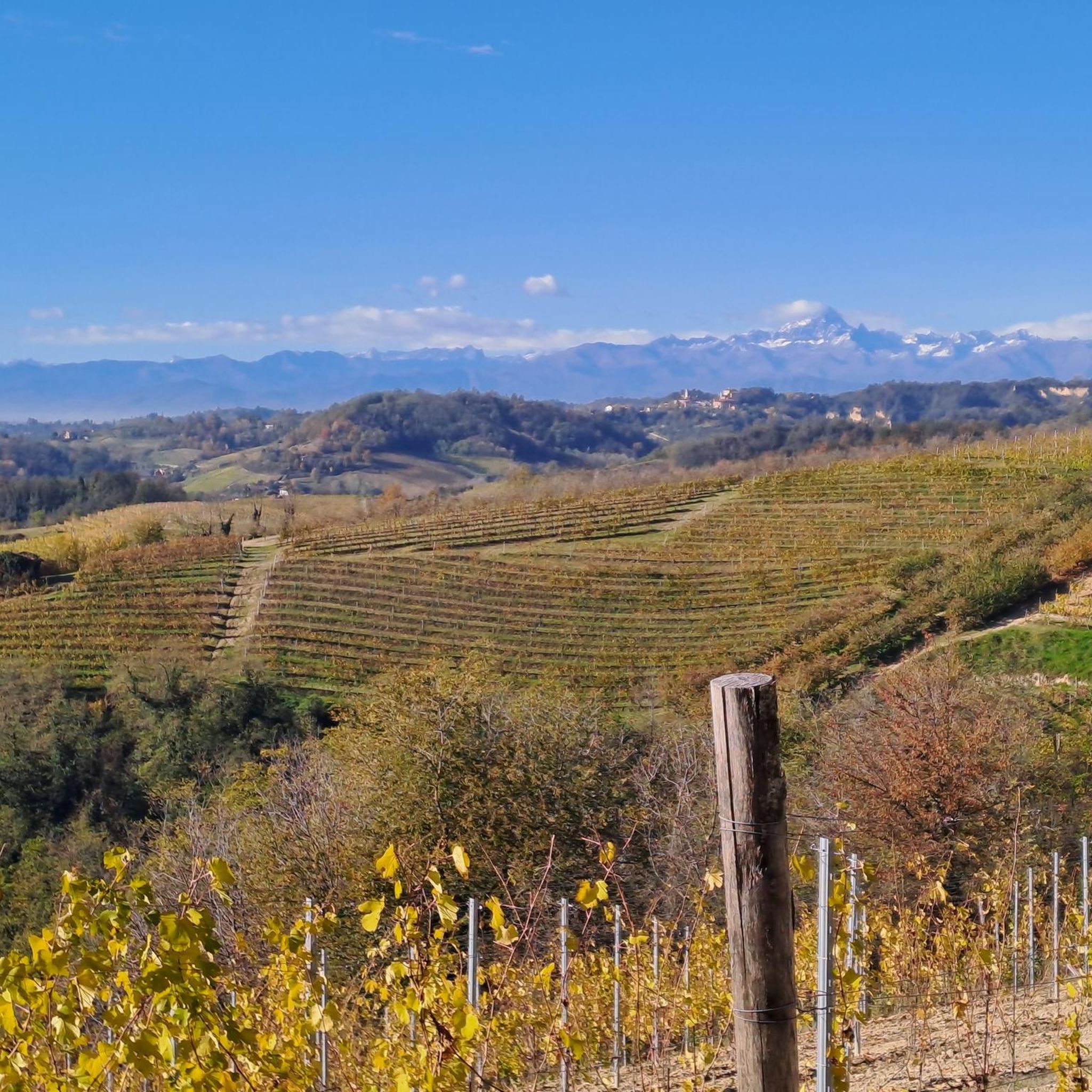
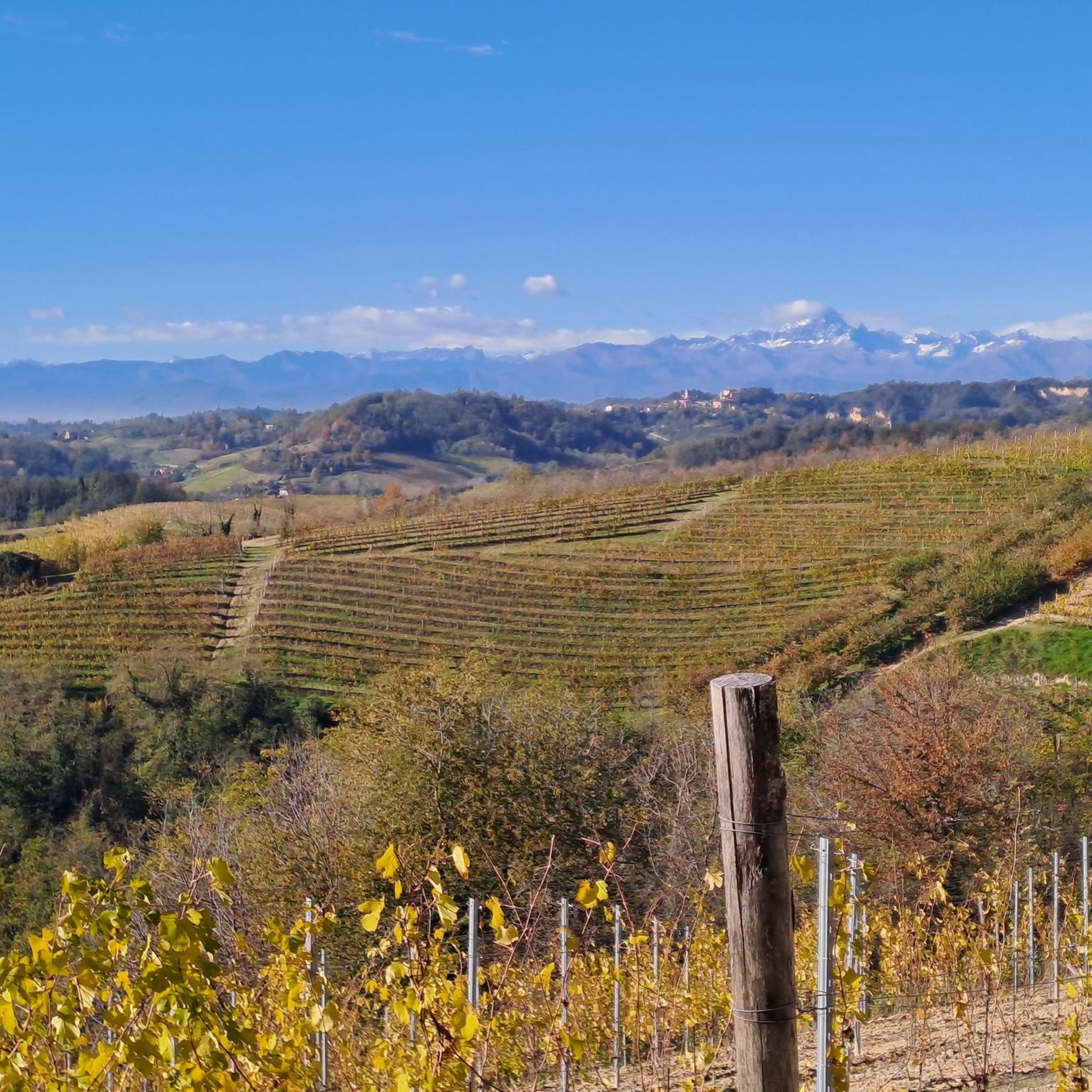
One of the many gorges present in the Monteu area and in the whole area of the ecomuseum of the Rocche del Roero which from Cisterna reaches Pocapaglia passing through here. Area full of trails.
1
0
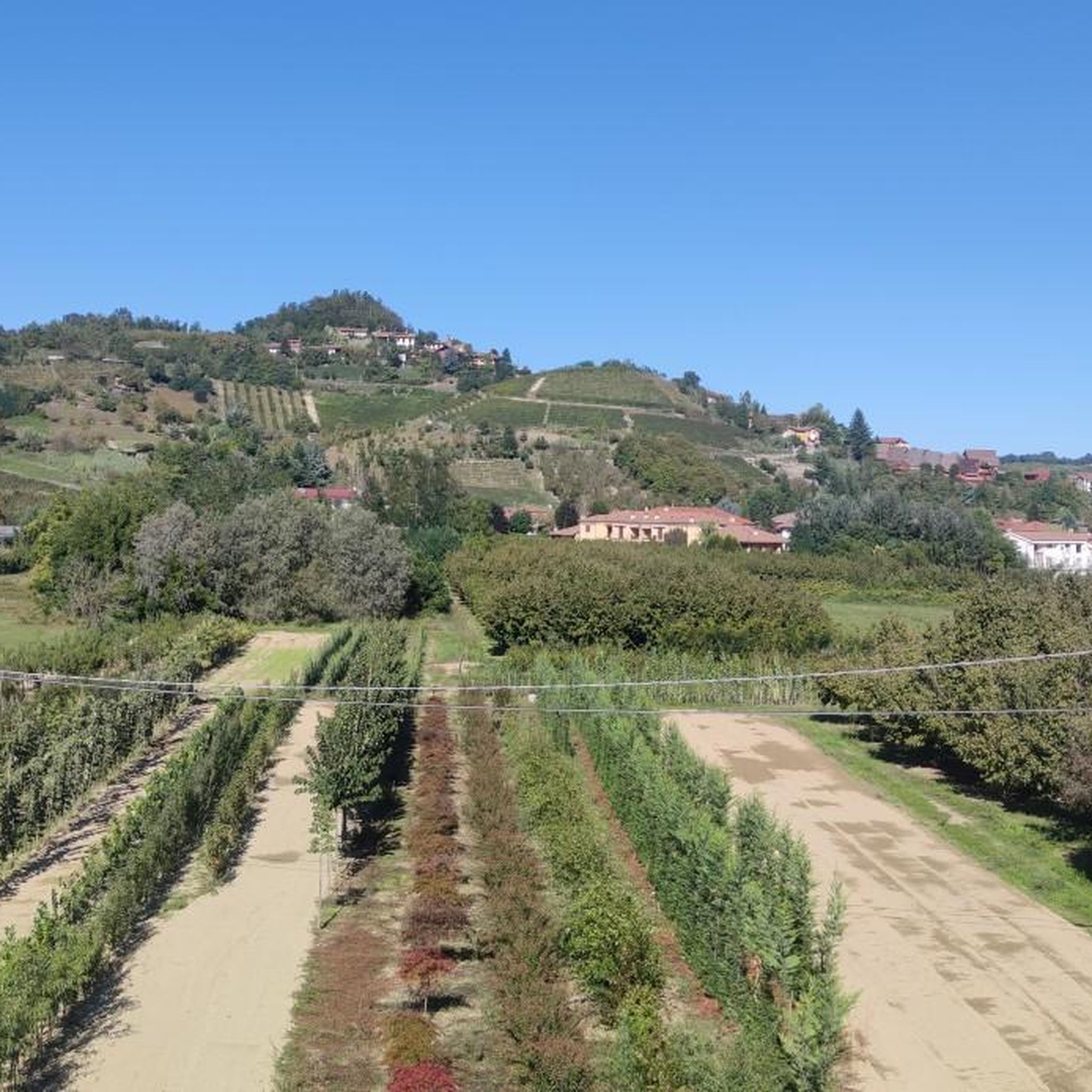
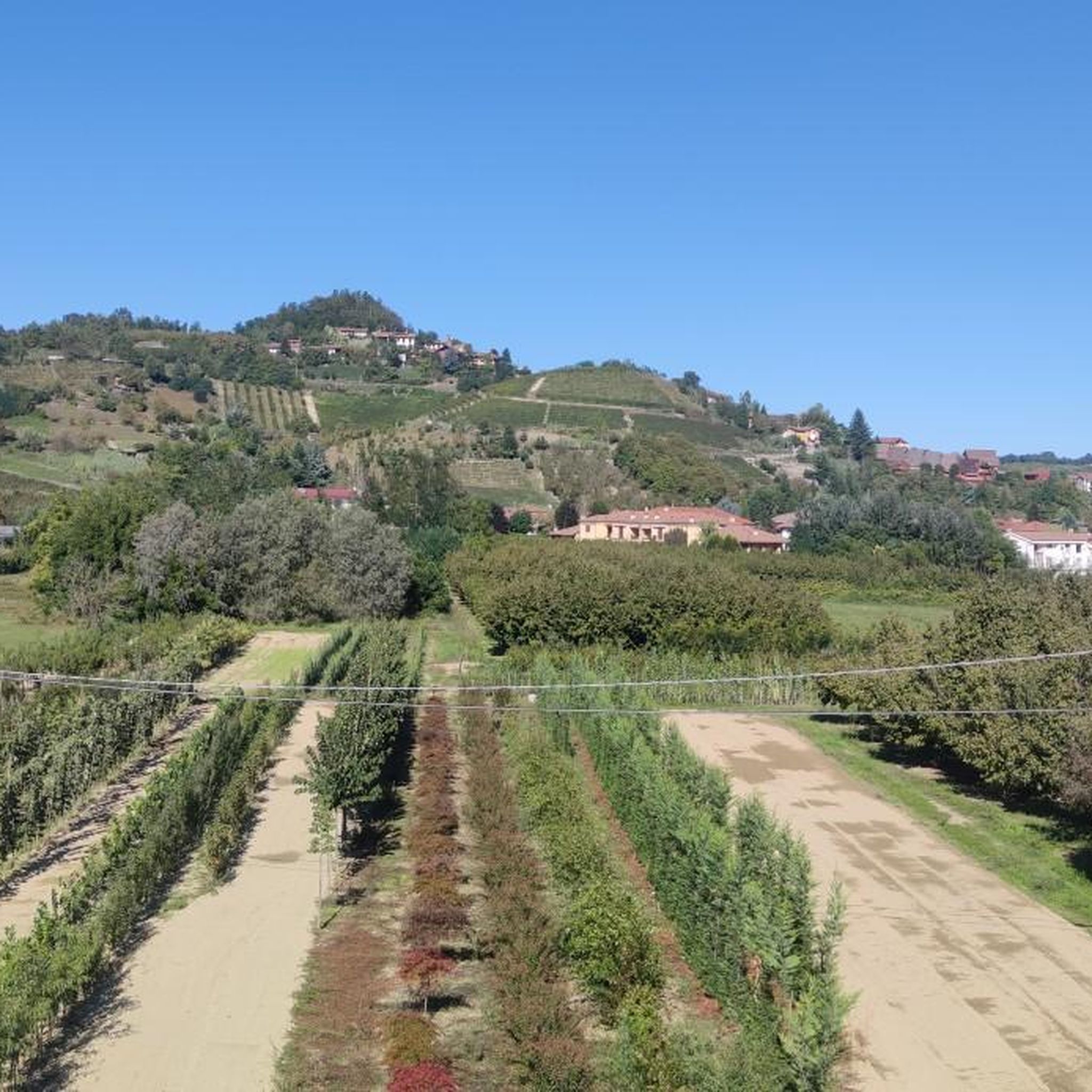
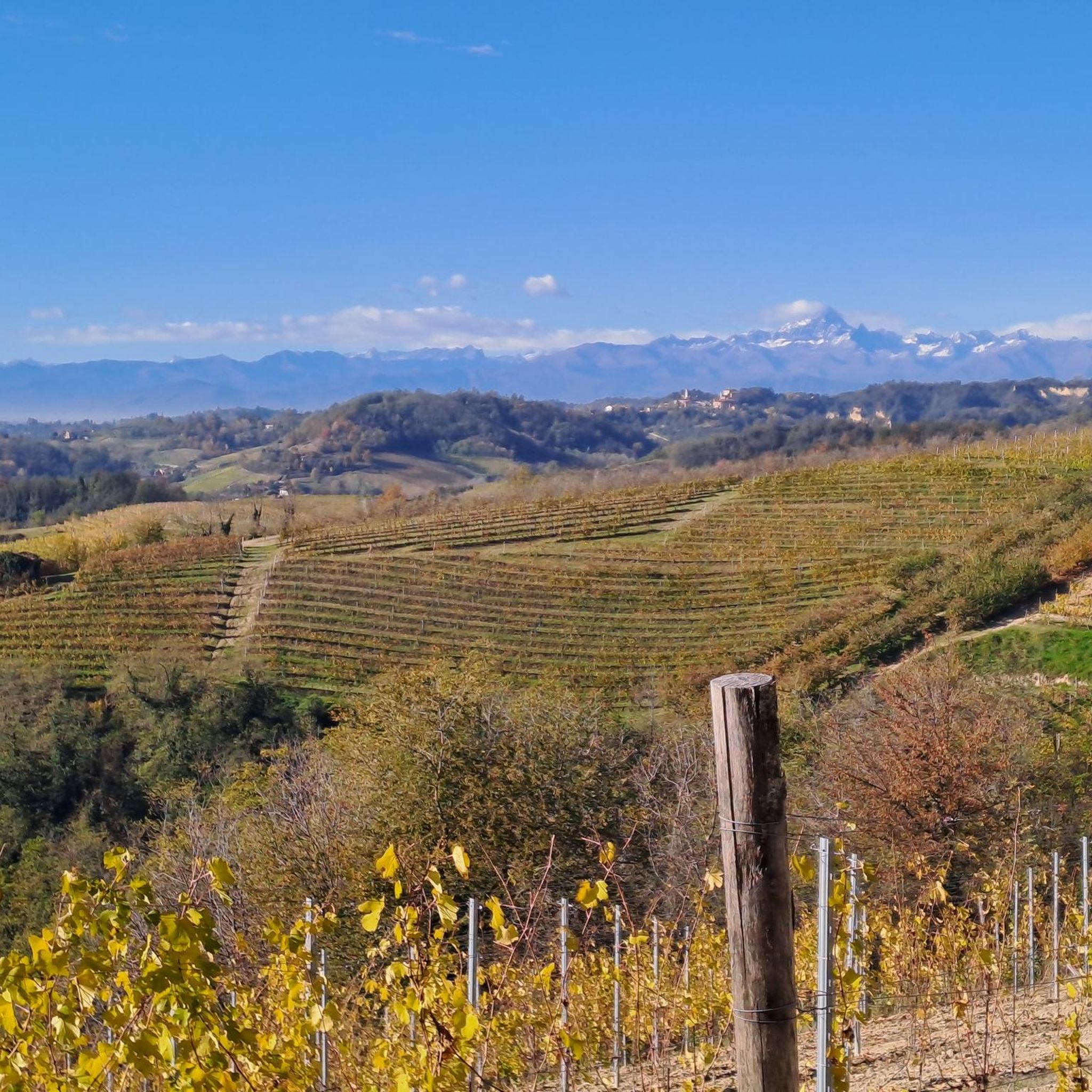
From the path that leads to Castagna Granda you can clearly see the village of Santo Stefano Roero which is divided from Monteu by deep gorges, gullies and dense and almost uncontaminated vegetation.
1
0

Imposing rock formation. The circumnavigation of the gorge is partly very steep in descent and ascent. The signpost says "escursionisti esperti". Not recommended at all when wet. Otherwise easy hike, largely exposed to the sun.
3
0

The Rocche dei Sette Fratelli are badlands generated by the erosion of the water. Legend has it that seven brothers were mowing the grass on Good Friday. The younger sister brought them a basket with a meager meal, as it was a fast day. The seven, taken by anger, inveighed against God and the young woman. The Lord then punished them by opening a deep chasm beneath their feet. They were sucked in and disappeared forever, but the sister was saved.
4
0

Not pedaled to get to the hole
1
0
Frequently Asked Questions
What are the unique geological formations near Corneliano D'Alba?
The area around Corneliano D'Alba is characterized by the 'Rocche del Roero', which are deep, canyon-like chasms and gorges. These dramatic formations cut through the hilly landscape, revealing steep, sandy walls with stratified earth, pinnacles, and natural amphitheaters. They were formed by the erosion of the Tanaro river and its tributaries over millennia.
What are some notable Rocche formations to explore?
You can explore impressive sites like the Rocche of the Seven Brothers, known for its imposing rock formations and a local legend. Another unique spot is the Cave of the Hermit's Rock, which offers distinctive views of the surrounding geological features.
Are there hiking trails within the Rocche del Roero near Corneliano D'Alba?
Yes, the Ecomuseo delle Rocche del Roero has established a network of thematic paths for exploring these landscapes. Many trails wind through the gorges, offering varying levels of difficulty. For instance, the area around the Roero gorge or ravine near Monteu (CN) is full of trails. You can find more hiking options in the Hiking around Corneliano D'Alba guide.
What kind of views can I expect when visiting the Rocche?
The Rocche del Roero provide extraordinary vantage points with breathtaking views. You can see the dramatic geological formations themselves, often contrasting with surrounding dark green woods and vineyards. For example, the View over Santo Stefano Roero offers clear sightlines of the village divided by deep gorges and dense vegetation.
What makes the Rocche del Roero geologically significant?
The Rocche are considered an 'open book' of the Roero's geological history. Their sandy walls frequently contain marine fossils like shells, fish, and sea urchins, providing direct evidence of the area's ancient seabed origins. The ongoing erosion continues to shape this unique landscape.
Are the Rocche del Roero suitable for families?
Many sections of the Rocche offer trails suitable for various fitness levels, including easier paths. However, some areas, like parts of the Rocche of the Seven Brothers, can be very steep and are marked for 'escursionisti esperti' (expert hikers), especially when wet. It's advisable to check trail difficulty before heading out with children.
What is the best time of year to visit the Rocche del Roero?
The Rocche del Roero can be visited year-round, but spring and autumn offer the most pleasant temperatures for hiking and exploring. Spring brings blooming flora, while autumn showcases vibrant fall colors in the surrounding vineyards and forests. Summer can be hot, and some trails might be exposed to the sun, while wet conditions in any season can make steeper paths challenging.
What other outdoor activities can I do near the Rocche del Roero?
Besides hiking, the Roero region is excellent for cycling. You can find numerous routes that traverse the varied landscape, offering views of the Rocche and surrounding vineyards. Explore options in the Cycling around Corneliano D'Alba guide or the Traffic-free bike rides around Corneliano D'Alba guide.
Are there any local legends associated with the Rocche del Roero?
Yes, the intricate landscapes of the Rocche are rich in local folklore. For instance, the Rocche of the Seven Brothers is named after a legend where seven brothers were punished for their impiety by being swallowed by a chasm. Tales of 'masche' (witches) and hermits inhabiting these wild areas are also common.
What kind of unique biodiversity can be found within the Rocche?
The dramatic geological formations create diverse microclimates within short distances. This supports a unique ecosystem with distinct flora and fauna. You might find willows, ferns, and poplars thriving at the base of the gorges, while pines, junipers, and brooms grow at the top, creating striking ecological contrasts.
Where can I find more information about the Rocche del Roero Ecomuseum?
The Ecomuseo delle Rocche del Roero is dedicated to preserving and promoting the natural and cultural heritage of this unique area. You can find more information about their initiatives, thematic paths, and guided tours on the official regional tourism website: visitlmr.it.
What should I wear when exploring the Rocche del Roero?
When exploring the Rocche, it's recommended to wear sturdy hiking shoes or boots, as paths can be uneven, steep, and potentially slippery, especially after rain. Dress in layers to adapt to changing temperatures, and bring water, sun protection, and a map or GPS device, as some areas can be remote.
Most popular routes around Corneliano D'Alba
Most popular attractions around Corneliano D'Alba

Get inspired with the komoot mobile app


Explore more
Already discovered everything in this region? See additional gorges around Corneliano D'Alba for your next adventure:
