Top 7 Castles around Dozza
Best castles around Dozza are situated in a region known for its rolling hills and historic towns, offering a blend of cultural heritage and scenic landscapes. Dozza itself is a medieval village, famous for its painted walls and the prominent Rocca Sforzesca. The area provides opportunities to explore historic fortresses and ancient settlements, reflecting centuries of architectural evolution. This region is characterized by its strategic historical importance and its connection to local traditions, including wine production.
Best castles around Dozza
…Last updated: August 9, 2026
Rocca Sforzesca of Imola
Highlight • Castle
Translated by Google •
Tip by

Cassero and Clock Tower of Castel San Pietro Terme
Highlight • Historical Site
Translated by Google •
Tip by

Sign up now to discover places like this
Get recommendations on the best single tracks, peaks, & plenty of other exciting outdoor places.
Sign up for free
Sforza Fortress of Dozza
Highlight • Castle
Tip by

Pieve di Sant'Andrea
Highlight • Settlement
Translated by Google •
Tip by

Viewpoint over the ruins of Tossignano Fortress
Highlight • Viewpoint
Translated by Google •
Tip by

Sign up for free to discover even more castles around Dozza.
Sign up for free
Already have an account?
Start today with a free account
Your next adventure awaits.
Login or Signup

Other adventures around Dozza

Tips from the Community

...the origins of the fortress of Imola date back to 1261, when the municipality decided to build a fortress to defend the city. ... The fortress then had a quadrangular perimeter with nine square towers, four at the corners and four at the center of each curtain wall, plus an entrance tower on the eastern side and a mighty central keep. In the second half of the 15th century, the transformation of the medieval fortress into a new structure capable of withstanding the destructive power of modern artillery began. ... Beginning in 1480, the square corner towers were incorporated into new, thicker circular towers capable of withstanding bombardment, and construction of an internal residence began. The crisis of the Riario-Sforza lordship and the siege of the fortress launched in 1499 by Cesare Borgia, known as Valentino, decreed the return of direct papal rule. ... With the definitive annexation of Imola to the Papal States, the fortress's use as a prison intensified, a situation that continued until 1958, when restoration work began and the Sforza monument was converted into a museum. (Source: https://imolamusei.it/rocca-sforzesca/ )
2
0

This medieval village is located on the first hills of Imola. The village is surrounded by ancient walls, a fortress and a tower. Always a nice surprise for those who pass through these parts.
2
0

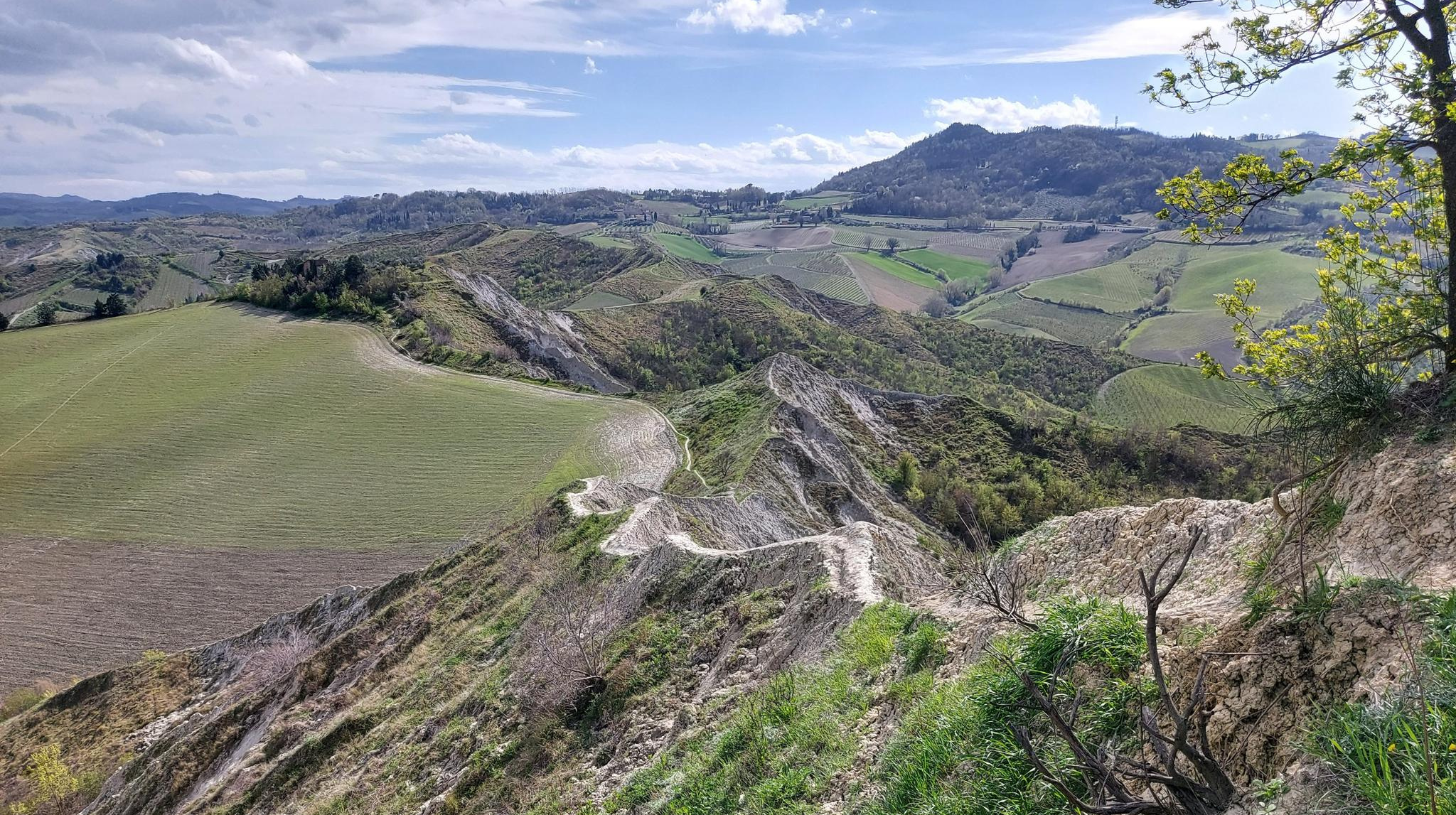
Tossignano is an ancient village that develops on a chalky cliff around the ruins of the fortress. The name derives from the Roman toponym Thausignanum, while in more recent times a large part of Tossignano was razed to the ground by bombings during the Second World War, including the fortress. It stood in a strategic position, from which it dominated the entire valley: for this reason it is now a notable panoramic point. Today only the moat and the foundations of the drawbridge can be seen.
2
0

In the center of Imola stands the Rocca Sforzesca: a medieval castle. This is a fine example of fortified architecture from the Middle Ages to the Renaissance.
2
0
The Tower and the Cassero della Porta are the symbolic monument of the city, which officially sanctions its birth in 1199 as a bulwark for the defense of the territory of Bologna ... The tower was originally lower ... probably at the end of 1200 it was raised to perform the function of lookout and signaling. The Cassero, seat of the surveillance of the door and the mechanisms of the drawbridge, was perhaps first made of wood and then transformed over and over again according to the military needs of the militias who, century after century, conquered it and used it as a main defense outpost against the enemies. In the early sixteenth century, when Bologna and Imola pass under the Papal State, the Cassero definitively loses its military connotation. Around 1748, work was carried out to remake the roof (perhaps by transforming the roof terrace into one with two pitches), a very large and high room is obtained. It was decided to use it as a place for "public entertainment". It is the beginning of its use as a theater, which will be modified and expanded in 1830, structuring it with stages like the theaters of the time. In 1780 ... the current passage under the tower was opened. During the First World War the Cassero was used as a military accommodation. In 1916 it was struck by lightning and again renovated and used as a room for film projections, meetings, conferences. In 1964 the ancient passage, with a Gothic arch, overlooking the ancient drawbridge was reopened. Since 2008, a new renovation has brought it back to its ancient use as a theater. In 1842 the tower was equipped with a new and larger belfry and in 1784 with a clock, which after a few years, in 1797, would have to be changed to switch from "Italian time" to "French time". (Source: https://prolococastelsanpietroterme.it/it/monumento/cassero/)
0
0

Places of historical, cultural and architectural interest Restored 14th-century stone castle, home to a museum displaying pottery and weaponry Piazzale Giovanni Dalle Bande Nere, 40026 Imola BO http://museiciviciciimola.it/ 0542602609
3
0

Ancient Sforza fortress of Caterina Sforza, a very suggestive monument in the evening
1
0

Frequently Asked Questions
What is the main castle in Dozza?
The primary castle in Dozza is the Sforza Fortress of Dozza, also known as Rocca Sforzesca. It's a historic fortress that evolved from a military stronghold to a noble residence, and now serves as a house-museum and home to the Enoteca Regionale Emilia-Romagna.
What historical periods are represented by the castles around Dozza?
The castles around Dozza showcase a rich history spanning from the medieval period to the Renaissance. For example, the Sforza Fortress of Dozza has origins in the 13th century, with significant modifications in the late 15th century under Caterina Sforza and later transformations into a residential palace in the 16th century. The Rocca Sforzesca of Imola also dates back to the 13th century, evolving to withstand modern artillery in the 15th century.
What makes the Rocca Sforzesca of Dozza unique?
The Rocca Sforzesca of Dozza is unique for its well-preserved interiors, offering a glimpse into noble life with original furnishings and art. It also features defensive elements like towers and a moat, and even dungeons. A significant draw is the Enoteca Regionale Emilia-Romagna located in its cellars, offering wine tastings from over 200 regional producers. The castle also provides panoramic views of the village and surrounding hills.
Are there other historical sites besides castles near Dozza?
Yes, beyond the castles, you can explore other historical sites. Pieve di Sant'Andrea is a medieval village with ancient walls, a fortress, and a tower. Additionally, the Cassero and Clock Tower of Castel San Pietro Terme is a symbolic monument with a history dating back to 1199, originally a bulwark for defense and later transformed into a theater.
What is the best time of year to visit the castles around Dozza?
Visiting the castles around Dozza is pleasant throughout much of the year. Spring and autumn offer mild weather, ideal for exploring the castle interiors and the surrounding village of Dozza, which is famous for its frescoed walls. The views from the castle towers are particularly beautiful during these seasons. Summer can be warm, but the castles provide cool interiors, and the Enoteca is always a welcoming stop.
Are there family-friendly castles to visit near Dozza?
Yes, several castles and historical sites around Dozza are considered family-friendly. The Sforza Fortress of Dozza, the Rocca Sforzesca of Imola, and the Cassero and Clock Tower of Castel San Pietro Terme are all categorized as family-friendly, offering engaging historical experiences for all ages.
What outdoor activities can I do near these castles?
The region around Dozza offers various outdoor activities. You can find numerous cycling, gravel biking, and running routes. For cycling, explore options like the "Teatro Comunale Cassero loop" or the "Dozza Murals – Sforza Fortress of Dozza loop." Gravel biking enthusiasts can try routes such as "Dozza Murals – Valsellustra Pastures loop." If you prefer running, consider the "Rocca Sforzesca of Imola loop" or the "Sforza Fortress of Dozza – Dozza Murals loop." You can find more details on these activities in the Cycling around Dozza, Gravel biking around Dozza, and Running Trails around Dozza guides.
What natural features can be seen near the castles?
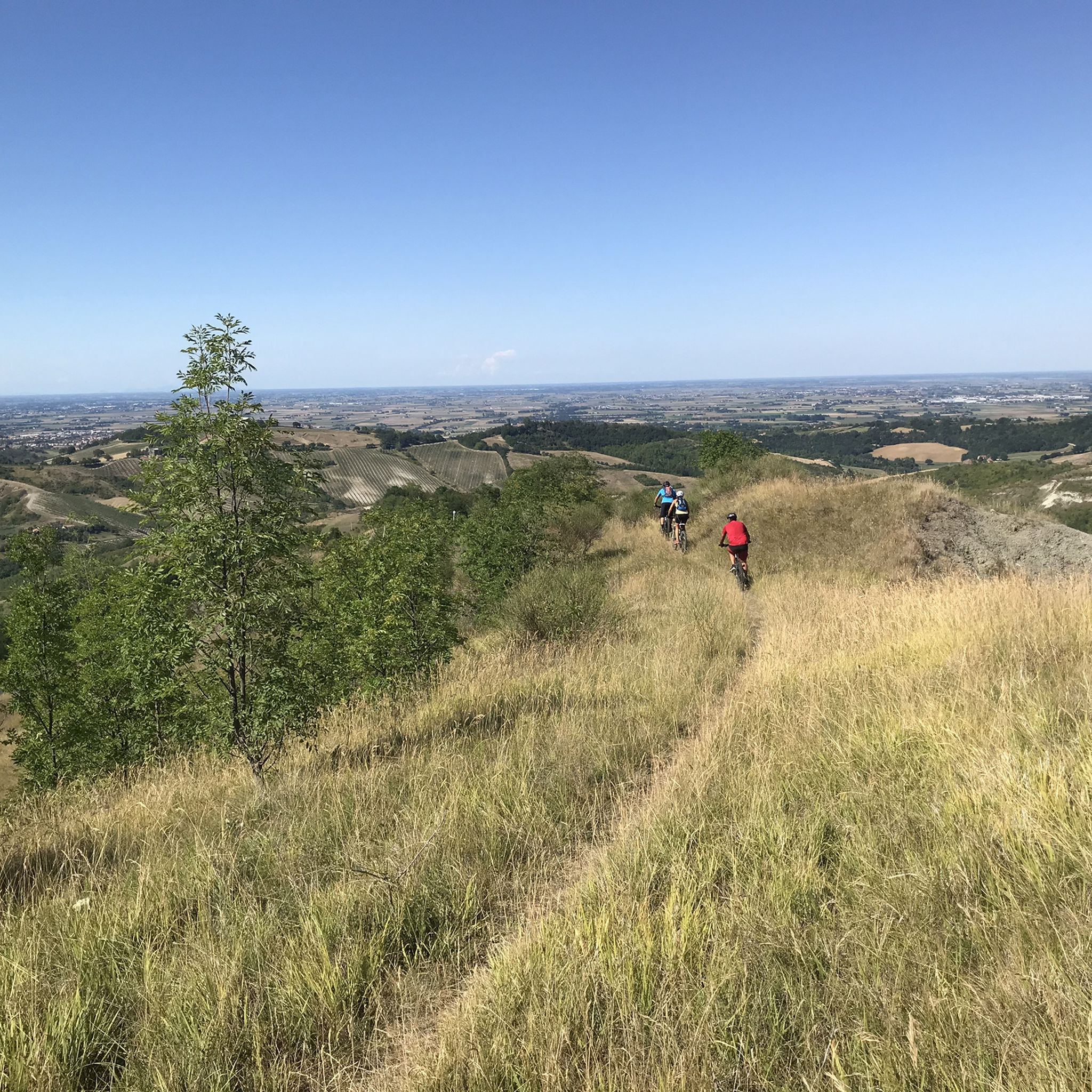
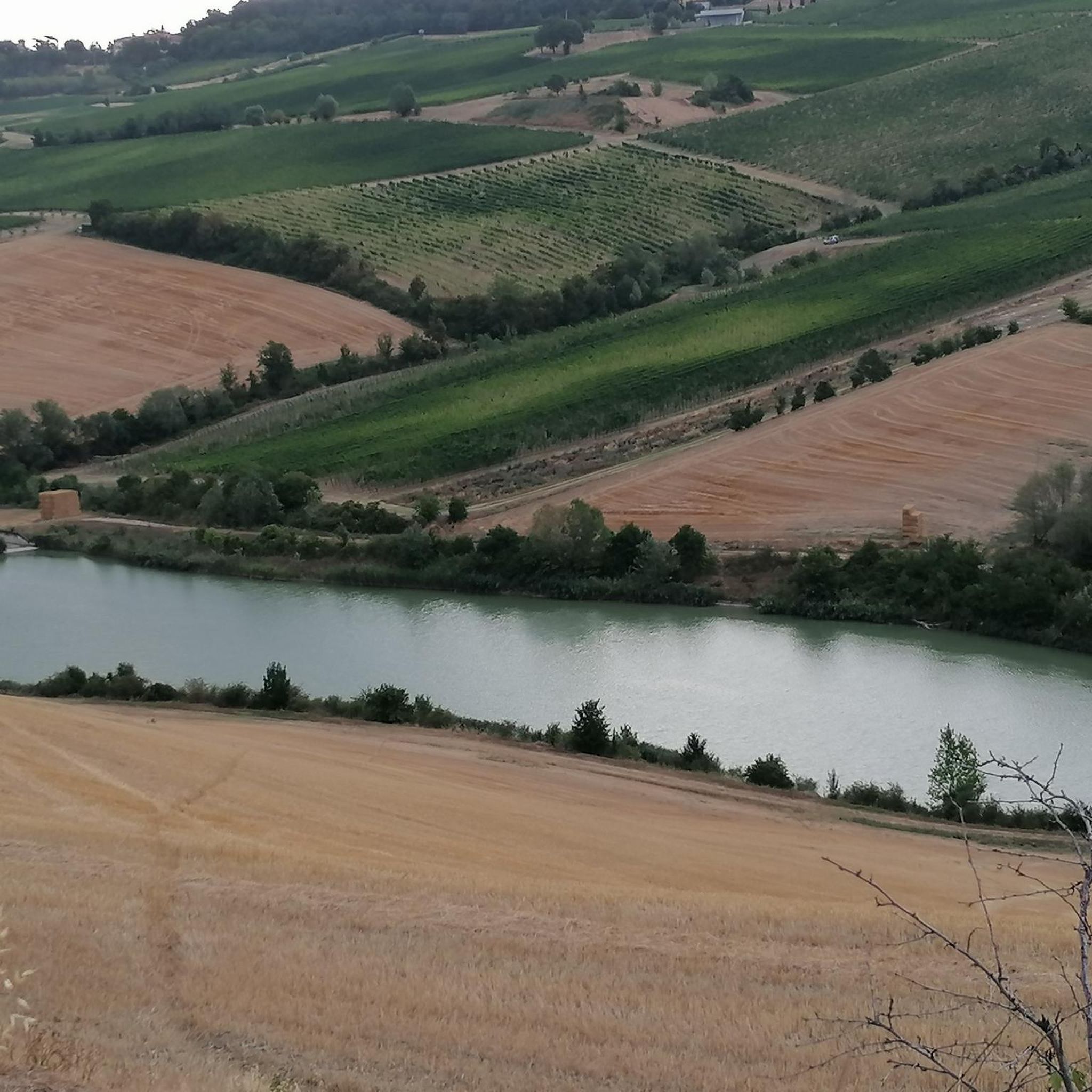
The castles are set amidst rolling hills, characteristic of the Emilia-Romagna region, known for its wine production. You can enjoy panoramic views of these landscapes from various points, such as the towers of the Sforza Fortress of Dozza. Additionally, the Viewpoint over the ruins of Tossignano Fortress offers a notable panoramic point over a valley, situated on a chalky cliff.
Where can I find food and drink near the castles?
Within the Sforza Fortress of Dozza itself, you'll find the Enoteca Regionale Emilia-Romagna in the cellars, offering a vast selection of regional wines for tasting. The village of Dozza also has local cafes and restaurants. For other castles, nearby towns like Imola and Castel San Pietro Terme provide various dining options.
What do visitors particularly enjoy about the castles around Dozza?
Visitors appreciate the blend of cultural heritage and scenic landscapes. The Sforza Fortress of Dozza is loved for its visitable castle, wine shop, and the charming narrow roads and painted facades of the village. The historical experience of places like Pieve di Sant'Andrea, with its ancient walls and fortress, is also highly valued by the komoot community.
Are there any viewpoints to see the castles and surrounding area?
Yes, the Viewpoint over the ruins of Tossignano Fortress offers a strategic position with a notable panoramic view over the valley. Additionally, climbing the towers of the Sforza Fortress of Dozza provides amazing views of the village and the surrounding rolling hills.
Most popular attractions around Dozza

Get inspired with the komoot mobile app


Explore more
Looking for the best castles somewhere else? Discover other guides around Dozza:
