Top 8 Castles around Lama Mocogno
Best castles around Lama Mocogno are found within the broader Modena Apennines, as the historic castle in Mocogno village was destroyed in 1523. The region offers a tranquil setting with natural beauty and historical sites. Visitors interested in historical fortifications will find several notable castles nearby, each with unique architectural and historical significance. These structures provide insights into the area's past, ranging from medieval strongholds to transformed noble residences.
Best castles around Lama Mocogno
- The most popular castles is Montecuccolo…
Last updated: November 27, 2026
Montecuccolo Castle
Highlight • Castle
Its history begins at the time of Matilda of Canossa, when a family of her vassals obtained …
Translated by Google •
Tip by

Castello di Pompeano
Highlight • Castle
Tip by

Sign up now to discover places like this
Get recommendations on the best single tracks, peaks, & plenty of other exciting outdoor places.
Rocca di Roccapelago
Highlight • Castle
Translated by Google •
Tip by

Montefiorino
Highlight • Settlement
Translated by Google •
Tip by

Viecave Tower and Historic Village
Highlight • Historical Site
Translated by Google •
Tip by

Sign up for free to discover even more castles around Lama Mocogno.
Already have an account?
Start today with a free account
Your next adventure awaits.
Popular around Lama Mocogno
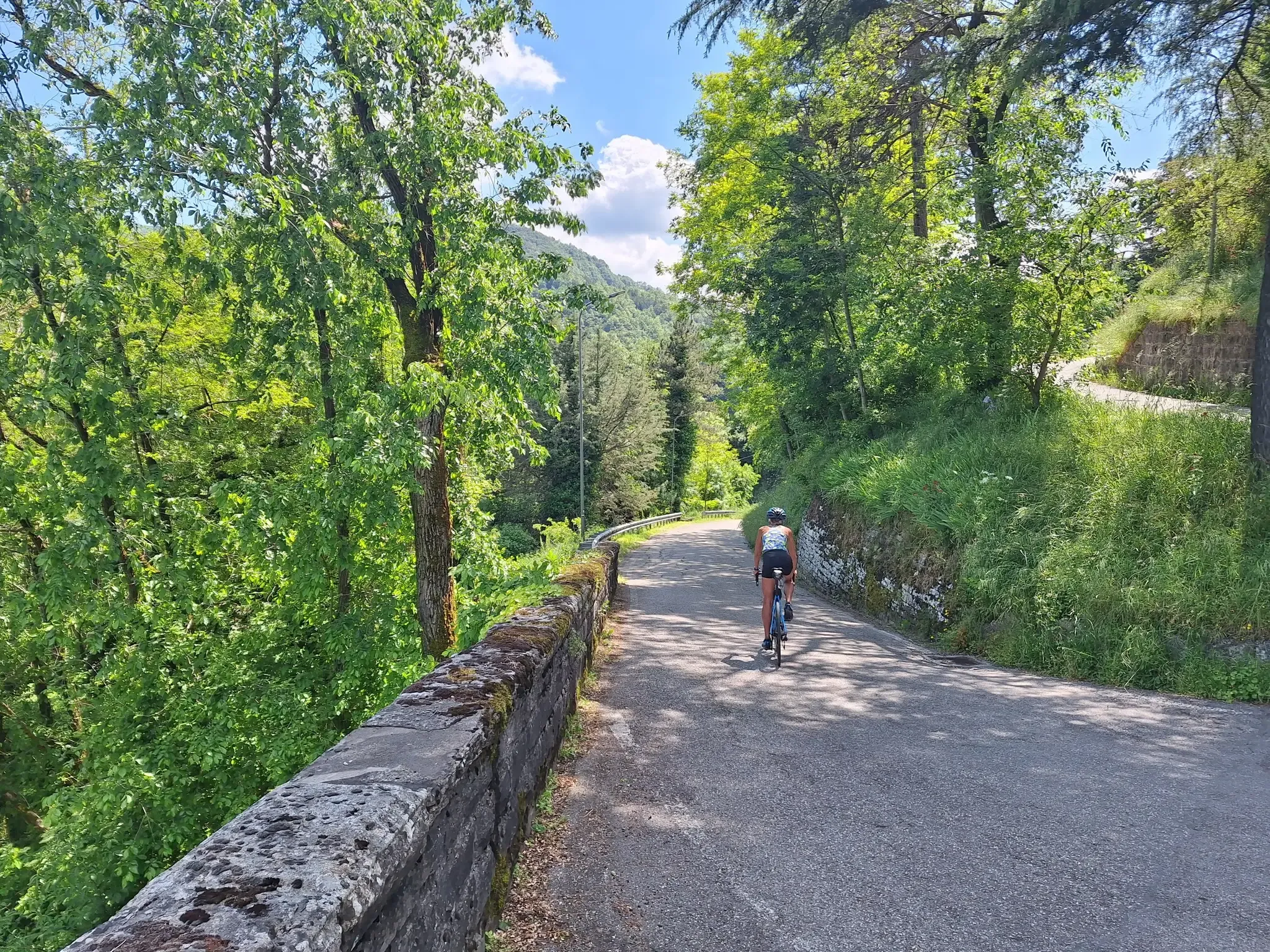
Emilia-Romagna by bike – rides between the plains and the Apennines
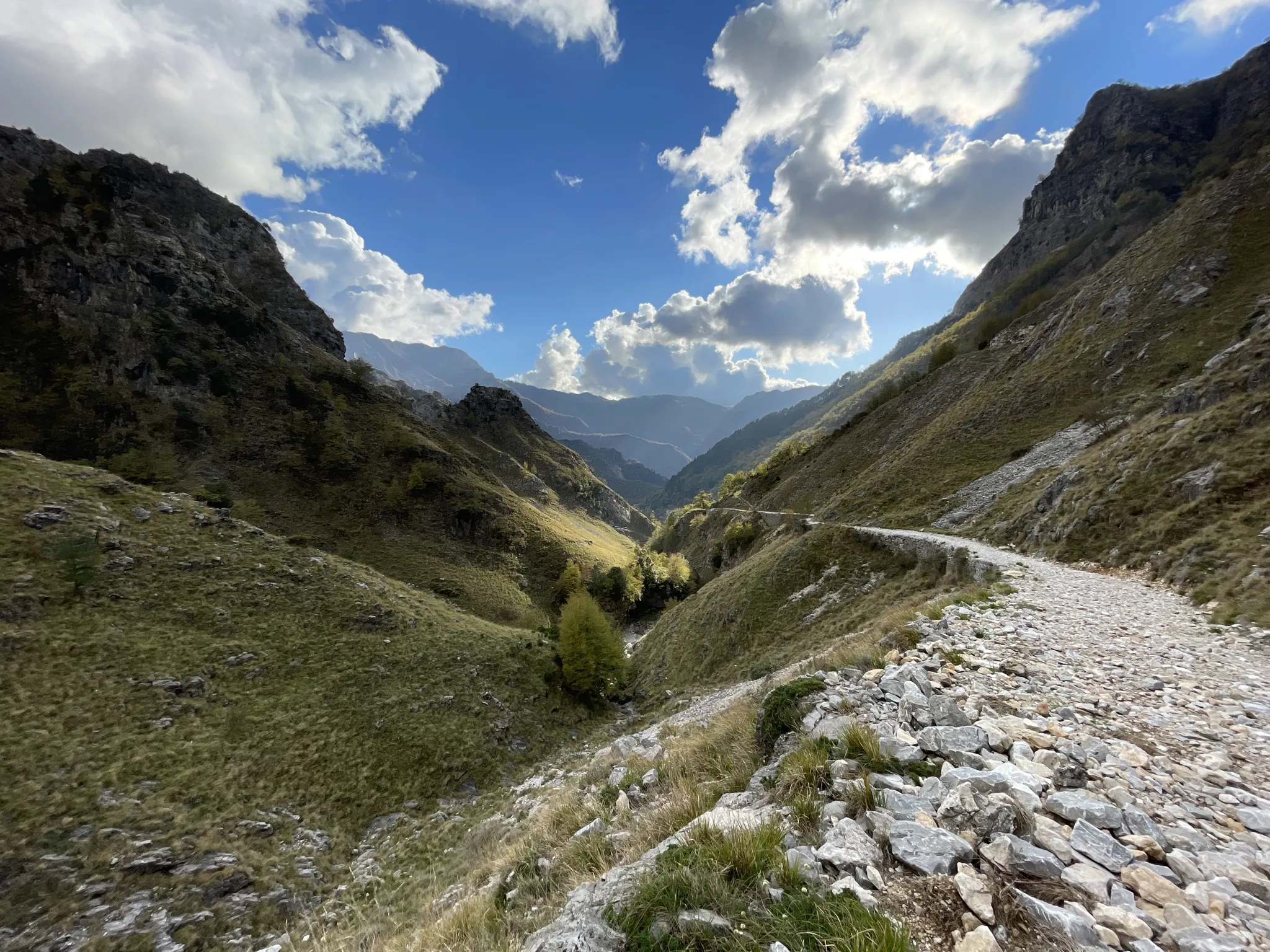
18th-century route from Modena to Massa – Via Vandelli
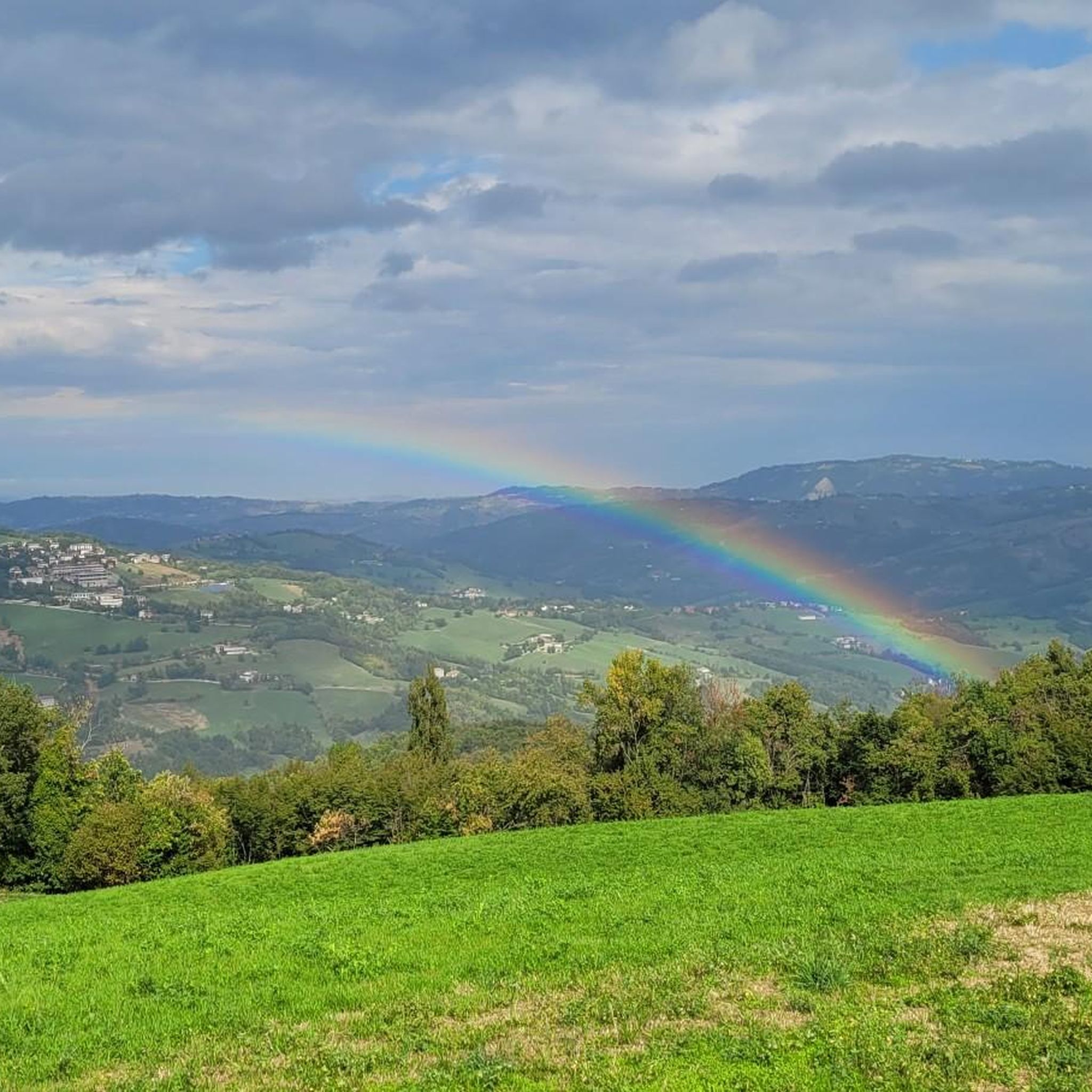
Hiking around Lama Mocogno
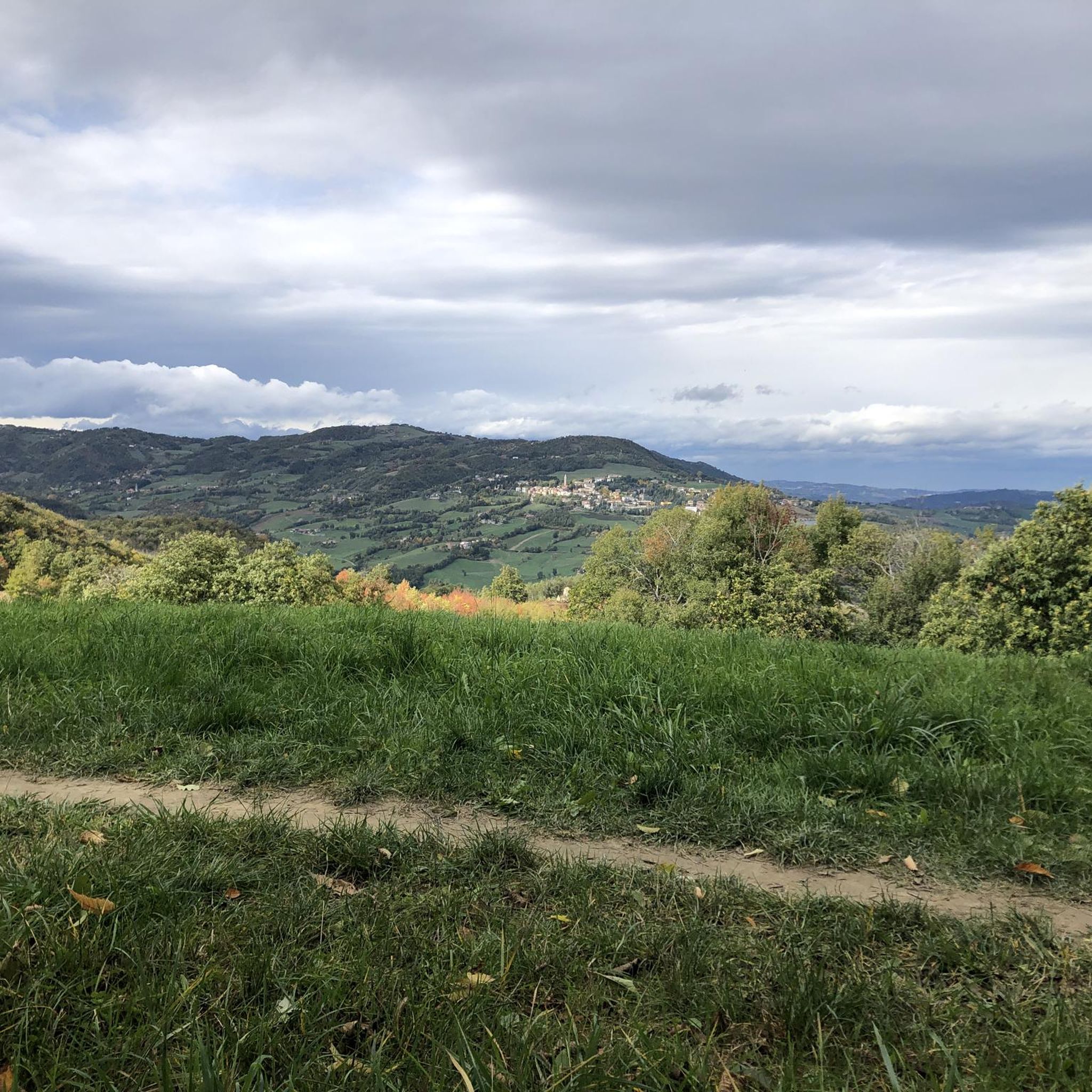
Road Cycling Routes around Lama Mocogno
MTB Trails around Lama Mocogno
Cycling around Lama Mocogno
Running Trails around Lama Mocogno

Gravel biking around Lama Mocogno


Tips from the Community

It is believed that the rocky block on which Roccapelago stands was an ancient prehistoric castle. The first mention of a "Castrum Pelago" is found in a document dated 753. Roccapelago probably belonged to the Gualandelli family since the 12th century, and was subsequently a fiefdom of the Montegarullo family from 1240, whose warlike politics it suffered, especially under Obizzo da Montegarullo. In 1393, Obizzo having rebelled against the Este family, Roccapelago was besieged by the Lucchese allies of the house of Este, who took possession of the castle. In 1396 Obizzo managed to regain possession of it and Roccapelago remained with the Montegarullo family until 1408 when a powerful military contingent, under the command of Uguccione dei Contrari, managed to capture it and take it prisoner to Ferrara. In 1586, the new church of Roccapelago was built on the perimeter of the now abandoned castle. The square, massive shape, without arches, without columns and without vaults suggests that its room had been the hall of the Obizzo manor. The bell tower was built at the expense of the population in 1765, using a tower from the old castle. Other restoration works were carried out in 1925 due to damage from an earthquake. Four ancient rooms have recently been recovered which currently house the "In the footsteps of Obizzo da Montegarullo" and "The Mummies of Roccapelago" museums. From the site: http://www.roccapelago.it/
0
0

In the village of Viecave, which once had considerable strategic and sighting importance, there is a high tower around which some remains of the castle, now almost completely disappeared, can still be seen. The many landslides that have occurred in recent centuries have upset the geography of Viecave, where, moreover, two other fifteenth-sixteenth century buildings are still clearly distinguishable.
1
0

Montefiorino is a small town in the province of Modena, known for being the center of the first Partisan Republic in the Second World War. The town is characterized by its imposing medieval fortress, which houses two museums dedicated to the Resistance and local history.
0
0
Some suggest the derivation of the toponym Viecave from Viae Capitum (main streets), mentioned for the first time in a 14th century document. From the 15th century it became an independent municipality, until, in the 17th century, it was absorbed by Crocette. The solitary tower, which rises above the village, dates back to the sixteenth century and is the only remaining evidence of the ancient castle. The building next door, which includes a tower house and a service building, has five portals and two of them bear the date of 1565 (east) and 1682 (west). Interesting to note the use of wood for pillars and beams. http://www.camministorici.it/it/user/4/punti-di-interest/vie-cave
0
0

Montecuccolo Castle is a wonderful and majestic well-preserved castle that is worth visiting. Its history begins at the time of Matilda of Canossa, when a family of her vassals obtained the investiture of the fiefdom in 1116 from Emperor Henry V and built a tower and a first palace on this hill at the beginning of the 12th century. After a long struggle with other local feudal lords, the Montecuccoli, who emerged victorious, expanded the fortress which took on its current appearance between the 15th and 17th centuries, with the addition of the new palace, the square tower and the podesteria. The castle offers a beautiful view of the sunset from its terrace located in the rear entrance, where the restaurant is also located. A curious fact about the castle is that it houses the highest balsamic vinegar cell in the world, at an altitude of 873 metres.
2
0

The castle of Pompeano (fraction of Serramazzoni) is a building perched on a stone of volcanic origin. A steep stairway climb leads to the portal with a pointed arch. From a window of the portal you can admire the Church of San Geminiano al Sasso with the bell tower, the square-based watchtower and the feudal palace. The wall is present only on the side of the entrance, while the remaining sides are protected by overhanging walls. Visits by reservation. For more information: http://www.comune.serramazzoni.mo.it/territorio/bellezze_visitare/default.aspx
0
0

The tower of the Montecuccoli castle
1
1

It is a little known castle, but when you pass by it deserves to be observed. I point out a snack bar right in the square in front of the castle.
0
0
Frequently Asked Questions
Are there any castles directly in Lama Mocogno?
While Lama Mocogno itself doesn't have extant castles in the traditional sense, historical records indicate a castle once stood in the old village of Mocogno. This castle was unfortunately burned down in 1523, and an imposing 20th-century bell tower now occupies its former site.
What are the most notable castles to visit near Lama Mocogno?
The broader Modena Apennines region offers several significant castles. Highly recommended are Montecuccolo Castle, known for its 12th-century origins and impressive views, and Castello di Pompeano, uniquely perched on a volcanic rock. Other notable sites include Montefiorino with its medieval fortress and museums, and the historic Viecave Tower.
What makes Montecuccolo Castle a unique visit?
Montecuccolo Castle is a well-preserved 12th-century fortress that was the residence of the powerful Montecuccoli family. Beyond its historical significance and beautiful views, it uniquely houses the highest balsamic vinegar cellar in the world, at an altitude of 873 meters.
What can I expect to see at Castello di Pompeano?
Castello di Pompeano is a medieval stronghold perched on a massive volcanic rock. Within its fortified perimeter, you can explore the feudal palace, a square-based watchtower, and a circular dovecote tower. The site offers a glimpse into the region's defensive architecture.
Are there any family-friendly castles or historical sites in the area?
Yes, Montefiorino is a settlement known for its imposing medieval fortress, which is considered family-friendly. It houses two museums dedicated to the Resistance and local history, offering an educational experience for all ages.
What kind of history do the castles near Lama Mocogno offer?
The castles in the Modena Apennines region showcase a rich history, ranging from medieval strongholds like Montecuccolo Castle and Castello di Pompeano, to defensive structures that were later transformed into noble residences, such as Vignola Fortress. Many offer insights into feudal life, military strategies, and local cultural heritage.
Are there castles with archaeological parks or museums nearby?
Yes, Formigine Castle, originally a defensive structure, now serves as a cultural center with an archaeological park and a multimedia museum of archaeology. Additionally, the medieval fortress in Montefiorino houses two museums dedicated to the Resistance and local history.
What outdoor activities can I combine with a castle visit near Lama Mocogno?
The area around Lama Mocogno is excellent for outdoor activities. You can find numerous hiking, running, and cycling routes. For example, there are moderate hiking trails like the 'Mount Cantiere – Mount Cantiere loop from Piane di Mocogno' or challenging cycling routes such as the 'Montecuccoli Castle – Montecuccolo Castle loop'. You can explore more options in the hiking guide, running guide, or cycling guide for Lama Mocogno.
Which castle features impressive frescoes and valuable art?
Vignola Fortress, an imposing and well-preserved structure, was later transformed into a sumptuous noble home. It is known for its frescoes and valuable art, offering a glimpse into the opulent lifestyle of past nobility.
What is the significance of Rocca di Roccapelago?
Rocca di Roccapelago has ancient origins, with the first mention of a 'Castrum Pelago' dating back to 753. It was a significant fiefdom of the Montegarullo family and later became part of the Este family's domain. Today, it houses the 'In the footsteps of Obizzo da Montegarullo' and 'The Mummies of Roccapelago' museums, offering unique historical insights.
Can I find information about opening hours or tickets for these castles?
For detailed information on specific castles like Formigine Castle, including opening hours and ticket details, it's best to check official local tourism websites. For example, you can find information about Formigine Castle on VisitModena.it.
What do visitors enjoy most about the castles around Lama Mocogno?
Visitors frequently appreciate the well-preserved historical architecture, the panoramic views offered by many castle locations, and the rich history embedded in these sites. The unique features, such as Montecuccolo Castle's balsamic vinegar cellar or Castello di Pompeano's volcanic perch, also stand out as memorable experiences.
Most popular routes around Lama Mocogno
Most popular attractions around Lama Mocogno

Get inspired with the komoot mobile app


Explore more
Looking for the best castles somewhere else? Discover other guides around Lama Mocogno:
