Top 6 Caves around Soriano Nel Cimino
Best caves around Soriano Nel Cimino are located in the Tuscia Viterbo area, a region known for its volcanic landscape and historical rock-cut structures. This area, part of the Monti Cimini group, features ancient dwellings, monastic complexes, and natural geological formations. These sites provide insight into Etruscan and medieval civilizations, showcasing both natural features and human-engineered spaces.
Best caves around Soriano Nel Cimino
- The most popular caves is Hermitage of St. Jerome, a religious building that is an enchanting…
Last updated: May 18, 2026
Devil’s Well Cave (Monte Venere)
Highlight • Cave
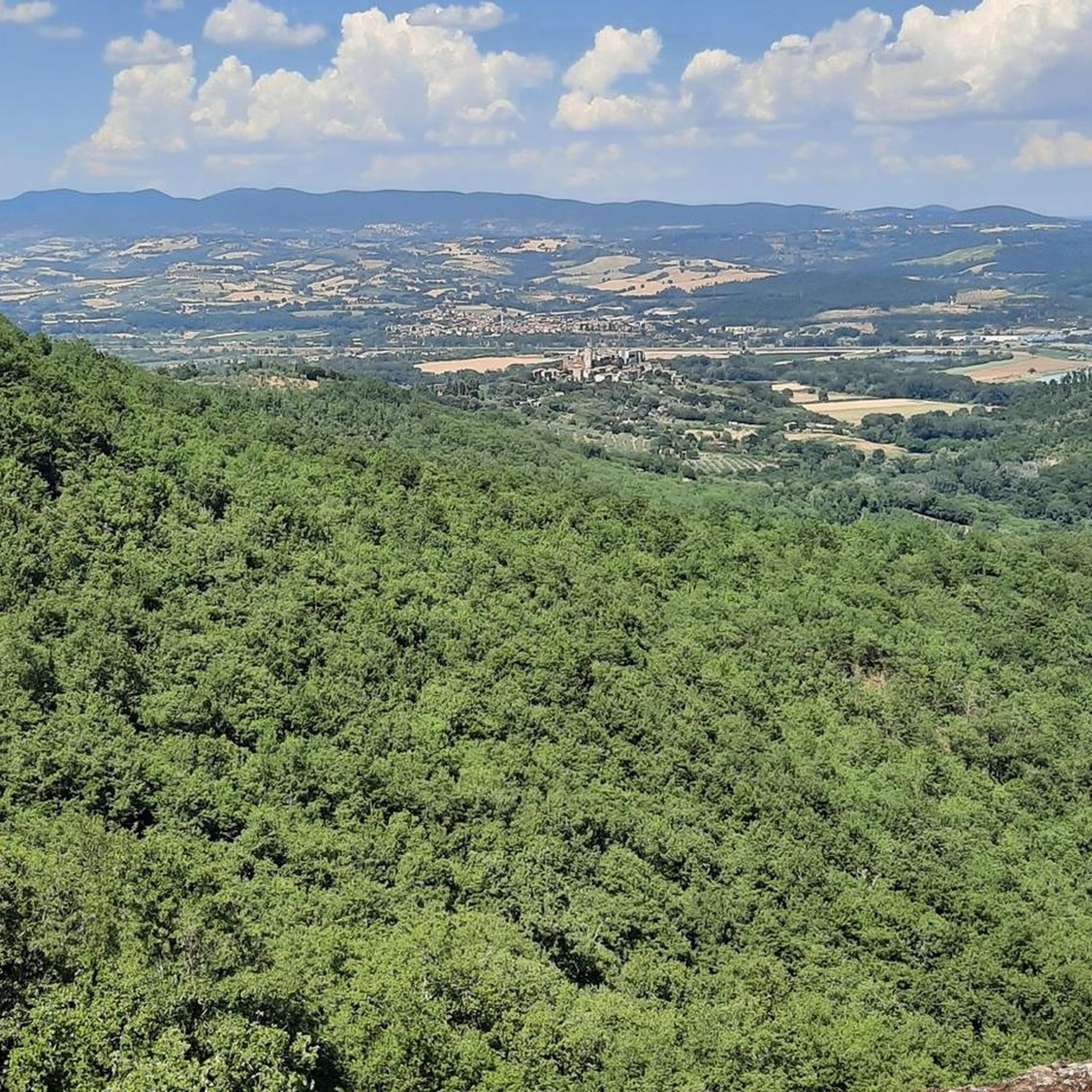
It is a mountain of volcanic origin that reaches a height of 835 m asl.
Translated by Google •
Tip by

Vie Cave of Corchiano
Highlight • Natural Monument
Translated by Google •
Tip by
Sign up now to discover places like this
Get recommendations on the best single tracks, peaks, & plenty of other exciting outdoor places.
Sign up for free
Hermitage of St. Jerome
Highlight • Religious Site
Translated by Google •
Tip by

Chia Tower and Etruscan Cave
Highlight • Historical Site
Translated by Google •
Tip by

Church of Santa Maria di Monte Casoli
Highlight • Religious Site
Translated by Google •
Tip by

Sign up for free to discover even more caves around Soriano Nel Cimino.
Sign up for free
Already have an account?
Start today with a free account
Your next adventure awaits.
Login or Signup

Tips from the Community

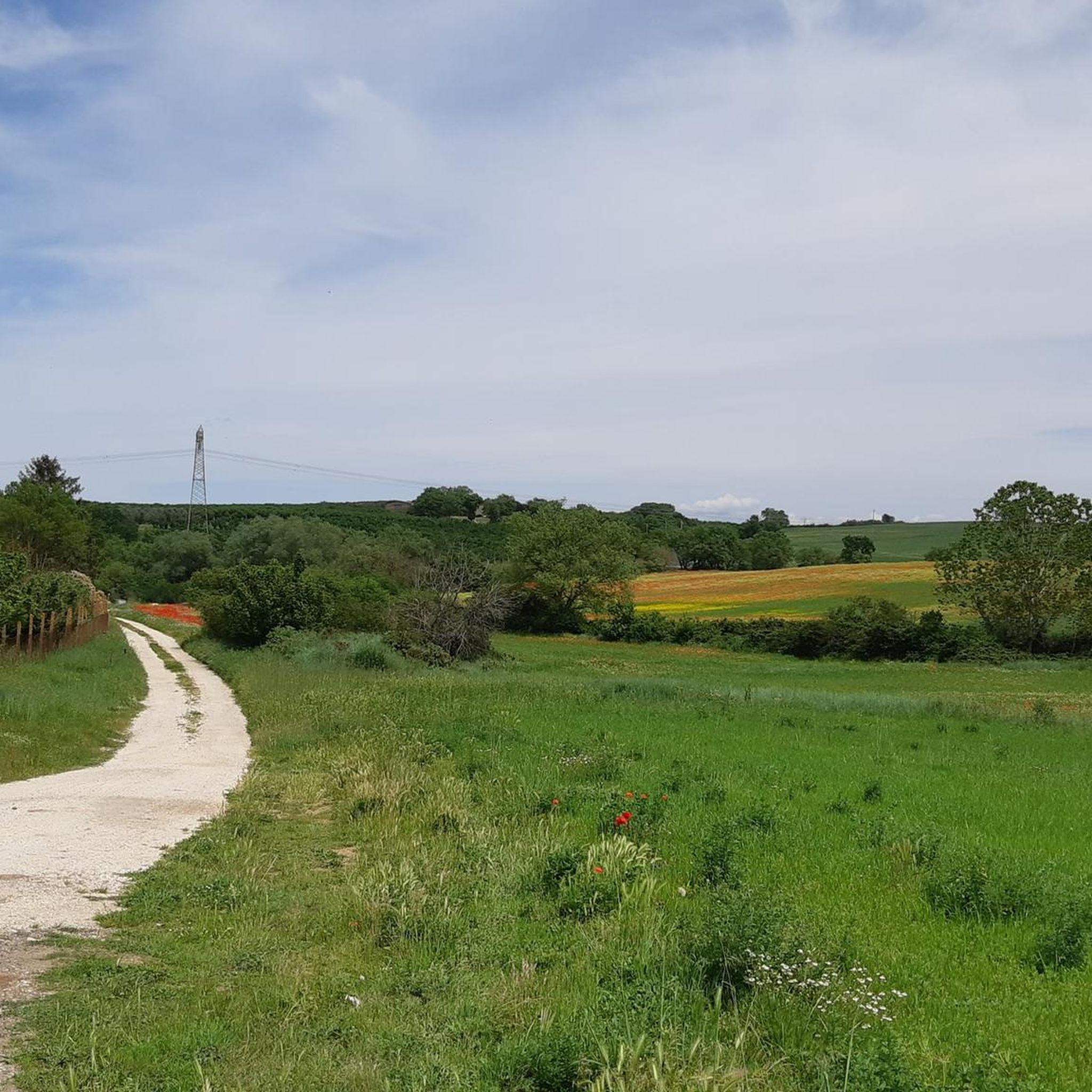
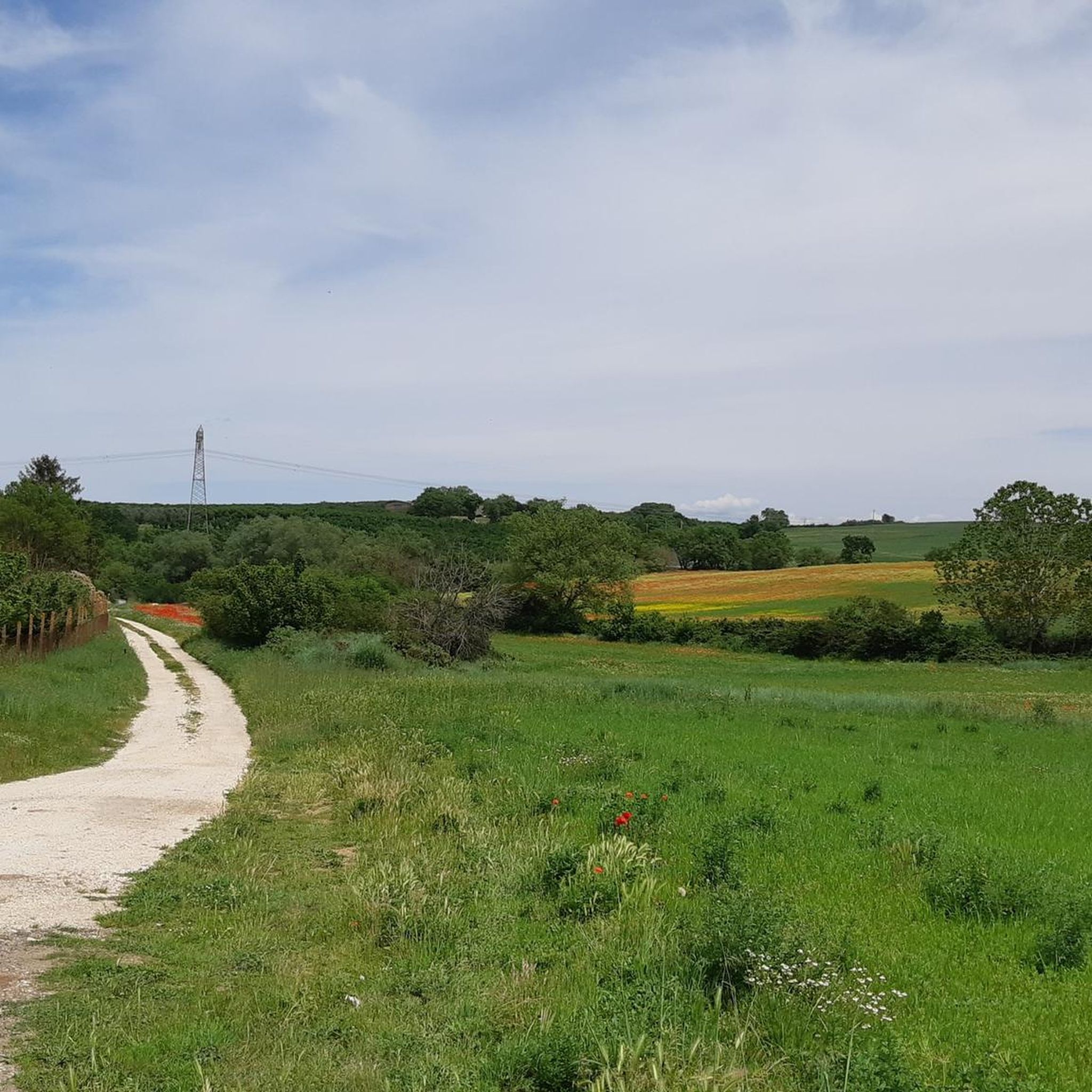
Following this path, just before reaching the devil's well, it is not clear where to go, the path disappears and also the white and red signs. We had to go a bit by intuition and take a very steep climb in the woods to get there. Once we reach the well, the path continues easily until the end.
0
1

archaeological site immediately after the church, worth visiting
0
0

Be careful not to lean out!
0
0

Walking along via S. Egidio, you will find the beginning of this short but very suggestive path inside a "via cava" (roads dug through the tuff that connected the bottom of the valley with the territories above and, in other areas, were also used to drain excess water from agricultural land). This via cava is full of caves dug directly into the tuff, probably used as stables or cellars to store wine or food.
0
0

Santa Maria di Monte Casoli is a church located in the Monte Casoli area, in the municipality of Bomarzo, in the province of Viterbo. This place has a rich and fascinating history, dating back centuries. The church dates back to the 11th-12th century, but was renovated in the 16th century. Under the current structure are the remains of an ancient triapse rock church, dug into the tuff, accessible through a narrow tunnel. It is believed that this church can be linked to a document from the Monastery of San Silvestro in Capite from the 10th century, which mentions an oratory dedicated to Santa Maria located right in Monte Casoli.
0
0

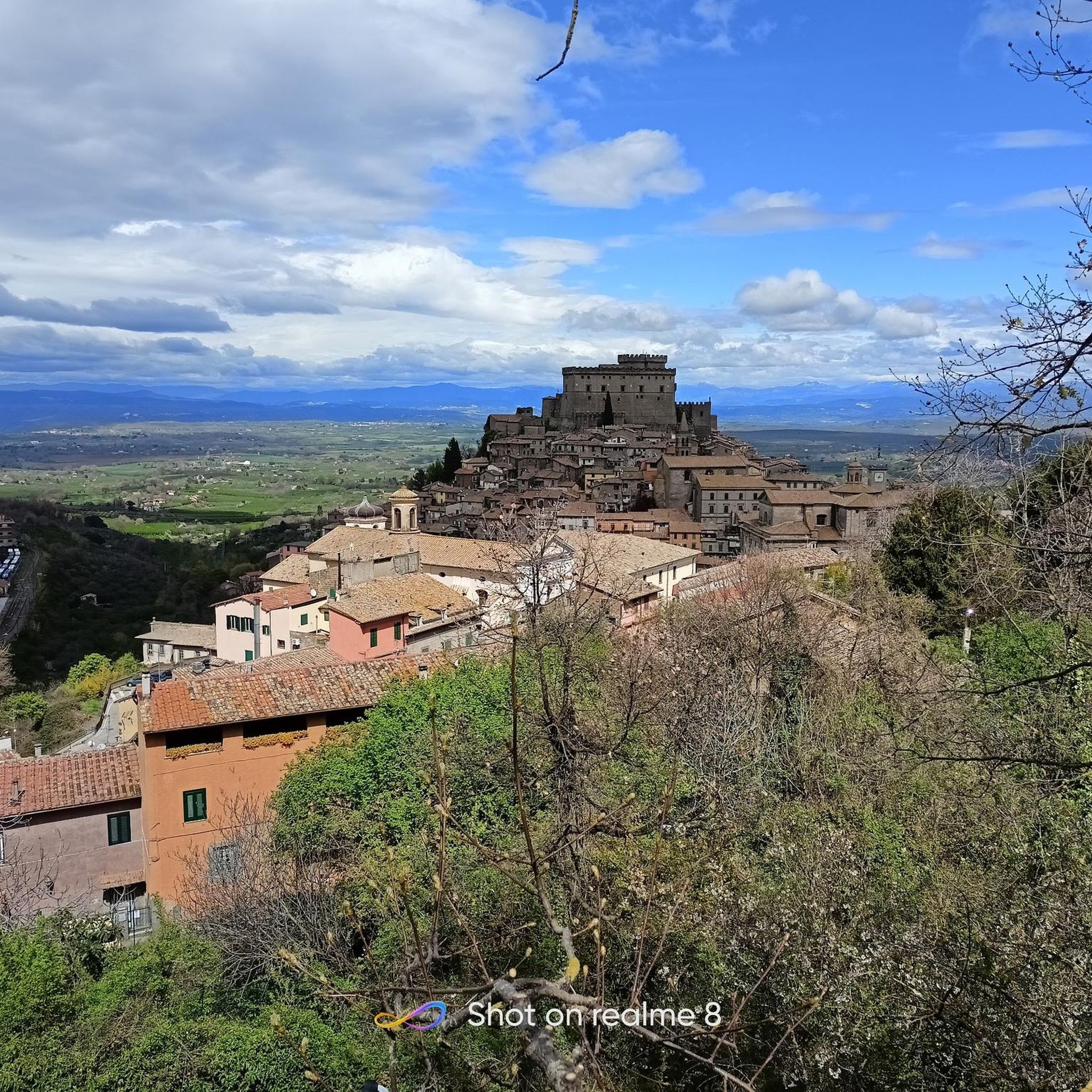
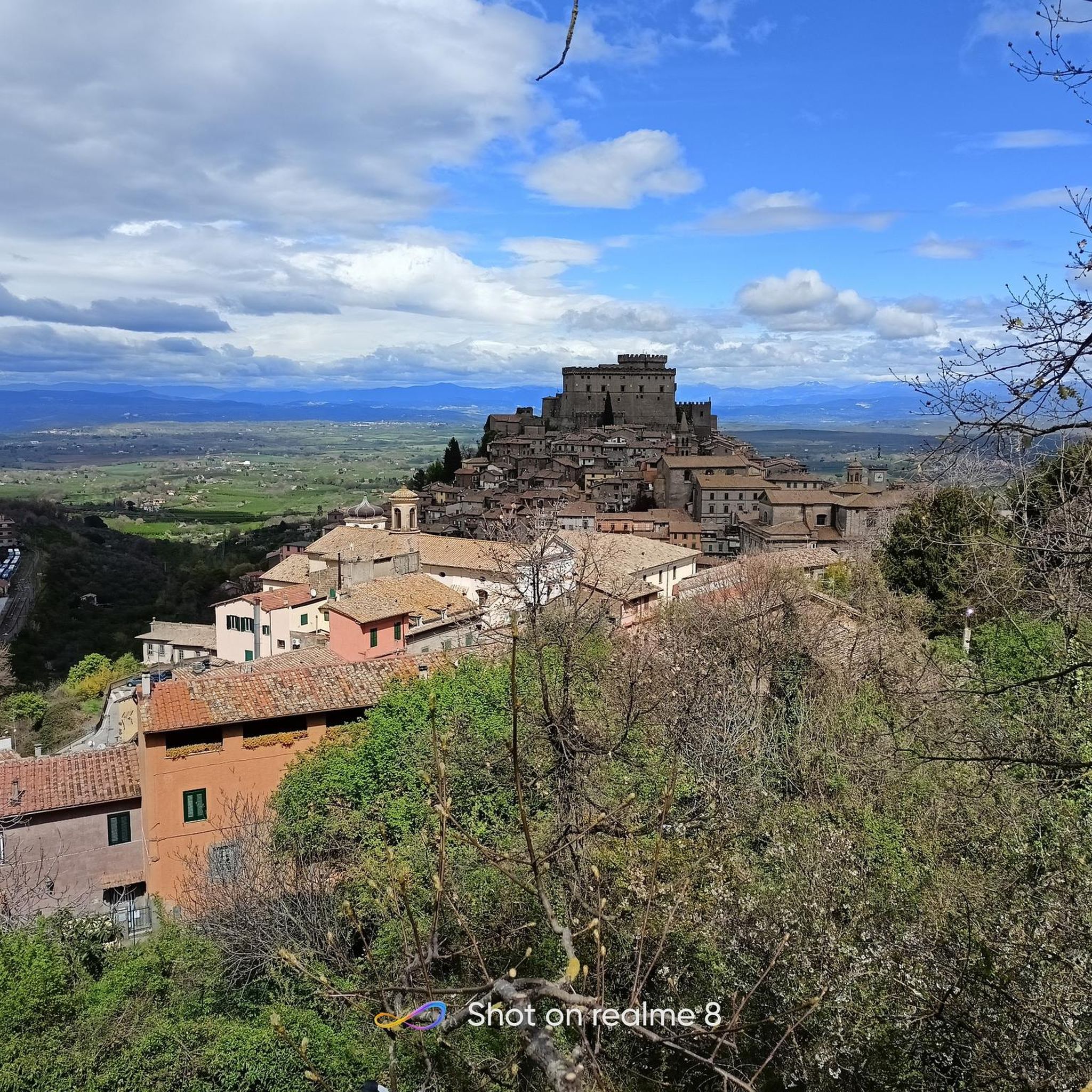
It is a mystical and engaging place where Saint Jerome lived as a hermit
1
0

Please don't enter into the cavity "Pozzo del Diavolo". It's a shelter for bats and people inside could create noise that disturbes colonies. It is also dangerous to enter: we must report several accidents occourred in this point. Download the official guide to the Vico Lake Nature Reserve at http://www.parchilazio.it/vico-pubblicazioni-413-guida_ufficiale_della_riserva_naturale_lago_di_vico
2
0
Please don't enter into the cavity anyway. It's a shelter for bats and people inside could create noise that disturbes colonies. It is also dangerous to enter: we must report several accidents occourred in this point.
1
1
Frequently Asked Questions
What historical or archaeological "caves" can I explore near Soriano nel Cimino?
The region is rich in historical rock-cut structures. You can visit the Chia Tower and Etruscan Cave, which offers a glimpse into ancient civilizations. Other significant sites include the Santa Cecilia Necropolis, featuring ancient rock dwellings and sarcophagi, and Corviano, an ancient settlement with hypogean dwellings carved into the rock. The Church of Santa Maria di Monte Casoli also has remains of an ancient triapse rock church dug into the tuff.
Are there natural caves to visit in the Soriano nel Cimino area?
Yes, the Devil’s Well Cave (Monte Venere) is a notable natural feature. Located on Monte Venere, a volcanic mountain within the Monti Cimini group, it offers a different kind of cave experience focused on natural geology within a scenic volcanic landscape. It's also a shelter for bats, so entry is restricted to avoid disturbance and for safety.
What are the "Vie Cave" near Corchiano, and what can I expect when visiting them?
The Vie Cave of Corchiano are ancient Etruscan roads carved deeply into the tuff rock, declared a natural monument. They are essentially vertical cuts creating pathways through the landscape. When visiting, you can expect an immersive walk through towering rock walls, with many caves dug directly into the tuff, likely used as stables or cellars in the past.
Are there any family-friendly cave sites around Soriano nel Cimino?
Yes, the Chia Tower and Etruscan Cave is considered family-friendly. It involves a simple walk to reach the historical site, which includes an interesting construction and an Etruscan cave in a beautiful setting.
What is the Hermitage of St. Jerome, and what makes it a significant site?
The Hermitage of St. Jerome is an enchanting religious building nestled in the beech forest. It's a mystical and engaging place, historically significant as a site where Saint Jerome is believed to have lived as a hermit. It represents the region's tradition of secluded monastic life within natural and carved shelters.
What kind of outdoor activities can I do near the caves of Soriano nel Cimino?
Beyond exploring the caves, the area around Soriano nel Cimino offers various outdoor activities. You can find numerous routes for mountain biking, road cycling, and gravel biking. For example, there are challenging MTB trails like the 'MTB Trail in ZSC Monte Cimino – Corviano Waterfall and Ford loop' and scenic road cycling routes such as the 'Viterbo and the Valley of the Calanchi Loop'. You can find more details on these activities in the respective guides for MTB Trails, Road Cycling Routes, and Gravel Biking around Soriano Nel Cimino.
Are there any unique dining experiences related to caves in the area?
Yes, the Ristorante Rottezzia, located near the historical Grotta Rottezia, is known to boast "ancient hand-dug caves" that offer a unique dining experience. This provides an opportunity to enjoy local cuisine within a historically significant, rock-cut setting.
What is the best time of year to visit the caves and rock-cut sites?
While specific seasonal considerations for each site vary, generally, spring and autumn offer pleasant temperatures for exploring the outdoor rock-cut sites and natural caves. These seasons avoid the peak heat of summer and the colder, potentially wetter conditions of winter, making walks and explorations more comfortable.
Is there parking available near the cave sites?
For sites like the Devil’s Well Cave (Monte Venere), there is a fantastic hiking car park with a picnic area, making access convenient. For other sites, parking availability may vary, so it's advisable to check local information or signage upon arrival.
What is the significance of Grotta Rottezia?
Grotta Rottezia is an artificial cavity that was once part of a monastic complex. It is believed to have served as a refuge or for food storage for a monastic community, including a small church, a fountain, and a prayer place. Although access to its entrance is currently restricted, its historical context as a place of monastic isolation and subsistence makes it a significant site.
What kind of geological features characterize the caves around Soriano nel Cimino?
The region is part of the Monti Cimini group, known for its volcanic landscape. Many of the 'caves' are actually rock-cut structures carved into tuff, a volcanic rock. Natural features like the Devil’s Well Cave are natural formations within this volcanic terrain, showcasing the area's unique geological history.
Most popular routes around Soriano Nel Cimino
Most popular attractions around Soriano Nel Cimino

Get inspired with the komoot mobile app


Explore more
Extend your search for the best caves by checking out these guides of the top ones around Soriano Nel Cimino:
