Top 6 Caves around Civita Castellana
Best caves around Civita Castellana offer a blend of natural geological formations and ancient human-made structures. The region is characterized by its volcanic tuff landscape, which has been shaped by water erosion and human activity over millennia. This has resulted in a unique environment featuring deep gorges, carved roads, and underground chambers. The area provides insights into the Faliscan civilization and natural karst phenomena.
Best caves around Civita Castellana
- The most popular caves is Necropolis of Cavo degli Zucchi,…
Last updated: October 2, 2026
Church of Santa Romana
Highlight • Religious Site
Translated by Google •
Tip by

Vie Cave of Corchiano
Highlight • Natural Monument
Translated by Google •
Tip by

Sign up now to discover places like this
Get recommendations on the best single tracks, peaks, & plenty of other exciting outdoor places.
Meri del Soratte Karst Sinkholes
Highlight • Cave
Translated by Google •
Tip by
The Cavoni of Nepi
Highlight • Gorge
Translated by Google •
Tip by
Necropolis of Cavo degli Zucchi
Highlight • Historical Site
Translated by Google •
Tip by
Sign up for free to discover even more caves around Civita Castellana.
Already have an account?
Start today with a free account
Your next adventure awaits.

Tips from the Community

The hermitage of Santa Romana, in Sant’Oreste sul Monte Soratte, is a rock-hewn church carved into a cave on the northeast side of the mountain, in a wooded and very evocative setting. According to tradition, it was consecrated in 1218, but the site seems to have even older origins, perhaps also linked to pre-Christian cults. The site preserves remains of walls and ruins that show how the hermitage was larger than it appears today, as well as frescoes visible on the damp cave walls. Inside there is also a marble basin that collects water dripping from the rock, traditionally used for devotion by women who lacked milk,
0
0

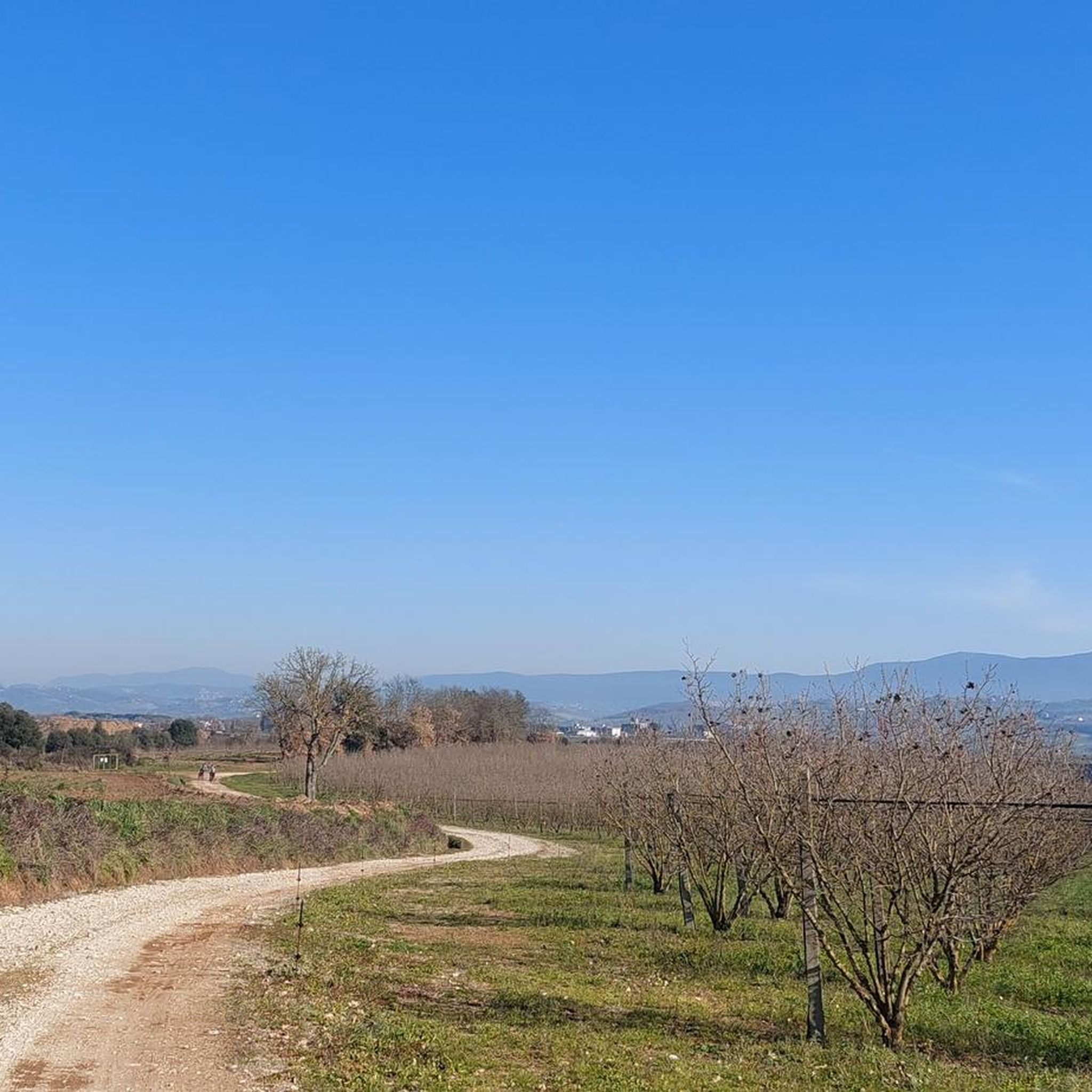
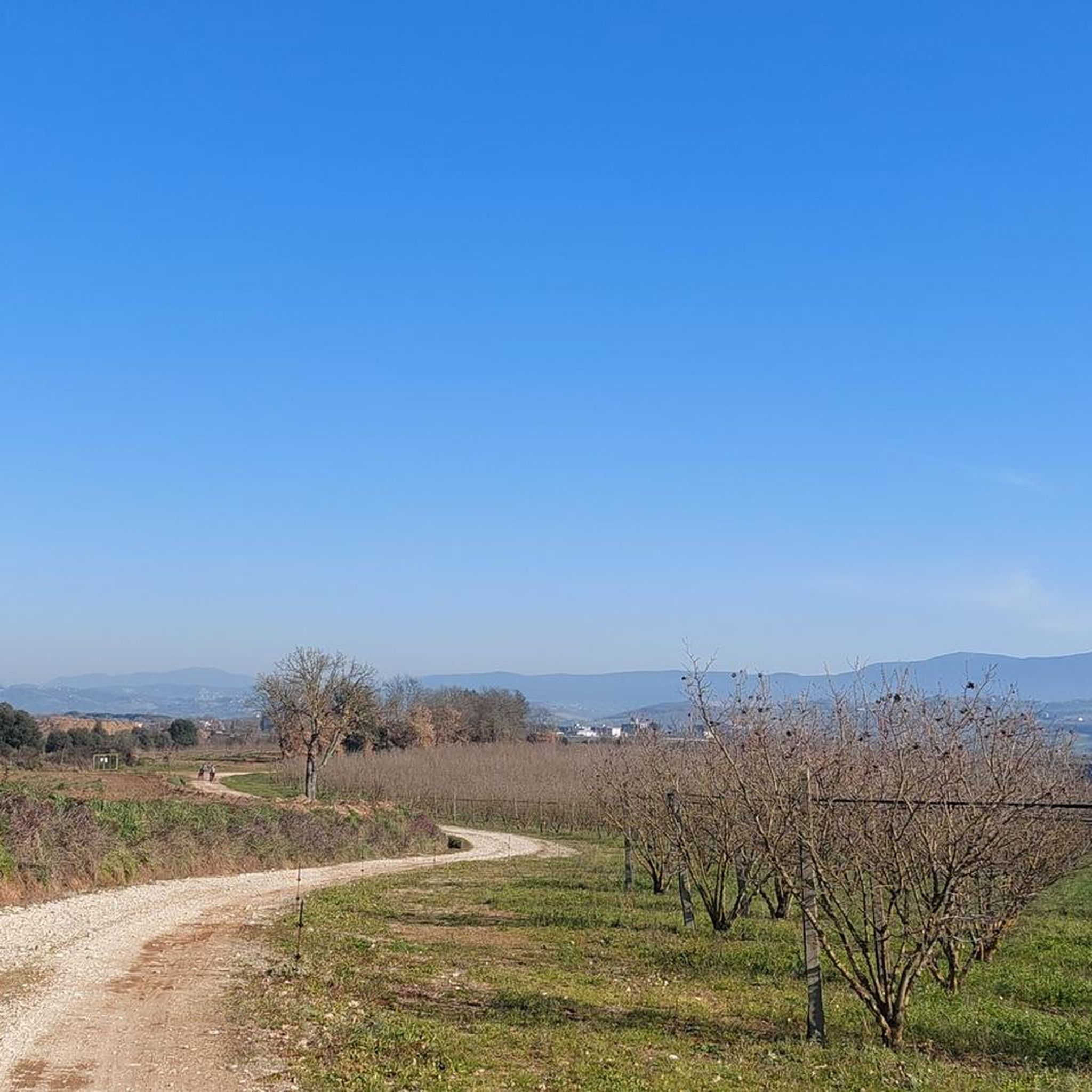
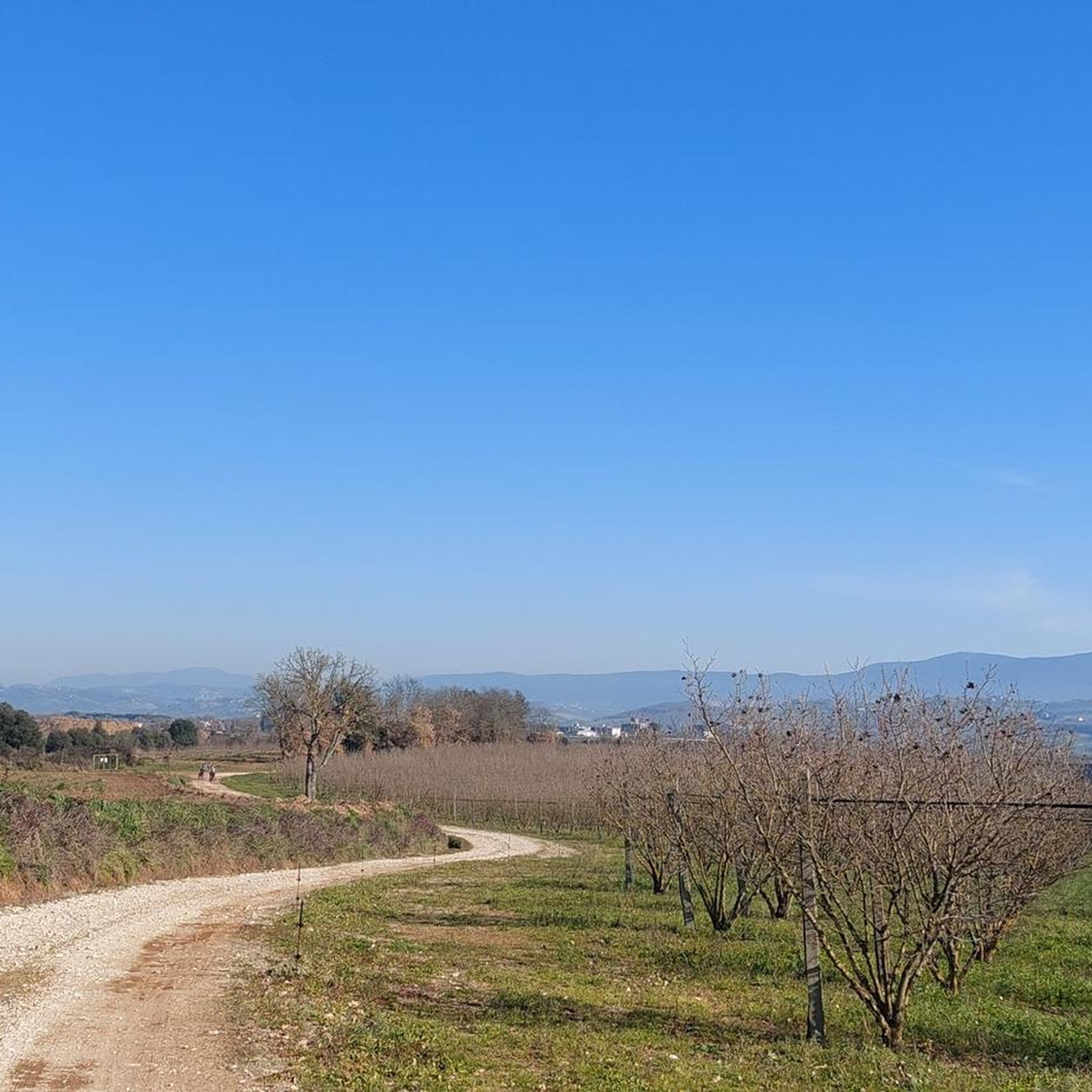
Walking along via S. Egidio, you will find the beginning of this short but very suggestive path inside a "via cava" (roads dug through the tuff that connected the bottom of the valley with the territories above and, in other areas, were also used to drain excess water from agricultural land). This via cava is full of caves dug directly into the tuff, probably used as stables or cellars to store wine or food.
0
0

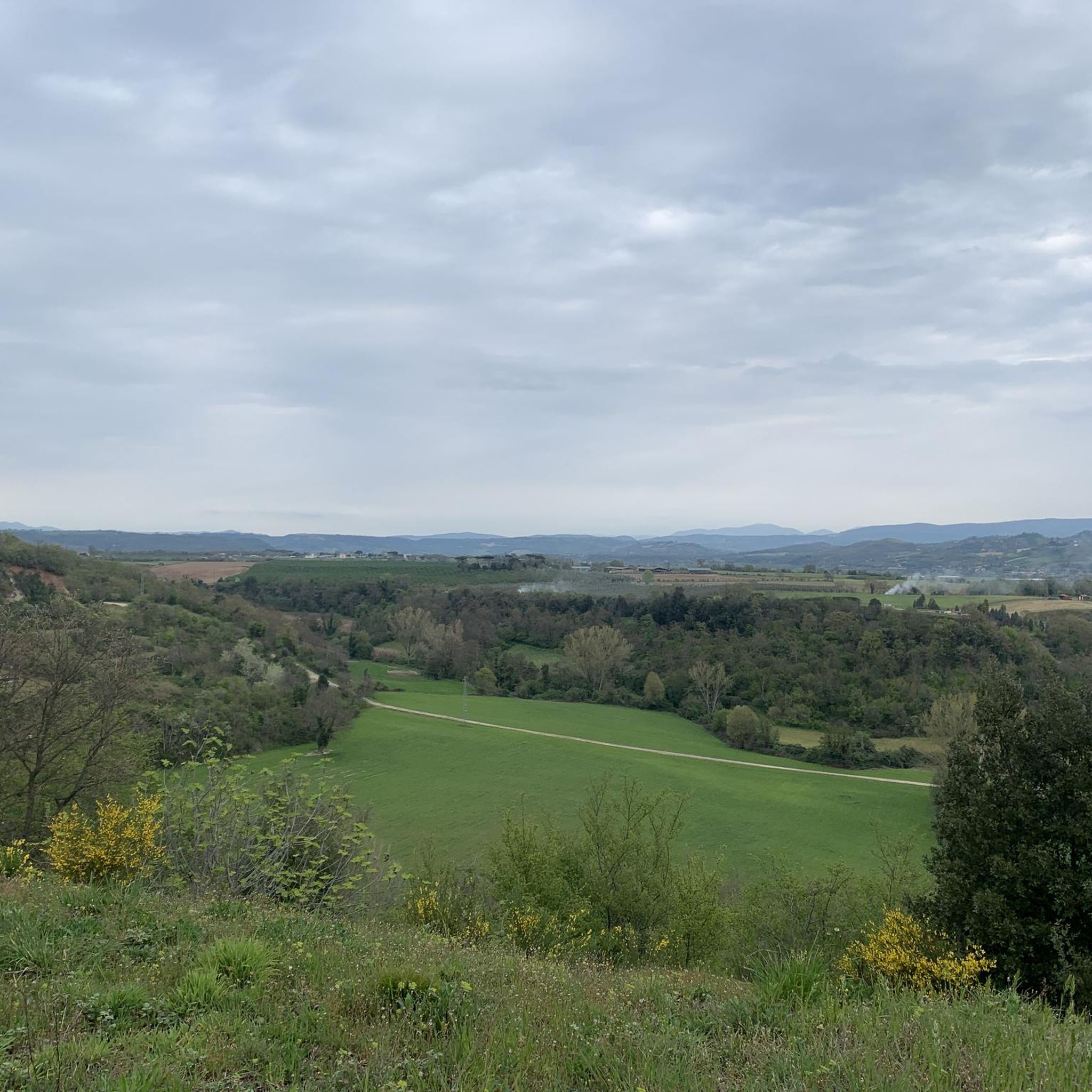
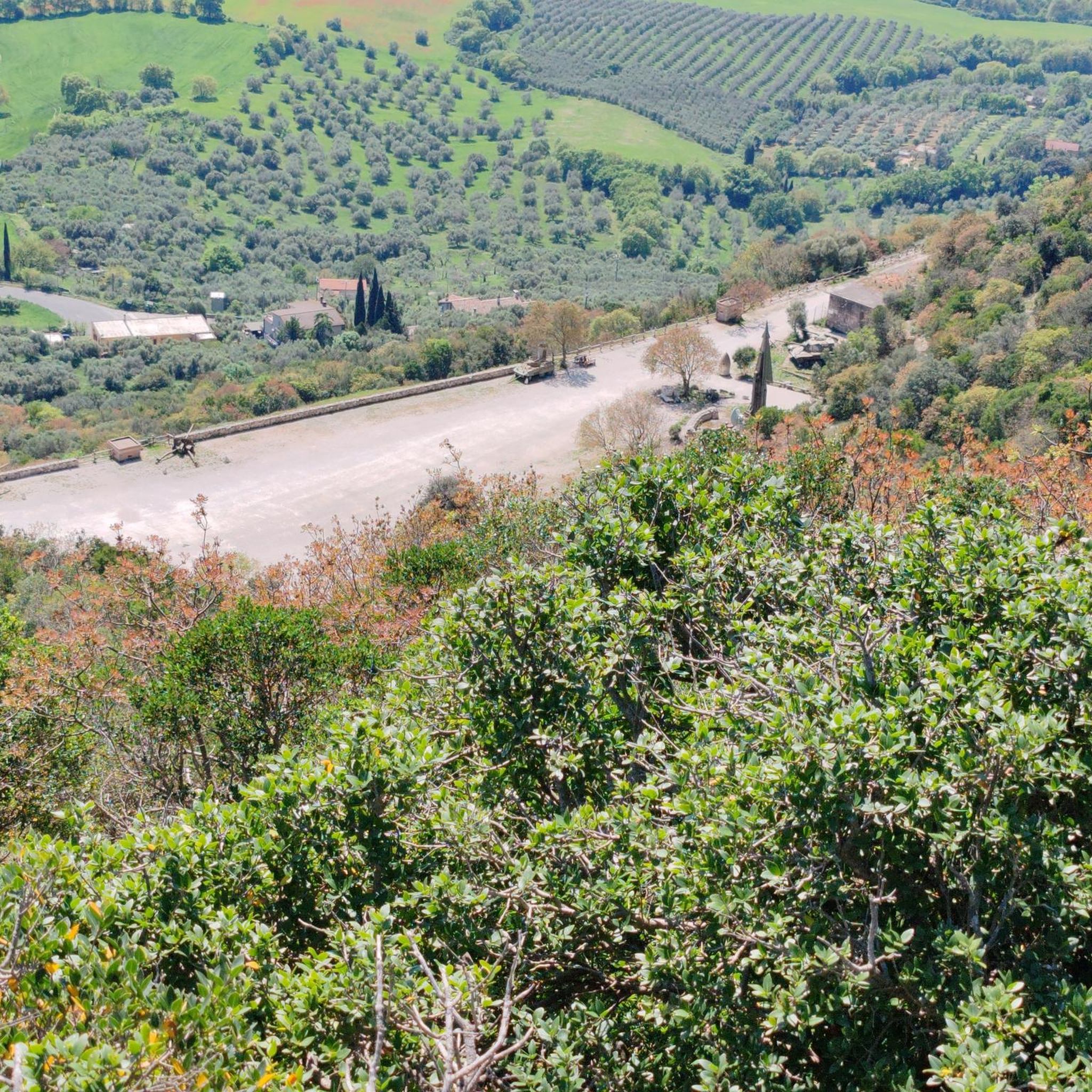
The meri are very deep karst cavities. Easy path to follow. Start from the large Sant'Oreste car park, the one below the road. There are three of them, all close together. On the same path, a little further on, there is the church in the cave of Santa Romana, a beautiful place that deserves to be visited.
0
0


Etruscan necropolis located on the ancient Via Amerina in the municipality of Fabrica di Roma
1
0

The Necropolis of Cavo degli Zucchi is the largest existing Faliscan necropolis. It is suggestive to walk among the tombs dug into the walls of the cut that runs along the road.
1
0
The Cavoni appear very similar to the gorges and are one of the most important examples of the impressive engineering works of the ancient Falisci civilization. The communication routes of this ancient people were dug by hand in the tuff.
4
0
The Forre di Corchiano (vie cave) are works declared a natural monument. They are located in the town of Corchiano (which stands on a tufaceous cliff), the vie cave are a work created by man. It is a vertical cut to create a road that softens the sometimes harsh slopes of nature.
1
0
Frequently Asked Questions
What types of caves and underground sites can I explore around Civita Castellana?
The Civita Castellana region offers a unique blend of natural geological formations and ancient human-made structures. You can explore natural karst sinkholes, historical necropolis caves, and impressive hand-carved rock paths created by the ancient Falisci civilization.
Are there historical sites among the caves near Civita Castellana?
Yes, the area is rich in historical sites. For example, the Necropolis of Cavo degli Zucchi is the largest existing Faliscan necropolis, featuring tombs dug into the walls along the ancient Via Amerina. Another significant historical site is the Faliscan Necropolis Cavone of Monte Li Santi, where you can see ancient Etruscan and Faliscan tombs and structures.
What natural geological features can I find in the caves around Civita Castellana?
The region's volcanic tuff landscape has been shaped by water erosion, resulting in unique natural features. The Meri del Soratte Karst Sinkholes are a notable natural monument, consisting of three interconnected, very deep karst cavities known since ancient times.
Are there any ancient carved roads or paths to explore?
Absolutely. The Cavoni of Nepi are impressive hand-carved rock paths, significant examples of the engineering works of the ancient Falisci civilization dating back 3000 years. Similarly, the Vie Cave of Corchiano are ancient roads dug through the tuff, featuring caves probably used as stables or cellars.
What is the difficulty level of exploring these caves and sites?
Many of the sites, such as the Vie Cave of Corchiano and the Necropolis of Cavo degli Zucchi, are categorized as intermediate difficulty. The paths to the Meri del Soratte Karst Sinkholes are generally easy to follow. It's advisable to check individual highlight details for specific difficulty ratings.
Are the caves and sites around Civita Castellana family-friendly?
Yes, some sites are considered family-friendly. For instance, the Meri del Soratte Karst Sinkholes are explicitly listed as family-friendly, offering an accessible path for exploration.
What do visitors appreciate most about the caves in this region?
Visitors appreciate the blend of natural beauty and historical significance. The unique geological formations, the ancient Faliscan necropolises, and the impressive hand-carved roads offer a glimpse into both natural processes and ancient human ingenuity. The komoot community has shared many photos and given positive upvotes for these sites.
What outdoor activities can I do near the caves of Civita Castellana?
The Civita Castellana area offers various outdoor activities. You can find numerous cycling routes, including touring bicycle and road cycling options, as well as running trails. For example, you can explore routes like the 'Nepi Aqueduct loop' for running or 'From Borghetto (Civita Castellana) along the Water Way' for cycling. You can find more details on these activities in the Cycling around Civita Castellana and Running Trails around Civita Castellana guides.
Are there any permits required for cave exploration in Civita Castellana?
The provided information does not indicate that special permits are required for visiting the publicly accessible highlights mentioned, such as the necropolises, karst sinkholes, or carved paths. However, for any specialized or off-path cave exploration, it is always recommended to check with local authorities or guided tour operators.
What is the geological background of the Civita Castellana caves?
The caves and underground structures in Civita Castellana are primarily formed within a volcanic tuff landscape. This soft, porous rock has been shaped over millennia by water erosion, creating deep gorges and natural cavities, while also being easily carved by ancient civilizations for tombs and roads.
Can I find less crowded alternatives to popular cave sites?
While the guide highlights popular and well-regarded sites, the region offers a variety of similar historical and natural features. Exploring the various 'vie cave' or lesser-known Faliscan necropolises might offer a more secluded experience. It's recommended to consult local maps or guides for additional, less frequented spots.
Most popular routes around Civita Castellana
Most popular attractions around Civita Castellana

Get inspired with the komoot mobile app


Explore more
Extend your search for the best caves by checking out these guides of the top ones around Civita Castellana:
