Top 3 Castles around Lucoli
Best castles around Lucoli offer a glimpse into the region's medieval past and strategic importance within the Abruzzo landscape. While prominent, well-preserved castles are not found directly within Lucoli, the area features historical fortifications, often reduced to ruins, that provide historical significance. These sites are typically situated in elevated positions, offering scenic views of the surrounding Sirente Velino Regional Natural Park and mountainous terrain. Visiting these locations can be part of a broader exploration of Lucoli's historical and natural attractions.
…Last updated: July 26, 2026
Forte Spagnolo (Cinquecento Castle), L'Aquila
Highlight • Castle
Showing Translation
Tip by

Forte Spagnolo
Highlight • Castle
Showing Translation
Tip by
Sign up now to discover places like this
Get recommendations on the best single tracks, peaks, & plenty of other exciting outdoor places.
Sign up for free
Rovere
Highlight • Settlement
Translated by Google •
Tip by

Castello Rivera
Highlight • Castle
The 2009 …
Translated by Google •
Tip by

Corvaro di Borgorose
Highlight • Settlement
Translated by Google •
Tip by
Start today with a free account
Your next adventure awaits.
Login or Signup
Other adventures around Lucoli

Tips from the Community

The Forte Spagnolo (also known as Castello Cinquecentesco) is one of the most impressive 16th-century military strongholds of Central and Southern Italy. Although it is a defensive work, its true historical significance lies in the fact that it was never built to protect the city, but rather to suppress it. After the Spanish threat diminished over time, the complex successively served as the residence of the Spanish governor, barracks for French troops in the 19th century, and headquarters for the German occupier during World War II. In 1902, it was officially declared a national monument. Shortly after World War II, it became the home of the National Museum of Abruzzo (MuNDA). Since the devastating earthquake of 2009, the fort has been undergoing a lengthy and complex restoration, but it remains one of the most impressive symbols of the city when viewed from the outside.
4
0
The Forte Spagnolo (also known as Castello Cinquecentesco) is one of the most impressive 16th-century military strongholds in Central and Southern Italy. Although it is a defensive work, its true historical significance lies in the fact that it was never built to protect the city, but rather to suppress it. Once the Spanish threat subsided over time, the complex successively served as the residence of the Spanish governor, barracks for French troops in the 19th century, and headquarters for the German occupiers during World War II. In 1902 it was officially declared a national monument. Shortly after World War II, it became the home of the Museo Nazionale d'Abruzzo (MuNDA). Since the devastating earthquake of 2009, the fort has been undergoing a lengthy and complex restoration, but it remains one of the most impressive symbols of the city when viewed from the outside.
5
0


Also known as the sixteenth-century castle.
0
0
The sixteenth-century Castle of L'Aquila is one of the largest, best-preserved buildings of modern military architecture in Europe.
0
0

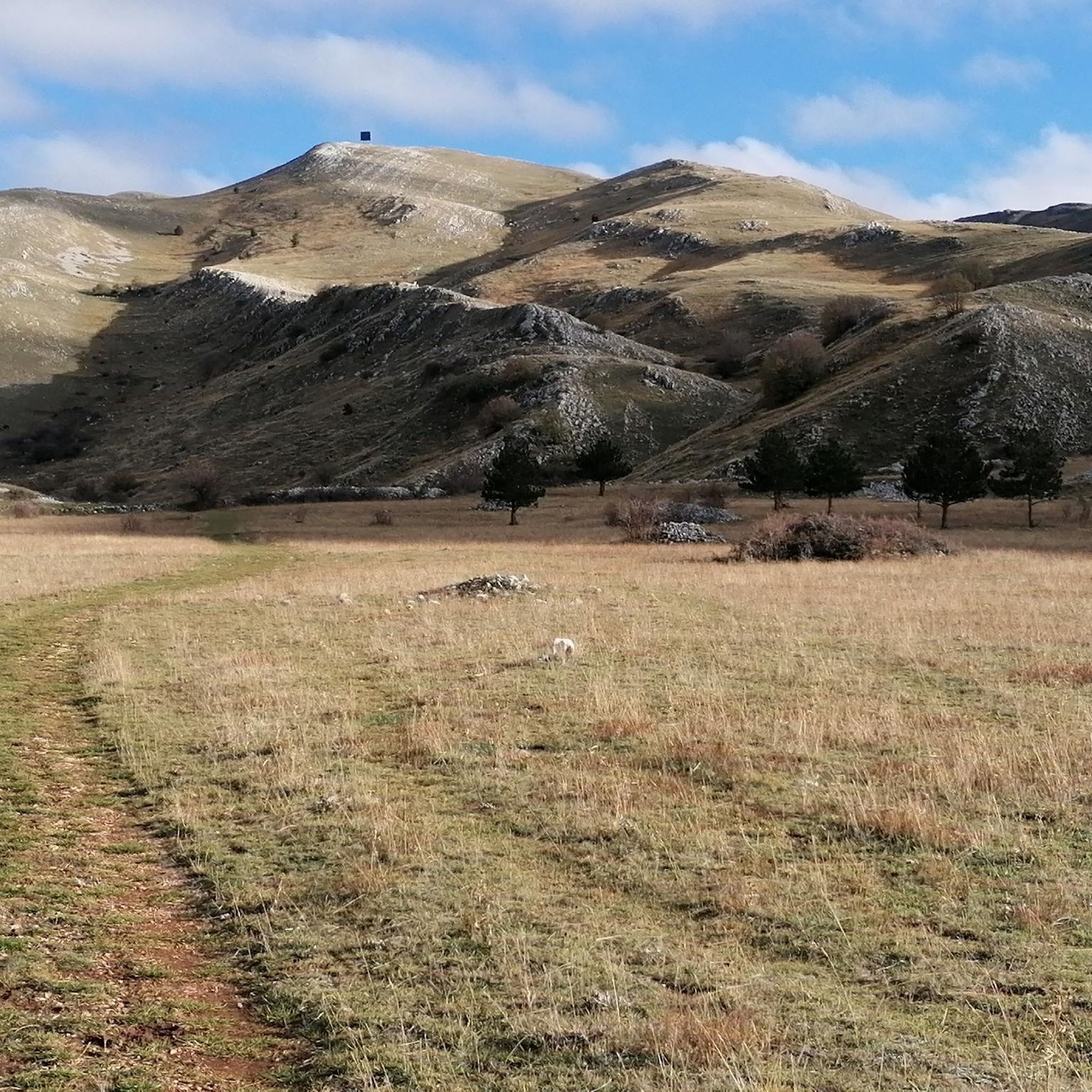
Rovere is among the oldest villages on the Rocche plateau. Right at the top of the town are the ruins of the ancient castle dating back to the 12th century. They can be reached with an easy walk and offer a breathtaking view of the village and the entire plateau.
2
0
This small town is actually the most populous hamlet of Borgorose. The old village still maintains its medieval matrix intact, with the castle and the circular tower clearly visible. From here several paths start within the Duchess Mountains. In the small town there is also an archeology museum dedicated to the ancient Equi people.
2
0

Frequently Asked Questions
What kind of castles and fortifications can I expect to find around Lucoli?
Around Lucoli, you'll primarily discover the remnants of ancient fortifications rather than grand, intact castles. Sites like the ancient castle in Collimento and the Castello di Lucoli (corresponding to Lucoli Alto) are largely reduced to ruins. These offer a glimpse into the region's medieval past and strategic importance. For a more substantial structure, the impressive Forte Spagnolo (Cinquecento Castle) in L'Aquila is a notable 16th-century military stronghold nearby.
What historical significance do the castles and fortifications around Lucoli hold?
These sites provide a tangible connection to the early Middle Ages and the complex feudal history of the Abruzzo region. Fortifications like those in Collimento and Lucoli Alto were strategically important, often linked to institutions like the Benedictine Monastery of San Giovanni. They played a role in the foundation of L'Aquila and were under the jurisdiction of powerful local families.
Are there any castles near Lucoli that offer panoramic views?
Yes, many of the ancient fortifications were built in elevated positions for defensive reasons. The ruins at Rovere, for example, offer breathtaking views of the village and the entire Rocche plateau. Similarly, the sites of the former castles in Lucoli likely provide scenic vistas of the surrounding Sirente Velino Regional Natural Park and the mountainous landscape.
Are there family-friendly castle sites to visit near Lucoli?
Yes, several sites are suitable for families. The ruins of the ancient castle at Rovere can be reached with an easy walk, making it accessible for all ages. The Forte Spagnolo in L'Aquila is also considered family-friendly, offering a large outdoor area to explore, even while restoration is ongoing.
What outdoor activities can I combine with visiting castles near Lucoli?
The mountainous landscape around Lucoli and the Sirente Velino Regional Natural Park offer excellent opportunities for outdoor activities. You can find numerous routes for cycling, mountain biking, and hiking. For example, there are challenging cycling routes like the "Madonna d'Appari Church – L'Aquila loop" and various MTB trails, including the "Vincenzo Sebastiani Mountain Hut – Piani di Pezza loop." You can explore more options in the Cycling around Lucoli, Traffic-free bike rides around Lucoli, and MTB Trails around Lucoli guides.
Are there hiking trails near the castle ruins in Lucoli?
Yes, the area around Lucoli is popular for hiking. From the old village of Corvaro di Borgorose, which features a visible castle and circular tower, several paths lead into the Duchess Mountains. The sites of the ancient fortifications themselves are often integrated into local walking paths, offering a blend of history and nature. You can find detailed hiking routes in the region on komoot.
What is the best time of year to visit the castles and fortifications around Lucoli?
The best time to visit is typically during the spring (April-June) and autumn (September-October) when the weather is mild and pleasant for exploring both the historical sites and the surrounding natural landscapes. Summer can be warm, while winter offers opportunities for winter sports in the nearby mountains, though some higher-altitude sites might be less accessible.
Are there other historical sites to visit alongside the castles near Lucoli?
Absolutely. The region is rich in history beyond just castles. You can visit the Abbey of St. Giovanni Battista and the parish church of San Sebastiano (dating back to the 15th-16th centuries) in Lucoli. The town of Corvaro di Borgorose also hosts an archaeology museum dedicated to the ancient Equi people, offering further historical context to your visit.
Is the Castello Rivera a traditional fortified castle?
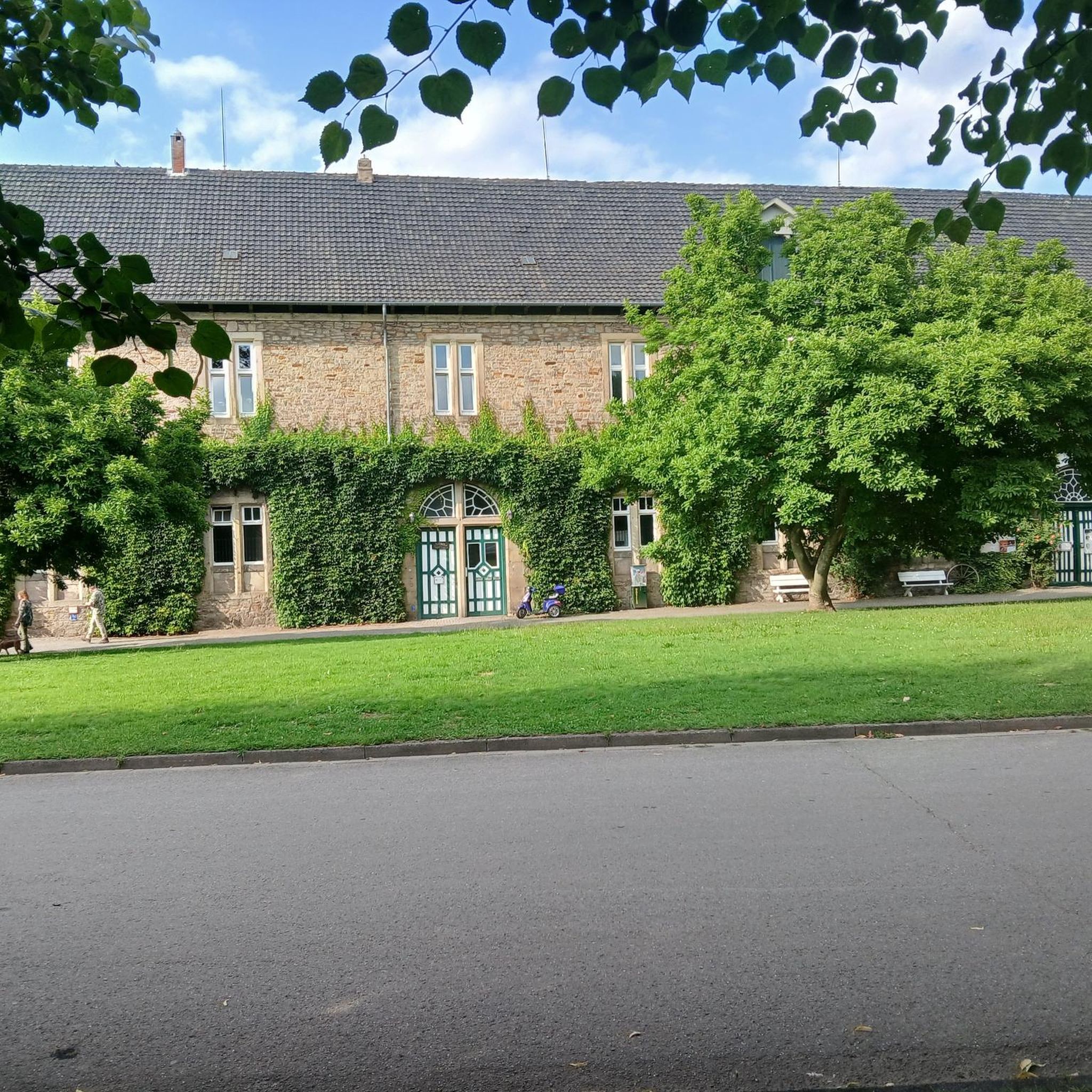
Despite its name, the Castello Rivera is not a traditional fortified medieval structure. It is actually a palace belonging to the noble Rivera dukes of Aquila. While it sustained damage during the 2009 earthquake, recovery efforts have been successful, and it remains a significant historical building.
What can I expect when visiting the ancient castle ruins at Rovere?
When visiting Rovere, you'll find the ruins of an ancient 12th-century castle situated at the top of one of the oldest villages on the Rocche plateau. It's an easy walk to reach the site, and the main draw is the breathtaking panoramic view it offers of the village and the entire plateau, providing a sense of the area's historical vantage point.
Where can I find accommodation or places to eat near the castles in Lucoli?
Lucoli and the surrounding towns offer various options for accommodation, cafes, and restaurants. You'll find local eateries and places to stay that cater to visitors exploring the Abruzzo region. For specific recommendations, it's best to check local listings in Lucoli, L'Aquila, or other nearby villages depending on which castle sites you plan to visit.
Most popular attractions around Lucoli

Get inspired with the komoot mobile app


Explore more
Looking for the best castles somewhere else? Discover other guides around Lucoli:
