Top 7 Gorges around Capranica
Canyons around Capranica are characterized by the region's volcanic hills, wooded gorges, and deeply embedded rivers. The area, particularly in the Province of Viterbo, features a landscape shaped by tufa formations and ancient watercourses. These natural features create numerous ravines and gorge-like sections, offering diverse terrain for exploration. The town itself is situated within this environment, providing access to various natural trails.
Best canyons around Capranica
- The most popular canyons is Via Francigena, a trail that runs parallel to…
Last updated: July 13, 2026
Via Francigena
Highlight (Segment) • Trail
Path that runs parallel to the stream and crosses it with wooden bridges in several points.
It …
Translated by Google •
Tip by

Biedano Valley Trail from Blera to Via Cava delle Quercete
Highlight (Segment) • Trail
The journey is quite easy and can be done with any type of clothing but will be more enjoyable if equipped …
Translated by Google •
Tip by

Sign up now to discover places like this
Get recommendations on the best single tracks, peaks, & plenty of other exciting outdoor places.
Sign up for free
Mill Trail
Highlight • Trail
Translated by Google •
Tip by
Blera
Highlight • Settlement
Translated by Google •
Tip by

Via Cava Buia and Colombario
Highlight • Gorge
Translated by Google •
Tip by

Sign up for free to discover even more gorges around Capranica.
Sign up for free
Already have an account?
Start today with a free account
Your next adventure awaits.
Login or Signup

Tips from the Community

A truly fun section of the Via Francigena to cycle: but watch out for pedestrians
0
0

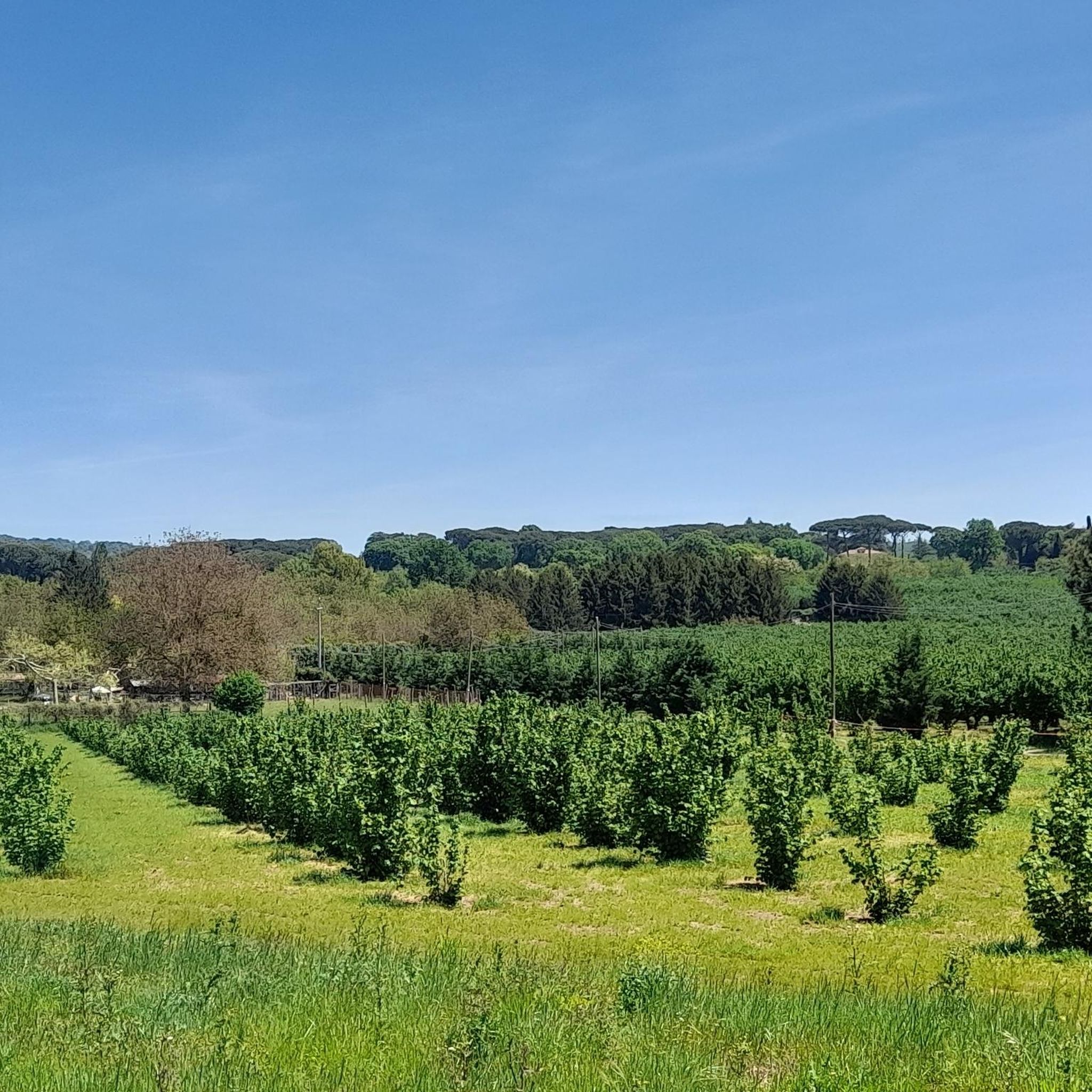
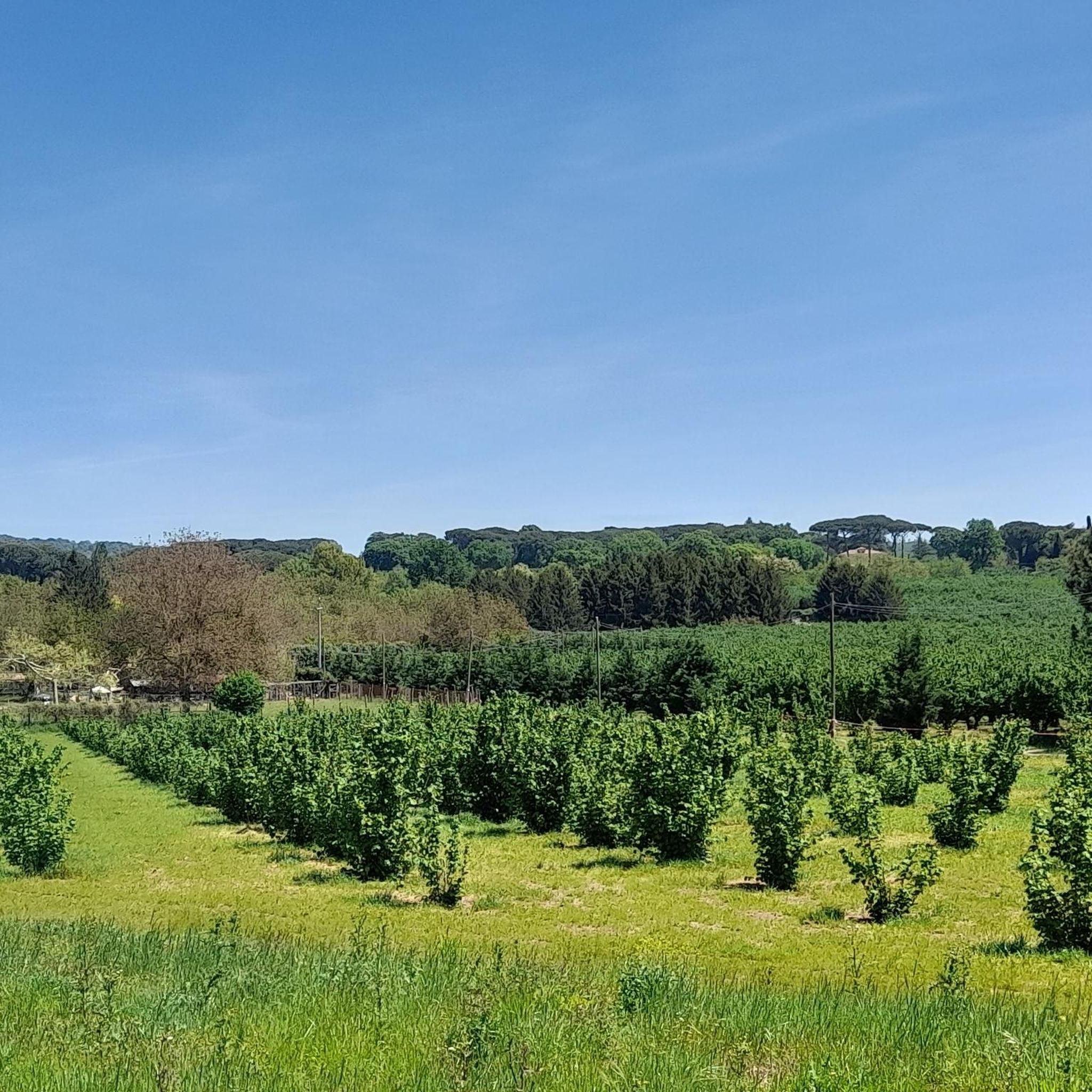
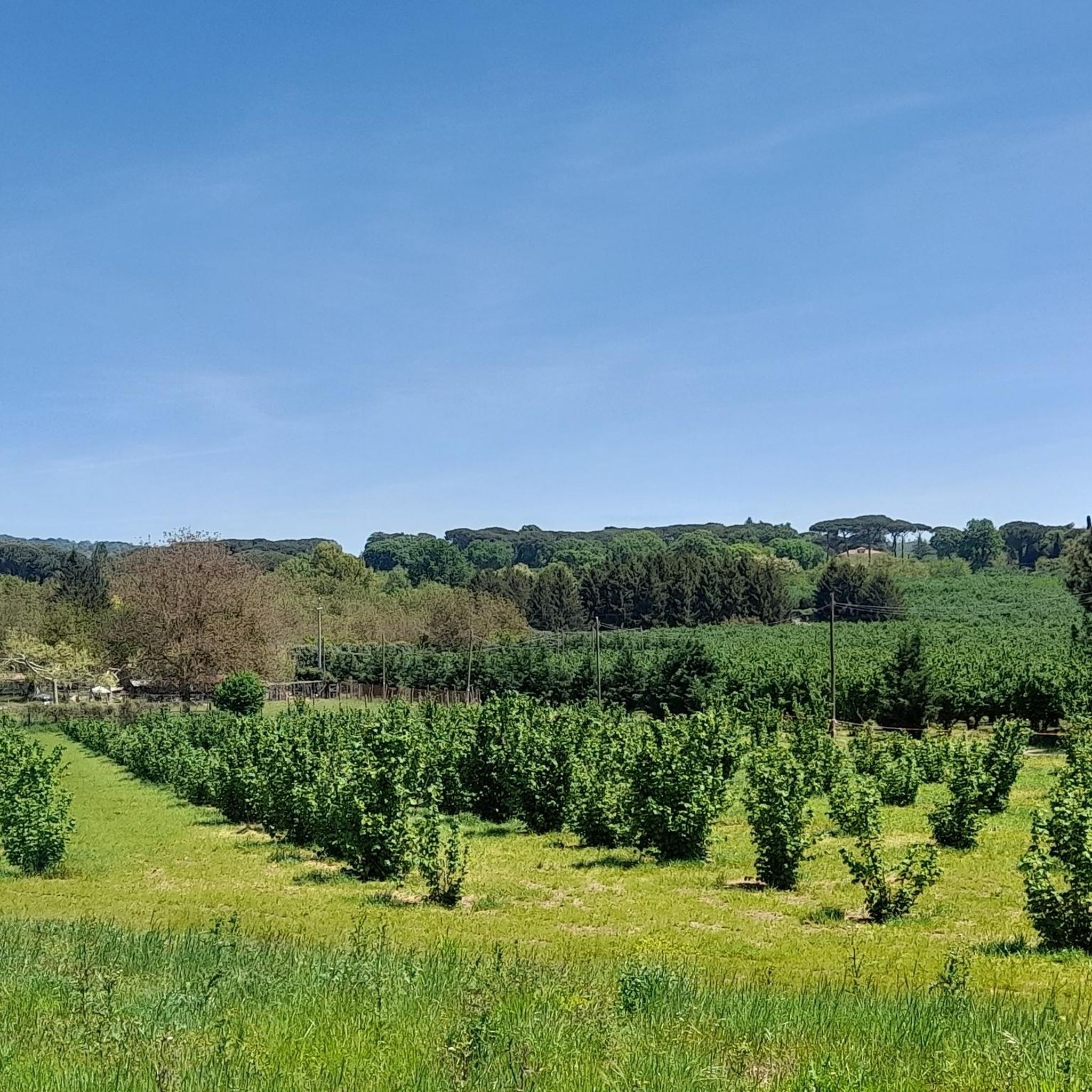
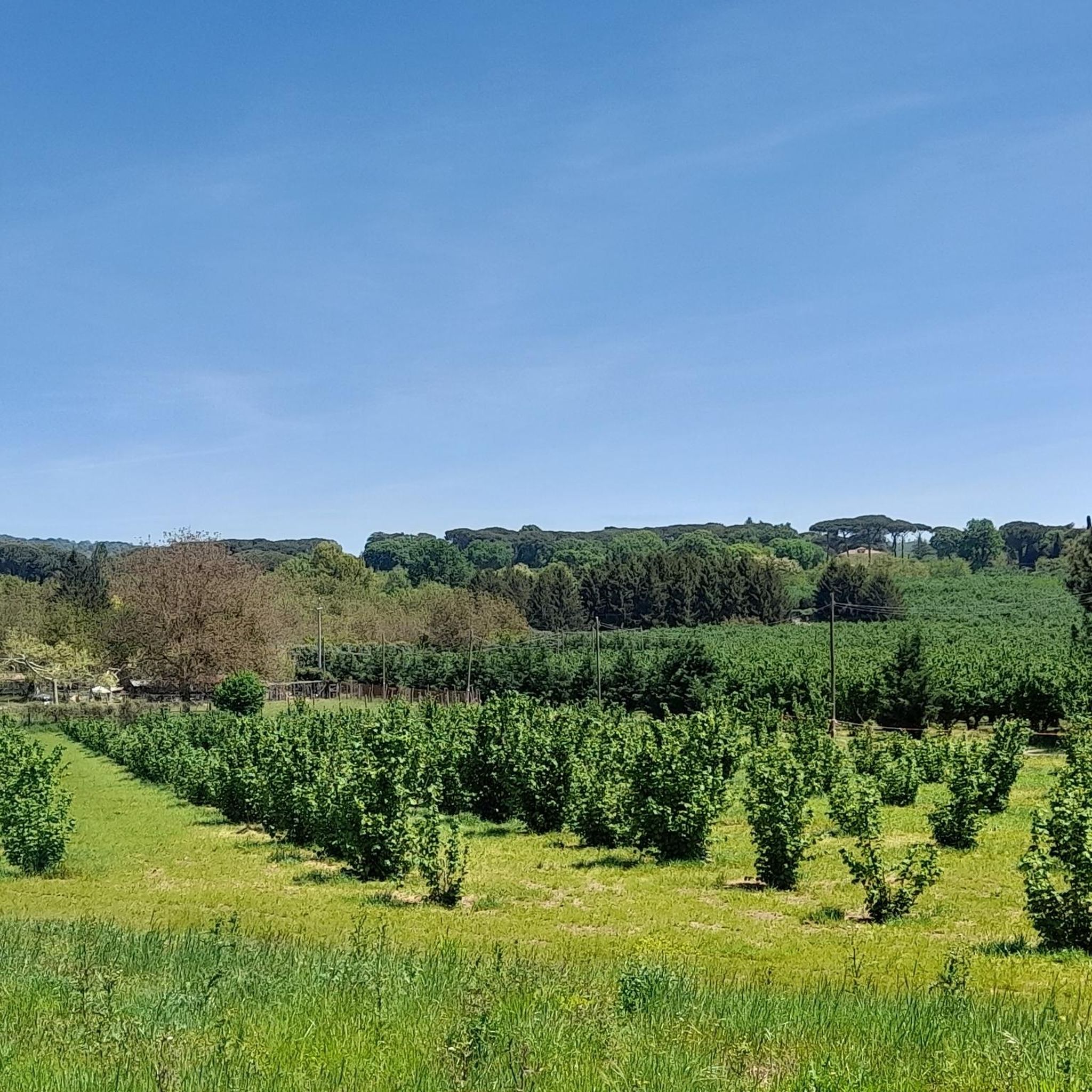
The oak tree quarry offers wonderful naturalistic views. To fully enjoy what surrounds us, we need to take the time to look around
1
0

Wonderful route to be done preferably on sunny days. The journey is quite easy and can be done with any type of clothing but will be more enjoyable if equipped with technical clothing and a pair of trekking shoes. If you want to complete the ring on foot up to the starting point, you will have covered about 9 km, so it is better to bring a snack and a suitable supply of water.
0
0
The "vie Cave" of the Viterbo area, evocative and fascinating. A must visit
2
0
Another town in the Viterbo area perched on a tufa spur. Its "vie cave" and its necropolis are famous
1
0

Cave delle quercete path, a characteristic path that leads to the millstones on the Biedano river.
1
0

Half towards Sutri very beautiful, slight descent (taking it from Sutri), wide, you go with the stream on the left: very very beautiful! Little mud and in January nice stretches of thick frost, but no problem. Halfway through the bridge, you pass on the left bank, always going from Sutri towards Capranica, and the affair becomes complicated: the path becomes narrow, very narrow passages between the boulders, sections with handrails (little space). It is done, but by pushing the bike. Second stretch (after another bridge that leads back to the other bank), again narrow passages, remarkable roots, steep steep slopes, a little more mud and several trees felled sideways. The frame remains beautiful anyway!
1
0
Frequently Asked Questions
What are some notable gorges and canyon-like features to explore near Capranica?
The area around Capranica, particularly near Capranica Prenestina, offers several impressive natural features. The Fosso dell'Acqua Rossa is a majestic gorge known for its numerous pools and waterfalls, including one possibly 50 meters high. Its name comes from a spring depositing dark orange minerals. Another interesting site is Terza Mola, featuring an ancient dam, waterfalls, and an old rock tunnel path, blending natural beauty with historical intrigue.
Are there any historical sites within the canyons or gorges around Capranica?
Yes, the region is rich in history. The area around Blera, a settlement perched on a tuff hill, features ancient Etruscan paths and necropolises. The Via Cava Buia and Colombario is a short path leading down from Blera towards the Biedano river, featuring a columbarium and offering an immersive experience in the local tufa landscape. The Terza Mola area also includes an ancient aqueduct tunnel and mill structures.
What kind of terrain can I expect when exploring the gorges near Capranica?
The terrain around Capranica is characterized by volcanic hills, wooded gorges, and deeply embedded rivers. You'll encounter tufa formations, which are soft volcanic rocks, and ancient watercourses that have carved out ravines and gorge-like sections. Paths can range from well-trodden trails to wilder sections requiring sturdy shoes and navigation over wet rocks, especially in places like Fosso dell'Acqua Rossa.
What is the best time to visit the canyons and gorges around Capranica?
Spring is often considered an ideal time to visit, especially for features like the Fosso dell'Acqua Rossa, as the water flow is sufficient to enhance the beauty of the waterfalls and pools. Generally, sunny days are recommended for routes like the Biedano Valley Trail from Blera to Via Cava delle Quercete for a more enjoyable experience.
Are there family-friendly options for exploring the gorges near Capranica?
While some areas like Fosso dell'Acqua Rossa and Terza Mola can be challenging and involve navigating through water or scrambling, there are sections suitable for families. The Via Francigena offers a trail that runs parallel to a stream and crosses it with wooden bridges, providing a beautiful passage through a natural gorge carved into the tuff, which can be enjoyed on foot.
What outdoor activities can I do near the canyons and gorges of Capranica?
Beyond exploring the gorges themselves, the Capranica area offers a variety of outdoor activities. You can find numerous road cycling routes, running trails, and gravel biking opportunities. For example, there are several road cycling routes like the 'Hidden drinking fountain in Sutri loop' and running trails such as the 'Rocca loop from Ronciglione'. You can explore more options on the Road Cycling Routes around Capranica, Running Trails around Capranica, and Gravel biking around Capranica guide pages.
What should I bring for a hike in the canyons around Capranica?
For trails like the Biedano Valley Trail, trekking shoes and technical clothing are recommended. For more adventurous explorations like Fosso dell'Acqua Rossa, be prepared for navigating through water, often knee-deep, and scrambling over wet rocks, so waterproof gear and appropriate footwear are essential. For wilder paths like Terza Mola, sturdy shoes and long pants are advised. Always bring sufficient water and snacks, especially for longer routes.
Are there opportunities for canyoning in the Capranica area?
Yes, the Fosso dell'Acqua Rossa is highlighted as a prime location for canyoning, offering a challenging yet rewarding adventure. Its series of cascades and pools make it suitable for those seeking an immersive experience in a wild and scenic environment.
What are the 'vie cave' mentioned in the context of Capranica's gorges?
The 'vie cave' are ancient sunken roads or paths carved into the tufa rock, often by the Etruscans. They are characteristic features of the Viterbo area, offering evocative and fascinating passages through the landscape. The Mill Trail and the area around Blera are known for these unique historical paths.
What kind of wildlife can be found in the canyons and gorges?
While specific wildlife details are not extensively provided, these natural, wild environments, particularly those with water features like Fosso dell'Acqua Rossa and Terza Mola, typically support diverse ecosystems. Expect to encounter various flora and fauna adapted to riparian and forested gorge habitats, though specific sightings will depend on the season and your luck.
Where can I find parking or access points for these gorge trails?
Access points and parking vary by specific trail. For example, the Via Francigena section can be accessed from Capranica towards Sutri. For other trails, it's best to research specific starting points. Generally, towns like Capranica and Blera serve as good bases with potential parking options for exploring nearby natural areas.
Are there any specific safety considerations for exploring the gorges?
Yes, safety is important. Some paths, especially those involving water or ancient structures like Terza Mola, are described as 'wild' and not well-developed. Always wear appropriate footwear, such as trekking shoes, and consider technical clothing. Be prepared for potentially wet and slippery surfaces, especially near waterfalls and pools. For canyoning, ensure you have the right equipment and experience or go with a guided tour.
Most popular attractions around Capranica

Get inspired with the komoot mobile app


Explore more
Already discovered everything in this region? See additional gorges around Capranica for your next adventure:
