Top 7 Caves around Fara San Martino
Best caves around Fara San Martino are primarily represented by impressive geological formations and historical rock shelters within Italy's Majella National Park. This area is characterized by dramatic landscapes, deep gorges, and significant rock formations shaped by millennia of erosion. The region offers a blend of natural beauty and historical sites, including ancient monastic ruins and pastoral shelters. These features provide unique experiences for visitors exploring the wild heart of Majella.
Best caves around Fara San Martino
- The most popular…
Last updated: May 1, 2026
Bocca di Valle Memorial
Highlight • Monument
Translated by Google •
Tip by

Hermitage of St. John at the Orfento
Highlight • Religious Site
Translated by Google •
Tip by

Sign up now to discover places like this
Get recommendations on the best single tracks, peaks, & plenty of other exciting outdoor places.
Sign up for free
Grotta dei Pulcini
Highlight • Cave
Translated by Google •
Tip by
Cantrella Cave
Highlight • Cave
Translated by Google •
Tip by

Sant'Angelo Cave
Highlight • Cave
Translated by Google •
Tip by
Sign up for free to discover even more caves around Fara San Martino.
Sign up for free
Already have an account?
Start today with a free account
Your next adventure awaits.
Login or Signup
Popular around Fara San Martino
The Apennines to the Adriatic – cycling to discover Abruzzo
Between the Adriatic Sea and the Apennines — rides in Italy’s Abruzzo
MTB Trails around Fara San Martino
Hiking around Fara San Martino
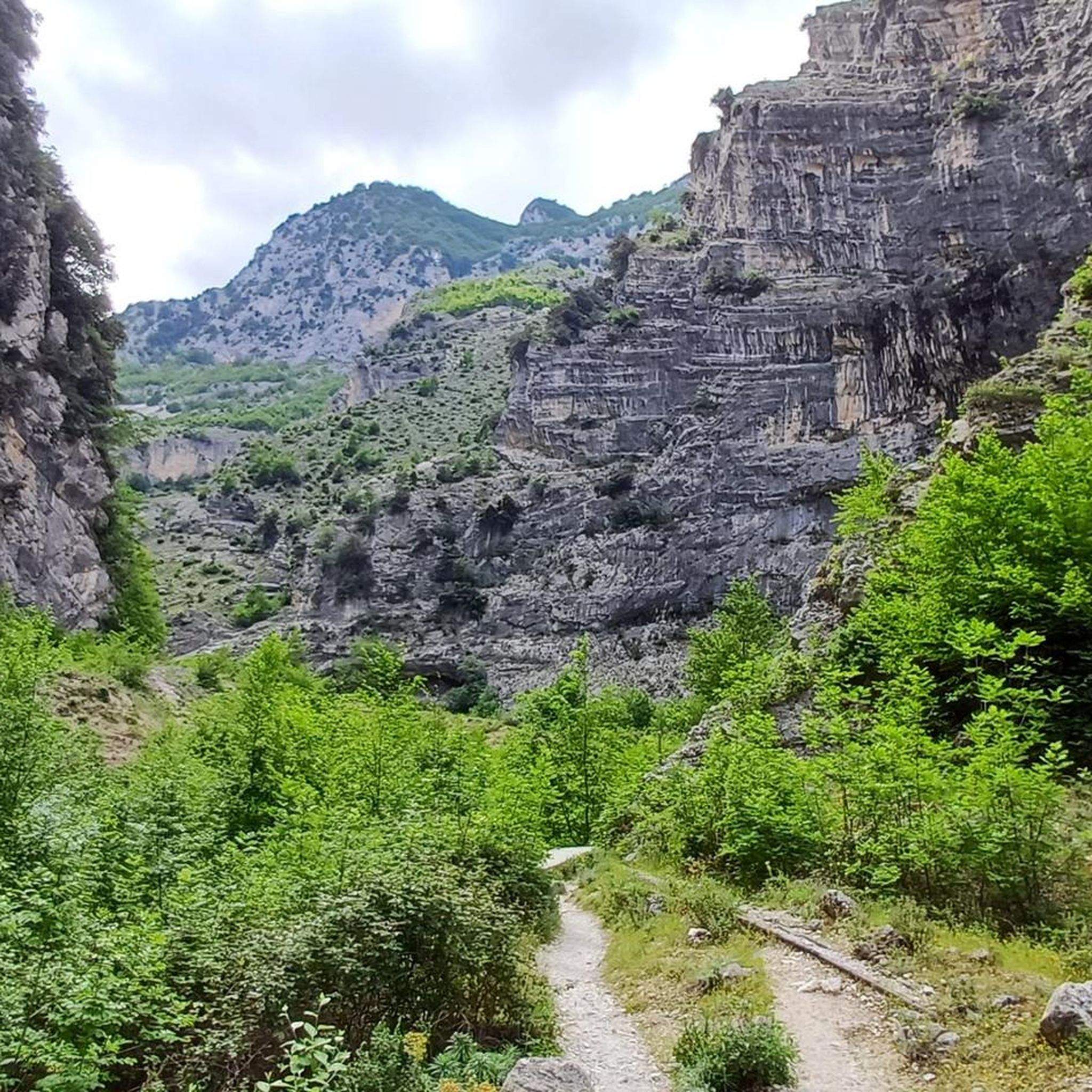
Road Cycling Routes around Fara San Martino
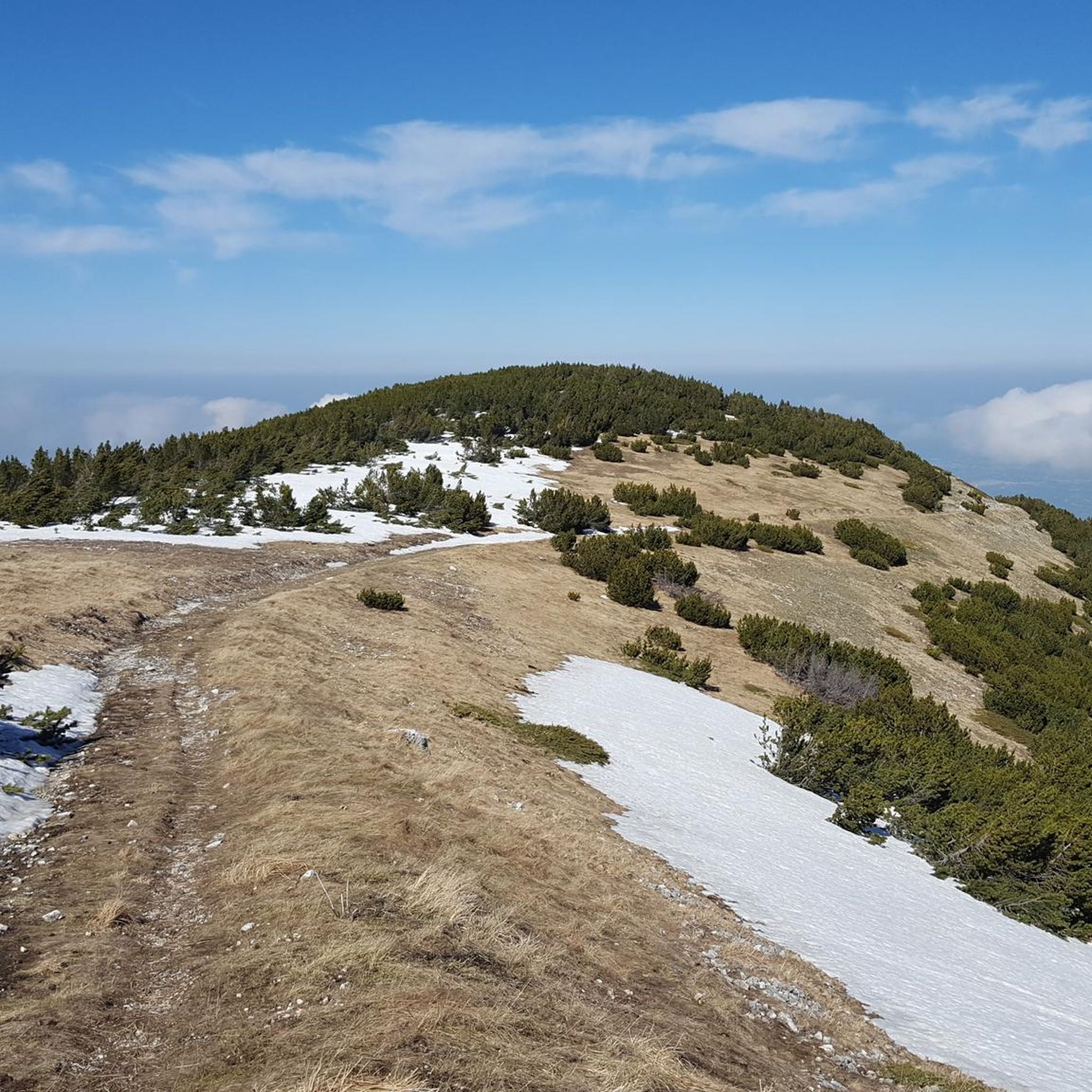
Cycling around Fara San Martino
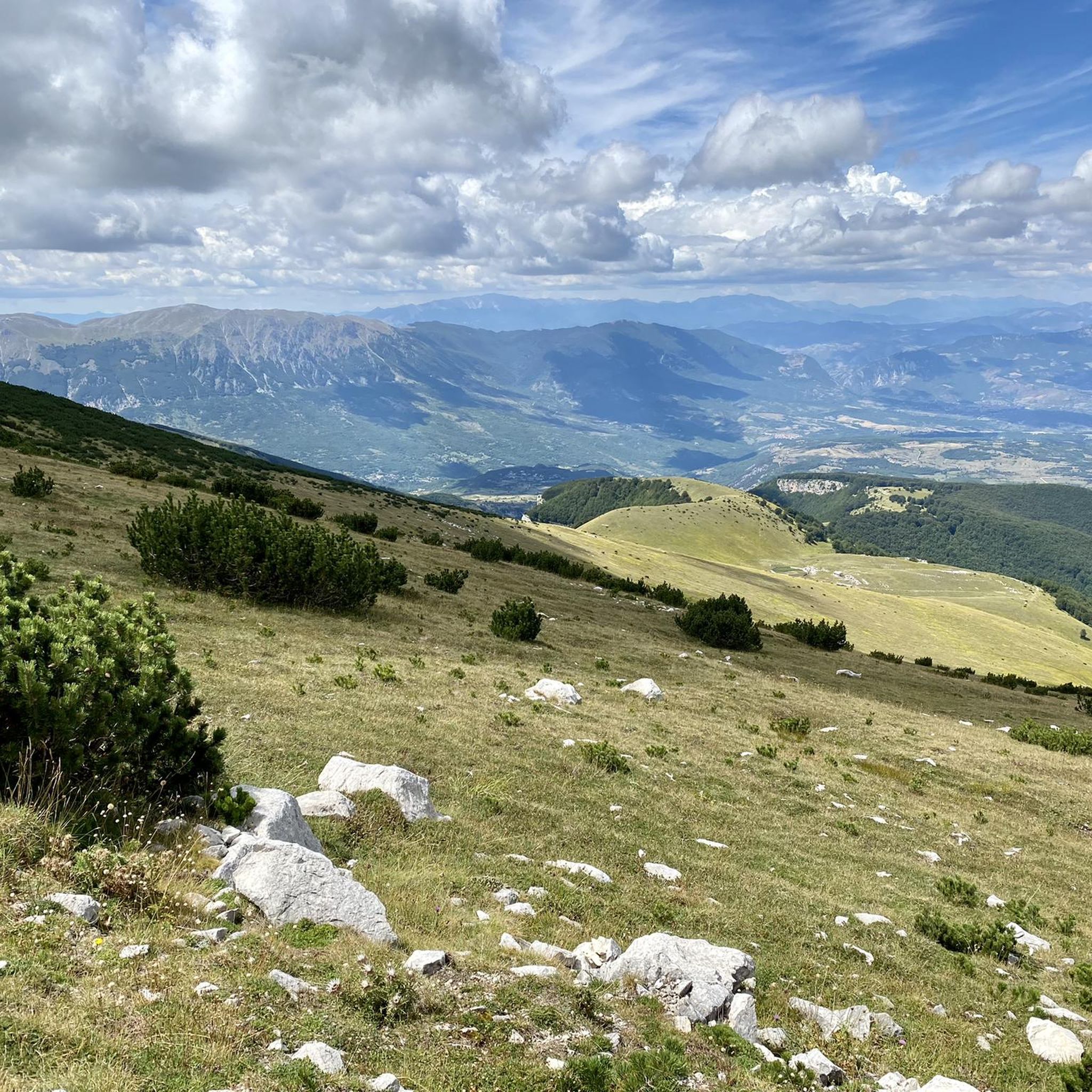
Running Trails around Fara San Martino


Tips from the Community

Nature. Spirituality. Effort. Journey. Joy
0
0


Amazing place!!!
0
0

It was said of Him that he died smiling. Andrea Bafile, born in Monticchio, a hamlet of L'Aquila, on 7 October 1878 and died on the Piave front in the night between 11 and 12 March 1918. Below is why he was buried in Guardiagrele (CH). He had to be buried in the monumental cemetery of Venice, Gabriele D'Annunzio pushed hard for this to happen, but two Abruzzo people prevailed over him who managed to bring the body back and buried it, in 1923, with an impressive ceremony at in which around 10 thousand people took part, in the shrine dug in Guardiagrele (Chieti), in the bowels of the Majella. It was Raffarle Paolucci of Orsogna and the Honorable Cristini of Guardiagrele who ensured that instead of any unknown soldier it was Andrea Bafile himself who was buried in the shrine, considering him the example of courage and heroism belonging to three military corps: the Navy, Aviation and Infantry. And it is not clear why no intercession was received from L'Aquila, his hometown. Guardiagrele thus had the honor of hosting Bafile's body, in Bocca di Valle, in a cave which is a place full of suggestions, decorated with the delicate enamelled colors of the majolica by the Ortonese artist Basilio Cascella, three gigantic ceramic panels made up of 1400 tiles, a masterpiece of the art of the founder of the Cascella family. The Guardiagrele cave was dug with the economic participation of all of Abruzzo and Molise, a sort of subscription by both regions, every single citizen paid their own donation to pay homage to the soldier Andrea Bafile. When as a child I asked why a sailor was buried in the mountains, popular wisdom replied that he likes to admire the sea from the mother mountain, the Majella. On 29 and 30 September 2023, at the Bocca di Valle shrine in Guardiagrele, the celebrations for the centenary of the transfer of the remains of Lieutenant Andrea Bafile, hero and gold medal for military valour, with the presence of the Undersecretary of State for Defense with delegation to the Navy, Matteo Perego of Cremnago, together with the commander of the Southern Maritime Command, Admiral. of Division Flavio Biaggi, representing the Navy General Staff, who will join the other civil and military authorities present for the commemoration of the Hero.
1
0

The Cave-shrine of Bocca di Valle is located in the eastern Maiella and is a military shrine in memory of the soldiers who died during the Great War. It is an important historic and memorial site, where their sacrifice can be reflected and honored.
2
0
The Grotta dei Pulcini is a cave with splendid stalactites and stalagmites. It is possible to observe it from the outside and enjoy a truly breathtaking surrounding panorama. It is easily reachable from Piana delle Melle.
0
0

The Hermitage of San Giovanni all'Orfento is an ideal place to go in the summer, when it's cooler in the mountains. Here the snow persists from October to April, so keep that in mind when choosing your shoes. If you love forest walks, the trails around here are great. The entrance to the Hermitage is not for the faint of heart, but the feeling you get at the end is worth it. Plan to bring food with you, as the walks can be long and there is nothing at the top.
3
0
Frequently Asked Questions
What are some of the most notable caves and rock formations to visit in Fara San Martino?
The region offers a blend of impressive geological formations and historical rock shelters. Beyond the dramatic Gole di Fara San Martino, you can explore the ancient Hermitage of St. John at the Orfento, the unique Grotta dei Pulcini with its stalactites and stalagmites, and the historic Sant'Angelo Cave.
Are there any historical or religious sites integrated with the caves in Fara San Martino?
Yes, the area is rich in such sites. The ruins of the ancient Benedictine Monastery of San Martino in Valle are partially carved into the rock within the Gole di Fara San Martino. Additionally, the Hermitage of St. John at the Orfento is a religious building and historical site that functions as a cave, offering a challenging journey to a place of spirituality. The Bocca di Valle Memorial is also an artificial cave-shrine commemorating the Fallen of Abruzzo in the First World War.
Are there family-friendly caves or trails suitable for families in Fara San Martino?
Yes, the basic route through the Gole di Fara San Martino is accessible and suitable for families, offering a great introduction to the Majella's wild heart. The Grotta dei Pulcini is also noted as family-friendly, offering splendid stalactites and stalagmites visible from its exterior, along with panoramic views.
What kind of natural features can I expect to see around the caves of Fara San Martino?
You will encounter dramatic landscapes, deep gorges, and impressive rock formations. The Gole di Fara San Martino showcase towering rock walls, narrow passages, and clear stratification of ancient rocks. Many caves, like Grotta dei Pulcini, offer panoramic views from their exteriors. The area is within the Majella National Park, known for its natural beauty.
What is the best time to visit the caves and gorges in Fara San Martino?
The Hermitage of St. John at the Orfento is ideal to visit in the summer when temperatures are cooler in the mountains. Generally, spring to autumn offers the most favorable conditions for exploring the gorges and higher-altitude caves, as snow can persist from October to April in some areas.
Are there challenging caving or hiking routes near Fara San Martino?
Yes, the region offers challenging experiences. Reaching Grotta dei Diavoli, a high-altitude pastoral cave, involves a demanding hike. The entrance to the Hermitage of St. John at the Orfento is also described as not for the faint of heart. For hiking, routes like the 'Gorges of Fara San Martino – Vallone di Santo Spirito loop' are rated as difficult. You can find more challenging routes in the Hiking around Fara San Martino guide.
What outdoor activities can I do near the caves of Fara San Martino?
The area is excellent for various outdoor activities. You can enjoy hiking through the dramatic gorges and up to high-altitude shelters. There are also numerous running and mountain biking trails. For more details on routes, check out the Hiking around Fara San Martino, Running Trails around Fara San Martino, and MTB Trails around Fara San Martino guides.
What should I wear for exploring caves and gorges in Fara San Martino?
Given the varied terrain and potential for challenging routes, it's advisable to wear sturdy hiking shoes. For higher altitude areas or visits outside of peak summer, be prepared for cooler temperatures, as snow can persist in some areas from October to April. Layered clothing is generally recommended.
Are there any hidden or lesser-known rock shelters in the Fara San Martino area?
Beyond the prominent sites, the wider Santo Spirito Valley, accessible through the Gole di Fara San Martino, contains smaller natural rock shelters such as Grotta del Milazzo, Grotta dei Porci, and Grotta Callarelli. These were historically used by shepherds and contribute to the area's rich cultural tapestry.
What is the <a href="https://en.wikipedia.org/wiki/Abbey_of_San_Martino_in_Valle" target="_blank" rel="noopener">Monastery of San Martino in Valle</a> and how is it related to the caves?
The Monastery of San Martino in Valle is an ancient Benedictine abbey, with origins dating back to the 8th or 9th century, located within the Gole di Fara San Martino. It's significant because parts of the complex, including a chapel, were carved directly into the natural rock, suggesting its origin as a hermitage and showcasing its harmonious integration with the dramatic landscape.
What is the historical significance of the <a href="https://www.komoot.com/highlight/3914373" target="_blank" rel="noopener">Cantrella Cave</a>?
The Cantrella Cave holds historical significance as it was previously utilized for various agricultural purposes. In the past, it served as a shelter for forage for sheep and was also used for the cultivation of crops like tomatoes, beans, and grapes, reflecting the traditional agricultural practices of the region.
Most popular routes around Fara San Martino
Most popular attractions around Fara San Martino

Get inspired with the komoot mobile app


Explore more
Extend your search for the best caves by checking out these guides of the top ones around Fara San Martino:
