Top 5 Castles around Capua
Castles around Capua offer a journey through centuries of history, situated in a region known for its rich past and varied landscapes. The area features ancient Roman influences, medieval fortifications, and Renaissance architecture. Capua itself is located on the Volturno River, providing a historical and geographical context for its numerous fortified structures. This blend of historical significance and natural setting makes the Capua region a compelling destination for exploration.
Best castles around Capua
- The most popular castles is Royal Palace of Carditello, a historical site that was a Bourbon residence commissioned by Ferdinand IV of Bourbon. It is a neoclassical complex managed by the Carditello Foundation.
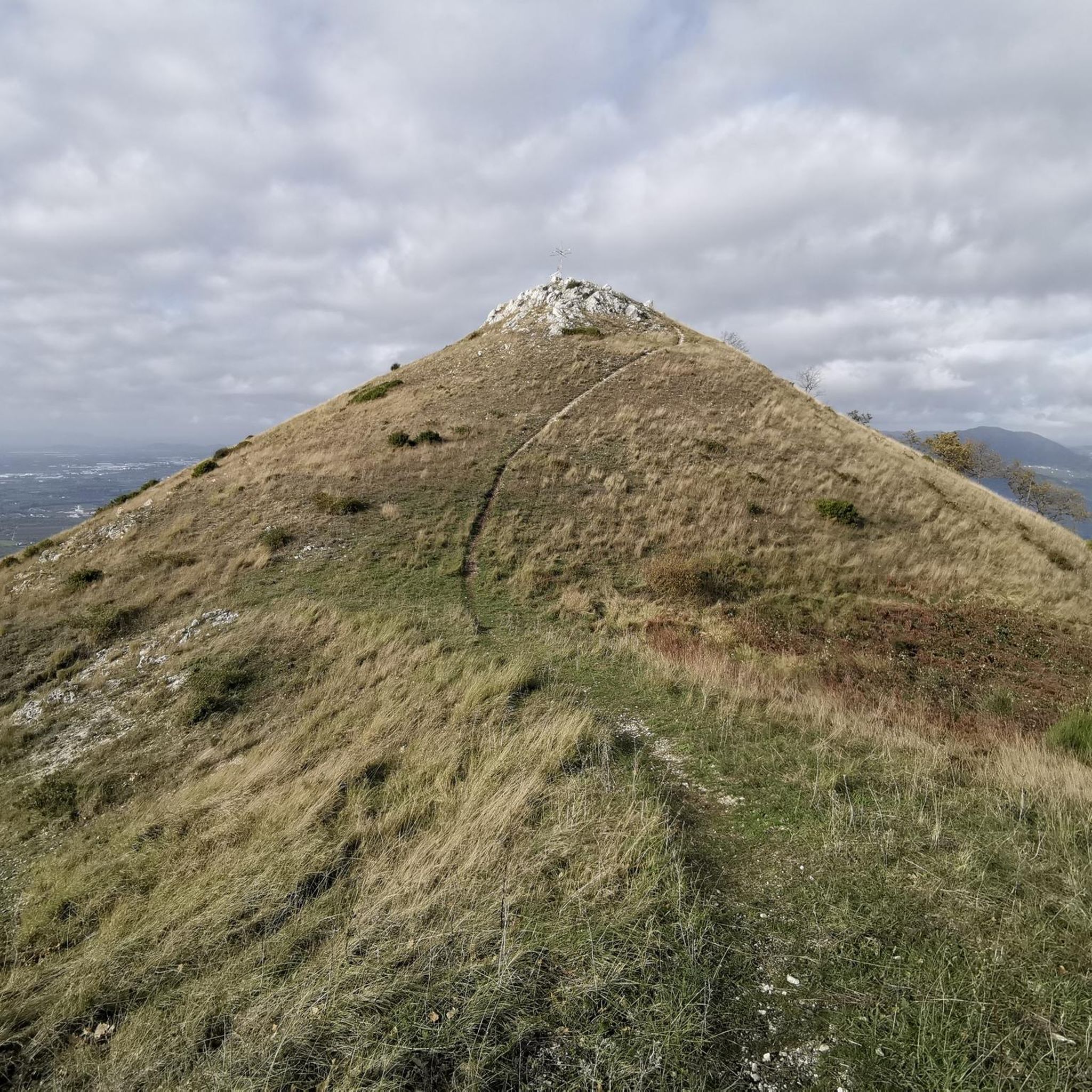
- Another must-see spot is Casertavecchia Medieval Village, a historical site and settlement. This medieval village is located on the slopes of the Tifatini mountains and offers views, with a castle that can be partially visited.
- Visitors also love Limatola, a settlement renowned for its Norman castle. The castle, built in the 12th century and remodeled in the Renaissance, now houses a hotel-restaurant.
- Capua is known for its historical sites, medieval villages, and castles. The region offers a variety of fortified structures, from ancient origins to Renaissance designs, providing diverse historical insights.
- The castles around Capua are appreciated by the komoot community, with more than 20 upvotes and 12 photos shared by visitors.
Last updated: May 1, 2026
Casertavecchia Medieval Village
Highlight • Historical Site
Translated by Google •
Tip by

Casertavecchia Tower
Highlight • Historical Site
Translated by Google •
Tip by

Sign up now to discover places like this
Get recommendations on the best single tracks, peaks, & plenty of other exciting outdoor places.
Sign up for free
Royal Palace of Caserta
Highlight • Historical Site
Translated by Google •
Tip by

Royal Palace of Carditello
Highlight • Historical Site
Translated by Google •
Tip by

Limatola
Highlight • Settlement
Translated by Google •
Tip by
Sign up for free to discover even more castles around Capua.
Sign up for free
Already have an account?
Start today with a free account
Your next adventure awaits.
Login or Signup
Tips from the Community

Unfortunately I didn't go out to enter the palace - I have to go back!
0
0

Worth a visit...but without a bicycle!
0
0

The Royal Palace of Caserta is the symbol of the city. It was built at the behest of Charles Bourbon in 1752, since 1997 it has been a UNESCO heritage site.
2
0

Admission is free every first Sunday of the month, the combined ticket Garden+Palast normally costs 15 euros
1
0
Culture, history and a great park.
1
0

The Carditello palace is a Bourbon residence commissioned by Ferdinand IV of Bourbon in the 18th century for hunting, horse breeding and agricultural production. It is a neoclassical complex that can be visited and managed by the Carditello Foundation.
1
0

The Tower of Casertavecchia is part of the village which was under Lombard dominion. The particular position, thanks to the protection of the mountains, has made Casertavecchia a refuge for the populations during the incursion of the Saracens.
2
0
Frequently Asked Questions
What are the main historical castles located directly within Capua?
Within Capua, you can explore the Castello delle Pietre, a Norman fortress built with materials from the ancient Roman amphitheater. Another significant site is the Castello di Carlo V, a Renaissance military stronghold, though it is currently not open to visitors. The historical significance of Emperor Frederick II's castle, which no longer stands, can be appreciated through its preserved sculptural elements at the Museo Campano.
Can I visit the Castello di Carlo V in Capua?
The Castello di Carlo V, also known as the Forte di Capua, is unfortunately not currently open to visitors. It is awaiting consolidation and restructuring work for a new intended use. While its historical significance is immense, you cannot access the interior at this time.
Where can I see remnants of Emperor Frederick II's castle in Capua?
Although Emperor Frederick II's castle was demolished centuries ago, some of its important sculptural elements are preserved and can be admired at the Museo Campano in Capua. These artifacts offer valuable insights into the artistic and architectural ambitions of Frederick II.
Are there any family-friendly castles or historical sites near Capua?
Yes, the Royal Palace of Carditello is a family-friendly Bourbon residence that can be visited. Additionally, the settlement of Limatola, known for its Norman castle, is also considered family-friendly.
What kind of outdoor activities can I do near the castles around Capua?
The Capua region offers various outdoor activities. You can find numerous running trails, such as the 'Castello di Carlo V loop from Dipartimento Economia', or explore cycling routes like 'The Moats of Capua – Amphitheatre of Capua loop'. For mountain biking, there are trails like the 'Aqueduct Cistern – San Vito Trails loop'. You can find more details on these and other routes in the Running Trails around Capua, Cycling around Capua, and MTB Trails around Capua guides.
Are there any medieval villages with castles to visit near Capua?
Absolutely. The Casertavecchia Medieval Village is a must-see. Located on the slopes of the Tifatini mountains, this historical settlement offers beautiful views, and its castle can be partially visited. It's a rich historical and artistic heritage site with a Norman castle and a Romanesque cathedral.
What is the best time of year to visit the castles around Capua?
While specific opening hours vary, generally, spring (April-June) and autumn (September-October) offer pleasant weather for exploring the castles and surrounding areas. These seasons avoid the intense heat of summer and the cooler, potentially wetter days of winter, making outdoor exploration more comfortable.
Is there parking available near the Castello delle Pietre in Capua?
The Castello delle Pietre is situated near the historical center of Capua on Via Andreozzi. While specific dedicated parking information isn't always available for historical city centers, you can typically find public parking options within walking distance in Capua's historic area.
What makes the Castello delle Pietre unique?
The Castello delle Pietre, also known as the Norman Castle, is unique for its construction materials. Some of its large, regularly cut limestone blocks are believed to have been repurposed from the ancient Roman amphitheater of Capua, offering a tangible link to the region's continuous layering of history from Roman to Norman times.
Are there any castles near Capua that also offer accommodation or dining?
Yes, the settlement of Limatola is renowned for its Norman castle, which was built in the 12th century and remodeled in the Renaissance. Today, this castle houses a hotel-restaurant, offering a unique experience for visitors.
What do visitors enjoy most about the castles and historical sites in the Capua area?
Visitors frequently appreciate the rich historical context and the well-preserved medieval atmosphere, particularly in places like Casertavecchia Medieval Village. The blend of ancient Roman influences, medieval fortifications, and Renaissance architecture provides diverse historical insights. Many also enjoy the scenic views and the opportunity to explore the region's past.
Most popular attractions around Capua

Get inspired with the komoot mobile app


Explore more
Looking for the best castles somewhere else? Discover other guides around Capua:
