Top 5 Castles around Noicattaro
Best castles around Noicattaro offer a glimpse into the rich history of this town in the Metropolitan City of Bari, Puglia. Noicattaro's historical significance is rooted in its past as a defensive center, with the Palazzo Ducale, also known as the Castle of Noja, serving as a primary historical structure. This area showcases an evolution from Norman defensive strongholds to ducal residences, providing a tangible link to medieval periods. Exploring these sites connects visitors with the cultural heritage of the…
Last updated: October 2, 2026
Angevin–Aragonese Castle of Mola di Bari
Highlight • Castle
Translated by Google •
Tip by

Castello Angioino
Highlight • Castle
In order to defend the coast against the numerous pirate raids, Charles I of Anjou, …
Translated by Google •
Tip by

Sign up now to discover places like this
Get recommendations on the best single tracks, peaks, & plenty of other exciting outdoor places.
Torre di Reddito
Highlight • Historical Site
Translated by Google •
Tip by

Masseria Panicelli
Highlight • Castle
Translated by Google •
Tip by
Fascina Castle (Don Cataldo Farmhouse)
Highlight • Castle
Translated by Google •
Tip by
Start today with a free account
Your next adventure awaits.
Tips from the Community

The Dark History The dark charm of the Torre di Reddito is inextricably linked to the Tanzi family. Various urban legends have circulated for centuries about this dynasty (which also gave its name to a well-known masseria near Carbonara). It is said that the family members had accumulated immense fortunes and were dedicated to occult practices and rituals. [1] The aura of mystery is fueled by popular tales according to which the masseria was allegedly connected by secret underground passages to the very central Basilica of San Nicola in Bari. Local rumors suggest that some members of the Tanzi family were even buried within the same Bari basilica, in areas not accessible to the public, thus fueling the idea of a powerful, feared, and mysterious family. [1, 2, 3]
0
0
La Masseria Torre Reddito (or Villa del Reddito) is a 16th-century fortified complex located in the countryside between Triggiano and Bari. Built in 1501 at the behest of Isabella d’Aragona, the structure includes a manor house, a chapel of Our Lady of Sorrows, medieval underground chambers, a watchtower, and interior frescoes. [1, 2, 3, 4, 5, 6] The estate is located along the rural roads southeast of Bari (near Strada Vicinale Torre di Mizzo) and has the following historical and structural features: [1, 2] Origins: Commissioned by the Duchess of Bari as a farm and for animal shelter, it was later donated to the trusted family of the Counts Tanzi of Blevio. [1, 2, 3] Architecture: It is locally nicknamed "the castle" and is surrounded by a single boundary wall. In the center stands a 18th-century bell gable. [1, 2, 3, 4] Underground chambers: It preserves underground rooms, once used as mills and "ergastula" (rooms for slaves and animals)
0
0

With the singular shape of a starry polygon, the Angevin-Aragonese Castle imposingly dominates the coast of Mola di Bari.
0
0

The actual title was Castello Angioino, but Komoot has strangely translated it as Anjou Castle. In order to defend the coast against the numerous pirate raids, Charles I of Anjou, in conjunction with the reconstruction of the city, ordered the construction of a "palacium" near its walls in 1277. He entrusted the supervision of the work to the well-known "King of Carpenters", Pierre d'Angicourt and Jean da Toul. Two years later, the fortress was completed. Between the 15th and 16th centuries, the building suffered the same fate as the city and passed through the hands of various vassals; it withstood numerous attacks without ever being conquered. However, the considerable damage suffered by the fortress during the Venetian siege in 1508 required a major restoration, which was carried out a few years later.
0
0

The village of Mola di Bari is a fishing-tourist town. The port is active all year round and there are many restaurants where you can taste the catch of the day. The last weekend of July the octopus festival is held and you can taste dishes based on octopus and fresh fish.
2
0
the Panicelli farmhouse, a structure very similar to that of a castle due to the presence of four bastions. A building dating back to the 15th century, characterized by a considerable height and a particular defensive structure.
2
0
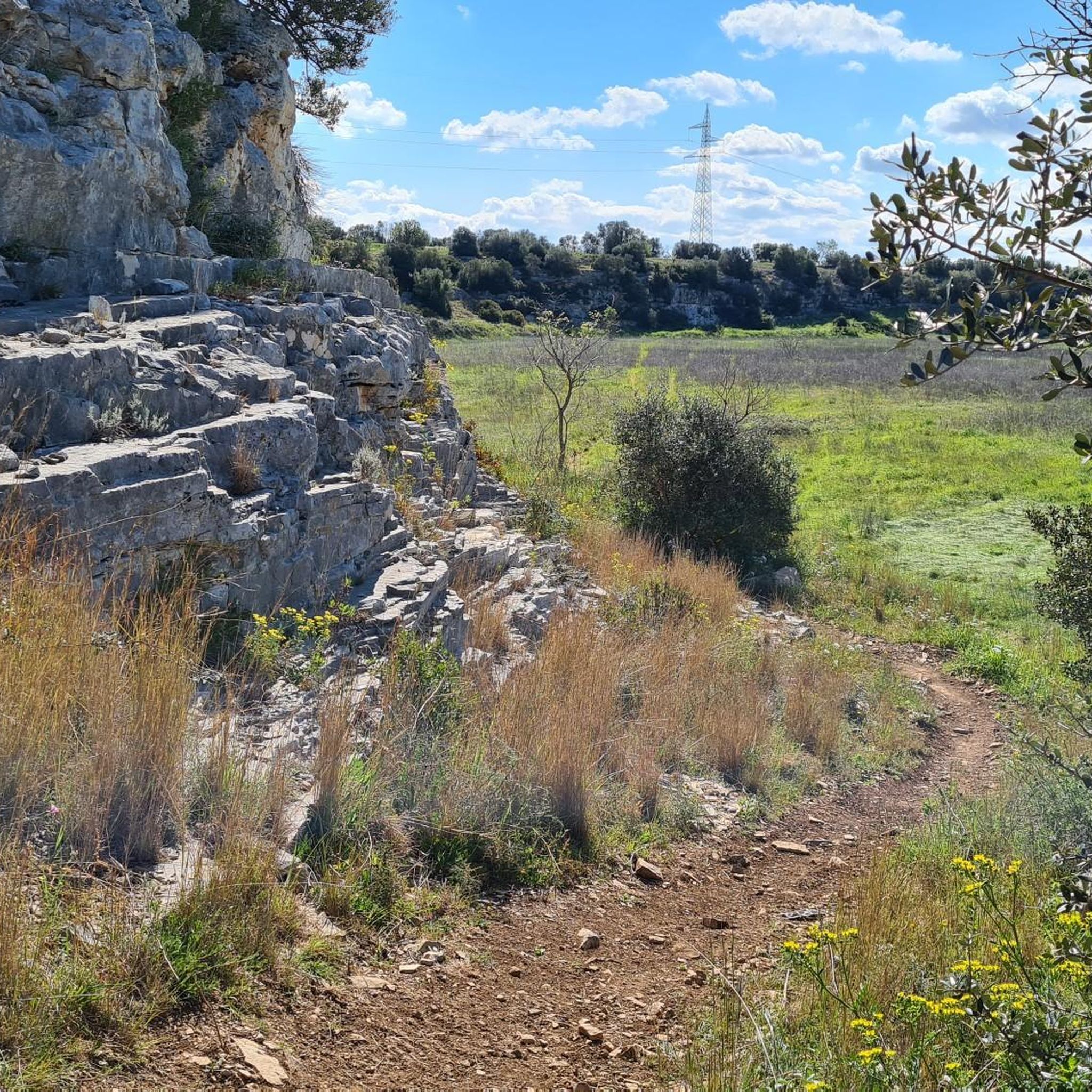
Born as a hunting lodge for the Counts of Conversano and subsequently transformed into a structure used for the breeding of livestock (this can be deduced from the fact that the livestock pit is located outside the walls), it is configured as the symbol of the defensive system and the typology of direct systems, itself at first sight would seem more like a fort than a farm for breeding.
2
0

Bari is a beautiful city, to taste the Bari focaccia at the Panificio Fiore
0
1
Frequently Asked Questions
What is the main historical castle in Noicattaro itself?
The primary historical structure within Noicattaro is the Palazzo Ducale, also known as the Castle of Noja. It originated as a Norman defensive fortress in the 10th or 11th century and later served as a ducal residence for the Carafa family. You can still see remnants of its defensive past, such as a large moat and tower ruins.
Are there family-friendly castles to visit near Noicattaro?
Yes, the Angevin–Aragonese Castle of Mola di Bari is categorized as family-friendly. Its unique starry polygon shape and coastal location make it an interesting visit. The nearby village of Mola di Bari also offers an active port and numerous restaurants.
What outdoor activities can I do near the castles around Noicattaro?
The region around Noicattaro offers various outdoor activities. You can find several running trails, such as the 'Spiaggia San Giorgio – Grotta della Tartaruga loop' or 'Church of the Incoronata loop'. For cycling enthusiasts, there are routes like the 'Lakes of Conversano – Costa Ripagnola Coastal Park loop' or 'Torre a Mare Harbor – Port of Mola di Bari loop'. Gravel biking options are also available, including the 'Annunziata Trail' loops. You can explore more routes on the Running Trails around Noicattaro, Cycling around Noicattaro, and Gravel biking around Noicattaro guide pages.
Which castles near Noicattaro offer a glimpse into medieval defensive architecture?
The Palazzo Ducale (Castle of Noja) in Noicattaro itself has origins as a Norman defensive fortress with visible moat and tower ruins. Additionally, the Castello Angioino, built in 1277 by Charles I of Anjou, was specifically constructed to defend the coast against pirate raids and withstood numerous attacks.
Are there any castle-like structures that were not originally built as castles?
Yes, Masseria Panicelli, dating back to the 15th century, is a castle-like structure with four bastions that was originally a hunting lodge for the Counts of Conversano and later used for livestock breeding. Similarly, Torre di Reddito, a 16th-century building, is nicknamed 'the castle' due to its impressive appearance, though it was built to manage agricultural funds.
What is the best time of year to visit castles in the Noicattaro region?
Puglia generally experiences hot summers. Visiting during the spring (April-May) or autumn (September-October) offers more pleasant temperatures for exploring historical sites and engaging in outdoor activities. These seasons provide comfortable weather for walking around castle grounds and nearby towns.
Can I find accommodation or dining options near the castles?
When visiting the Angevin–Aragonese Castle of Mola di Bari, the surrounding village of Mola di Bari is a fishing-tourist town with an active port and many restaurants where you can taste fresh seafood. For other castles, it's advisable to check local listings in nearby towns like Noicattaro for accommodation and dining.
Are there any castles that are considered 'hidden gems' or less commonly known?
While not widely publicized for public access, Torre di Reddito is an intriguing 16th-century complex nicknamed 'the castle' due to its impressive appearance. It is known to hide frescoes, a hypogeum, and a small church, offering a glimpse into a less explored historical site, though it has been closed to the public.
What is the historical significance of the castles in the Noicattaro area?
The castles and castle-like structures around Noicattaro, including the Palazzo Ducale, reflect the region's rich history as a defensive center and its evolution through Norman, Angevin, and Aragonese periods. They showcase diverse architectural styles and historical narratives, from defensive fortresses to ducal residences and agricultural estates, providing a tangible link to medieval times and the noble families who shaped the area.
How long should I plan for a visit to a castle near Noicattaro?
The time needed can vary. For structures like the Palazzo Ducale in Noicattaro, which offers historical context through its exterior and remnants, a visit might take 1-2 hours. Larger, more accessible castles like the Angevin–Aragonese Castle of Mola di Bari, especially if combined with exploring the surrounding town, could easily fill half a day.
Is there a castle that was once a hunting lodge?
Yes, Masseria Panicelli, a 15th-century structure with four bastions, was originally built as a hunting lodge for the Counts of Conversano before being repurposed for livestock breeding.
What is the Fascina Castle (Don Cataldo Farmhouse)?
The Fascina Castle (Don Cataldo Farmhouse) is an imposing 17th-century building in Adelfia, built by the Marquis of Laureto. It features a classical style with a double staircase leading to a loggia, two towers, and is surrounded by a thick wall. It falls into the category of Masserie-Castello, combining elements of a fortified farmhouse with a noble residence.
Most popular routes around Noicattaro
Most popular attractions around Noicattaro

Get inspired with the komoot mobile app


Explore more
Looking for the best castles somewhere else? Discover other guides around Noicattaro:
