Top 14 Castles around Acquarica Del Capo
Best castles around Acquarica Del Capo are found within the merged municipality of Presicce-Acquarica, offering a glimpse into the region's past. The area is characterized by its historical sites, with the Medieval Castle of Acquarica del Capo serving as a central landmark. This castle, originally a Norman fortification, showcases architectural evolution through 14th-century and Renaissance alterations. Exploring these structures provides insight into local culture and history.
Best castles around Acquarica Del Capo
- The most popular castles is Castello di Ugento…
Last updated: May 17, 2026
Castle of Morciano di Leuca
Highlight • Castle
Translated by Google •
Tip by

Castello di Ugento
Highlight • Castle
Translated by Google •
Tip by

Sign up now to discover places like this
Get recommendations on the best single tracks, peaks, & plenty of other exciting outdoor places.
Sign up for free
Palazzo Gallone, Tricase
Highlight • Castle
Translated by Google •
Tip by
Castle of Patù
Highlight • Castle
Translated by Google •
Tip by
Tricase
Highlight • Settlement
Translated by Google •
Tip by

Sign up for free to discover even more castles around Acquarica Del Capo.
Sign up for free
Already have an account?
Start today with a free account
Your next adventure awaits.
Login or Signup
Tips from the Community

A bit of history of the Gallone princes of Tricase: https://www.principeditricase.com/principe-di-tricase/gallone
0
0


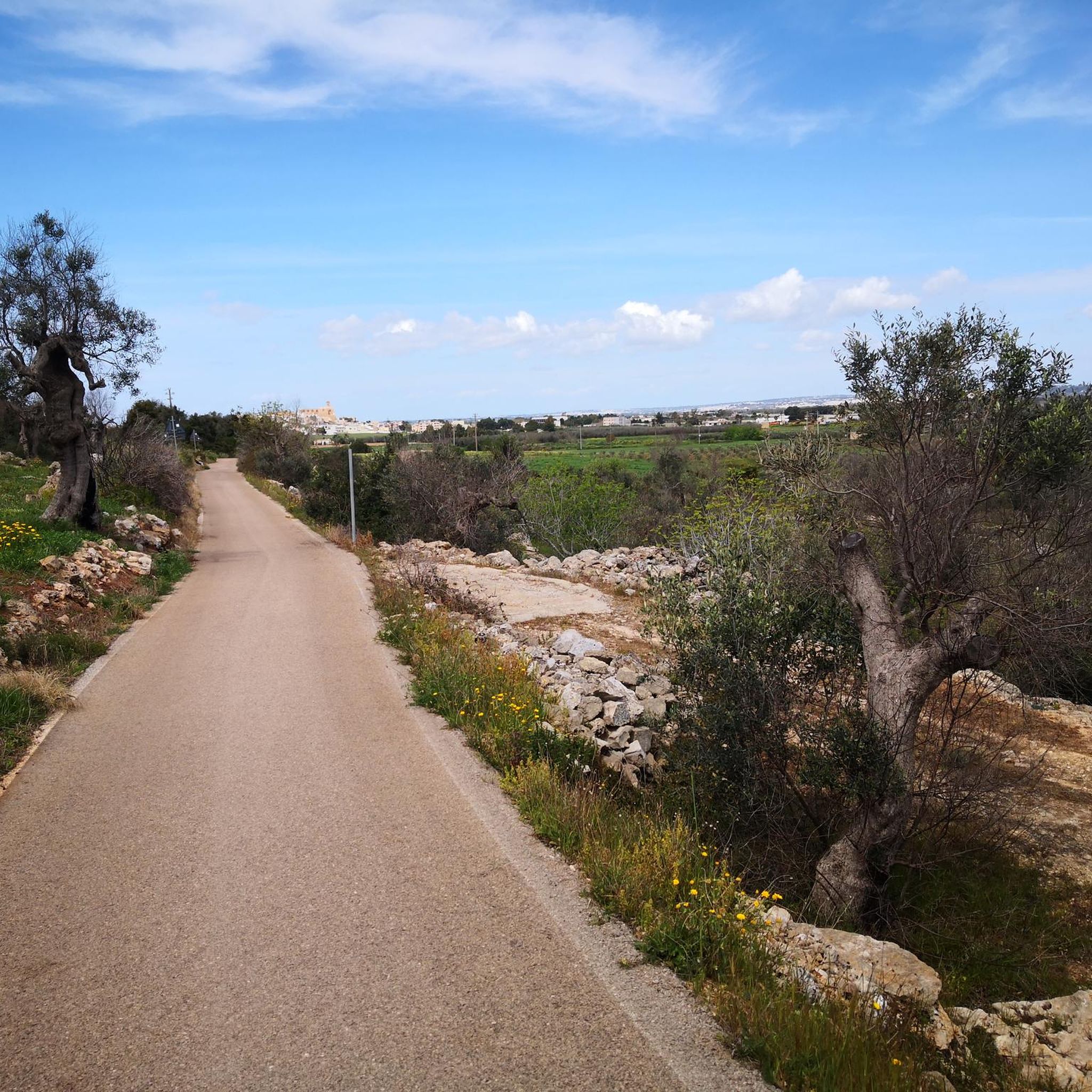
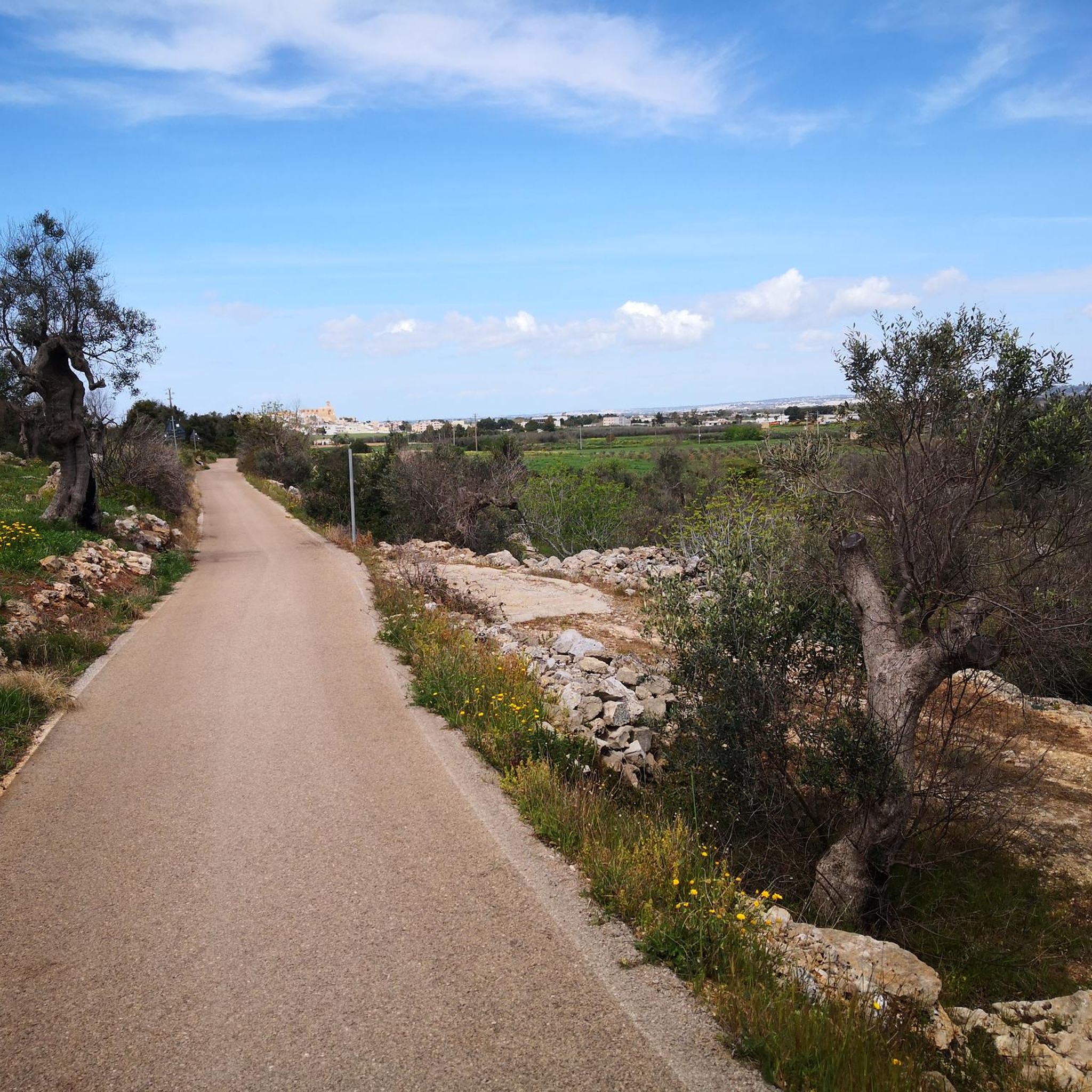
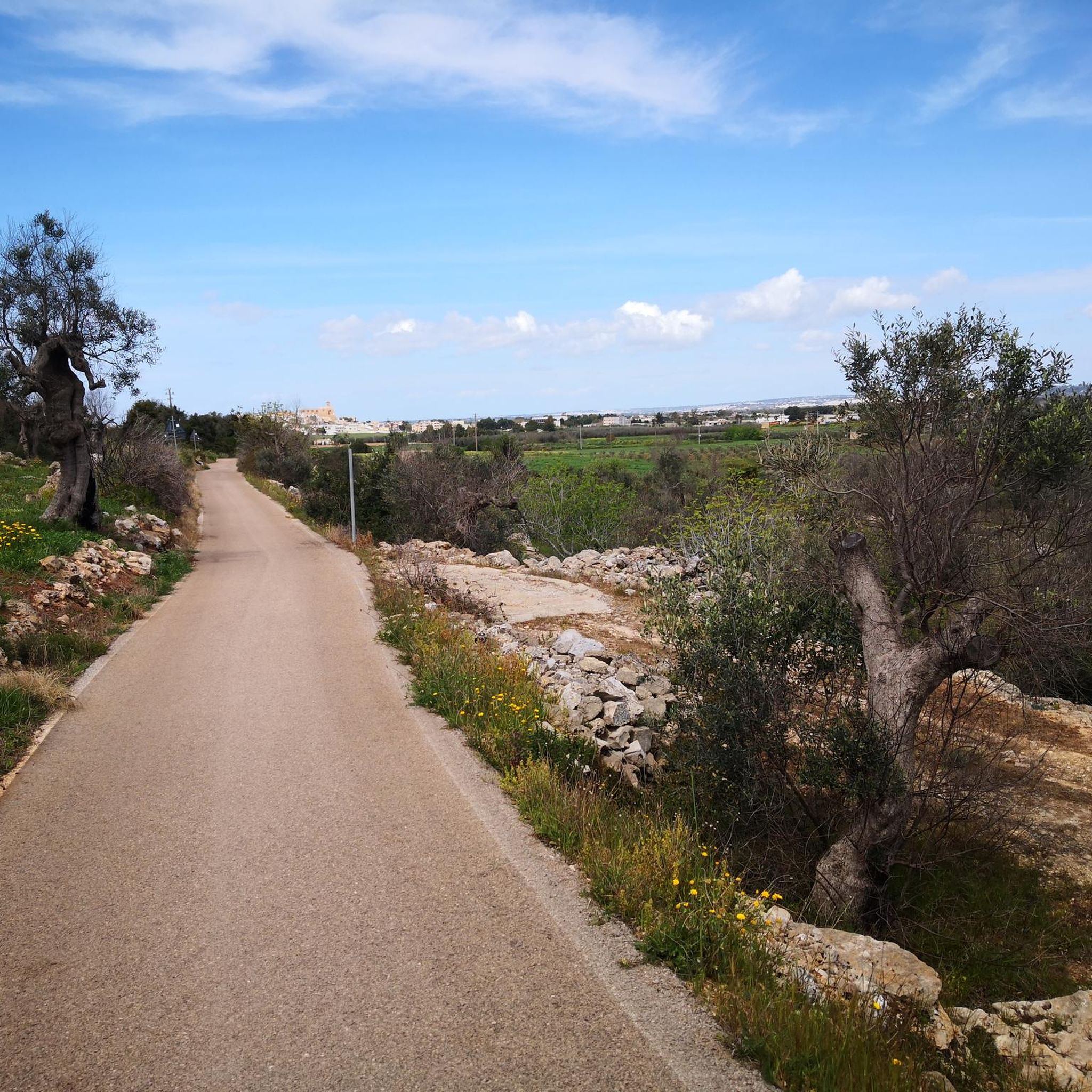
Tricase is a municipality located between the Salento Serre and the Adriatic Sea, part of the Costa Otranto - Santa Maria di Leuca and Bosco di Tricase natural park. In the historic center there are many churches that are worth a visit and the Castello dei Principi Gallone. It is advisable to take a break from pedaling to take a walk through history.
1
0

Morciano Castle dates back to the first half of the 14th century. It is located in the center of the municipality of the same name and inside you can glimpse the rooms on the various floors.
0
0

One word ... WOWWW
0
0
It is a work desired and built by Gualtiero VI of Brienne, lord of the Land of Morciano since 1335: imposing, beautiful, it leaves one perplexed by the robustness of its mass, by its high crenellated walls, by its mighty tower [source: https ://www.torrevado.info/salento/castello-morciano.asp] Included in the Salento Fortifications collection https://www.komoot.it/collection/1396951/-salento-fortificazioni -
0
0
Posted in the Salento Fortifications collection https://www.komoot.it/collection/1396951/-salento-fortificazioni - The now disappeared Castello di Patù was located in the historic center of the town and dates back to the first half of the 15th century, therefore period of the transition from the Angevin to the Aragonese domination. The structure originally consisted of four curtains that joined as many corner towers, with a central parade ground. The whole was surrounded by a moat which over the years has been partly filled and partly transformed into a garden [source: https://www.lavocedimaruggio.it/wp/fortezze-e-castelli-di-puglia-il-distrutto- patu-castle.html]
1
0
Posted in Salento Fortifications collection https://www.komoot.it/collection/1396951/-salento-fortificazioni - This grandiose princely palace is made up of three main elements: the Tower, the Torrione and the actual body of the building. The first two parts are the oldest and still retain the characteristic structures of the fourteenth century; the central nucleus, built in 1661 by Stefano II Gallone, first Prince of Tricase, constitutes the body of the Castle [source: https://www.comune.tricase.le.it/vivere-il-comune/territorio/da-visitare/item/palazzo-principesco-dei-gallone]
0
0
Frequently Asked Questions
What are the most notable castles in the Acquarica Del Capo area?
The region features several significant castles. Among them are Castello di Ugento, which evolved from a Norman stronghold to a Baroque palace, and the Castle of Morciano di Leuca, known for its robust structure and crenellated walls. The Medieval Castle of Acquarica del Capo itself is a central landmark, showcasing centuries of architectural change.
What is the historical significance of the castles around Acquarica Del Capo?
The castles in this area, particularly the Medieval Castle of Acquarica del Capo, are deeply rooted in the region's history. They often originated as Norman fortifications, later undergoing significant alterations in the 14th and 15th centuries by figures like Giovanni Antonio Orsini Del Balzo. These structures reflect the succession of feudal lords and the strategic importance of the Salento region through various historical periods.
Are there family-friendly castles to visit near Acquarica Del Capo?
Yes, several castles in the area are considered family-friendly. Both Castle of Morciano di Leuca and Castello di Ugento are categorized as family-friendly. Exploring these historical sites can be an engaging experience for all ages.
What kind of architectural styles can I expect to see in the castles?
The castles around Acquarica Del Capo display a blend of architectural styles. Many, like the Medieval Castle of Acquarica del Capo, have Norman origins but show significant 14th-century and Renaissance alterations. You'll also find examples that evolved into more elegant Baroque palaces, such as Castello di Ugento, reflecting centuries of modifications by different rulers.
Can I find hiking or running trails near the castles?
Yes, the area around Acquarica Del Capo offers various outdoor activities. For running, you can find routes like the 'Acquarica del Capo Castle loop from Acquarica del Capo' which is a moderate 10.59 km trail. For more options, explore the Running Trails around Acquarica Del Capo guide. There are also numerous hiking trails available; refer to the Hiking around Acquarica Del Capo guide for details.
What are the best times of year to visit the castles in Acquarica Del Capo?
The best time to visit the castles in Acquarica Del Capo is generally during the spring (April-June) and autumn (September-October) months. The weather is typically mild and pleasant, ideal for exploring historical sites and enjoying outdoor activities without the intense heat of summer.
Is the Medieval Castle of Acquarica del Capo accessible to visitors?
The Medieval Castle of Acquarica del Capo is a central landmark in the merged municipality of Presicce-Acquarica. While its exterior is readily visible, parts of the interior, such as the Museo del Giunco on the ground floor, are accessible. It's advisable to check local visitor information for specific opening hours and accessibility details for all areas within the castle.
Are there any unique features or museums within the castles?
Yes, the Medieval Castle of Acquarica del Capo houses the Museo del Giunco on its ground floor, offering cultural insights. Inside, you can also find traces of the ancient Church of San Francesco with noble tombs, and the 'Pila di Pompignano,' a water basin salvaged from an old farmhouse. These features add unique cultural and historical layers to your visit.
What amenities are available near the castles, such as cafes or restaurants?
The castles are often located within or near town centers, such as the Medieval Castle of Acquarica del Capo being at the heart of the village. This means you can typically find cafes, restaurants, and other local amenities within walking distance, especially in towns like Tricase, which is known for its beautiful old town, amazing places, and cafes.
Are dogs allowed at the castles?
Policies regarding dogs can vary between specific castles and their grounds. While some outdoor areas might be dog-friendly, access to interior spaces, museums, or protected historical sections is often restricted. It's recommended to check directly with each castle or local tourist information for their specific dog policies before your visit.
What other historical sites are worth visiting in the area?
Beyond the castles, the region offers other historical sites. For instance, Palazzo Gallone in Tricase is a grandiose princely palace with parts dating back to the fourteenth century. The town of Tricase itself is noted for its historic center and numerous churches worth visiting.
What do visitors particularly enjoy about the castles in this region?
Visitors appreciate the deep historical layers and architectural evolution of the castles, from Norman origins to Renaissance and Baroque modifications. The robust structures, high crenellated walls, and the stories embedded within their stones, such as those at Castle of Morciano di Leuca, are often highlighted. The blend of history and local culture, including unique features like the Museo del Giunco, also makes for a memorable experience.
Are there options for mountain biking near the castles?
Yes, there are mountain biking opportunities in the vicinity. You can find various routes, including challenging ones like the 'Monumental Cross of Casale – Rocky trail loop from Presicce-Acquarica' (64.77 km, difficult) or easier options such as the 'Bosco Cardigliano Ruins – Cardigliano Church loop from Presicce-Acquarica' (19.95 km, easy). For a comprehensive list, consult the MTB Trails around Acquarica Del Capo guide.
Most popular routes around Acquarica Del Capo
Most popular attractions around Acquarica Del Capo

Get inspired with the komoot mobile app


Explore more
Looking for the best castles somewhere else? Discover other guides around Acquarica Del Capo:
