Top 4 Castles in Malá Fatra - Op
Castles in Malá Fatra - Op are nestled within a region known for its natural landscapes and historical significance. The area features several fortifications, ranging from reconstructed medieval castles to extensive ruins. These structures often sit strategically on hillsides, offering views of the Váh River and the surrounding terrain. The castles in this region served historical roles such as guard posts and toll stations, reflecting their strategic importance in past centuries.
Best castles in Malá Fatra - Op
- The most…
Last updated: May 17, 2026
Strečno Castle
Highlight • Castle
Tip by

Starhrad Castle Ruins
Highlight • Castle
Translated by Google •
Tip by
Sign up now to discover places like this
Get recommendations on the best single tracks, peaks, & plenty of other exciting outdoor places.
Sign up for free
View of Strečno Castle
Highlight • Viewpoint
Link to the route: komoot.com/tour/2001707384?share_token=a9BLzgLuBva45fDFMRccWHMSjzKKIOQUeA7bgmCnowiW472Hqj&ref=wtd
Translated by Google •
Tip by

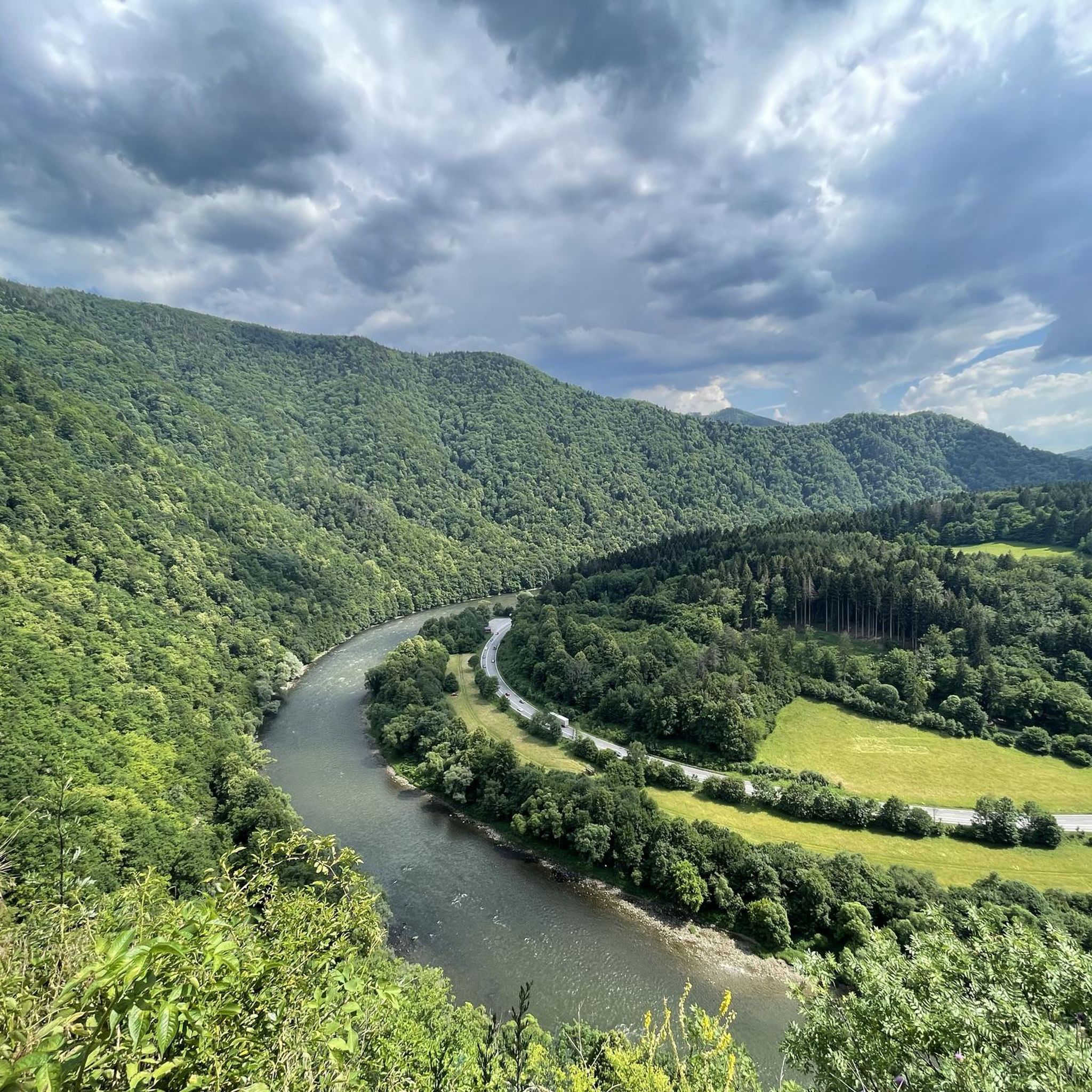
View of the Váh Valley from Strečno Castle
Highlight • Viewpoint
Translated by Google •
Tip by

Start today with a free account
Your next adventure awaits.
Login or Signup
Tips from the Community

Little hard climb to get there on top but worth it. Check also the small cute park before arriving at the gate of the castle.
0
0

For 7€ you can go inside the castle and get a guided tour, for 1€ you can visit the outer part of the castle
0
0
magnificent view from the castle into the Váh Valley
0
0

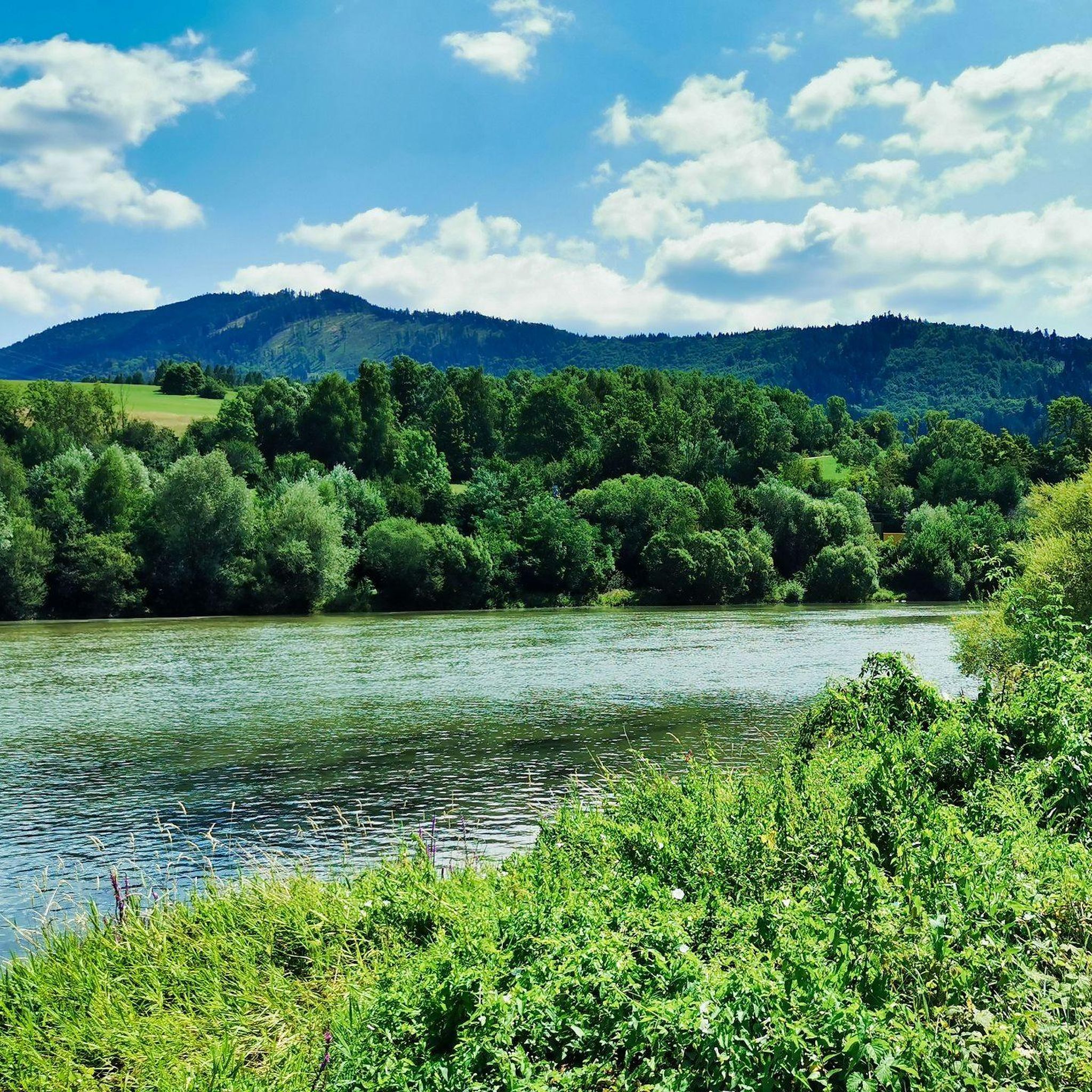
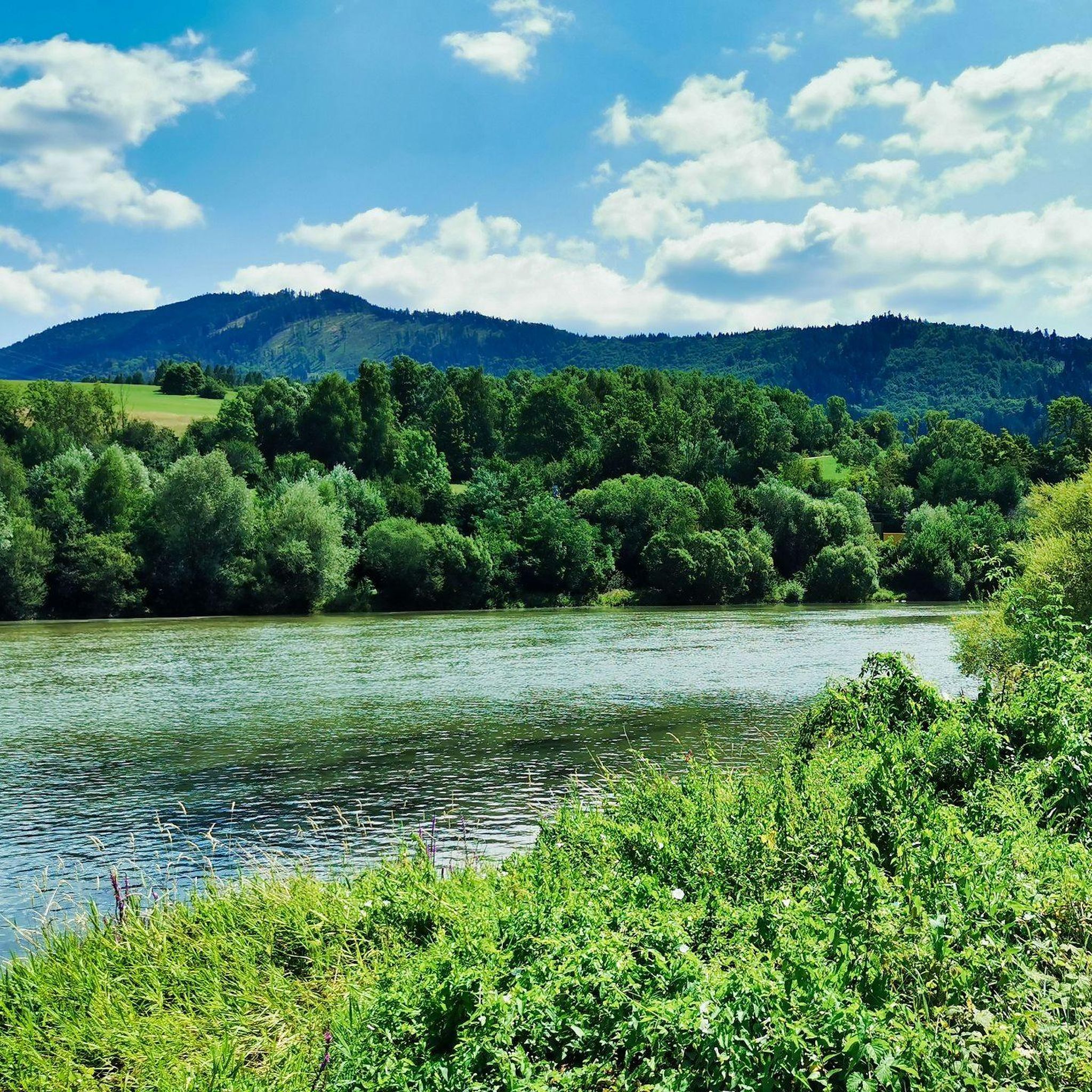
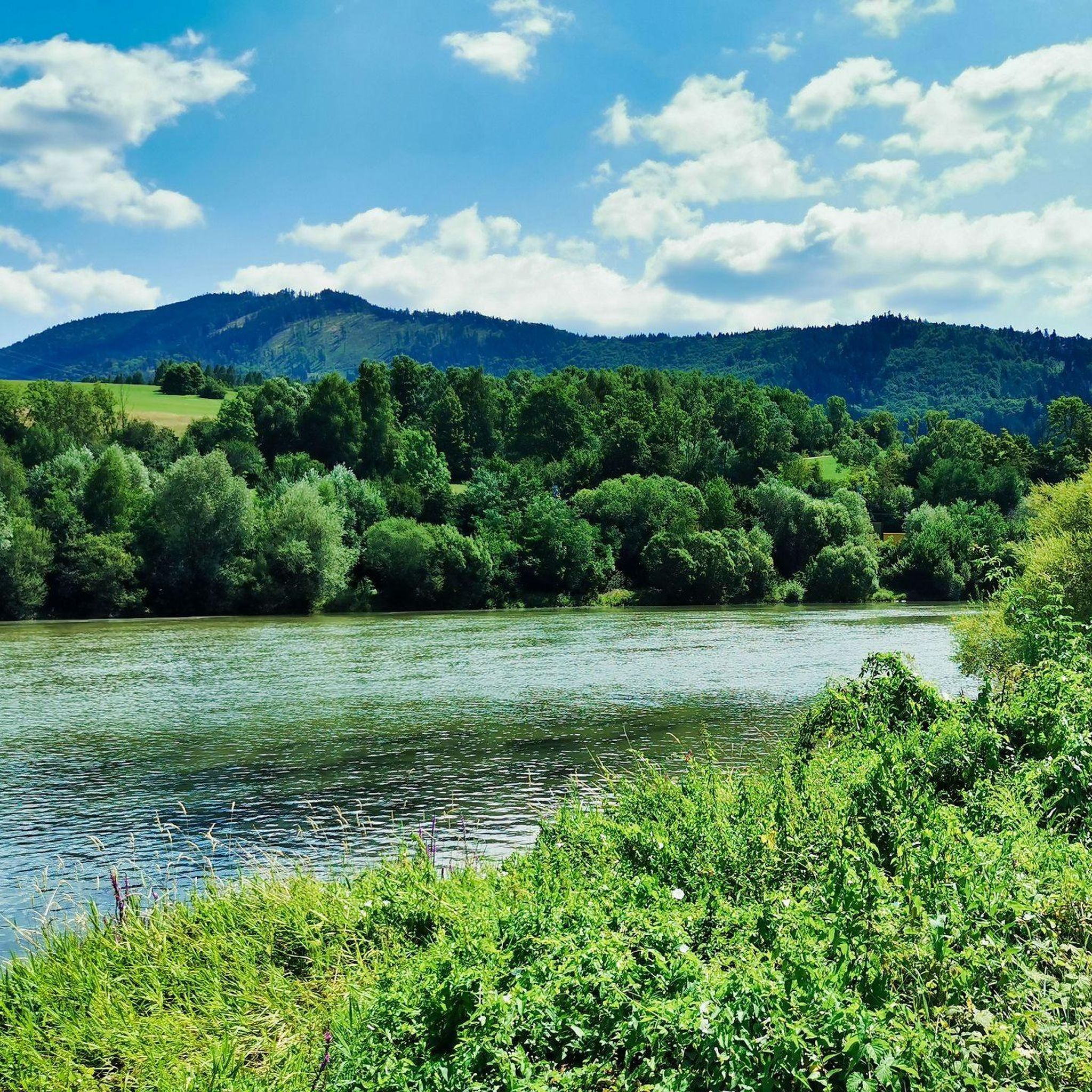
Far-reaching views from Strečno Castle. Kayakers were receiving instruction on the Váh River, and a fisherman was standing in the middle of the river, fishing.
0
0
Admission to Strečno Castle is €1 per person, or €7 per person with a guided tour. We opted for the inexpensive and perfectly adequate option.
0
0


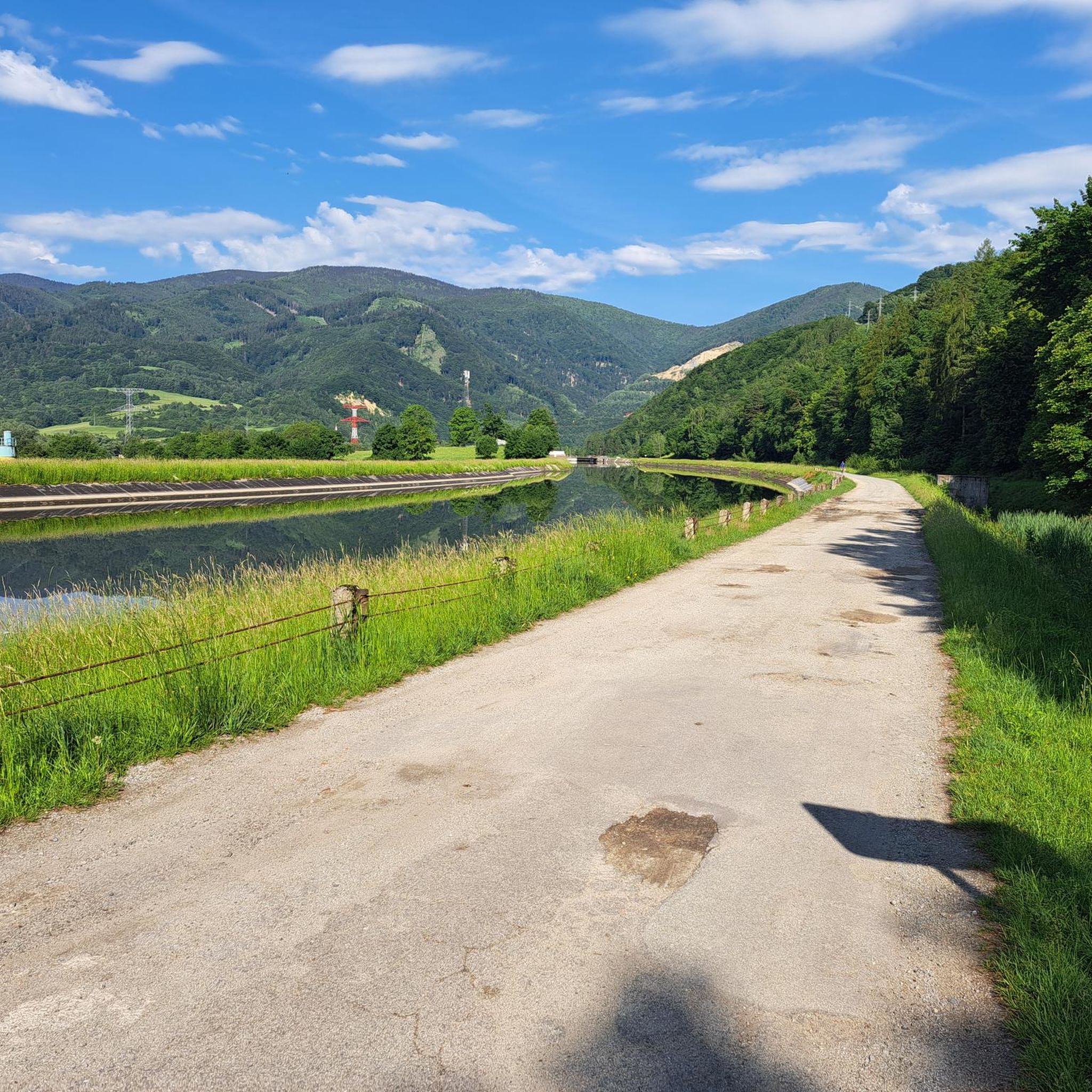
Strecno Castle from the bike bridge + sunrise in the clouds Link to the route: https://www.komoot.com/tour/2001707384?share_token=a9BLzgLuBva45fDFMRccWHMSjzKKIOQUeA7bgmCnowiW472Hqj&ref=wtd
1
0
Frequently Asked Questions
What is the historical significance of castles in the Malá Fatra region?
The castles in the Malá Fatra region played a crucial role in protecting trade routes and guarding the Váh River valley. Many, like Strečno Castle and Starhrad, were strategically positioned on cliffs or hills to control passage and collect tolls. Their origins often date back to the 13th and 14th centuries, reflecting centuries of regional history and power struggles.
Are there family-friendly castles to visit in Malá Fatra - Op?
Yes, several castles offer a great experience for families. Strečno Castle is particularly family-friendly, featuring a reconstructed medieval village called Paseka below the castle with authentic buildings and a playground. The castle itself houses museum expositions that can be engaging for older children. Additionally, the View of Strečno Castle from the bike bridge is easily accessible and offers a lovely perspective.
Which castles offer the best panoramic views in the Malá Fatra region?
For breathtaking panoramic views, Strečno Castle provides expansive vistas of the Váh Valley and the surrounding landscape. Starhrad Castle Ruins, located on the opposite bank of the Váh, also offer stunning views of the Domašín meander and the Krivánska part of the Malá Fatra Mountains. Further afield, Zniev Castle, one of Slovakia's highest, promises incredible scenery from its elevated position.
What outdoor activities can I do near the castles in Malá Fatra - Op?
The area around the castles is excellent for outdoor activities. You can enjoy various cycling routes, including easy options like the "Strečno Castle – Žilina Water Reservoir loop from Stráža" (29.7 km) or more challenging ones. For runners, there are difficult trails such as the "Strečno Castle loop from Nezbudská Lúčka-Strečno" (25 km). Hikers can explore routes like the "Ferry Across the Váh – Špicák Observation Tower loop from Nezbudská Lúčka" (4.8 km). You can find more details on these activities in the Traffic-free bike rides, Running Trails, and Hikes from bus stations guides.
Are the castle ruins easily accessible, or do they require hiking?
Accessibility varies. Strečno Castle is relatively accessible, with parking nearby and a walk up to the castle. However, exploring the castle grounds involves stairs. For ruins like Starhrad Castle Ruins and Lietava Castle, reaching them typically involves a pleasant hike. Starhrad is a short walk from Strečno, while Lietava Castle is one of the largest ruined castles in Slovakia and offers a more extensive exploration on foot.
When is the best time to visit the castles in Malá Fatra - Op?
The best time to visit the castles is generally during the tourist season, which typically runs from spring to early autumn (April to October). During these months, the weather is more favorable for exploring ruins and hiking, and attractions like Strečno Castle have their museum expositions open. Visiting in late spring or early autumn can offer pleasant temperatures and fewer crowds.
Are there any lesser-known castle ruins worth exploring in the Malá Fatra region?
Beyond the more prominent sites, Lietava Castle is a significant, albeit ruined, castle that offers a romantic and extensive exploration experience. It's one of the largest ruined castles in Slovakia. Zniev Castle, perched high above Kláštor pod Znievom, is another impressive ruin, notable for being the second highest situated castle in Slovakia, offering unique views for those willing to hike.
What unique features or exhibitions can I find at the castles?
Strečno Castle houses expositions of the Považské múzeum, including a figurine of Žofia Bosniaková. Below it, the medieval village of Paseka provides a glimpse into historical life. Budatín Castle, located in Žilina, features the Museum of Považie, which showcases the history of tinker craft and transport in Slovakia, and you can climb its tower for city views.
Can I visit multiple castles in one trip to the Malá Fatra region?
Absolutely! Strečno Castle and Starhrad Castle Ruins are located on opposite banks of the Váh River and can be easily visited together, often as part of a single hike or bike trip. Orava Castle, while a short distance away from the immediate Malá Fatra mountains, is frequently combined with a visit to the region due to its dramatic setting and historical significance.
What is the current condition of the castle ruins in the area?
The condition varies. Strečno Castle is a reconstructed ruin, extensively restored and open to the public with museum exhibits. Starhrad Castle Ruins are undergoing conservation and reconstruction efforts by local friends of the castle, but visitors should still exercise caution. Lietava Castle and Zniev Castle are largely extensive ruins, offering a more rugged and natural exploration experience.
Are the castle trails in Malá Fatra - Op dog-friendly?
While specific regulations can vary by site, many outdoor trails leading to castle ruins in the Malá Fatra region are generally dog-friendly, especially if dogs are kept on a leash. For example, the hike to Starhrad Castle Ruins is a popular choice for dog owners. It's always advisable to check local signage or official websites for specific castle interiors or protected areas, as some may have restrictions.
Most popular routes in Malá Fatra - Op
Most popular attractions in Malá Fatra - Op

Get inspired with the komoot mobile app


