Top 7 Gorges in Nacionalni Park Djerdap
Best canyons in Nacionalni Park Djerdap are carved by the Danube River, forming the longest and largest gorge in Europe. This natural area stretches for approximately 100 kilometers, featuring dramatic landscapes and significant historical sites. The region is characterized by deep river sections, towering cliffs, and diverse geological formations. It also holds rich biodiversity and cultural heritage, including prehistoric settlements and Roman vestiges.
Best canyons in Nacionalni Park Djerdap
- The most popular canyons is View of the Rock Sculpture of…
Last updated: May 17, 2026
Danube Gorge Between Donji Milanovac and Tekija
Highlight • Gorge
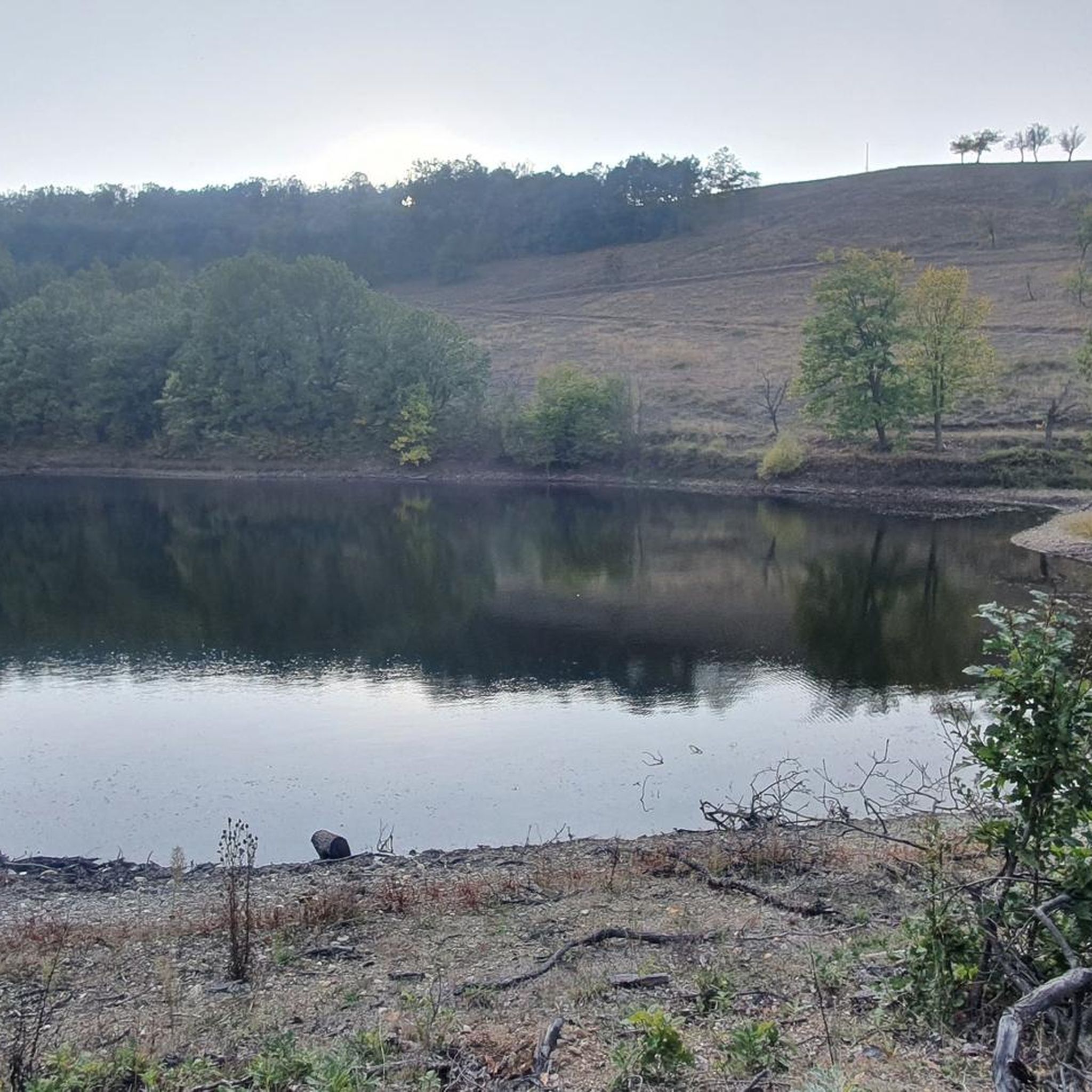
While on the Romanian side the mass tourism prevails and high traffic, it is quiet on the Serbian side, …
Translated by Google •
Tip by

Boletinska Reka Gorge
Highlight • Gorge
In the Cretaceous sediments, fossils of new ammonite species and fossils …
Translated by Google •
Tip by
Sign up now to discover places like this
Get recommendations on the best single tracks, peaks, & plenty of other exciting outdoor places.
Sign up for free
Mraconia Monastery – Iron Gates Gorge
Highlight • Religious Site
Translated by Google •
Tip by

View of the Rock Sculpture of Decebalus and the Danube
Highlight • Viewpoint
Translated by Google •
Tip by
View of the Iron Gates Gorge on the Danube
Highlight • Viewpoint
Translated by Google •
Tip by
Sign up for free to discover even more gorges in Nacionalni Park Djerdap.
Sign up for free
Already have an account?
Start today with a free account
Your next adventure awaits.
Login or Signup
Popular around Nacionalni Park Djerdap
Tips from the Community

The Mraconia Monastery was originally built in 1523, but was destroyed several times and flooded during the construction of the "Iron Gate 1" hydroelectric power plant. The current building is a new structure.
0
0
The 55 m high statue of the Dacian king Decebalus has unfortunately not been completed to this day.
0
0

Here lie smaller gorges separated by the Dubova Gulf. Their names date back to the Ottoman Empire, when the Danube waters were swift and full of whirlpools resembling a "pot." In Mali Kazan, the Danube is at its narrowest (150-180 m) and deepest. The steep flanks of Mt. Miro, formed from Jurassic limestone, rise above the Danube. The highest peaks, Veliki Strbac (768 m) and Mali Strbac (626 m), are already integrated into the hiking trail as viewpoints towards Mali Kazan and Veliki Kazan, respectively. The Hajducka Vodenica archaeological site and the submerged karst spring of the same name are located at the foot of the hill. Before the construction of the dam in the Djerdap area, traces of prehistoric necropolises and settlements from the Roman and medieval periods were discovered at this site.
0
0
The statue of the Dacian king Decebalus is a 55-meter-tall statue and the tallest rock sculpture in Europe. It is located on a rock formation in the Almăj Mountains on the banks of the Danube near the village of Dubova, southwest of the city of Orșova (Romania), in the Iron Gates Nature Park. Source: https://de.wikipedia.org/wiki/Statue_des_Decebalus
0
0

Amazing view of the iron gates and nice road without too much traffic
0
0

The statue of the Dacian king Decebalus is a 55-meter-high statue and also the highest rock sculpture in Europe. It is located on a rock formation in the Almăj Mountains on the banks of the Danube near the village of Dubova, southwest of the city of Orșova (Romania), in the Iron Gates Nature Park (Romanian: Parcul Natural Porțile de Fier).
0
0
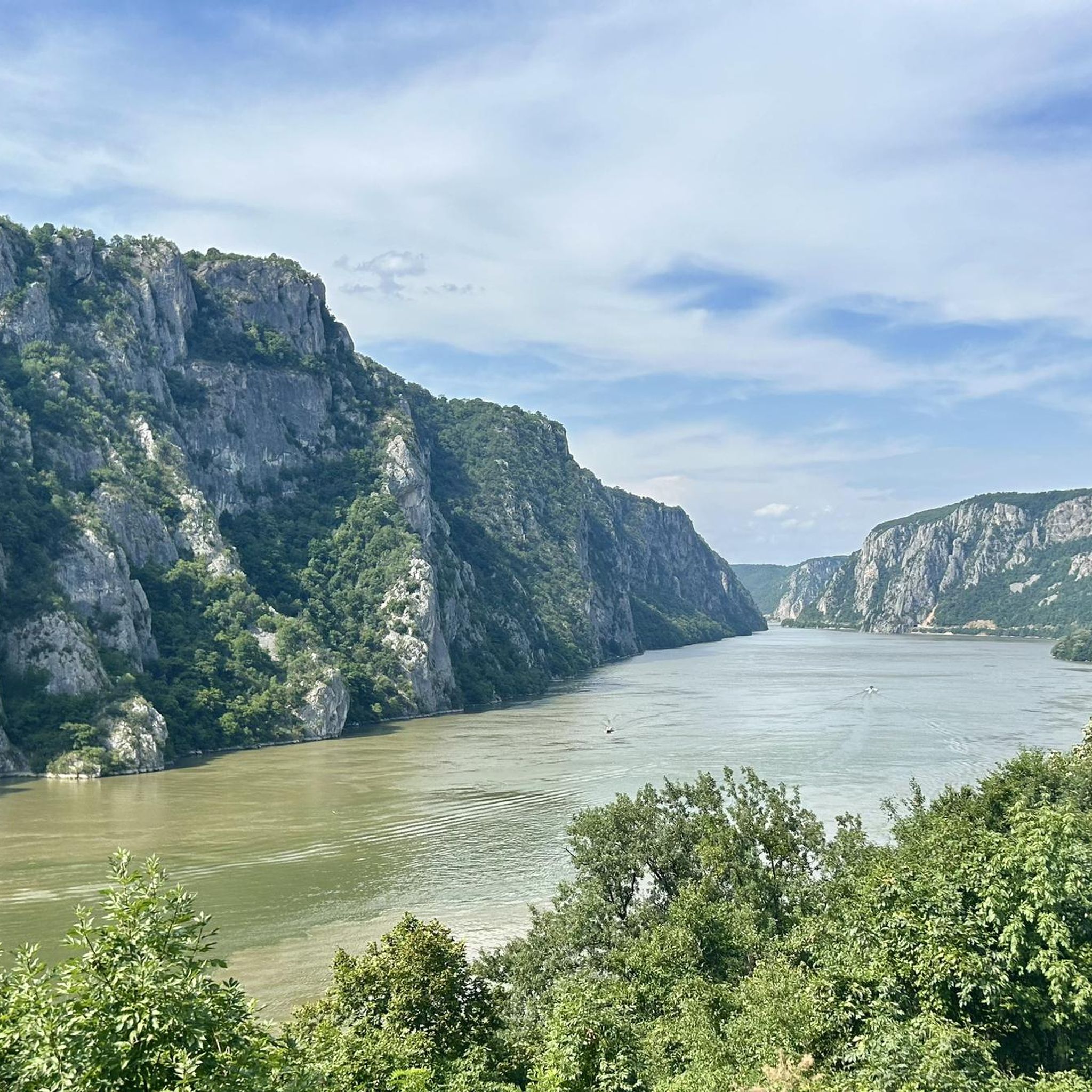
The Iron Gate (Romanian Porțile de Fier; Serbian Ђердап, Đerdap) is a gorge of the Danube. It is located in the southern Carpathians, more precisely between the Serbian Carpathians and the Banat Mountains, on the border of Serbia and Romania. Until it was defused in 1972 in connection with the Iron Gate 1 power plant, it was considered the most dangerous section of the Danube for shipping, which could not be passed without local pilots. For decades, the ships were towed upstream with locomotives. The Iron Gate is considered one of the most impressive gorges in Europe.[1] At the Cazan or Kazan (German: Cauldron) between the towns of Orșova and Donji Milanovac, the Danube is narrowed to 200 meters wide; In this section it was already 50 m deep before the dam was built, so that the bottom of the river is 15 m below sea level. Because of the steep walls of the gorge, the current reservoir is not much wider than the natural riverbed in some places, despite the water level being raised (at the dam by 20 m to 62 m above sea level). Protected areas have been established on both sides of the Danube - in Serbia the Đerdap National Park, on the Romanian side the Iron Gate Nature Park (Parcul Natural Porțile de Fier).
0
0

Steep climb but some shade half way with the nice view. Very rewarding :)
0
0
Frequently Asked Questions
What makes the canyons in Nacionalni Park Djerdap unique?
The canyons in Nacionalni Park Djerdap, part of the Iron Gates gorge, are unique for being the longest and largest gorge in Europe, carved by the Danube River. They feature dramatic landscapes with towering cliffs, significant historical sites like the Golubac Fortress and Lepenski Vir, and exceptional biodiversity. The area is a blend of natural beauty, rich history, and diverse ecosystems.
Which canyons offer the most dramatic views of the Danube?
For breathtaking views, the Kazan Gorge, particularly the Veliki Kazan and Mali Kazan sections, is highly recommended. Here, the Danube narrows dramatically, and cliffs rise approximately 300 meters on both sides. You can also experience impressive perspectives from viewpoints like View of the Iron Gates Gorge on the Danube, which offers a great vantage point of the river's bottleneck.
Are there any family-friendly viewpoints or areas within the canyons?
Yes, several viewpoints are suitable for families. The View of the Rock Sculpture of Decebalus and the Danube is a great spot with benches and shade, allowing families to rest and enjoy the scenery. The View of the Iron Gates Gorge on the Danube also features a well-developed rest area with benches and information on the region's geology, making it accessible for all ages.
What historical or cultural sites can be found near the canyons?
The canyons are rich in history. The Golubačka Gorge is home to the medieval Golubac Fortress, offering a glimpse into the region's past. Near the Gospodjin Vir Gorge, you can find Lepenski Vir, one of Europe's oldest planned settlements. Additionally, the Mraconia Monastery – Iron Gates Gorge, though rebuilt, stands as a historical religious site visible from the Danube.
What kind of geological features can I explore in the canyons?
The Boljetinska Reka Gorge is a protected geological site, showcasing sedimentary rock layers dating back 160 to 145 million years, with fossilized remains of ancient marine life. The Gospodjin Vir Gorge is notable for one of the greatest river depths in the world, reaching up to 82 meters, with vertical cliffs rising as high as 500 meters.
What outdoor activities can I do near these canyons?
The dramatic terrain and the Danube River offer numerous outdoor activities. You can find excellent hiking opportunities, including routes like the 'Veliki Štrbac Summit View – Ploče Viewpoint loop from Miroč' or easier options like the 'Hiking loop from Svinița'. For cycling enthusiasts, there are challenging routes such as the 'Tekija Beach on the Danube – View of the Iron Gates Gorge loop from Donji Milanovac'. You can explore more options in the Hiking in Nacionalni Park Djerdap and Cycling in Nacionalni Park Djerdap guides.
Are there specific hiking trails that offer views of the canyons?
Yes, there are several hiking trails that provide spectacular views. The area around Donji Milanovac offers trails like the 'Veliki Štrbac Summit View – Ploče Viewpoint loop from Miroč', which is a moderate hike. For easier options, consider trails mentioned in the Easy hikes in Nacionalni Park Djerdap guide, such as the 'Hiking loop from Svinița'.
What is the best time to visit the Djerdap canyons?
While specific seasonal data isn't provided, generally, spring and autumn offer pleasant weather for exploring the canyons, avoiding the intense heat of summer and potential snow or ice in winter. These seasons also highlight the natural beauty with lush greenery or vibrant fall colors.
What do visitors enjoy most about the canyons in Nacionalni Park Djerdap?
Visitors frequently praise the stunning natural beauty and the dramatic scenery where the Danube cuts through mountains. Many appreciate the quiet and contemplative atmosphere on the Serbian side, especially when cycling, and the numerous small resting places with great views. The combination of natural wonders and historical landmarks, such as the Golubac Fortress and the Rock Sculpture of Decebalus, also leaves a lasting impression.
Can I find places to rest or picnic near the canyon viewpoints?
Yes, several viewpoints are equipped with amenities. For instance, the View of the Rock Sculpture of Decebalus and the Danube has benches and some shade. The View of the Iron Gates Gorge on the Danube is described as a well-developed rest area with benches, making it ideal for a break or a picnic while enjoying the views.
Are there any specific tips for cycling through the Danube Gorge between Donji Milanovac and Tekija?
The Serbian side of the Danube Gorge between Donji Milanovac and Tekija is considered an excellent route for cyclists, offering beautiful nature, less traffic, and often shady paths. While the road is not busy, cars can be fast, so caution is advised. Fortunately, there are plenty of small, safe resting places with great views of the Danube along the way.
Most popular attractions in Nacionalni Park Djerdap

Get inspired with the komoot mobile app


