Top 5 Caves in Aizkorri-Aratz
Caves in Aizkorri-Aratz are a prominent feature of the Aizkorri-Aratz Natural Park, located in the Basque Country. This region offers a rich geological landscape with various underground formations. These sites provide insights into natural history, archaeological findings, and historical routes. The area is known for its blend of natural wonders and cultural significance.
Best caves in Aizkorri-Aratz
- The most popular caves is Eye of Aitzulo, a cave and natural monument. The views from this eye-shaped opening in the rock…
Last updated: May 1, 2026
San Adrián Tunnel
Highlight • Cave
Be careful if it is wet or damp as the stones slip a lot.
Translated by Google •
Tip by

Eye of Aitzulo
Highlight • Cave
From the cave parking lot, it's much steeper and zigzags. About 2.5 or 3 km with a lot of elevation gain.
Translated by Google •
Tip by

Sign up now to discover places like this
Get recommendations on the best single tracks, peaks, & plenty of other exciting outdoor places.
Sign up for free
Aitzorrotz Cave
Highlight • Cave
Translated by Google •
Tip by

Cave in Aizkorri-Aratz Natural Park
Highlight • Cave
Translated by Google •
Tip by
Naparaitz
Highlight • Summit
Translated by Google •
Tip by
Start today with a free account
Your next adventure awaits.
Login or Signup
Popular around Aizkorri-Aratz
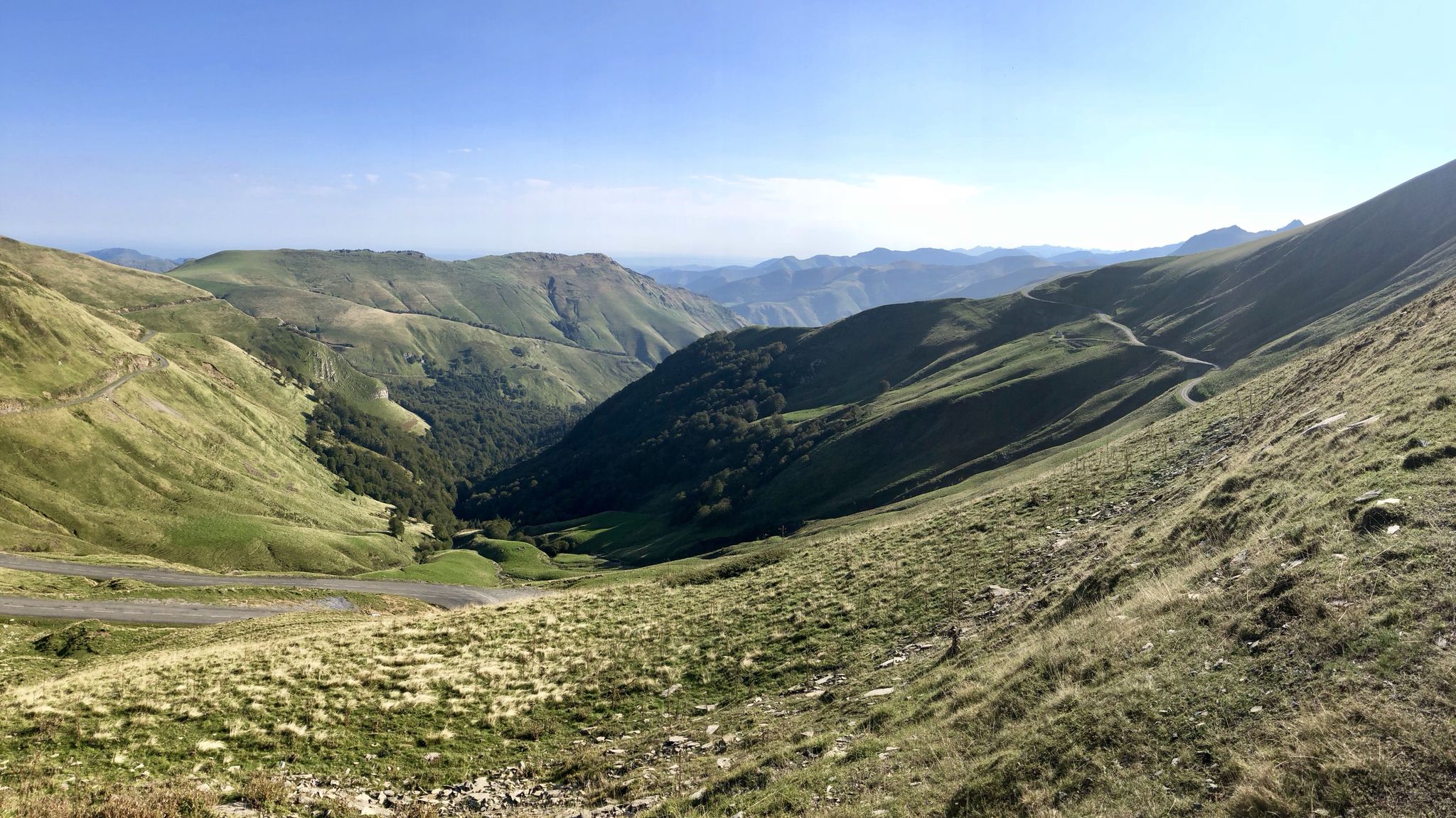
Euskal Herria footpath (GR 12) – The infinite mountain range
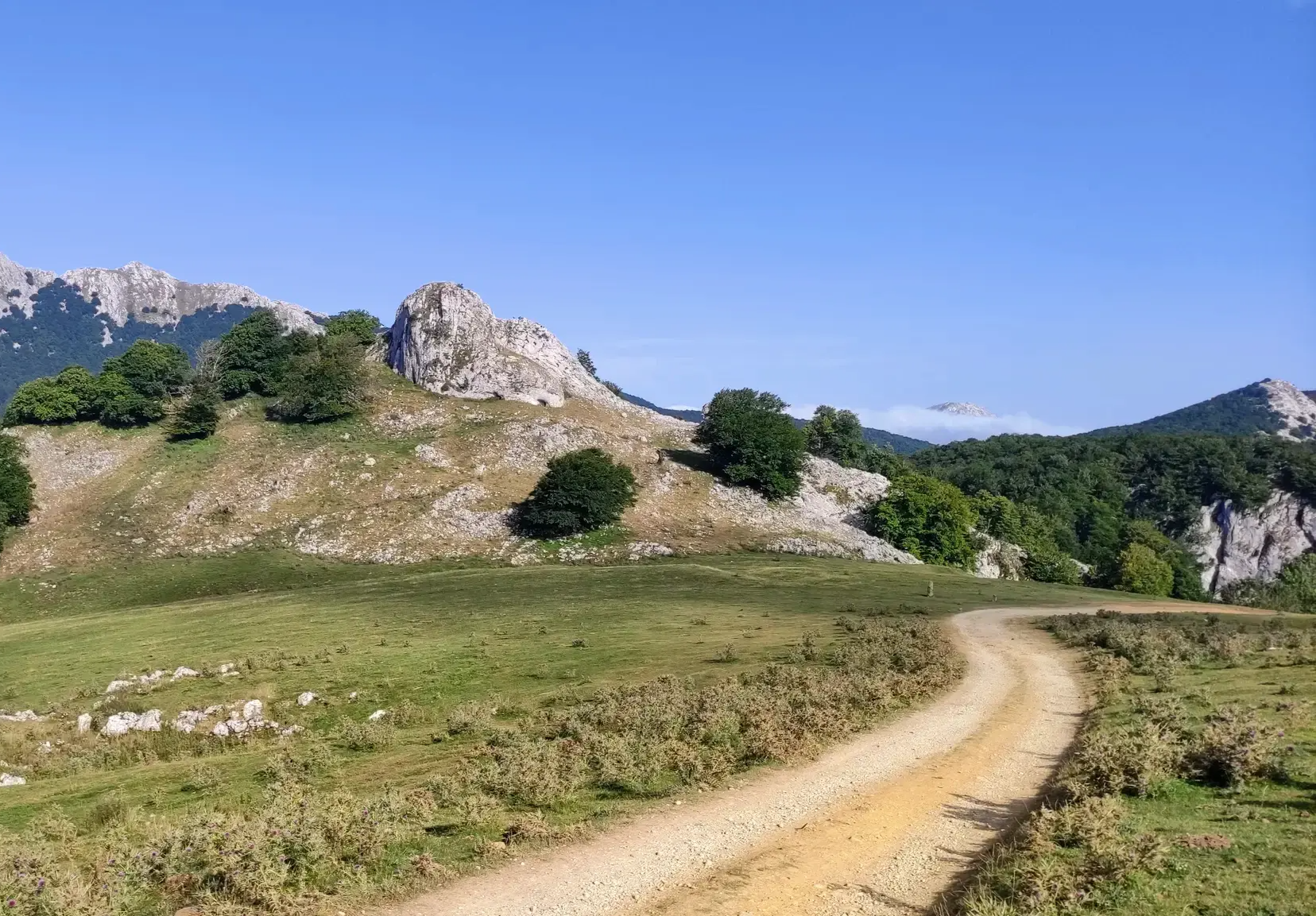
The Ignatian Way - In the footsteps of Ignatius of Loyola
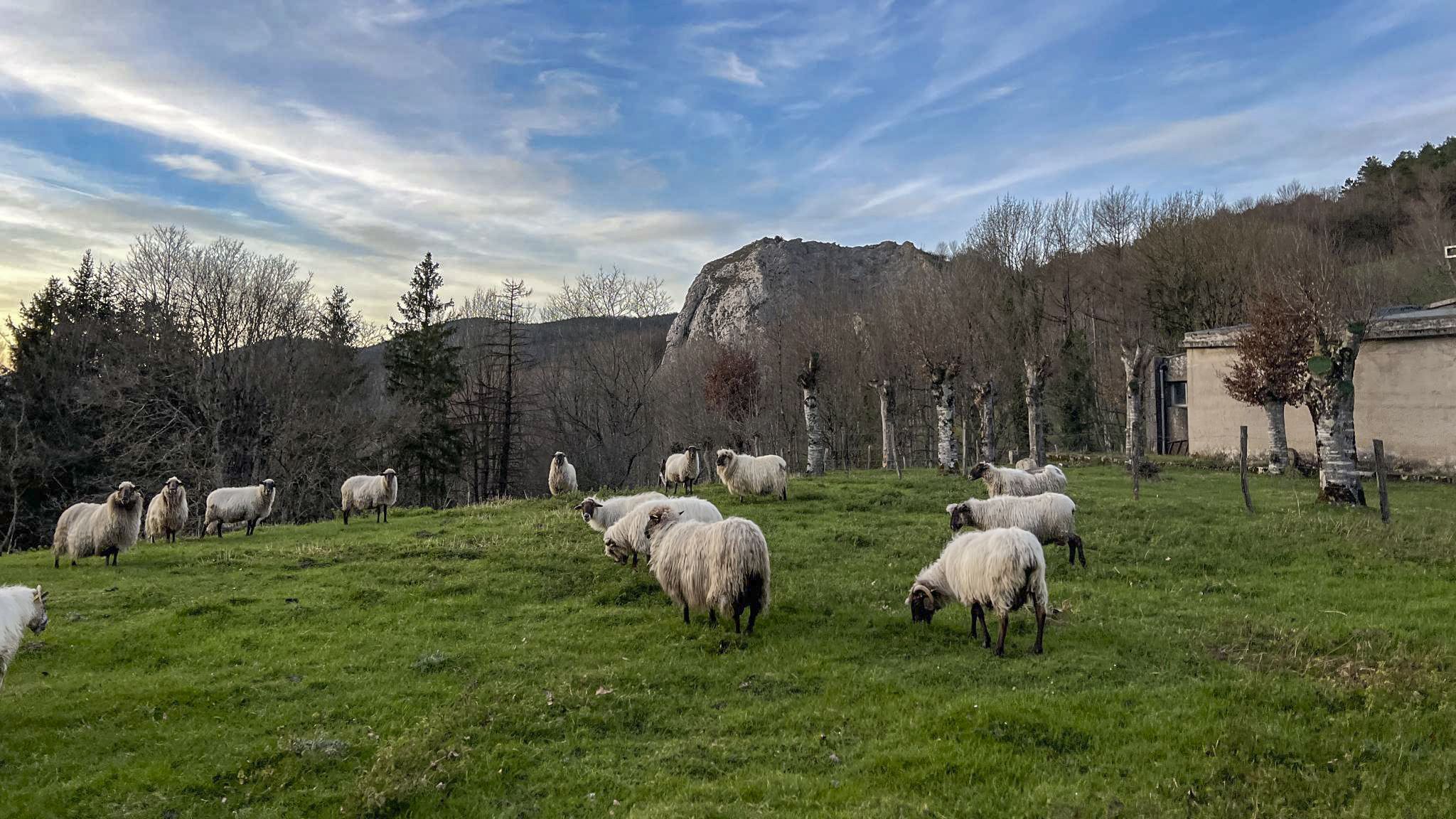
Basque Traditions and Landscapes - Idiazabal Cheese Route (GR 283)
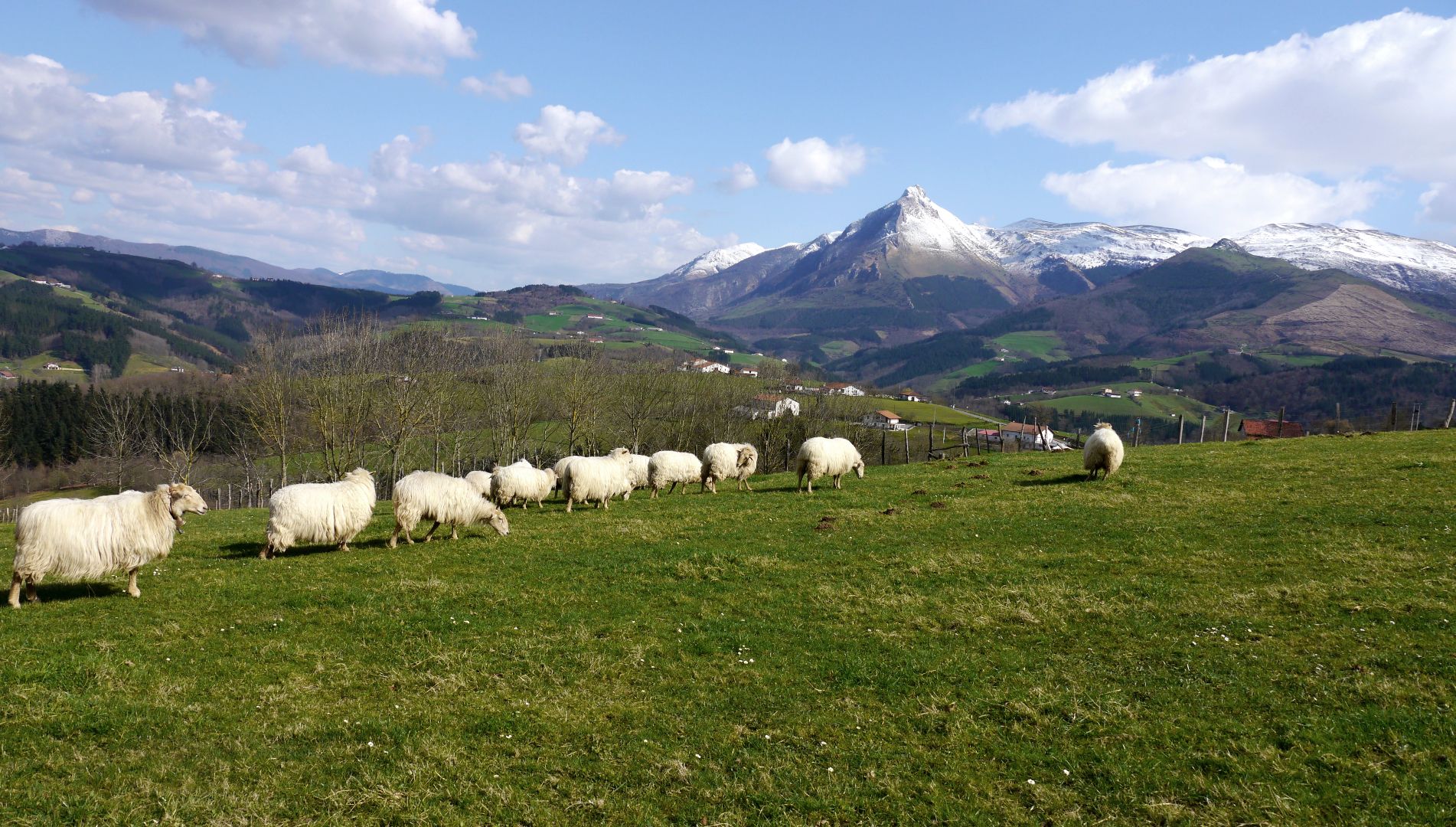
Mountains with tradition in Spain’s Basque Country – Shepherd's Path (GR 282)
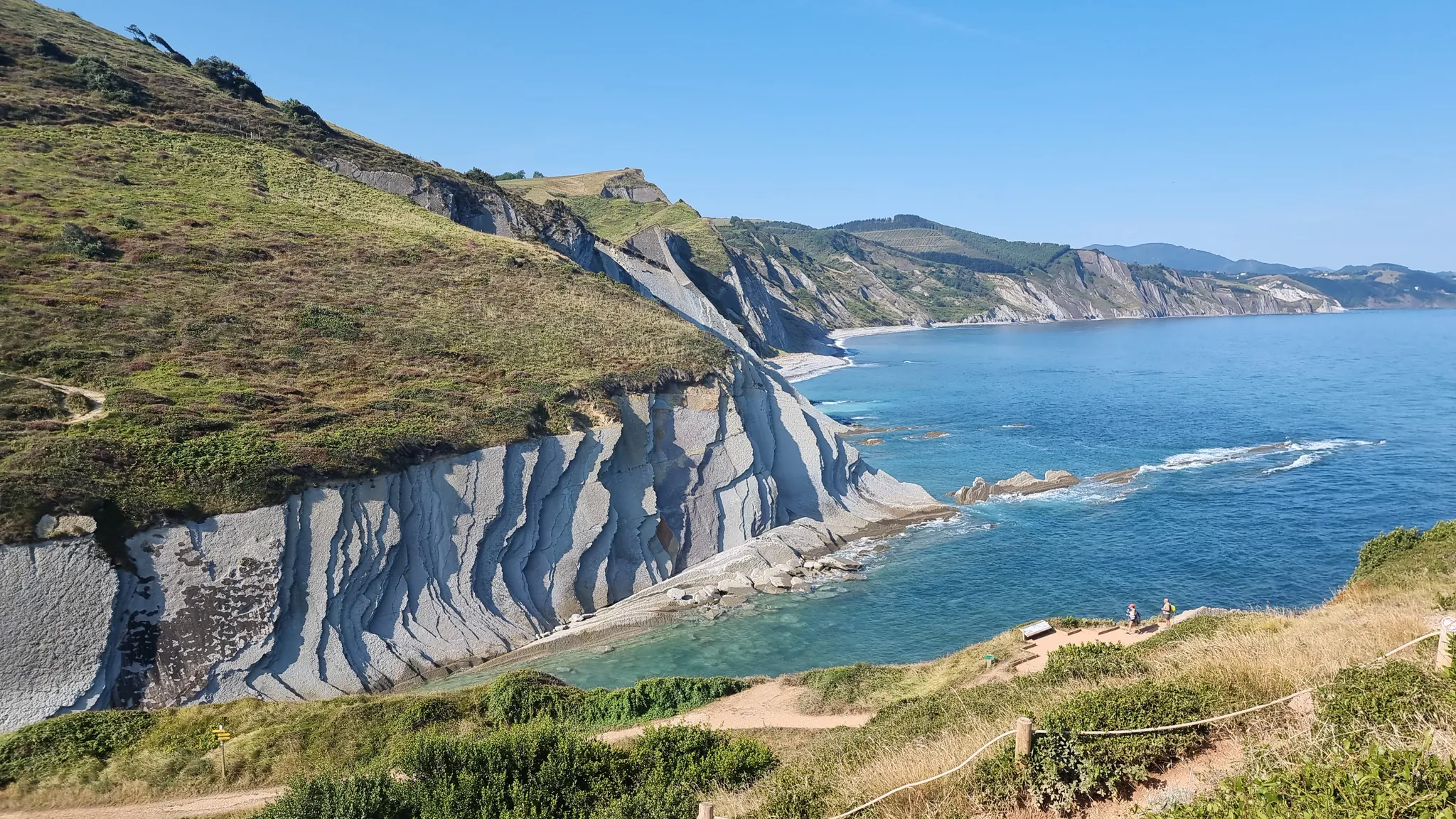
Between the sea and the mountains — GR 121: Tour of Guipúzcoa
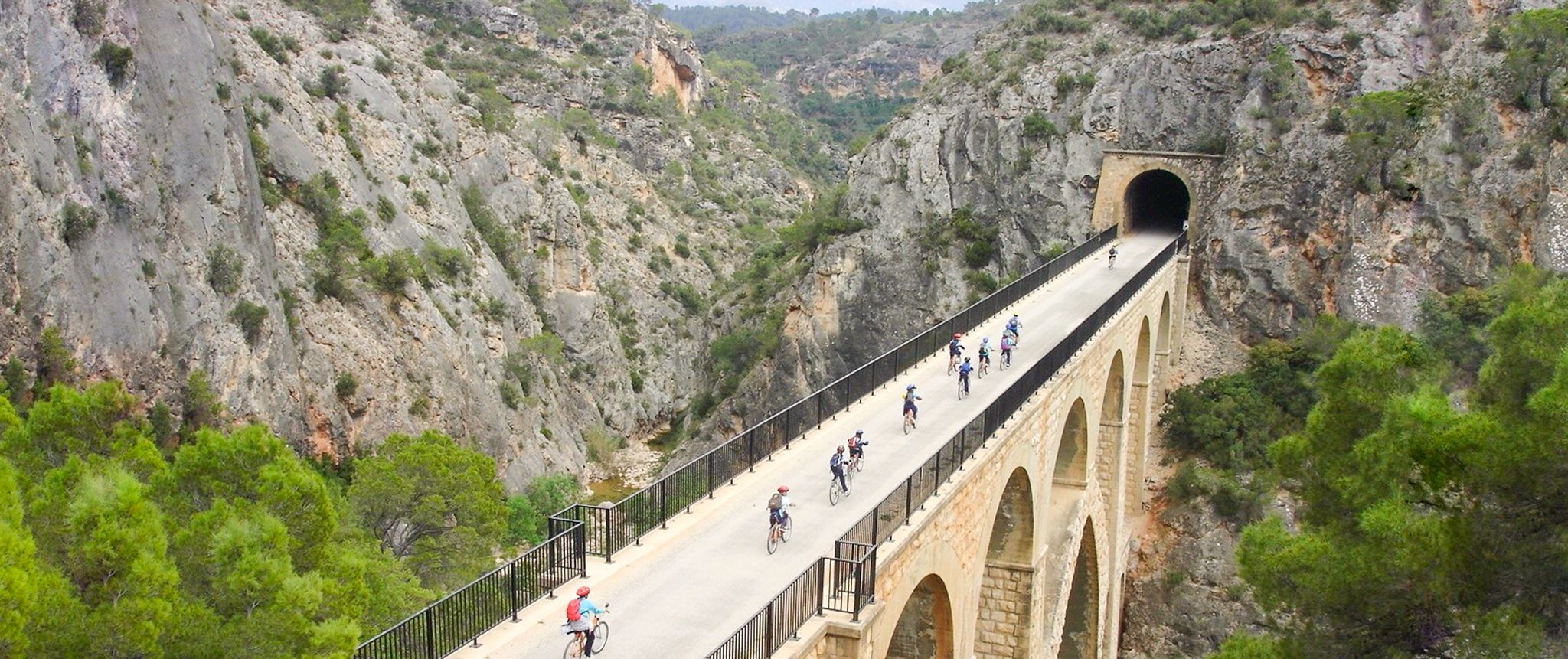
Vías Verdes – traffic-free cycling along railway history in Spain
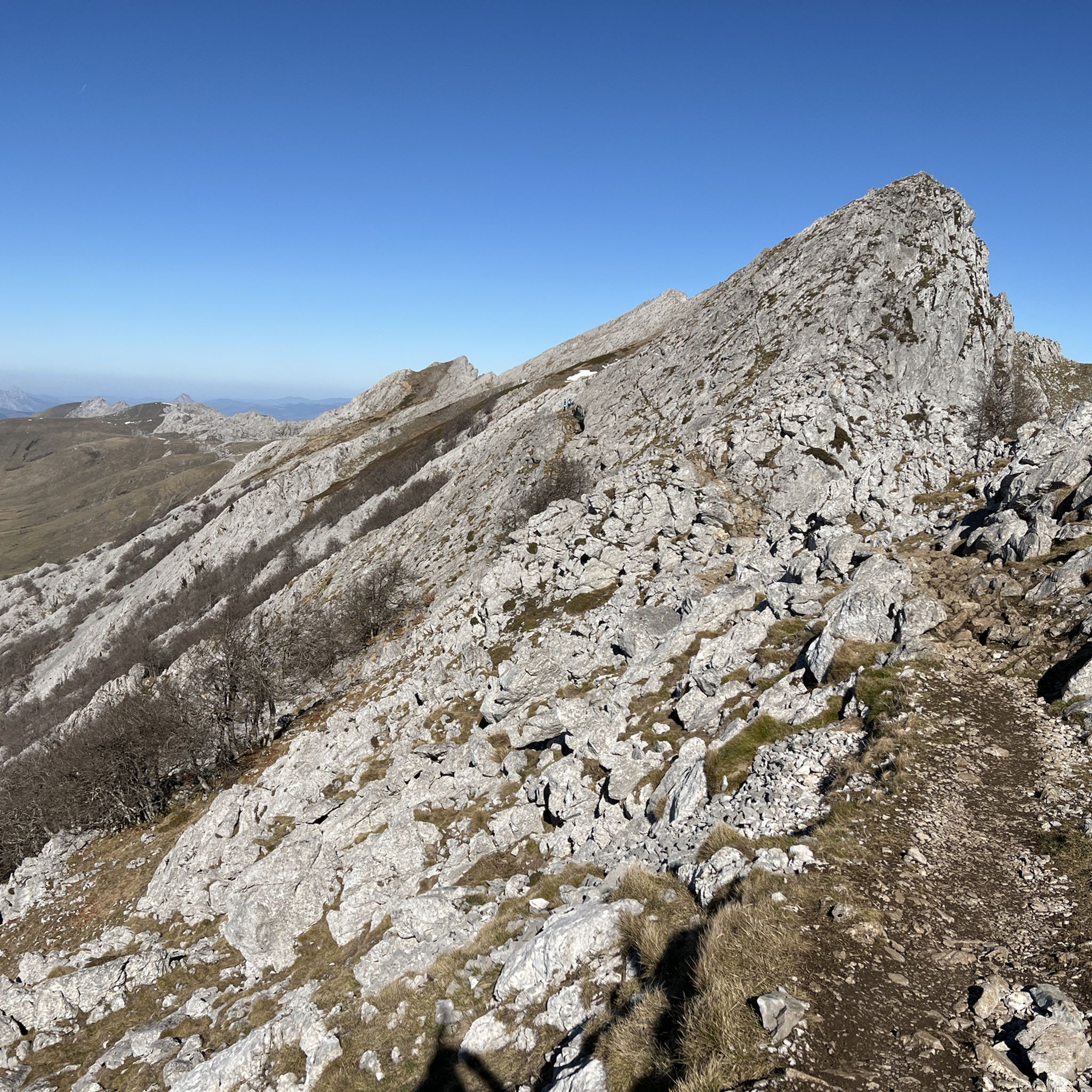
Hiking in Aizkorri-Aratz
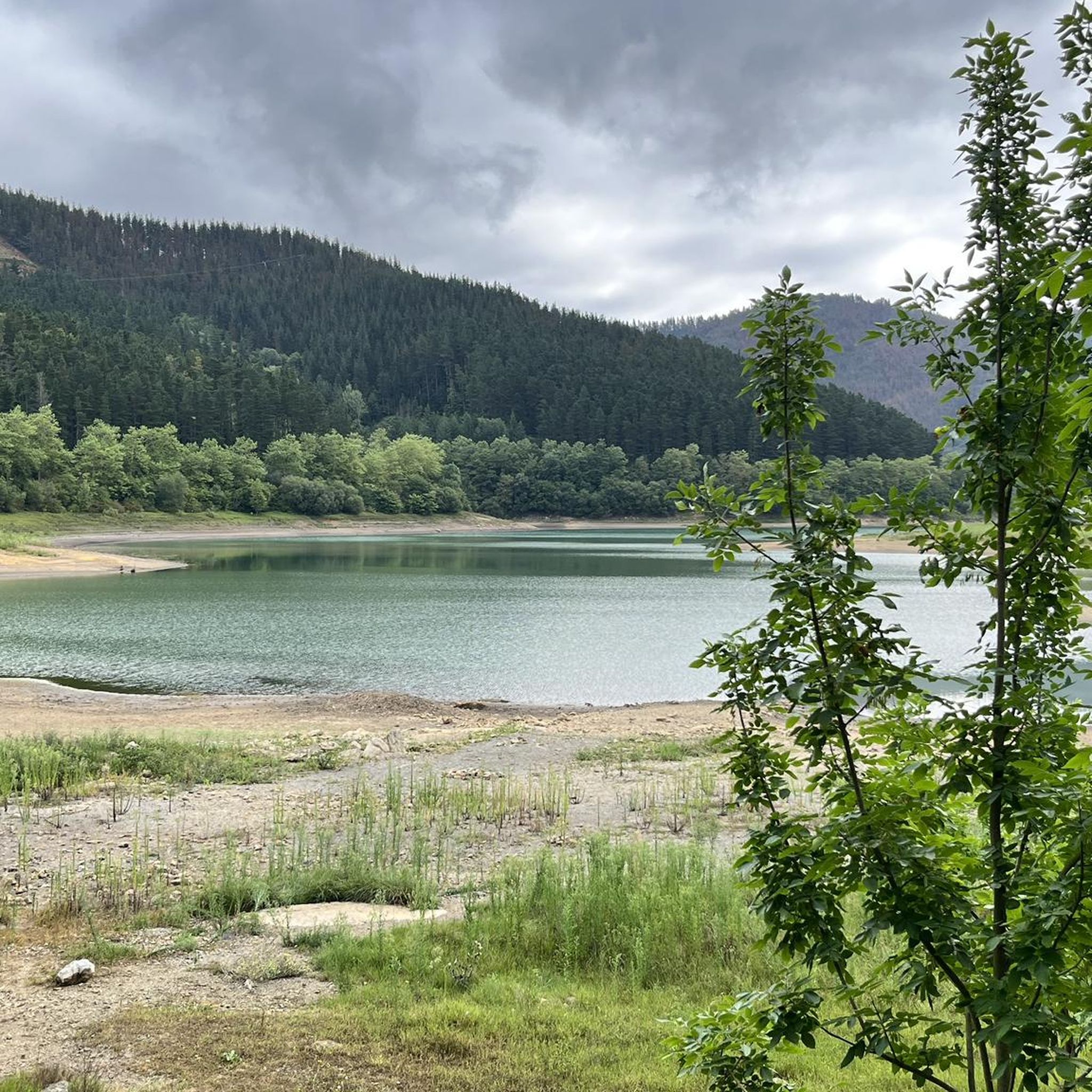
MTB Trails in Aizkorri-Aratz
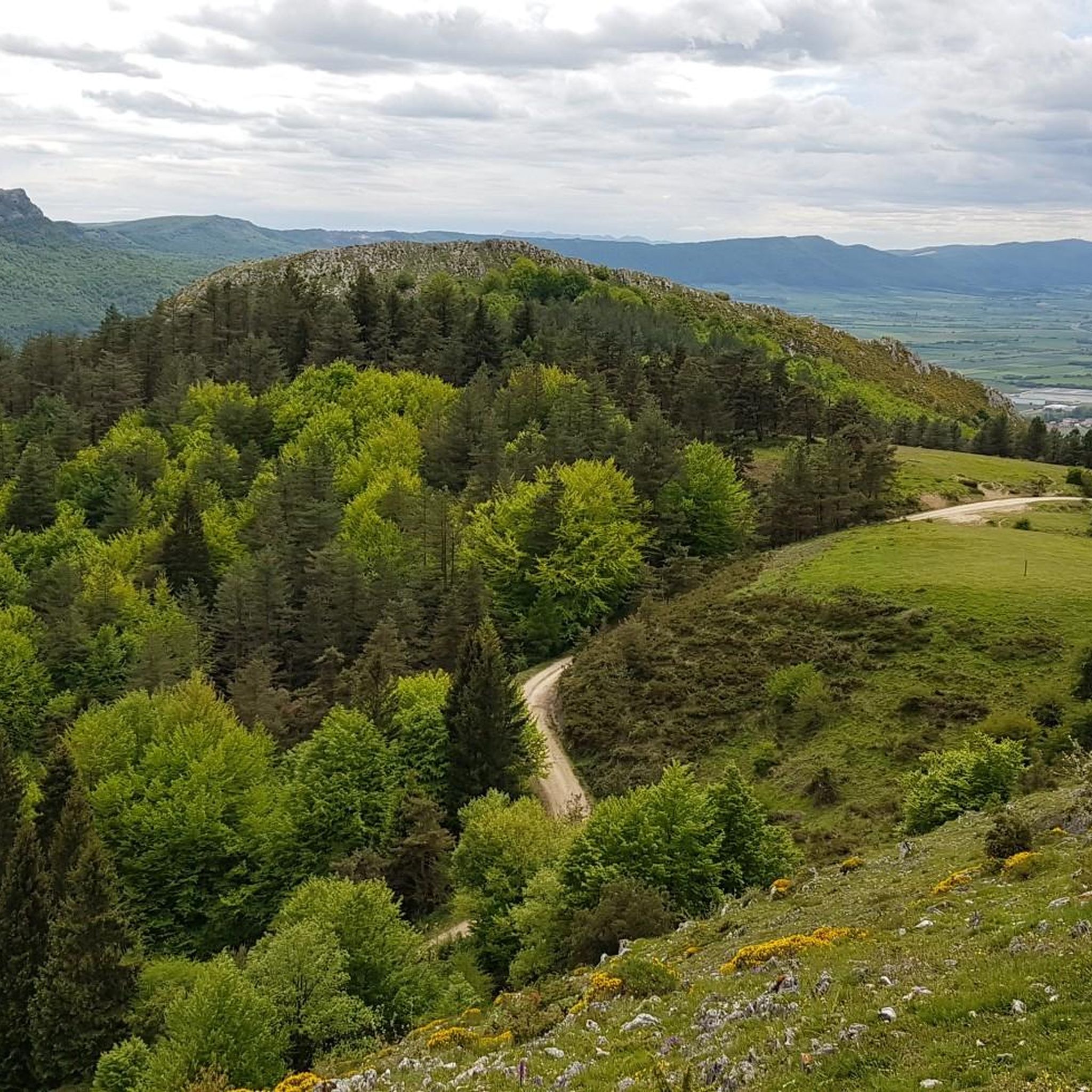
Running Trails in Aizkorri-Aratz
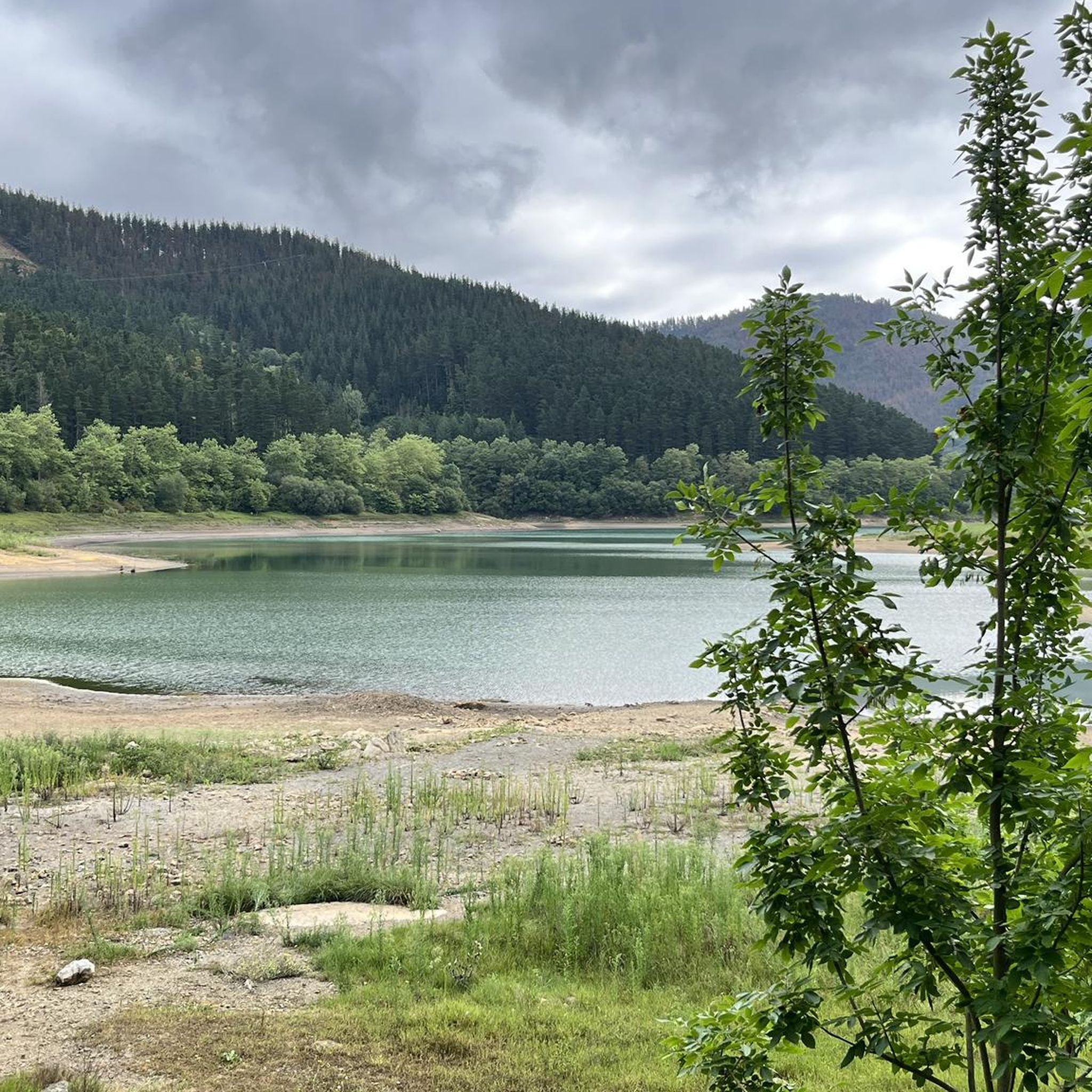
Cycling in Aizkorri-Aratz
Other adventures in Aizkorri-Aratz


Tips from the Community


If you climb from Araotz, follow the PR, and the climb is very easy and short. From the cave parking lot, it's much steeper and zigzags. About 2.5 or 3 km with a lot of elevation gain.
2
1

Access to the interior is easy, but I can't say the same about the path leading up to here.
3
0
A place to remember, a joy to visit.
4
0

Beautiful place, I recommend doing that route.
2
0

Beautiful place with incredible views❤
0
0
I stayed a few meters from the top, because the final climb exceeded the limit of my prudence.
1
0

Section from Zalduondo along the Camino de Santiago or medieval from Bayonne to Burgos, very hard due to the climbs if you go with panniers, but spectacular
0
0
Frequently Asked Questions
What are the most significant caves to visit in Aizkorri-Aratz?
The most significant cave in the region is Arrikrutz Cave in Oñati, known for its extensive network, spectacular geological formations, and paleontological importance, including prehistoric animal remains. You can also explore the San Adrián Tunnel, a historical passage, and the impressive natural archway of the Eye of Aitzulo.
Are there any caves with historical or archaeological significance in Aizkorri-Aratz?
Yes, the San Adrián Tunnel is a site of considerable historical and cultural importance. It was part of the ancient Camino Real and the Way of Saint James, used by travelers and pilgrims for centuries. Arrikrutz Cave is also highly significant for its paleontological findings, including well-preserved skeletons of prehistoric animals like cave bears and lions.
What kind of geological features can I expect to see in the caves of Aizkorri-Aratz?
Arrikrutz Cave is renowned for its spectacular geological formations, including giant stalactites. The Eye of Aitzulo is a striking natural archway, resembling a large eye in the rock face. The San Adrián Tunnel is a unique natural formation that allows passage through the mountain.
Are there guided tours available for any of the caves?
Yes, guided tours are available at Arrikrutz Cave. These tours allow visitors to explore an illuminated gallery and learn about the cave's geological and paleontological history. An interpretation center in Oñati provides further context.
Are there family-friendly options for visiting caves in Aizkorri-Aratz?
Arrikrutz Cave offers guided tours that can be suitable for families interested in natural history and geology. The walk through the San Adrián Tunnel is also a unique experience for all ages, though caution is advised as it can be slippery when wet. The climb to the Eye of Aitzulo from Araotz is described as easy and short, making it accessible for families.
What outdoor activities can I do near the caves in Aizkorri-Aratz?
The Aizkorri-Aratz Natural Park offers various outdoor activities. You can find numerous hiking trails, including easy options like the Arantzazu Sanctuary – Urbia Parking loop. For more challenging adventures, there are mountain biking trails and road cycling routes available. Explore more options on the easy hikes guide, MTB trails guide, and cycling guide for the region.
What should I know about visiting the San Adrián Tunnel?
The San Adrián Tunnel is a natural formation traversed by an ancient road, historically part of the Camino Real and the Way of Saint James. It's about 70 meters long and contains a small chapel. Be aware that the tunnel can be slippery when wet. It's a popular spot for hikers within the Aizkorri-Aratz Natural Park.
How difficult is the hike to the Eye of Aitzulo?
The climb to the Eye of Aitzulo from Araotz, following the PR trail, is considered very easy and short. However, if you start from the cave parking lot, the path is much steeper and involves significant elevation gain over about 2.5 to 3 kilometers.
Are there any caves in Aizkorri-Aratz that are not suitable for exploration?
Yes, the Aitzorrotz Cave is a small cavity with an inlet and outlet, but it is not practicable for exploration. It is notable for its location just below a rock where a hermitage or castle once stood.
What do visitors enjoy most about the caves in Aizkorri-Aratz?
Visitors frequently highlight the extraordinary views from places like the Eye of Aitzulo and the unique experience of walking through the historical San Adrián Tunnel. The blend of natural wonder and rich history, along with the geological formations, makes these sites memorable.
Is there an interpretation center for the caves in the region?
Yes, for Arrikrutz Cave, there is an interpretation center located in Oñati that provides additional context and information about the cave's geology and paleontological discoveries.
What is the best time of year to visit the caves in Aizkorri-Aratz?
The Aizkorri-Aratz Natural Park is generally accessible throughout the year. However, for hiking and exploring the natural formations like the Eye of Aitzulo and the San Adrián Tunnel, spring and autumn offer pleasant temperatures and lush scenery. During wetter periods, paths and cave interiors, especially the San Adrián Tunnel, can be slippery.
Most popular routes in Aizkorri-Aratz
Most popular attractions in Aizkorri-Aratz

Get inspired with the komoot mobile app


Explore more
Extend your search for the best caves by checking out these guides of the top ones in Aizkorri-Aratz:
