Top 12 Waterfalls in Krka National Park
Best waterfalls in Krka National Park are formed by the Krka River, which features seven main cascade systems. The park is characterized by its unique tufa landscapes, aquamarine waters, and high canyon walls. This natural area is home to diverse flora and fauna, making it a significant ecological and geological site. Visitors can explore various waterfalls and historical sites within the park's boundaries.
Best waterfalls in Krka National Park
- The most popular waterfalls is View of the Skradinski Buk waterfall…
Last updated: October 2, 2026
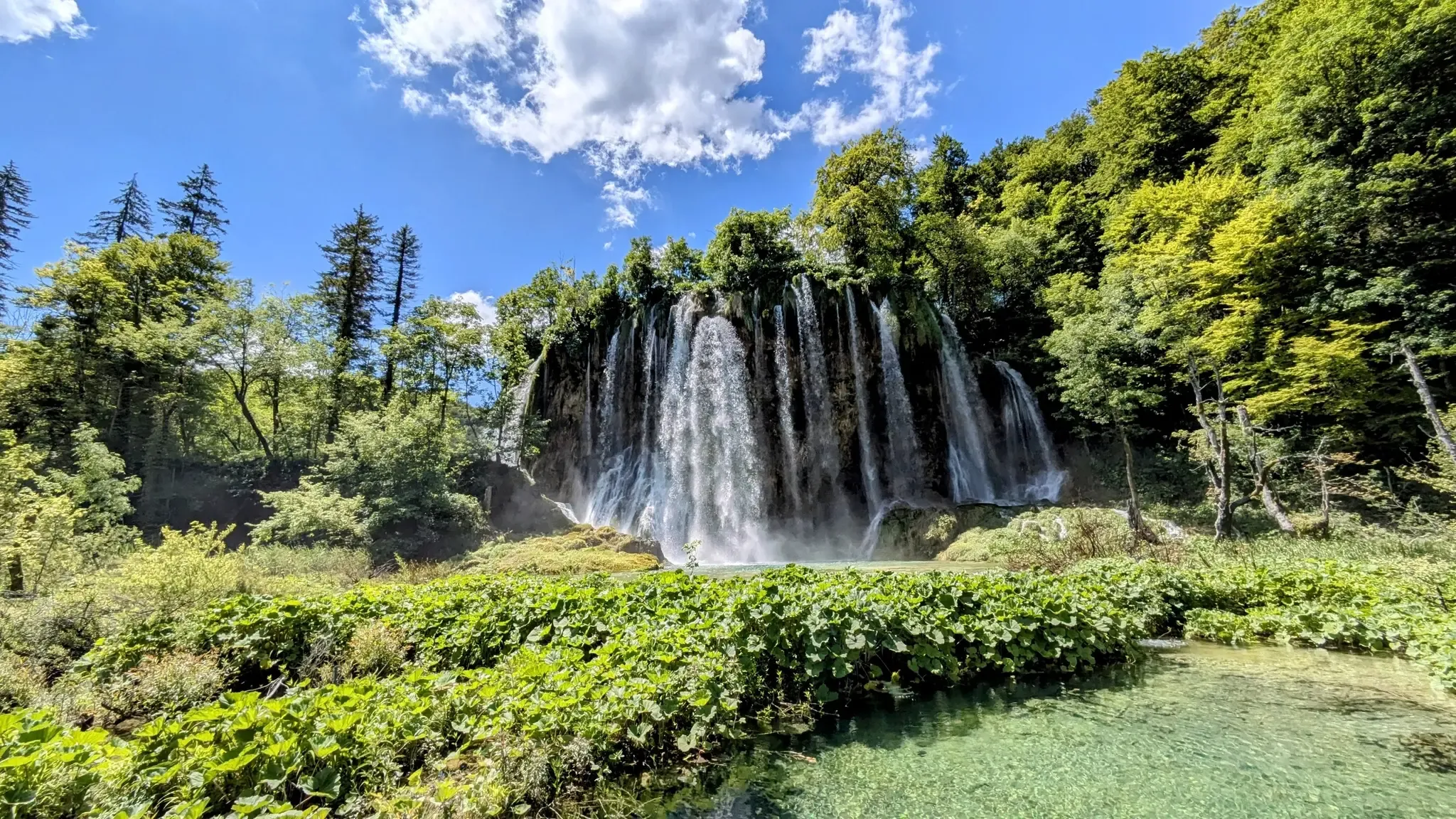
View of the Skradinski Buk waterfall
Highlight • Viewpoint
Tip by

View of Skradinski Buk
Highlight • Waterfall
Tip by
Sign up now to discover places like this
Get recommendations on the best single tracks, peaks, & plenty of other exciting outdoor places.
Skradinski Buk Waterfall
Highlight • Waterfall
Translated by Google •
Tip by

Wooden walkways and bridges in Krka National Park
Highlight • Trail
Translated by Google •
Tip by

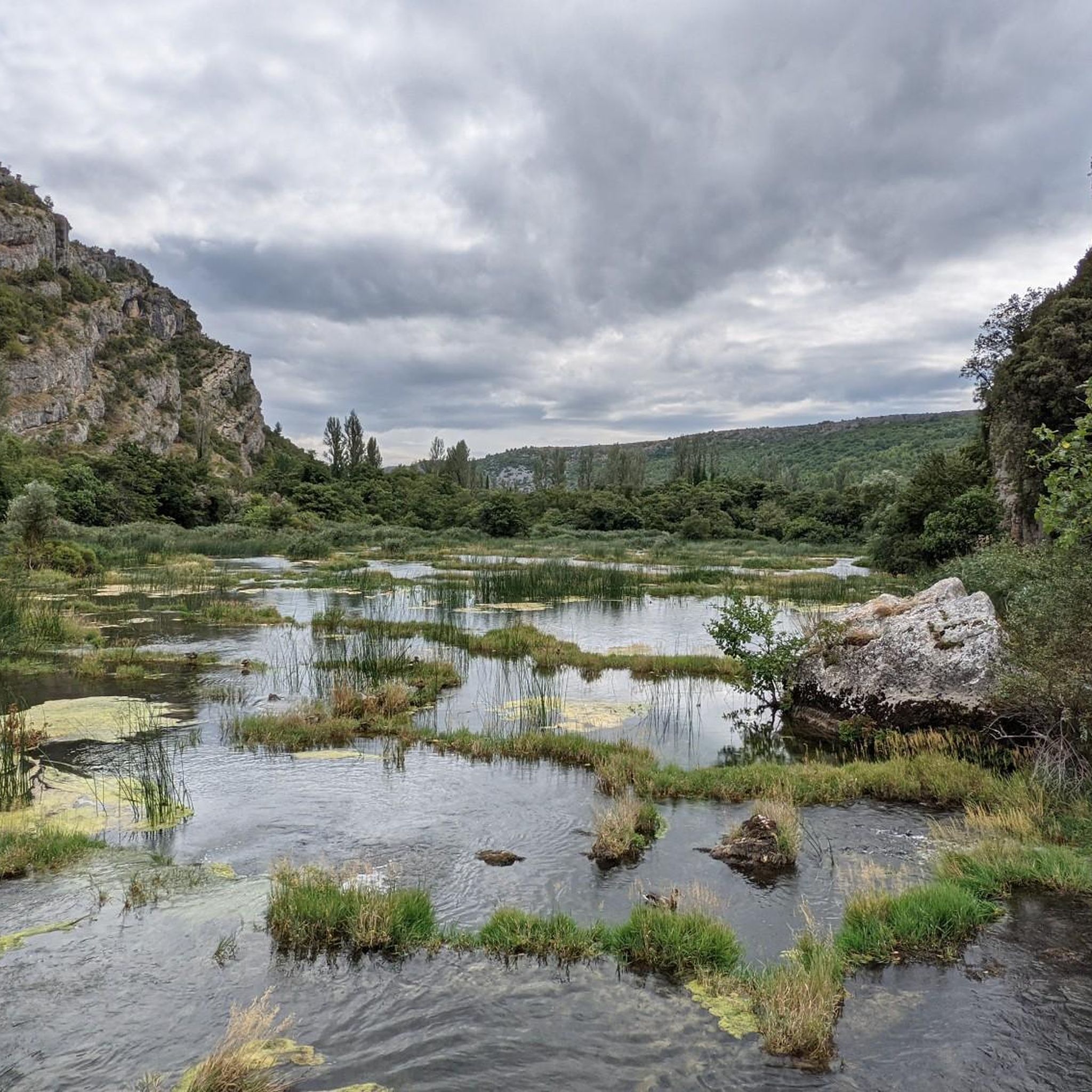
Roški Slap Waterfall
Highlight • Waterfall
Showing Translation
Tip by

Sign up for free to discover even more waterfalls in Krka National Park.
Already have an account?
Start today with a free account
Your next adventure awaits.
Other adventures in Krka National Park

Tips from the Community

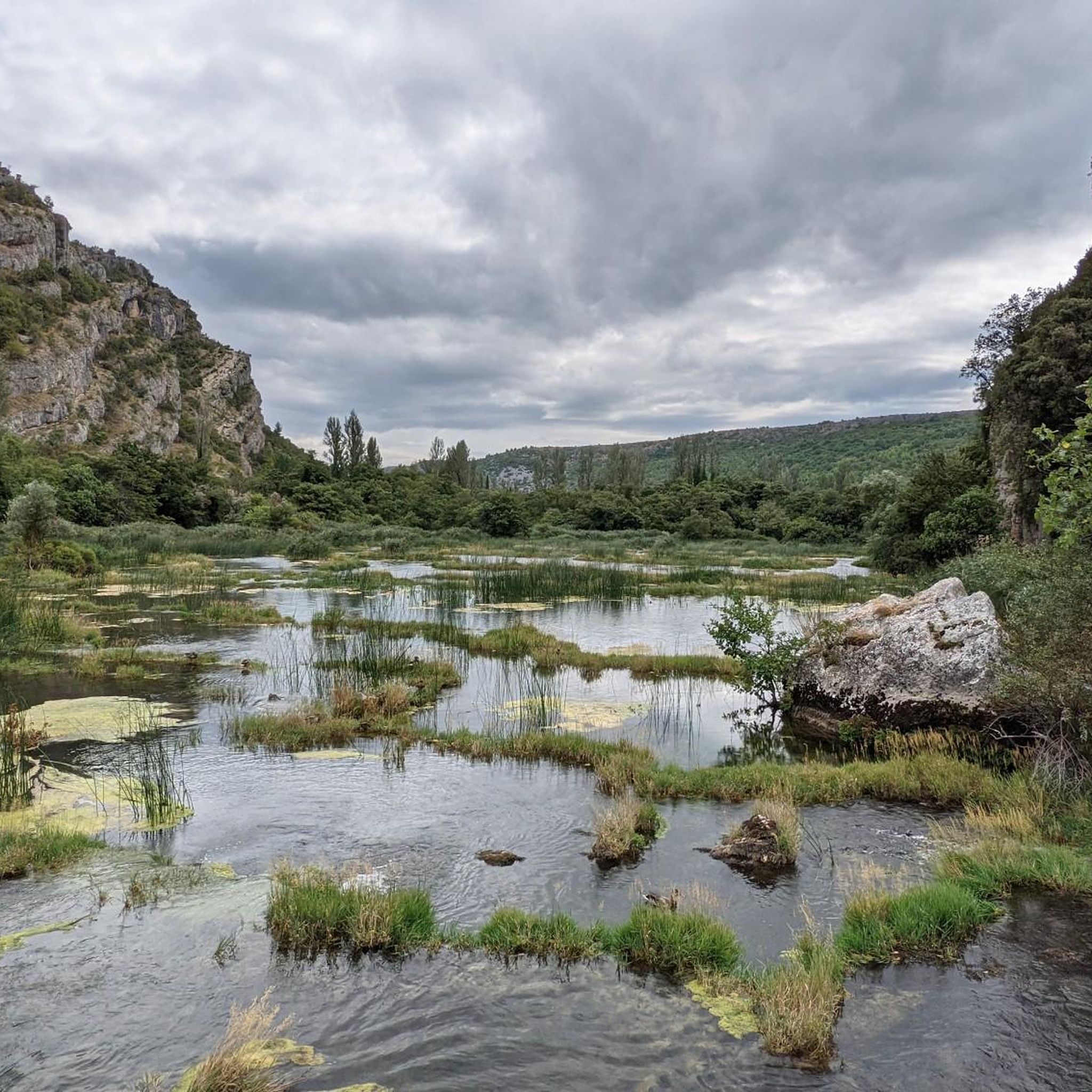
The Roški Slap is one of the most beautiful waterfalls in Krka National Park and is located in the middle reaches of the river. Its upper part forms a network of numerous small cascades, which are called „Ogrlice” due to their shape, Croatian for necklaces. Below, the water plunges about twelve meters over a wide main step. From the boat, you have a fantastic view of this natural wonder.
2
0

Impressive landscape, it was fun crossing the wooden walkways and having great views of the waterfalls!
1
0

Really a park you must see if you are in this country, very beautiful
19
0
Water flows down beautifully 😀 what a force
18
0
Nice view from the bridge
20
0
Also a beautiful waterfall
18
0

A beautiful park for hiking.
2
0
Beautiful waterfalls accessible via a circular hiking trail. However, with an entrance fee of €40 per adult (15 years and older) during peak season, it's not exactly a bargain.
2
0
Frequently Asked Questions
What are the key features of Skradinski Buk, the most famous waterfall in Krka National Park?
Skradinski Buk is the longest and largest waterfall in Krka National Park, spanning approximately 800 meters in length and 100 meters in width. It comprises 17 waterfalls that cascade into one another, forming a beautiful lake. It's considered Europe's largest travertine cascade system. Visitors can explore an extensive network of wooden trails and bridges to get up close to the cascades. You can find a great vantage point at View of the Skradinski Buk waterfall.
What makes Roški Slap a unique waterfall to visit?
Roški Slap is known for its picturesque series of shallow cascades, affectionately called "the Necklaces," before flowing into Visovac Lake. The main waterfall is 22.5 meters high. This area features restored watermills and historical sites, offering a serene experience. You can see it up close at Roški Slap Waterfall.
Which waterfall is the tallest in Krka National Park?
The tallest waterfall in Krka National Park is Manojlovac Waterfall, with a spectacular drop of 59.6 meters over several travertine barriers. A dedicated lookout point offers awe-inspiring views of the falls and the steep river canyon.
Are there family-friendly trails or waterfalls in Krka National Park?
Yes, Krka National Park offers several family-friendly options. The wooden walkways and bridges around Skradinski Buk are generally suitable for families, though some sections may have stairs. Highlights like Roški Slap Waterfall and Small Lake (Mali Prštavac) are also categorized as family-friendly. For easy hikes, consider routes like the "Skradinski Buk Waterfall – Skradinski Buk Waterfall loop from Lozovac" or the "View of the Manojlovac Waterfall – Manojlovac Waterfall loop from Ivoševci," both found in the Easy hikes in Krka National Park guide.
What historical or cultural sites can be found near the waterfalls?
Near Roški Slap, you can explore restored watermills, a Roman bridge with 22 stone arches, and the Oziđana Pećina cave, which is a prehistoric archaeological site. Manojlovac Slap is located close to the ancient archaeological site of Burnum. The Skradinski Buk Ethno Village also received the prestigious Golden Flower of Europe award in 2006.
What is the best time of year to visit the waterfalls in Krka National Park?
The best time to visit Krka National Park is generally during the shoulder seasons (spring and early autumn) when the weather is pleasant, and the park is less crowded than in peak summer. In spring, the waterfalls are at their fullest, and the vegetation is lush. Arriving early in the morning can help you avoid crowds, especially at popular spots like Skradinski Buk.
Can I swim near the waterfalls in Krka National Park?
Swimming near Skradinski Buk has been prohibited since 2021 to protect its delicate ecosystem. However, swimming is still permitted in designated areas below Roški Slap, offering a refreshing experience amidst the natural beauty.
What natural features, besides the main waterfalls, can I explore?
Beyond the prominent cascades, Krka National Park is characterized by its unique tufa (travertine) landscapes, aquamarine waters, and high canyon walls. You can explore various lakes formed by the river, such as Brljan Lake near Brljan waterfall, and the serene Visovac Lake near Roški Slap. The park's raw splendor includes verdant forests and diverse flora and fauna.
Are there hiking trails available near the waterfalls in Krka National Park?
Yes, Krka National Park offers numerous hiking opportunities. You can find trails ranging from easy to moderate, such as the "Skradinski Buk Waterfall – Skradinski Buk Waterfall loop from Lozovac" or the "View of the Krka Cascades – Roški Slap Waterfall loop from Visovac." For more options, refer to the Hiking in Krka National Park guide.
What other outdoor activities can I do near the waterfalls?
Besides hiking, Krka National Park also offers mountain biking. You can explore routes like the "Skradin Waterfront Promenade – View of the Krka River loop from Skradin" or the "View of the Krka River Gorge – Start of Dračevica Downhill loop from Laškovica." For detailed routes, check the MTB Trails in Krka National Park guide.
What is special about Miljacka Slap?
Miljacka Slap is notable for its impressive surroundings, where the Krka River flows through a narrow, cliff-lined riverbed before cascading 24 meters over three large and many smaller travertine steps. Below the falls, you can find the Miljacka hydroelectric plant and the Miljacka II cave, home to rare endemic bat species.
What do visitors enjoy most about the waterfalls in Krka National Park?
Visitors frequently praise the stunning natural beauty, the well-maintained wooden walkways that allow close access to the cascades, and the serene atmosphere. Many appreciate the opportunity to immerse themselves in nature and capture beautiful photos. The park's unique karst geology and the raw splendor of the aquamarine waters are often highlighted as favorite aspects.
Most popular routes in Krka National Park
Most popular attractions in Krka National Park

Get inspired with the komoot mobile app


