Top 12 Caves around Park of the Rupestrian Churches of Matera
Best caves around Park of the Rupestrian Churches of Matera, a UNESCO World Heritage site, are part of an ancient troglodyte settlement. This area features cave dwellings, churches, monasteries, and hermitages carved into the Murgia plateau. The landscape includes deep ravines and rock-hewn structures, showcasing human adaptation to its geomorphological setting. These sites offer a unique glimpse into millennia of human history and architectural ingenuity.
Best caves around Park of the Rupestrian Churches of Matera
- The most popular caves is…
Last updated: May 17, 2026
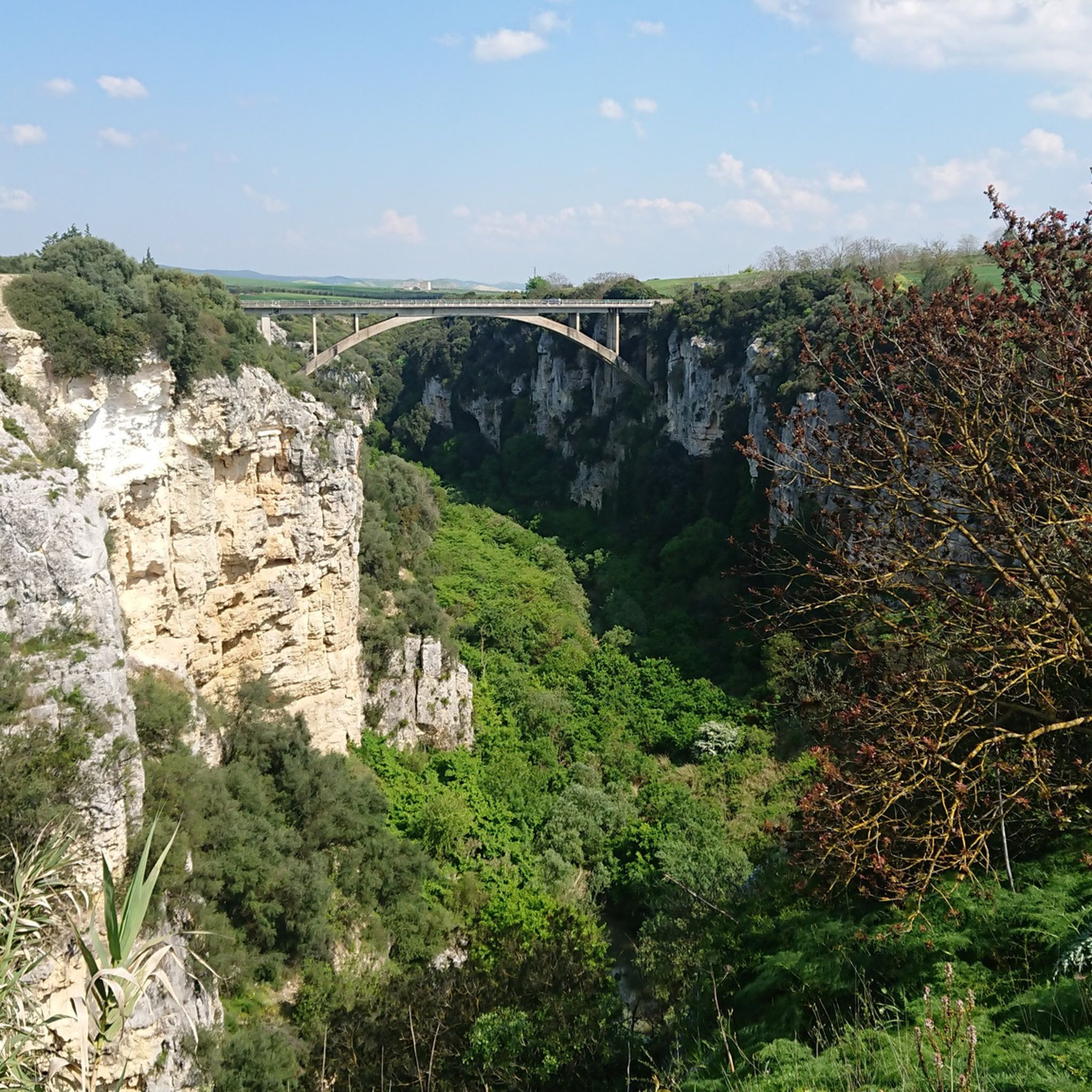
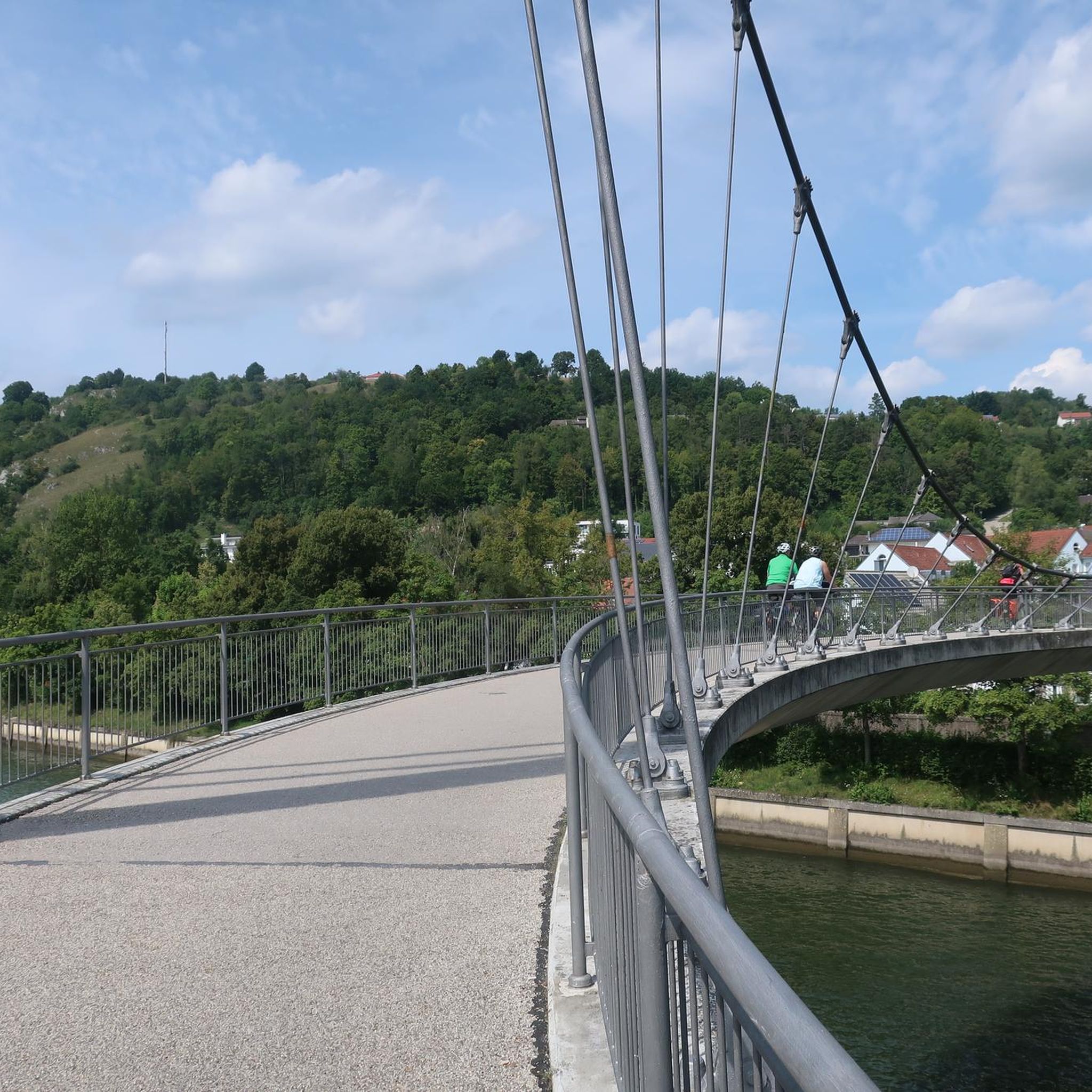
Suspension bridge over the Gravina
Highlight • Bridge
Translated by Google •
Tip by

Rock Church of Santa Rita
Highlight • Religious Site
Translated by Google •
Tip by
Sign up now to discover places like this
Get recommendations on the best single tracks, peaks, & plenty of other exciting outdoor places.
Sign up for free
Casa Grotta in the Sassi of Matera
Highlight • Cave
Translated by Google •
Tip by

Rock Church of San Nicola at the Murgia dell'Amendola
Highlight • Religious Site
Translated by Google •
Tip by

Madonna delle Tre Porte Church
Highlight • Religious Site
Translated by Google •
Tip by
Sign up for free to discover even more caves around Park of the Rupestrian Churches of Matera.
Sign up for free
Already have an account?
Start today with a free account
Your next adventure awaits.
Login or Signup
Popular around Park of the Rupestrian Churches of Matera
Hiking around Park of the Rupestrian Churches of Matera
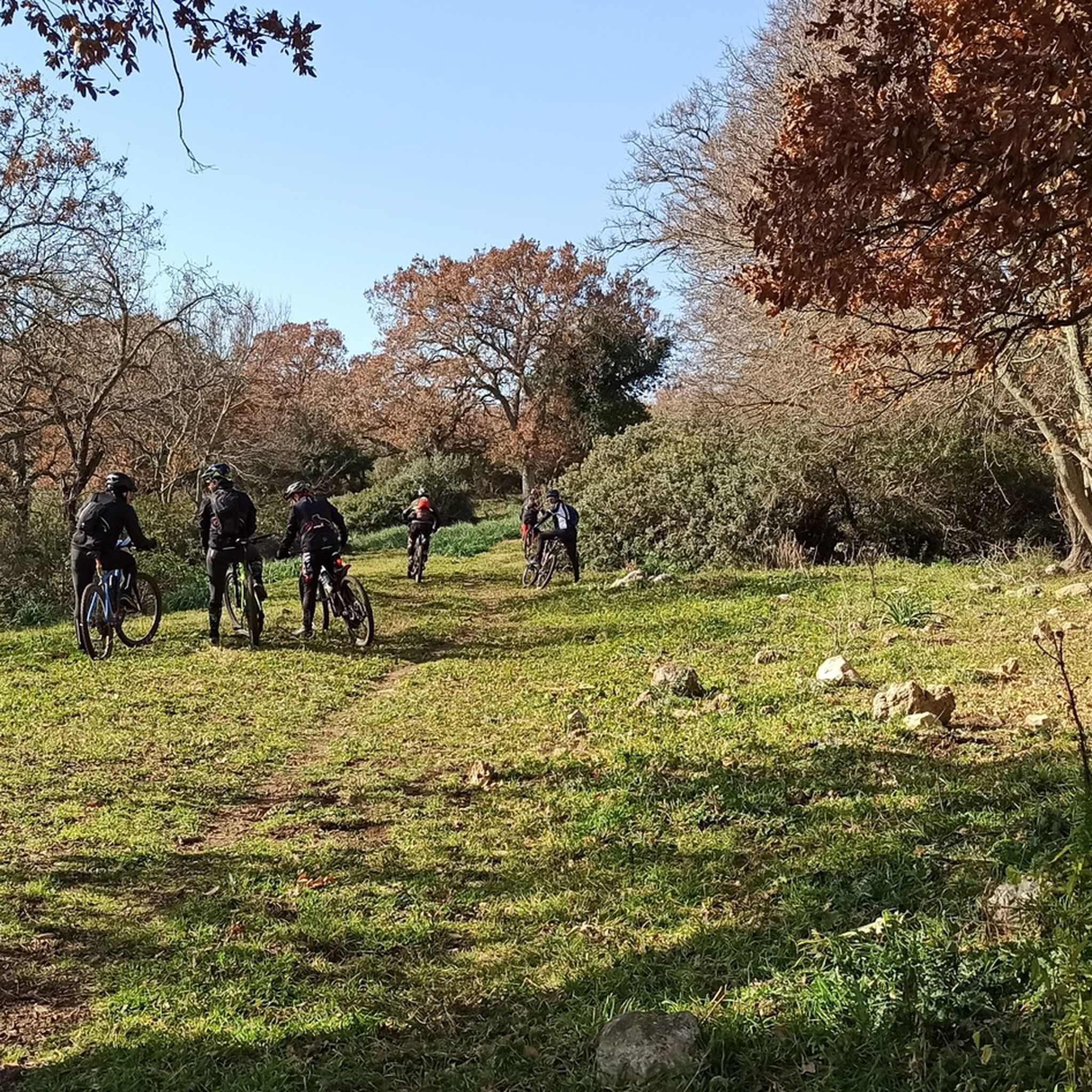
MTB Trails around Park of the Rupestrian Churches of Matera
Cycling around Park of the Rupestrian Churches of Matera
Road Cycling Routes around Park of the Rupestrian Churches of Matera
Running Trails around Park of the Rupestrian Churches of Matera
Gravel biking around Park of the Rupestrian Churches of Matera
Tips from the Community

a church in an enchanting place
0
0

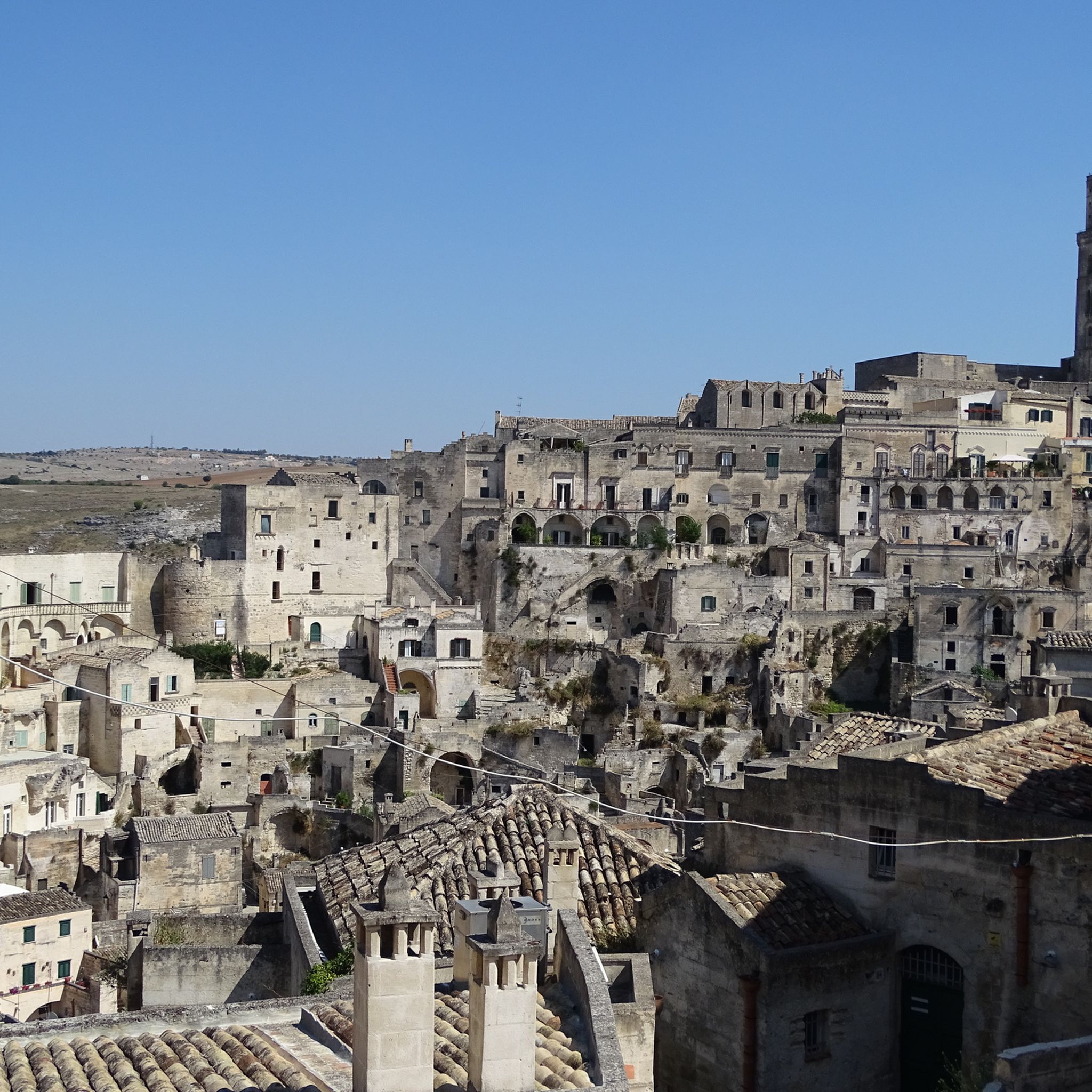
The southern Italian city of Matera is impressive and attractive, but at the same time also mysterious and a bit rough. It looks more like a labyrinth of stone houses, steep staircases and narrow streets. The Sassi di Matera, or Stones of Matera, is full of caves that were once inhabited and were therefore a disgrace to Italy. Times have changed suddenly, and today the Sassi di Matera are the pride not only of the city, but also of the entire Basilicata region, in which Matera is located.
1
1

It's a steep climb along this route. But worth the views and looking in the caves. Easier going back down!
0
0

Inserted in the complex agro-pastoral rock village of Tre Ponti, the church was erroneously known until recently, with the name of San Pietro in Principibus. The plan is square with four central pillars and three apses. The façade has collapsed but you can admire the accurate workmanship of the arches, apses and pillars. In the rear room, excavated after the church was abandoned, there are graffiti depicting various figures including doves, quadrupeds and a soldier. To the left of the church, a stone enclosure protects an ancient rock apiary mentioned in two documents from 1536 and 1537 in which the area in question is mentioned: “un apiculare situ in gravina Sancti Elia, iuxta loco dicti Iacobi, et iuxta Ecclesiam di S.Elia ab alio latere” (apiary located in the ravine of Sant’Elia, near the cave of said Iacobo, and near the church of Sant’Elia on the other side). The church of Sant’Elia referred to is in fact located in the caves opposite, beyond the uphill road. Beyond the arched entrance to the church are two arcosolium tombs and various graffito crosses are engraved on the walls. The environment has been extensively remodeled, having inside it a manger and a ceiling drain. Discover our Basilicata by bike on www.viaggiatorelento.com
0
0

An excellent, very realistic reconstruction of life inside the cave dwellings of Matera.
1
0

Be sure to walk down through the valley
0
0

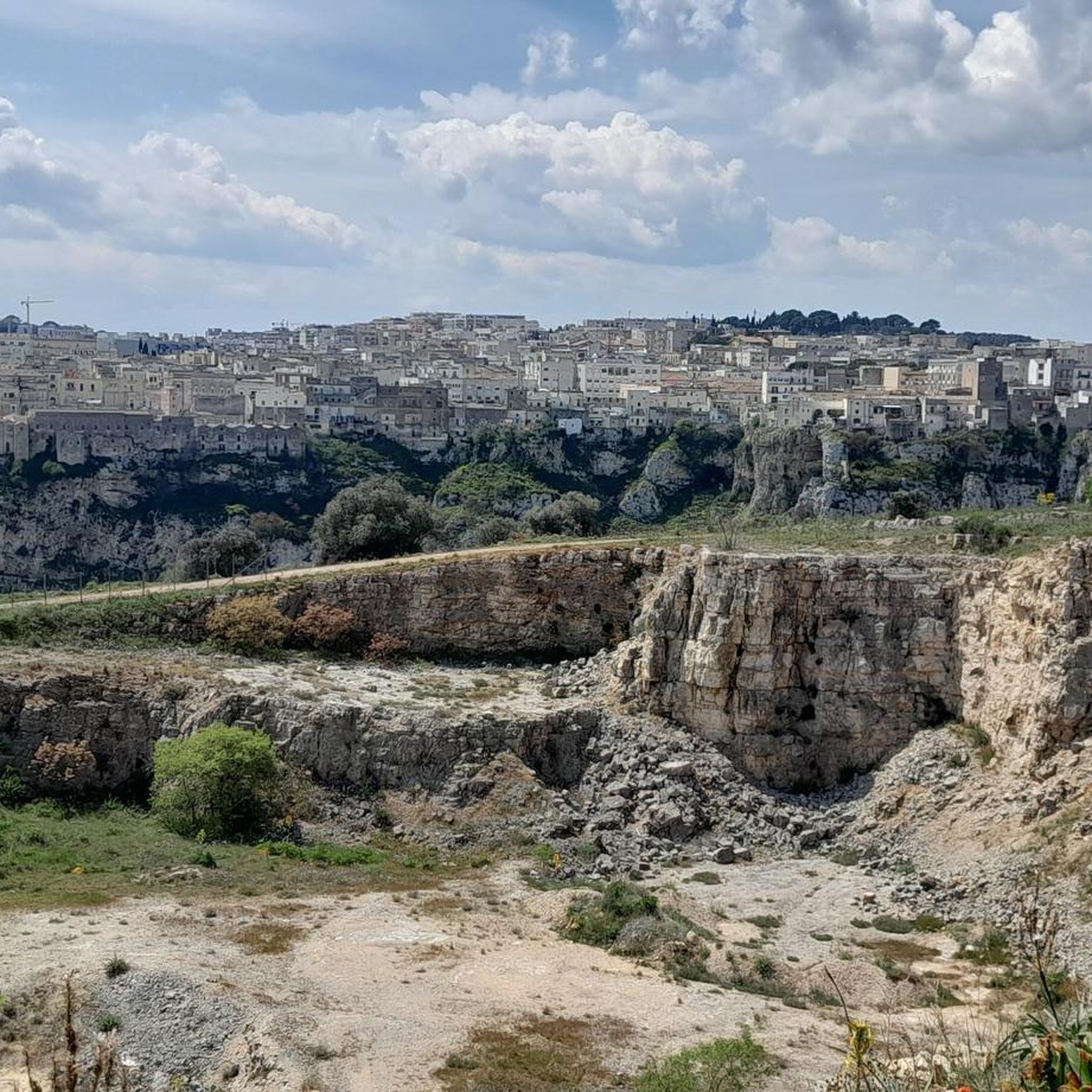
the characteristic rock church Madonna delle Vergini, one of the best known in Matera, just outside the city. Also worth admiring are the caves around and the wonderful view of the ancient city.
2
0
Frequently Asked Questions
What are some of the most historically significant cave churches in the Park of the Rupestrian Churches of Matera?
The park is home to numerous ancient cave churches. Notable ones include Santa Maria de Idris, uniquely carved into Mount Errone, and San Pietro Barisano, the largest rock church with roots in the 12th century. Other significant sites are Santa Lucia alle Malve, known for its frescoes, and San Falcione, one of the oldest cave churches featuring 9th-century art. You can also visit the Rock Church of Santa Rita, a 12th-century example of rock architecture near the Gravina River canyon.
What unique geological features can be observed in the caves around Matera?
The caves are primarily carved into the soft rock of the Murgia plateau, showcasing a unique geomorphological setting. This ancient landscape features deep ravines and rock-hewn structures, which allowed for continuous human occupation from the Paleolithic era. The structures themselves are a testament to human adaptation to the natural terrain.
Are there family-friendly activities or caves suitable for children in the Matera area?
Yes, exploring the ancient cave dwellings can be a fascinating experience for families. The Casa Grotta in the Sassi of Matera offers a realistic reconstruction of life inside the cave homes, providing an educational and engaging visit for all ages.
What is the best time of year to visit the Park of the Rupestrian Churches of Matera?
While the caves can be visited year-round, spring and autumn generally offer the most pleasant weather for exploring the outdoor areas and trails. These seasons avoid the intense heat of summer and the cooler, potentially wetter conditions of winter, making for a more comfortable experience.
What kind of outdoor activities can I do near the caves in Matera?
The area around the Park of the Rupestrian Churches of Matera offers various outdoor activities. You can find numerous routes for mountain biking, road cycling, and hiking. For example, explore MTB Trails, discover Road Cycling Routes, or enjoy Easy Hikes that take you through the unique landscape and past historical sites.
Are there any notable viewpoints or natural features to see in the park?
Absolutely. The Suspension bridge over the Gravina offers breathtaking views of Matera and the Gravina Canyon. Another excellent spot is the Madonna delle Tre Porte Church, which provides panoramic views over the city from its location. The entire Murgia plateau offers dramatic landscapes of deep ravines and ancient rock-hewn structures.
What should I wear when exploring the rupestrian caves and park?
Comfortable walking shoes with good grip are highly recommended, as the terrain can be uneven and rocky. Layers of clothing are also advisable, as temperatures inside the caves can differ from outside, and weather conditions can change. A hat and sunscreen are useful for sunny days, especially when exploring exposed areas.
How can I get to the Park of the Rupestrian Churches of Matera?
Matera is accessible by car, with various parking options available near the Sassi districts. Public transport, such as buses and trains, also connects Matera to other major Italian cities. Once in Matera, many of the cave churches and sites within the park are accessible on foot, though some require crossing the Gravina gorge.
What makes the Matera caves a UNESCO World Heritage site?
The Park of the Rupestrian Churches of Matera, along with the Sassi and the Park of the Rupestrian Churches, is a UNESCO World Heritage site because it represents an outstanding example of a traditional human settlement that has maintained a relationship with its natural environment over millennia. It showcases continuous human occupation from the Paleolithic era, with its cave dwellings, churches, monasteries, and hermitages carved into the Murgia plateau. You can find more information on the UNESCO website.
What do visitors enjoy most about the caves and park in Matera?
Visitors are often captivated by the historical depth and architectural ingenuity of the rock-cut structures. The unique integration of human settlements with the natural landscape, the ancient frescoes, and the panoramic views of the Sassi and Gravina Canyon are frequently highlighted as memorable aspects. The sense of stepping back in time and experiencing a truly unique cultural landscape is a major draw.
Are there any other significant rock churches besides the most famous ones?
Yes, beyond the most well-known, the park contains over 150 rock churches. For instance, the Madonna della Virtù and San Nicola dei Greci are two interconnected churches noted for their frescoes that blend Byzantine and Western styles. The Rock Church of San Nicola at the Murgia dell'Amendola is another example, located in the Belvedere di Murgia Timone area.
Are there easy trails to explore the caves and surrounding park?
Yes, there are several easy hiking trails that allow you to explore the park and its caves. These trails often provide accessible paths to viewpoints and some of the rock churches. For specific easy routes, you can check out the Easy hikes around Park of the Rupestrian Churches of Matera guide.
Most popular routes around Park of the Rupestrian Churches of Matera
Most popular attractions around Park of the Rupestrian Churches of Matera

Get inspired with the komoot mobile app


Explore more
Extend your search for the best caves by checking out these guides of the top ones around Park of the Rupestrian Churches of Matera:
