Top 2 Lakes around Lough Veagh
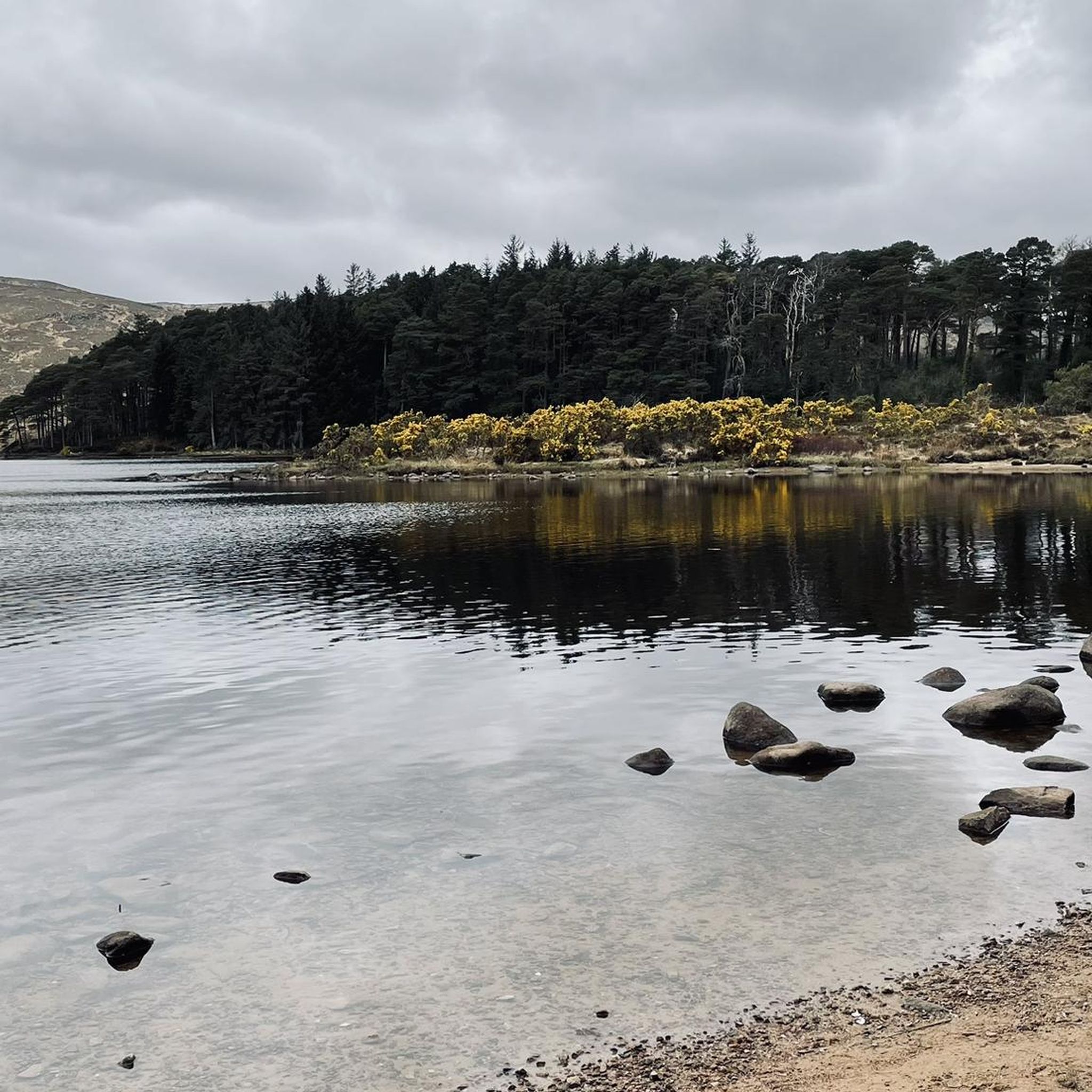
Best lakes around Lough Veagh are found within Glenveagh National Park in County Donegal, Ireland. Lough Veagh, a prominent freshwater lake, is situated in the narrow Glenveagh valley, flanked by the Derryveagh and Glendowan Mountains. The lake is approximately 6.5 kilometers long and 0.8 kilometers wide, with depths reaching 46.5 meters. Its shores feature diverse trees and small islands, and the area combines natural beauty with historical elements, including Glenveagh Castle on its eastern shore.
Best lakes around Lough Veagh
- The most popular lakes highlight is Glenveagh Castle, a castle that is a 19th-century castellated mansion built between 1867 and 1873. It features a four-storey donjon and striking battlements, set in a remote mountain location. Visitors can explore the castle and its Victorian gardens, which offer views of the lake and surrounding countryside.
- Another must-see spot is Lough Veagh Lakeside Gravel Path, a cycle way that runs alongside Lough Veagh. This traffic-free path provides opportunities for cycling between Glenveagh Castle and the visitor's centre.
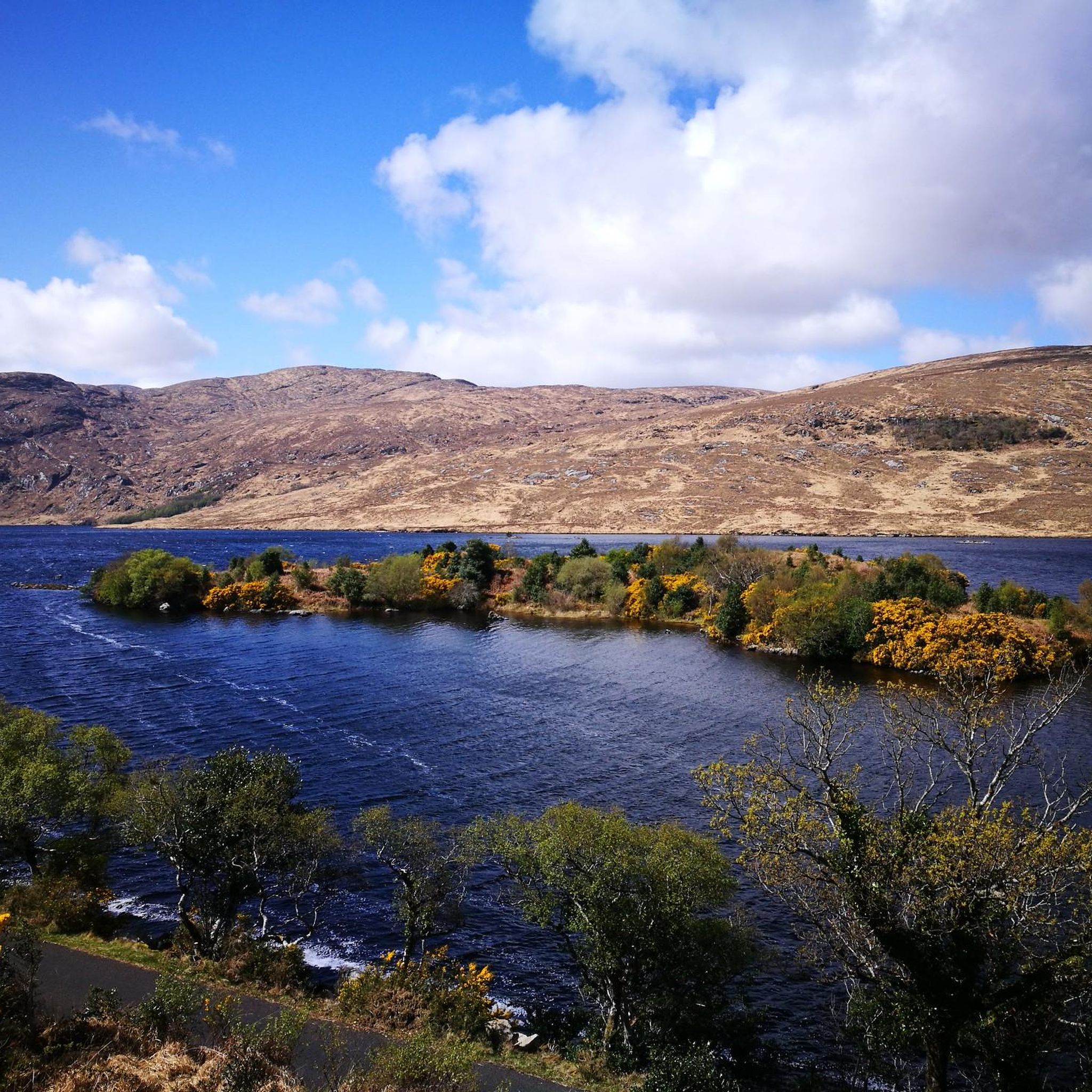
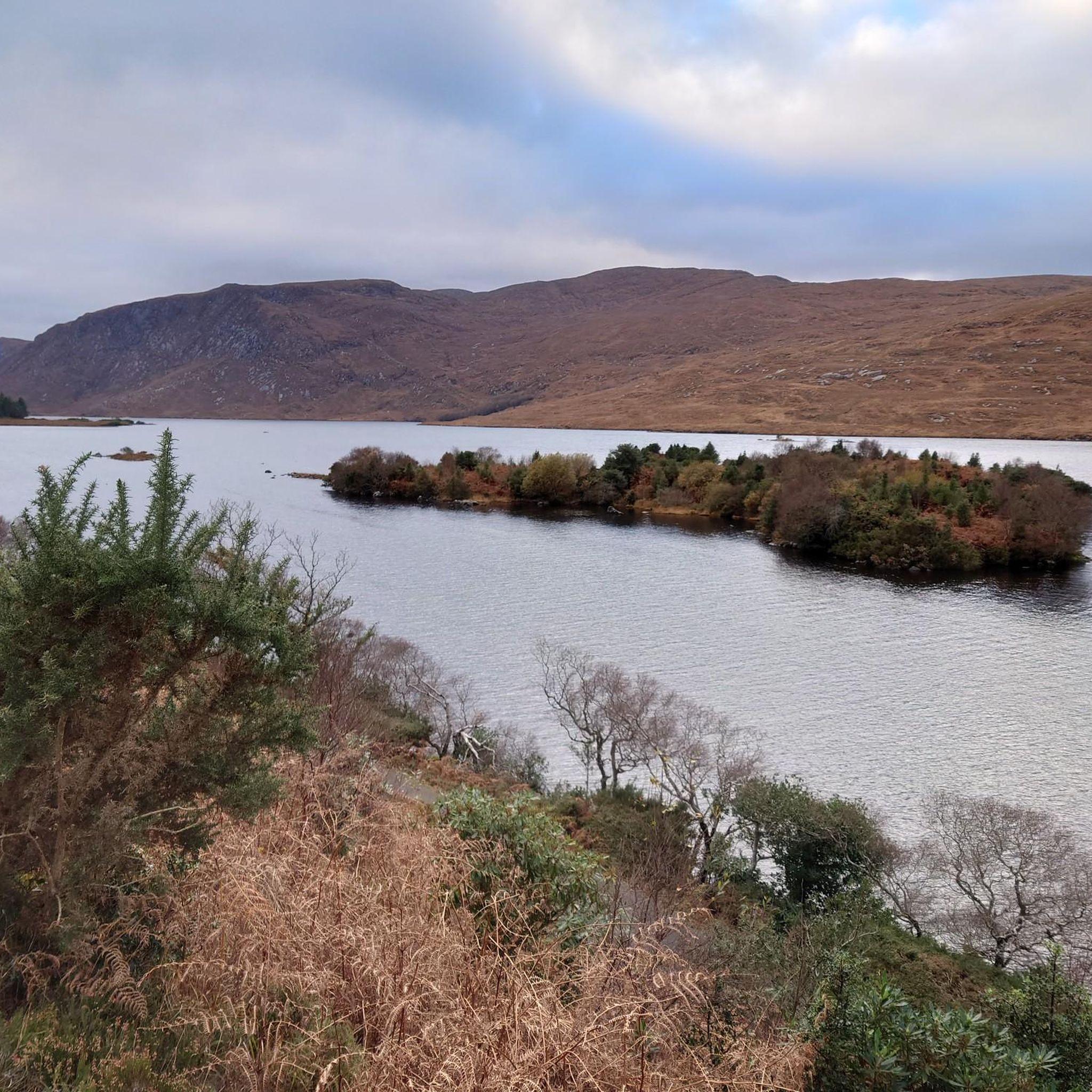
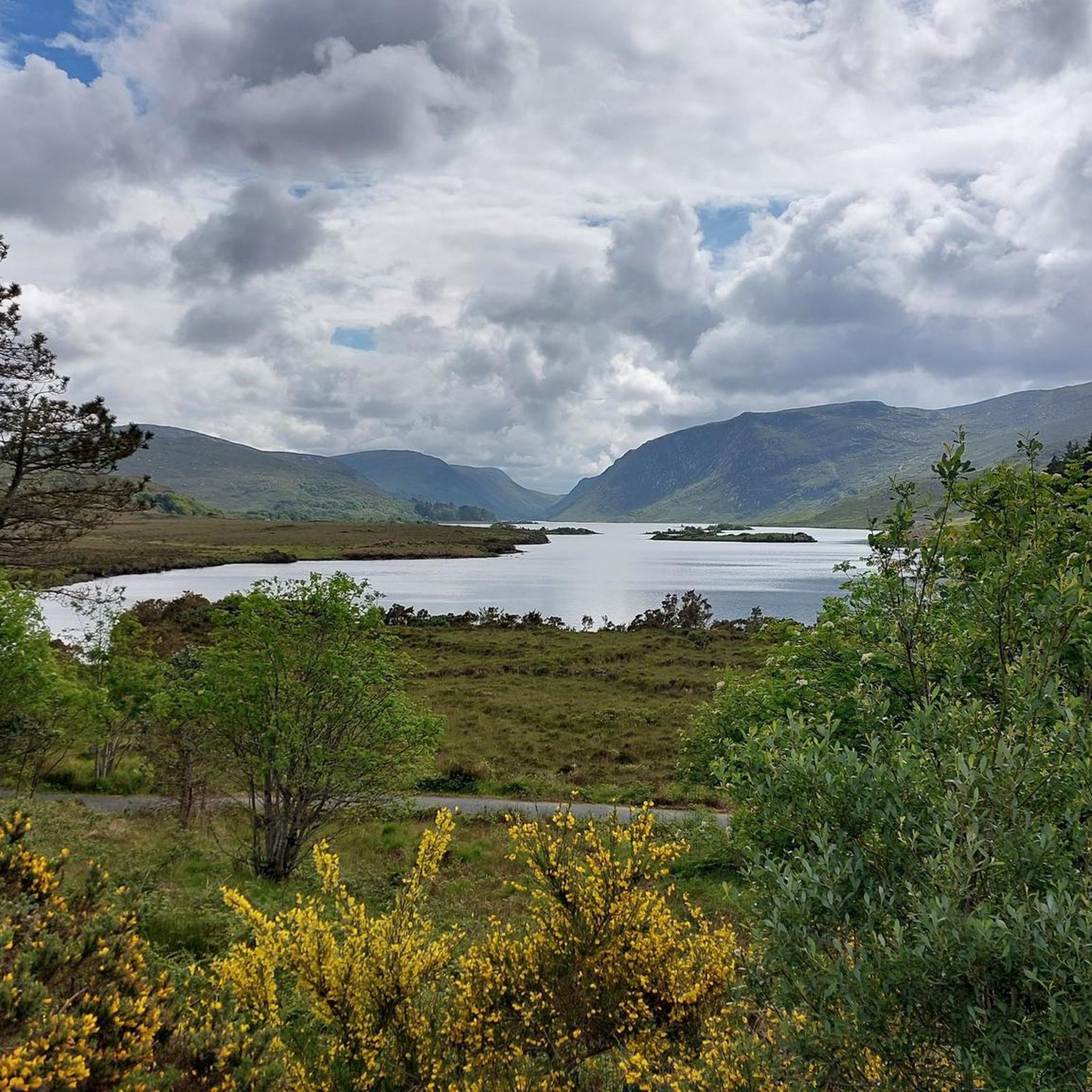
- Visitors also love View of Lough Veagh, a natural monument offering views of the freshwater lake. This spot allows visitors to experience the Glenveagh National Park landscape, including the lake and surrounding mountains.
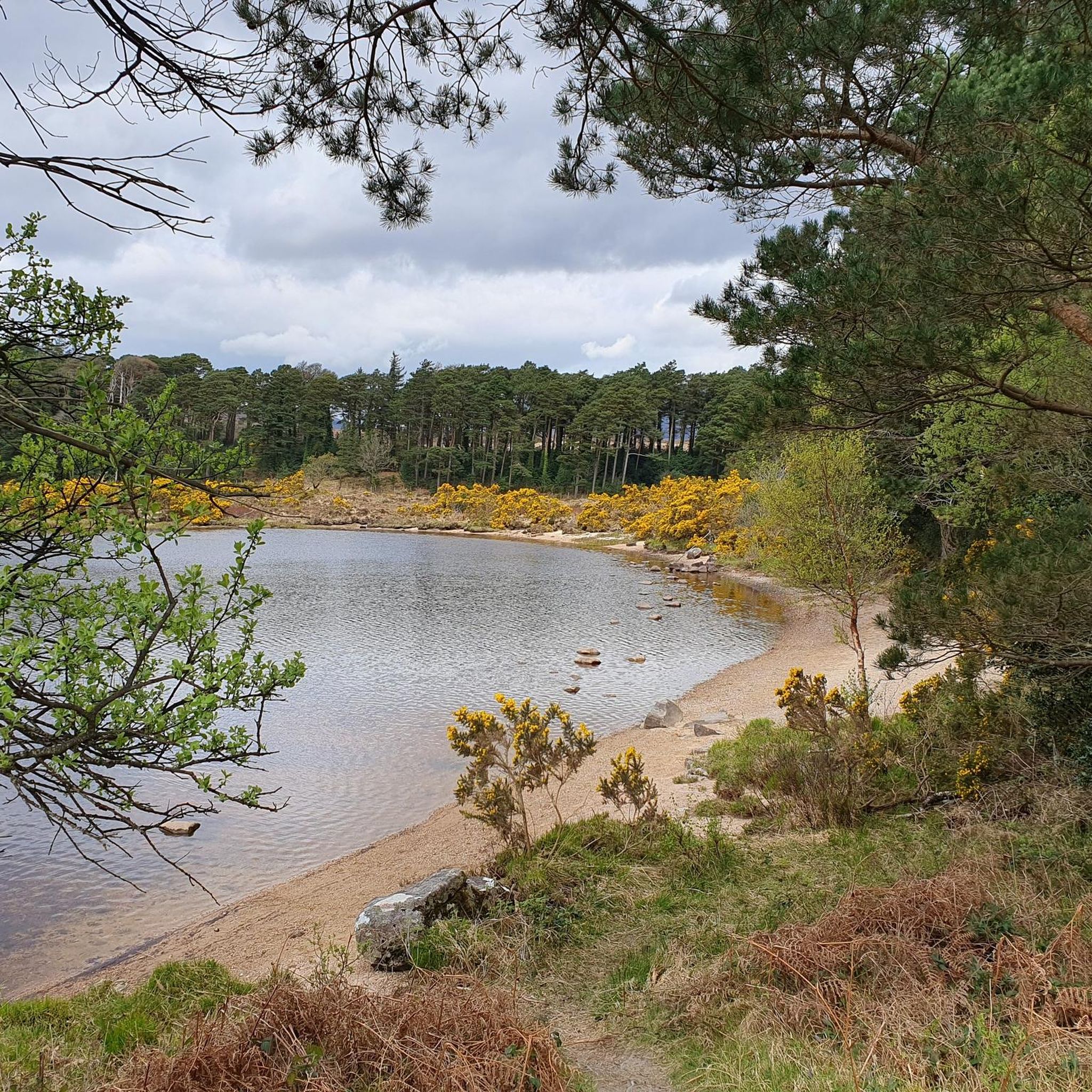
- Lough Veagh is known for its freshwater lakes. The area offers a variety of lakes to see and explore within the national park.
- The lakes around Lough Veagh are appreciated by the komoot community, with more than 180 upvotes and 180 photos shared by visitors.
Last updated: August 9, 2026
Glenveagh Castle
Highlight • Castle
Then sit comfortably in the café and round off the tour with tea and cake.
Translated by Google •
Tip by

Lough Veagh Lakeside Gravel Path
Highlight • Cycleway
Tip by

Sign up now to discover places like this
Get recommendations on the best single tracks, peaks, & plenty of other exciting outdoor places.
Sign up for free
View of Lough Veagh
Highlight • Lake
Tip by
View of Lough Veagh
Highlight • Viewpoint
Tip by
Start today with a free account
Your next adventure awaits.
Login or Signup
Tips from the Community

"Where the mountains rise to the oft-changing skies, And the castle stands stately and gray; Where the still lake still lies, beneath that wild, rugged hill, In the vale of lovely Glenveagh..." By: Herbert W.K. Sterritt
2
0

Great castle that was once seen in a James Bond film. It is located in the middle of a large national park that is worth hiking.
1
0

The house is built in the Scottish Baronial style and consists of a four storey rectangular keep surrounded by a garden.
2
0

You can explore Glenveagh National Park on two feet by running alongside Lough Veagh to Glenveagh Castle or heading further afield along the Bridle Path to the southwest which meets the R254. It is one of the biggest attractions in County Donegal.
0
0
Running between Glenveagh Castle and the visitor centre, there are great views of the freshwater lake Lough Veagh. Nestled in the Glenveagh Valley, it's surrounded by the Derryveagh and Glendowan Mountains.
0
0
Built in the late 19th century, Glenveagh Castle was the home of Captain John George Adair. Situated on the bank of Lough Vegh, it is a stunning sight. You can visit the well maintained castle gardens as well as have a pitstop in the tea room.
2
0
This is a great section of gravel between Glenveagh Castle and the visitor's centre. It passes alongside Lough Veagh and is a great opportunity for traffic free cycling.
0
0

The castle initially built by Captain John Adair and his wife Cornelia. They had an ambition to create an estate and castle that surpassed Balmoral, Queen Victorias Scottish retreat. To reach their aesthetic objectives many local people were evicted and Adair gained a reputation for being notoriously cruel. The castle gained a reputation of being cursed due to the cruel treatment of the local people. A fund was set up to help young people emigrate to Australia from the area. When John passed, Cornelia took over who was far more popular and was considerate of the townspeople. On passing the castle was bought by internationally renowned Harvard University Professor Arthur Kingsley Porterwho eventually gave it to the nation of Ireland. Take some time to explore the fantastic gardens of the castle whilst passing through.
3
0
Frequently Asked Questions
What are the main attractions around Lough Veagh?
The primary attraction is Glenveagh Castle, a 19th-century castellated mansion with beautiful Victorian gardens. The castle offers excellent views of Lough Veagh and the surrounding mountains. The lake itself, nestled in the Glenveagh valley, is renowned for its dramatic scenery, flanked by the Derryveagh and Glendowan Mountains.
Are there family-friendly activities or walks near Lough Veagh?
Yes, the area around Lough Veagh is very family-friendly. The Lough Veagh Lakeside Gravel Path is suitable for easy walks and traffic-free cycling. Exploring the gardens of Glenveagh Castle is also a popular activity for families.
What kind of natural features can I expect to see around Lough Veagh?
Lough Veagh is set amidst stunning natural beauty. You'll see steep granite cliffs rising from the lake, surrounded by diverse woodlands including oak, birch, and holly. The lake itself is home to various fish species like brown trout and salmon, and birdwatchers might spot migrating red-throated divers or golden eagles.
What outdoor activities can I do near Lough Veagh?
The region offers a variety of outdoor activities. You can enjoy running on trails like the Lakeside Walk, explore mountain biking routes such as the Glenveagh National Park – Upper Lake loop, or go cycling on paths like the Gravel loop of Glenveagh National Park. For more details, check out the guides for Running Trails around Lough Veagh, MTB Trails around Lough Veagh, and Cycling around Lough Veagh.
Are there hiking trails around Lough Veagh?
Yes, there are several hiking opportunities. You can walk alongside Lough Veagh to Glenveagh Castle or venture further along the Bridle Path. For specific running routes, including moderate and difficult options, refer to the Running Trails around Lough Veagh guide.
What is the best time to visit Lough Veagh and Glenveagh National Park?
The best period for fishing, particularly for sea trout and salmon, is typically August and September. However, the park's natural beauty and castle gardens are enjoyable throughout the warmer months, offering lush scenery and pleasant conditions for walking and cycling.
Can I fish in Lough Veagh?
Yes, Lough Veagh is popular for sea trout and salmon fishing, with August and September generally being the best months. While bank fishing is not permitted, boats with engines are available for hire for fishing purposes.
Are there viewpoints to appreciate the scenery of Lough Veagh?
Absolutely. There are designated viewpoints offering spectacular vistas of the lake, such as the View of Lough Veagh. The path between Glenveagh Castle and the visitor centre also provides excellent perspectives of the freshwater lake nestled within the Glenveagh Valley.
What historical sites are located near Lough Veagh?
The most significant historical site is Glenveagh Castle, a 19th-century castellated mansion built between 1867 and 1873. Its construction in a remote mountain setting reflects the Victorian ideal of a romantic highland retreat.
Are there cafes or places to eat near Lough Veagh?
Yes, after exploring Glenveagh Castle and its gardens, you can find a comfortable cafe within the castle grounds to enjoy refreshments.
Is Lough Veagh accessible by public transport?
While specific public transport routes directly to Lough Veagh can be limited due to its remote location within Glenveagh National Park, visitors typically access the park via regional bus services to nearby towns, followed by local transport or shuttle services within the park itself. It's advisable to check current schedules for the most up-to-date information.
Most popular attractions around Lough Veagh

Get inspired with the komoot mobile app


