Top 16 Lakes around Muldestausee
Best lakes around Muldestausee are found in a region transformed from former lignite open-cast mines into a diverse landscape. This area features several impressive lakes offering recreational activities and natural habitats. Key bodies of water include the Muldestausee itself, the Großer Goitzschesee, and Lake Gröbern. These lakes provide opportunities for water sports, cycling, hiking, and wildlife observation.
Best lakes around Muldestausee
- The most popular lakes is View of the Mulde River and the Muldestausee from the Muldestausee Bridge, a…
Last updated: June 1, 2026
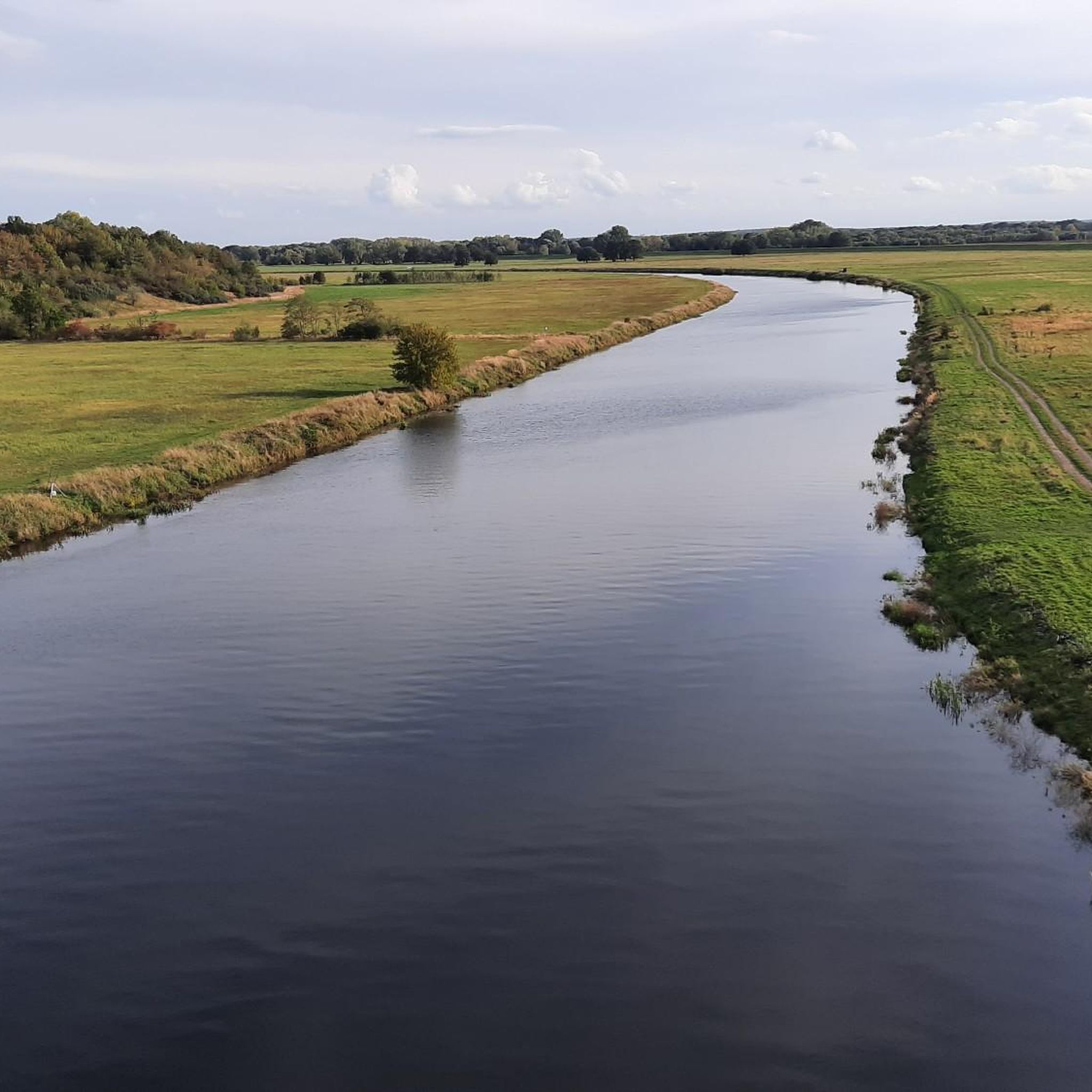
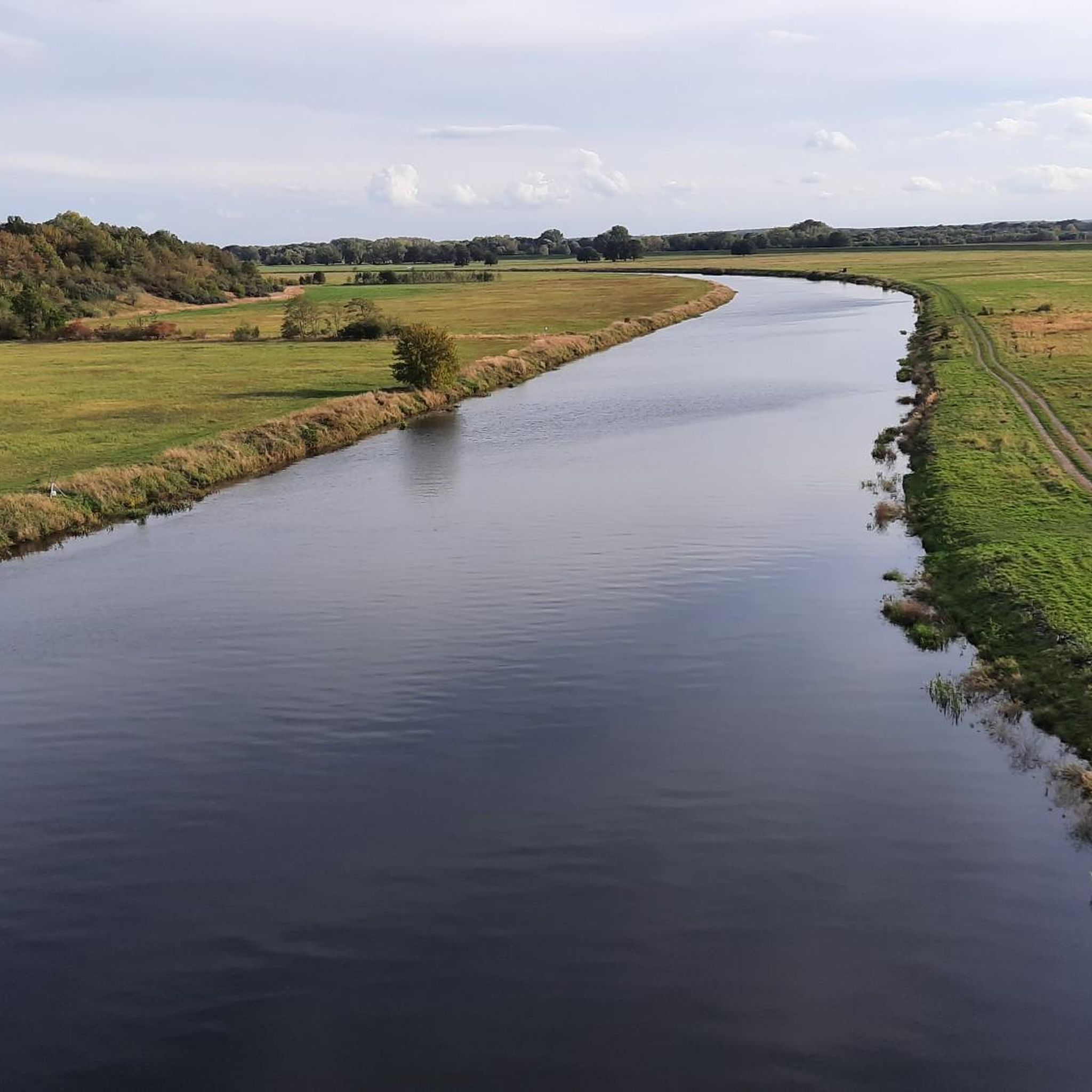
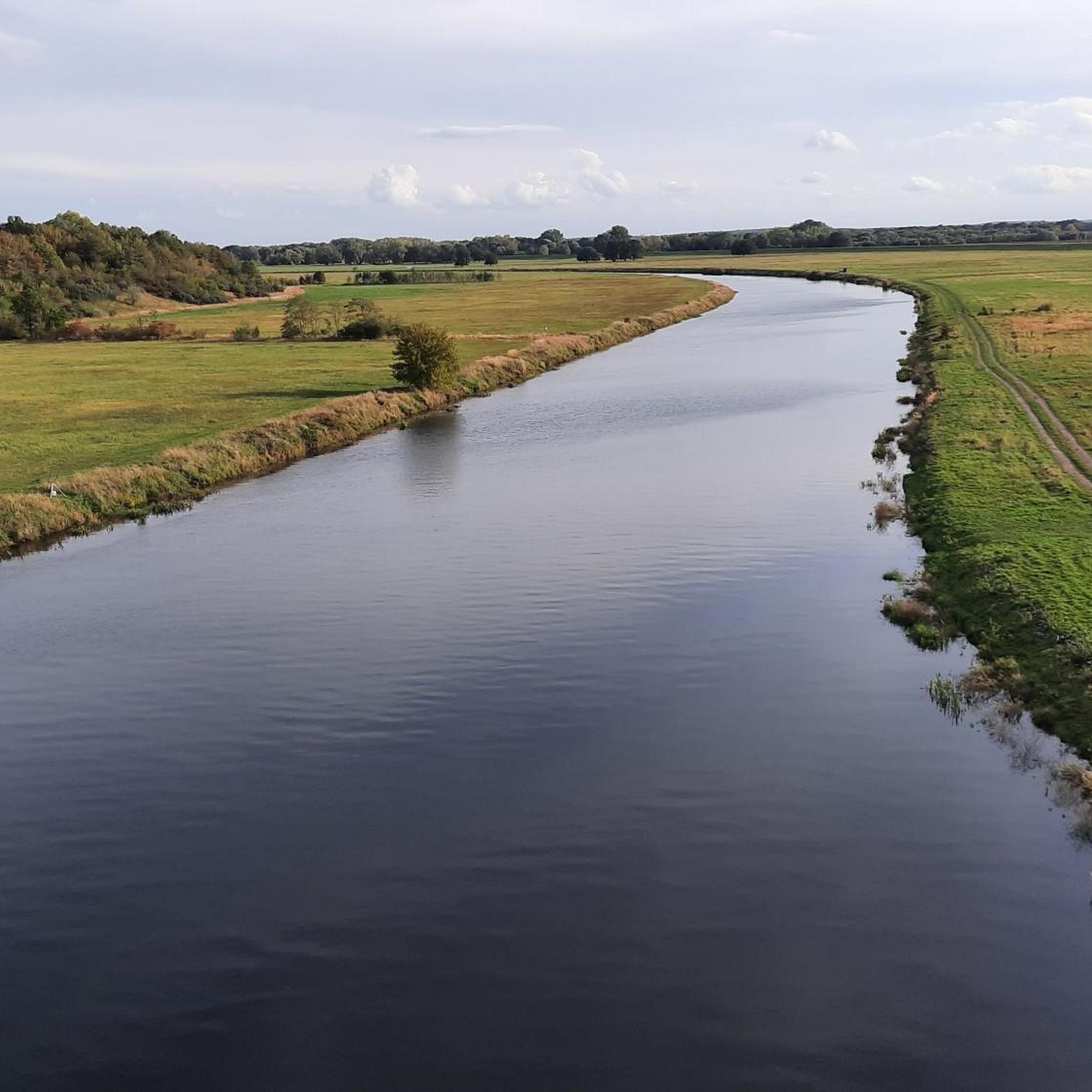
View of the Mulde River and the Muldestausee from the Muldestausee Bridge
Highlight • Viewpoint
Translated by Google •
Tip by

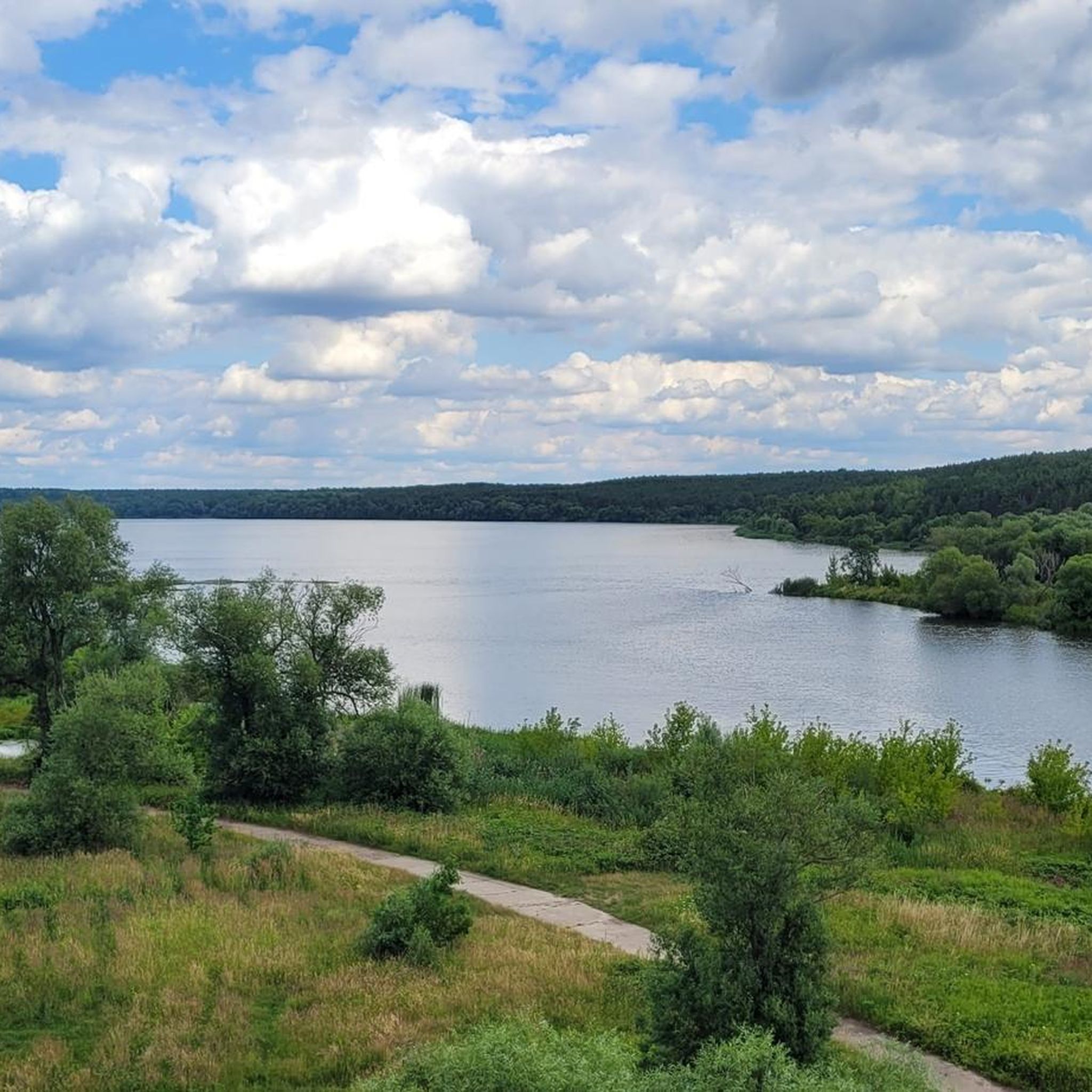
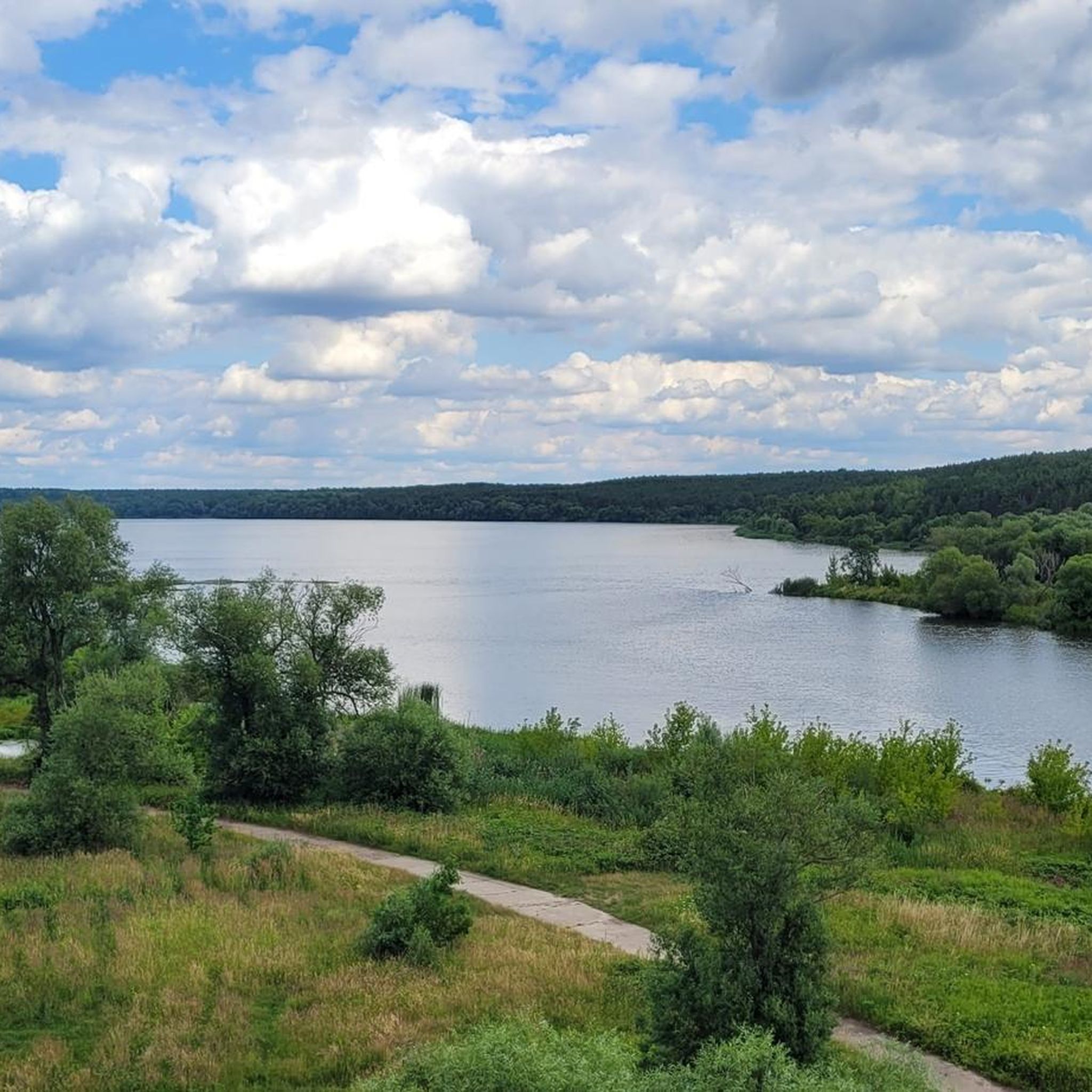
Muldestausee (Mulde Reservoir)
Highlight • Lake
Translated by Google •
Tip by

Sign up now to discover places like this
Get recommendations on the best single tracks, peaks, & plenty of other exciting outdoor places.
Sign up for free
Muldestausee Dam and Hydroelectric Power Plant
Highlight • Monument
Muldestausee
Highlight • Lake
Translated by Google •
Tip by

North Shore of Lake Muldestausee
Highlight (Segment) • Lake
Translated by Google •
Tip by

Sign up for free to discover even more lakes around Muldestausee.
Sign up for free
Already have an account?
Start today with a free account
Your next adventure awaits.
Login or Signup
Tips from the Community

The barrier structure near Friedersdorf is a 19 m high and 303 m long gravity dam with a construction volume of 40,000 m³. On February 17, 2023, a hydropower plant was commissioned, which is expected to generate 13.6 GWh of electrical energy per year. The construction cost 25 million euros and began in October 2016.[1] Source https://de.wikipedia.org/wiki/Muldestausee
1
0
The normal water level is around 79 m above sea level with a storage volume of approx. 115 million m³. The role of the Muldestausee as a flood retention basin is insignificant. However, the basin can temporarily retain 3 million m³ during floods (difference between total storage and usable storage). In fact, it is not a reservoir in the true sense, but rather a river dam. Since the flow velocity of the Mulde slows down considerably upon entering the lake, the Muldestausee acts as a sedimentation trap, into which approx. 400,000 t of solids (gravel, sand, silt) are deposited annually. These solids are missing from the river upon exiting the outlet structure, leading to a greater deepening of the riverbed of the lower Mulde and having ecological consequences. Source https://de.wikipedia.org/wiki/Muldestausee
1
0
After the excavation of coal from the Muldenstein open-cast mine (1954–1975), the relocation of the Mulde river over a distance of approximately eleven kilometers was necessary to expand the Goitzsche open-cast mine (today's Großer Goitzschesee). Part of the new river course was laid through the excavated Muldenstein open-cast mine. Flooding took place from April 30, 1975, to March 1, 1976. The Muldestausee lake has an inlet and an outlet structure. Source https://de.wikipedia.org/wiki/Muldestausee
1
0
The Muldestausee is an flooded open-cast mine in the district of Anhalt-Bitterfeld/Sachsen-Anhalt. Its bordering towns are Friedersdorf, Schlaitz, Pouch and Mühlbeck. With a surface area of 6.3 km², it is the third largest body of water in the state of Saxony-Anhalt. Its length is approx. 9 km, its widest point is 2 km, and its greatest depth is 35 m Source https://de.wikipedia.org/wiki/Muldestausee
1
0
The Mulde, also known as the United Mulde or Vereinte Mulde, is a left, non-navigable tributary of the Elbe. It originates southeast of Leipzig near Sermuth (Saxony) from the confluence of two large headstreams: the longer Zwickauer Mulde and the Freiberger Mulde, which drains a larger catchment area due to its greater discharge. The river's catchment area encompasses large parts of Saxony and, in particular, the vast majority of the northern slopes of the Ore Mountains. With a discharge of approximately 73 m³/s at its mouth,[8] it is the fourth largest tributary of the Elbe. The old name for the Mulde, Milda, is translated by onomasticians as "the water-rich one."[9] The word element "Mel," referring to grinding, is sometimes associated with the name due to the numerous mills that once operated along the river. This overlooks the fact that river names represent the oldest, often Slavic or Celtic, layer of geographical names. The Mulde's name is sometimes linked to the numerous mills that once operated along its banks, but this connection overlooks the fact that river names represent the oldest, often Slavic or Celtic, layer of geographical names. Source https://de.wikipedia.org/wiki/Mulde_(Fluss)
2
0
Many types of water sports are possible, including sailing, surfing, camping, hiking, fishing, etc. The lake has very good water quality and a large number of fish. There is a nature trail between the towns of Pouch and Friedersdorf. Until the end of 2009[3][4][5] there was a passenger ship ("Muldeperle") on the lake that made round trips. The ship was taken over by the transport company Vetter Verkehrsbetriebe.[6] On the north bank of the Mulde Reservoir there is the Haus am See, an information center for the environment and nature conservation with a permanent exhibition on the history and development of the lake. The Mulde Reservoir is part of the Central German Lake District and is located on the coal-steam-light cycle path that leads from Wittenberg to the Leipzig Neuseenland.[7] Source https://de.wikipedia.org/wiki/Muldestausee
3
0
Frequently Asked Questions
What types of lakes can I explore in the Muldestausee region?
The Muldestausee region features a diverse landscape with reservoirs, former mining lakes, and natural lakes. These bodies of water, including the Muldestausee, Großer Goitzschesee, and Lake Gröbern, offer various recreational activities and serve as important natural habitats.
Are there good viewpoints to appreciate the lakes?
Yes, there are several excellent viewpoints. One popular spot is the View of the Mulde River and the Muldestausee from the Muldestausee Bridge, which offers scenic views of the reservoir and the Mulde River. Another great place to enjoy the scenery is the Mulde Reservoir, which provides a wonderful view over the lake in great surroundings.
What outdoor activities can I do near these lakes?
The lakes around Muldestausee are perfect for various outdoor activities. You can enjoy water sports like sailing, dragon boating, canoeing, rowing, swimming, diving, and surfing. The region also offers numerous cycling and hiking trails. For specific routes, you can explore options like Gravel biking around Muldestausee, Easy hikes around Muldestausee, and Road Cycling Routes around Muldestausee.
Are there easy hiking trails around the Muldestausee lakes?
Yes, there are several easy hiking trails suitable for a relaxed outing. For example, the 'View of Lake Muldestausee – Muldestausee (Mulde Reservoir) loop from Schlaitz' is an easy 7.27 km route. You can find more options in the Easy hikes around Muldestausee guide.
Is the Muldestausee region family-friendly?
Absolutely. The Muldestausee itself is considered family-friendly, offering a circular route for exploration. Lake Gröbern also features a lake and forest resort that provides a welcoming environment for families. Many trails and activities are suitable for all ages.
What historical or man-made features can I find at the lakes?
The region has a fascinating history rooted in former lignite open-cast mining. A significant man-made monument is the Muldestausee Dam and Hydroelectric Power Plant, which controls the reservoir and provides insight into the lake's origins as a flooded opencast mine. There's also a small hydroelectric power station on the Muldensteiner side.
What kind of wildlife can I expect to see around Muldestausee?
Muldestausee is a significant biotope, providing a habitat for diverse wildlife. You might spot red deer, foxes, and Elbe beavers on its shores. Birdwatchers can look out for birds of prey such as ospreys, white-tailed eagles, and marsh harriers circling above the lake.
Are there places to eat or stay near the lakes?
Yes, the region offers options for visitors. The 'Haus am See' educational center on the north shore of Muldestausee provides insights into the area. Lake Gröbern features a lake and forest resort. Additionally, some highlights, like the Mulde Reservoir, are noted for having good hospitality nearby, suggesting places to linger and take a break.
What makes the Großer Goitzschesee (Bitterfeld Sea) special?
The Großer Goitzschesee, also known as the 'Bitterfeld Sea,' is one of the largest lake complexes in Central Germany. It's a hub for water sports, offering swimming, cycling, sailing, diving, and surfing. It features multiple bathing spots, a watersports center, a wakepark, and even offers round trips on the pirate ship MS Reudnitz.
How long does it take to walk around Muldestausee?
The Muldestausee offers a circular route for exploration. While the exact time depends on your pace, the circular route is known as a great flatland hike. For example, an easy loop like 'View of Lake Muldestausee – Muldestausee (Mulde Reservoir) loop from Schlaitz' is about 7.27 km.
When is the best time to visit the Muldestausee region?
The Muldestausee region is enjoyable throughout the warmer months, especially for water sports and outdoor activities. Spring and autumn offer pleasant temperatures for hiking and cycling, with autumn providing beautiful foliage. The lakes are popular for swimming and other water activities during summer.
What is unique about Lake Gröbern?
Lake Gröbern is known for its close proximity to nature, offering beautiful views and opportunities for cycling. It features small bays and bathing jetties, making it an inviting spot for a refreshing swim. The lake also hosts a lake and forest resort, providing a peaceful retreat amidst the Dübener Heide.
Most popular routes around Muldestausee
Most popular attractions around Muldestausee

Get inspired with the komoot mobile app


Explore more
Still not found your perfect lake around Muldestausee? Check out the guides of these regions to see even more beautiful places.
