Attractions and Places To See around Nacionalni park Brijuni - Top 9
Best attractions and places to see around Nacionalni park Brijuni, an archipelago of 14 islands off the coast of Istria, Croatia, offer a blend of natural beauty and historical sites. The main island, Veliki Brijun, features most of the accessible attractions. This region is characterized by Mediterranean vegetation and diverse animal life, alongside significant archaeological findings.
Best attractions and places to see around Nacionalni park Brijuni
- The most popular attractions is Basilica of St. Mary Ruins, a historical site…
Last updated: July 25, 2026
Basilica of St. Mary Ruins
Highlight • Historical Site
Translated by Google •
Tip by

Ruins of a Byzantine Castrum (Brijuni National Park)
Highlight • Historical Site
Translated by Google •
Tip by
Sign up now to discover places like this
Get recommendations on the best single tracks, peaks, & plenty of other exciting outdoor places.
Sign up for free
Dinosaur footprints at Brijuni National Park
Highlight • Natural Monument
Translated by Google •
Tip by
Church of Saint Germain
Highlight • Religious Site
dedicated to St. German, a martyr from Pula from the dawn of Christianity;
contains …
Translated by Google •
Tip by

Brijuni Safari Park
Highlight • Structure
Translated by Google •
Tip by
Sign up for free to discover even more attractions around Nacionalni park Brijuni.
Sign up for free
Already have an account?
Start today with a free account
Your next adventure awaits.
Login or Signup

Tips from the Community

Perhaps the most evocative site of the entire visit to Brijuni Island. Ruins of an early Christian basilica dating back to the 4th or 5th century AD. Around the year 1000, it became the home of the Knights Templar, who guarded it until the order was dissolved, with the construction of a monastery adjacent to the church. A large burial area was discovered near the church, giving an idea of how densely populated the nearby castrum was.
0
0
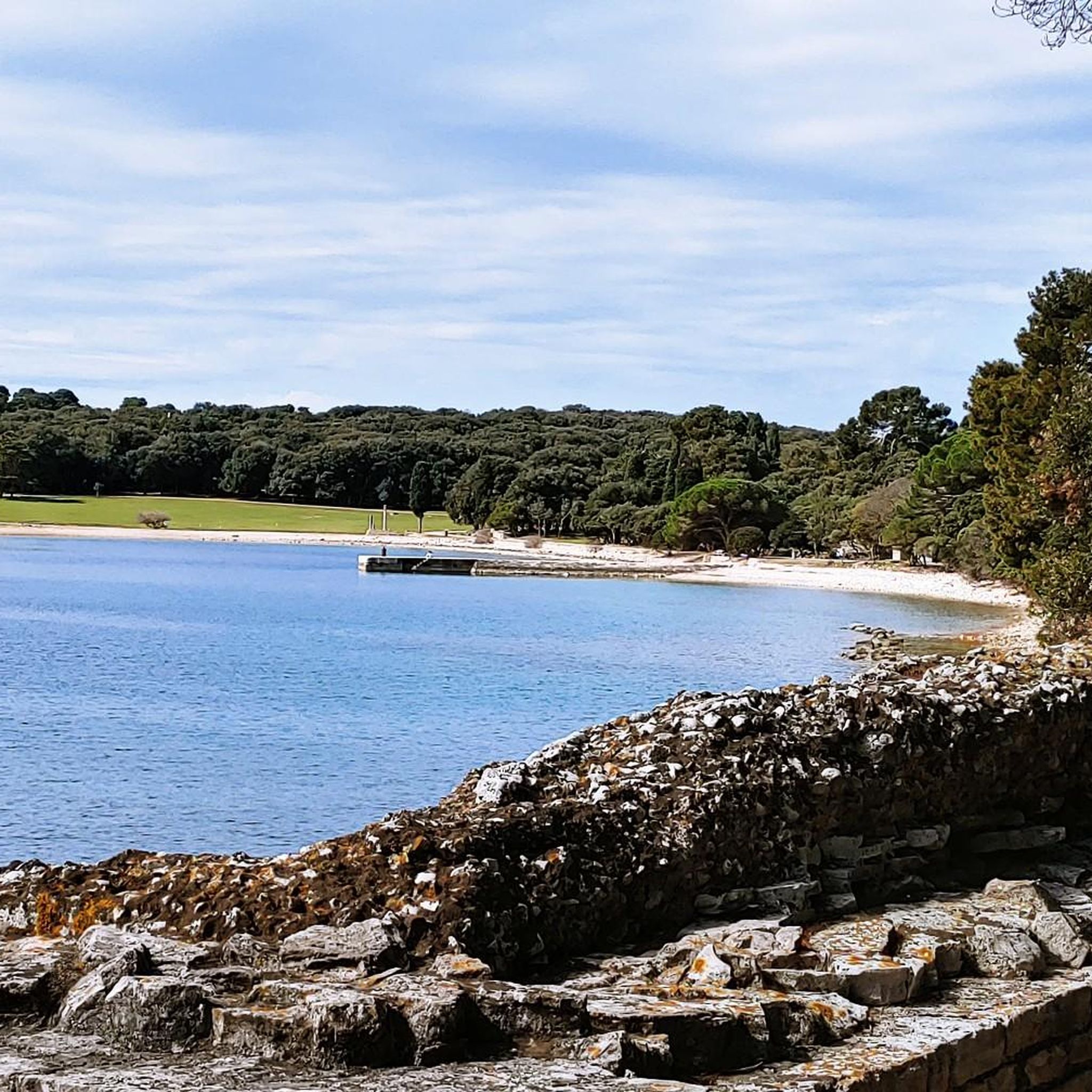
A wonderful archaeological area. In addition to the original Byzantine castrum, later layers can also be seen. Noteworthy is the area near the shore where olive pressing sites for olive oil production can be identified.
0
0
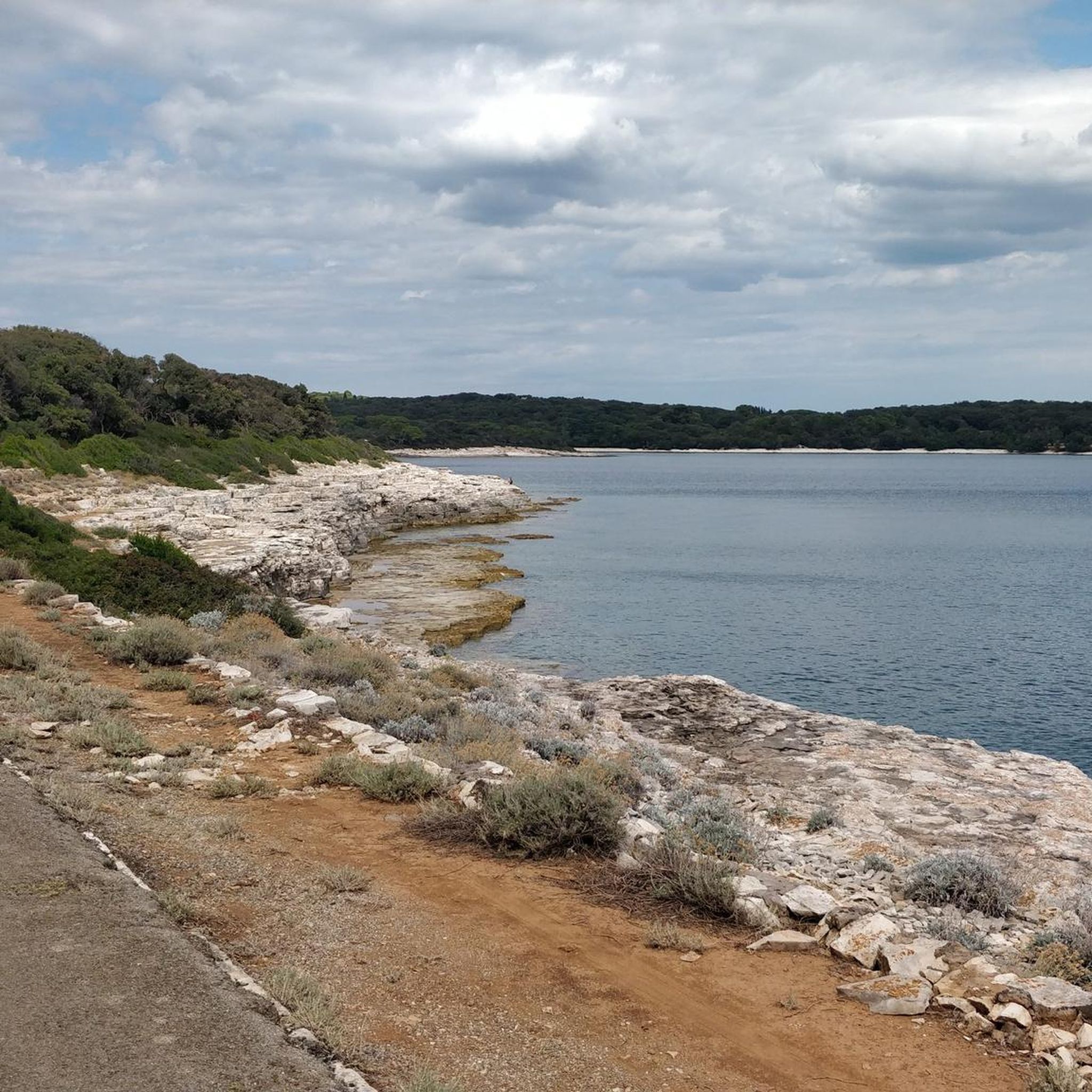
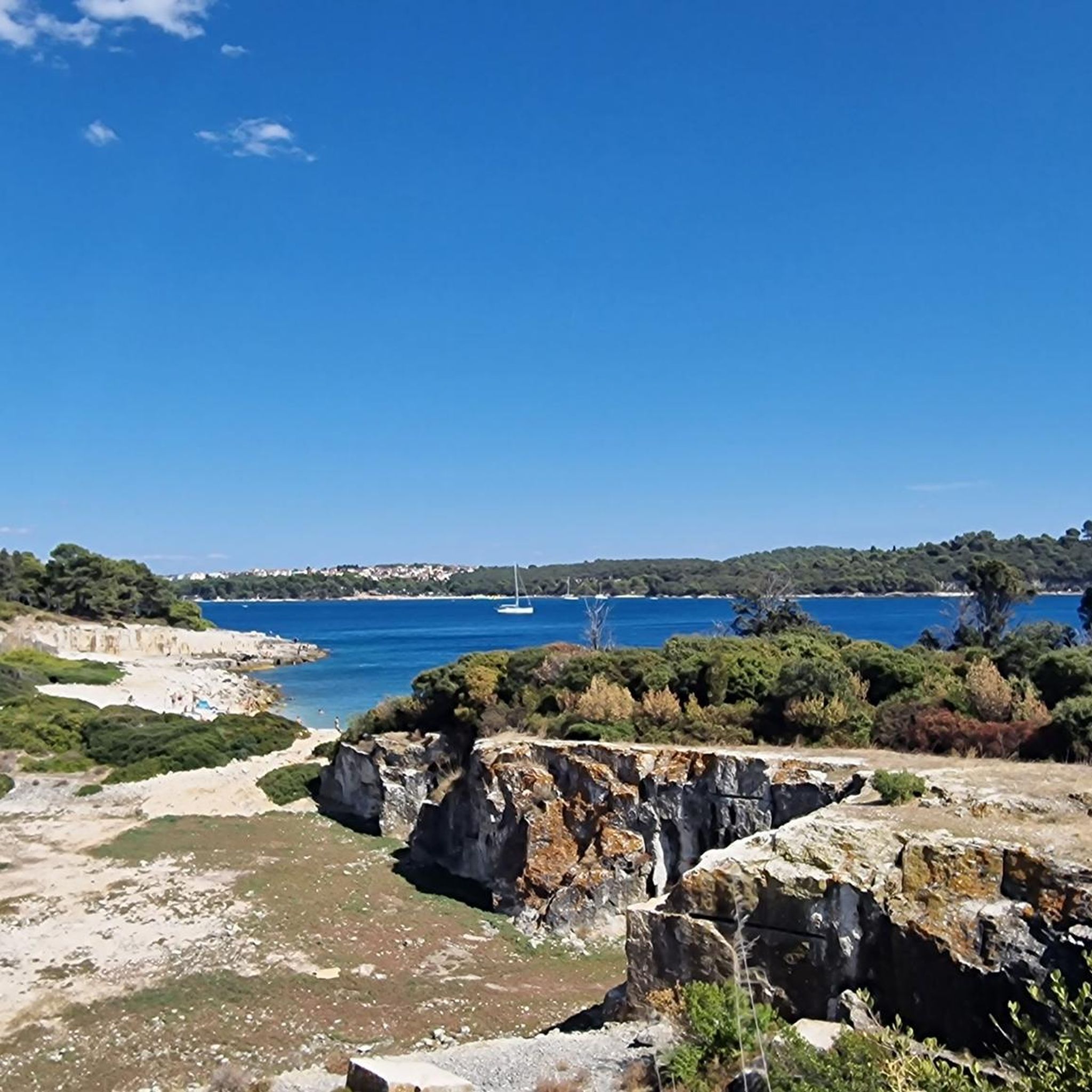
Beautiful bay that preserves several footprints of large carnivorous dinosaurs from the Mesozoic era
0
0
There are many dinosaur tracks on the rocky shore. In particular, they belong to the theropod genus of the Mesozoic period.
0
0
For us, this was perhaps the most moving place on this visit to Brijuni. An early Christian basilica dating back to the 4th or 5th century AD, its columns still retain ancient Christian iconography from the early centuries.
0
0
I'm not particularly fond of forcing animals out of their habitat. It feels like a huge open-air circus.
0
0
A beautiful archaeological site featuring a Byzantine castrum and its evolution over the centuries. The area adjacent to the shore is noteworthy, with clearly visible olive pressing areas and concrete tanks for collecting the oil.
0
0

Very small church near the island's port, but it contains pieces of much of Istria's history: dedicated to St. German, a martyr from Pula from the dawn of Christianity; contains mosaics and the Glagolitic alphabet of the Byzantines; frescoes and lions from the Venetian Republic of the Middle Ages.
0
0
Frequently Asked Questions
What historical sites can I explore in Nacionalni park Brijuni?
Nacionalni park Brijuni is rich in history. You can visit the Basilica of St. Mary Ruins, an early Christian basilica dating back to the 4th or 5th century AD, which later became home to the Knights Templar. Other significant historical sites include the Roman Villa in Verige Bay, the Byzantine Castrum, and the Bunker in Brijuni National Park, which likely dates to the Tito period.
Are there any natural monuments or unique geological features to see?
Yes, the park boasts several natural wonders. A must-see is the Dinosaur footprints at Brijuni National Park, where you can find over 200 footprints from the Cretaceous period. You can also marvel at the 1600-Year-Old Olive Tree, one of the oldest in the Mediterranean, and explore the diverse flora of the Mediterranean Garden.
What family-friendly attractions are available in Nacionalni park Brijuni?
Families will enjoy the Brijuni Safari Park, home to exotic animals like zebras and elephants, alongside indigenous species. The Dinosaur footprints at Brijuni National Park are also a hit with children. Don't miss Koki the Cockatoo, a famous and interactive bird known for speaking.
What outdoor activities can I do near these attractions?
The area around Nacionalni park Brijuni offers various outdoor activities. You can explore extensive cycling routes, including easy to moderate tours like the 'Pula Arena at night' loop. For runners, there are several running trails, such as the 'Secluded Bay – Valbandon Harbor' loop. Road cyclists can also find suitable routes, like the 'Scenic Road Cycling Route' from Fažana.
What is the best time to visit Nacionalni park Brijuni?
The Brijuni Islands are characterized by Mediterranean vegetation, making spring and autumn ideal for comfortable exploration of both natural and historical sites. Summer offers warm weather for enjoying the coastal areas and underwater trails, but can be busier.
Are there any unique cultural or historical exhibitions?
Yes, you can delve into the islands' past at Tito's Museum, which features exhibitions detailing Josip Broz Tito's time on Brijuni and his personal retreat. You can also see his Cadillac. The Boathouse serves as the Interpretation and Education Center, offering interactive exhibits on the archipelago's history and submarine world.
Can I explore the marine life around Brijuni?
Absolutely. Verige Bay, known for its beauty, features an educational underwater trail where visitors can explore marine life and submerged Roman remains. The surrounding waters are also home to diverse fauna, with dolphins occasionally seen.
What kind of flora and fauna can I expect to see?
The islands are covered in lush Mediterranean vegetation, including holm oak forests, mock privet, strawberry trees, and myrtle. The diverse animal world includes deer, mouflons, rabbits, and peacocks. The Safari Park also houses exotic animals like zebras and elephants.
Are there educational trails for visitors?
Yes, Brijuni offers several educational trails. The Zelenikovac educational trail highlights Mediterranean herbs and plants and features from the Early Cretaceous period. The Belvedere trail provides insights into the Austro-Hungarian heritage of the islands.
What do visitors enjoy most about Nacionalni park Brijuni?
Visitors frequently highlight the blend of natural beauty and rich history. The Basilica of St. Mary Ruins is often described as a moving and evocative site. The unique experience of seeing Dinosaur footprints and the diverse animals in the Safari Park are also popular attractions.
Are there opportunities for cycling within the National Park?
Yes, Veliki Brijun, the main island, offers extensive cycling routes, providing an adventurous way to experience the pristine nature of the National Park. These trails allow you to reach many of the attractions while enjoying the scenic environment.
What is the significance of the Roman Villa in Verige Bay?
The Roman Villa in Verige Bay is a magnificent Roman rustica, with construction beginning in the 1st century B.C. and parts used until the 6th century. It showcases a luxurious past, including temples dedicated to Neptune, the Capitoline Triad, and Venus, all connected by a kilometer-long promenade.
Most popular routes around Nacionalni park Brijuni

Get inspired with the komoot mobile app


Explore more
Still not found the Highlight you’re looking for? See guides of the top attractions in other regions:
