Top 8 Lakes around National Park Ria Formosa
Best lakes around National Park Ria Formosa are integral to a dynamic coastal lagoon system, stretching for nearly 60 kilometers along Portugal's southeastern coast. This extensive network features lagoons, canals, salt marshes, and barrier islands that constantly shift with the tides. Recognized as an internationally important wetland, it is a crucial habitat for diverse flora and fauna, including over 200 bird species. The region offers a unique landscape of mudflats, dunes, and tidal channels, providing varied aquatic environments for exploration.
…Last updated: August 8, 2026
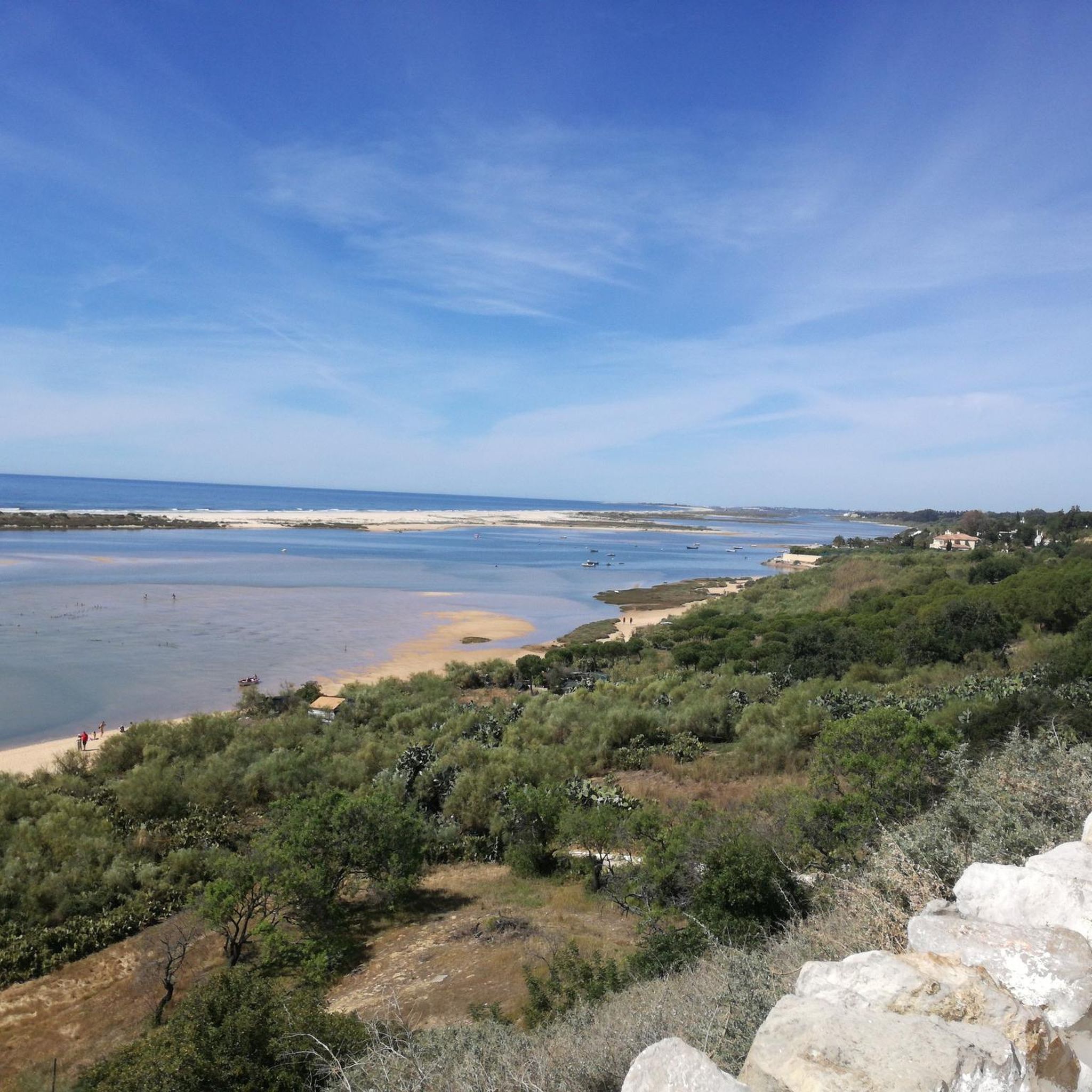
Cacela Beach
Highlight • Beach
Translated by Google •
Tip by

Birdwatching 🐦 Ancão Estuary, Natural Park
Highlight • Viewpoint
Tip by

Sign up now to discover places like this
Get recommendations on the best single tracks, peaks, & plenty of other exciting outdoor places.
Sign up for free
Ria Formosa Marshlands
Highlight • Natural
Translated by Google •
Tip by

Ria Formosa Natural Park 🌳
Highlight • Natural Monument
Tip by
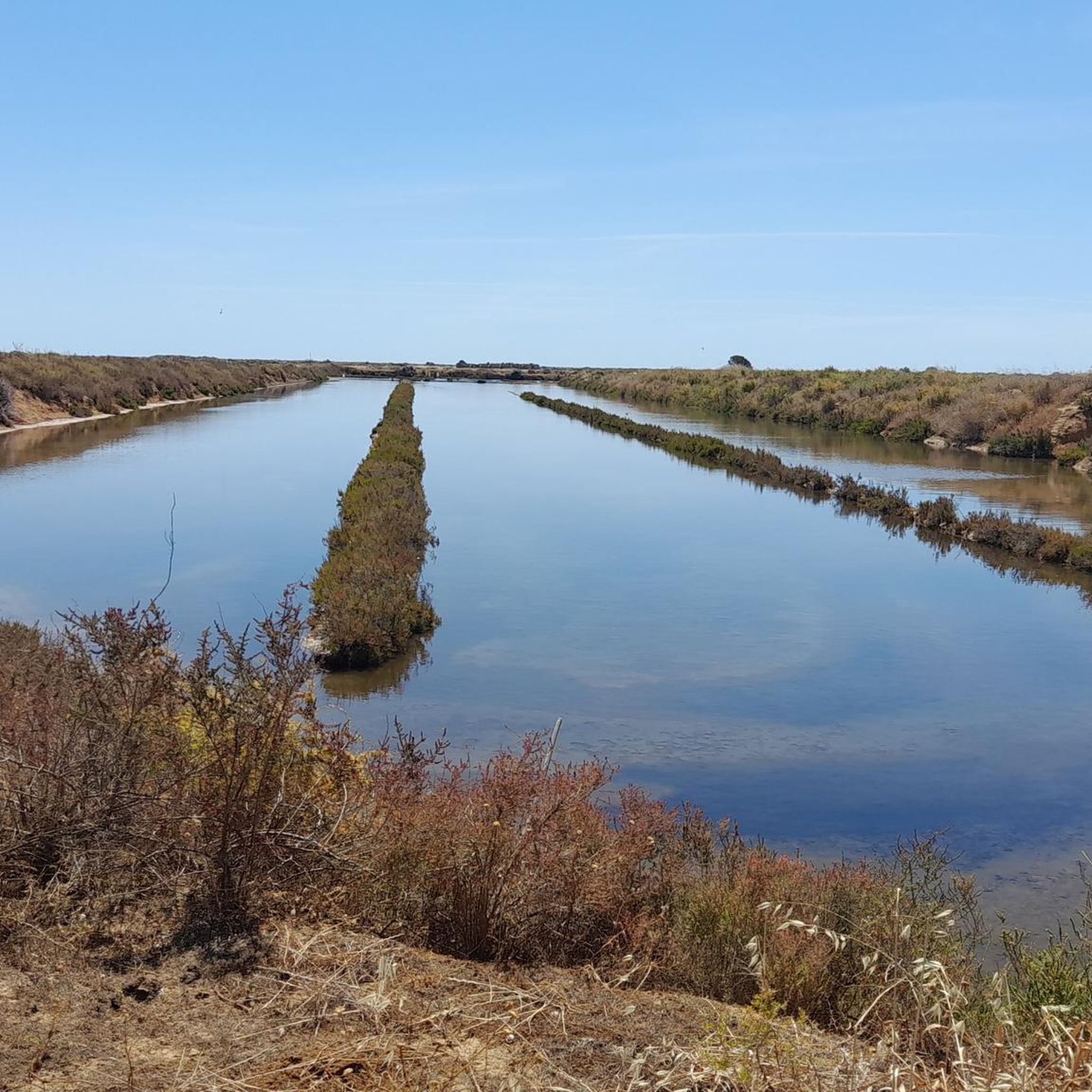
Lagoon and salt marshes at Pedras d'El Rei
Highlight (Segment) • Natural
Translated by Google •
Tip by

Sign up for free to discover even more lakes around National Park Ria Formosa.
Sign up for free
Already have an account?
Start today with a free account
Your next adventure awaits.
Login or Signup
Popular around National Park Ria Formosa
Lisbon to Santo António – The Atlantic Coast of Portugal (south)
Cycling around National Park Ria Formosa
Hiking around National Park Ria Formosa
Road Cycling Routes around National Park Ria Formosa
Running Trails around National Park Ria Formosa
MTB Trails around National Park Ria Formosa
Gravel biking around National Park Ria Formosa
Other adventures around National Park Ria Formosa

Tips from the Community

The 60 km² Ria Formosa Natural Park in the eastern Algarve stretches between the beaches of Praia do Garrão and Praia da Manta Rota. It borders the cities of Faro, Olhão, and Tavira. The Ria Formosa is known for its biodiversity, especially its birdlife. It is a wetland with diverse landscapes such as salt marshes, sand dunes, mudflats, and salt flats, stretching along the Algarve coast.
1
0

Comfortable excursion option with a relaxed atmosphere.
0
0

Great vantage point for bird watching.
2
0

The Ria Formosa is a protected natural park, which has a barrier of offshore islands and fills and empties with the tides. This is where mussel hunters go, salt is extracted and you can observe the wildlife. Crabs, storks, flamingos and many other bird species. From the entrance to the Praia de Faro strip of land there is the Ludo Trail. A dream route for hikers and cyclists. This nature trail is beautifully laid out on paved paths and wooden bole paths and you can make detours to the beach at several points.
2
0

The landscape is part of the Ria Farmosa. The Chameleon Trail also leads right past this charming little village. So always be careful 🤗
8
1

Parque Natural da Ria Farmosa You can walk for miles along the beach from Tavira to Fábricia. From there you can take a small boat to the town for €1.50. The beach is almost deserted for early June. Small and large shells line the path, in my opinion one of the most beautiful beaches in Europe.
6
1

A trip to Loule is a worthwhile destination. A visit to the town's market hall is highly recommended, it's a hustle and bustle and you can find everything from fish to cheese, as well as fruit and ham!
2
0

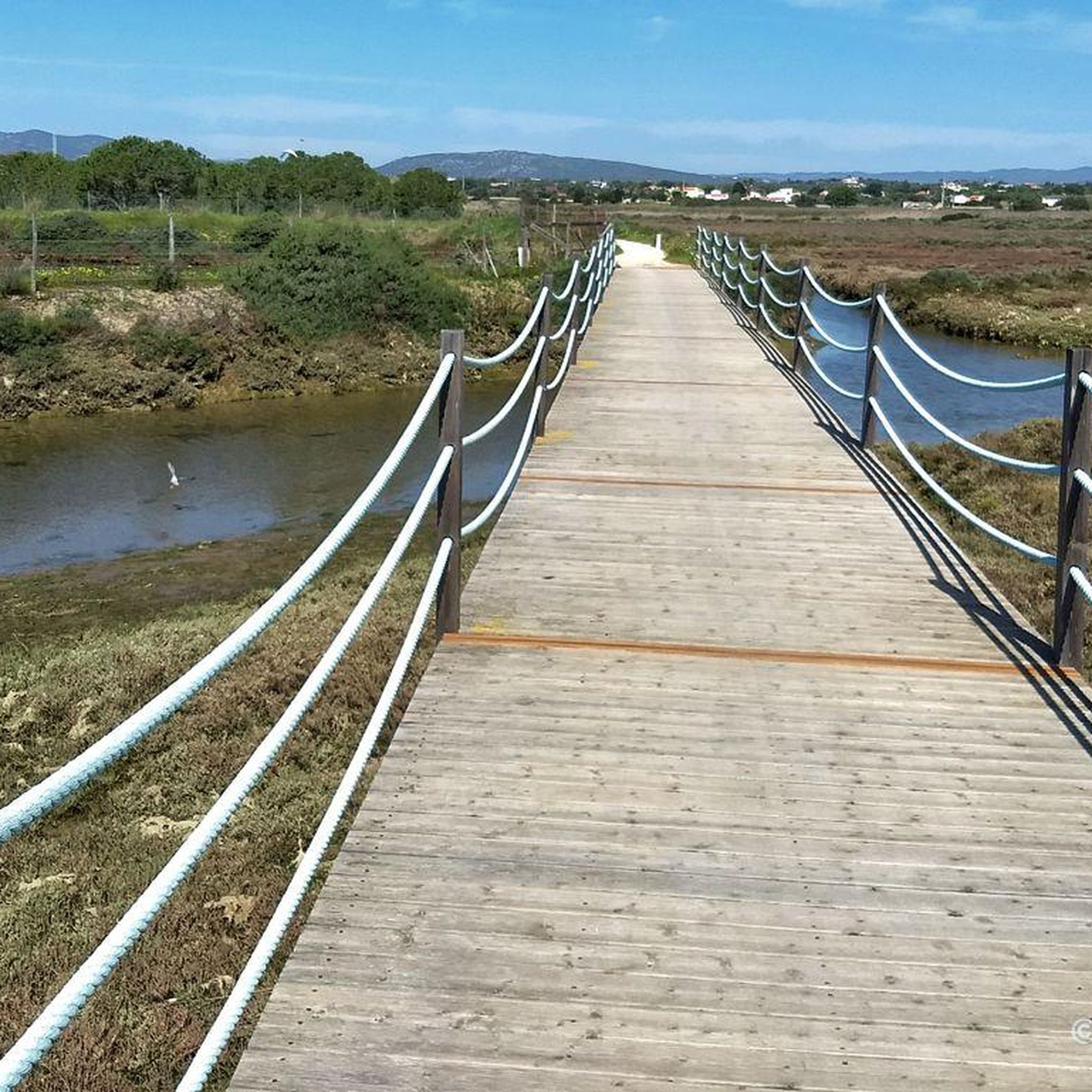
Great path, much of it on wooden footbridges that are in very good shape. Storks, flamingos and other bird species can be observed here
4
0
Frequently Asked Questions
What kind of 'lakes' can I expect to find in the Ria Formosa Natural Park?
The Ria Formosa Natural Park is not characterized by traditional freshwater lakes but rather by an extensive coastal lagoon system. This dynamic network includes lagoons, canals, salt marshes, and barrier islands that constantly shift with the tides. It's a unique ecosystem of mudflats, dunes, and tidal channels, offering diverse aquatic environments.
What are the most notable natural features or landmarks within the Ria Formosa Natural Park?
The park is renowned for its barrier islands like Ilha Deserta, Ilha da Culatra, and Ilha de Tavira, which offer pristine beaches and unique cultural insights. The Ria Formosa Natural Park itself is an internationally important wetland, a labyrinth of channels, islands, marshes, and sandbanks. You can also explore the Ria Formosa Marshlands, where salt is extracted and diverse wildlife thrives.
What kind of wildlife can I observe in the Ria Formosa Natural Park?
The Ria Formosa is a crucial habitat for a diverse range of flora and fauna. It's a birdwatcher's paradise, attracting over 200 different bird species, including flamingos and the rare purple swamphen (the park's mascot). Visitors can also spot chameleons and a significant concentration of seahorses in its waters.
Are there specific areas for birdwatching in Ria Formosa?
Yes, the park is excellent for birdwatching. A particularly good spot is Birdwatching 🐦 Ancão Estuary, Natural Park, where you can observe storks, flamingos, and other bird species from well-maintained wooden footbridges. It's recommended to visit early in the morning for the best experience.
What outdoor activities are popular around the Ria Formosa lagoon system?
The park is excellent for outdoor water activities like kayaking, stand-up paddleboarding, and boat tours, especially in the calm lagoon waters. On land, hiking and cycling are popular, with many trails allowing visitors to explore its diverse landscapes. You can find various routes for hiking and road cycling in the area.
Are there hiking or cycling trails suitable for exploring the Ria Formosa Natural Park?
Absolutely. The Ecovia of Ria Formosa Natural Park is a natural cycle path offering enchanting landscapes and beautiful views over the natural splines and estuaries. Many other trails, including the Ludo Trail, are available for both hikers and cyclists, often featuring paved paths and wooden boardwalks.
Where can I find easy walking routes in the Ria Formosa Natural Park?
For easy walks, consider routes like the Santa Maria Boardwalk Trail or the Arco da Vila, Faro – Faro City Hall loop, both rated as easy. The Ludo Trail, accessible from the entrance to Praia de Faro, is also a beautifully laid out nature trail with options for detours to the beach. You can find more options in the hiking guide.
Is the Ria Formosa Natural Park suitable for families with children?
Yes, the Ria Formosa Natural Park is very family-friendly. Many of the barrier islands, such as Ilha da Armona and Ilha da Fuseta, offer calm lagoon-facing beaches ideal for children. The diverse wildlife and easy walking trails, like the Ecovia, also provide engaging experiences for families.
What is the best time of year to visit Ria Formosa Natural Park?
The Ria Formosa Natural Park can be enjoyed year-round, but spring and autumn offer pleasant temperatures for outdoor activities and excellent birdwatching opportunities, especially during migration periods. Summers are warm and ideal for beach activities, while winters are mild, making it a good destination for walking and cycling without the crowds.
Are there any unique cultural or historical sites near the Ria Formosa lagoon system?
Yes, the fishing villages within and around the park, such as Olhão, Fuseta, and Cabanas de Tavira, offer insights into the traditional Algarve lifestyle and cuisine. On Ilha de Tavira, you can find the unique 'Anchor Cemetery' at Praia do Barril, a poignant memorial to the area's tuna fishing heritage, accessible via a charming old train.
What are the main access points or gateways to the Ria Formosa Natural Park?
The main gateways to the Ria Formosa are the cities of Faro, Olhão, and Tavira. From these cities, visitors can take tourist boats or public ferries to explore the lagoon and its barrier islands, such as Ilha Deserta (from Faro) or Ilha de Tavira (from Tavira).
Can I bring my dog to the Ria Formosa Natural Park?
While the park is a natural area, specific regulations regarding dogs may apply, especially in protected bird nesting areas or on certain beaches. It's generally advisable to keep dogs on a leash and check local signage or park guidelines for the most current information on dog-friendly trails and areas within the wetlands.
Most popular routes around National Park Ria Formosa
Most popular attractions around National Park Ria Formosa

Get inspired with the komoot mobile app


Explore more
Still not found your perfect lake around National Park Ria Formosa? Check out the guides of these regions to see even more beautiful places.
