Attractions and Places To See in the Lesser Caucasus - Top 20
Best attractions and places to see in the Lesser Caucasus span a diverse mountain range across parts of Georgia, Armenia, and Azerbaijan. This region is characterized by its varied terrain, from high peaks to deep gorges, offering a rich tapestry of natural and historical sites. Visitors can explore ancient landmarks, unique geological formations, and vibrant cultural centers. The area provides numerous opportunities to discover its distinct landscapes and historical heritage.
Best attractions and places to see in the Lesser Caucasus
- The most popular attractions is Abanotubani Sulfur Bathhouses, an other man-made site known for its sulfur baths with cupolas resembling mushroom heads. These baths are located in the southern part of Tbilisi's Old Town.
- Another must-see spot is Old Town, Tbilisi, a historical site where hot sulfur springs have been used for centuries. This area is a central part of the Georgian capital, offering many attractions.
- Visitors also love Narikala Fortress, an ancient castle offering panoramic views over Tbilisi. Built at the end of the 3rd century, it was a significant medieval fortress in Georgia.
- Lesser Caucasus is known for its historical landmarks, natural features, and cultural sites. The region offers a variety of attractions, from ancient fortresses and cave monasteries to geological formations and botanical gardens.
- The attractions in the Lesser Caucasus are appreciated by the komoot community, with over 100 highlights receiving upvotes and more than 100 photos shared by visitors.
Last updated: November 6, 2026
Abanotubani Sulfur Bathhouses
Highlight • Structure
Tip by

Old Town, Tbilisi
Highlight • Historical Site
Translated by Google •
Tip by

Sign up now to discover places like this
Get recommendations on the best single tracks, peaks, & plenty of other exciting outdoor places.
Bridge of Peace
Highlight • Viewpoint
Translated by Google •
Tip by

Narikala Fortress
Highlight • Castle
Translated by Google •
Tip by

Symphony of Stones
Highlight • Natural Monument
Tip by

Parliament of Georgia
Highlight • Monument
Source: de.wikipedia.org/wiki/Parlamentsgeb%C3%A4ude_(Tbilisi)
Translated by Google •
Tip by

Gabriadze Theatre and Clock Tower
Highlight • Monument
Translated by Google •
Tip by

Holy Trinity Cathedral, Tbilisi (Sameba Cathedral)
Highlight • Religious Site
The cathedral was built from 1996 to 2004 according to plans by the architect Artschil Mindiashvili. The design was selected from over 100 proposals in an architectural competition organized by the Orthodox Church in 1989. The construction was financed with funds from the Georgian businessman Bidzina Ivanishvili and was considered a “symbol of the national and religious revival of Georgia”.
The cathedral is located in the center of Tbilisi on Elias Hill on the left bank of the Kura near the old town. Its nine-hectare site also houses the residence of the Georgian Catholicos-Patriarch and Archbishop of Mtskheta-Tbilisi, a monastery, a seminary and a theological college.
The cathedral is a mixture of different Georgian church architectural styles. It has a cruciform floor plan. The dome lies above the crossing and rests on eight pillars. The proportions of the church are independent of the apse, giving a more monumental impression. The dome is crowned by a 7.5 meter high gilded cross. The height of the building from the ground to the top of the cross is 84 meters. The interior measures 56 × 44 m. The building, including the narthex, has a total area of 5,000 square meters.
Sameba Cathedral consists of nine chapels. They are dedicated to the Archangels, John the Baptist, Saint Nino, Saint George, Saint Nicholas of Myra, the Apostles and all the saints. Five of the chapels are housed in a large basement. The cathedral also has a campanile.
Only natural stone was used for the construction. The floor is lined with marble slabs. The altar is decorated with a mosaic, the walls with frescoes by a group of artists led by Amiran Goglidze.
Source: de.wikipedia.org/wiki/Sameba-Kathedrale
Translated by Google •
Tip by
Republic Square Fountain, Yerevan
Highlight • Monument
Tip by

Statue of King Vakhtang Gorgasali
Highlight • Monument
Translated by Google •
Tip by

Sign up for free to discover even more attractions in the Lesser Caucasus.
Already have an account?
Start today with a free account
Your next adventure awaits.
Popular around Lesser Caucasus
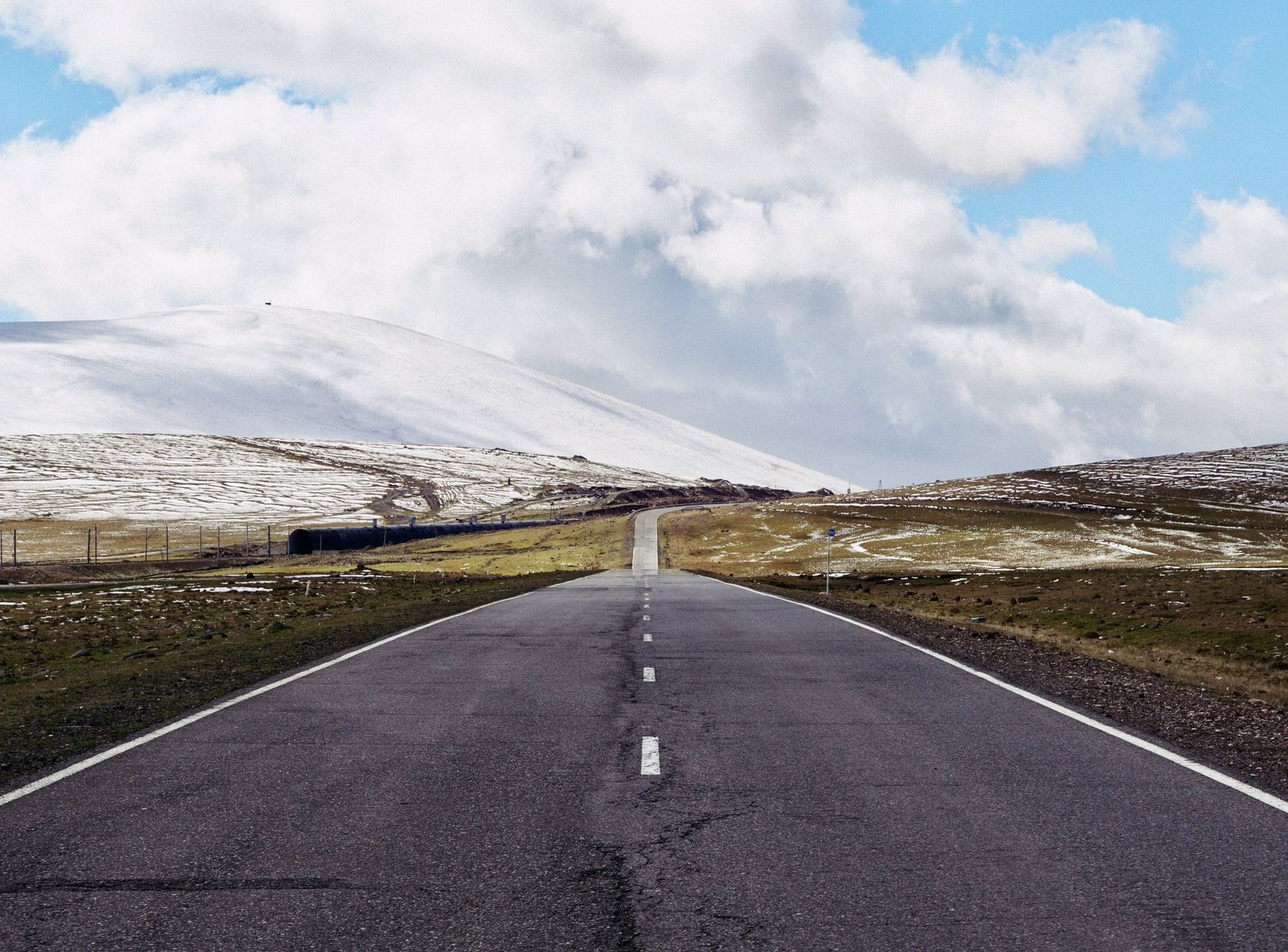
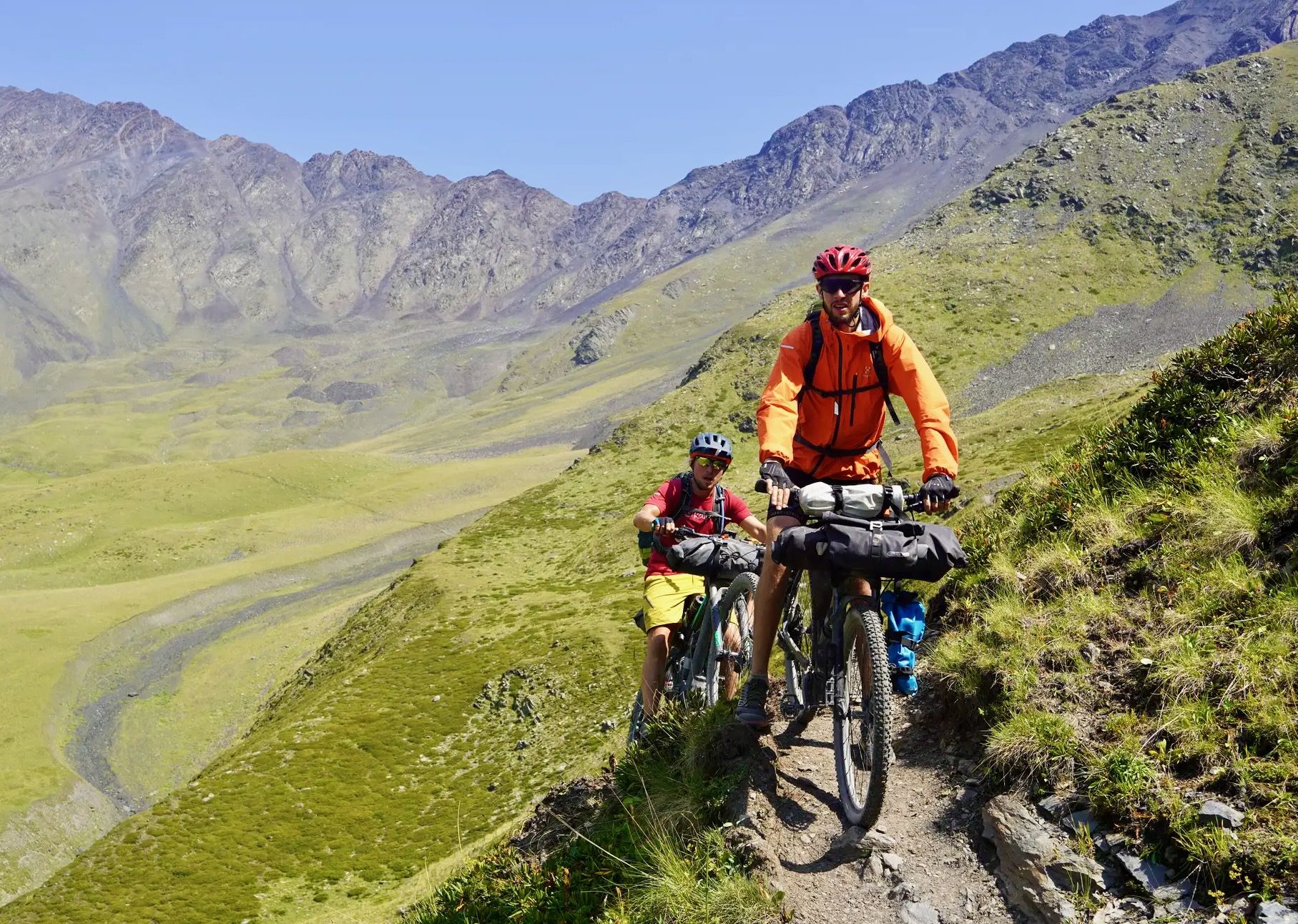
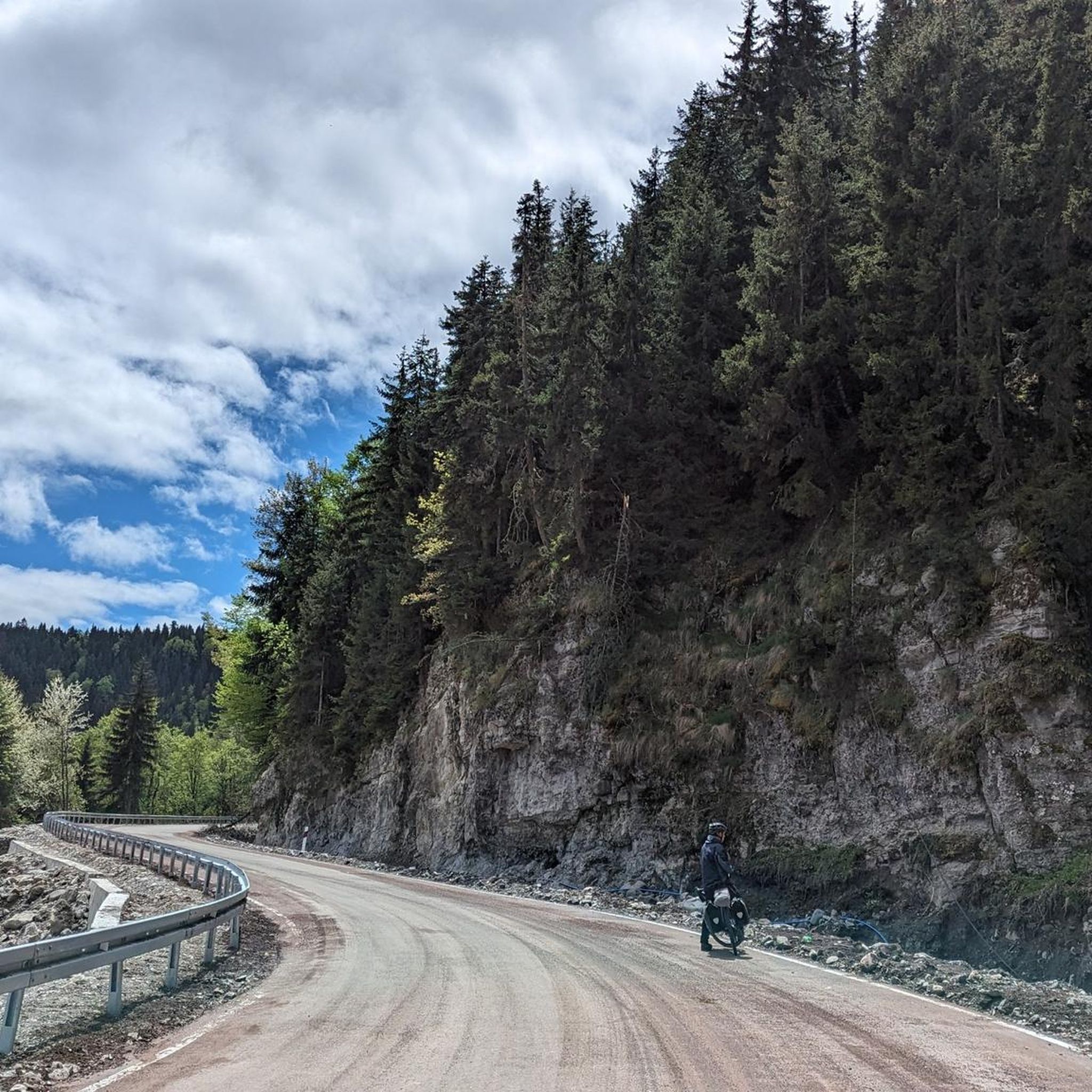
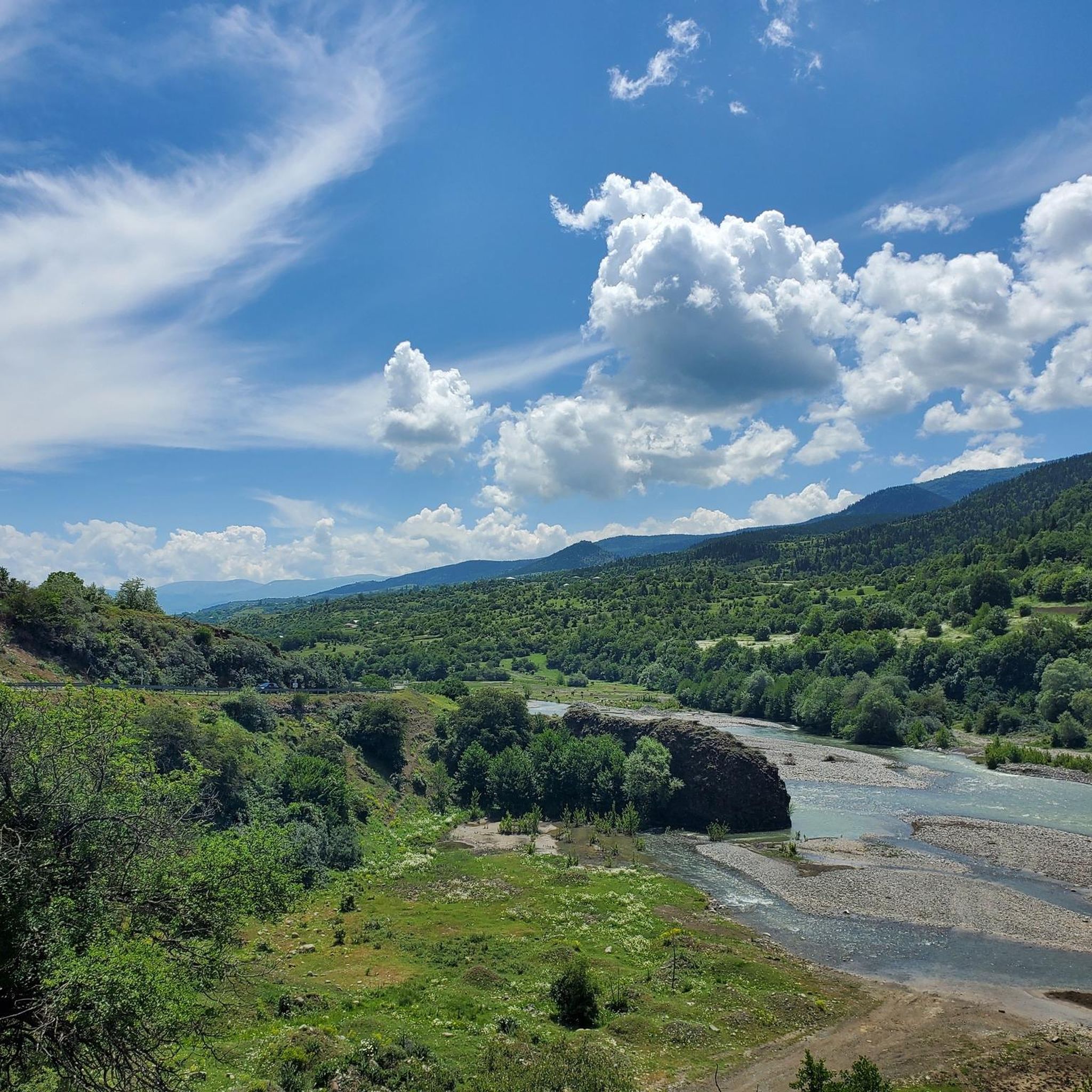



Tips from the Community

According to legend, King Vakhtang I Gorgasali discovered the hot springs in the 5th century while hunting, after his falcon and a pheasant fell into them. Impressed by the warm water, he decided to found a city right here. The name "Tiflis" (Georgian Tbilisi) derives directly from the Old Georgian word "tbili", which translates to "warm". As Tiflis was located directly on the ancient Silk Road, the bathhouses developed over centuries into central social meeting places for merchants, travelers, and locals. The bathhouses are fed by natural thermal springs, 38°C to 50°C hot, bubbling up from deep within the earth. The water is extremely rich in sulfur and other minerals.
0
0

Such a beautiful bridge, but unfortunately full of vendors offering boat tours and photos.
0
0

The Peace Bridge is an arched pedestrian bridge over the Mtkvari River in the Georgian capital, Tbilisi. The 150-meter-long, covered bridge was opened on May 6, 2010, and connects Tbilisi's Old Town with the newly designed Rike Park, not far from the Presidential Palace. It is located between the Barachvili and Metheki Bridges and was designed by the Italian architect Michele De Lucchi.
9
0
Republic Square, or Hraparak (City Square) for short; Lenin Square until 1991, is the central square in Yerevan, the capital of Armenia. The two-part square and the surrounding buildings were built between 1924 and 1977 (Wikipedia).
3
0

During my stay in May 2025, there were regular demonstrations here. But they were peaceful, nothing exciting.
1
0
You have to cross this bridge! It offers beautiful photo opportunities of the city and the Kura River. The park invites you to linger or take a hot air balloon ride.
0
0

Dear Komoot team, the fortress will be renovated and closed for at least another few months. Feel free to check back from time to time. Otherwise: everything is beautiful and worthwhile.
1
0

Sept 2024 unfortunately not accessible
0
0
Frequently Asked Questions
What historical sites can I explore in the Lesser Caucasus?
The region is rich in history. You can visit the ancient Old Town, Tbilisi, known for its sulfur springs and historical architecture. Overlooking Tbilisi is the Narikala Fortress, a significant medieval castle offering panoramic views. Further afield, explore the remarkable Vardzia Cave Monastery, a 12th-century complex carved into cliffs, or the ancient rock-hewn town of Uplistsikhe Historical-Architectural Museum-Reserve.
Are there any unique natural attractions in the Lesser Caucasus?
Absolutely. A must-see is the Symphony of Stones in Garni Gorge, Armenia, a geological formation of basalt columns resembling organ pipes. Georgia offers the extensive Batumi Botanical Garden along the Black Sea coast, and the stunning mountainous landscapes of the Racha and Svaneti regions, home to peaks like Mount Shkhara and tranquil areas like the Shaori Reservoir.
What are some family-friendly attractions in the Lesser Caucasus?
Many attractions are suitable for families. The Abanotubani Sulfur Bathhouses offer a unique cultural experience. The modern Bridge of Peace in Tbilisi is also family-friendly and wheelchair accessible. In Yerevan, the Republic Square Fountain provides an entertaining light-sound-water show in the evenings. The Batumi Botanical Garden is also a great option for all ages.
Where can I find cultural sites and experiences in the region?
The Lesser Caucasus is rich in cultural heritage. The Kakheti Wine Region in Georgia is famous for its ancient winemaking traditions and charming villages like Sighnaghi. The UNESCO World Heritage site of Mtskheta, Georgia, features important religious structures like Svetitskhoveli Cathedral. In Armenia, the Geghard Rock Monastery, partially carved into a mountain, is a significant religious site.
What outdoor activities and trails are available near these attractions?
The region offers diverse outdoor activities. For hiking, you can find many options, including easy trails like the Chakvistavi Waterfall loop or the Symphony of Stones loop. Cyclists can explore various road cycling routes, such as the Mtatsminda – Lakeside Path loop near Tbilisi. Runners can enjoy trails around Batumi or the Bridge of Peace area. You can find more details on specific routes in the Easy hikes in the Lesser Caucasus, Road Cycling Routes in the Lesser Caucasus, and Running Trails in the Lesser Caucasus guides.
Are there any accessible attractions for visitors with mobility needs?
Yes, some attractions offer good accessibility. The Bridge of Peace and the Parliament of Georgia in Tbilisi are noted as wheelchair accessible. In Yerevan, the Republic Square Fountain is also accessible, allowing everyone to enjoy the evening shows.
What are some notable viewpoints in the Lesser Caucasus?
For breathtaking views, the Narikala Fortress provides panoramic vistas over Tbilisi. The Bridge of Peace also offers scenic views of the Mtkvari River and city. The Batumi Botanical Garden, situated on a ridge above the Black Sea, offers stunning coastal views. Additionally, the Svaneti region provides iconic views of peaks like Mount Ushba and Mount Shkhara.
What is the best time to visit the Lesser Caucasus for outdoor activities?
The best time to visit for outdoor activities like hiking and cycling is generally from late spring to early autumn (May to October), when the weather is mild and the mountain trails are clear of snow. Summer offers warmer temperatures, ideal for exploring higher altitudes, while spring and autumn provide pleasant conditions with vibrant foliage or blooming landscapes.
Are there any national parks or protected areas to visit?
Yes, the region is home to several significant natural parks. Borjomi-Kharagauli National Park in Georgia covers over 85,000 hectares of forests and alpine meadows with an established network of hiking trails. Javakheti National Park, also in Georgia, is a haven for birdwatchers, featuring picturesque mountain lakes like Paravani and Saghamo. Lake Sevan in Armenia is another large, high-altitude lake surrounded by a national park.
What do visitors enjoy most about the attractions in the Lesser Caucasus?
Visitors frequently praise the stunning views, particularly from places like Narikala Fortress. The historical depth and unique architecture of sites like Old Town, Tbilisi, and the Abanotubani Sulfur Bathhouses are also highly appreciated. Many enjoy the natural beauty, from the geological formations of the Symphony of Stones to the diverse plant life in the Batumi Botanical Garden. The overall charm, good food, and friendly people also contribute to a memorable experience.
Can I find modern architectural landmarks in the region?
Yes, alongside its ancient sites, the region also features modern architectural marvels. The Bridge of Peace in Tbilisi is a striking contemporary pedestrian bridge. The city of Batumi, a Black Sea resort, is known for its unique modern architecture, including the Alphabetic Tower and Batumi Piazza, offering a contrast to the historical surroundings.
Most popular routes in the Lesser Caucasus
Most popular attractions in the Lesser Caucasus

Get inspired with the komoot mobile app


Explore more
Still not found the Highlight you’re looking for? See guides of the top attractions in other regions:
