Top 4 Caves around Comano
Best caves around Comano are situated in a region known for its natural landscapes, thermal baths, and ethnographic trails. The area, located near the Brenta Dolomites, features diverse geological formations including karstic elements. While extensive show caves are not directly within Comano, the surroundings offer unique cave-like structures and historical sites. These locations provide insights into the region's natural processes and its past.
Best caves around Comano
- The most popular caves is Cava Ronchetti Quarry, an other man-made site…
Last updated: October 1, 2026
Cava Ronchetti Quarry
Highlight • Structure
The stones were …
Tip by

Buco della Noga Waterfall
Highlight • Waterfall
Translated by Google •
Tip by

Sign up now to discover places like this
Get recommendations on the best single tracks, peaks, & plenty of other exciting outdoor places.
Büs de la Noga (Bear Cave)
Highlight • Cave
It measures about 50 meters in length, the width varies between 5 and 7 meters, for a maximum height of 7 meters.
Translated by Google •
Tip by

Grotta di Gai
Highlight • Cave
Translated by Google •
Tip by

Start today with a free account
Your next adventure awaits.

Tips from the Community

A rather particular place...now difficult to reach due to the nettles and brambles that surround it and fallen trees that block the path
1
0

The Büs de la Noga, also called Grotta dell'Orso, is the largest cave in Valsolda. It measures about 50 meters in length, the width varies between 5 and 7 meters, for a maximum height of 7 meters. In search of traces of prehistoric man, a large quantity of bones of Ursus spelaeus, the cave bear, were found here.
0
0

The Büs de la Noga, also called Grotta dell'Orso, represents the largest cavity in Valsolda. It measures about 50 meters in length, the width varies between 5 and 7 meters, for a maximum height of 7 meters. The bottom, covered with soil, appears to have been moved by the excavations carried out in 1883 by Pompeo Castelfranco. In search of traces of prehistoric man, he instead found a large quantity of bones of the Ursus spelaeus, the cave bear: these finds are now exhibited at the Cantonal Museum of Natural History in Lugano (CH).
0
0

Following the path of the rocks he finds us in a fairly technical ups and downs that takes us to one of the wonders of the valsolda .. freezing water but it is worth entering the cave to admire the waterfall inside
0
0

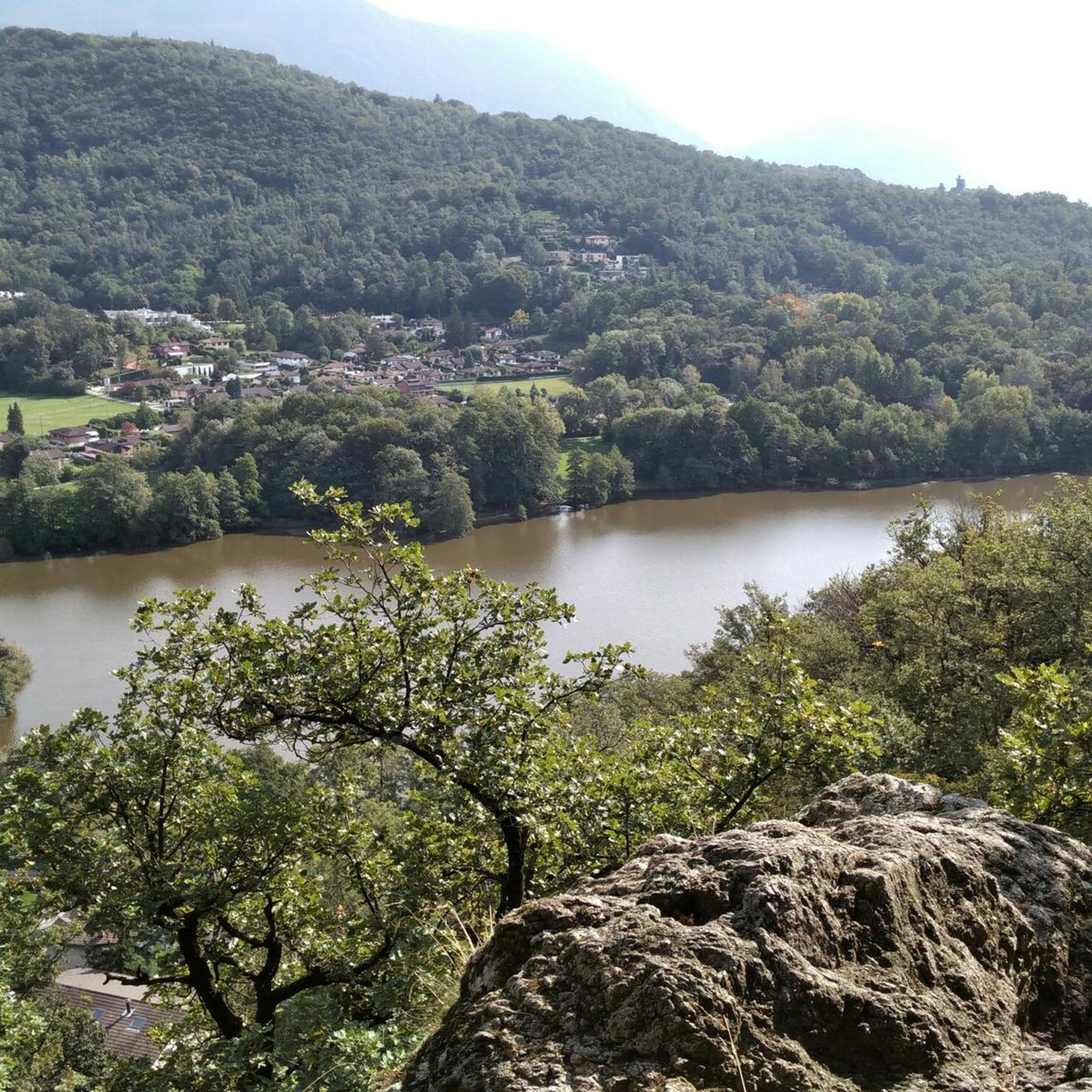
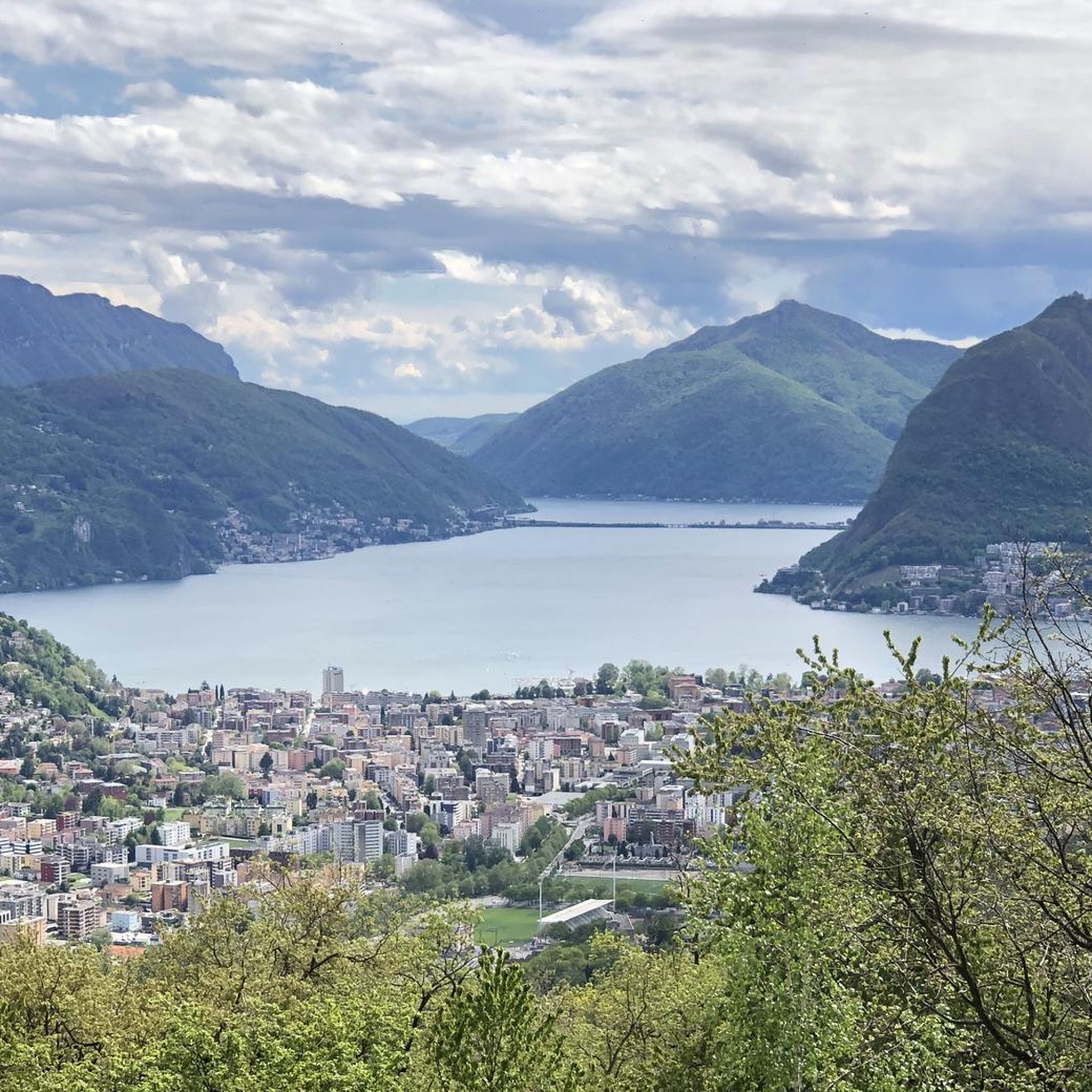
Former quarry with a great view of Lake Lugano.
2
0

This place is an ancient stone quarry. Here the stones of Caprino were extracted, a very hard stone used at that time to build Lugano's houses . The stones were transported with large boats to the river Cassarate on the opposite side of the lake.
1
0
Frequently Asked Questions
What kind of cave experiences can I find around Comano?
The Comano area offers a mix of natural karstic formations, historical cave-like structures, and even ancient quarries. You can explore sites like the Cava Ronchetti Quarry, a man-made site with historical significance and views of Lake Lugano, or natural wonders such as the Buco della Noga Waterfall, where you can enter a cave to admire a waterfall inside.
Are there any historical caves or cave-like structures to visit near Comano?
Yes, the region has several sites with historical significance. The Büs de la Noga (Bear Cave) is the largest cavity in Valsolda, known for yielding a large quantity of cave bear bones during excavations. Additionally, the Sentiero Etnografico del Rio Caino, near Cimego, features a reconstructed military barrack within a cave-like structure and historical trenches from World War I, offering insights into the region's past.
Are there family-friendly cave attractions around Comano?
While there aren't traditional 'show caves' directly in Comano, the Cascata del Rio Bianco in Stenico is easily accessible via a short walk and suitable for families, offering a beautiful natural experience with karstic origins. The Sentiero Etnografico del Rio Caino is also an easy, family-friendly circular path that combines nature with history.
What natural features, beyond caves, can I explore in the Comano area?
Beyond cave-like formations, the region is rich in natural beauty. The Cascata del Rio Bianco is a stunning waterfall with karstic origins, and the surrounding Area Natura Rio Bianco is part of the Adamello Brenta Natural Park, perfect for appreciating local flora and geological processes. The Cava Ronchetti Quarry also offers great views of Lake Lugano.
What outdoor activities can I do near the caves around Comano?
The Comano area is excellent for various outdoor activities. You can find numerous hiking trails, including moderate routes like the 'Wooden Bridge in Ticino – Comano loop'. For more challenging adventures, explore mountain hikes such as the 'Monte San Salvatore – Puntobelvedere loop'. There are also road cycling routes like the 'Lake Lugano Southern Loop'.
Are there any challenging caves for experienced explorers?
Yes, for those seeking a more challenging experience, the Grotta di Gai is noted as a rather particular place that is now difficult to reach due to overgrown vegetation and fallen trees blocking the path, making it suitable for more adventurous explorers.
What is the best time to visit the caves and natural sites around Comano?
The spring and summer months are ideal for visiting the natural sites around Comano. During this time, the Cascata del Rio Bianco is particularly vigorous, fed by melting snow and rainfall. The pleasant weather also makes hiking and exploring the outdoor ethnographic trails more enjoyable.
What do visitors enjoy most about the caves and cave-like sites in Comano?
Visitors appreciate the unique blend of natural beauty and historical intrigue. Many enjoy the experience of entering the Buco della Noga Waterfall to see the waterfall inside, despite the cold water. The historical context of sites like the Cava Ronchetti Quarry and the paleontological significance of the Büs de la Noga (Bear Cave) also draw significant interest.
Can I find any sites related to local history or legends near the caves?
Absolutely. The Sentiero Etnografico del Rio Caino, near Cimego, is steeped in local legends, including tales of witches and heretics. It also showcases ancient forges and military artifacts from World War I, providing a rich historical and cultural experience alongside its natural setting.
Are there any viewpoints associated with the caves around Comano?
Yes, the Cava Ronchetti Quarry, an ancient stone quarry, offers a great view of Lake Lugano, combining historical exploration with scenic vistas.
What is the geological significance of the caves in the Comano area?
The Comano region is characterized by diverse geological formations, including significant karstic elements. This means that water has shaped the landscape, creating features like the underground channels that feed the Cascata del Rio Bianco and contributing to the formation of caves and cavities throughout the area.
Are there any caves with paleontological findings in the region?
Yes, the Büs de la Noga (Bear Cave), also known as Grotta dell'Orso, is famous for its paleontological significance. Excavations in this cave yielded a large quantity of bones from the Ursus spelaeus, or cave bear, which are now exhibited at the Cantonal Museum of Natural History in Lugano.
Most popular routes around Comano
Most popular attractions around Comano

Get inspired with the komoot mobile app


Explore more
Extend your search for the best caves by checking out these guides of the top ones around Comano:
