Top 4 Caves around Canobbio
Best caves around Canobbio, Switzerland, are found within the diverse landscape of the Ticino region, characterized by its mountainous terrain and proximity to Lake Lugano. The area features a mix of natural geological formations and historical sites. While prominent natural cave systems are less common directly within Canobbio, the broader region offers various underground explorations. This landscape provides opportunities to discover unique rock formations and historical quarries.
Best caves around Canobbio
- The most popular caves is Cava Ronchetti Quarry,…
Last updated: October 28, 2026
Cava Ronchetti Quarry
Highlight • Structure
The stones were …
Tip by

Buco della Noga Waterfall
Highlight • Waterfall
Translated by Google •
Tip by

Sign up now to discover places like this
Get recommendations on the best single tracks, peaks, & plenty of other exciting outdoor places.
Büs de la Noga (Bear Cave)
Highlight • Cave
It measures about 50 meters in length, the width varies between 5 and 7 meters, for a maximum height of 7 meters.
Translated by Google •
Tip by

Grotta di Gai
Highlight • Cave
Translated by Google •
Tip by

Small Cave
Highlight • Cave
Showing Translation
Tip by

Start today with a free account
Your next adventure awaits.

Tips from the Community

Could be a guard post from wartime. There was room for 2 people inside. Ideal view to monitor the lake.
0
0

A rather particular place...now difficult to reach due to the nettles and brambles that surround it and fallen trees that block the path
1
0

The Büs de la Noga, also called Grotta dell'Orso, is the largest cave in Valsolda. It measures about 50 meters in length, the width varies between 5 and 7 meters, for a maximum height of 7 meters. In search of traces of prehistoric man, a large quantity of bones of Ursus spelaeus, the cave bear, were found here.
0
0

The Büs de la Noga, also called Grotta dell'Orso, represents the largest cavity in Valsolda. It measures about 50 meters in length, the width varies between 5 and 7 meters, for a maximum height of 7 meters. The bottom, covered with soil, appears to have been moved by the excavations carried out in 1883 by Pompeo Castelfranco. In search of traces of prehistoric man, he instead found a large quantity of bones of the Ursus spelaeus, the cave bear: these finds are now exhibited at the Cantonal Museum of Natural History in Lugano (CH).
0
0

Following the path of the rocks he finds us in a fairly technical ups and downs that takes us to one of the wonders of the valsolda .. freezing water but it is worth entering the cave to admire the waterfall inside
0
0

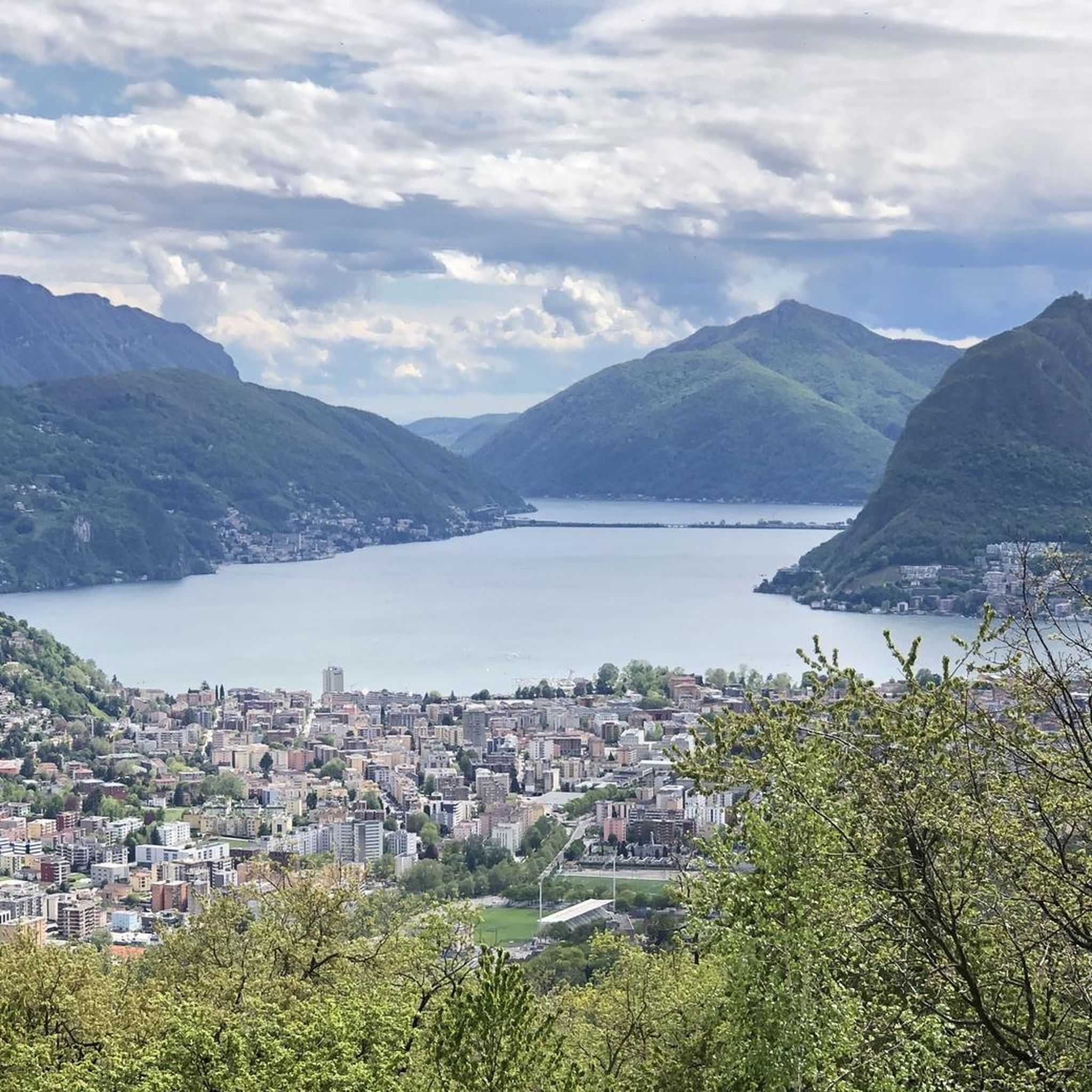
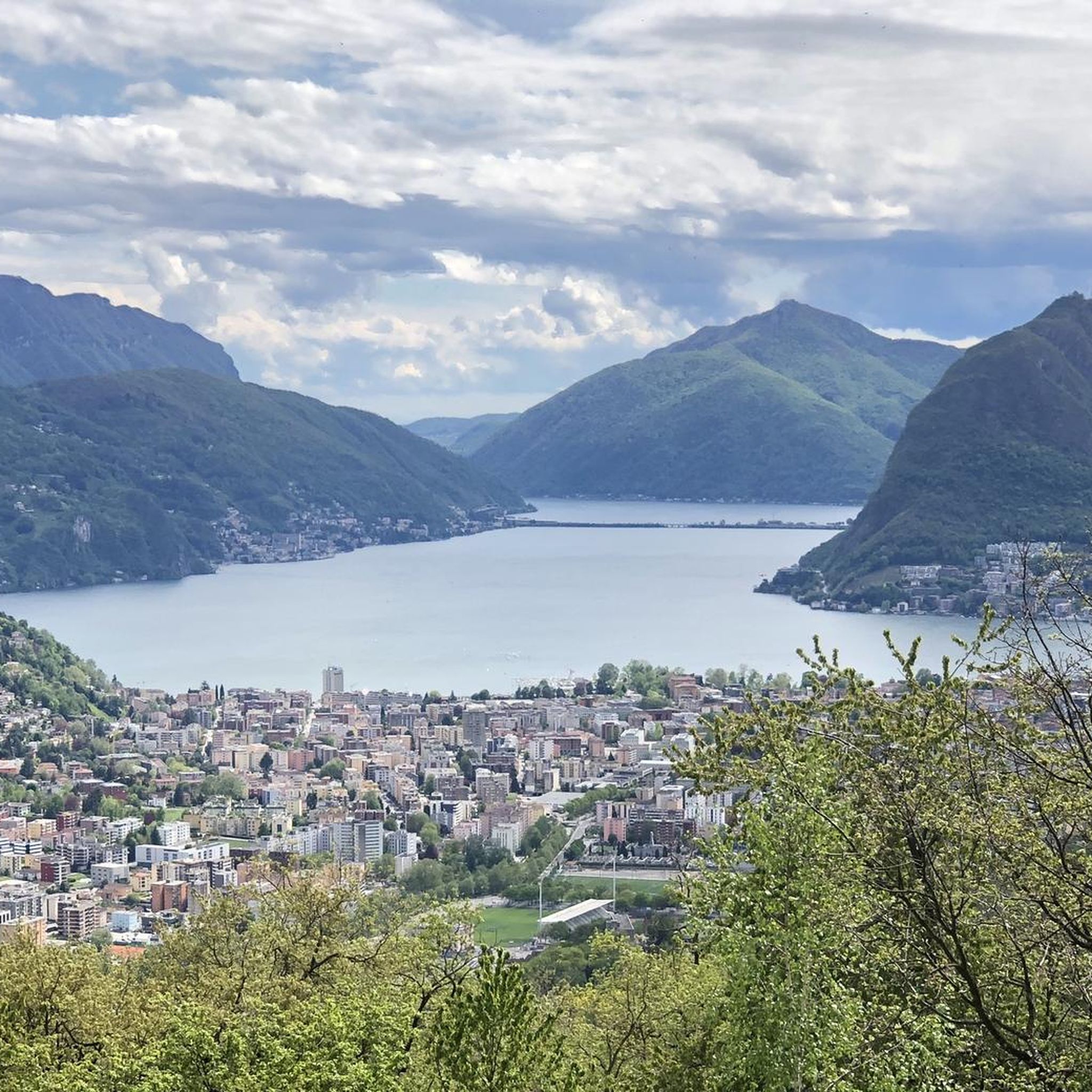
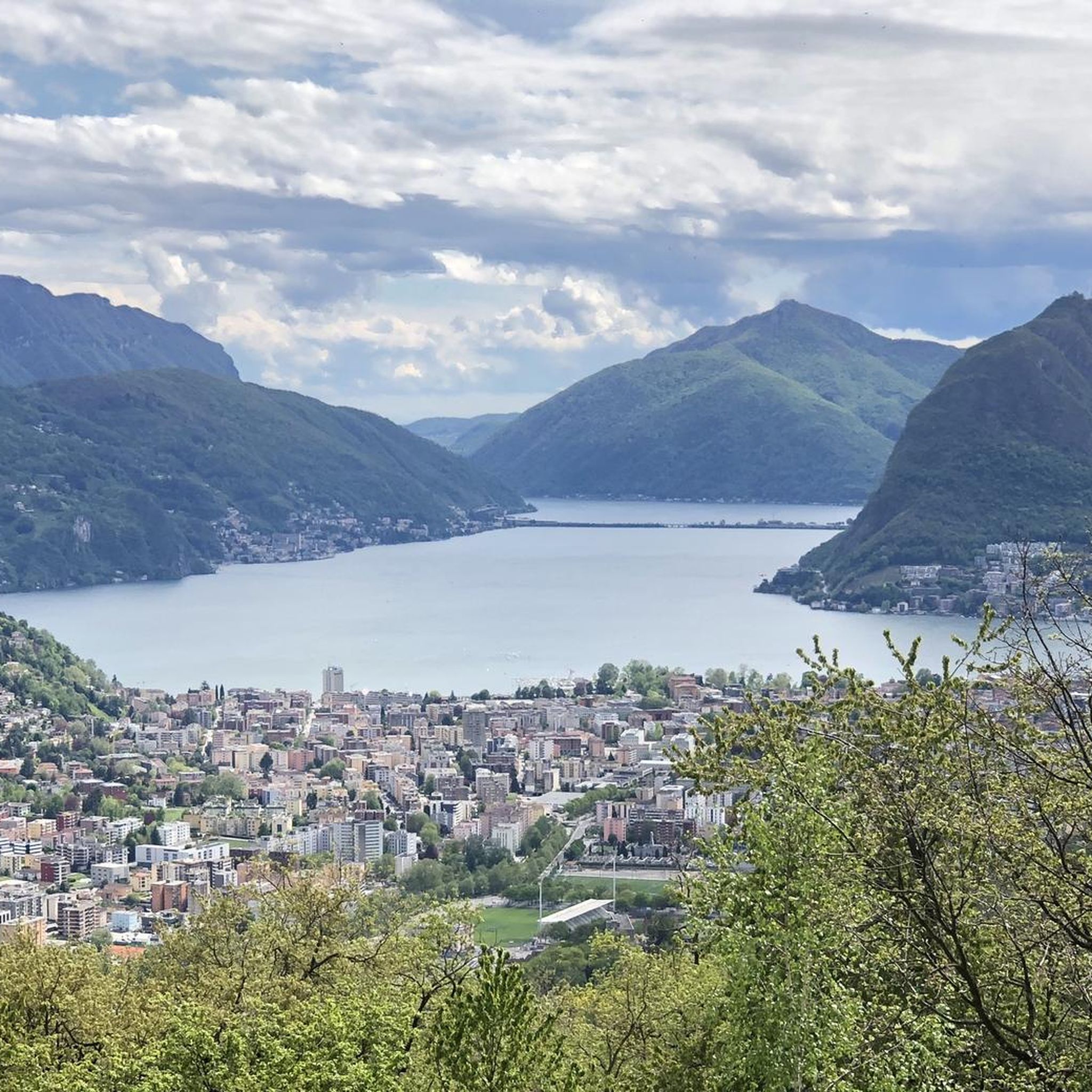
Former quarry with a great view of Lake Lugano.
2
0

This place is an ancient stone quarry. Here the stones of Caprino were extracted, a very hard stone used at that time to build Lugano's houses . The stones were transported with large boats to the river Cassarate on the opposite side of the lake.
1
0
Frequently Asked Questions
What types of caves can I explore around Canobbio?
The area around Canobbio offers a diverse range of underground explorations. You can find ancient stone quarries like Cava Ronchetti Quarry, natural formations featuring waterfalls such as Buco della Noga Waterfall, and historical sites like Büs de la Noga (Bear Cave), known for its archaeological significance.
Are there any historical or archaeological caves in the region?
Yes, the region has significant historical and archaeological sites. Büs de la Noga (Bear Cave) in Valsolda is a natural monument where a large quantity of cave bear bones were discovered. Additionally, Cava Ronchetti Quarry is an ancient stone quarry that provided materials for Lugano's historic buildings.
Can I see a waterfall inside a cave near Canobbio?
Yes, you can visit Buco della Noga Waterfall. This natural monument features a waterfall located inside a cave, and visitors can enter to observe it.
What are the most popular cave-related spots according to visitors?
Visitors frequently appreciate Cava Ronchetti Quarry for its historical significance and views of Lake Lugano, and Buco della Noga Waterfall for its unique natural feature. Büs de la Noga (Bear Cave) is also a popular historical and natural monument.
Are there any family-friendly cave explorations in the area?
While specific 'family-friendly' categorizations for all caves are not available, the Büs de la Noga (Bear Cave), with its historical context of cave bear bones, can be an interesting educational visit for families. The broader Ticino region also features the Bear's Cave (Grotta dell'Orso) on Monte Generoso, which offers an augmented reality experience and is generally accessible.
What kind of natural features can I expect to see in the caves around Canobbio?
You can expect to see diverse natural features. This includes unique rock formations, underground waterfalls at Buco della Noga Waterfall, and geological structures within natural caves like Büs de la Noga (Bear Cave). The Sovaglia Cave in Rovio is also known for its picturesque spring.
What outdoor activities can I combine with visiting caves near Canobbio?
The area around Canobbio is excellent for various outdoor activities. You can find numerous hiking trails, such as those mentioned in the Hiking around Canobbio guide, or explore mountain biking and gravel biking routes. Many caves are accessible via scenic paths, making them ideal stops during a longer outdoor adventure.
Are there any challenging cave explorations for experienced adventurers?
Yes, some cave explorations in the region are considered challenging. For instance, Grotta di Gai is described as a rather particular place that can be difficult to reach due to overgrown paths and fallen trees. Büs de la Noga (Bear Cave) is also rated as challenging.
What is the best time of year to visit the caves around Canobbio?
The best time to visit caves and enjoy outdoor activities around Canobbio generally aligns with pleasant weather for hiking and exploration. Spring and autumn offer mild temperatures, which are ideal. Summer can also be suitable, especially for cooler underground environments, but be mindful of potential heat on approach trails.
Are there any traditional dining options near the caves or in Canobbio?
While not directly adjacent to all cave sites, the Canobbio area is known for its traditional 'grottos,' which are rustic restaurants serving local Ticinese cuisine. A notable example is Grotto Ratti in Canobbio, offering authentic dishes in a charming, cave-like ambiance.
What should I wear when exploring caves in the Canobbio area?
When exploring caves, it's advisable to wear sturdy, closed-toe shoes with good grip, as surfaces can be uneven and wet. Layers of clothing are recommended, as cave temperatures can be cooler than outside, even in summer. A headlamp or flashlight is also essential for visibility inside darker sections.
Can I find viewpoints near the caves?
Yes, Cava Ronchetti Quarry, an ancient stone quarry, offers excellent views of Lake Lugano, making it a great spot to combine cave exploration with scenic vistas.
Most popular routes around Canobbio
Most popular attractions around Canobbio

Get inspired with the komoot mobile app


Explore more
Extend your search for the best caves by checking out these guides of the top ones around Canobbio:
