Top 20 Caves around Himmelried
Best caves around Himmelried are found within a region characterized by significant karst topography. This area offers insights into geology, prehistory, and local legends, particularly along the Educational Karst Trail Kaltbrunnental-Brislachallmet. While many natural caves are undeveloped, several sites provide archaeological evidence of human occupation and unique geological formations. The landscape combines natural beauty with historical and spiritual significance, featuring gorges, nature reserves, and historical sites.
Best caves around Himmelried
- The most popular caves is Ermitage Arlesheim Landscape Garden, a natural monument that features small caves within Switzerland's largest English landscaped garden. It also includes Birseck Castle and various other natural and historical elements.
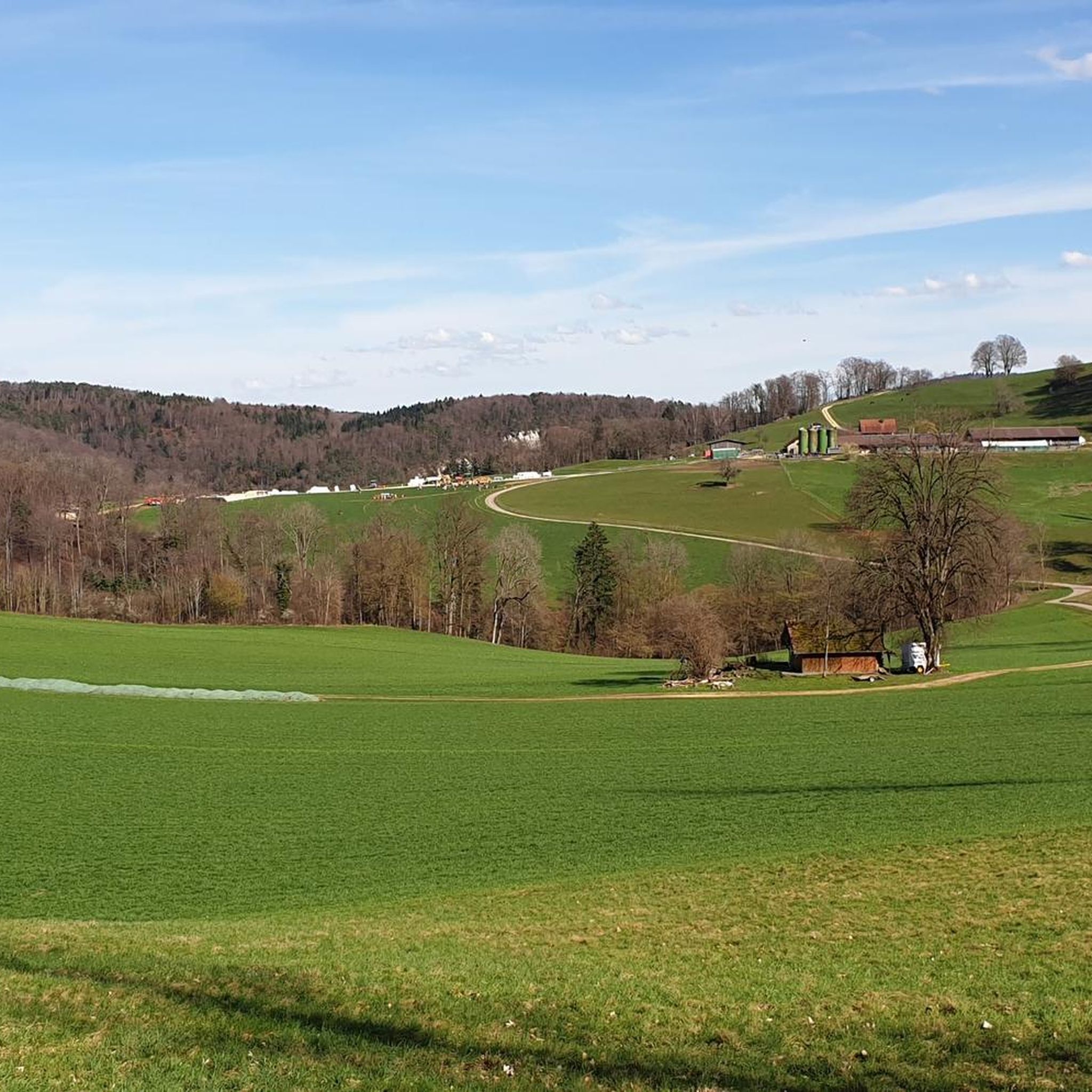
- Another must-see spot is Kaltbrunnental Gorge, a gorge with caves that provided shelter for gatherers and hunters 12,000 years ago. This recreation area features a stream winding through a valley framed by rock walls.
- Visitors also love Chaltbrunnental Nature Reserve, a gorge with many caves and a karst educational trail. This area offers an easy hike through a varied environment, suitable for learning about the local geology.
- Himmelried is known for karst caves, archaeological sites, and spiritual grottoes. The region offers a variety of caves to see and explore, from geological formations to sites with prehistoric human activity.
- The caves around Himmelried are appreciated by the komoot community, with more than 610 upvotes and 147 photos shared by users.
Last updated: May 31, 2026
Kaltbrunnental Gorge
Highlight • Gorge
Translated by Google •
Tip by

Chaltbrunnental Nature Reserve
Highlight • Gorge
There is also a karst educational trail through the valley, where you can learn a lot about the area and the many caves.
Translated by Google •
Tip by
Sign up now to discover places like this
Get recommendations on the best single tracks, peaks, & plenty of other exciting outdoor places.
Sign up for free
Ermitage Arlesheim Landscape Garden
Highlight • Natural Monument
Translated by Google •
Tip by

Mariastein Monastery
Highlight • Religious Site
Translated by Google •
Tip by

Schalberg Cave
Highlight • Cave
Flint tools from the Mousterian period and remains of Ice Age fauna (cave bear, cave hyena, panther, woolly rhinoceros, mammoth) were found. The early Stone Age Horgen culture is documented by an axe frame made of deer antler, flint tools and ceramics. A bronze needle and
numerous ceramic shards date from the late Bronze Age.
In the second, grey layer, some human bones were found (from an adult and a child).
Was the cave later used as a burial site? Just a little higher up, on the lower terraces of the
Schalberg castle ruins, the remains of two huts or houses from the
late Bronze Age have been discovered, dug into the rock.
Numerous finds are on display in the Aesch local history museum under the name "Schalbergfels"
Translated by Google •
Tip by

Sign up for free to discover even more caves around Himmelried.
Sign up for free
Already have an account?
Start today with a free account
Your next adventure awaits.
Login or Signup

Tips from the Community

Since 1926, the monastery church has borne the papal title of honor of a Basilica minor. Originally built in the late Gothic style, the interior was redesigned several times and furnished and painted in the Neo-Baroque style between 1900 and 1934. The mighty high altar at the end of the choir, a gift from the French King Louis XIV, was consecrated in 1680.
4
0

In addition to its scenic beauty, the Kaltbrunnental Valley is a great outdoor playground for families. The stream offers fun activities and children's canyoning, easy access to the water, and barbecue areas are available. A hot tip, especially in summer.
1
0


The Mariastein monastery is considered the second most important pilgrimage site in Switzerland after Einsiedeln. Its origins go back to a legend in which a little boy fell over a high rock face and was then found unharmed by his mother. After he told his father that he had been caught by a woman, the father was sure that it was the Virgin Mary. He had a chapel built in a cave in her honor. The monastery complex can be visited daily, but services are held regularly. More information can be found here: https://www.kloster-mariastein.ch/informationen/agenda/
3
0

Already 12,000 years ago, gatherers and hunters used the protection of the caves in Chessiloch.
2
0

The Mariastein monastery is, alongside the Einsiedeln monastery, the second most visited pilgrimage site in Switzerland. Thousands of believers and pilgrims from all over the world make a pilgrimage to Mariastein every year to ask Mary for help or to receive her blessing. Of course, the impressive monastery complex and the surrounding lands attract numerous tourists and hikers every year, who bring home a wealth of memories with a suitcase or backpack, but also a full photo or cell phone memory card. A detour to the gift chapel hidden in a rock grotto and the magnificent basilica is particularly recommended. If you visit Mariastein, you should also, if possible, pay a visit to the nearby castle ruins of Château Landskron in Alsace, just a few minutes' walk away.
1
0
The Ermitage is a large and lovingly designed green area from 1785, with three idyllic ponds, several romantic grottos, historical buildings, pretty walking paths between the shore and the edge of the forest and, on top of it all, the castle ruins of Bierseck Castle, as the crowning glory of the whole. It is a wonderful place for physical and mental relaxation, but those seeking peace and quiet should visit outside of the holidays or weekends. It is a real visitor magnet. Warning! The grottos can only be reached on foot and via steep stairs. The rest of the garden is mostly wheelchair accessible and suitable for pushchairs. There are no parking spaces directly at the Ermitage! Free entry!
0
0

Mariastein Abbey is, after Einsiedeln, the second most important place of pilgrimage in Switzerland. It is known for its chapel dedicated to Mary, located in the Grotto, as well as its beautiful Gothic architecture and works of art.
1
0
Frequently Asked Questions
What kind of caves can I expect to find around Himmelried?
The region around Himmelried is known for its diverse karst topography. You'll find natural caves offering insights into geology and prehistory, as well as sites with archaeological significance. Some caves are part of larger natural monuments or historical sites, such as the small caves within Ermitage Arlesheim Landscape Garden, or the historical shelters in Kaltbrunnental Gorge.
Are there any family-friendly caves or cave-related activities in the area?
Yes, several locations are suitable for families. The Ermitage Arlesheim Landscape Garden features small caves within a large English garden, offering a pleasant experience for all ages. The Chaltbrunnental Nature Reserve also provides an easy hike through a gorge with many caves and a karst educational trail, perfect for learning about the local geology with children.
Where can I learn about the history and archaeology of the caves near Himmelried?
For historical and archaeological insights, the Kaltbrunnental Gorge is notable, as its caves provided shelter for gatherers and hunters 12,000 years ago. Additionally, the Schalberg Cave is an important historical site where excavations have revealed flint tools from the Mousterian period, Ice Age fauna, and even human bones, suggesting its use as a burial site.
What is the 'Educational Karst Trail' mentioned in the region?
The 'Educational Karst Trail Kaltbrunnental-Brislachallmet' is an interpretive trail that allows visitors to experience the karst landscape and learn about its geology, archaeology, and ecology. It's an excellent way to understand the cave systems and formations without necessarily entering the more challenging natural caves.
Are there any caves with religious or spiritual significance?
Yes, the Mariastein Monastery is a significant pilgrimage site featuring the Maria im Stein grotto. A legend tells of a boy saved by the Virgin Mary in a cave, leading to the construction of a chapel there. The grotto and its memorial plaques are well worth seeing.
What are some of the geological features of the caves in this region?
The caves in the Himmelried area are primarily karst caves, formed by water dissolving soluble bedrock. Examples include the Bättlerloch Cave, known for being the longest explored cave in the Basel-land region with a cave stream and various passages. The Ibach Cave showcases an elliptic profile typical of a bedding plane passage, illustrating how clefts and layers influence corridor development.
Are there any challenging caves for experienced cavers?
The Bättlerloch Cave, while impressive in length, requires appropriate equipment and experience due to its narrow entrances, muddy water basins, and siphons. It should only be visited in dry weather and outside the December to March period to protect downstream fish farming. The Schalberg Cave is also described as challenging, requiring good footwear and sure-footedness.
What outdoor activities can I combine with a visit to the caves around Himmelried?
The region offers various outdoor activities. You can find numerous hiking routes, such as the 'Chastelbach Waterfall – Kaltbrunnental Gorge loop' or the 'Kaltbrunnental Waterfall – Chaltbrunnental barbecue area loop'. For more options, explore the hiking guide for Himmelried. There are also mountain biking trails and mountain hikes available in the wider area.
What do visitors enjoy most about the caves and natural areas near Himmelried?
Visitors frequently appreciate the natural beauty and tranquility of the area. Many enjoy the easy hiking trails, especially in places like the Kaltbrunnental Gorge and Chaltbrunnental Nature Reserve, noting how pleasantly cool it is in summer due to the shade. The varied environment and the opportunity to learn about geology and history are also highly valued.
Are there any specific caves in the broader Solothurn region that are historically significant?
While not directly in Himmelried, the broader Solothurn region features historically significant caves. The Kastelhöhle in Kaltbrunnental Valley and Käsloch Cave in Winznau are important archaeological sites with evidence of Paleolithic and Neolithic human activity. The Magdalena and Ölberg Caves in Verenaschlucht also combine natural formations with spiritual and artistic significance.
Is it possible to access the caves by public transport?
Many of the natural areas and trails, such as those in the Chaltbrunnental, are accessible by public transportation, making it convenient to reach the starting points for exploring the region's caves and karst landscape.
What is the best season to visit the caves around Himmelried?
The natural areas and trails, including those with caves, are often described as pleasantly cool in summer due to tree cover, making it a good time for hiking. However, for undeveloped caves like Bättlerloch, it's crucial to avoid the period between December and March due to fish farming concerns and to visit only in dry weather to ensure safety.
Most popular routes around Himmelried
Most popular attractions around Himmelried

Get inspired with the komoot mobile app


Explore more
Extend your search for the best caves by checking out these guides of the top ones around Himmelried:
