The 20 Most Amazing Peaks in the Greater Caucasus
Best mountain peaks in the Greater Caucasus form a natural barrier between Europe and Asia. This mountain range features majestic peaks known for their diverse terrain and cultural significance. The region offers a variety of experiences, from accessible treks to technical climbs. These peaks are a draw for mountaineers and nature enthusiasts.
Best mountain peaks in the Greater Caucasus
- The most popular mountain peaks is View to Ushba mountain, a viewpoint that offers views of the snow-covered Ushba, a…
Last updated: May 15, 2026
View of Mount Kazbek and Stepantsminda
Highlight • Viewpoint
Tip by

Mount Tetnuldi
Highlight • Summit
The Tetnuldi is …
Translated by Google •
Tip by

Sign up now to discover places like this
Get recommendations on the best single tracks, peaks, & plenty of other exciting outdoor places.
Sign up for free
Guli Pass
Highlight • Viewpoint
Translated by Google •
Tip by

Kasbek
Highlight • Summit
Translated by Google •
Tip by

View to Ushba mountain
Highlight • Viewpoint
In summer there are blooming daisies here as …
Translated by Google •
Tip by

Mount Akhun
Highlight (Segment) • Summit
Tip by

View of Tetnuldi, Gistola, and Rustaveli Peaks
Highlight • Viewpoint
Translated by Google •
Tip by
Koth Ridge
Highlight • Viewpoint
View of the "Valley of Enchantment" and the beginning of the Caucasus Range.
Translated by Google •
Tip by

View of Mount Ushba
Highlight • Viewpoint
Translated by Google •
Tip by
View of the Caucasus Mountains and Glacier
Highlight • Viewpoint
Tip by
Sign up for free to discover even more peaks in the Greater Caucasus.
Sign up for free
Already have an account?
Start today with a free account
Your next adventure awaits.
Login or Signup
Popular around Greater Caucasus
Cape to Cape Challenge – 18,000km in 73 days
Georgia’s Caucasus Crossing
The mighty Caucasus Mountains – 4-day trek in Georgia
Hiking in the Greater Caucasus
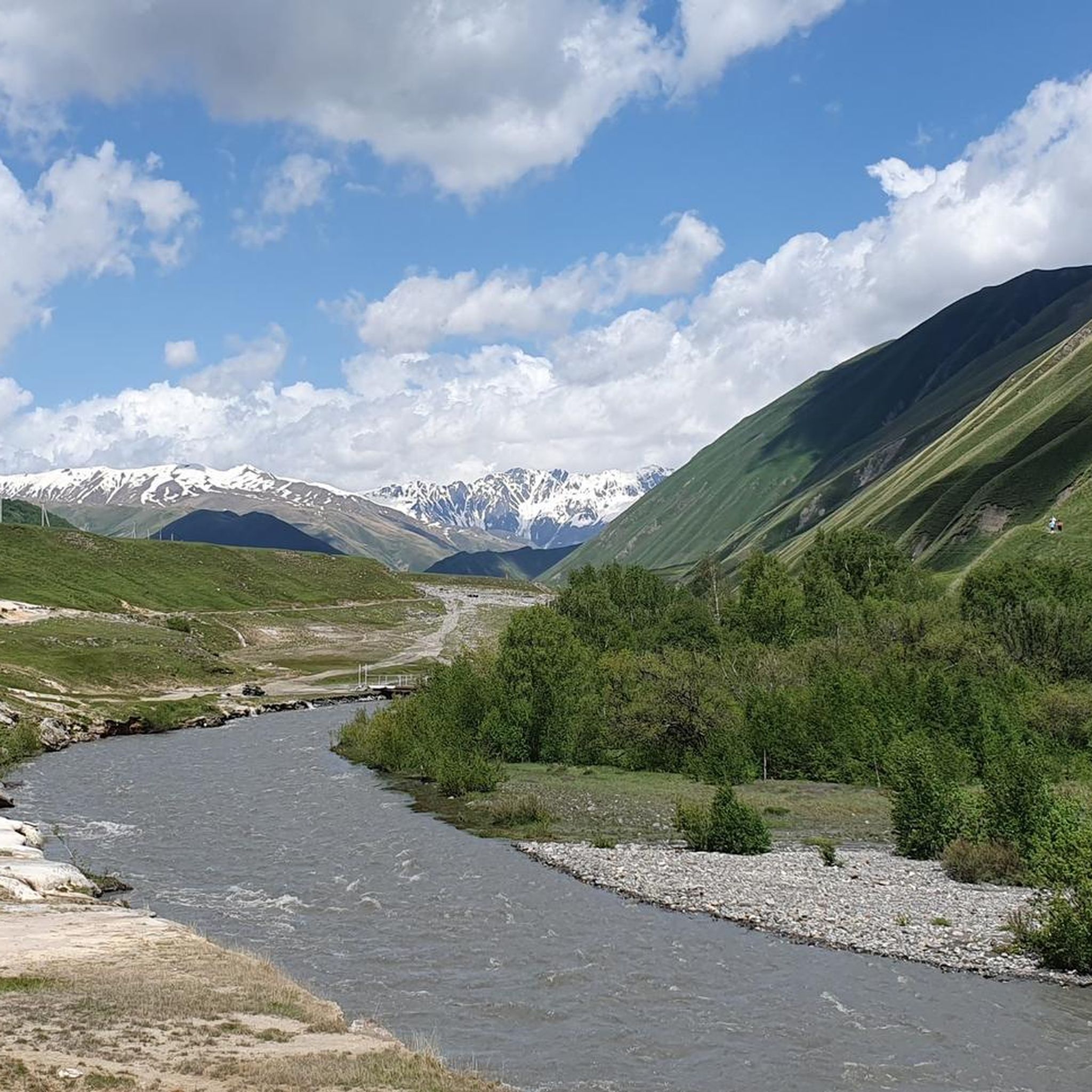
Road Cycling Routes in the Greater Caucasus
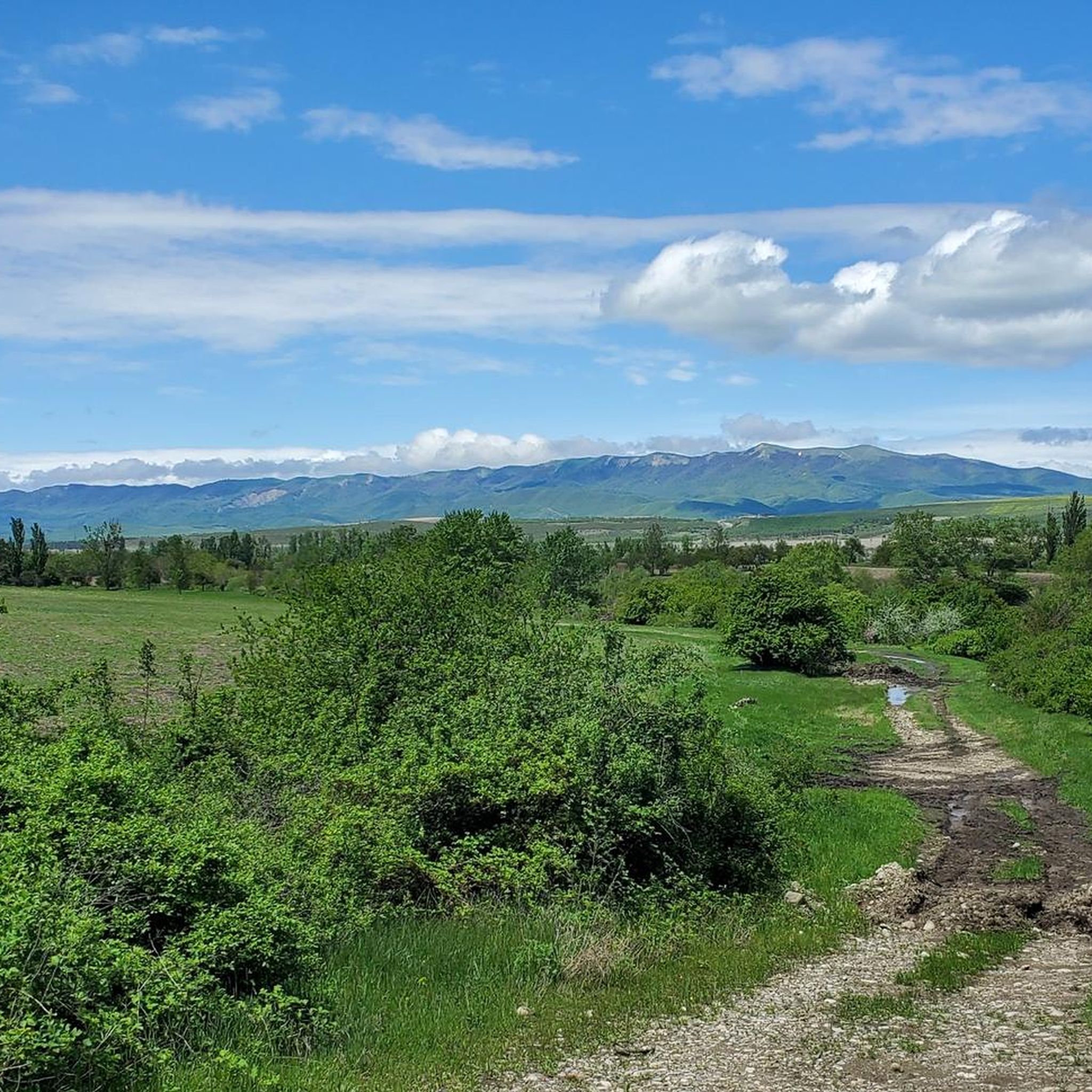
Running Trails in the Greater Caucasus
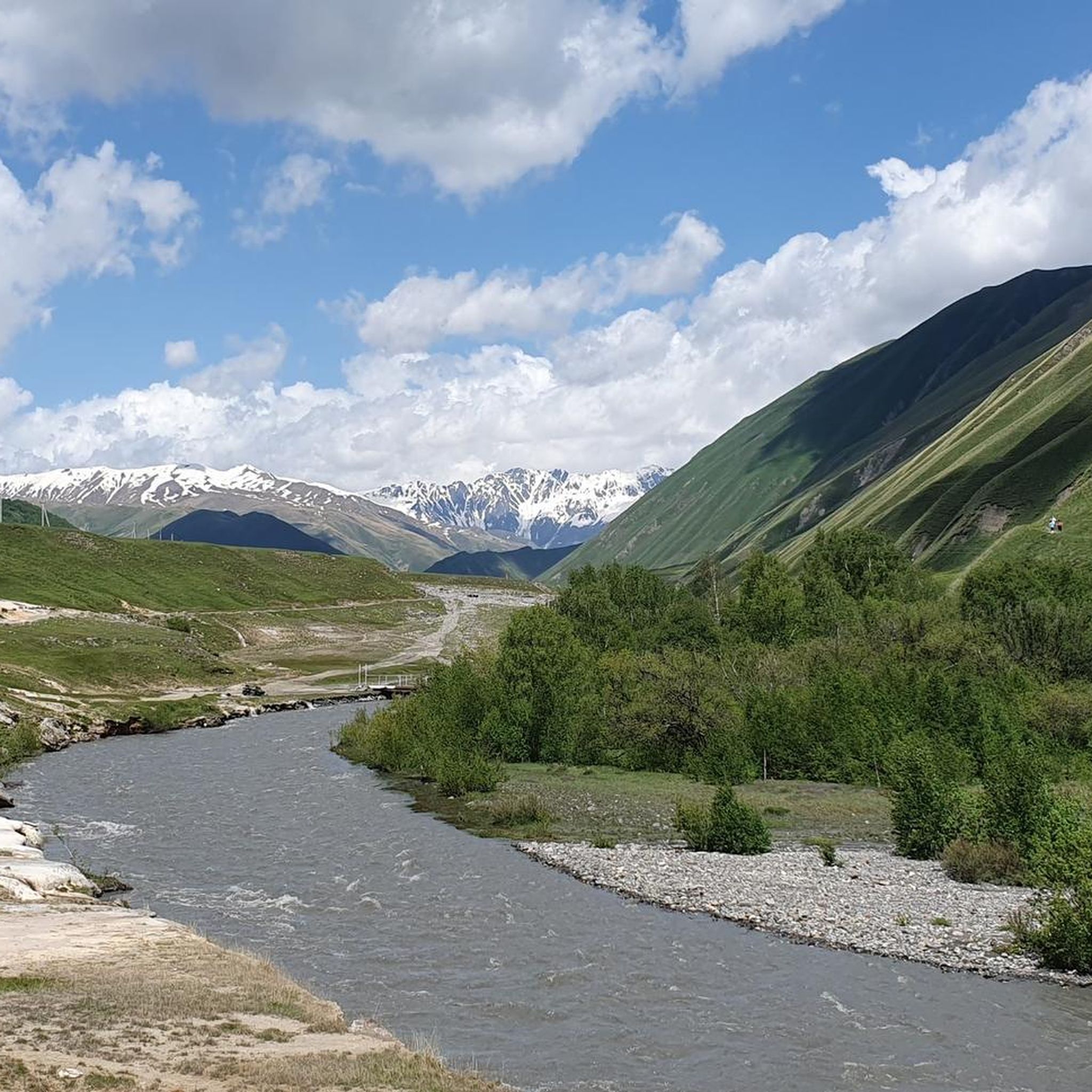
Cycling in the Greater Caucasus
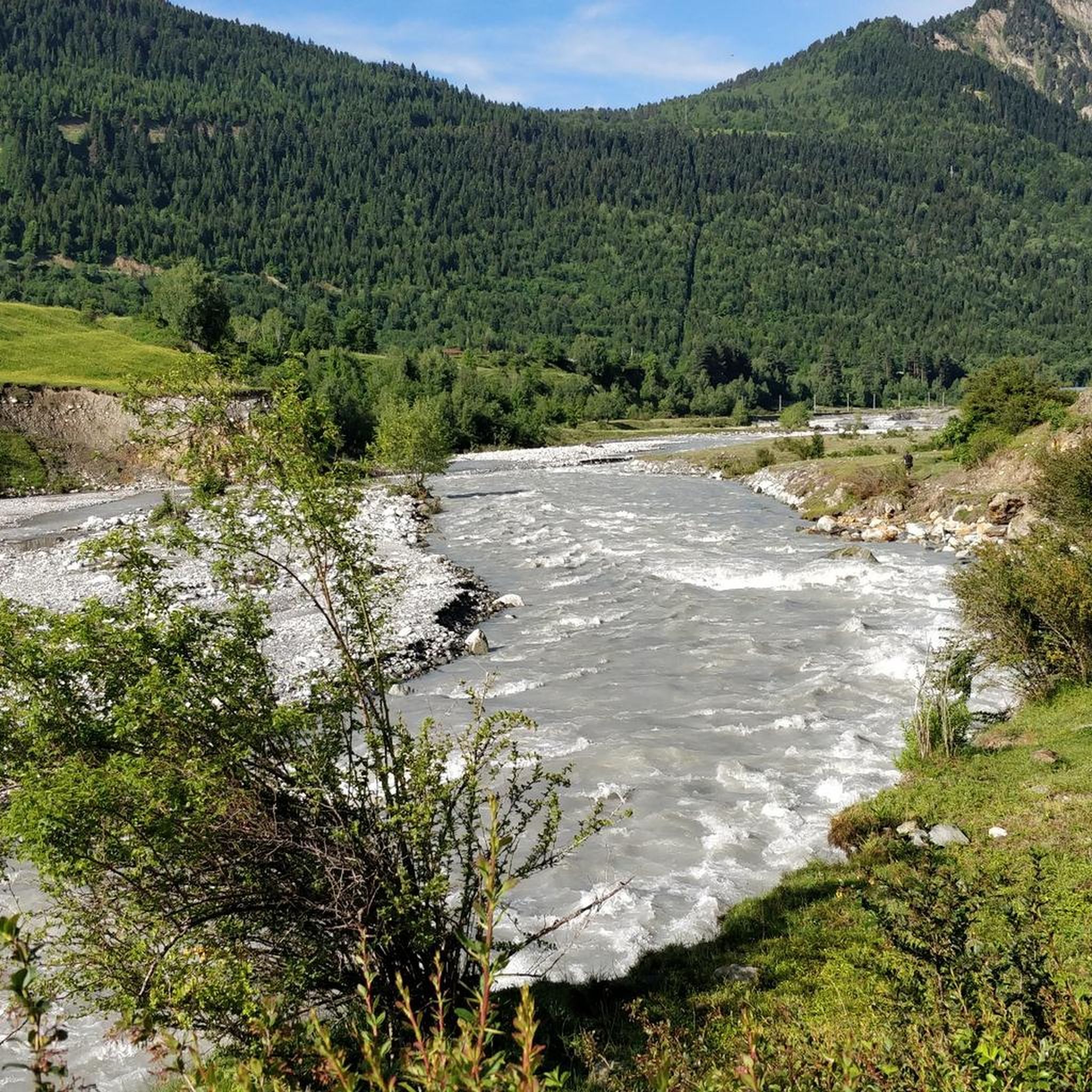
MTB Trails in the Greater Caucasus

Mountain Hikes in the Greater Caucasus


Tips from the Community

Mount Kazbek is behind. From the church, they look in the opposite direction to the village.
0
0


If you're planning to explore this area by bike, on a run, or while hiking, make sure to bring your own Merlot. The region is known for its stunning views and outdoor activities, but finding a good spot to enjoy a glass of wine can be a challenge. Packing your favorite Merlot ensures you can savor a well-deserved drink after your adventure!
0
2

The path is not difficult in three stages, but there will be a tiring climb from the foot of the Goryachiy Klyuch sanatorium. At the beginning, the ascent along the “Path of Health” to the “Crimean Pine” location is moderately easy; you need to stick to the old winding path with curbs. In the middle of the climb, after the remains of the technical structure for the personnel, there will be 800 meters of ascent at 30 degrees, it will be difficult even if you are light. The final path, the last 300 meters along the Kokht ridge, the movement relative to sea level is horizontal. Climbing participants are required to: 1. Minimal, but physical preparation for an altitude of 400 meters above sea level. 2. Time reserve for ascent and descent, from 2 hours to 4 hours, especially when climbing in the evening. 3. First of all, do not bypass the water supply and do not forget about auxiliary nutrition. 4. As additional equipment, if an evening ascent to sunset is required, fully charged running flashlights are required. 5. It is not possible to get lost, but WE RETURN intuitively and STRICTLY to the North.
0
0
The observation deck is located on the Kotkh ridge. View of the "Valley of Enchantment" and the beginning of the Caucasus Range.
0
0

The hike to the Trinity Church is described in the Roth Georgia hiking guide (tour 38). Top hike!
0
0

The Ushba is the prominent twin peaks near Mestia
0
0

Best place on the route for a pause because of its views. Visited 22nd August '22 and it was opened.
2
0
Frequently Asked Questions
What are some of the most popular mountain peaks to visit in the Greater Caucasus?
The Greater Caucasus offers many impressive peaks. Among the most appreciated by the komoot community are View to Ushba mountain, known for its prominent twin peaks, and View of Mount Kazbek and Stepantsminda, offering expansive vistas and access to hiking trails. Mount Tetnuldi, a 4858-meter high summit in Svaneti, is also a prominent and highly regarded destination.
Are there any particularly challenging mountain peaks for experienced climbers in the Greater Caucasus?
Yes, the Greater Caucasus is renowned for its challenging ascents. Dykh-Tau, the second-highest peak, is known for its extreme difficulty and frequent avalanches, with no easy routes. Mount Shkhara, the highest peak in Georgia, requires advanced climbing skills and offers routes of the highest difficulty. Koshtan-Tau is another serious alpine climbing goal, appealing to experienced climbers with its technical difficulties and prominent glaciers.
What kind of natural features can I expect to see around the mountain peaks in the Greater Caucasus?
The region boasts diverse natural features. You can expect to see extensive icefields and glaciers, such as those on Mount Elbrus and Mount Kazbek, which feed major rivers. The landscape also includes beech forests, sub-alpine forests, and alpine meadows, particularly around Mount Kazbek, which is designated as a nature reserve. Many peaks offer breathtaking panoramic views, including the green valleys of the Svaneti region.
What is the best time of year to visit the Greater Caucasus mountains for trekking and climbing?
Generally, the summer months are considered the best time for trekking and climbing in the Greater Caucasus. During this period, the weather is more stable, and the higher passes and peaks are more accessible. However, conditions can vary, so it's always advisable to check specific weather forecasts and trail conditions for your chosen destination.
Are there any mountain peaks in the Greater Caucasus with cultural or mythological significance?
Mount Kazbek holds significant mythological importance in Georgian lore, associated with the legend of Amirani, a Georgian Prometheus figure. Beyond mythology, the region around peaks like Elbrus offers glimpses into local history and traditions, with cultural hospitality often found in local guesthouses.
What outdoor activities can I do near the mountain peaks in the Greater Caucasus?
The Greater Caucasus offers a wide range of outdoor activities. You can find numerous hiking opportunities, from easy strolls to difficult multi-day treks. For example, there are easy hikes like the Ushguli Glacier loop or the View of Zuruldi Ridge loop. More challenging hiking routes include the Gergeti Holy Trinity Church trail or the Truso Valley. Mountain biking is also popular, with MTB trails ranging from moderate to difficult, such as those around Gelendzhik Bay.
Which peaks are considered the highest in the Greater Caucasus and Europe?
Mount Elbrus, at 5,642 meters, is the highest peak in Europe and the Greater Caucasus. Dykh-Tau is the second-highest at 5,205 meters, followed closely by Mount Shkhara, which is the highest peak in Georgia at 5,203 meters. Koshtan-Tau also stands as one of the highest at 5,151 meters.
What is the Bezengi Wall and why is it significant for mountaineers?
The Bezengi Wall is not a single peak but a formidable 11 to 12-kilometer-long mountain range within the Greater Caucasus, forming its highest section. It includes several notable peaks like Shkhara, Janga, and Katyn-Tau. It's often called the "Small Himalayas" by Russian climbers due to its severe peaks and eternal glaciers, offering some of the most demanding and prestigious expeditions in Europe for experienced mountaineers.
Are there any accessible high-altitude climbing challenges in the Greater Caucasus?
Mount Elbrus offers a significant, yet relatively accessible, high-altitude climbing challenge. Its "Normal Route" utilizes cable cars and chairlifts to ease the initial ascent, making it a popular choice for those looking to experience a high-altitude climb without extreme technical difficulty, while still providing a serious test.
What do visitors enjoy most about the mountain peaks in the Greater Caucasus?
Visitors frequently highlight the breathtaking views and the sense of accomplishment from challenging treks. For instance, the Guli Pass is praised for its 360-degree panorama over Upper Svaneti and views of Ushba. The stunning scenery, the opportunity for serious alpine adventure, and the cultural experiences in local guesthouses are also highly valued.
Can I find viewpoints that offer stunning vistas of multiple peaks?
Yes, the region is rich with viewpoints. The Guli Pass provides a wonderful view of the twin towers of Ushba and a 360-degree panorama over Upper Svaneti. Another excellent spot is the View of Tetnuldi, Gistola, and Rustaveli Peaks, offering a broad perspective of several prominent summits.
What kind of challenges does Mount Kazbek present to climbers?
Mount Kazbek offers a real alpine environment with glacier crossings, rope team navigation, and steep icy slopes. It provides a serious test for acclimatization strategies and combines alpine challenge with cultural hospitality. Its volcanic drama and glacier adventure make it geologically fascinating, attracting climbers seeking a blend of technical and cultural experience.
Most popular routes in the Greater Caucasus
Most popular attractions in the Greater Caucasus

Get inspired with the komoot mobile app


Explore more
See even more amazing summits in the Greater Caucasus with these guides:
