Top 20 Caves in the Basque Mountains
Best caves in the Basque Mountains offer a diverse range of subterranean experiences, from ancient archaeological sites to unique geological formations. This region is characterized by its mountainous terrain and rich karst landscapes, which have created numerous natural caves over millennia. These underground wonders provide insights into prehistoric life, significant geological features, and local folklore. The caves are distributed across the Spanish and French Basque Country, showcasing a blend of natural beauty and cultural heritage.
Best caves in the Basque…
Last updated: October 1, 2026
Devil's Eye
Highlight • Natural Monument
Getting …
Translated by Google •
Tip by

Natural Rock Arch of Puentedey
Highlight • Natural Monument
Translated by Google •
Tip by

Sign up now to discover places like this
Get recommendations on the best single tracks, peaks, & plenty of other exciting outdoor places.
Turquoise Pools and Waterfalls of Orbaneja del Castillo
Highlight • Waterfall
Translated by Google •
Tip by

Portupekoleze Arch
Highlight • Natural Monument
Translated by Google •
Tip by
Hermitage of San Bernabé of Ojo Guareña
Highlight • Religious Site
Translated by Google •
Tip by

San Adrián Tunnel
Highlight • Cave
Be careful if it is wet or damp as the stones slip a lot.
Translated by Google •
Tip by

Pozo Azul de Covanera
Highlight • Natural Monument
Translated by Google •
Tip by

Ramales de la Victoria
Highlight • Settlement
Showing Translation
Tip by

Ojo Guareña Natural Monument
Highlight • Natural Monument
Translated by Google •
Tip by

Los Goros Caves
Highlight • Cave
Translated by Google •
Tip by
Sign up for free to discover even more caves in the Basque Mountains.
Already have an account?
Start today with a free account
Your next adventure awaits.
Popular around Basque Mountains
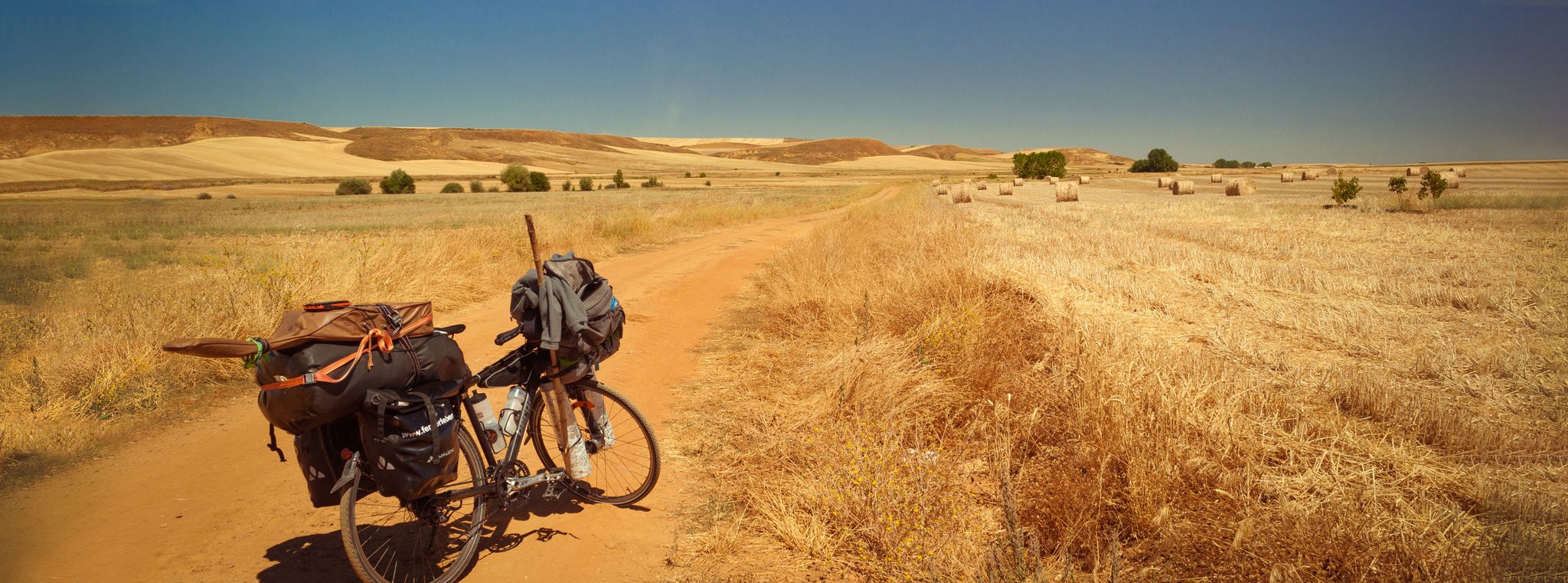
Camino Francés and Camino Finisterre – Cycling pilgrimages in Spain
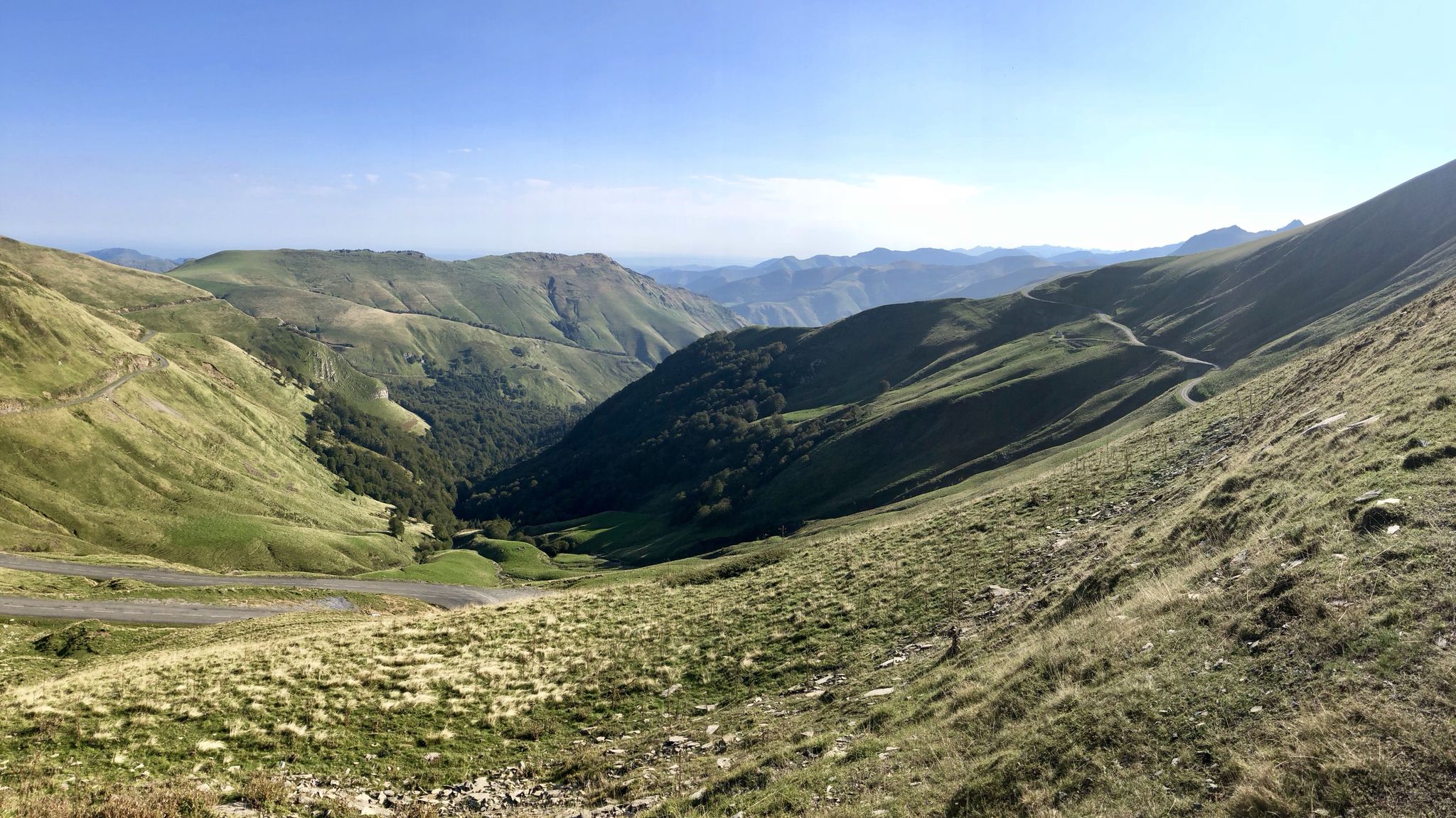
Euskal Herria footpath (GR 12) – The infinite mountain range
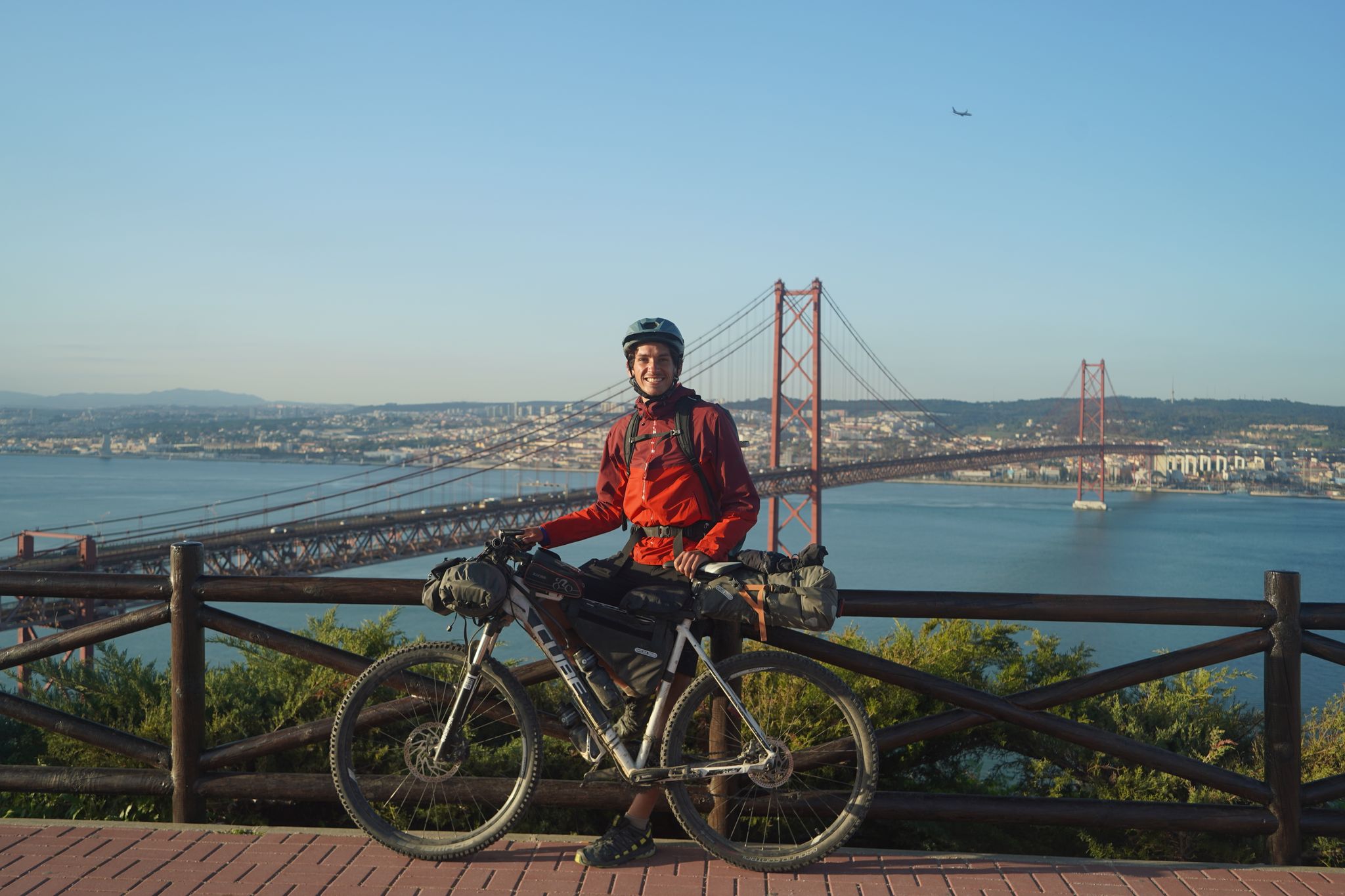
Road to Lisbon – bikepacking the Alps, Pyrenees and Picos de Europa
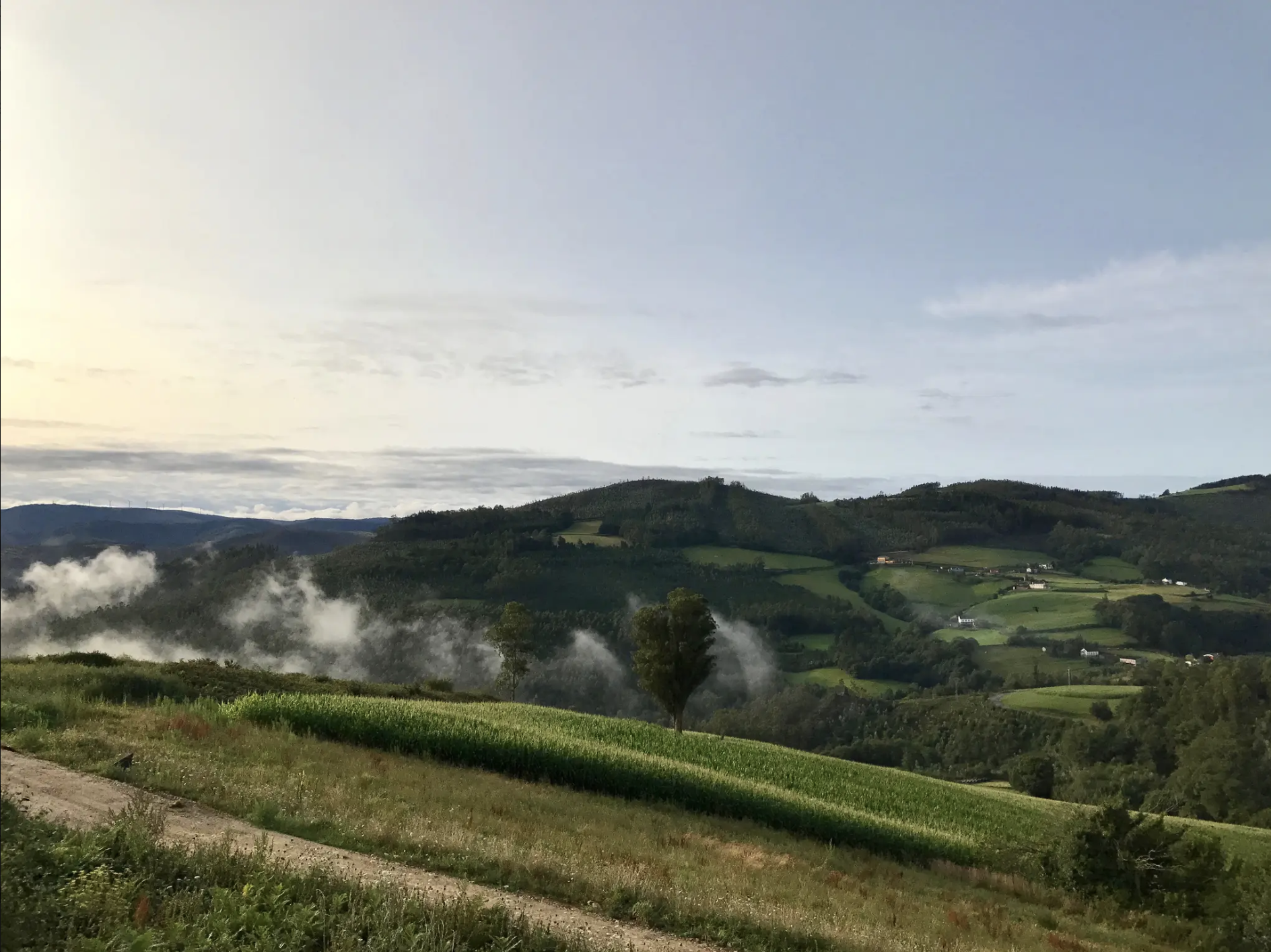
Camino del Norte (in reverse) – Discovering northern Spain's stunning coastline
The Ignatian Way - In the footsteps of Ignatius of Loyola
Legendary climbs - Ports of La Vuelta a España
Royal Road of La Sopeña - GR 284
Nature and Culture — The Tour of Urdaibai (GR 98)
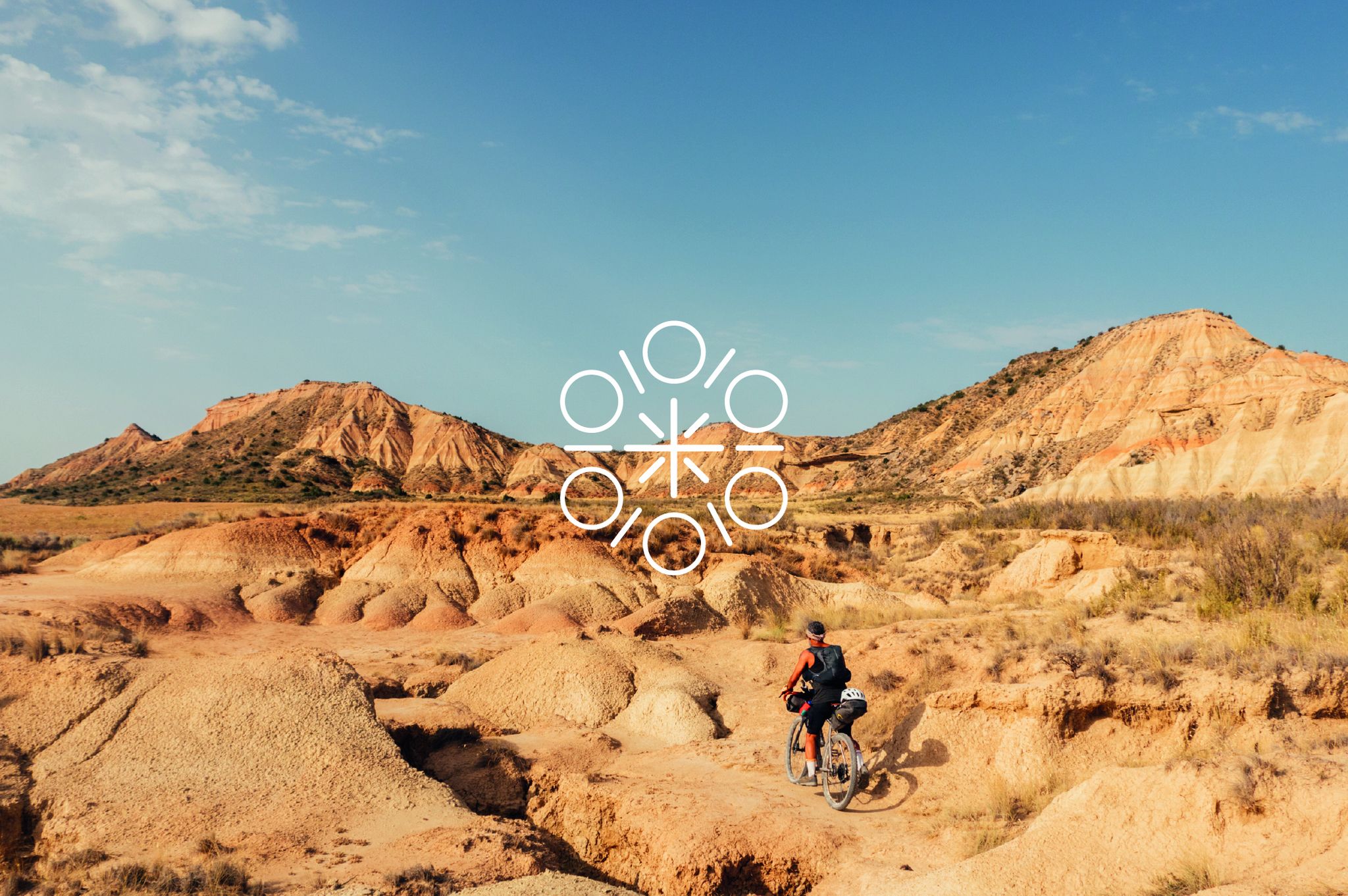
Zazpiak Bat Packing – a cycling adventure in the Basque Country
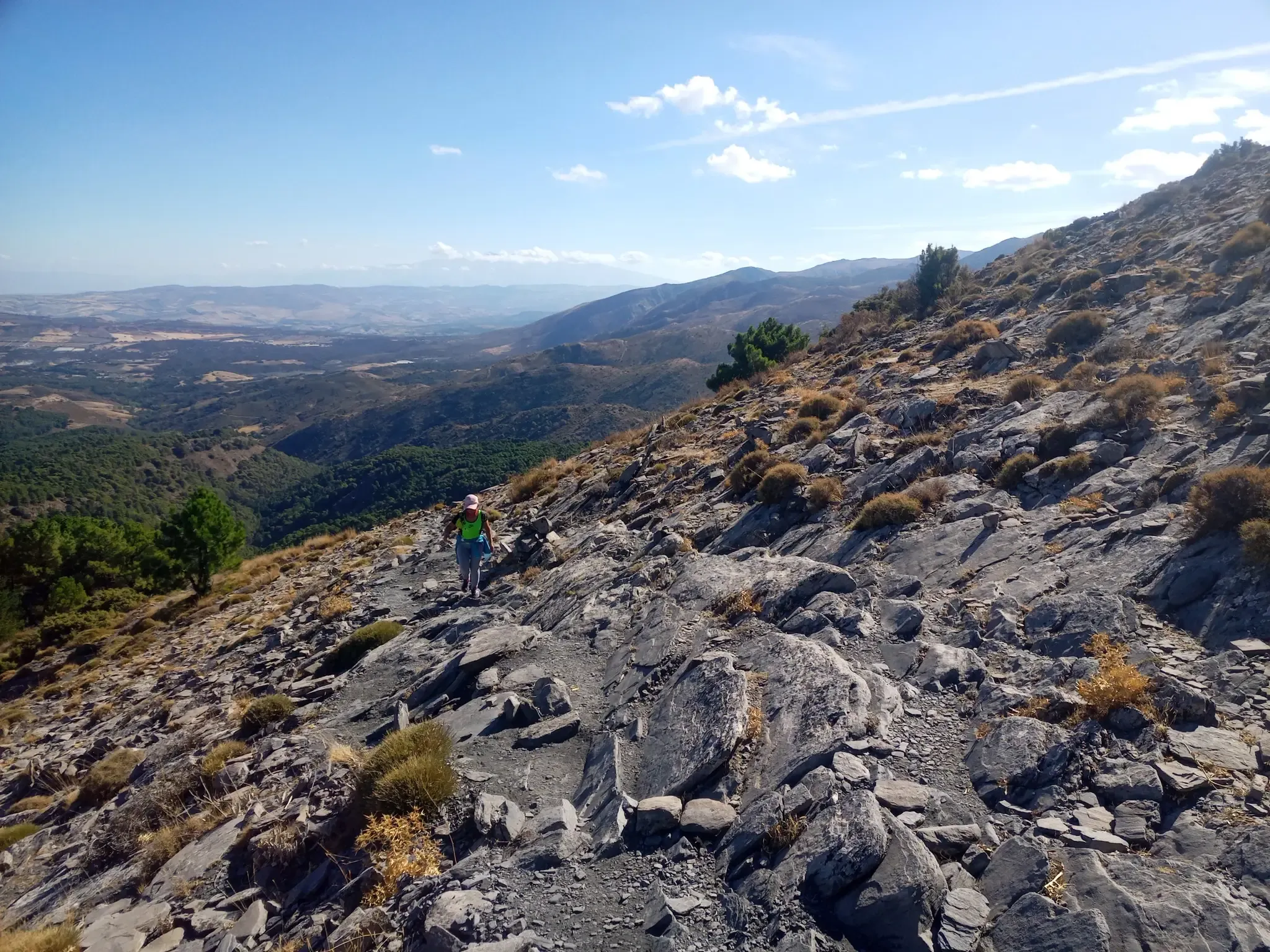
12 hiking gems throughout Spain
Other adventures in the Basque Mountains


Tips from the Community

The waterfall looks magically beautiful, widening as it cascades over the limestone basins. From the bridge at the foot of the waterfall, you can look into the large lower basins, where the water has a turquoise-blue color. The scene could also fit well into a fantasy film, at the center of a valley of fairies or elves. Light was very good for taking photos in the late morning. If, however, you arrive only in the early evening, the sun is above the waterfall and is blinding - but then the large basins on the other side of the bridge at the foot of the waterfall are particularly beautiful.
0
0
The view through the devil's eye onto the coast at Sonabia is breathtakingly beautiful and rewards the strenuous journey here. The stone arch can be reached either via the coastal path between Sonabia and Villanueva or, less spectacularly, through the mountains to the south from a parking lot near the A8. An absolute postcard motif!
0
0

RAMALES has a history closely linked to the victory of the liberals over the Carlists (1839), which earned General Espartero the title Duke of Victory. This battle would forever mark the capital of the Boven-Asón region, and since then the town has been known as "de la Victoria" (of Victory).
11
0

The waterfall springs from the Cueva del Agua from a height of over 20 meters, at the base of the rocky cirque that embraces the village, originating from an aquifer located in the subsoil of the Páramo de Bricia, and it leaps everywhere, dividing the village into two halves, the Villa and the Puebla, and descends among the stone houses, creating a most photogenic scene.
2
0

A beautiful set of caves that, very rarely, have a waterfall with water.
0
0

A spectacular area for hiking trails
0
0

Ideal for taking a dip on hot days!
1
0

Frequently Asked Questions
What are some of the most unique geological features found in the Basque Mountains caves?
The Basque Mountains are home to diverse geological wonders. Eye of Aitzulo offers extraordinary views from within a natural rock arch. Pozalagua Cave is famous for having the world's highest concentration of eccentric stalactites, also known as helictites, which defy gravity. Oxocelhaya Cave, part of the Isturitz and Oxocelhaya complex, is celebrated for its monumental calcite concretions, including impressive stalactites, stalagmites, and draperies.
Are there caves in the Basque Mountains with prehistoric art or archaeological significance?
Yes, the region is rich in prehistoric sites. Ekain Cave, a UNESCO World Heritage site, is renowned for its exceptionally well-preserved Palaeolithic cave paintings, particularly its depictions of horses (accessible via the Ekainberri replica). Santimamiñe Cave, located in the Urdaibai Biosphere Reserve, contains significant rock paintings up to 14,000 years old. Isturitz Cave also features remarkable engravings and paintings, with evidence of human occupation dating back 80,000 years.
Which caves in the Basque Mountains are suitable for families with children?
Several caves in the Basque Mountains are family-friendly. Natural Rock Arch of Puentedey and Portupekoleze Arch are natural monuments that are easy to visit. Sare Caves offer guided tours with sound and light, a museum, and a megalithic park, making for an engaging experience for all ages. Los Goros Caves and Cullalvera Cave are also noted as family-friendly options.
What is the best time of year to visit caves in the Basque Mountains?
Caves generally maintain a consistent temperature year-round, making them a good option in any season. However, visiting during spring or autumn allows for comfortable exploration of the surrounding natural areas before or after your cave visit. Some caves might have specific seasonal opening hours, so it's always best to check their official websites before planning your trip.
Are there accessible caves in the Basque Country for visitors with disabilities?
Pozalagua Cave is known for its good accessibility, offering pathways suitable for visitors, including those with disabilities. It was even awarded the Repsol Guide's 'Best Place in Spain' in 2013, partly due to its inclusive design.
What kind of outdoor activities can I do near the caves in the Basque Mountains?
The Basque Mountains offer a variety of outdoor activities. You can find numerous hiking trails, such as the 'Orkatzategi through the Eye of Aitzulo' route, or explore road cycling and gravel biking routes. For more details on routes and their difficulty, you can check the Hiking in the Basque Mountains, Road Cycling Routes in the Basque Mountains, and Gravel biking in the Basque Mountains guides.
Can I find any historical sites or religious buildings associated with caves in the region?
Yes, several caves have historical or religious significance. The San Adrián Tunnel is a historical site that has been used by merchants and pilgrims for centuries and contains a small, ancient chapel. The Hermitage of San Bernabé of Ojo Guareña is another religious building located within a cave system, offering a unique blend of natural and cultural heritage.
What are some of the paleontological discoveries made in the Basque Mountains caves?
Arrikrutz Caves are particularly significant for paleontological discoveries. They are home to the only complete skeleton of a cave lion found on the Iberian Peninsula, along with remains of cave bears and panthers, offering a glimpse into prehistoric fauna.
Are there any caves in the Basque Mountains known for local folklore or legends?
Urdax Caves, also known as Ikaburu Caves, are steeped in local folklore. They are associated with mythical beings called 'lamias' and have a rich history of serving as hiding places for smugglers and refuges for guerrillas, adding a layer of intrigue to their natural beauty.
What do visitors particularly enjoy about the caves in the Basque Mountains?
Visitors frequently highlight the extraordinary views, such as those from within the Eye of Aitzulo, and the majestic panoramic views from natural rock windows like Devil's Eye. The unique geological formations, the historical and archaeological significance, and the blend of natural beauty with cultural insights are also highly appreciated.
Are there any caves in the French Basque Country worth visiting?
Yes, the French Basque Country offers notable cave experiences. The Isturitz and Oxocelhaya Caves are significant prehistoric sites with archaeological layers and stunning natural formations. Sare Caves, located in one of France's most beautiful villages, combine geological wonders with prehistoric heritage and cultural insights into Basque legends.
Can I find caves that are part of larger natural parks or reserves?
Yes, several caves are situated within protected natural areas. Santimamiñe Cave is located in the Urdaibai Biosphere Reserve, and Pozalagua Cave is within the Armañón Natural Park, offering additional attractions and opportunities for nature exploration alongside your cave visit.
Most popular routes in the Basque Mountains
Most popular attractions in the Basque Mountains

Get inspired with the komoot mobile app


Explore more
Extend your search for the best caves by checking out these guides of the top ones in the Basque Mountains:
