Top 5 Caves in Hainaut
Best caves in Hainaut offer a unique underground experience within Wallonia, Belgium. The region is notable for its historically significant Neolithic flint mines, recognized as a UNESCO World Heritage site. Hainaut also features various natural karstic sites with distinct geological formations. These subterranean locations provide insight into prehistoric human activity and natural ecological systems.
Best caves in Hainaut
- The most popular caves is Neolithic Flint Mines of Spiennes, a historical_site that represents one of the largest and earliest Neolithic…
Last updated: May 15, 2026
Neolithic Flint Mines of Spiennes
Highlight • Historical Site
Translated by Google •
Tip by

Saracens' Cave
Highlight • Cave
Translated by Google •
Tip by

Sign up now to discover places like this
Get recommendations on the best single tracks, peaks, & plenty of other exciting outdoor places.
Sign up for free
Trou des Sarrazins
Highlight • Cave
Translated by Google •
Tip by

Information Board Crypt Bats
Highlight • Historical Site
Showing Translation
Tip by

Medieval cellar of the tourist office
Highlight • Cave
Romanesque cellar from the beginning of the 13th century.
This cellar is built …
Translated by Google •
Tip by

Start today with a free account
Your next adventure awaits.
Login or Signup
Popular around Hainaut
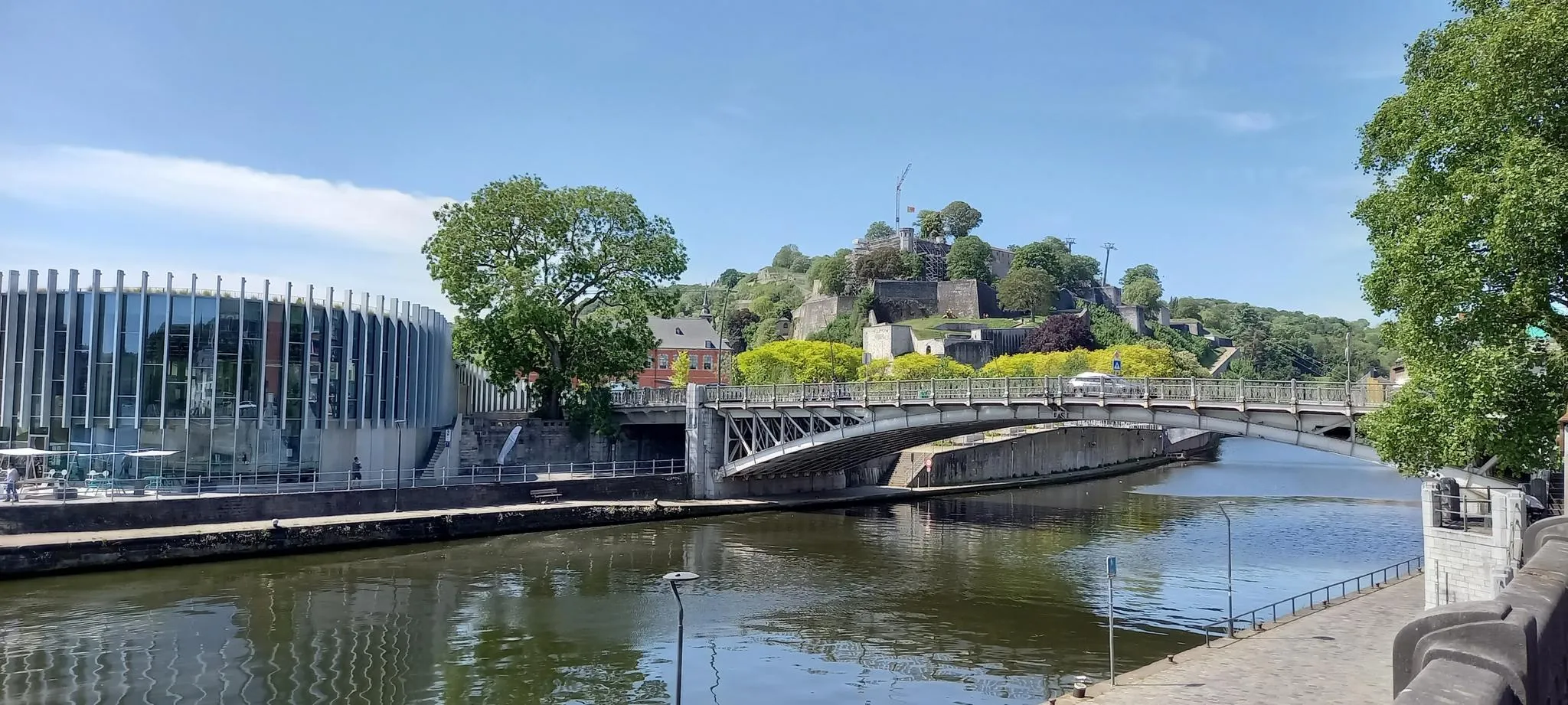
EuroVelo 3 — The adventure in the heart of Belgium
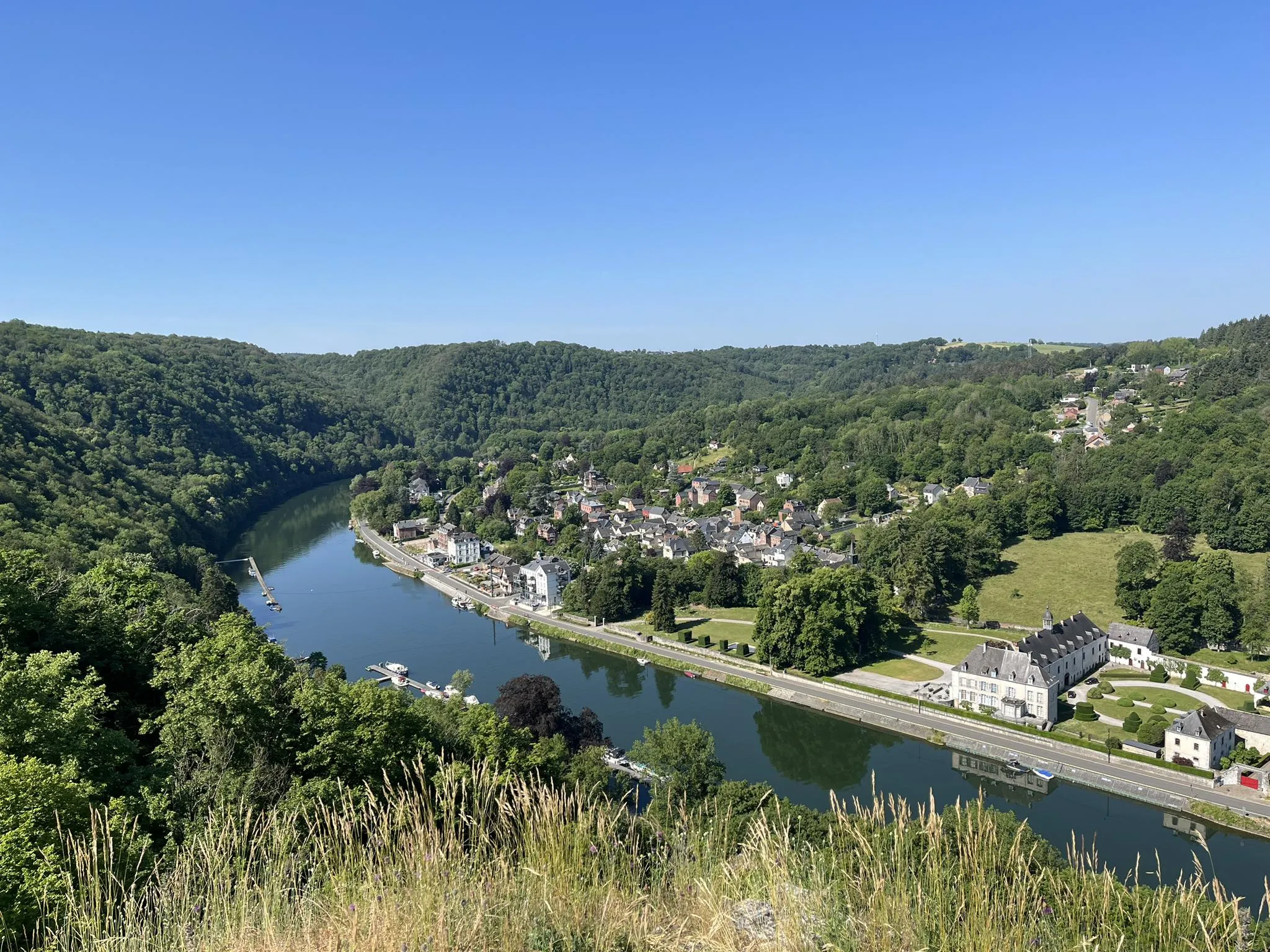
Sentier des abbayes trappistes part 1 – Between nature and gastronomy
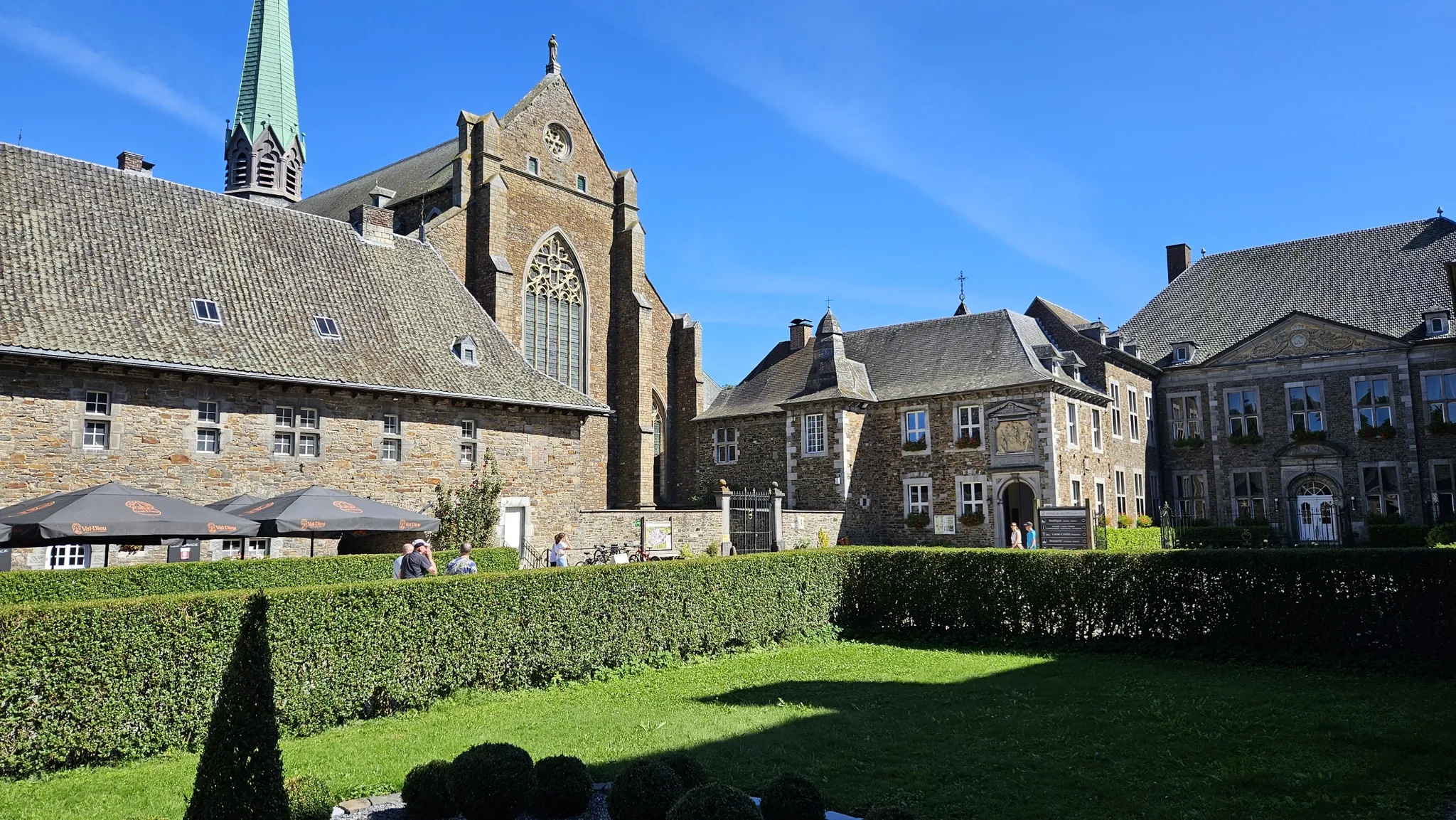
Trappist abbeys cycle route – Between beers and heritage
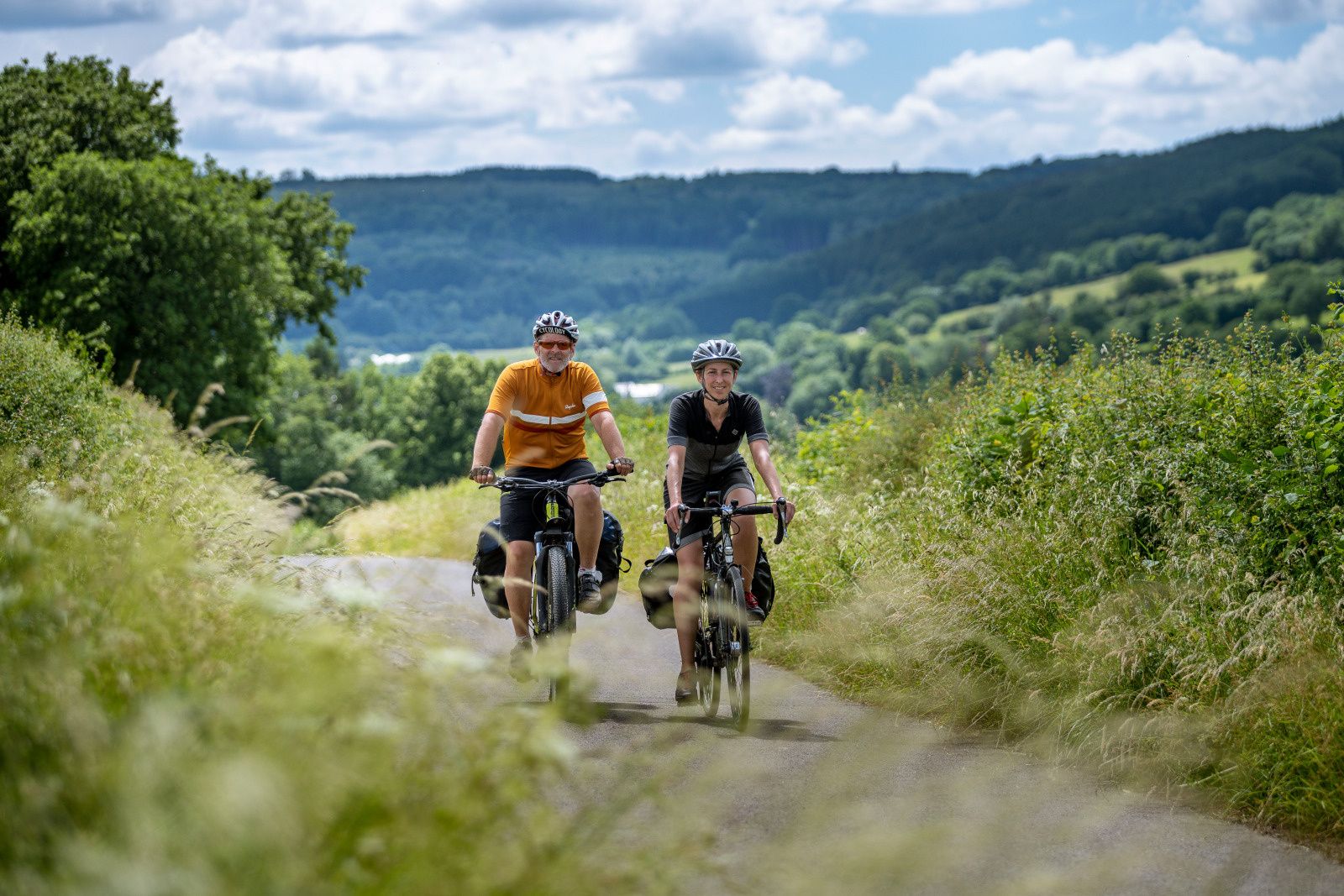
The most beautiful bike rides in Wallonia – pure nature and culture
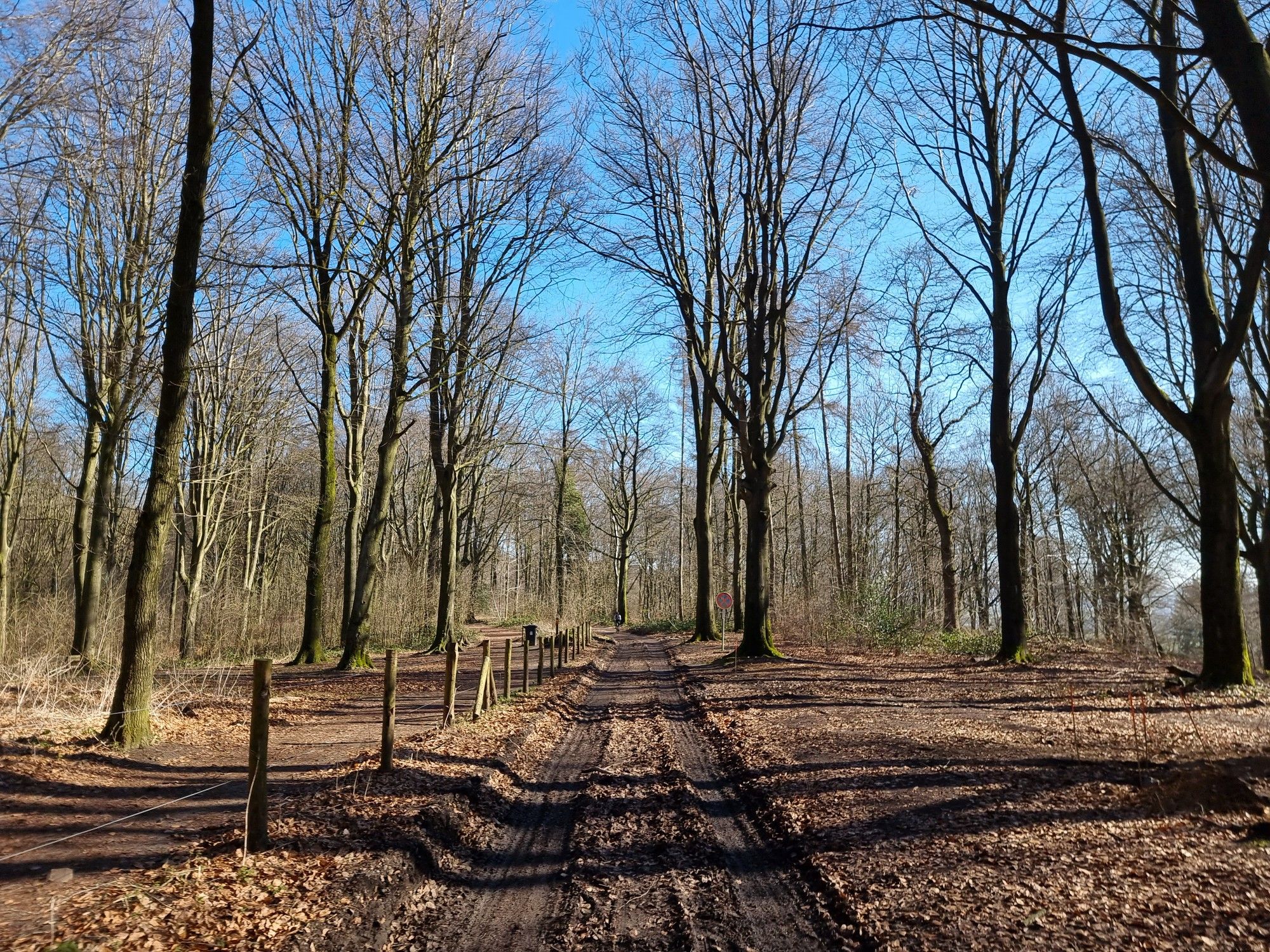
Grande Randonnée GRavel — Western Hainaut
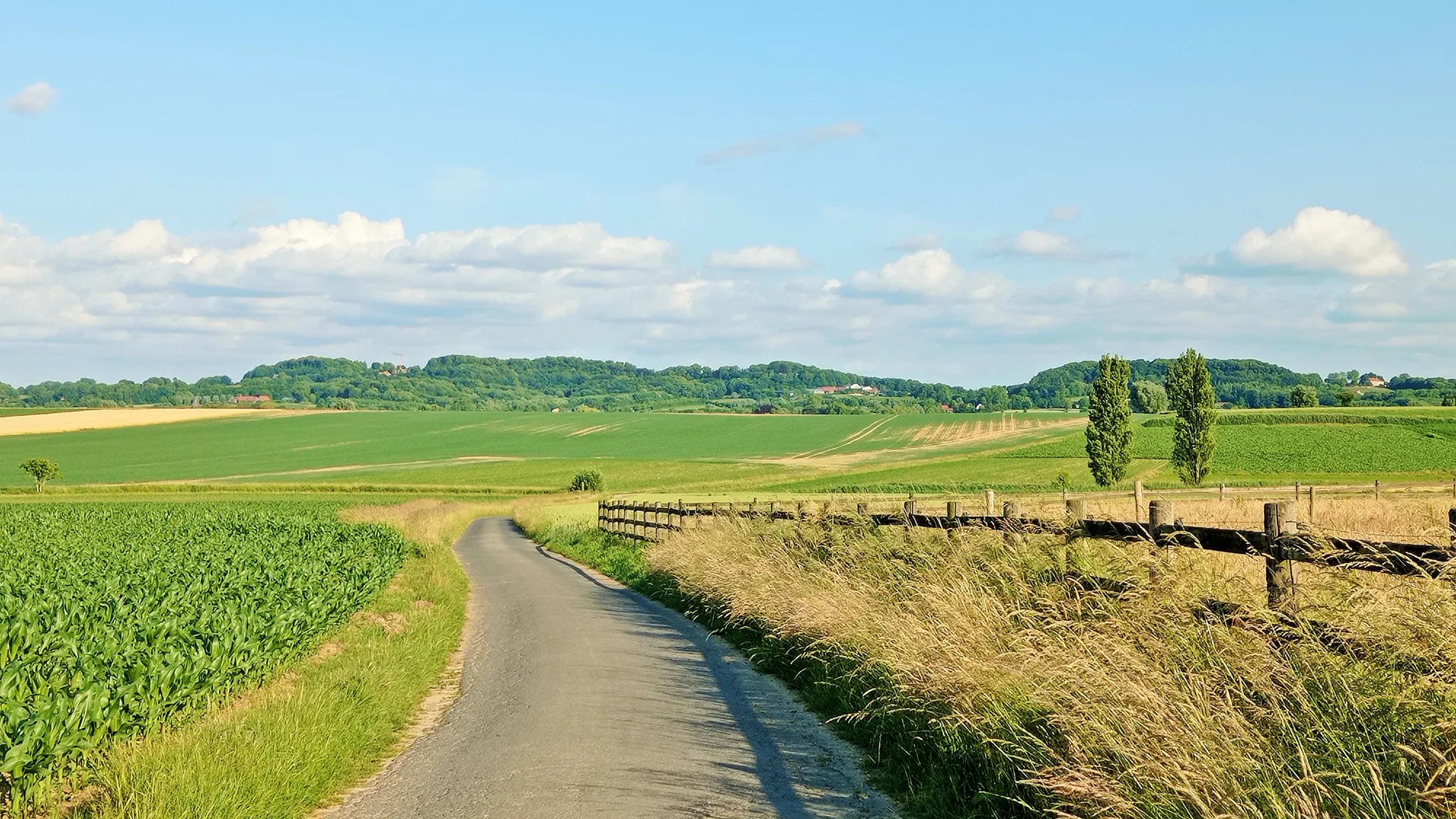
Seven-day Cycling tour through the South-Flemish hills – Hilly Route
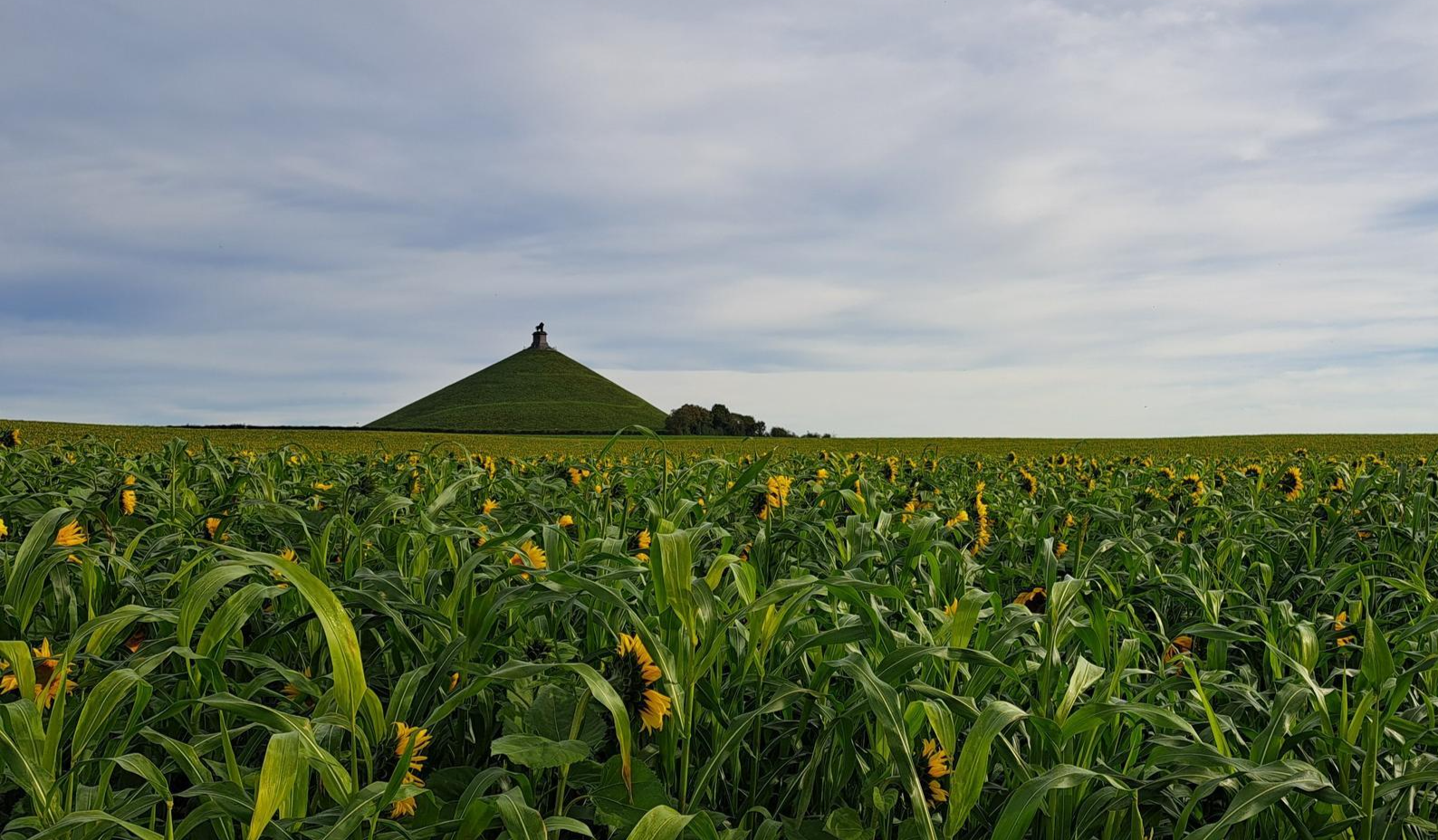
Crossing from east to west — Wallonia by Gravel
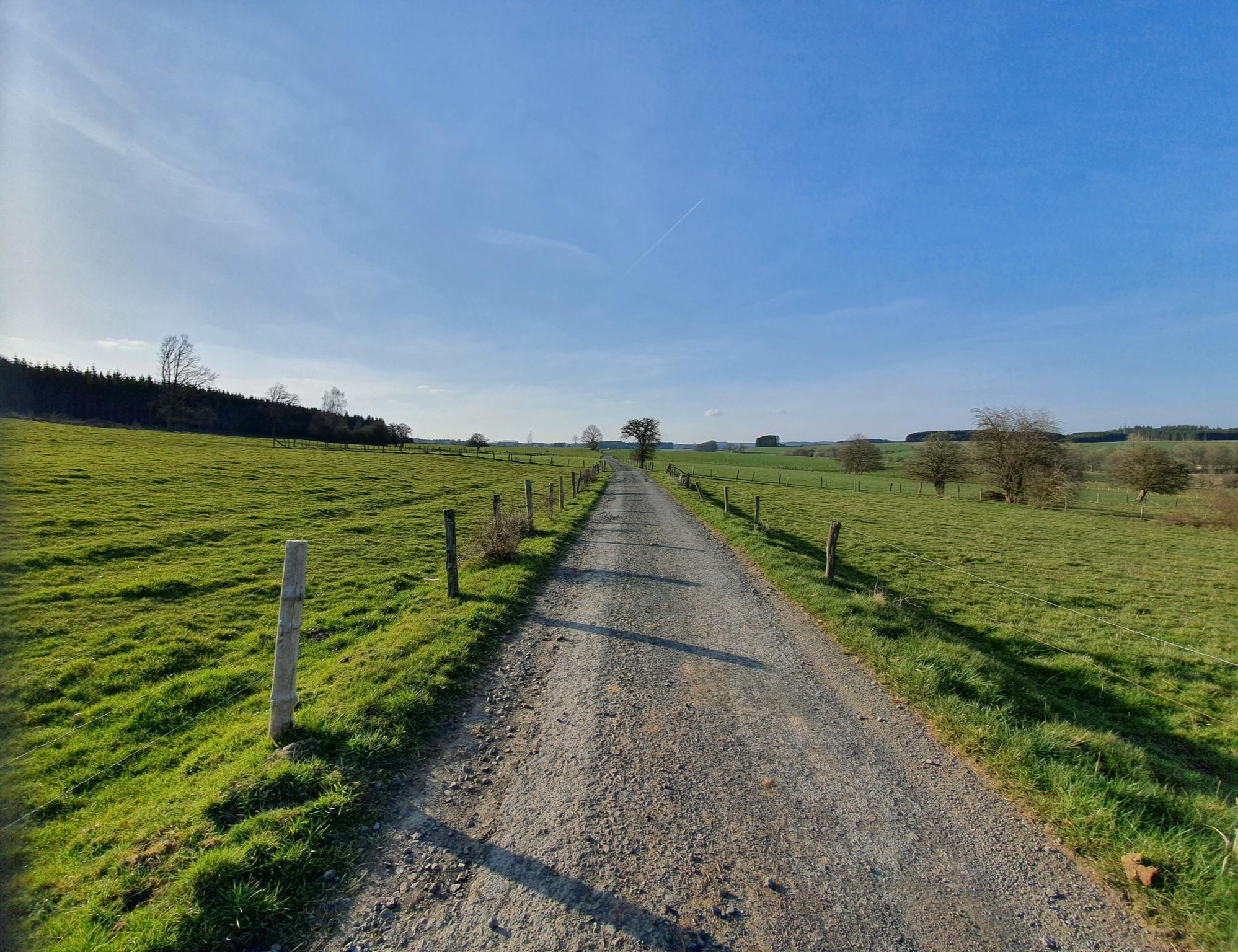
GR 2 d’Orval à Renaix — The Parcs Naturels du sud de la Belgique in gravel
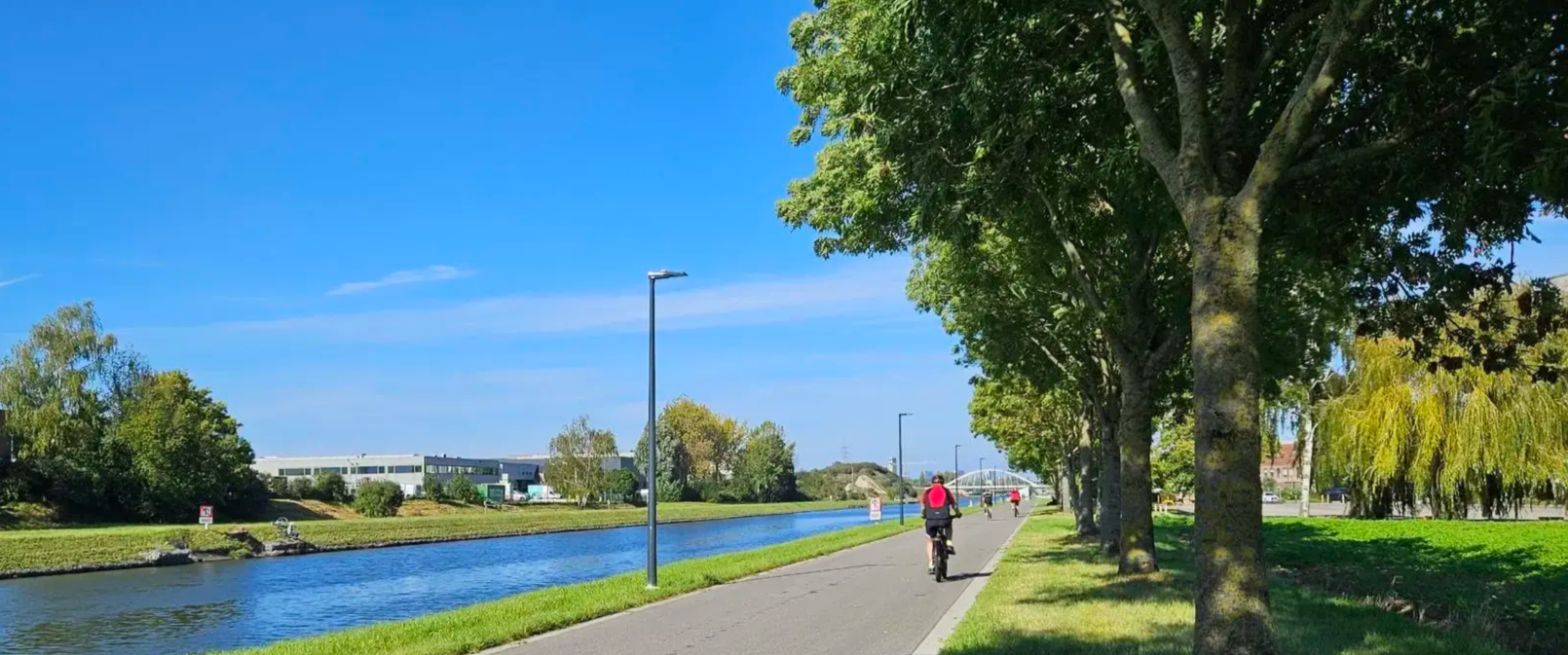
Wallonia by bike — RV1 : Along the water
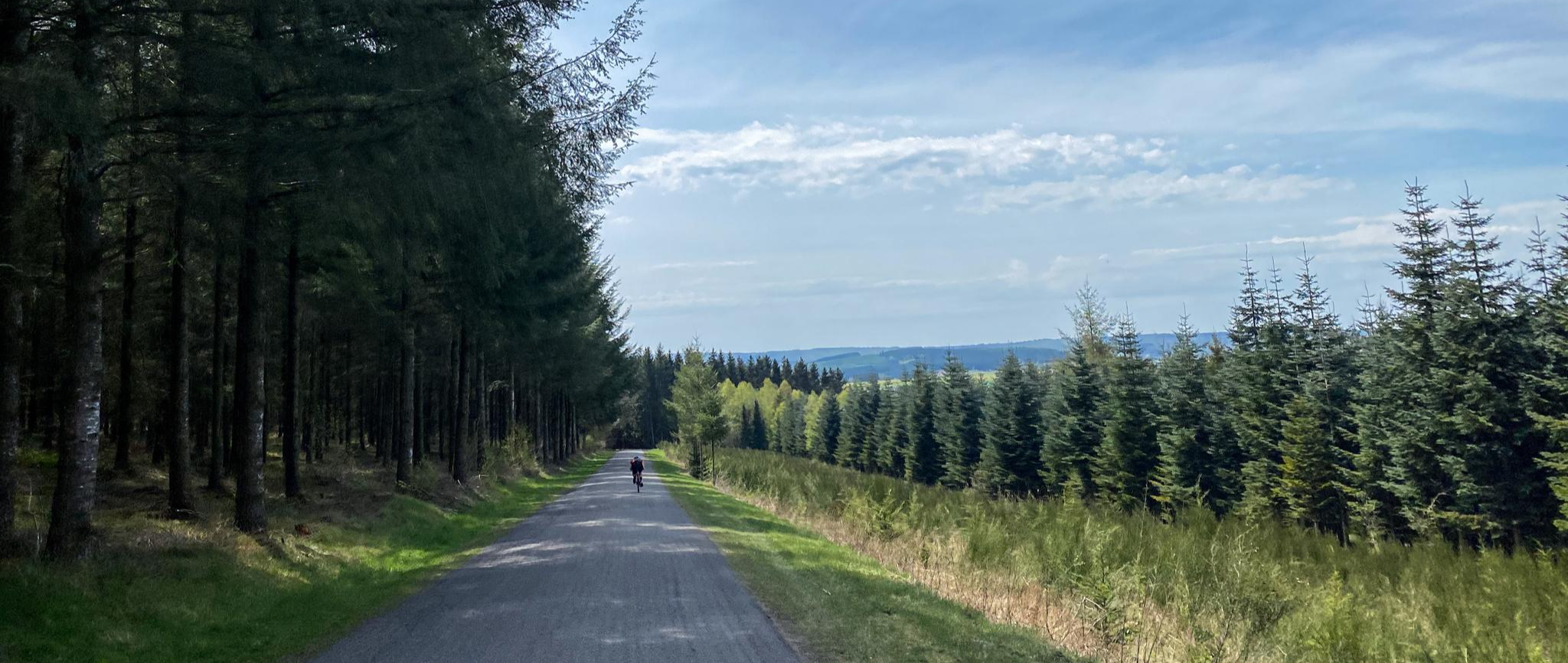
From Picardie to the Ardennes — Crossing Wallonia by Bike
Other adventures in Hainaut


Tips from the Community


The Saracens Cave (or Hole) is located on the right bank of the Fond des Haies stream. There are several entrances, but access is narrow and limited. It is far less impressive than some of the caves in the Ardennes or Namur region, but it still has its charm. The small paths leading to it can be dangerous without sturdy footwear or in wet weather.
0
0

The Trou des Saracens is a karst cave formed several million years ago. Used since the Neolithic era, this site served as a refuge and habitat. The waters deposited stones containing iron ore, called “Sarrazin” by the local inhabitants, supplying the Virelles forges until the 18th century. Today, the cave is protected for its archaeological and ecological value, particularly for the hibernation of bats.
0
0

The museum from 2015, built on top of several prehistoric mine shafts (up to 15m deep), can be visited individually (€6/pp; free with MuseumPass). If you also want to descend into one of the mine shafts via ladder (only at 2 pm), you must book this at least one day in advance at the Bergen tourist office, info on the website. Cost: €8/pp on top of museum admission. But for this you get a detailed tour from the excellent guide (we had a perfectly trilingual FR-NL-EN!) First above ground through the museum and then underground. Attention: maximum group of 12 people and children under 10 years not allowed.
0
0

In this crypt the bats almost fly at your hair. You will also go to the treasure room from here.
8
2

The Spiennes flint mine is one of the oldest of its kind in Europe. The coveted material was mined here for over two thousand years between 4,300 and 2,300 BC. You can visit the mine if you book in advance.
2
1

Vaulted medieval cellar in the Tourist Office building. Open to the public and used for temporary exhibitions. Romanesque cellar from the beginning of the 13th century. This cellar is built entirely of local blocks and covered with cross vaults that rest on columns and low-hanging corbels in the side walls.
6
0

The Neolithic flint mines in Spiennes are located in the province of Hainaut in Belgium, in Spiennes, a borough of Mons (Mons). It is an archaeological site with flint mines from the Neolithic. For two millennia between 4300 and 2300 BC. flint or silex was mined and processed. Over an area of more than 100 hectares, traces of thousands of pits made to extract flint, which are particularly suitable for making stone tools such as axes and blades, can be found. Suitable stones were processed on site by specialized stonecutters. The site contains millions of flint deposits, the waste from the processing workshops. Source: Wikipedia
1
1
Frequently Asked Questions
What are the most historically significant caves in Hainaut?
The most historically significant caves are the Neolithic Flint Mines of Spiennes. This UNESCO World Heritage site showcases ancient mining techniques used for flint extraction between 4300 and 2200 BC, offering a rare glimpse into prehistoric human ingenuity. You can explore the interpretive center, SILEX'S, and even descend into a real Neolithic flint mine.
Are there any natural caves with unique geological features in Hainaut?
Yes, the Saracens' Cave (Grotte des Sarrazins) is a notable natural karstic site. It features unique geological formations such as diaclases, chatières (narrow passages), stalagmitic floors, and gours (natural dams formed by calcite deposits). It's also recognized for its ecological richness and bat populations.
Are there any family-friendly caves or underground attractions in Hainaut?
The Medieval cellar of the tourist office is a wheelchair-accessible historical site that can be enjoyed by families. It's a Romanesque cellar from the 13th century, often used for temporary exhibitions. For a more adventurous family, the Neolithic Flint Mines of Spiennes offer an educational experience, though some parts may require advance booking and descent into a mine.
What is the typical difficulty level for exploring caves in Hainaut?
Difficulty levels vary. The Neolithic Flint Mines of Spiennes can involve descending into a mine, which requires advance booking. Natural caves like Saracens' Cave can have narrow and limited access, with paths that may be challenging, especially in wet weather. Sturdy footwear is recommended for these natural sites.
What kind of wildlife can be found in Hainaut's caves?
Hainaut's caves are important habitats for various species, particularly bats. The Saracens' Cave is classified as a 'Scientific Interest Underground Cavity' due to the presence of bats, such as the whiskered bat. The Trou des Sarrazins is also protected for its ecological value, especially for bat hibernation.
Are there any guided tours available for caves in Hainaut?
For the Neolithic Flint Mines of Spiennes, entry into the mine must be made with advance booking, which often includes a guided experience. It's advisable to check the official website for SILEX'S or VisitMons for tour availability and booking details.
What should I wear for cave exploration in Hainaut?
For natural caves, sturdy footwear is essential, especially as paths can be difficult or wet. Temperatures underground are generally cooler and consistent, so layers are advisable. If you plan to descend into a mine, specific safety gear might be provided or required, so check with the site beforehand.
What outdoor activities can I do near the caves in Hainaut?
Hainaut offers a variety of outdoor activities. You can find numerous waterfall hikes, with routes like 'The Abbey Tower – Pairi Daiza Zoo loop'. There are also many road cycling routes, such as the 'Blue Square Route' or 'Boucle du Haut-Pays'. For those seeking more challenging terrain, mountain hikes are available, including trails around 'Hellegat Forest'.
Are there any caves in Hainaut that are open during winter?
Information on winter openings can vary. Historical sites like the Neolithic Flint Mines of Spiennes and the Medieval cellar of the tourist office are more likely to have consistent opening hours year-round, but it's always best to check their official websites for current schedules before planning a visit. Natural caves might have limited access or be less advisable in adverse weather conditions.
What is the 'Information Board Crypt Bats' highlight?
The Information Board Crypt Bats is a unique historical site and cave. It's known for its bat population and offers an atmospheric experience, with visitors noting that bats can fly quite close. It's also mentioned as a starting point to reach a 'treasure room'.
Are there any less-known or more authentic cave experiences in Hainaut?
While less impressive in scale than some larger caves in other regions, the Saracens' Cave offers an authentic and charming experience with its unique geological formations and ecological significance. Access can be narrow and limited, providing a more rugged and less commercialized exploration. Local legends also connect these caves with 'little cave men' or 'gnomes'.
Most popular routes in Hainaut
Most popular attractions in Hainaut

Get inspired with the komoot mobile app


Explore more
Extend your search for the best caves by checking out these guides of the top ones in Hainaut:
