Top 9 Caves in Flemish Brabant
Best caves in Flemish Brabant often refer to man-made underground spaces or religious grottoes, as prominent natural geological caves are not a characteristic feature of the region. Flemish Brabant is a Belgian province known for its historical towns, agricultural landscapes, and cultural heritage. The terrain generally features gentle hills and river valleys, providing a varied landscape for exploration. While lacking natural karstic cave systems, the region offers unique subterranean experiences shaped by human activity and religious devotion.
Best caves in…
Last updated: August 7, 2026
Park Cerckel: Historic Gate, Grotto, and Iron Bridge
Highlight • Historical Site
The park was later laid out by the brewing family of Cerckel Brewery.
It was opened …
Translated by Google •
Tip by

Poelk Grotto
Highlight • Religious Site
Translated by Google •
Tip by

Sign up now to discover places like this
Get recommendations on the best single tracks, peaks, & plenty of other exciting outdoor places.
Sign up for free
Grotto of the Virgins of Brustem
Highlight • Religious Site
Translated by Google •
Tip by

Eikelberg Lourdes Grotto
Highlight • Religious Site
Translated by Google •
Tip by

Lourdes Grotto Tielt-Winge
Highlight • Religious Site
Translated by Google •
Tip by

English Bridge and Grotto - Meise Botanic Garden
Highlight • Bridge
Translated by Google •
Tip by

Heroes' Square
Highlight • Monument
Translated by Google •
Tip by

Grotto of Our Lady of Justice
Highlight • Religious Site
Translated by Google •
Tip by

The Brugkrocht (the Blood Caves)
Highlight • Bridge
Translated by Google •
Tip by
Grotto Chapel of Omloopstraat
Highlight • Religious Site
Tip by

Sign up for free to discover even more caves in Flemish Brabant.
Sign up for free
Already have an account?
Start today with a free account
Your next adventure awaits.
Login or Signup
Popular around Flemish Brabant
From Flanders to the Ardennes — GR 5 in Belgium
Streek-GR Hageland – Hollow roads and endless fields
Trappist abbeys cycle route – Between beers and heritage
Flanders Divide - Across Flanders
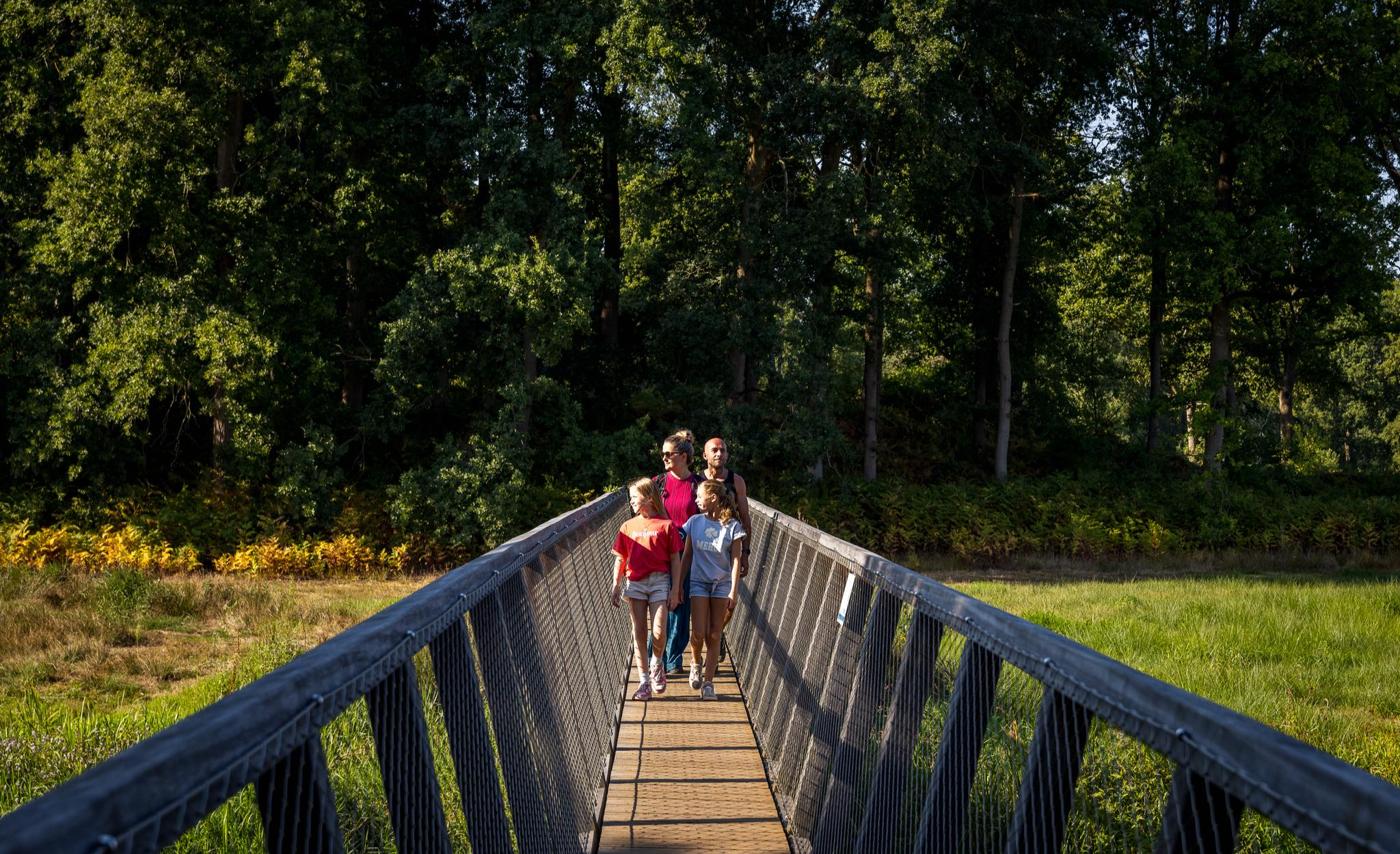
Flanders’ Finest Hiking Routes
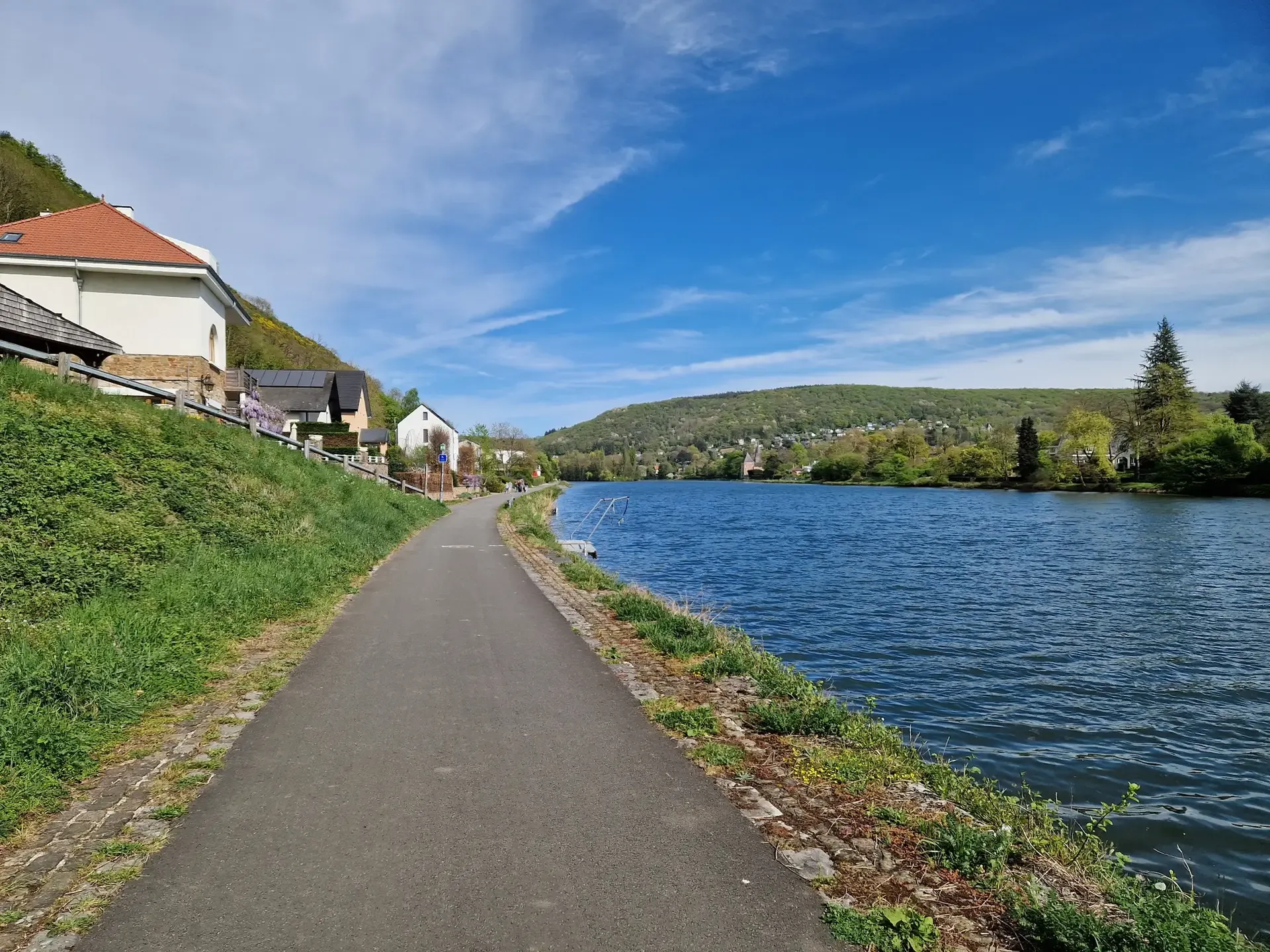
La Wallonie à vélo - RV2 : La Namuroise
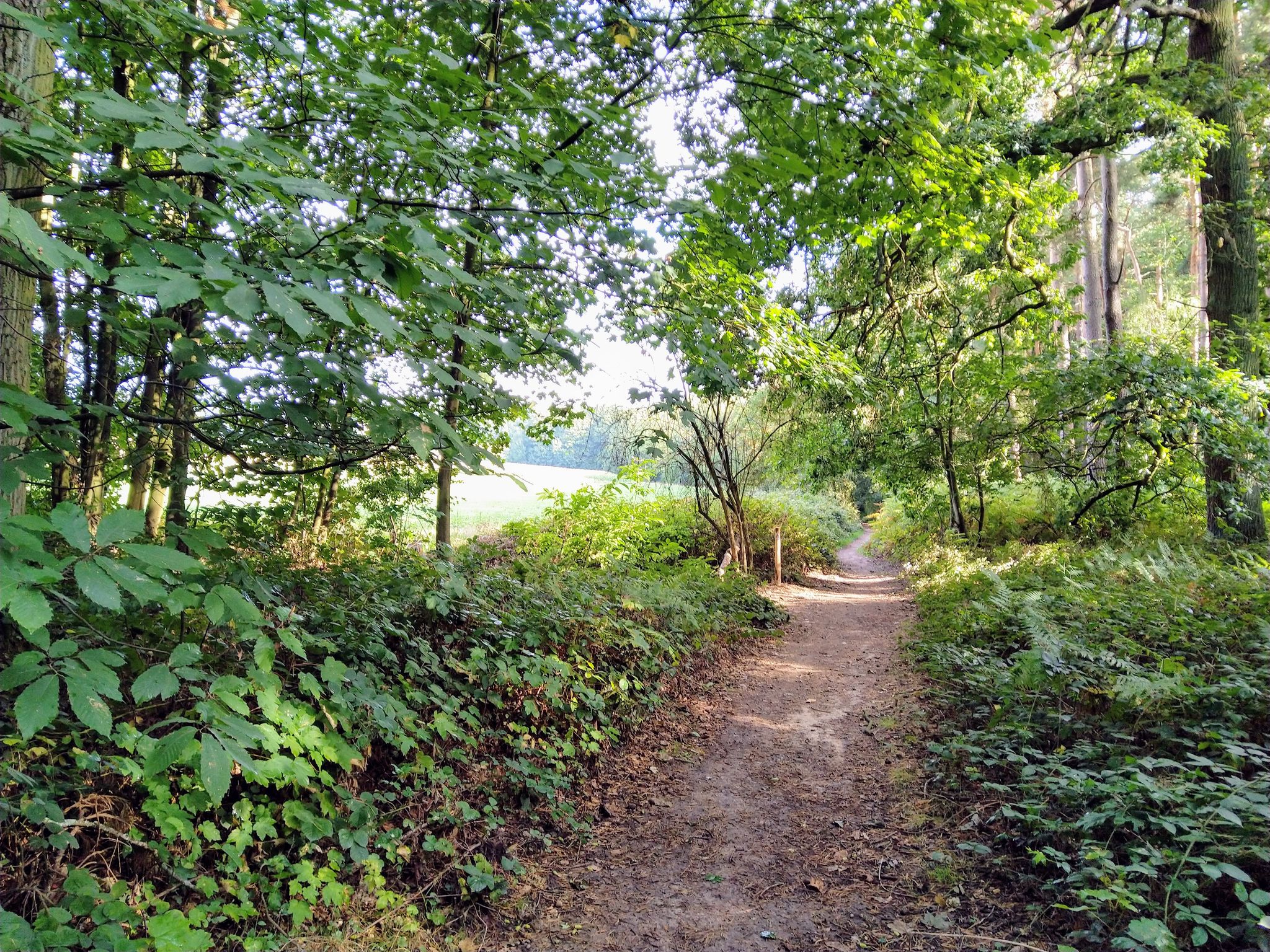
MTB Challenge – the Frans Claes route
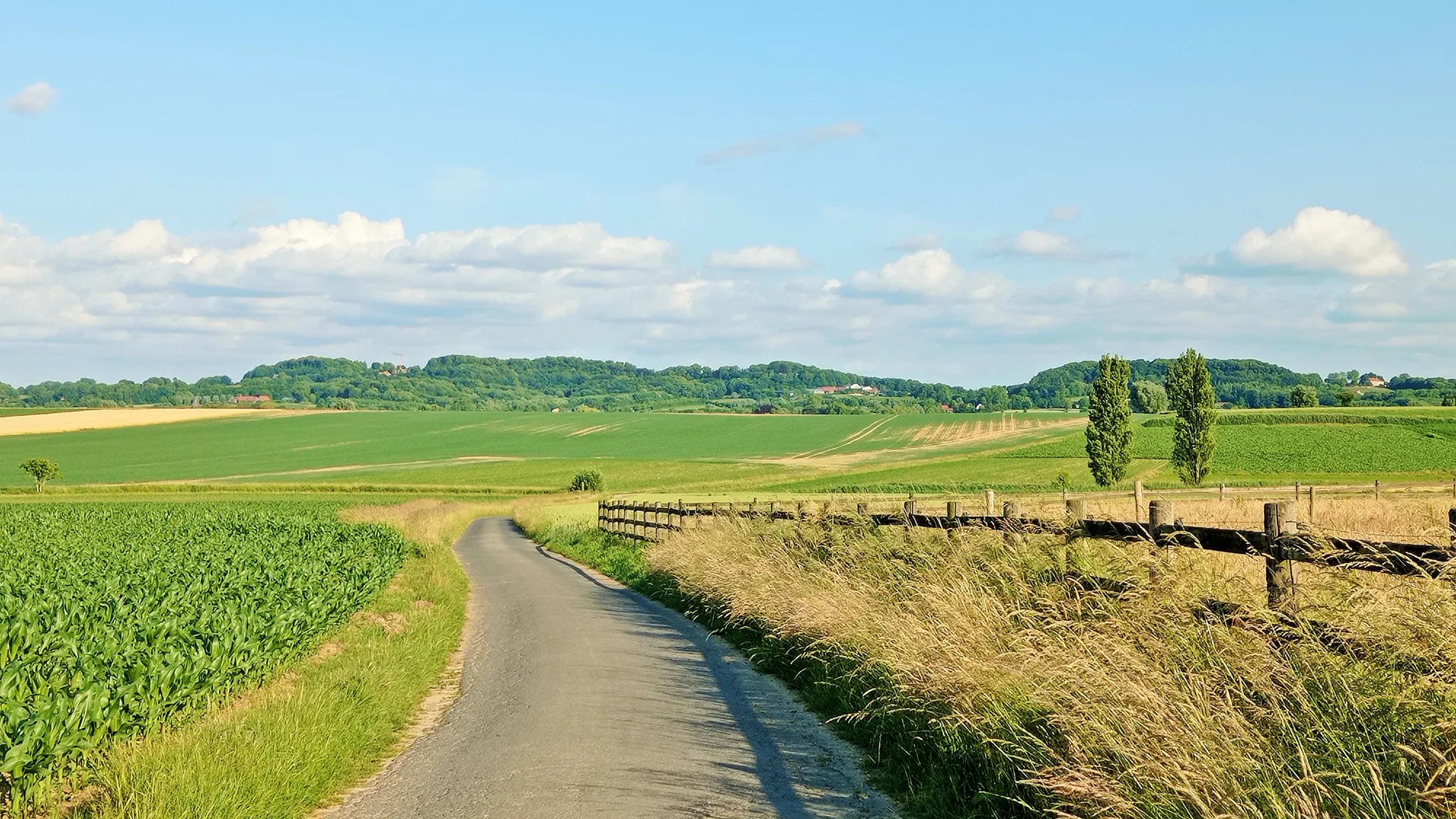
Seven-day Cycling tour through the South-Flemish hills – Hilly Route
Tour around Brussels – Streek-GR Groene Gordel
Through the valley of the Dijle – Streek-GR Dijleland
Other adventures in Flemish Brabant


Tips from the Community

This charming English landscape-style bridge leads you to a surprising element: a small, hidden grotto. Together they form a playful piece of garden architecture, typical of romantic 19th-century parks. The combination of water, stone, and greenery creates a mysterious and atmospheric place, as if you've discovered a secret passage.
2
0

Lourdes grotto at the foot of the Eikelberg.
0
0

The Lourdes Grotto was built by the late Jef Van Dessel, a former Aarschot police officer. He cycled from Aarschot to Lourdes several times. From the book "The Little Houses of Aarschot": This collection of grottoes and chapels is located on the property adjacent to Grotstraat and Kleine Grotstraat... This busy pilgrimage site, which dates back to 1954, can be entered through an iron gate... The plot is demarcated with gray-painted concrete slabs and a wire fence at the rear. Within this fence, trees and shrubs are scattered throughout. Pilgrims can use the numerous seating areas arranged in a theater-like fashion. At the front right of the property is the grotto of Our Lady of Lourdes. A Calvary, also arranged in the form of a grotto, stands centrally on the property. To the left of the Calvary is the chapel of the Brustem Sisters, and to the right is the semi-open chapel of St. Rita. This and more can be found at https://lourdesgrotten.com/2008/11/20/aarschot-grotstraat-20-11-8/
9
0


Nice passage where bats have also found their habitat.
4
0
Park Cerckel, in the Michel Theysstraat, breathes almost 800 years of history. In 1228, the order of the Friars Minor, one of the oldest monastic communities in Diest, established itself on the banks of the Demer. A large part of Diest was destroyed in 1580 by the troops of William of Orange, including the Friars Minor monastery. Soldiers robbed the tomb of Anna van Lotharingen (wife of René van Chalon). She was later reburied by the city council in the Sint-Sulpitius church. After 3 years of exile, the Friars Minor returned and started rebuilding. At the end of the 18th century, the monastery was sold publicly by the French, which meant the end for the Friars Minor in Diest. Only the infirmary and the round-arched gate were preserved. During the 19th century, the beer industry in Diest experienced strong growth. Brewery family Pieck - later Cerckel - bought about half of the monastery domain and transformed it into a beautiful pleasure garden. The vegetable gardens became a pond with a beautiful wrought iron bridge, the former monastery infirmary was converted into a garden pavilion with an orangery in its extension. When Brewery Cerckel disappeared, the beautiful city garden also fell into disrepair. In 1990, the city of Diest bought the park. With the renovation of the pond, bridge, cave and round arch gate, the park has welcomed the public again since April 2011. The infirmary and orangery are also being restored to their former glory. Source: https://www.diest.be/vrije-tijd/sport/wandelen/park-cerckel
0
0

Cool spot by the pond... And dark...
8
0

The Grotto of Poelk, located at the intersection of Grotstraat and Omloopstraat in the hamlet of Poelk (Roosdaal), is a Marian grotto that is a replica of the famous grotto in Lourdes. Founded in the 19th century by local residents, the grotto was built with sandstone from a demolished castle in the area and the statue of Mary was given a prominent place thanks to a donation from the family of mayor Frans Tondeurs. Since its foundation, the grotto has been a popular place of pilgrimage, where candle processions and Eucharistic celebrations take place every year in May, especially on Ascension Day.
1
0
Frequently Asked Questions
What kind of 'caves' can I expect to find in Flemish Brabant?
Flemish Brabant is not known for natural geological caves with formations like stalactites and stalagmites. Instead, the region features primarily man-made underground spaces, historical grottoes, and religious replicas of the Lourdes grotto. These sites offer unique cultural, historical, and spiritual experiences rather than natural caving adventures.
Are there any historical 'caves' or underground sites to visit?
Yes, you can explore historical sites that include underground elements. For example, Park Cerckel: Historic Gate, Grotto, and Iron Bridge in Leuven contains a 'love cave' and remains of a Franciscan monastery. Another notable site is the English Bridge and Grotto - Meise Botanic Garden, which features a historical grotto as part of its 19th-century landscape design.
What are the most popular religious grottoes in Flemish Brabant?
Several religious grottoes are popular in the region. The Poelk Grotto is a well-known replica of the Lourdes grotto, where candle processions and Eucharistic celebrations take place annually. Other significant religious sites include the Grotto of the Virgins of Brustem and the Grotto Chapel of Omloopstraat, which also offers a viewpoint after a climb.
Are there family-friendly 'caves' or grottoes in Flemish Brabant?
Many of the grottoes and historical sites are suitable for families. Sites like Park Cerckel, Poelk Grotto, and the Grotto of the Virgins of Brustem are categorized as family-friendly, offering accessible and engaging experiences for all ages.
What kind of natural features can I expect to see around these sites?
While the 'caves' themselves are mostly man-made, the surrounding areas often feature gentle hills and river valleys characteristic of Flemish Brabant's agricultural landscapes. Some sites, like the Grotto Chapel of Omloopstraat, offer viewpoints providing scenic vistas of the local terrain.
What outdoor activities can I do near the 'caves' in Flemish Brabant?
Flemish Brabant offers various outdoor activities. You can find numerous routes for gravel biking, with options ranging from 50 km to over 100 km. There are also mountain hikes, including moderate loops in the Sonian Forest, and various running trails through forests and natural areas.
Is there a significant underground system near Flemish Brabant that is worth visiting?
Although not in Flemish Brabant itself, the Grotten van Kanne (Caves of Kanne) in Limburg, near the Dutch border, is a remarkable man-made underground network. These extensive limestone quarries, excavated over centuries, span 16 kilometers of passages and feature an underground mushroom farm, a chapel, and a museum. It offers a unique insight into industrial heritage and subterranean history.
Are there any 'caves' that involve a physical challenge or climb?
The Grotto Chapel of Omloopstraat is known for its climb, providing a combination of spiritual reflection and physical activity to reach its viewpoint. Visitors describe the road leading to it as narrow in places, adding to the experience.
What do visitors appreciate most about the 'caves' and grottoes in Flemish Brabant?
Visitors often appreciate the peaceful and reflective atmosphere of the religious grottoes, the historical significance of sites like Park Cerckel, and the unique blend of cultural heritage with the surrounding natural landscapes. The community has shared 38 photos and given 95 upvotes to these sites, highlighting their appeal.
Can I find parking near these sites?
Some sites, such as Park Cerckel, are noted to have parking available, often on the edge of town. It's advisable to check local information for specific parking options when planning your visit to individual grottoes or historical sites.
What is the significance of Lourdes grottoes in Flemish Brabant?
Lourdes grottoes in Flemish Brabant, such as Poelk Grotto and Lourdes Grotto Tielt-Winge, are artificial or modified natural shelters designed as replicas of the Grotto of Massabielle in Lourdes, France. They serve as important Catholic pilgrimage sites and places of worship and reflection for the local community. You can learn more about their origin on Wikipedia.
Most popular routes in Flemish Brabant
Most popular attractions in Flemish Brabant

Get inspired with the komoot mobile app


Didn’t find what you were looking for?
Discover more caves in Flemish Brabant region by region:
Explore more
Extend your search for the best caves by checking out these guides of the top ones in Flemish Brabant:
