Top 16 Caves in South Limburg
Best caves in South Limburg offer a unique subterranean world carved out of soft marlstone. This region provides insights into ancient mining practices, wartime refuge, and serves as a vital habitat for bats. The diverse cave systems blend history, adventure, and natural beauty, making them a distinctive feature of the landscape.
Best caves in South Limburg
- The most popular caves is Château Neercanne, a castle that incorporates a limestone quarry used as a wine cellar and dining room. This…
Last updated: May 15, 2026
Château Neercanne
Highlight • Castle
Translated by Google •
Tip by

Lourdes Grotto Oostham
Highlight • Religious Site
Translated by Google •
Tip by

Sign up now to discover places like this
Get recommendations on the best single tracks, peaks, & plenty of other exciting outdoor places.
Sign up for free
Marl Caves of Vechmael
Highlight • Cave
Translated by Google •
Tip by

Grootberg
Highlight • Cave
Translated by Google •
Tip by

Lourdes Grotto Niel-bij-As
Highlight • Religious Site
On the other side of …
Translated by Google •
Tip by

Kanne Caves
Highlight • Cave
Marl, a sedimentary rock, was mined here. Mining in Kanne started before the 15th century. The villagers used …
Translated by Google •
Tip by

Grotto of the Immaculate Conception
Highlight • Religious Site
Translated by Google •
Tip by

Kanne Mushroom Farm
Highlight • Structure
The Dirk Jackers mushroom farm is the last active underground mushroom farm in the marl …
Translated by Google •
Tip by

Lourdes Grotto of Werm
Highlight • Religious Site
Translated by Google •
Tip by

Cannerberg Cave
Highlight • Cave
Showing Translation
Tip by
Sign up for free to discover even more caves in South Limburg.
Sign up for free
Already have an account?
Start today with a free account
Your next adventure awaits.
Login or Signup
Popular around South Limburg
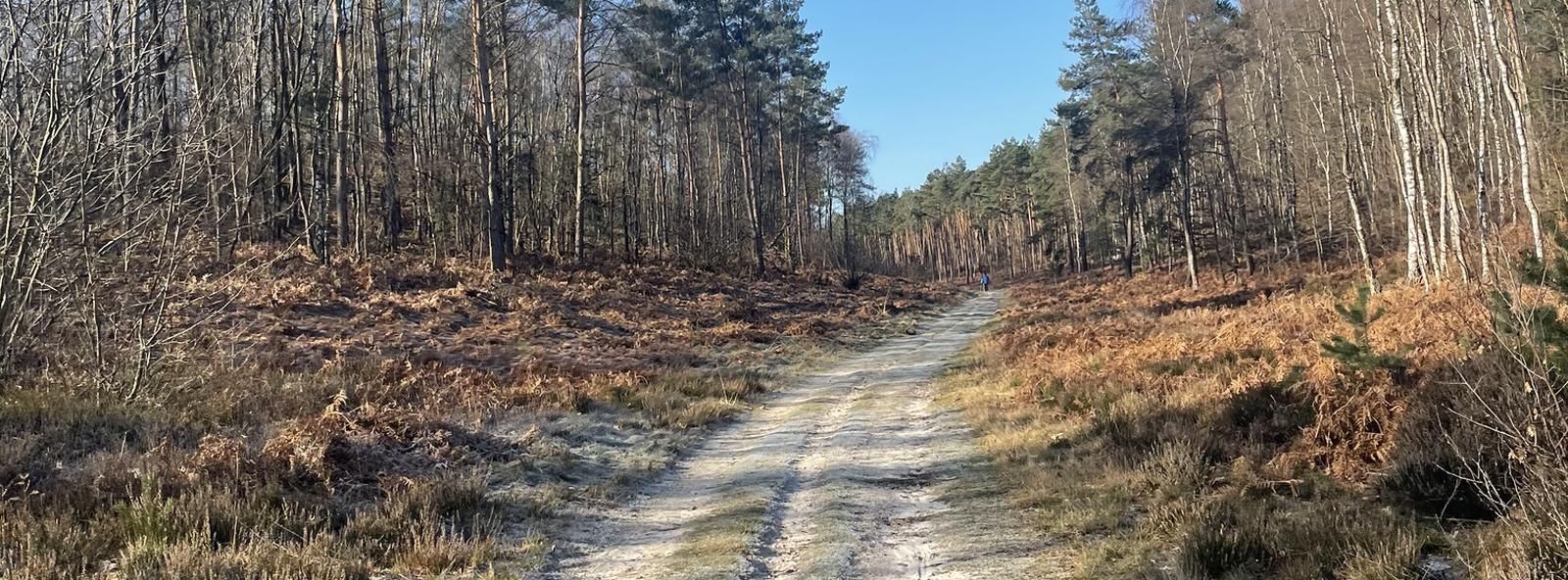
Belgium’s Hoge Kempen and Meuse Valley – Bram Tankink’s best rides
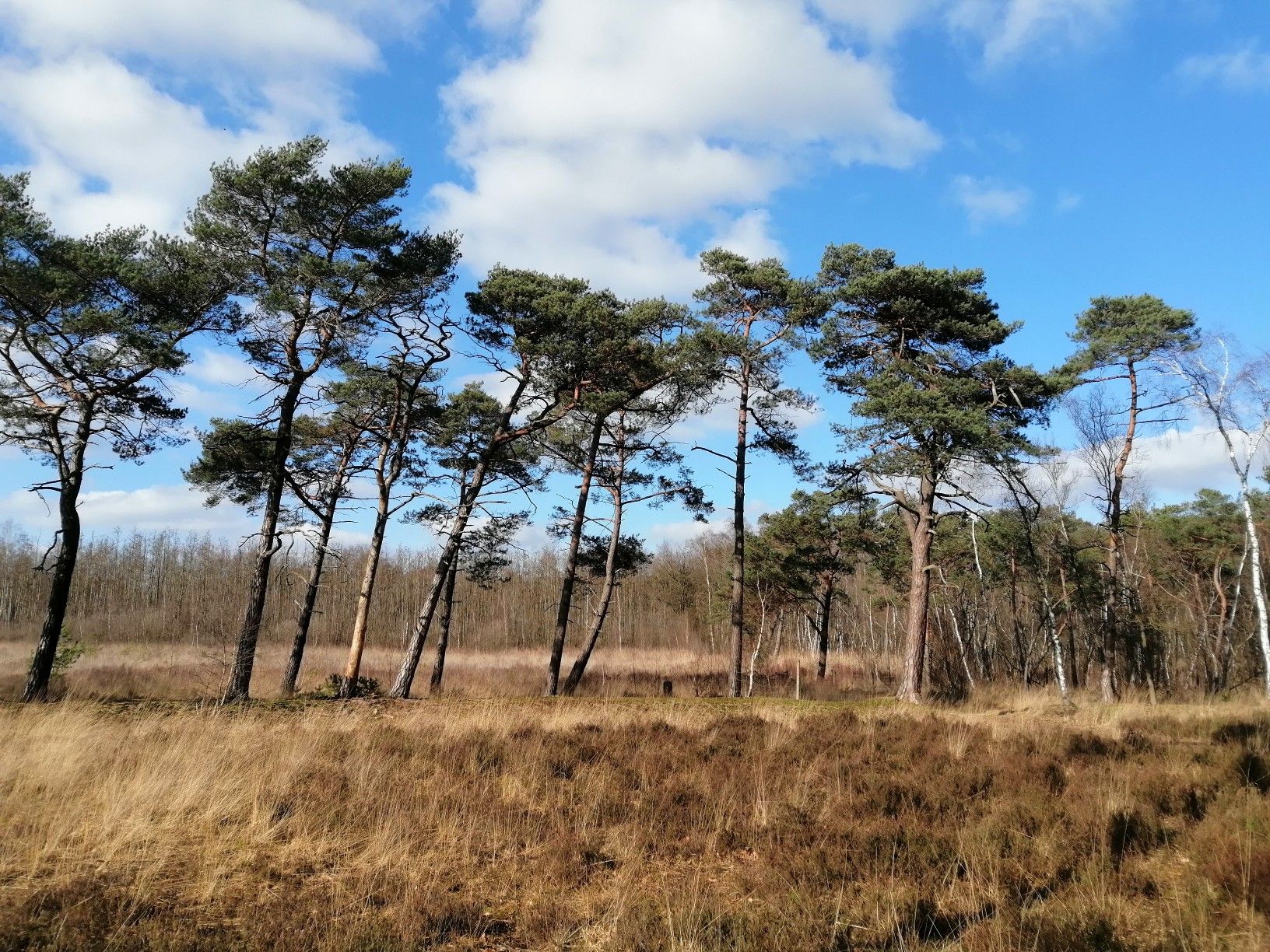
From Flanders to the Ardennes — GR 5 in Belgium
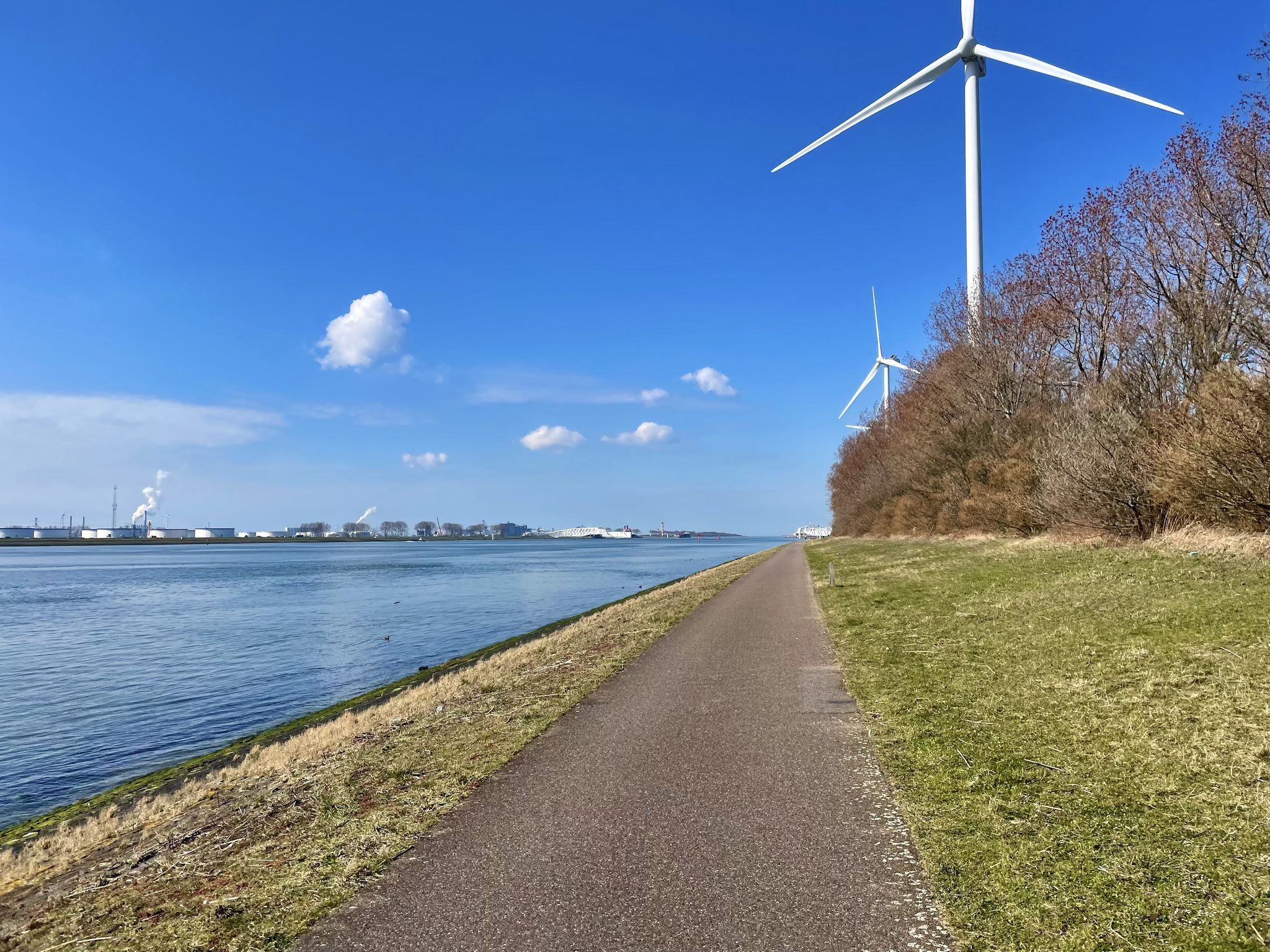
The Meuse Cycle Route - Follow the Meuse from the hills to the harbor
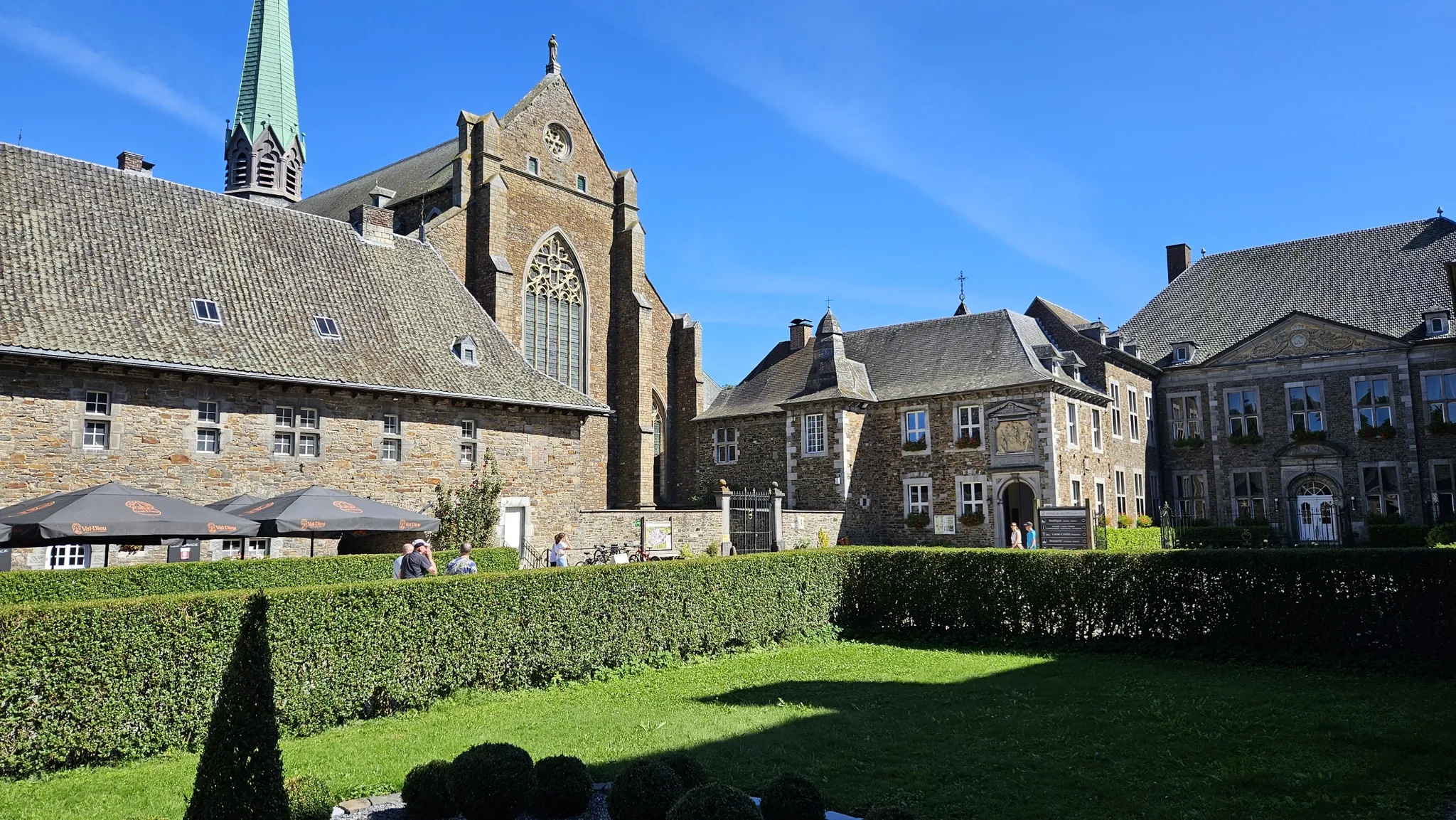
Trappist abbeys cycle route – Between beers and heritage
Flanders Divide - Across Flanders
Around the World in 80 Days
The Meuse Cycle Route - Follow the Meuse from the hills to the harbor
Flanders’ Finest Hiking Routes
Hiking in Brabant – in Van Gogh’s footsteps in Southern Netherlands
Seven-day Cycling tour through the South-Flemish hills – Hilly Route
Other adventures in South Limburg


Tips from the Community

The Cannerberggroeve with its tunnel system in the Cannerberg has several entrances. From these entrances, marl has been extracted since the late Middle Ages. Somewhere, quite deep in the tunnel system, you will find a number of inscriptions from the 16th century. The oldest known even dates back to 1511, which means that the quarrying must have already started in the 15th century.
2
0

In Kanne, Belgium, near the Dutch border, there is a unique and historic mushroom farm. The Dirk Jackers mushroom farm is the last active underground mushroom farm in the marl caves of Kanne (Riemst), known as a traditional producer of chestnut mushrooms. The farm is located in the underground marl quarry (Avergat Quarry/Kanne Caves), which provides an ideal, natural climate for cultivation. Guided tours are offered, providing a unique behind-the-scenes look, learning about the history, and tasting the cave mushrooms. The mushrooms from these caves are recognized as a regional product. Contact/Visit: Location: Kanne Caves / Marl Quarry, Kanne. Information: Visits and tours can often be booked through local tourist information channels such as Visit Kanne. Note: It is advisable to book a tour in advance or check whether the caves are open to visitors.
0
0
The Grootberg is an underground marl quarry formed by the extraction of limestone, locally called marl. Marl consists almost entirely of fossil fragments of marine animals and was deposited approximately 66 million years ago in a shallow tropical sea during the Cretaceous geological period.
4
0
A Lourdes grotto or Marian grotto is a replica of the grotto of Massabielle near the French town of Lourdes, where the Virgin Mary is said to have appeared to Bernadette Soubirous on February 11, 1858. Copies have been built in many countries for the veneration of Our Lady of Lourdes. These are replicas of what is said to have happened at the grotto. An altar may have been placed inside the grotto. Diagonally above the grotto (on the viewer's right) is a niche containing a white statue of the Virgin Mary with a blue sash and a rosary. In front of the grotto stands a statue of Bernadette, looking upward and kneeling in prayer.
3
1

In 2019, the Lourdes Grotto Committee and the Niel-bij-As parish celebrated the 75th anniversary of their Lourdes Grotto. It is located on Grotstraat (how could it be otherwise). In 1943, Louis Pillards made a solemn promise to Our Lady to make a pilgrimage to Lourdes, but due to the Second World War, he was unable to fulfill his promise. Therefore, he decided to build their own Lourdes Grotto together with his wife Anna Vandeurzen. Anna Berger-Vandeurzen, whose first husband had died and was now married to Louis Pillards, donated the necessary land to the parish, and Louis drew a design sketch for the grotto. Together with a number of volunteers, they traveled by horse and cart to collect pebbles from the heathland on the border between Lanklaar and As. Construction began in 1943, and the grotto was blessed in 1944. Thanks to the Zwartberg mine, they obtained the necessary cement, which was very difficult to obtain in those days. Statues of Mary, Bernadette, and even an angel were provided. In the small tower atop the grotto, there even hung a small bronze bell, which was unfortunately later stolen. On August 15, 1944, the Lourdes grotto was solemnly blessed by the then pastor of Niel, Father Gerstmans. From the very beginning, a grotto committee was established, which to this day ensures the maintenance of the Lourdes grotto and its surroundings, in collaboration with the municipality's technical department. For a long time, Mia Haumont and later Godelieve Meysen took care of the altar and the flowers. In the early years, a hermit even lived in the cottage behind the grotto for a few years. He is known as Brother Boniface. His real name is Tony Vissers. For many years, he was involved in the education of the local youth. The closeness of the Lourdes Grotto to the hearts of many Niel residents is evident in the large attendance at the services, which normally take place on May 1st and August 15th. There is an open-air service at the grotto, followed by a vehicle blessing on August 15th. On the evening of August 14th, there is also a candlelight procession from the church in Niel to the grotto. In May, it is traditional to pray the rosary together at 7:30 PM. This year, we will do this from our homes, united in faith! Want to stop by on your daily bike ride? The Lourdes Grotto in Niel-bij-As is located on the route between cycling junctions 40 and 528.
1
0
The marl caves of Heers are an important hibernation site for numerous bats, including the Bechstein's bat, the Notched Bat, and the Pond Bat. Bat-friendly barriers were installed at the entrances to the caves. In 2014, the Waterkuil was closed off with a steel gate, in which bat silhouettes serve as flight openings. This elegant barrier was designed by Heers artist Frans Vandueren. Initial winter counts already showed that the gate is having an effect.
2
0
The Lourdes grotto was built in 1946 during the celebration of the village's centennial. A prayer vigil is still held at the grotto every Thursday in May.
3
1

Very nice walking route along the chateau. Beautiful panorama. With a house in the valley below that used to be the border post.
4
0
Frequently Asked Questions
What historical significance do the caves in South Limburg hold?
The caves in South Limburg are rich in history, serving various purposes over centuries. They were extensively mined for marlstone by 'block breakers' for construction, including Valkenburg Castle. During World War II, many caves, such as the Velvet Cave and St. Pietersberg Caves, provided refuge for locals, soldiers, and even housed hidden artworks. The Bonsdalgroeve also played a role in repairing aircraft engines during the war. You can find ancient inscriptions, murals, and even a former secret NATO bunker within these subterranean networks.
Are there family-friendly caves to visit in South Limburg?
Yes, several caves offer engaging experiences for families. Lourdes Grotto Oostham, Lourdes Grotto Niel-bij-As, Grotto of the Immaculate Conception, Lourdes Grotto of Werm, and Lourdes Grotto are all categorized as family-friendly. MergelRijk in Valkenburg is particularly noted for its interactive exhibits, educational audio tours, and activities like making marl souvenirs, suitable for all ages.
What unique experiences can I have in the caves of South Limburg?
South Limburg's caves offer a range of unique activities. At Valkenburg Adventure, you can try cave biking, Oldtimer Tours, abseiling, or navigate challenging maze tours within the extensive Sibberg Quarry. MergelRijk allows you to learn about marl mining, see 3D cave paintings, and even craft your own marl souvenir. The St. Pietersberg Caves offer tours on foot or by scooter, revealing ancient art and historical artifacts.
What kind of natural features and wildlife can be found in the caves?
The caves are primarily carved out of soft marlstone, a unique geological feature of the region. Many caves, such as the Marl Caves of Vechmael, the Coolen, the Marl caves of Heers, and Grootberg, are crucial hibernation sites for various bat species. The Marl Caves of Vechmael also provide access to remains of a 90-million-year-old sea, offering a glimpse into ancient geology.
What is the best time to visit the caves in South Limburg?
Many caves, like the Velvet Cave and Valkenburg Adventure, maintain a constant temperature of 12 degrees Celsius year-round. This makes them a comfortable visit in any season, regardless of external weather conditions. However, some caves, particularly those designated as bat reserves like Bonsdalgroeve, Coolen, and the Marl caves of Heers, may have restricted access from October to mid-May to protect hibernating bats.
Can I explore the caves on my own, or are guided tours required?
While some areas might be accessible independently, many of the more extensive and historically significant cave systems, such as the St. Pietersberg Caves and Bonsdalgroeve, are best explored through guided tours. These tours provide essential context, ensure safety, and highlight features you might otherwise miss, such as ancient charcoal drawings or wartime installations.
Are there any religious sites or grottoes in the South Limburg region?
Yes, South Limburg is home to several religious grottoes. Notable examples include Lourdes Grotto Oostham, a well-known pilgrimage site, and the Lourdes Grotto of Werm. These grottoes are often replicas of the famous Lourdes cave and are maintained by local communities, offering peaceful places for reflection.
What outdoor activities can I do near the caves in South Limburg?
The region around the caves in South Limburg offers diverse outdoor activities. You can find numerous MTB Trails, including routes in the Hoge Kempen network. For runners, there are various Running Trails, such as the Nature trail Hoge Kempen. Road cyclists can explore Road Cycling Routes that take you through scenic landscapes, including routes like the Hasselt Classic or 'Cycling between Meuse and Mine'.
Which caves are known for their connection to castles or other historical structures?
The Velvet Cave in Valkenburg is directly connected to the Castle Ruins of Valkenburg, lying beneath them and having provided marlstone for the castle's construction. Additionally, Château Neercanne is a unique castle that incorporates a limestone quarry as its wine cellar and dining room, making it the only terraced castle in the Netherlands built entirely of marlstone.
Are there any caves that were used for specific industries or purposes?
Yes, beyond mining and refuge, some caves had distinct uses. The Kanne Mushroom Farm highlights the historical practice of mushroom cultivation within these underground spaces. The Grootberg, part of the Avergat quarry, was even used as a garage in the 20th century, showcasing the adaptability of these subterranean environments.
What can I expect to see at MergelRijk in Valkenburg?
MergelRijk offers a comprehensive experience about marl and its history. You can learn about ancient mining techniques, discover the historical uses of the caves (including mushroom cultivation and as a WWII hideout), and see impressive 3D cave paintings. It also tells tales of local legends like the Bokkerijders and the Auvermennekes. A significant part of the visit is the Thomas Didden quarry, preserved as block breakers left it centuries ago, providing an authentic glimpse into historical mining conditions and wartime hiding places.
Most popular routes in South Limburg
Most popular attractions in South Limburg

Get inspired with the komoot mobile app


Didn’t find what you were looking for?
Discover more caves in South Limburg region by region:
Explore more
Extend your search for the best caves by checking out these guides of the top ones in South Limburg:
