Top 6 Caves in East Attica
Caves in East Attica offer diverse geological formations and historical significance. This region, known for its natural beauty, features a variety of subterranean landscapes, from accessible show caves to ancient worship sites. Visitors can explore traditional caverns with rich stone decorations, sea caves along the coastline, and unique geological phenomena. These sites provide opportunities for geological study, historical insight, and outdoor exploration.
Best caves in East Attica
- The most popular caves is Vouliagméni Lake 🏊, a lake that features…
Last updated: May 15, 2026
Vouliagméni Lake 🏊
Highlight • Lake
Tip by

Chaos Chasm
Highlight • Canyon
Translated by Google •
Tip by

Sign up now to discover places like this
Get recommendations on the best single tracks, peaks, & plenty of other exciting outdoor places.
Sign up for free
Sea Cave
Highlight • Cave
Tip by

Small Cave
Highlight • Cave
from up here you have a beautiful view of the bay.
Translated by Google •
Tip by

Megali Thrakiá Cave (Kalývia)
Highlight • Cave
Translated by Google •
Tip by
Prehistoric Settlement 🏛️ Rafina seaside 🏖️
Highlight • Historical Site
Tip by
Start today with a free account
Your next adventure awaits.
Login or Signup
Tips from the Community

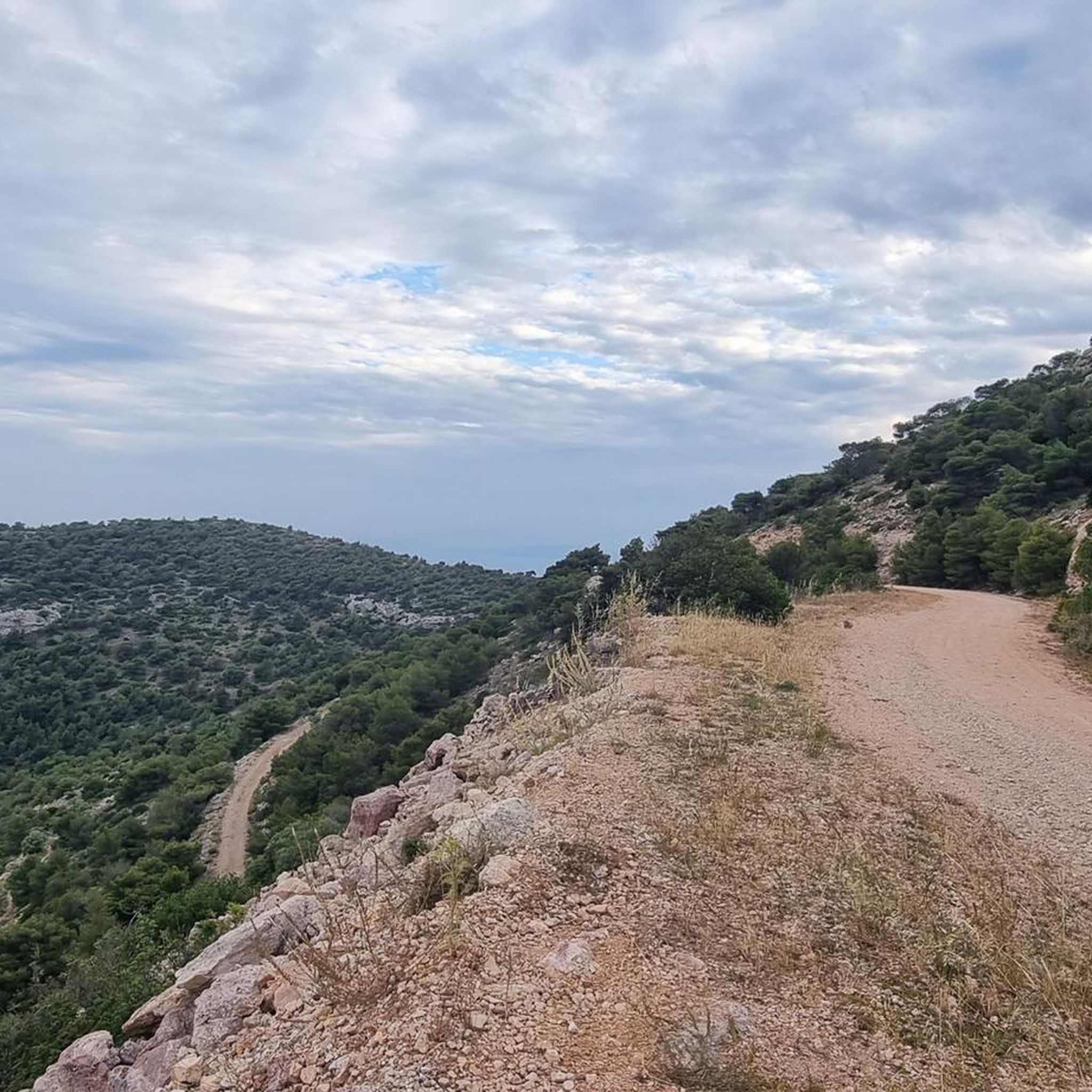
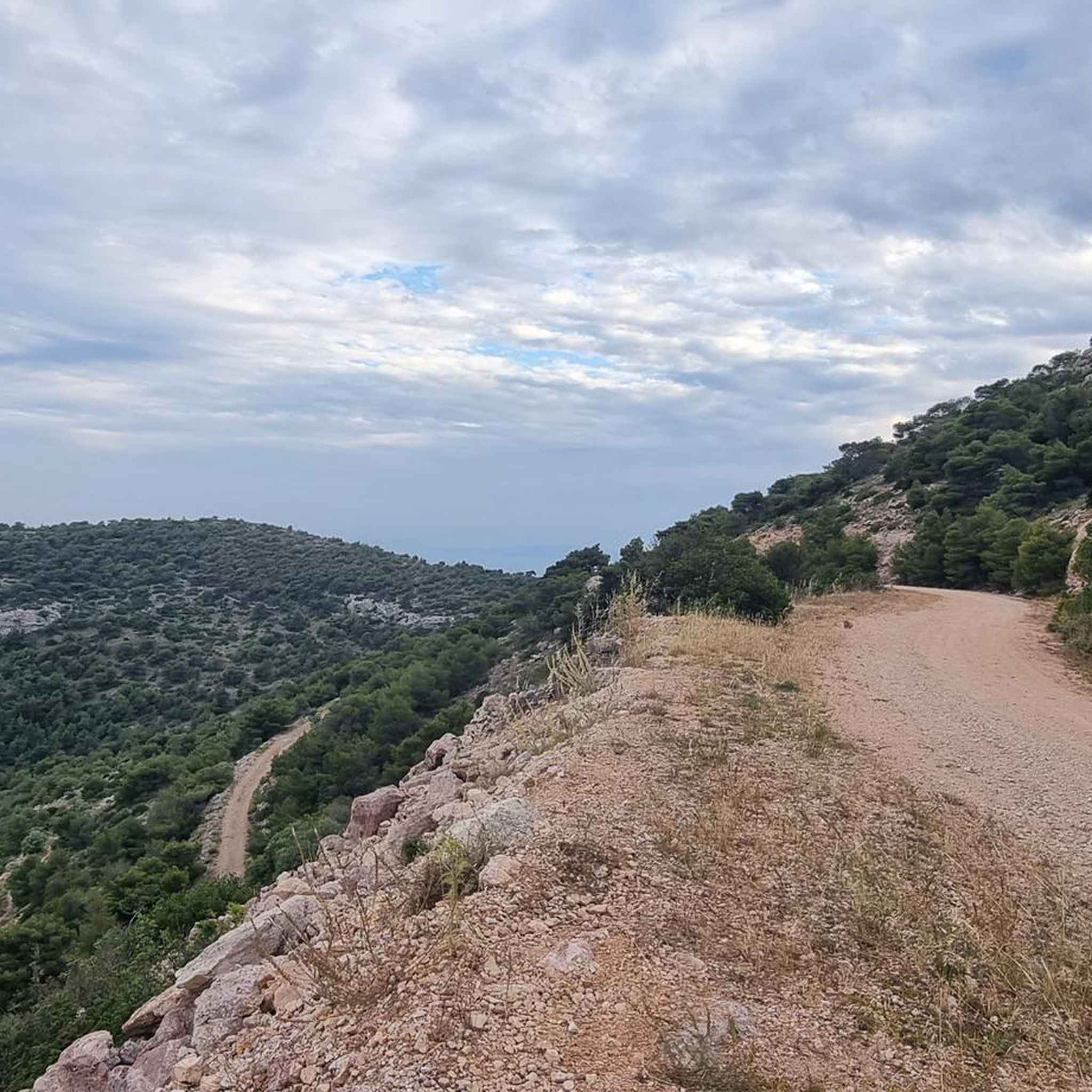
There is a small cave at this point. The cave goes down vertically inside. I estimate about 15 meters. from up here you have a beautiful view of the bay.
0
0

An impressive chasm with a total vertical depth of 67 m and an opening in the shape of an irregular polygon with a perimeter of 22 m. The sinkhole has two landings at a depth of 10 m and 35 m.
0
0
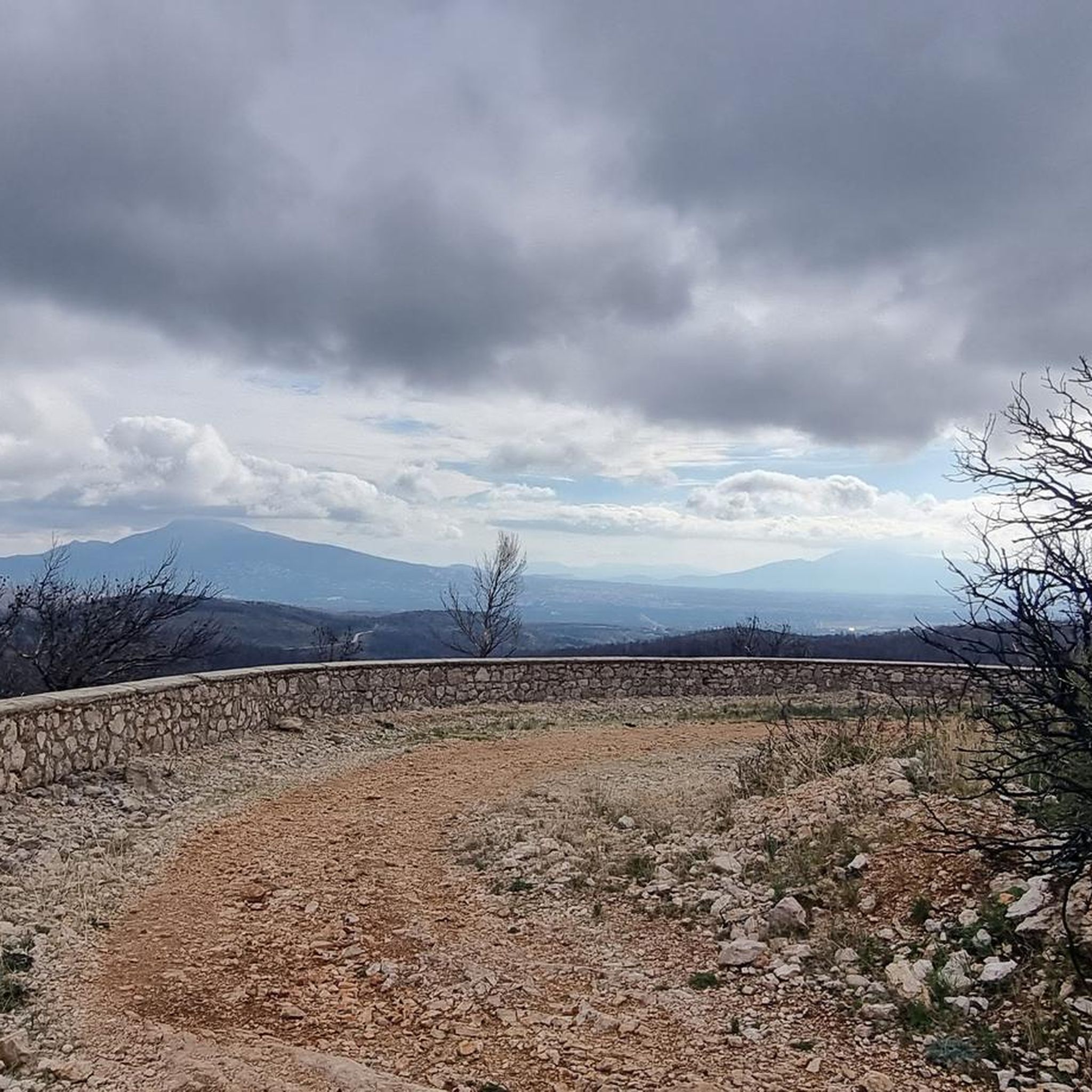
The visitor can observe a very impressive spherical, natural void of karst type (Dolin), with a diameter of 120 m and a depth of 55 m. It was formed in the Quaternary within the Upper Marble Formation of the Kamariza Unit (LTU) by the collapse of a cave roof.
1
0


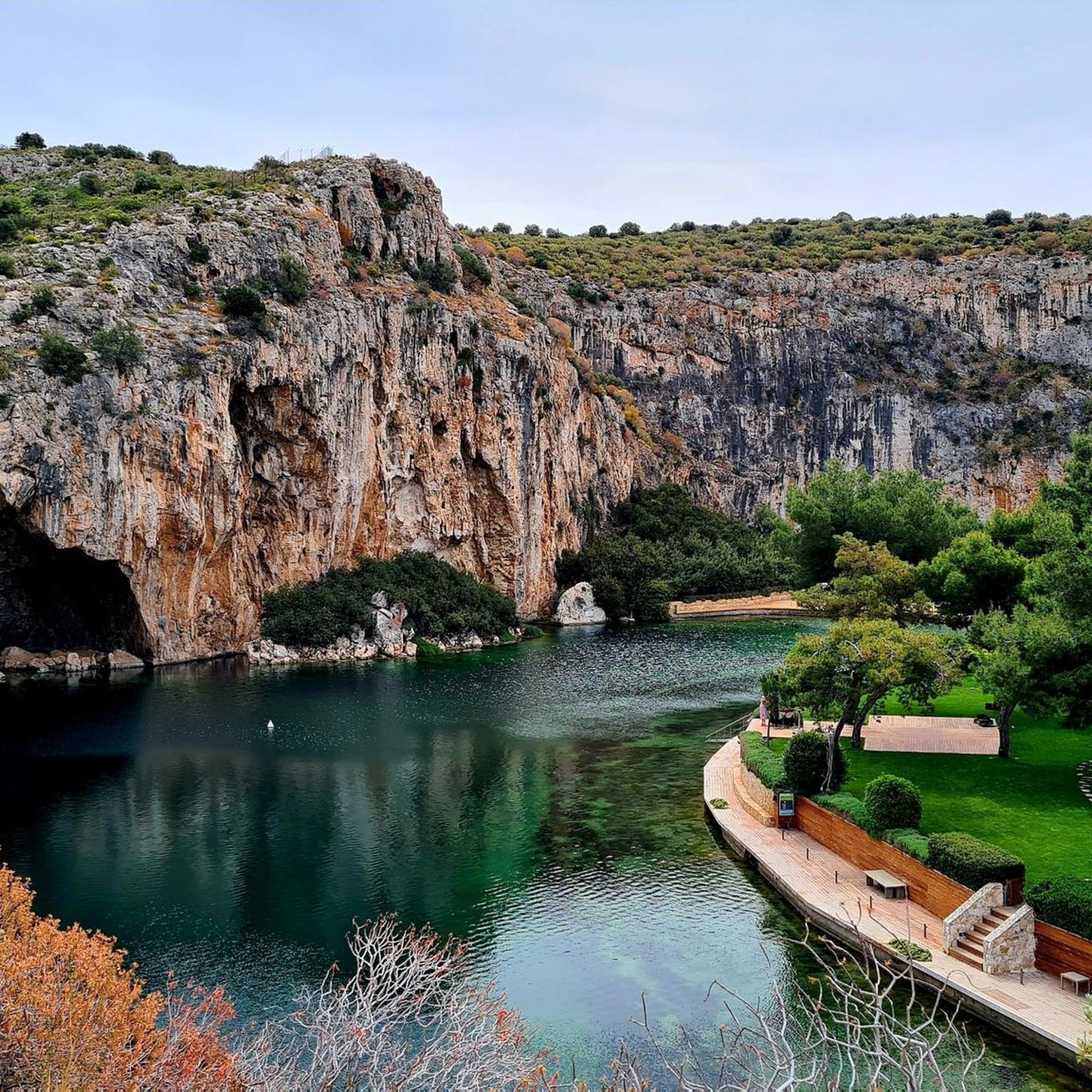
Situated on the Athenian Riviera about 20 kilometers south of Athens is a stunning hidden wonderland – Lake Vouliagmeni. Close to one of the best beaches in Athens, this area is a beautiful natural landscape, with a rare geological formation and unique thermal spa in a setting of lush vegetation. Millions of years ago, the lake was located inside a huge cave and was fed by numerous hot springs and seawater. Following an earthquake in the area, the roof of the cave collapsed, leaving the lake as it is today. The lake covers an area of two hectares and the water level is 50cm higher than the local sea level. The lake is thought to be 50-100 meters deep and because it is still fed by hot springs and seawater, there is a distinct current that can be felt in the water. On the far side of the lake there is a rocky cliff face with a cave entrance which leads in to an extensive cave system with 14 tunnels covering 3,123 metres. So far, explorations have not found the furthest point of the rocky labyrinth. One of the tunnels is 800 meters in length – making it the longest of its kind in the world. This tunnel has a huge stalagmite which has raised questions amongst geologists about the formation of cave and the whole Mediterranean area.
4
1

Caves and wall foundations of an ancient settlement on the cliffs overlooking modern-day Rafina beach
0
0
Frequently Asked Questions
What are some of the most unique geological formations found in East Attica's caves?
East Attica boasts diverse geological formations. Vouliagméni Lake 🏊 is a natural monument formed by a collapsed cave roof, featuring an extensive underwater cave system. Koutouki Cave is renowned for its rich stone decorations, including stalactites, stalagmites, and columns, with sections imaginatively named like "Olympic Torch" and "Red Waterfall." The Chaos Chasm is an impressive spherical void, 120 meters in diameter and 55 meters deep, also formed by a cave roof collapse.
Which caves in East Attica are suitable for families?
For a family-friendly experience, Vouliagméni Lake 🏊 is an excellent choice, offering a unique thermal spa setting and the chance to see a cave-formed lake. Koutouki Cave in Paiania is also very accessible, developed for tourism with an artificial entrance, a 350-meter tourist route, and enhanced with sound and light shows, making it engaging for all ages.
Can I explore sea caves in East Attica?
Yes, East Attica's coastline features several sea caves. The Sea Cave and the Sunken Sea Cave near Porto Rafti are popular for swimming and exploring by boat, offering picturesque natural rock formations. These are more about scenic beauty and recreational activities than traditional speleological exploration.
What is the historical significance of Davelis Cave on Mount Penteli?
Davelis Cave, also known as Penteli Cave, has a rich history. It was an ancient sacred site for the nature god Pan and his nymphs, with artifacts found there now in the Archaeological Museum of Athens. During the Byzantine era, it served as a retreat for Christian hermits and monks, leading to the construction of a rare double Byzantine church directly into the rock at its entrance. It also gained its modern nickname from the 19th-century brigand Davelis, who supposedly used it as a hideout.
How accessible is Koutouki Cave in Paiania for visitors?
Koutouki Cave is highly accessible for visitors. It has an artificial entrance and a 17-meter-long tunnel, facilitating easy access. A tourist route of 350 meters is available, and tours are enhanced with sound and light shows, making it a comfortable and immersive experience. The cave is located on the eastern slopes of Mount Hymettus, approximately 35 km from Athens.
Are there hiking opportunities near the caves in East Attica?
Yes, East Attica offers various hiking opportunities. You can find numerous trails in the region, including routes near Mount Parnitha National Park and around the Temple of Poseidon. For more detailed information on routes and their difficulty, you can explore the Hiking in East Attica guide.
What are the typical conditions inside Koutouki Cave?
Inside Koutouki Cave, the temperature remains a comfortable 17°C (62.6°F) year-round, with high humidity. The cave features a single, vast chamber, roughly 60x60 meters, divided into smaller sections by stalagmitic curtains, creating a magical and evocative atmosphere.
Are there any challenging cave explorations for experienced cavers in East Attica?
Yes, for those seeking more challenging explorations, East Attica offers sites like Megali Thrakiá Cave (Kalývia). This is an impressive chasm with a total vertical depth of 67 meters, featuring two landings at depths of 10 meters and 35 meters, categorized as challenging. The Small Cave also goes down vertically about 15 meters.
Is there public transport available to reach the caves in East Attica?
While some areas like Vouliagméni Lake 🏊 are relatively accessible, direct public transport to all caves, especially more remote ones like Davelis Cave, may not be available. For Davelis Cave, private transportation past Neo-Penteli village is generally required. It's advisable to check local transport options for specific cave locations.
What is the best time of year to visit the caves in East Attica?
The caves in East Attica can generally be visited year-round, as internal cave temperatures remain stable. However, for surface activities and comfortable travel to cave locations, spring (April-May) and autumn (September-October) offer pleasant weather, avoiding the peak summer heat. Koutouki Cave maintains a comfortable 17°C inside regardless of the season.
Where can I find information about the legends surrounding Davelis Cave?
Davelis Cave is steeped in local legends and rumors, including tales of hidden tunnels, strange sightings, electronic malfunctions, and even paranormal activity. These stories contribute to its enigmatic appeal. You can find more detailed accounts and historical context about these legends on resources like Atlas Obscura or Wikipedia.
Are there any cafes or amenities near the main cave attractions?
Near popular tourist sites like Vouliagméni Lake 🏊, you will find cafes and amenities, as it is a developed thermal spa area. Koutouki Cave is also developed for tourism, suggesting nearby facilities. For more remote caves like Davelis Cave, amenities are limited, and it's advisable to bring your own provisions.
What is the "Chaos Chasm" and how was it formed?
The Chaos Chasm is an impressive spherical, natural void of karst type, with a diameter of 120 meters and a depth of 55 meters. It was formed in the Quaternary period by the collapse of a cave roof within the Upper Marble Formation of the Kamariza Unit, creating a significant geological phenomenon.
Most popular routes in East Attica
Most popular attractions in East Attica

Get inspired with the komoot mobile app


Explore more
Extend your search for the best caves by checking out these guides of the top ones in East Attica:
