Top 5 Castles in Rieti
Castles in Rieti and its surrounding province offer a rich historical and architectural experience in central Italy's Lazio region. The area features a dense network of manors and fortified structures, many strategically built to dominate surrounding valleys. These historical buildings, ranging from medieval fortresses to noble residences, contribute significantly to the region's cultural tapestry. Exploring these sites provides a direct connection to centuries of history and architectural evolution.
Best castles in Rieti
- The most popular castles is Rocca Sinibalda Castle…
Last updated: July 25, 2026
Rocca Sinibalda Castle
Highlight • Castle
Translated by Google •
Tip by

Labro Historic Village
Highlight • Historical Site
In the Middle Ages, as a …
Showing Translation
Tip by

Sign up now to discover places like this
Get recommendations on the best single tracks, peaks, & plenty of other exciting outdoor places.
Sign up for free
Orvinio
Highlight • Settlement
Translated by Google •
Tip by

Orvinio Historic Center
Highlight • Historical Site
Translated by Google •
Tip by

Historic Center of Selci Sabino
Highlight • Historical Site
Translated by Google •
Tip by

Castello Nobili Vitelleschi
Highlight • Castle
Showing Translation
Tip by
Rigatti Village and Baronial Palace
Highlight • Settlement
Translated by Google •
Tip by
Frasso Sabino
Highlight • Settlement
Showing Translation
Tip by
Corvaro di Borgorose
Highlight • Settlement
Translated by Google •
Tip by

Cittareale
Highlight • Settlement
Translated by Google •
Tip by
Start today with a free account
Your next adventure awaits.
Login or Signup
Popular around Rieti
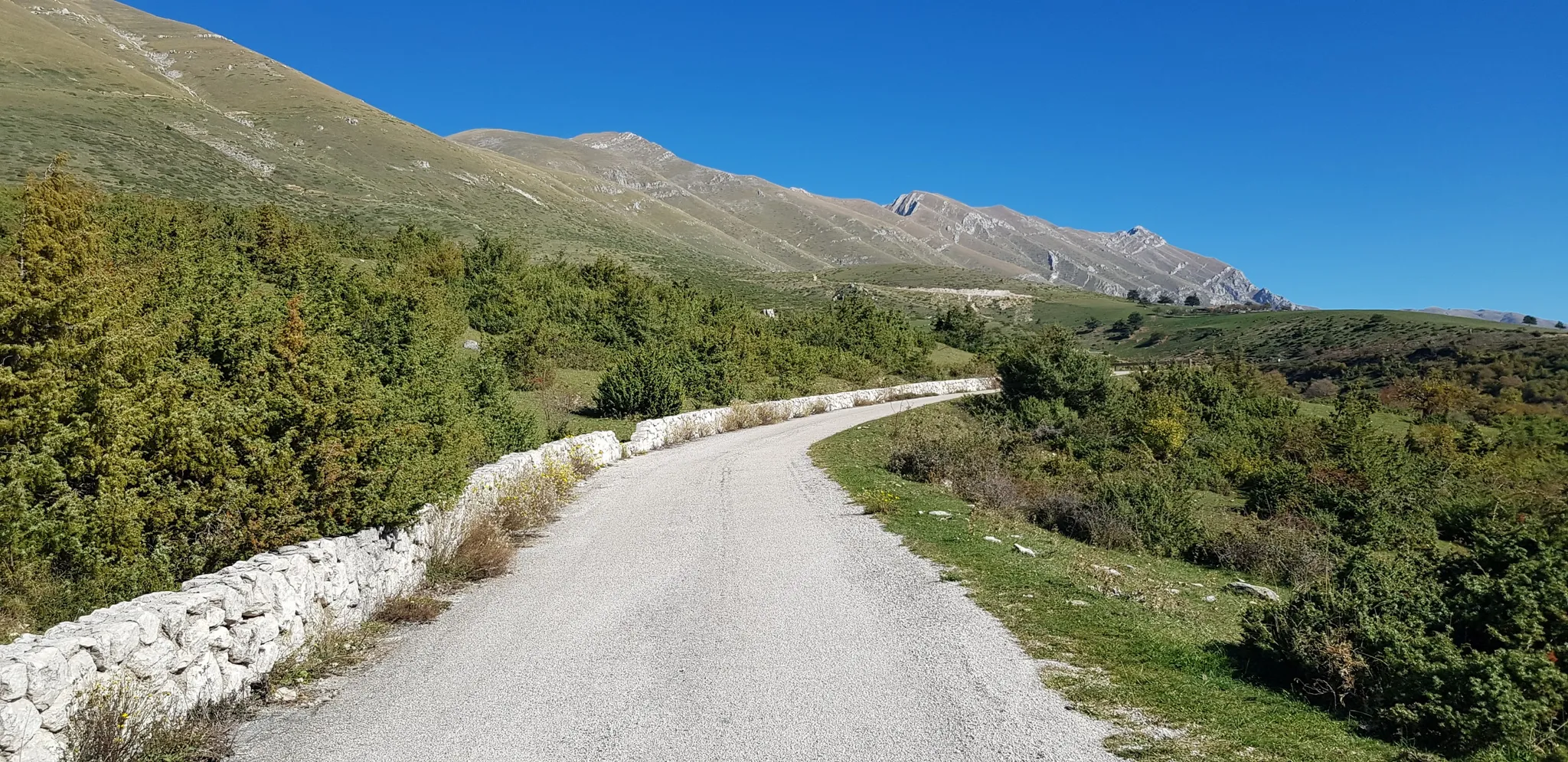
The Apennine Cycleway (Part 2) - From Umbria to Calabria
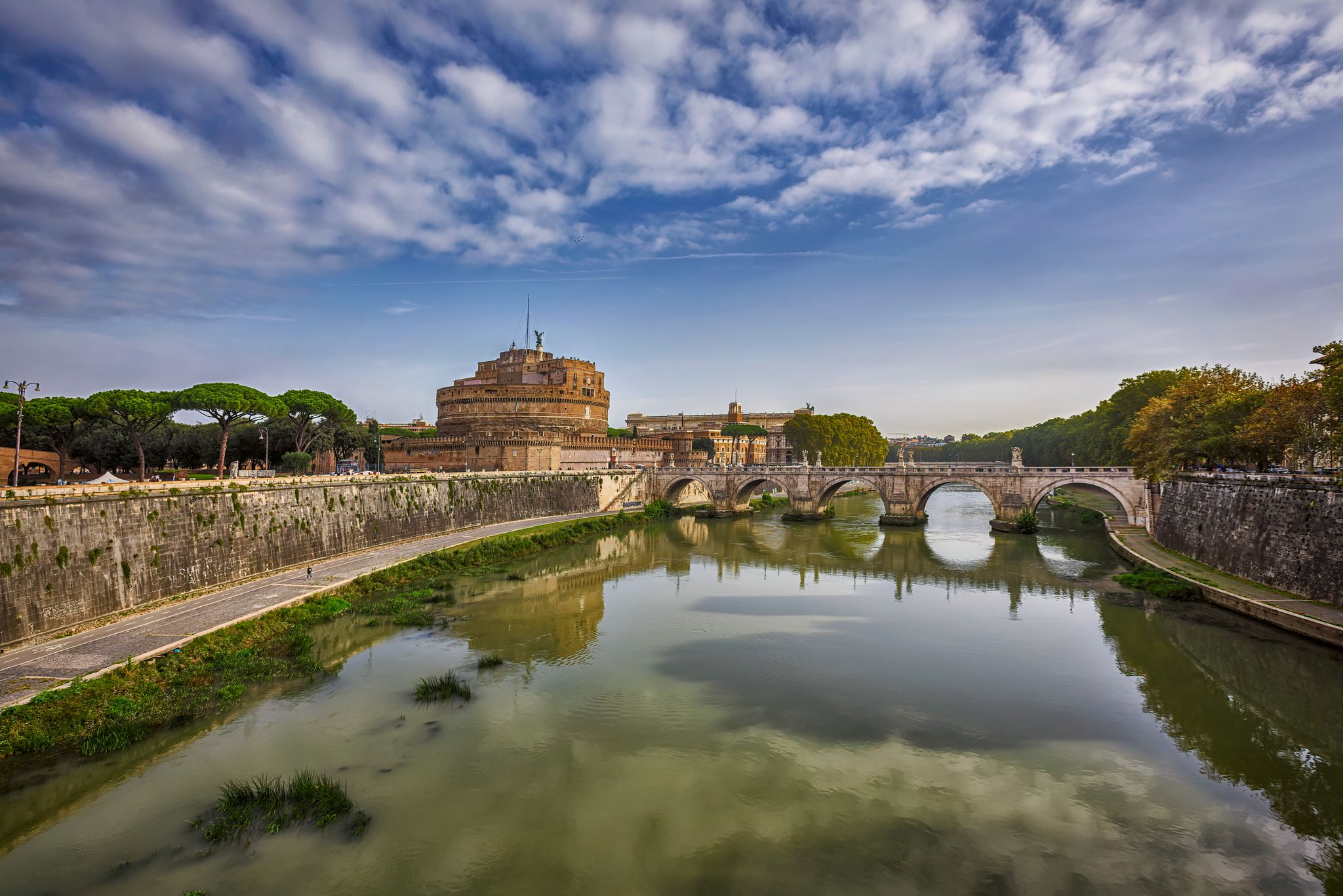
All roads lead to Rome – Romea Tiberina Cycleway
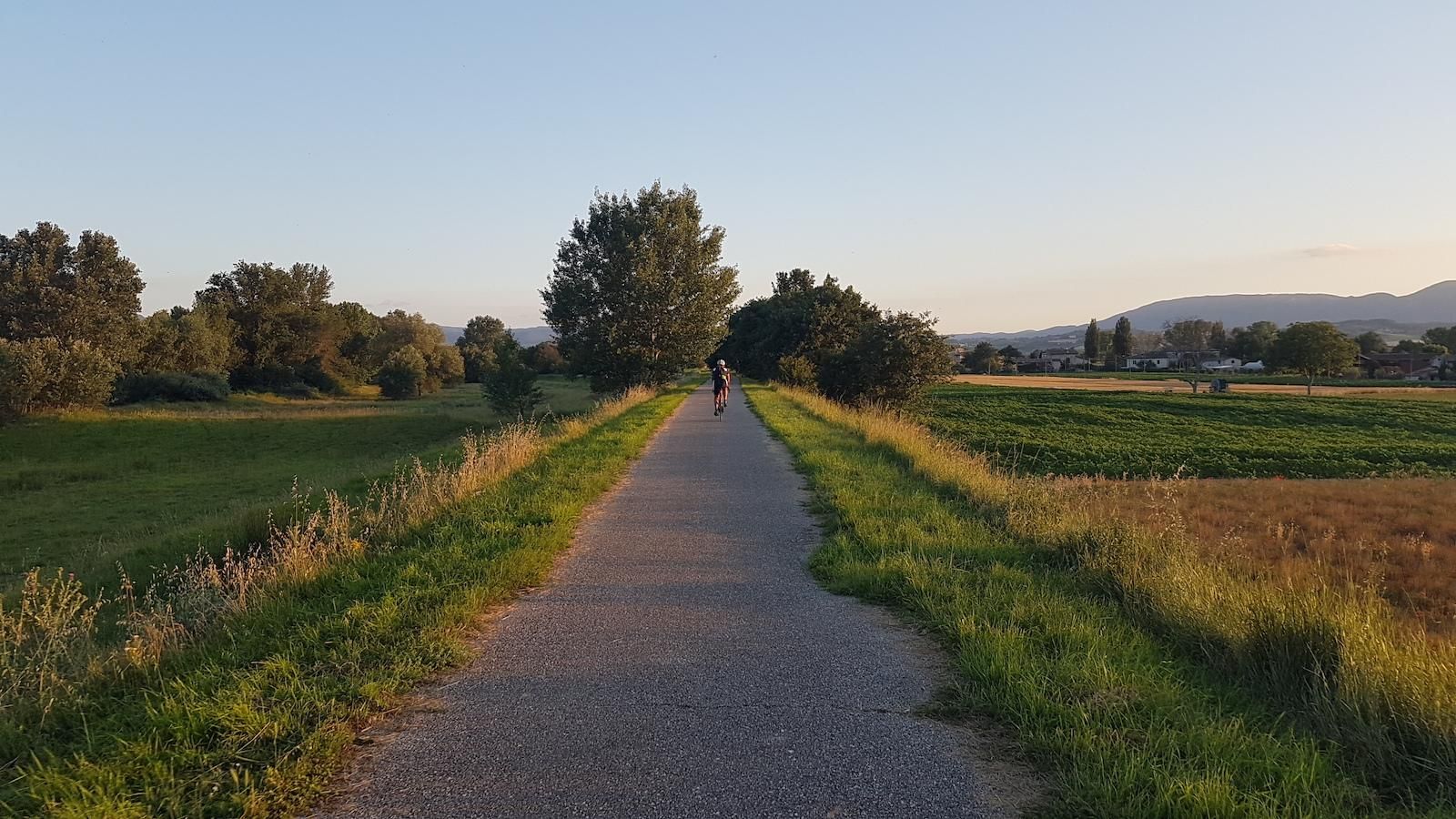
Ride St Francis Way in Italy – Via del Sud pilgrimage
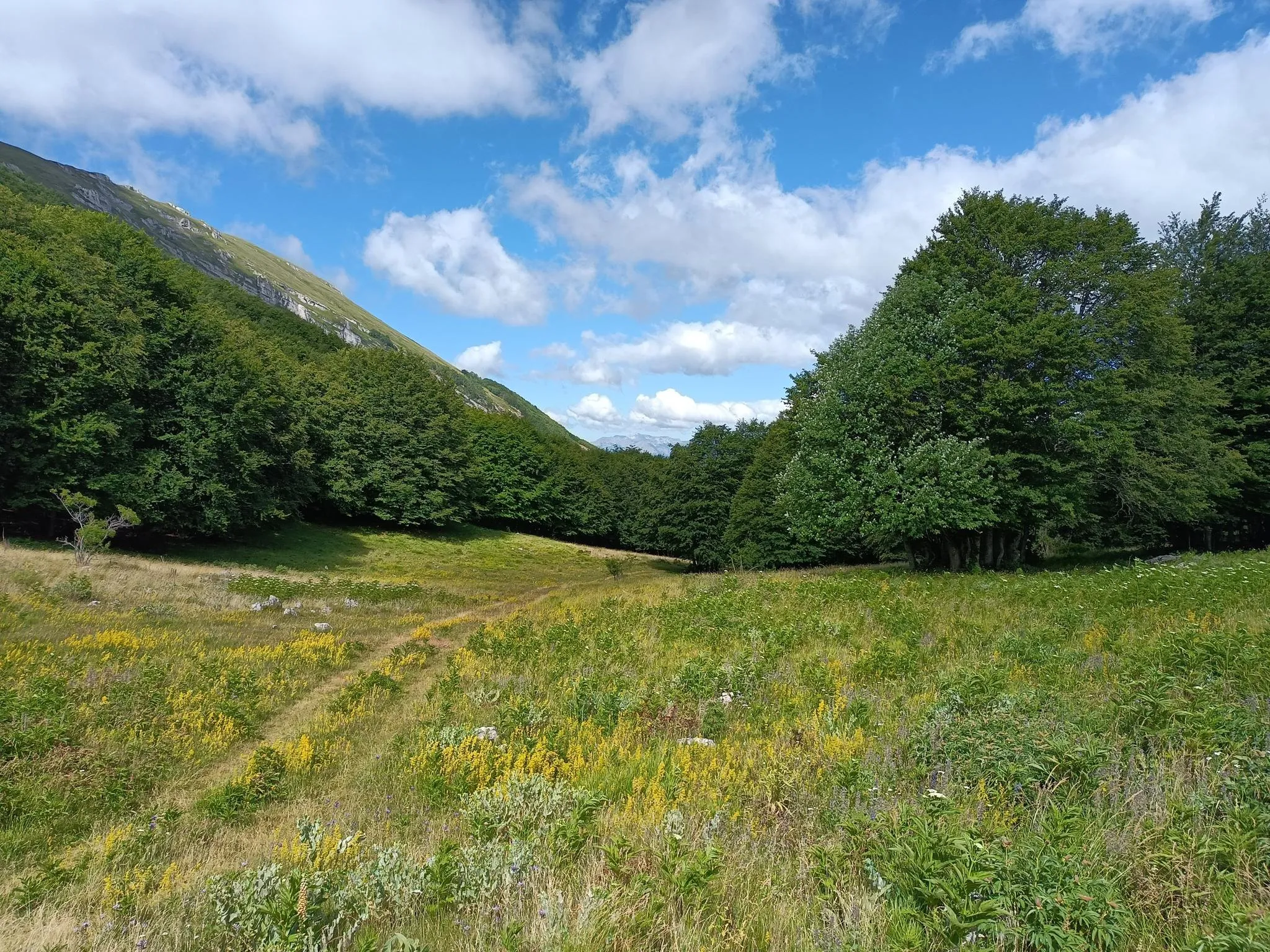
Natural Park Walk – part 4 from Accumoli to L'Aquila
Between abbeys and quiet valleys – Saint Benedict's Way by bike
Natural Park Walk – part 3 from Corvaro to Accumoli
Cammino Naturale dei Parchi – Part 2 Livata to Corvaro
The Sibillini Mountains to Gran Sasso – the Great Apennine Crossing
In the Footsteps of Saint Benedict - The Benedict Way
MTB the border between Lazio and Abruzzo – Cammino dei Briganti
Other adventures in Rieti


Tips from the Community

The Castello Nobili Vitelleschi is a 10th-century castle. After parts of the castle were destroyed and feudal rights were lost in the early 16th century, the owner family converted it into a noble residence.
1
0
The village of Labro was first documented in the 10th century when King Otto I appointed Aldobrandino de Nobili as the lord of Labro. In the Middle Ages, as a border fortification, it was heavily involved in the conflicts with Spoleto. Due to the sharp population decline after the Second World War, the descendants of the Nobili family decided to restore all buildings to boost tourism. The work was carried out by the Flemish architect Ivan Van Mossevelde. https://it.wikipedia.org/wiki/Labro
1
0

Frasso Sabino is a village in the Sabina reatina with origins at least from the early Middle Ages, closely linked to the Abbey of Farfa. Its first known documentary attestation dates back to 955, in the Regestum Farfense, where it appears as “locus ubi dicitur ad Frassum”. In 1055, Alberto, son of Gibbone, donated the castle of Frasso to the abbot of Farfa, Berardo I, confirming the importance of the center in the territorial system of the abbey. Already in 1118, however, Frasso was no longer under the jurisdiction of Farfa, nor is it mentioned in 1198 among the assets confirmed to the abbey by Pope Innocent III. Between the 14th and 15th centuries, the fief passed to the Brancaleoni, and then in 1441 entered the possessions of the Cesarini through the marriage between Orso Cesarini and Simodea Brancaleoni. After various disputes with the Savelli, the Cesarini definitively consolidated their dominion in 1573 and retained possession of the place until 1817. Even the name of the town has debated origins: according to one tradition, it derives from the once abundant ash trees, while other hypotheses connect it to fraxum as a guard post or to the position “among the stones” near the springs of the Farfa. In summary, the history of Frasso Sabino is that of a small Sabine castle born in the orbit of Farfa, then transformed into a lordly fief and remaining for centuries an important outpost of the territory.
0
0
The village of Rigatti has medieval origins, having probably been built in the 12th century. Its history is closely linked to the parish church of Santa Maria in Rivogatti, dating back to 1153, around which the settlement developed. Over the centuries, Rigatti has been part of various domains: • Papal State • Kingdom of Naples (in some periods) • Fiefdom of the Mareri family for a long time. The village has had a strategic role, with its castle in visual communication with other military structures in the area, such as the castles of Girgenti and Marcetelli. the baronial palace of Rigatti, originally a medieval castle from the 12th century, was transformed into a noble residence during the Renaissance. It has a characteristic trapezoidal shape and a central keep tower, today it is the Caprioli house and houses a painting depicting the Mareri family coat of arms.
0
0

the famous pizza in Orvino, a must
0
0

Rocca Sinibalda dominates the lush Turano Valley from above, the second most important river in Sabina after the Velino. The village is dominated by a castle founded around 1060. It was rebuilt as a fortress and noble residence in the 1630s by Cardinal Alessandro Cesarini who hired the famous Sienese architect Baldassarre Peruzzi for the occasion. It can only be visited on certain days. It is therefore advisable to inform yourself before departure.
0
0

Small village overlooking Lake Piediluco
0
0
"Following the repeated barbarian invasions first, and of the Saracens afterwards, Selci was founded, which takes its name from the nearby Roman road which was, in fact, paved with large flint paving stones. Therefore, following the destruction of Forum Novum , the population, seeking refuge, built the village at the top of a hill. Consequently, the town was fortified with walls and, subsequently, this simple urban agglomeration was transformed into a castrum. From a castle, Selci became a municipality and, when the Church of Rome expanded its possessions, the inhabitants of Selci also swore their subjection to the pope. Today, its surrounding walls and the mighty tower which develops with a square plan and which still dominates Selci are, almost certainly, the ancient vestiges depicting the first fortification of the ancient Silicij castrum. Once past the urban gate, you enter its historic centre, where you can admire the Church dedicated to the Holy Savior and, on the left side, the tourist's view will be attracted by a small square with a tower. Even if combined with late constructions, you can still admire the old walls that defended the entire town". https://www.scoprilasabina.it/cosa-vedere/selci/
0
0
Frequently Asked Questions
What types of historical structures can I explore in the Rieti area?
Beyond traditional castles, the Rieti area features a rich array of historical architecture, including fortified structures, noble residences, and medieval villages. You'll find sites ranging from ancient fortresses to palaces that reflect the region's past as a papal seat and a vibrant medieval town.
Are there any castles in the Rieti province that are still inhabited?
Yes, Labro Historic Village is home to the Nobili Vitelleschi castle, which has been owned and inhabited by the same family since the 15th century. Visitors can take guided tours to see its fully furnished rooms and family archives, offering a unique glimpse into centuries of history.
Can I visit historical palaces within Rieti city center?
While not fortified castles, Rieti city center boasts several significant historical palaces. The Palazzo Vescovile (Bishop's Palace), dating to the late 13th century, features impressive arches and a monumental loggia. The Palazzo Comunale, a 13th-century structure with a Baroque façade, houses the Civic Museum. Additionally, the late Renaissance Palazzo Vecchiarelli, designed by Carlo Maderno, showcases elegant architecture.
What are some of the oldest castles or fortified sites in the Rieti province?
The region is rich in ancient sites. Rocca Sinibalda Castle, for instance, has origins dating back to the 10th century, though it was rebuilt as a fortress and noble residence in the 1630s. The village of Rigatti also has medieval origins, with its baronial palace originally a 12th-century castle.
Are there any castles near Rieti that offer accommodation?
Yes, Castello Rocca dei Cavalieri, a 12th-century castle located approximately 18 km from Rieti, functions as a stylish and elegant hotel. It offers a unique blend of historical ambiance and modern comfort for those seeking an immersive medieval experience.
What outdoor activities can I do near the castles in Rieti?
The Rieti area offers various outdoor activities. You can find numerous cycling routes, such as the 'Tour of Lake Salto' or the 'Conca Reatina Cycle Path Loop', which are great for exploring the scenic landscapes. For hiking enthusiasts, there are routes like the 'Vallocchie Waterfall – Castel di Tora loop' or trails in the Monti Navegna e Cervia Nature Reserve. You can find more details on these activities in the Cycling in Rieti and Waterfall hikes in Rieti guides.
Are there any villages near Rieti known for their castles?
Yes, Orvinio is a notable example, standing on a hill around its imposing castle. This village is recognized as one of the most beautiful villages in Italy. Labro Historic Village also centers around its well-preserved castle.
What is the best time of year to visit castles in the Rieti province?
The Rieti province, with its central Italian climate, is generally pleasant to visit in spring (April-June) and autumn (September-October) for comfortable exploration of castles and outdoor activities. Summers can be warm, while winters are cooler, but many historical sites remain accessible year-round.
Are there any castles or historical sites in Rieti that are particularly family-friendly?
Many of the historical villages and their castles, such as Labro Historic Village or Orvinio, offer charming environments for families to explore. The guided tours at Labro Castle can be engaging for older children interested in history. Exploring the historic centers of fortified villages like Selci Sabino also provides an educational and enjoyable experience for all ages.
What kind of views can I expect from castles in the Rieti area?
Many castles and fortified villages in the Rieti province were strategically built to dominate surrounding valleys, offering spectacular panoramic views. For example, Rocca Sinibalda Castle overlooks the lush Turano Valley, while Labro Historic Village offers views over Lake Piediluco. These locations are often designated as viewpoints due to their commanding positions.
Where can I find more information about visiting castles and palaces in the Lazio region, including Rieti?
For broader information on castles, palaces, and mansions across the Lazio region, including those in Rieti, you can consult resources like Visit Italy's dedicated page. Always check specific castle websites for current opening hours and tour availability.
Most popular routes in Rieti
Most popular attractions in Rieti

Get inspired with the komoot mobile app


Didn’t find what you were looking for?
Explore Rieti’s best castles region by region:
Explore more
Looking for the best castles somewhere else? Discover other guides in Rieti:
