Top 18 Caves in Taranto
Best caves in Taranto are found within a region characterized by its unique geological formations, particularly the gravine, which are deep canyons carved by ancient rivers. This area, part of the Terra delle Gravine Regional Park, features both natural and man-made caves, often with historical and archaeological significance. The province offers diverse underground landscapes, from ancient quarries to rock-hewn churches, reflecting a long history of human interaction with its natural environment.
Best caves in Taranto
- The most popular caves is…
Last updated: July 25, 2026
Gravina di Riggio
Highlight • Gorge
Translated by Google •
Tip by

Bucito Cave
Highlight • Cave
Translated by Google •
Tip by

Sign up now to discover places like this
Get recommendations on the best single tracks, peaks, & plenty of other exciting outdoor places.
Sign up for free
Grotta Croce in Laterza
Highlight • Cave
Translated by Google •
Tip by

San Michele Cave in Triglie
Highlight • Cave
Translated by Google •
Tip by
Gravina di Ginosa Cave Dwellings
Highlight • Cave
Translated by Google •
Tip by
Fantiano Quarries
Highlight • Structure
Translated by Google •
Tip by
Sanctuary of Madonna delle Grazie
Highlight • Religious Site
Translated by Google •
Tip by
Rock Church of San Nicola
Highlight • Religious Site
Translated by Google •
Tip by

Sanctuary of Our Lady of Mount Carmel
Highlight • Religious Site
Translated by Google •
Tip by
Cave and Olive Mill of Masseria Pantaleo
Highlight • Cave
Translated by Google •
Tip by
Sign up for free to discover even more caves in Taranto.
Sign up for free
Already have an account?
Start today with a free account
Your next adventure awaits.
Login or Signup
Popular around Taranto
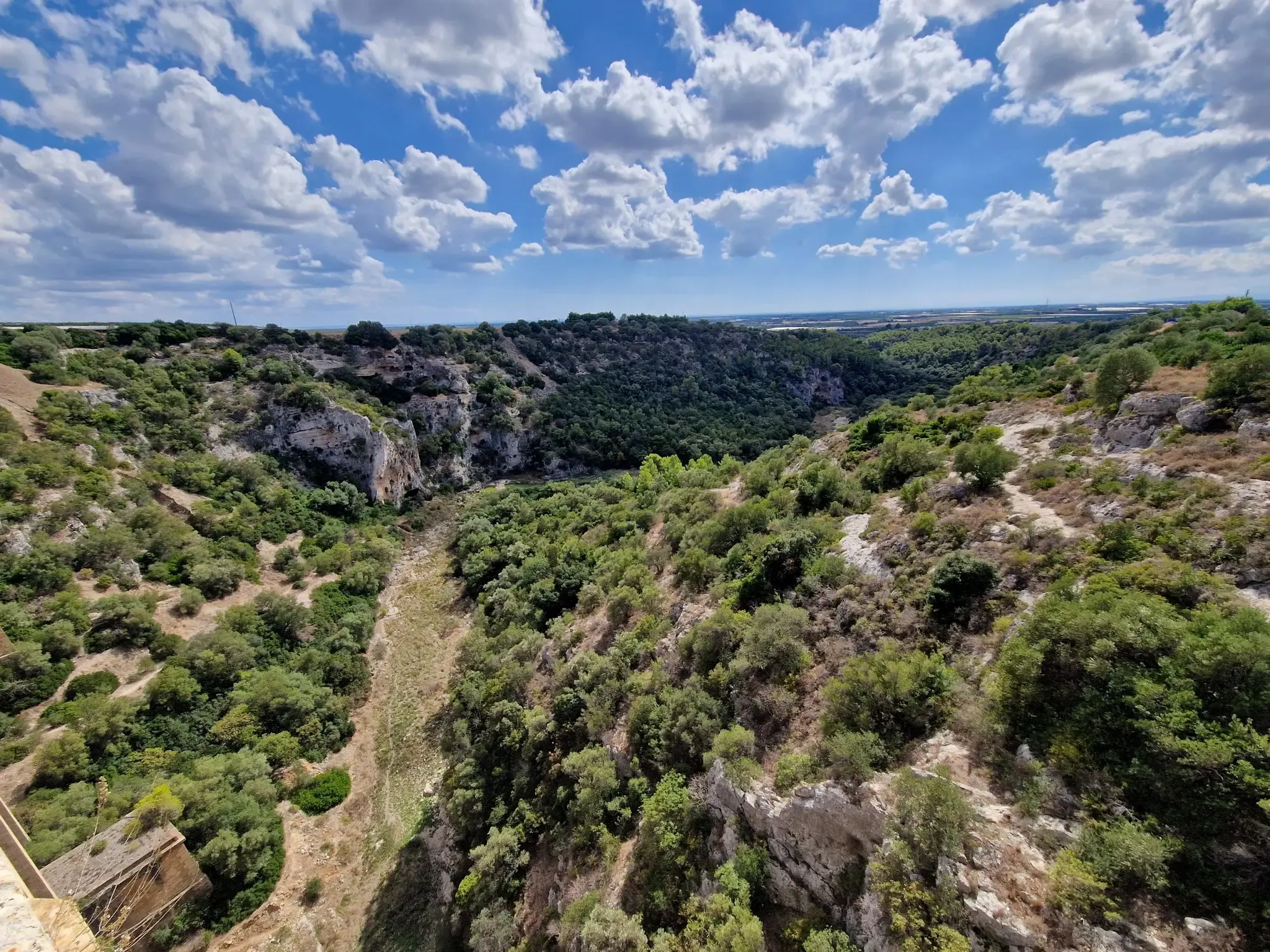
Discovering Puglia by bike – essential rides
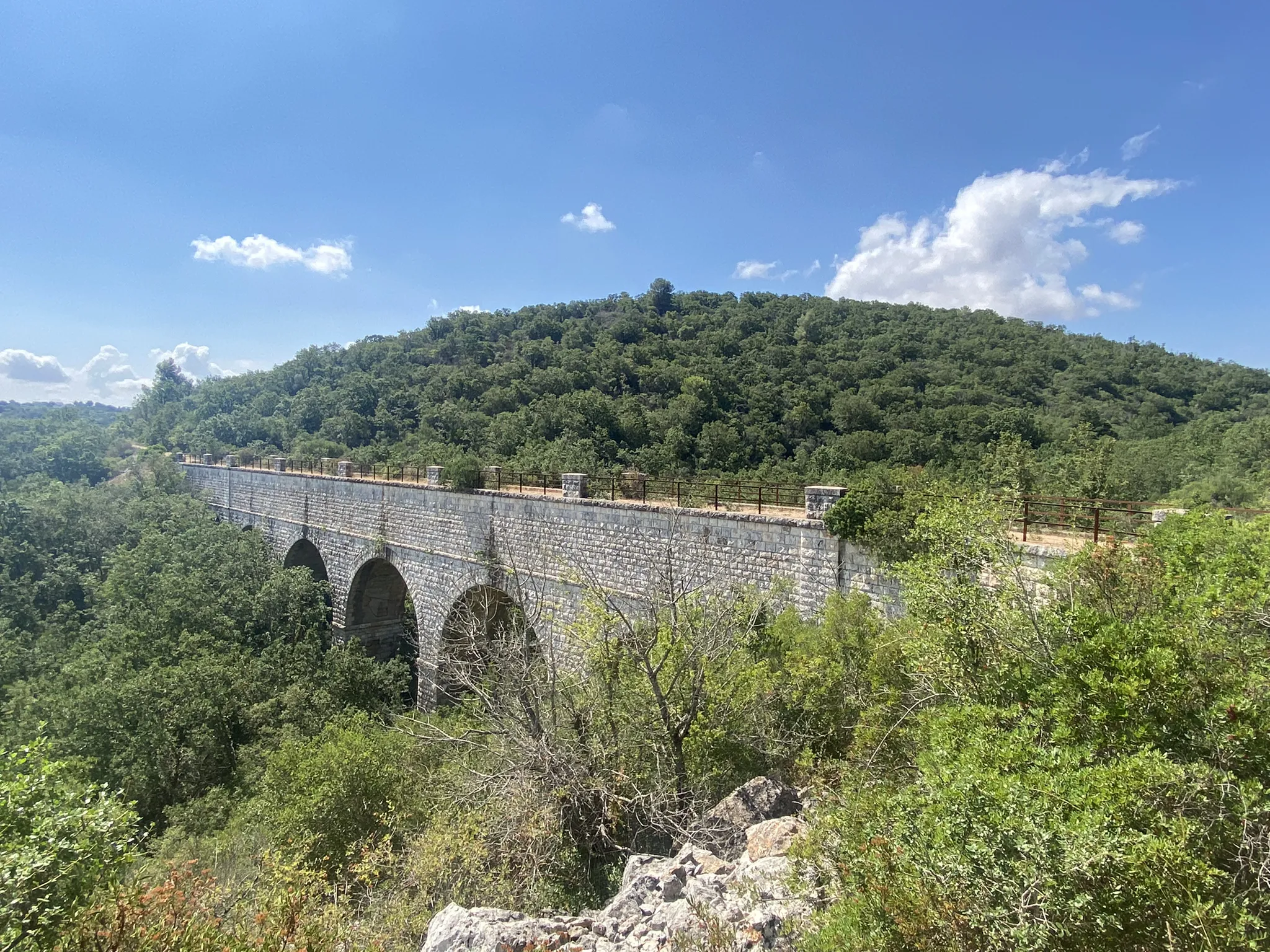
Caposele to Santa Maria di Leuca – Apulian Aqueduct Cycle Route
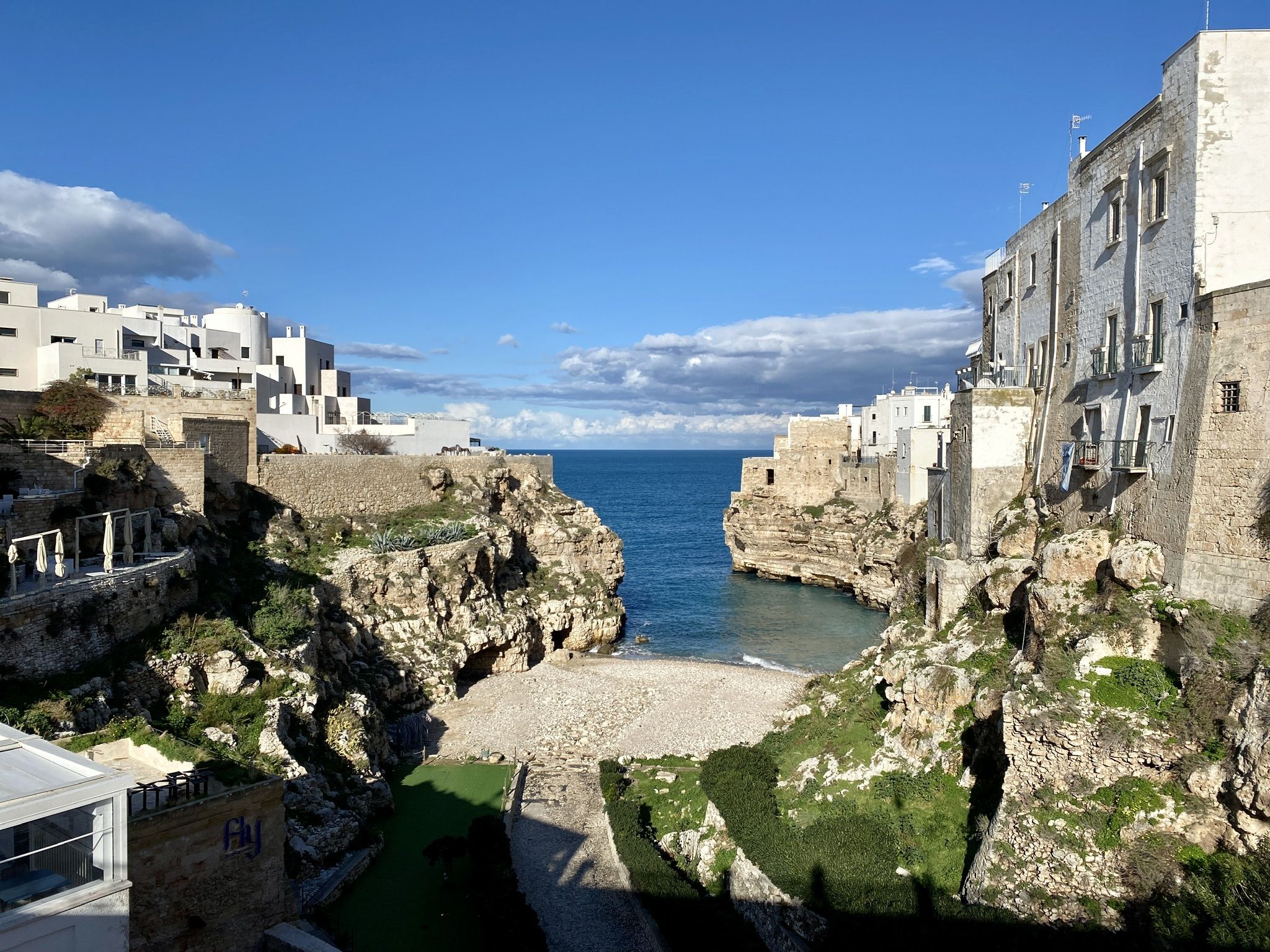
Sea, culture, taste and nature — Italy’s Puglia by bike
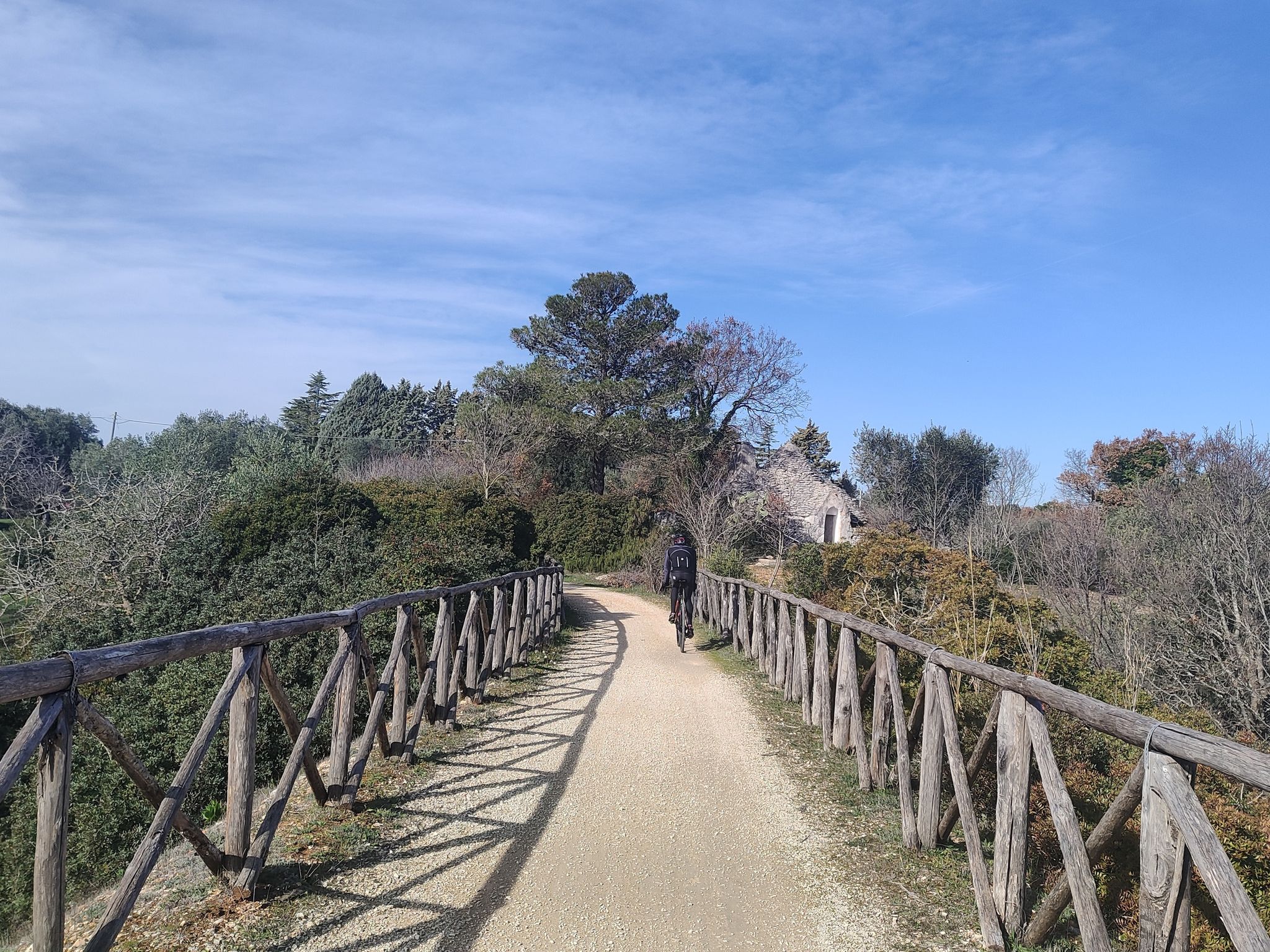
Ciclovia Anello d'oro di Puglia - Viaggio nella Puglia profonda
Anello d'oro di Puglia - Trekking nella Puglia profonda
Cycling in Taranto
Road Cycling Routes in Taranto
Hiking in Taranto
MTB Trails in Taranto
Running Trails in Taranto
Other adventures in Taranto


Tips from the Community

A valley with a small lake, a small natural waterfall—unique in Puglia—and numerous historical sites, from prehistory to the 10th century. A small paradise that many may not know, yet it lies within our territory. We're talking about the Gravina di Riggio, a place of great natural and historical value. A few kilometers from the city, the Gravina di Riggio is a deep valley characterized by a waterfall, a small lake, and a small stream, as well as numerous relics related to the phenomenon of "living in caves." Of particular note is "il Caggione," a circular chasm located near the waterfall. On its sheer walls, a cave village spread across three levels of caves is clearly visible. The remains of a fortification wall, some graffiti, and fragments of pottery date back to the Greek and Roman periods. Finally, the area was heavily inhabited during the Middle Ages, as evidenced by the two frescoed rock churches, the cenobitic hermitage, the pit burials, and a village with communal facilities such as water cisterns and a granary. The Gravina di Riggio rises 4 kilometers from Grottaglie, in the province of Taranto, and is a valley 1,300 meters long and 25 meters deep. In addition to being home to many animal and plant species, it is famous for its caves, some of natural origin, others man-made. The Gravina di Riggio is unique for its waterfall, which after a 15-meter drop feeds a small lake and a stream. The Church-Crypt of the Savior, with frescoes from the 10th and 11th centuries, is also beautiful. A special place not to be missed.
0
0

The Church of San Michele in Triglie was built on the Triglio hill, between Crispiano and Statte, between 1722 and 1746, by the will of the Bitetto family, who dedicated this place sacred to San Michele Arcangelo for a family devotion. The building rises above the remains of an ancient cave dedicated to the Saint that can still be visited today and decorated with frescoes by modern era. The church was later called the church of San Michele in Triglie from the name of the Contrada Triglie which hosts it and which takes its name from the ravine of the same name. The new chapel of San Michele in Triglie was instead built at the end of the nineteenth century by the Coneviva family, who inherited the farm from the Blasi family. Various historical events have seen the sacred place stripped of its sacred furnishings, around in 1841 it even became a warehouse / barn and was forbidden to worship in 1958. Thanks to the devotion and perseverance of the Coneviva family, the church was restored and today it is possible to visit it.
0
0
South-east of Mottola, in the Gorgone area near the Lamaderchia farm, along the ancient Via Consolare which represents a medieval branch of the Via Appia, stands the jewel in the crown of the Mirabili Grotte di Dio Mottolesi, the rock church of San Nicola, so named by Charles Diehl who was the first to describe it in 1894, an object of devotion for centuries of the local inhabitants, as well as of the Crusaders and pilgrims who travelled to Taranto and Brindisi from the inland regions to embark for the Holy Land. The beauty of its frescoes, cleaned for the first time in 1972 and restored in August 1989, after the vandalism of some heads of the wall icons, have led to it being defined as the Sistine Chapel of the rock civilization in Southern Italy. In truth, in this rock church we find ourselves in front of the most complete and astonishing art gallery of the popular sacred art of Puglia, which manages to fully highlight the testimonies of the various theological and artistic influences of oriental and Latin origin, spanning almost four centuries of the Middle Ages. The church is located on the edge of the ravine and can be accessed via stairs carved into the rock and adapted from the recent iron structure prepared by the Superintendency. A double-ringed lunette surmounts the door to the crypt and on it are visible traces of painted decoration of a half-length haloed figure.
0
0
"The Bucito Cave", in Grottaglie I'll make a very brief introduction: generally the manifestations of worship in caves, here, refer to what is the devotion for the Archangel Michael (quis ut Deus). And we owe this to the Lombards who made him their national saint. I would not leave out, however, the Byzantines of Puglia among whom this saint enjoyed enormous popularity. "The Grottaglie area, like other places in the area, has been inhabited by man since the most remote times. In fact, in some districts (Bucito, Coluccio and Lonoce) roughly worked stone tools, splinters and processing residues have been found, belonging to the Paleolithic, that is, to the period of the Ancient Stone. The Buccito Cave (or Coluccio), near Grottaglie, is located at an important road junction, closely connected to the Tratturo Martinese. These are the oldest signs of the presence of man in our territory. In the Neolithic Age (from the mid-5th to the first centuries of the 4th millennium BC) the first agricultural villages began to emerge (Bucito and Caprarica). Caves and natural caverns were then used in all phases of the Bronze and Iron Ages, especially in the villages of Riggio, Lonoce, Fullonese and Pensieri. In the last period of the Bronze Age, the agricultural economy took over from pastoralism, so the ravines were gradually abandoned to form small urban-type settlements. This process was however stifled with the foundation of Taranto by Spartan colonists (towards the end of the 8th century BC)” (From metropolis.it) Why is it called that? The cave takes its name from the Greek term βοῦς, βοός- bus,- or “ox” and οἰκία or “house, shelter, dwelling” and therefore, originally, indicated a place of shelter for these animals. The Greek etymology is evidence of both Magna Graecia, of Byzantine d+-++-homination and of the subsequent presence of the Basilian monks in our territory For some years, in this cave, the mass of December 24th was celebrated. Suggestive! A custom that would be nice to resume, both for our religion and for our traditions.
0
0
The Cave is part of the Gravine di Grottaglie and is located in the Terra delle Gravine Regional Park. The Bucito cave (also known as the Coluccio cave) is located in an important road junction, closely connected to the Tratturo Martinese, an ancient primary communication route until the 19th century in Puglia. On a boulder adjacent to the cave there are two statuettes, one of Padre Pio da Pietrelcina and one of Jesus Christ. Until a few years ago, in the Bucito cave, on the night of December 25, the inhabitants of Grottaglie and the surrounding area flocked there for the Christmas vigil and for the celebration of the Midnight Christmas Mass.
0
0

Grotta Croce, located in Gravina di Laterza, is one of the many karst caves in this suggestive canyon in Puglia. Famous for its natural beauty and historical interest, the cave offers spectacular limestone formations. Explored by speleology enthusiasts and hikers, it is part of the Terra delle Gravine Natural Park, an area rich in biodiversity and characterized by deep ravines and hidden caves. Grotta Croce also has archaeological value, with finds that testify to human presence in ancient times.
1
0
Stunning and relaxing landscape, excellent for going as a couple to have a bit of relaxation. Very green and excellent to visit
0
0
Stunning and relaxing landscape, excellent for going as a couple to have a relaxing time. Very green and excellent to visit
0
0
Frequently Asked Questions
What are some notable natural caves in the Taranto province?
The Taranto province features several natural caves, often within its deep gravine (canyons). Gravina di Riggio is significant for its diverse ecosystem, natural and man-made caves, and a 15-meter waterfall. Grotta Croce in Laterza is a karst cave within the Gravina di Laterza, known for its natural beauty and archaeological value, and is part of the Lipu Oasis. While not in Taranto province, the Castellana Caves, a major speleological complex, are easily accessible from Taranto and offer stunning geological formations like the White Cave.
Are there caves with historical or religious significance in Taranto?
Yes, many caves in the Taranto region hold historical and religious importance. Bucito Cave, located in the Terra delle Gravine Regional Park, is known for its historical and religious significance, including a tradition of celebrating Christmas Mass. The Gravina di Riggio includes the Church-Crypt of the Savior with 10th and 11th-century frescoes, and the 12th-century church of San Biagio in Rialbo built into a natural cave. Other sites include San Michele Cave in Triglie and the Rock Church of San Nicola.
What is the best time of year to visit caves in Taranto?
The caves in the Taranto region, including the Castellana Caves, maintain a relatively stable internal temperature year-round (around 16.5°C in Castellana). This makes them a good destination in any season. However, visiting during spring or autumn allows for more comfortable exploration of the surrounding outdoor areas and gravine, which can be very hot in summer or wet in winter.
Are there family-friendly caves or activities near Taranto?
Many of the historical and natural cave sites in the Taranto area can be explored by families. The Sanctuary of Madonna delle Grazie and the Rock Church of San Nicola are listed as family-friendly. The Castellana Caves offer guided tours suitable for various ages, with a shorter 1 km route available, making them a popular choice for families.
What kind of outdoor activities can I do near the caves in Taranto?
The region around Taranto's caves, particularly within the Terra delle Gravine Regional Park, offers diverse outdoor activities. You can find numerous hiking trails, ranging from easy to moderate, such as those in the Gravina di Laterza or the Bosco delle Pianelle. For mountain biking enthusiasts, there are challenging MTB trails available. You can explore more options on the Hiking in Taranto and MTB Trails in Taranto guide pages.
What are the Fantiano Quarries and what can I see there?
The Fantiano Quarries are an ancient quarry system with cave formations, located at the outlet of the gravina of the same name. This site features an articulated and complex system of quarry spaces, some of large dimensions and on different levels. Visitors can observe the different signs left by manual and machine extraction on the rock walls, offering a glimpse into historical mining activities. The paths within the quarries can be quite technical, especially after rain.
How long does it take to explore the Castellana Caves?
The Castellana Caves offer two guided tour options. A shorter route, approximately 1 km long, takes about 50 minutes. For a more comprehensive experience, a 3 km route is available, which typically takes around two hours. The longer tour is highly recommended to fully appreciate the grandeur of the cave system, including the stunning White Cave.
Are there any caves in Taranto that are less crowded or considered 'hidden gems'?
While popular sites like Gravina di Riggio attract visitors, many of the smaller, historical cave dwellings and rock-hewn churches within the gravine of the Terra delle Gravine Regional Park are less frequented. Exploring areas like the Cave and Olive Mill of Masseria Pantaleo or the Sanctuary of Our Lady of Mount Carmel can offer a more secluded experience, allowing for a deeper connection with the region's history and nature.
What should I wear for cave exploration in the Taranto region?
For cave exploration in the Taranto region, it's advisable to wear comfortable clothing and sturdy, closed-toe shoes with good grip, as surfaces can be uneven and sometimes slippery. Even on warm days, the internal temperature of caves like Castellana remains cool (around 16.5°C), so a light jacket or sweater is recommended. If you plan to explore gravine, be prepared for rocky and potentially wild terrain.
What are the main geological features of the Castellana Caves?
The Castellana Caves are a significant karst cave system formed over 90 million years ago by the erosive action of an ancient underground river on limestone. Key features include the imposing 60-meter-deep vertical entrance called La Grave, the dazzling pure white alabaster formations of the White Cave (Grotta Bianca), and various chambers like the Black Cavern and Owl Cave. The caves are rich in geological marvels, featuring countless stalactites, stalagmites, and other mineral concretions formed by dripping water over millennia.
Are there any specific hiking trails that lead to or past caves in Taranto?
Yes, several trails in the Taranto area incorporate caves or gravine. For instance, the Trail Near the Cave of San Martino is known for being very rocky and wild, offering a challenging experience. Many routes within the Terra delle Gravine Regional Park will lead you through areas with natural and man-made caves, such as those found in the Gravina di Laterza. You can find more detailed hiking routes on the Hiking in Taranto guide page.
Most popular routes in Taranto
Most popular attractions in Taranto

Get inspired with the komoot mobile app


Didn’t find what you were looking for?
Discover more caves in Taranto region by region:
Explore more
Extend your search for the best caves by checking out these guides of the top ones in Taranto:
