Top 9 Caves in Ciudad Real
Caves in Ciudad Real provide a glimpse into the region's geological past, historical uses, and unique subterranean networks. The province features a landscape shaped by both limestone and volcanic activity, leading to a variety of natural caves and human-expanded passages. These sites offer insights into prehistoric art, ancient occupations, and traditional rural life. Exploring them reveals the ingenuity of past inhabitants in utilizing their natural environment.
Best caves in Ciudad Real
- The most popular caves is Estena Towers, a…
Last updated: July 11, 2026
Estena Towers
Highlight • Natural Monument
The uniqueness of the Torres del Estena is due to the fact that they are part …
Translated by Google •
Tip by

Ascent to the Shepherd's Cave
Highlight • Cave
Translated by Google •
Tip by
Sign up now to discover places like this
Get recommendations on the best single tracks, peaks, & plenty of other exciting outdoor places.
Sign up for free
Peñaescrita Cave Paintings
Highlight • Historical Site
Translated by Google •
Tip by
Our Lady of the Star (Miguelturra)
Highlight • Religious Site
Translated by Google •
Tip by
Fuente del Caño Cave
Highlight • Cave
Translated by Google •
Tip by

Minas El Chorrillo Prospecting Tunnel
Highlight • Cave
In the Jabalón riverbed, a few kilometers from this place, in La Fuente del Chorrillo, there is a mining operation. …
Translated by Google •
Tip by

Cueva de los Toriles Archaeological Site
Highlight • Cave
Translated by Google •
Tip by

Cabeza del Rey Volcano-Cave
Highlight • Volcano
Translated by Google •
Tip by
Brazatortas
Highlight • Settlement
Translated by Google •
Tip by
Start today with a free account
Your next adventure awaits.
Login or Signup
Popular around Ciudad Real
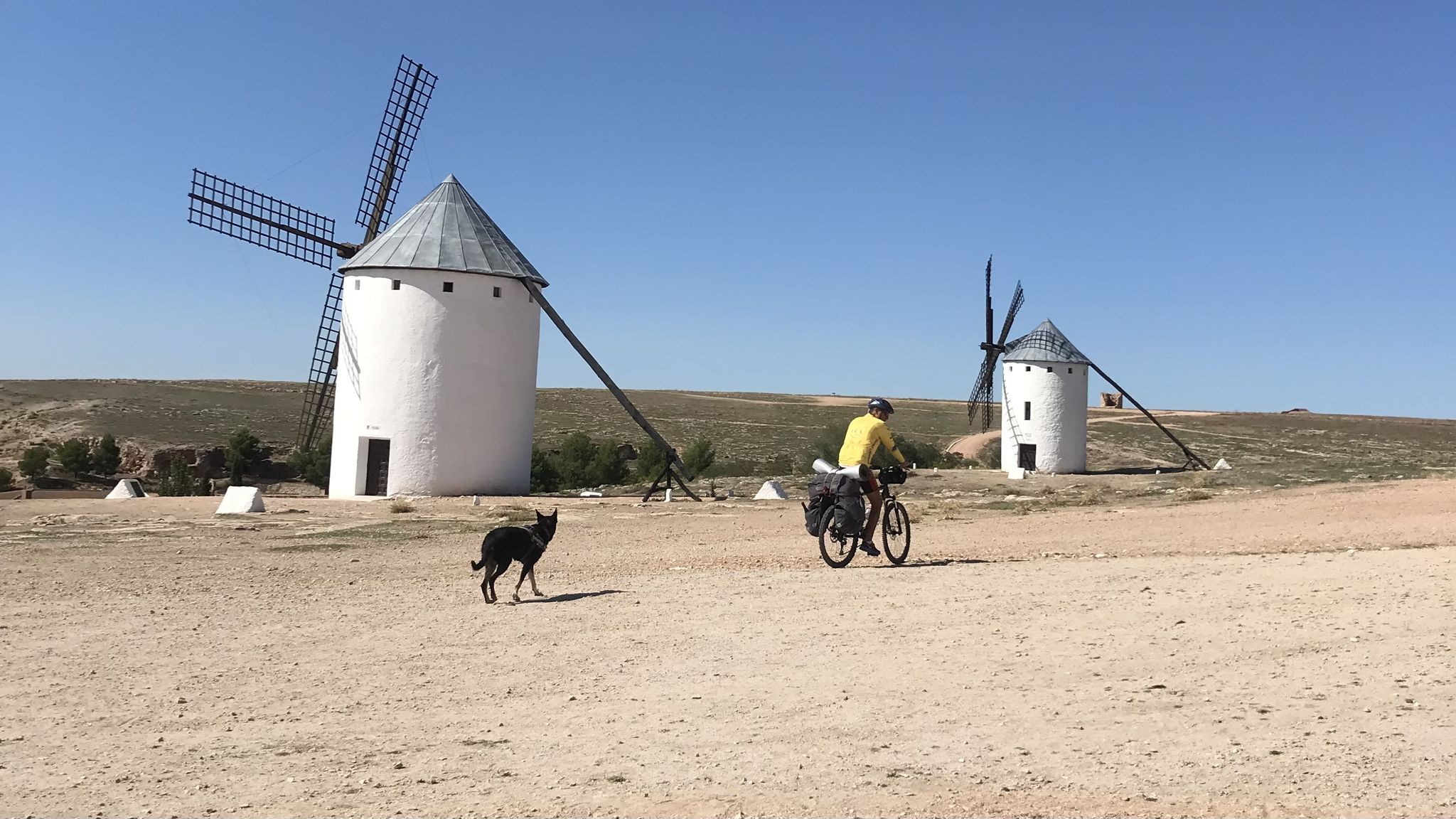
Don Quixote's route – The knight of the sorry face
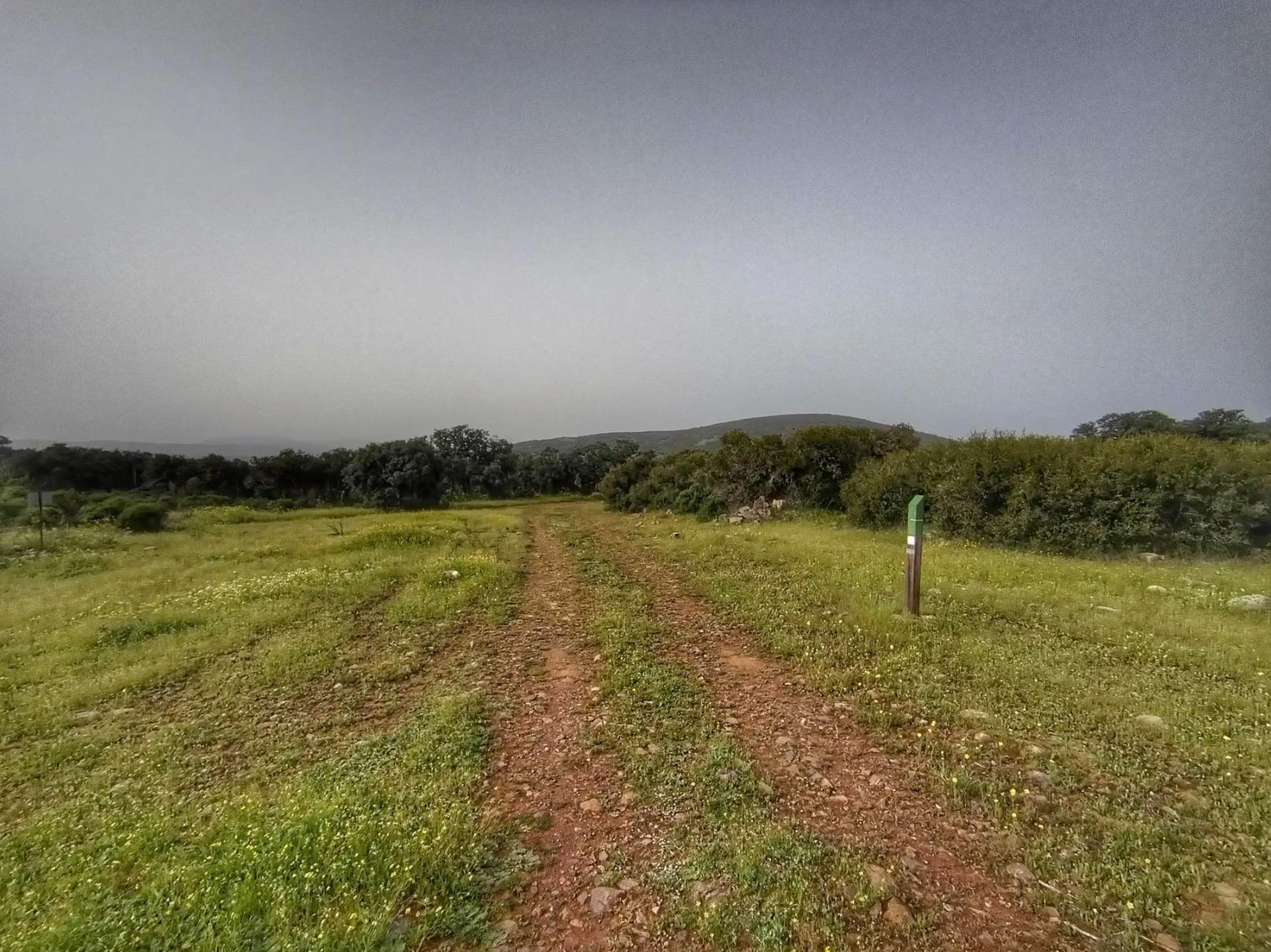
Sigue la trashumancia — GR 164 Cañada Real Conquense o Los Serranos
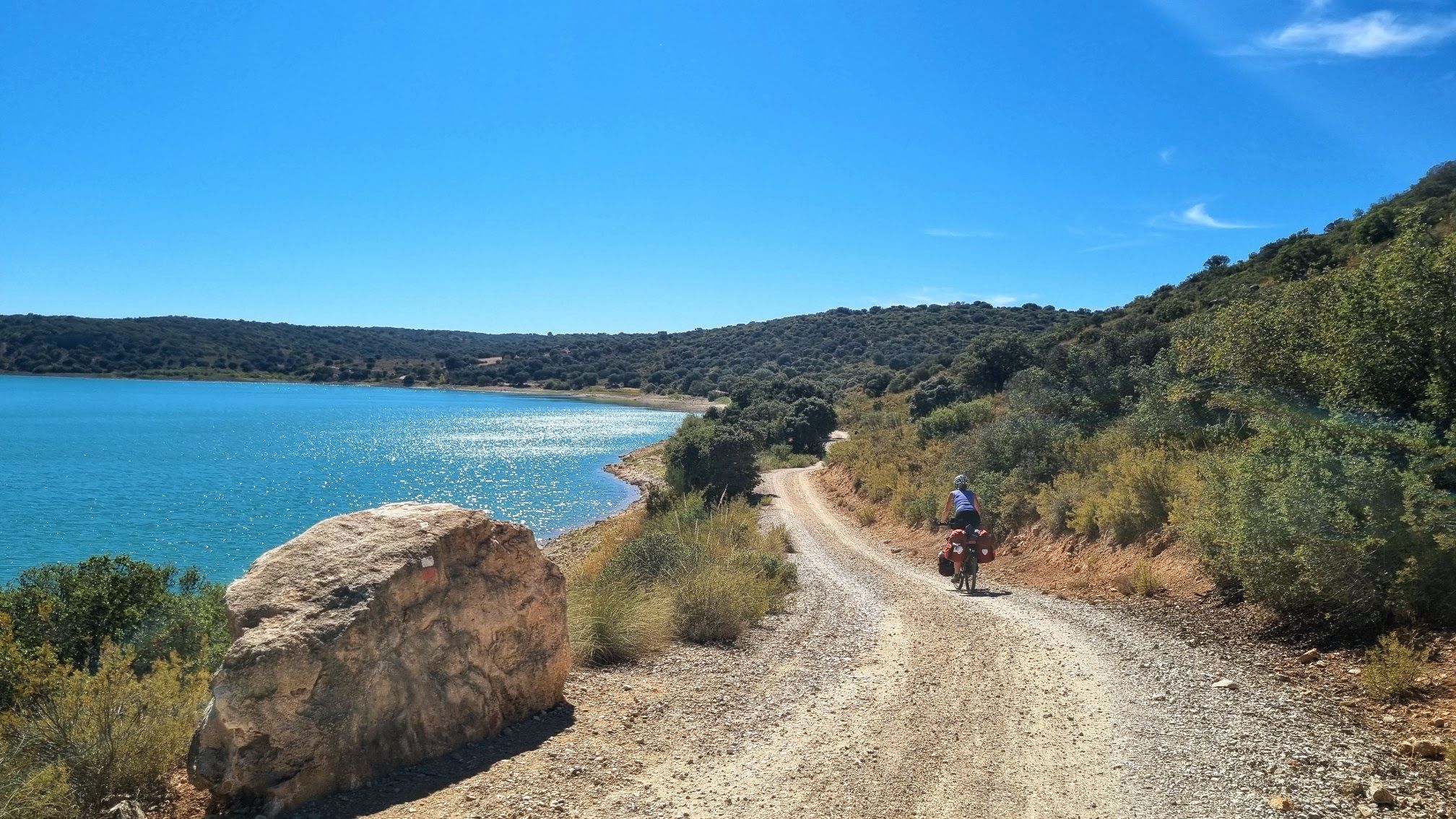
Pedalea junto al gran río — Camino Natural del Guadiana
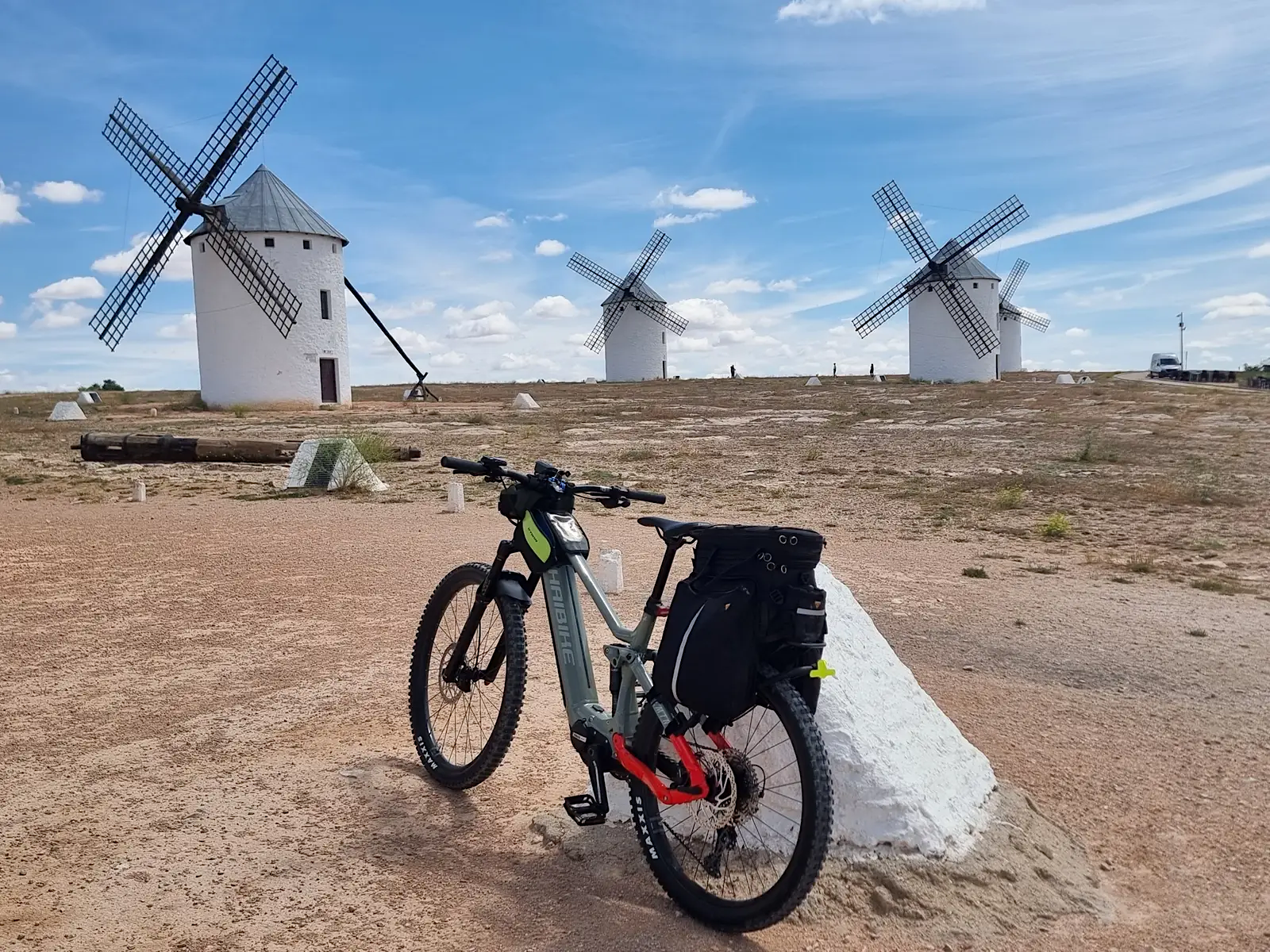
Route of Don Quixote – cycling between rivers, lagoons and hills
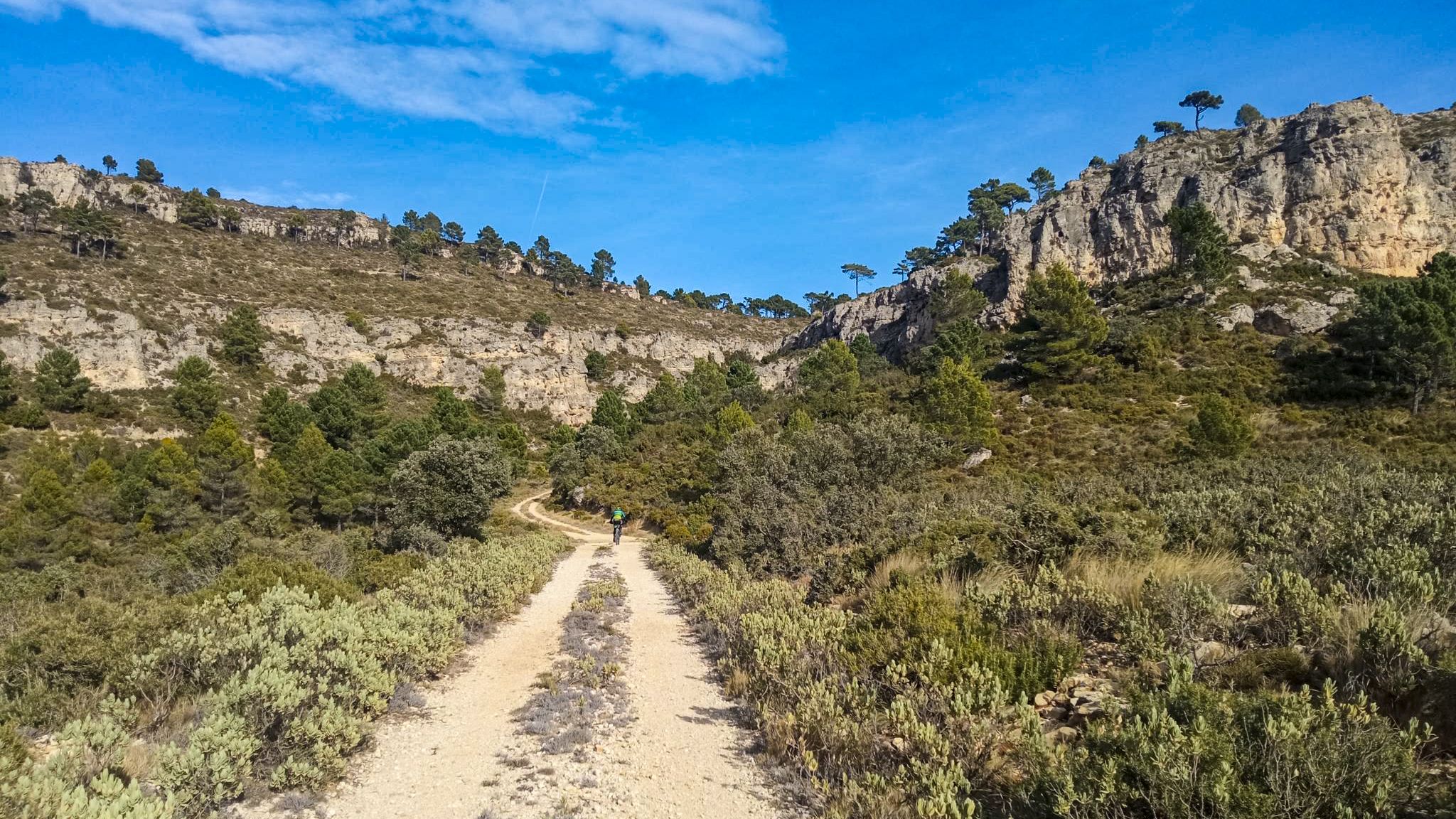
10 gravel routes to discover hidden gems in Spain
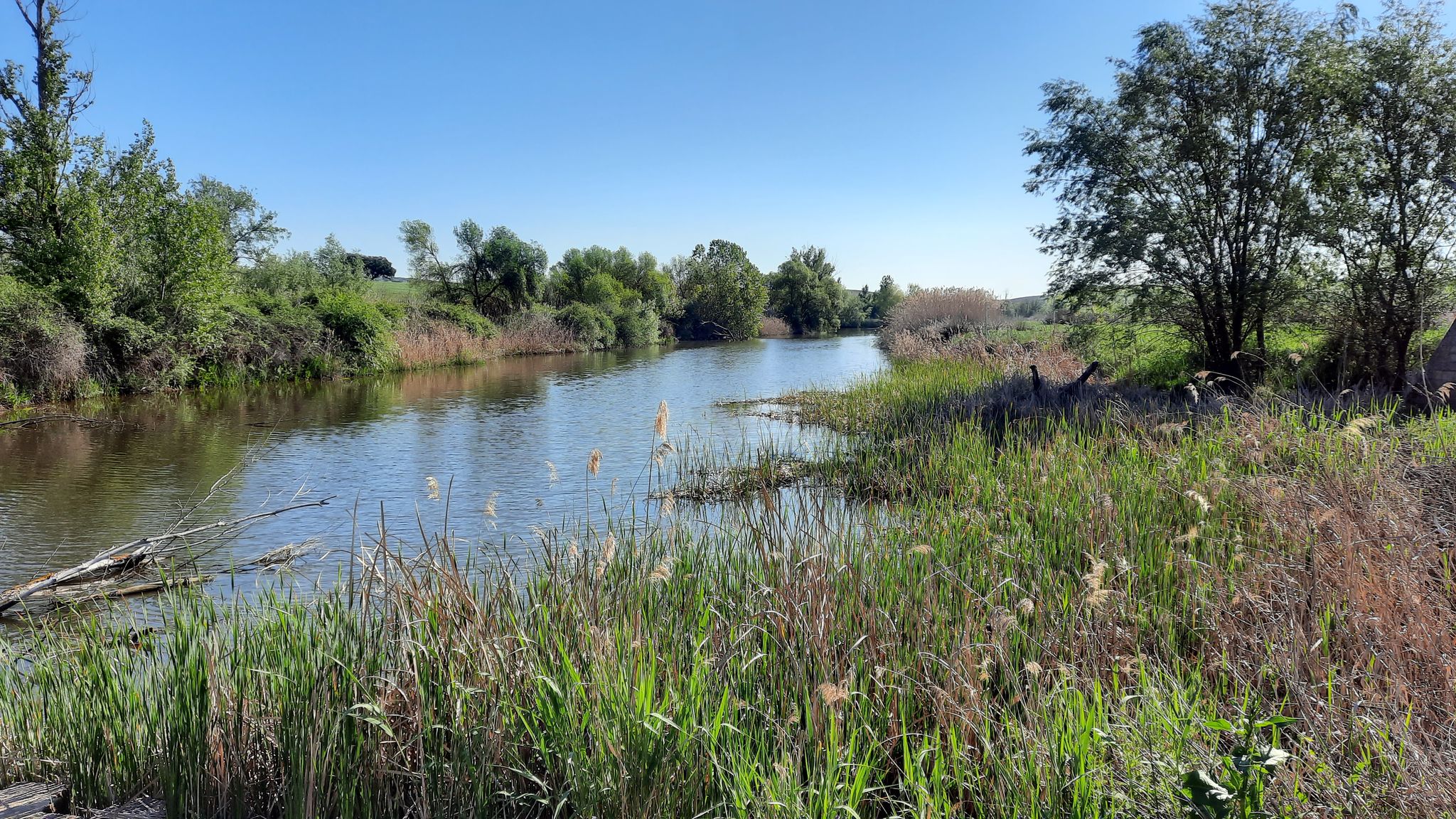
The magic of an endless river – Spain's Guadiana Natural Trail (GR 114)
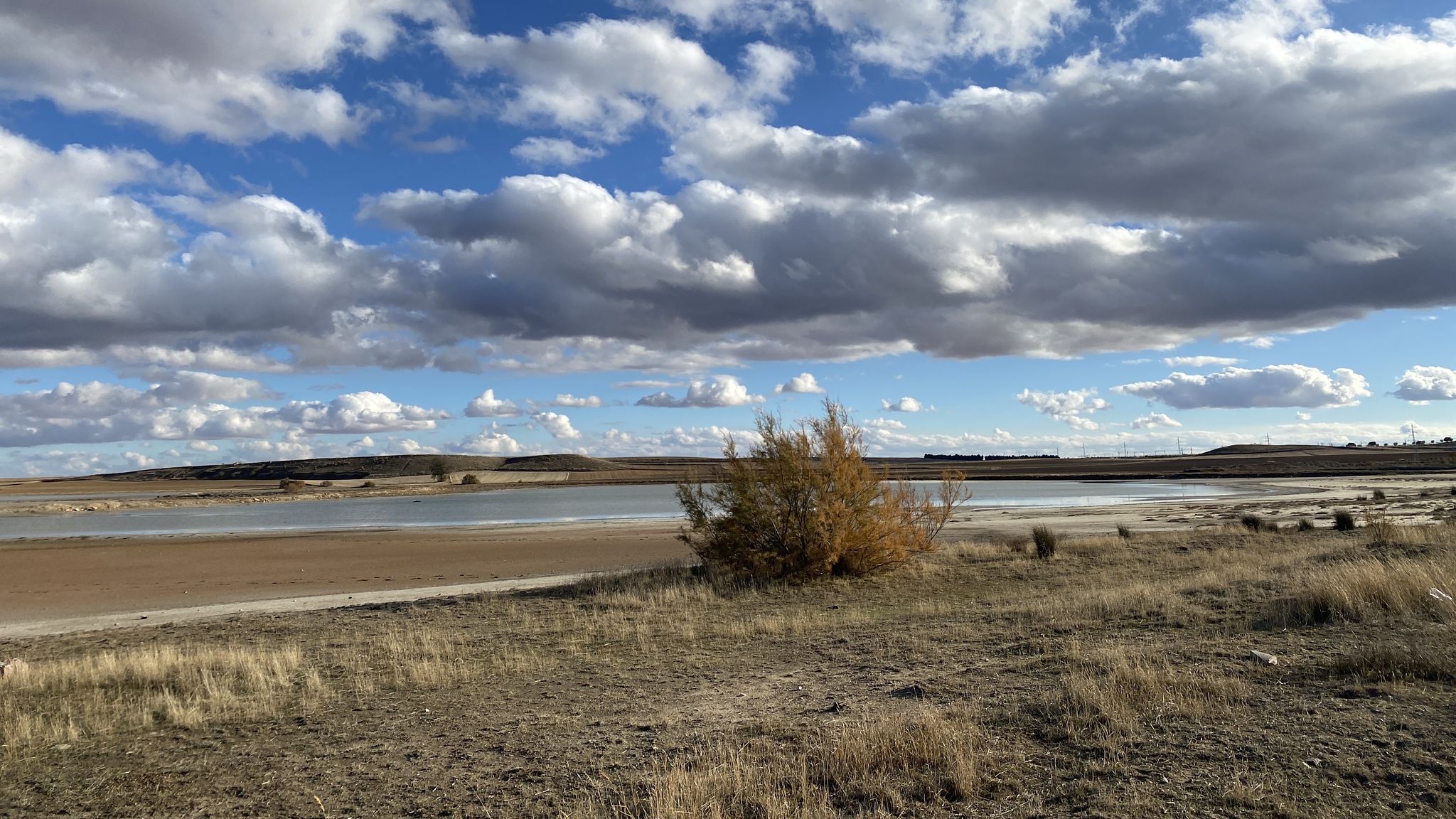
An adventure through La Mancha’s wetlands – discover an oasis
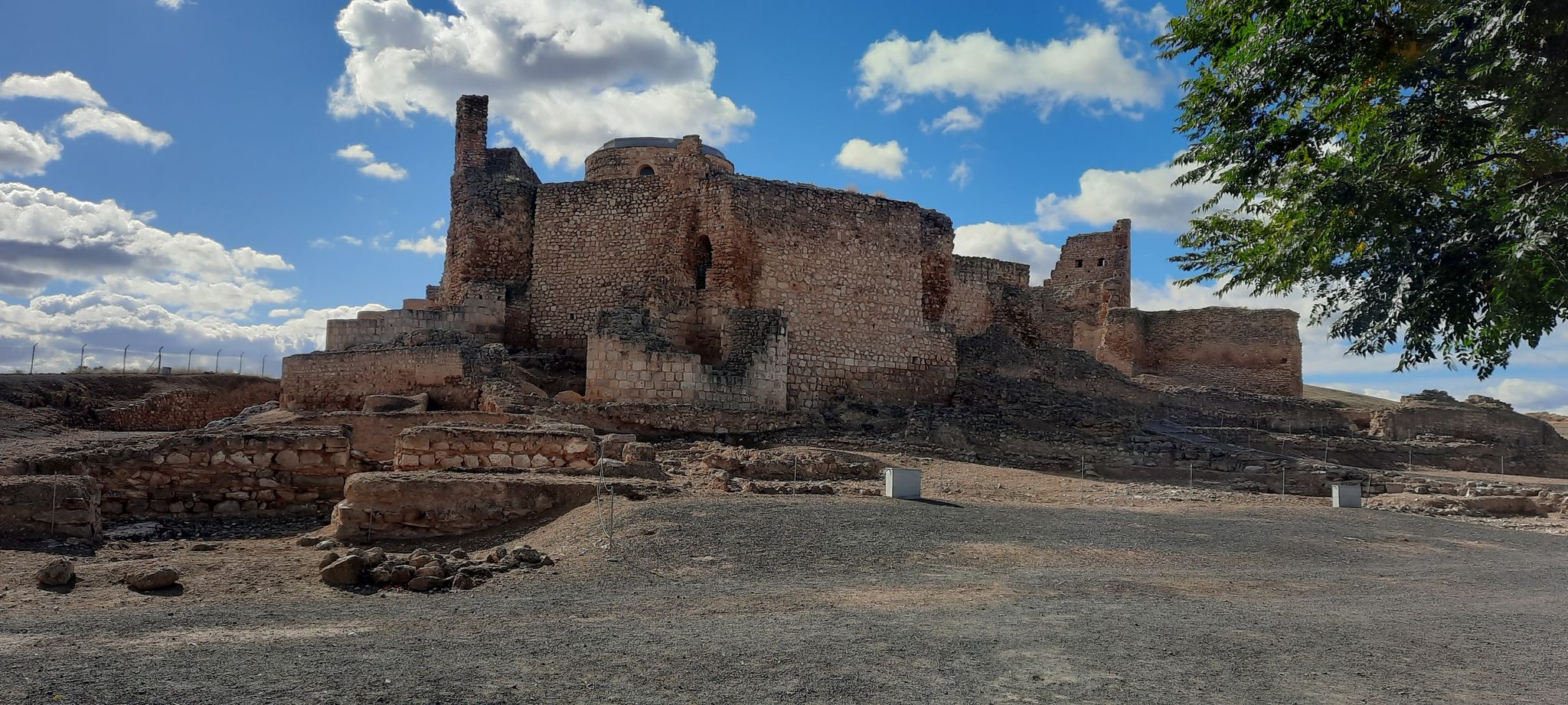
Old volcanoes and castles – bikepacking through Campo de Calatrava
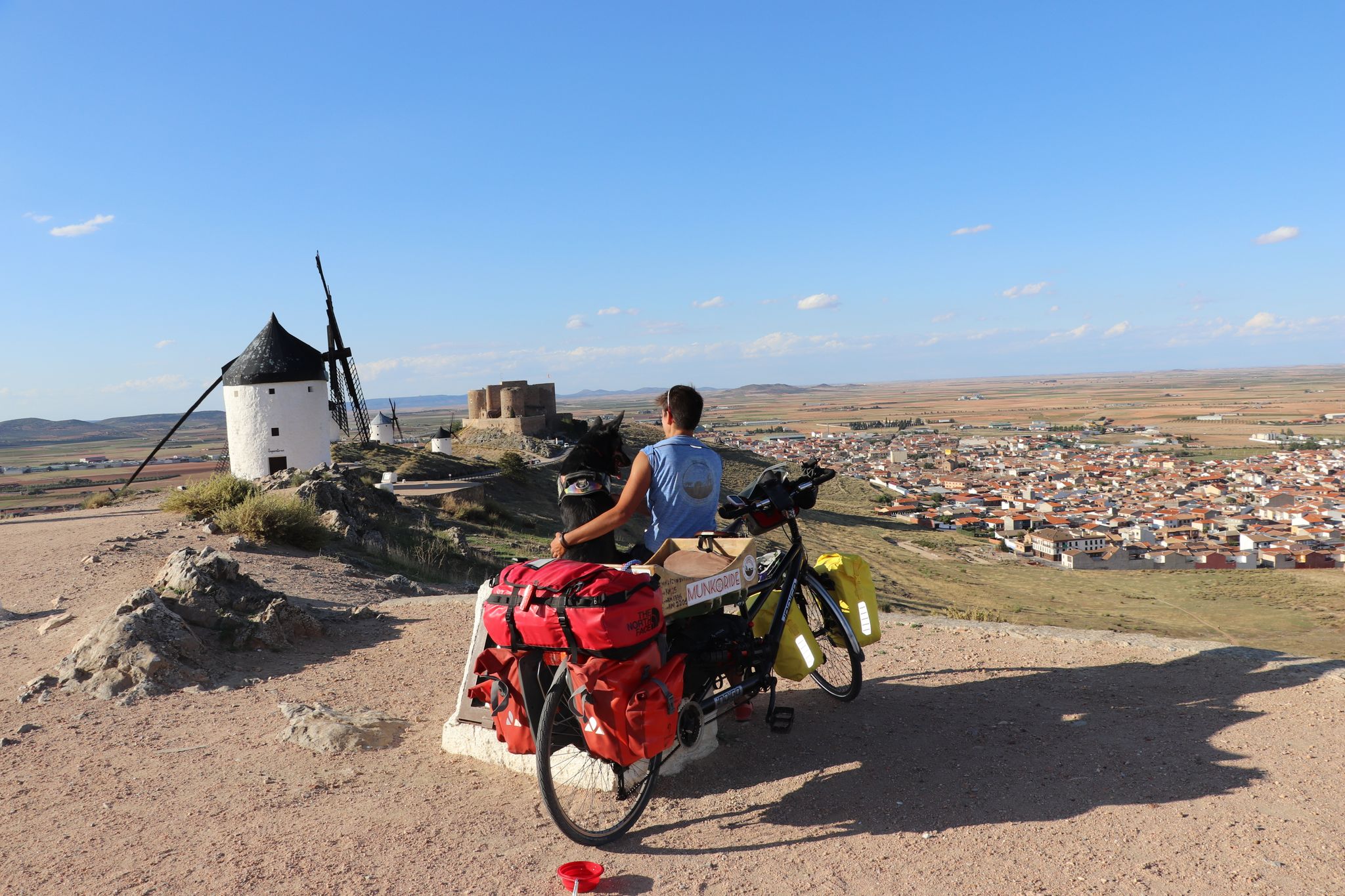
Cycle among the Giants of La Mancha in Spain – Route of Don Quixote
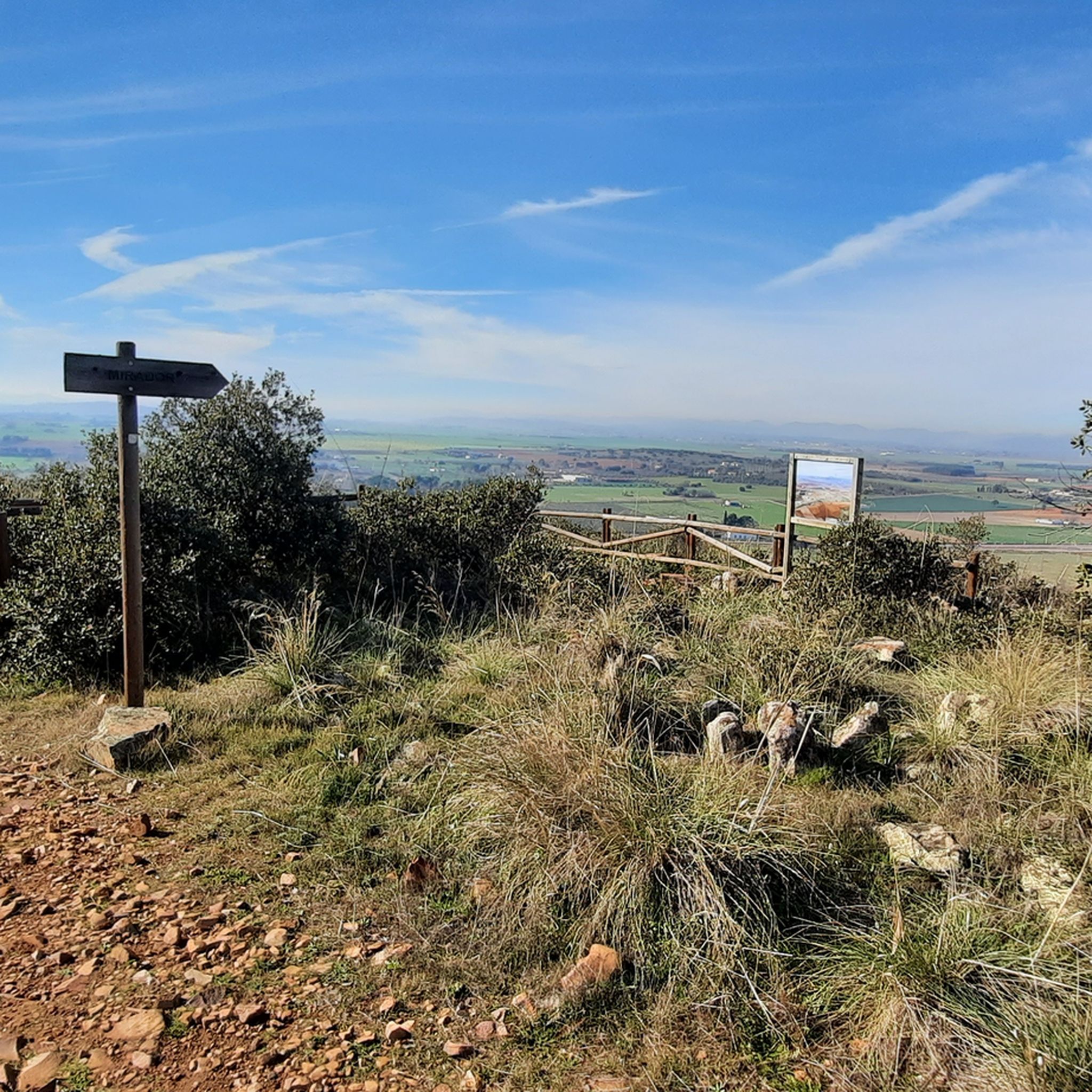
Hiking in Ciudad Real
Other adventures in Ciudad Real


Tips from the Community

The El Chorrillo Mines, located near Valenzuela de Calatrava in Ciudad Real, are known for their manganese mining, which was carried out until 1950. These mines are part of the rich mining history of the volcanic region of Campo de Calatrava, where iron and manganese deposits are found due to volcanic activity.
2
0
Torres del Estena is a fascinating place in the Cabañeros National Park, located near Navas de Estena in the province of Toledo. These geological formations consist of three rocks aligned with each other. Their peculiarity and beauty make them one of the icons of the Boquerón de Estena trail. Under the tower on the right, there is a cave or small rock shelter that, until 1932, housed a hermitage known as El Tío Cestero.
7
0

Fantastic rock towers that stand as gatekeepers made of quartzite at the side of the path.
2
0

The three towers are made of quartzite rock and are aligned with each other, they are part of a tectonic gap that was formed due to the frictional movement of a fault.
2
0

Prospecting mine, excavated in the area around the ravine's bathrooms. In the Jabalón riverbed, a few kilometers from this place, in La Fuente del Chorrillo, there is a mining operation. This deposit, called "El Chorrillo Mines", was worked until 1950 and was rich in Manganese.
3
0
It preserves a painting inside the convent where a knight of Calatrava is represented kneeling before the image of Maria de la Estrella and where tradition says that he announced to her that they were going to found a convent attached to the hermitage. At the bottom of the box it reads: "EXVOTO".
29
0
The Cabeza del Rey volcano represents a perfect natural watchtower to contemplate all the multitude of Calatrava volcanoes that surround it.
16
0
The hermitage-convent of Nuestra Señora de la Estrella was founded at the end of the 17th century in Miguelturra, province of Ciudad Real (Spain). It was created around the primitive hermitage of Santa Marina, which has belonged to the Virgin of the Star since the 13th century, after the appearance of the virgin, discovered by some shepherds in the place that a star pointed out to them for several nights. Excavating at the marked point, they found a dark-skinned virgin inside a cave, which can still be visited next to the church. Taking her from that moment on as patron saint of Miguelturra. The convent, attended from its origin by cloistered Mercedarian nuns, was founded by Mrs. Maria Velarde y Treviño due to the reputation that the virgin had for being miraculous. The founder was buried with her husband, Francisco Trevillo y Dávila at the foot of the main altar in 1785.
36
0
Frequently Asked Questions
What historical and archaeological caves can I explore in Ciudad Real?
Ciudad Real offers several caves with rich historical and archaeological significance. You can visit the Peñaescrita Cave Paintings in Fuencaliente, which feature schematic prehistoric art. The Cueva de los Toriles Archaeological Site in Carrizosa provides evidence of human and animal occupation dating back to the Pleistocene era, including Roman frequentation. Additionally, the Cueva de la Mora in Villanueva de los Infantes is a recognized Historic Site believed to be a Mozarabic hermitic complex.
Are there any caves in Ciudad Real that offer insights into traditional rural life?
Yes, the Ascent to the Shepherd's Cave in Poblete is a curious rock shelter historically used as a refuge for shepherds and their flocks. Its traditional use provides a unique insight into rural life in the region.
Can I find caves within Ciudad Real city itself?
The city of Ciudad Real sits on a limestone and volcanic substrate, leading to an extensive network of natural caves and human-expanded passages. Historically, these spaces served various purposes, including cellars and refuges. Notable examples that have been recovered and made visitable include galleries of the Torreón del Alcázar, the south and north caves of the Museo de la Merced, and the cave of the former Casino.
What unique geological formations can be found in Ciudad Real's caves?
The Estena Towers are a natural monument featuring impressive columnar quartzite formations, resulting from differential erosion. These imposing rocky towers are an icon of the Boquerón de Estena trail. The Cabeza del Rey Volcano-Cave also offers a unique geological experience, being a volcano with a cave formation.
Are there family-friendly caves to visit in Ciudad Real?
The Ascent to the Shepherd's Cave in Poblete is considered family-friendly and has easy access, requiring no special equipment. The Cabeza del Rey Volcano-Cave is also listed as family-friendly, offering a natural watchtower experience.
What kind of outdoor activities can I do near the caves in Ciudad Real?
Many caves are located near areas suitable for outdoor activities. You can find easy hikes like the Isla del Pan Trail or the Boquerón del Estena Trail. For cycling, there are routes such as the Lagunas de Ruidera Loop or the Pantano del Vicario from Ciudad Real. Explore more options on the Easy hikes in Ciudad Real guide or the Cycling in Ciudad Real guide.
Are there any caves with religious or legendary significance in the region?
Yes, the Cueva de la Mora in Villanueva de los Infantes is associated with a local legend about a beautiful Moorish woman. Additionally, the Our Lady of the Star (Miguelturra) site features a cave where a dark-haired virgin statue was discovered, leading to the founding of a hermitage-convent and making her the patron saint of Miguelturra.
What should I know about accessibility for caves in Ciudad Real?
Some caves, like the Ascent to the Shepherd's Cave, are noted for their easy access, not requiring special shoes or clothing unless it rains. However, others like the Fuente del Caño Cave are categorized as challenging, suggesting more difficult terrain.
Are there any caves related to mining history in Ciudad Real?
Yes, the Minas El Chorrillo Prospecting Tunnel is a historical site that offers a glimpse into the region's mining past.
What is the best time to visit the caves in Ciudad Real?
While specific seasonal recommendations for all caves are not universally provided, the region's climate generally makes spring and autumn pleasant for outdoor exploration. These seasons offer milder temperatures, ideal for visiting both open-air sites like the Peñaescrita Cave Paintings and for hiking to cave entrances.
What do visitors appreciate most about the caves in Ciudad Real?
Visitors appreciate the diverse experiences offered by the caves, from the ancient rock art at Peñaescrita Cave Paintings to the unique geological formations of the Estena Towers. The historical insights provided by sites like the Cueva de los Toriles Archaeological Site and the traditional charm of the Ascent to the Shepherd's Cave are also highly valued.
Most popular routes in Ciudad Real
Most popular attractions in Ciudad Real

Get inspired with the komoot mobile app


Didn’t find what you were looking for?
Discover more caves in Ciudad Real region by region:
Explore more
Extend your search for the best caves by checking out these guides of the top ones in Ciudad Real:
