Top 20 Castles in Córdoba
Best castles in Córdoba are found within a city rich in history, situated in a region characterized by diverse landscapes. The area features historical structures that reflect its past, from Roman and Visigothic influences to Arabic and Christian eras. Many of these sites, while sometimes referred to as palaces, incorporate defensive features and played significant roles in the region's historical narrative. The province offers a range of historical sites for exploration.
Best castles in Córdoba
- The most popular castles is…
Last updated: August 7, 2026
Mosque–Cathedral of Córdoba
Highlight • Religious Site
Translated by Google •
Tip by

Alcázar of the Christian Monarchs (Córdoba)
Highlight • Historical Site
Translated by Google •
Tip by

Sign up now to discover places like this
Get recommendations on the best single tracks, peaks, & plenty of other exciting outdoor places.
Sign up for free
Calahorra Tower
Highlight • Historical Site
Translated by Google •
Tip by
Zuheros Castle
Highlight • Castle
Translated by Google •
Tip by

Views of Zuheros Castle from the viaduct
Highlight • Viewpoint
Translated by Google •
Tip by

Viana Palace
Highlight • Historical Site
Translated by Google •
Tip by
Zuheros is a beautiful place.
Highlight • Settlement
Translated by Google •
Tip by
Almodóvar del Río Castle
Highlight • Castle
Translated by Google •
Tip by

Iznájar Castle and the Parish Church of Saint James the Apostle
Highlight • Castle
Translated by Google •
Tip by

Fuente El Pilar and Belalcázar Castle
Highlight • Castle
Translated by Google •
Tip by

Sign up for free to discover even more castles in Córdoba.
Sign up for free
Already have an account?
Start today with a free account
Your next adventure awaits.
Login or Signup
Popular around Córdoba
European Divide Trail — 7,600 km across the continent
Mozarabic Way to Santiago – Gravel between two worlds
La Vuelta 26 — All Official Stages
12 hiking gems throughout Spain
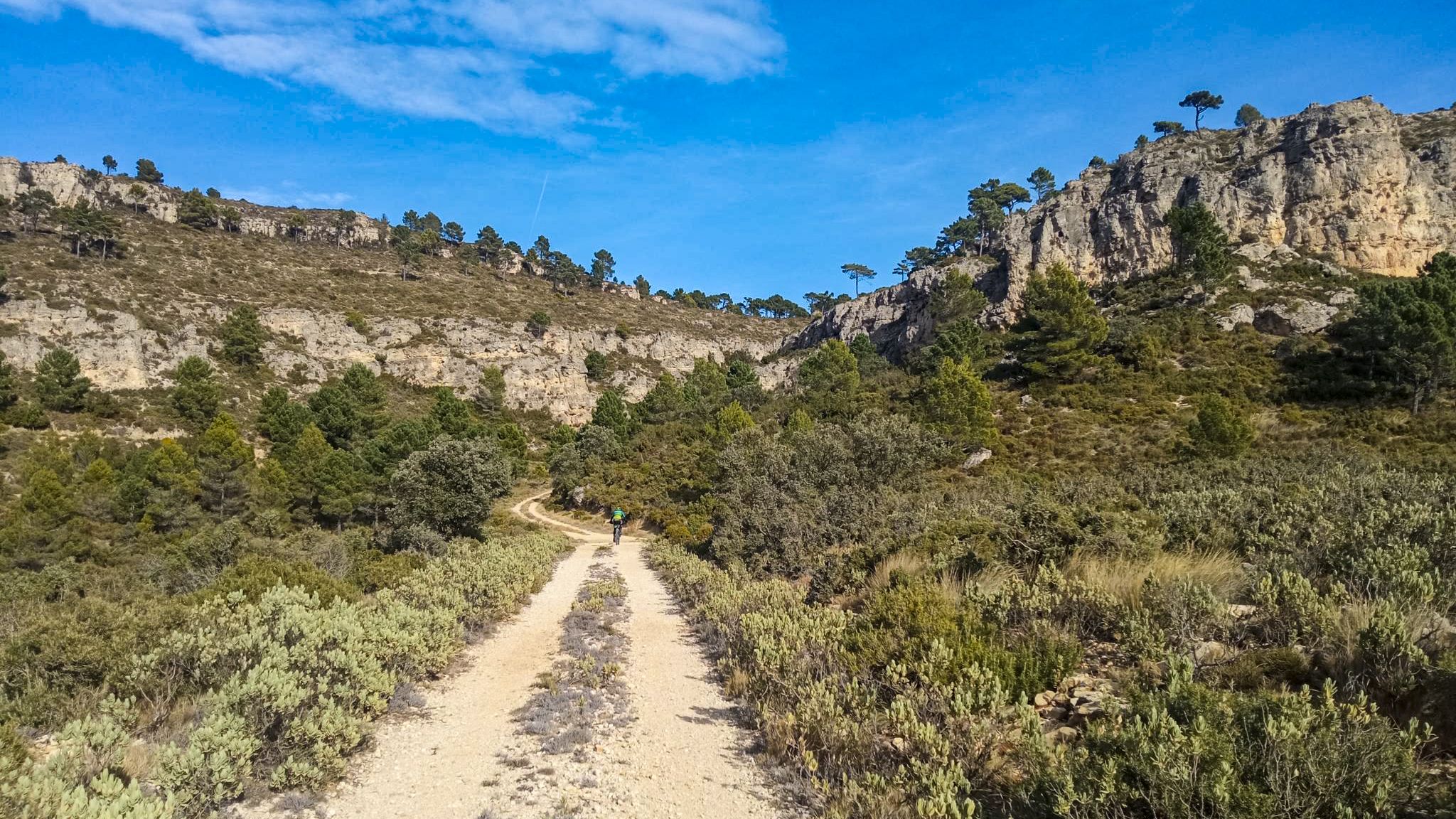
10 gravel routes to discover hidden gems in Spain
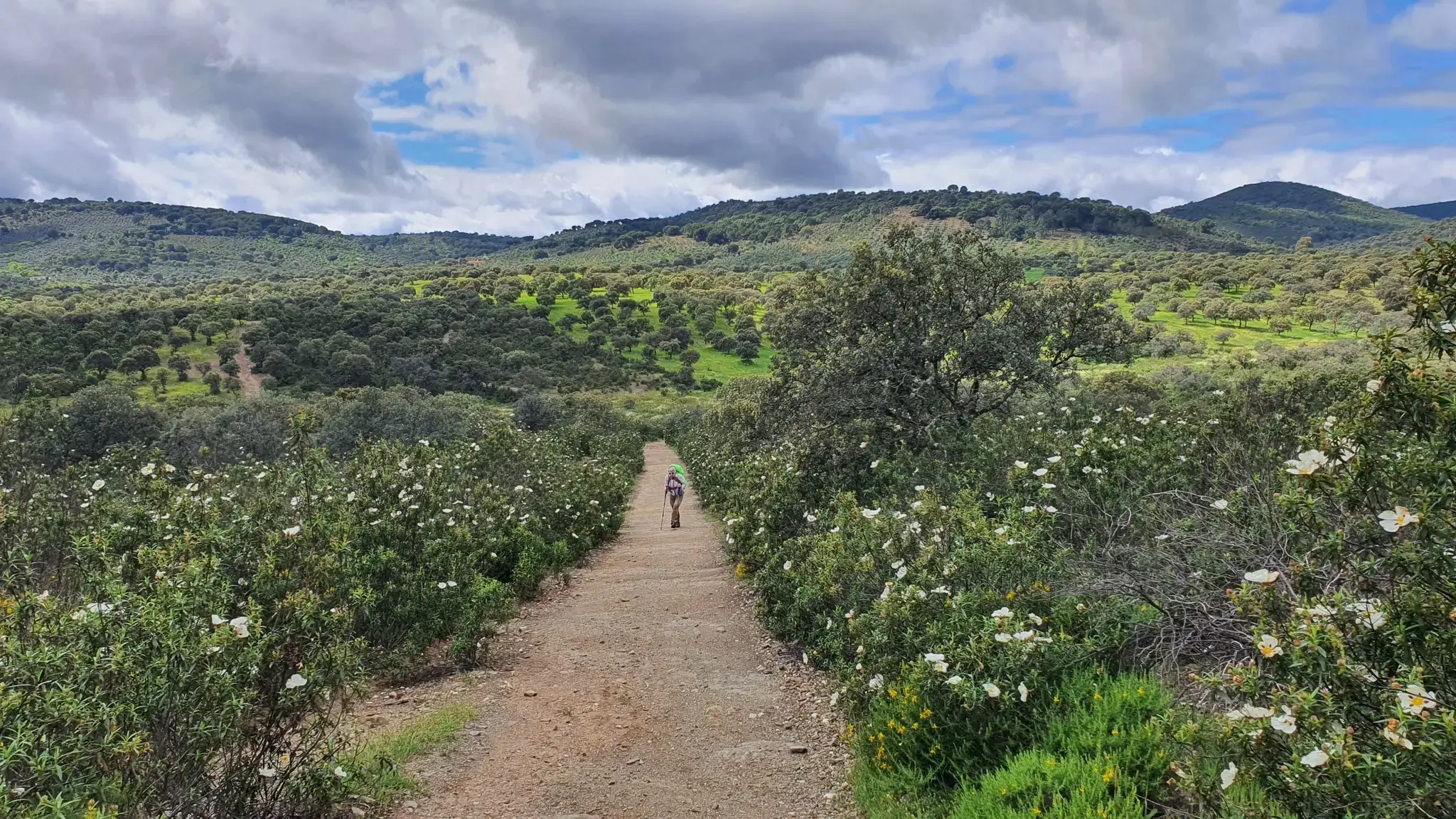
Pastures, Pedroches and farmhouses — Cañada Real Soriana (GR 40)
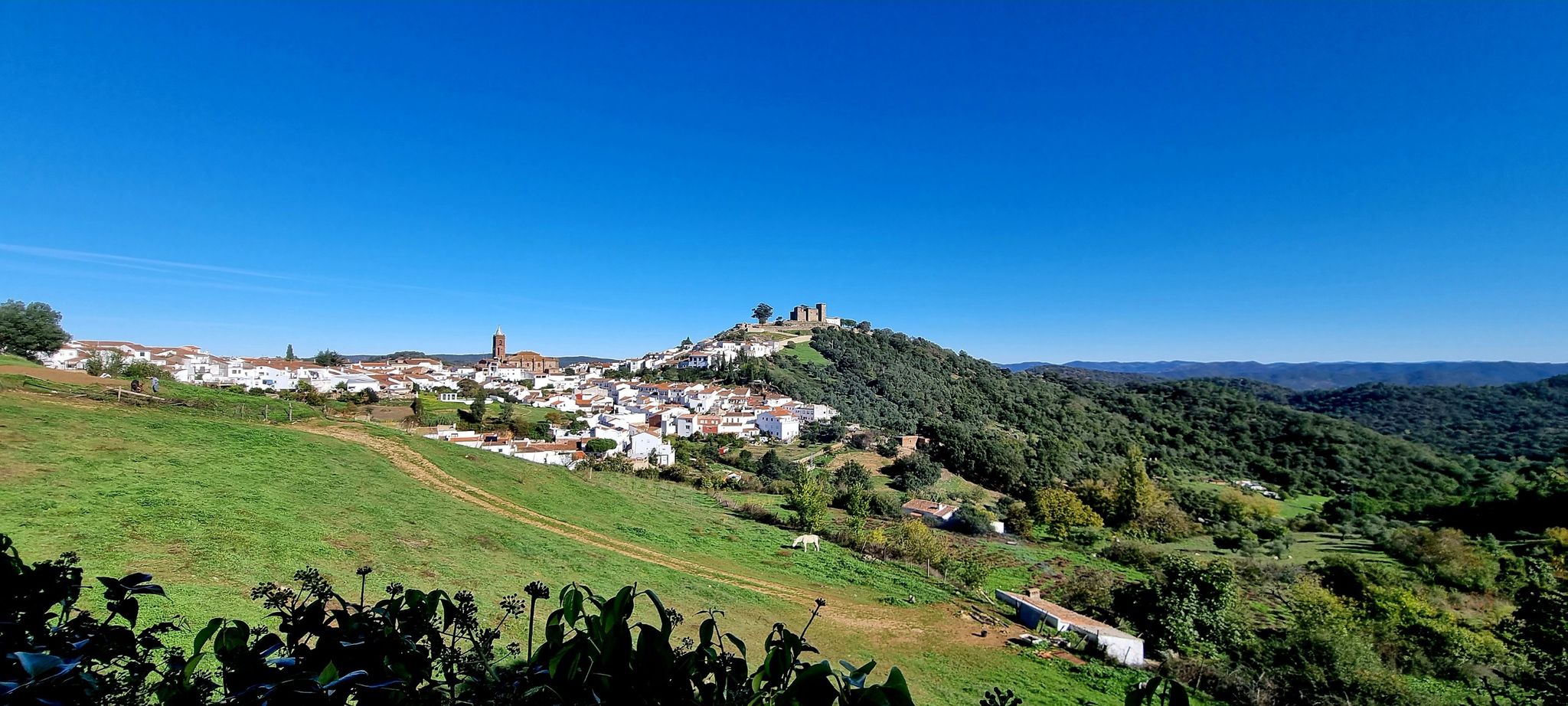
A winter getaway along the greenways of Andalusia in Spain
European Divide Trail across the Iberian Peninsula – south
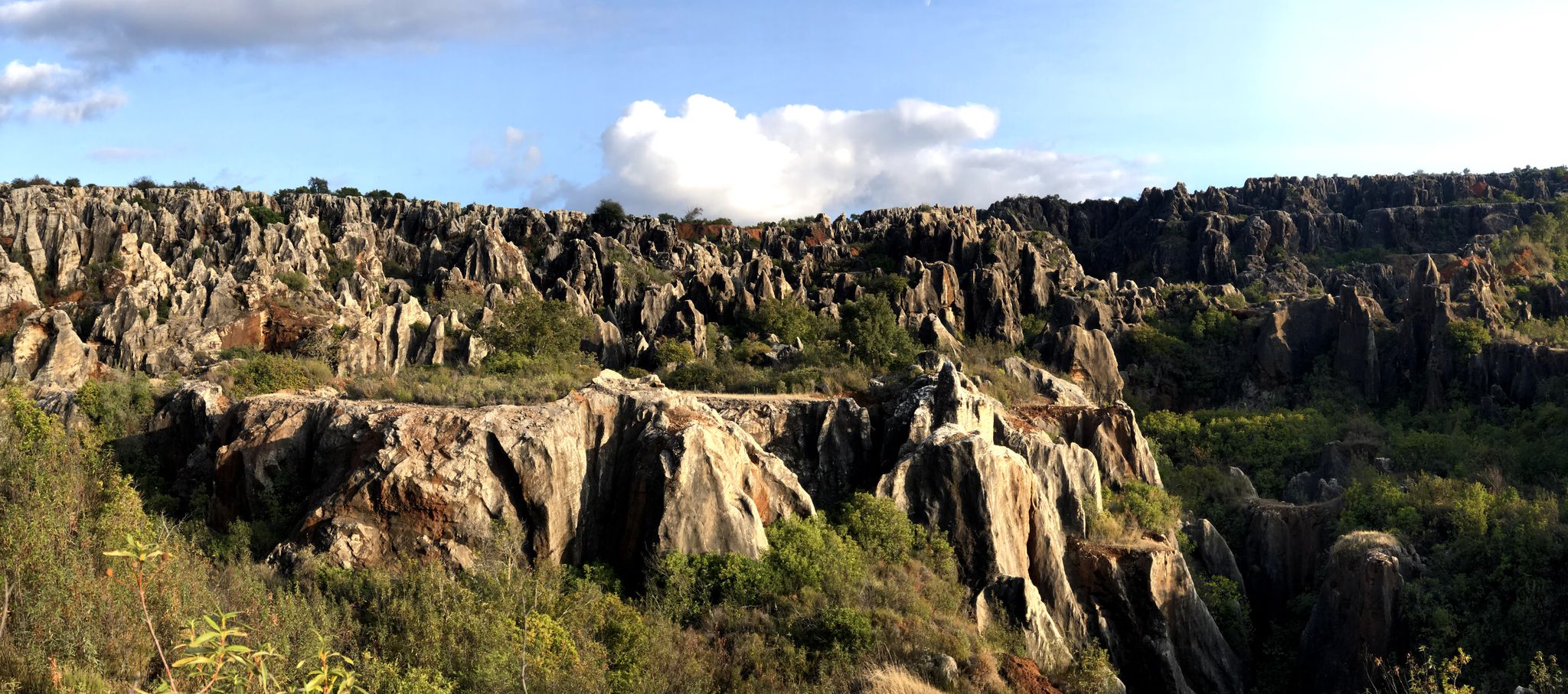
Cycling among the mysterious faults – Sierra Morena (GR 48)
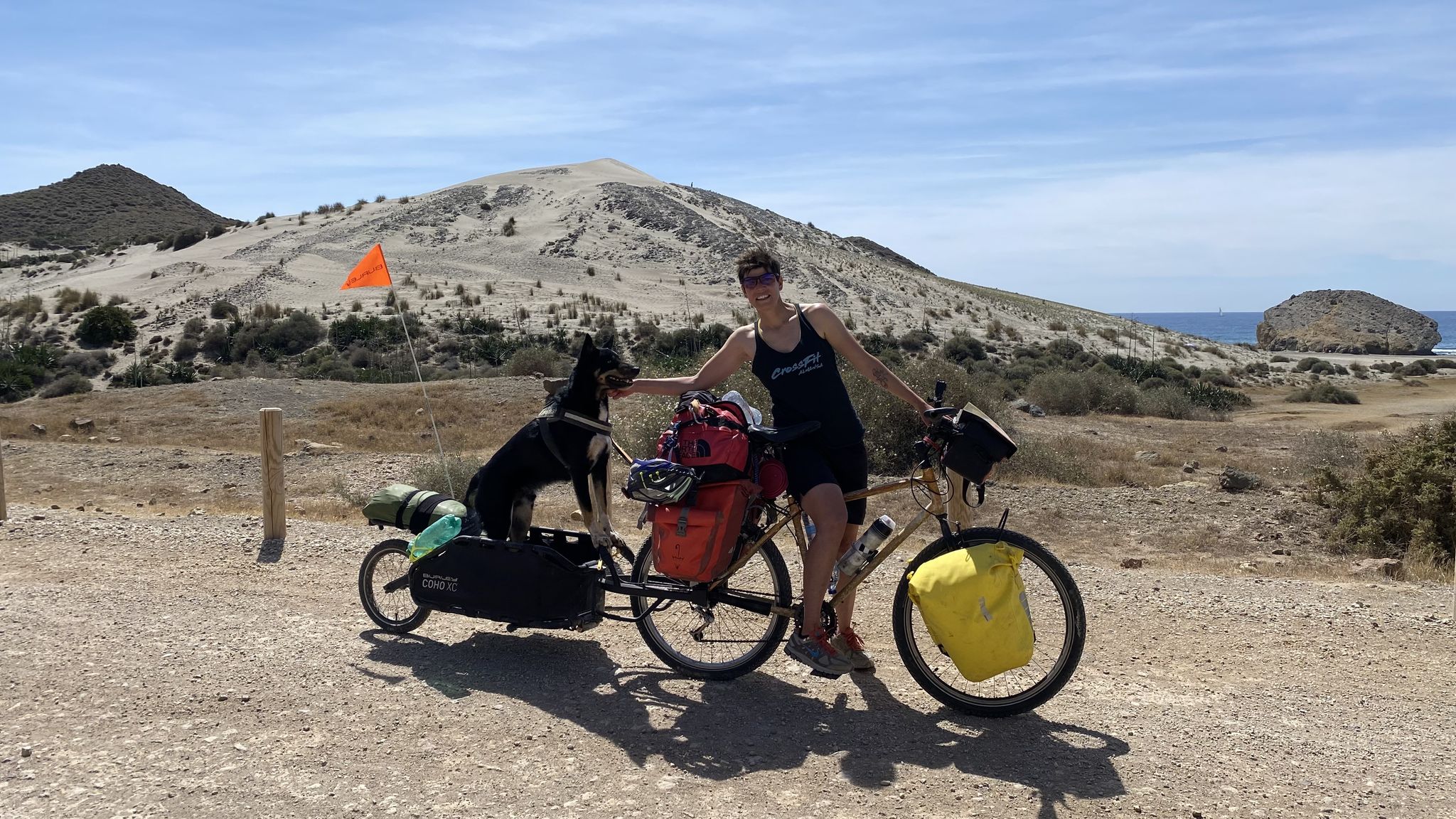
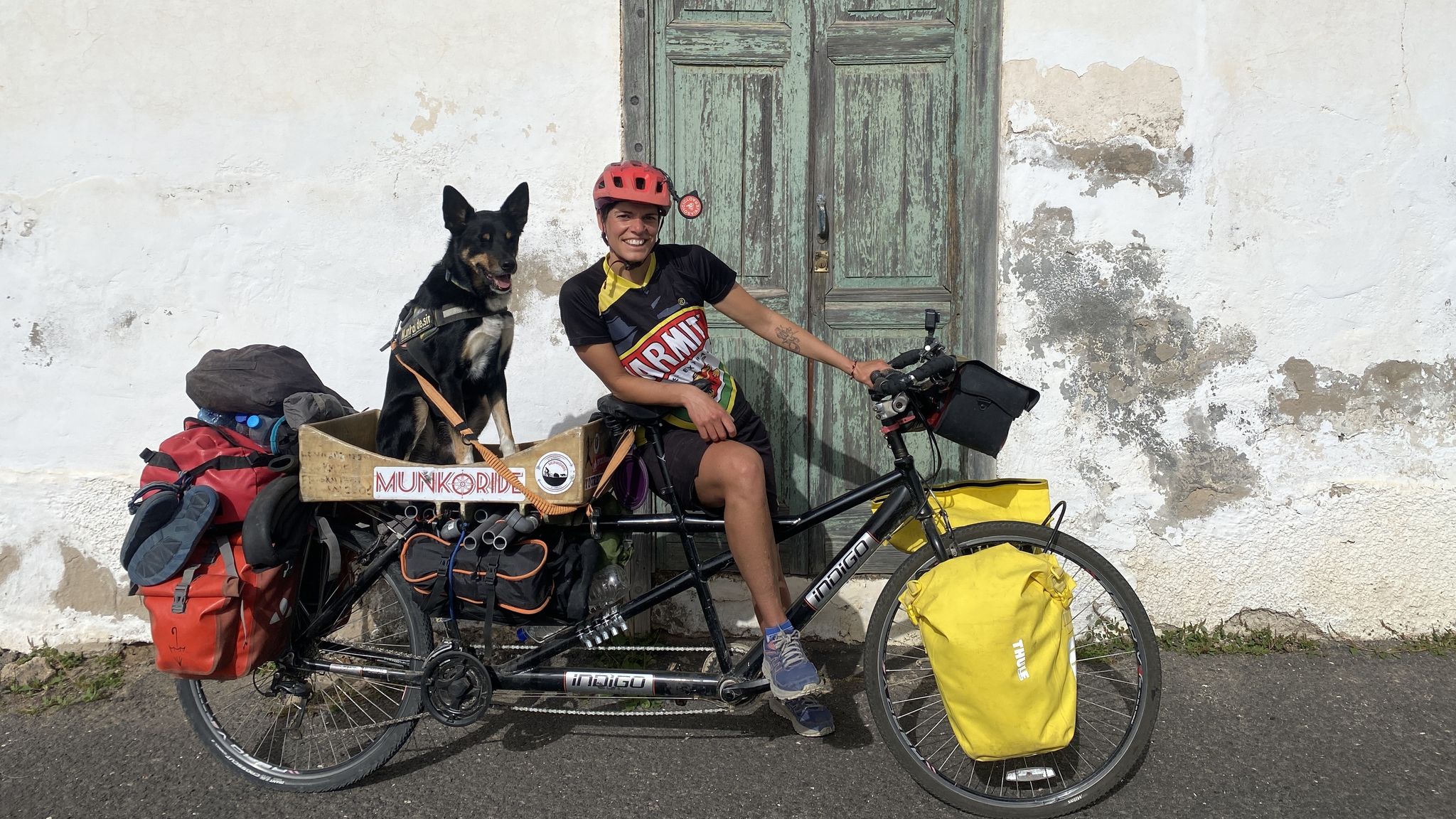
Let’s head south – cycle in Andalusia with me and my dog
Other adventures in Córdoba


Tips from the Community

The Mosque-Cathedral of Córdoba is one of the most impressive monuments in the world, a symbol of Islamic art in the West and a UNESCO World Heritage Site since 1984. It was originally the Visigothic Basilica of San Vicente, shared by Christians and Muslims. In 784, Abd al-Rahman I began construction of the mosque, which was expanded by his successors: Abd al-Rahman II, Abd al-Rahman III, Al-Hakam II, and Almanzor. After the Christian Reconquista in 1236, it was consecrated as the Cathedral of the Assumption of Our Lady, and in 1523 a Renaissance basilica was built inside.
15
0

El Castillo de Zuheros is a historic fortress in the small municipality of Zuheros. The castle sits spectacularly on a rock and has become a landmark of the region. The castle's origins date back to the Moors in the 9th century. It was strategically built on a limestone cliff to control and defend the region. Its location made it almost impregnable.
0
0

The Zuheros Viaduct crosses the embedded bed of the Bailón River. It has a length of 104 meters resolved into two lateral sections of 31.5 meters and a central section of 41.0 meters. Its structure is metallic and is very similar to that of the Guadajoz River Viaduct. It seems that both projects were drawn up by the same engineers, Alessandri and Delaperrière.
9
0

The palace was originally built in the 14th century and has undergone several renovations and modifications since then. The Palacio de Viana is an example of Cordoban noble style and houses twelve beautiful patios, each with its own unique character and style. The architecture combines various historical influences, from the austere Renaissance to the Baroque Cordoban design. The exterior wall is simple and white, but the interior spaces are richly decorated with art and furniture. The palace is one of the best preserved stately homes in Cordoba and Spain. It has a rich history and has served as a home for various noble families over the centuries1. It is now a museum and a major tourist attraction in Cordoba. The contents of the Palacio de Viana include an impressive collection, including paintings, mosaics, tapestries and guadamecíes (worked leather). The palace's library contains over 6,000 volumes, and the historical archives contain over 400,000 documents dating back to the 12th century.
7
0
The Palacio de Viana is a large palace consisting of over a hundred rooms, twelve courtyards and several gardens. It is located in the northern part of the old town. The palace was expanded and used by the Marquis of Viana for generations. The approximately 6,500 square meter ensemble contains areas that were built between the 15th and 20th centuries. It is largely open to the public as a museum and, in addition to contemporary furniture in the oldest parts of the building, mainly displays garden art in the courtyards. In 1980 it was declared a National Monument of Historical and Artistic Interest and in 1983 it was also declared an art-historical garden. A visit to the Palacio de Viana offers the opportunity to experience the rich history and culture of Córdoba and to enjoy the beauty of Andalusian architecture and garden art. Information on opening times at: https://www.palaciodeviana.com https://de.wikipedia.org/wiki/Palacio_de_Viana
8
0
Cordoba is a wonderful city to visit! Here are some recommendations for visiting: Mezquita-Catedral de Córdoba: A stunning monument that combines Islamic and Christian architecture. It is one of the most iconic places in the city. Alcázar de los Reyes Cristianos: A beautiful palace with spectacular gardens. It offers a fascinating view of the history of Cordoba. Roman Bridge: A historic bridge that crosses the Guadalquivir River. It is a perfect place to walk around and enjoy the views. Judería: A historic neighborhood with narrow, charming streets. Here you will find the Cordoba Synagogue and many flower-filled courtyards. Courtyards of Cordoba: If you visit in May, don't miss the Festival de los Patios, where residents open their flower-decorated courtyards to the public. Plaza de la Corredera: A lively square with many bars and restaurants. It is a good place to try the local cuisine.
14
0

One of the most beautiful patios visible from the outside
1
0
Frequently Asked Questions
Which castles in Córdoba are most popular with visitors?
Among the most popular historical sites in Córdoba are the Mosque–Cathedral of Córdoba, a unique religious building that blends mosque and basilica architecture, and the Alcázar of the Christian Monarchs, a fortress-palace showcasing Córdoba's architectural evolution. The Calahorra Tower, guarding the Roman Bridge, is also highly appreciated.
Are there family-friendly castles to visit in Córdoba?
Yes, several sites are great for families. The Alcázar of the Christian Monarchs features beautiful gardens and historical significance that can engage all ages. The Mosque–Cathedral of Córdoba offers a fascinating architectural journey. Additionally, the Calahorra Tower provides an accessible historical experience.
What outdoor activities can I do near the castles in Córdoba?
The region around Córdoba's castles offers various outdoor activities. You can find numerous cycling routes, including options like the 'Sierra Morena de Córdoba and Cerro Muriano Loop' or 'Almódovar del Río from Córdoba'. For hiking, consider trails such as the 'Río Bailón Canyon Trail' or 'La Tiñosa Public Trail'. Mountain biking enthusiasts can explore routes like the 'Guadalmellato Canal and La Campiñuela Loop'. You can find more details on these activities in the Cycling in Córdoba, Hiking in Córdoba, and MTB Trails in Córdoba guides.
Which castles are best for history buffs in the Córdoba region?
History buffs will particularly enjoy the Alcázar of the Christian Monarchs, which served as a royal residence and housed the Spanish Inquisition. Its blend of Roman, Visigothic, and Arabic remains tells a rich story. The Mosque–Cathedral of Córdoba is also essential for understanding the historical relationship between Christianity and Islam. For a deeper dive into medieval fortresses, the Zuheros Castle, with its Moorish origins and Renaissance palace elements, offers a compelling historical narrative.
What is the best time of year to visit castles in Córdoba?
Spring (March to May) and autumn (September to November) are generally the best times to visit Córdoba's castles. The weather is milder, making it more comfortable for exploring historical sites and their gardens. Summers can be very hot, which might make extensive outdoor exploration challenging, especially during midday.
Are there guided tours available for castles in Córdoba?
Yes, many of the significant historical sites, including the Alcázar de los Reyes Cristianos and the Castillo de Almodóvar del Río, offer guided tours. The Castillo de Almodóvar del Río, for instance, provides cultural guided tours and even dramatized visits with historical characters, offering an immersive experience.
What makes the Castillo de Almodóvar del Río unique?
The Castillo de Almodóvar del Río is a stunning hilltop fortress known for its extensive private restoration and its strategic location above the Guadalquivir River. It gained international fame as a filming location for *Game of Thrones*. Visitors can enjoy panoramic views, explore medieval replicas, and experience immersive historical tours. More information can be found on Visit-Andalucia.com.
What can I expect to see at the Palacio de Viana?
While technically a palace, the Palacio de Viana is renowned as the 'Museum of the Patios.' It features twelve magnificent courtyards and a beautiful garden, each with unique flowering plants, showcasing Córdoba's famous patio culture. Inside, you can explore extensive collections of artwork, tapestries, and antiquities, offering a glimpse into aristocratic life over centuries.
How long should I allocate for visiting a castle in Córdoba?
The time needed varies by site. For major attractions like the Alcázar of the Christian Monarchs or the Mosque–Cathedral, plan for at least 2-3 hours to fully appreciate their architecture, history, and gardens. Smaller sites like the Calahorra Tower might take 1-1.5 hours. For a comprehensive experience at the Castillo de Almodóvar del Río, especially with a guided tour, allow for half a day.
Are there any 'hidden gem' castles or historical sites near Córdoba?
Beyond the main city attractions, consider visiting Zuheros Castle, dramatically perched on a cliff in the picturesque village of Zuheros. It offers stunning views and a rich medieval history. Another notable site is Iznájar Castle, located by a beautiful reservoir, providing both historical interest and scenic beauty.
What are the architectural highlights of the Alcázar of the Christian Monarchs?
The Alcázar of the Christian Monarchs is a blend of architectural styles, featuring Roman and Visigothic ruins alongside Arabic remains, integrated into Christian constructions. Key features include its four defensive towers (Tower of the Lions, Tower of Homage, Tower of the Inquisition, and Tower of the Doves), a Hall of Mosaics displaying Roman art, and Arabic-style baths. The expansive, meticulously maintained gardens with fountains and ponds are also a significant highlight.
Can I find viewpoints to see the castles from a distance?
Yes, for spectacular views, especially of Zuheros Castle, head to the viaduct near Zuheros. This historic remnant of an old railway line offers an elevated platform with unobstructed views of the castle majestically rising above the village, integrated into the limestone landscape. The Plaza de la Paz in Zuheros also provides a natural viewpoint over the olive groves.
Most popular routes in Córdoba
Most popular attractions in Córdoba

Get inspired with the komoot mobile app


Didn’t find what you were looking for?
Explore Córdoba’s best castles region by region:
Explore more
Looking for the best castles somewhere else? Discover other guides in Córdoba:
