Top 14 Caves in Jaén
Best caves in Jaén are found within a diverse landscape that includes significant underground formations. This province in Andalusia, Spain, offers a range of geological features and historical sites. Many caves hold archaeological significance, showcasing ancient rock art and human habitation. The region's karstic topography has created numerous natural wonders for exploration.
Best caves in Jaén
- The most popular caves is Malena Waterfall, a waterfall and cave site that is ideal for families. Near the waterfall is the Cueva…
Last updated: August 7, 2026
Malena Waterfall
Highlight • Waterfall
Translated by Google •
Tip by

San Marcos Rock Sculpture Forest
Highlight • Structure
Translated by Google •
Tip by

Sign up now to discover places like this
Get recommendations on the best single tracks, peaks, & plenty of other exciting outdoor places.
Sign up for free
Cueva del Agua de Bedmar
Highlight • Cave
Translated by Google •
Tip by
Cueva del Agua
Highlight • Cave
Translated by Google •
Tip by
Cave of the Virgin of Tíscar and Waterfall
Highlight • Cave
Translated by Google •
Tip by
La Toba Spring
Highlight • River
Translated by Google •
Tip by

Rock-hewn Oratory of Valdecanales
Highlight • Cave
Its construction dates between the sixth and seventh centuries, and it is the only Visigothic hypogeum in southern Spain.
Translated by Google •
Tip by
Liturgo Caves
Highlight • Cave
The caves have …
Translated by Google •
Tip by
Roca Toñi Sculptures and Cave Dwellings
Highlight (Segment) • Cave
Translated by Google •
Tip by

Cerrada de la Alcantarilla Tunnel
Highlight • Structure
Translated by Google •
Tip by

Sign up for free to discover even more caves in Jaén.
Sign up for free
Already have an account?
Start today with a free account
Your next adventure awaits.
Login or Signup
Popular around Jaén
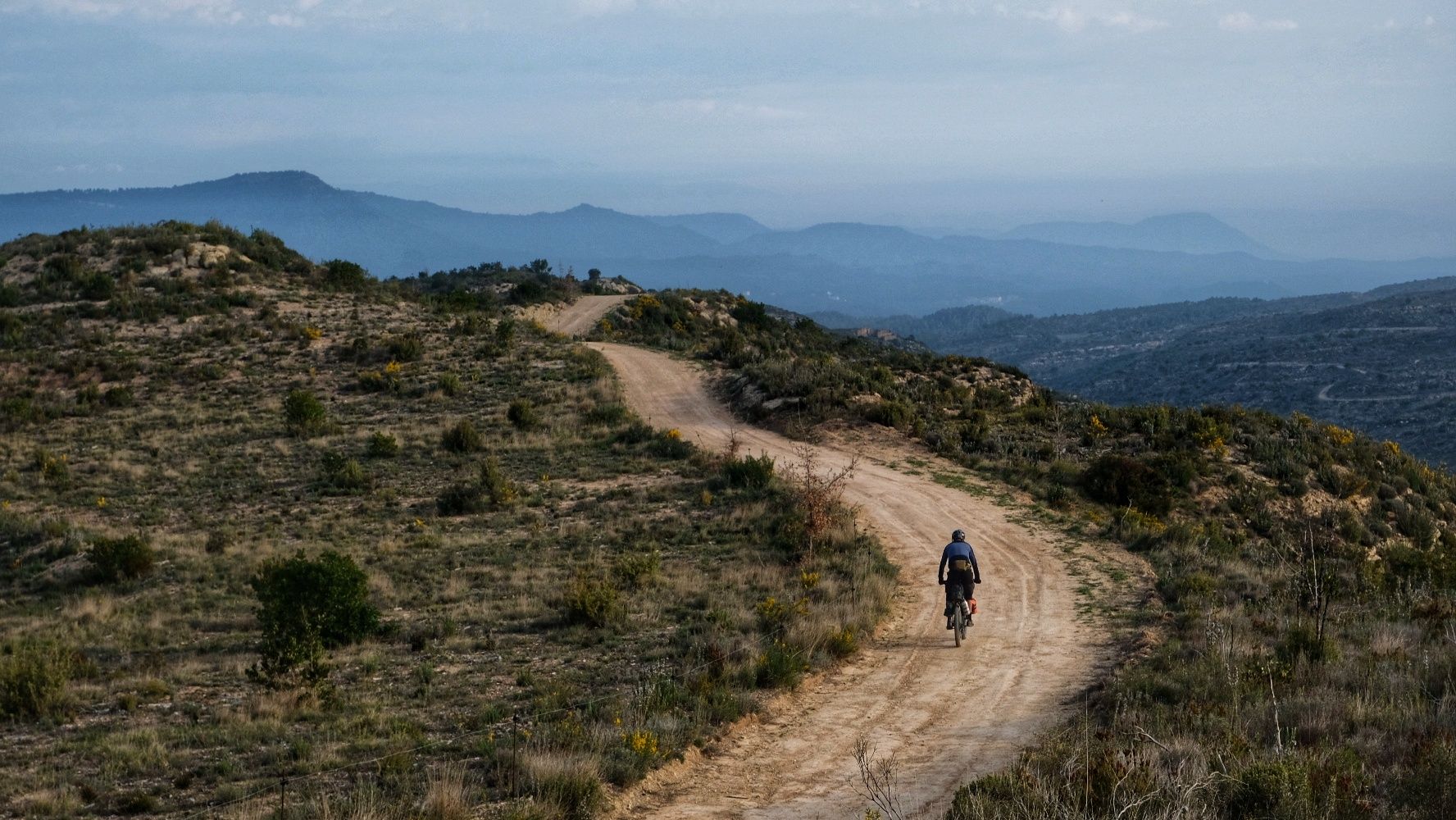
European Divide Trail — 7,600 km across the continent
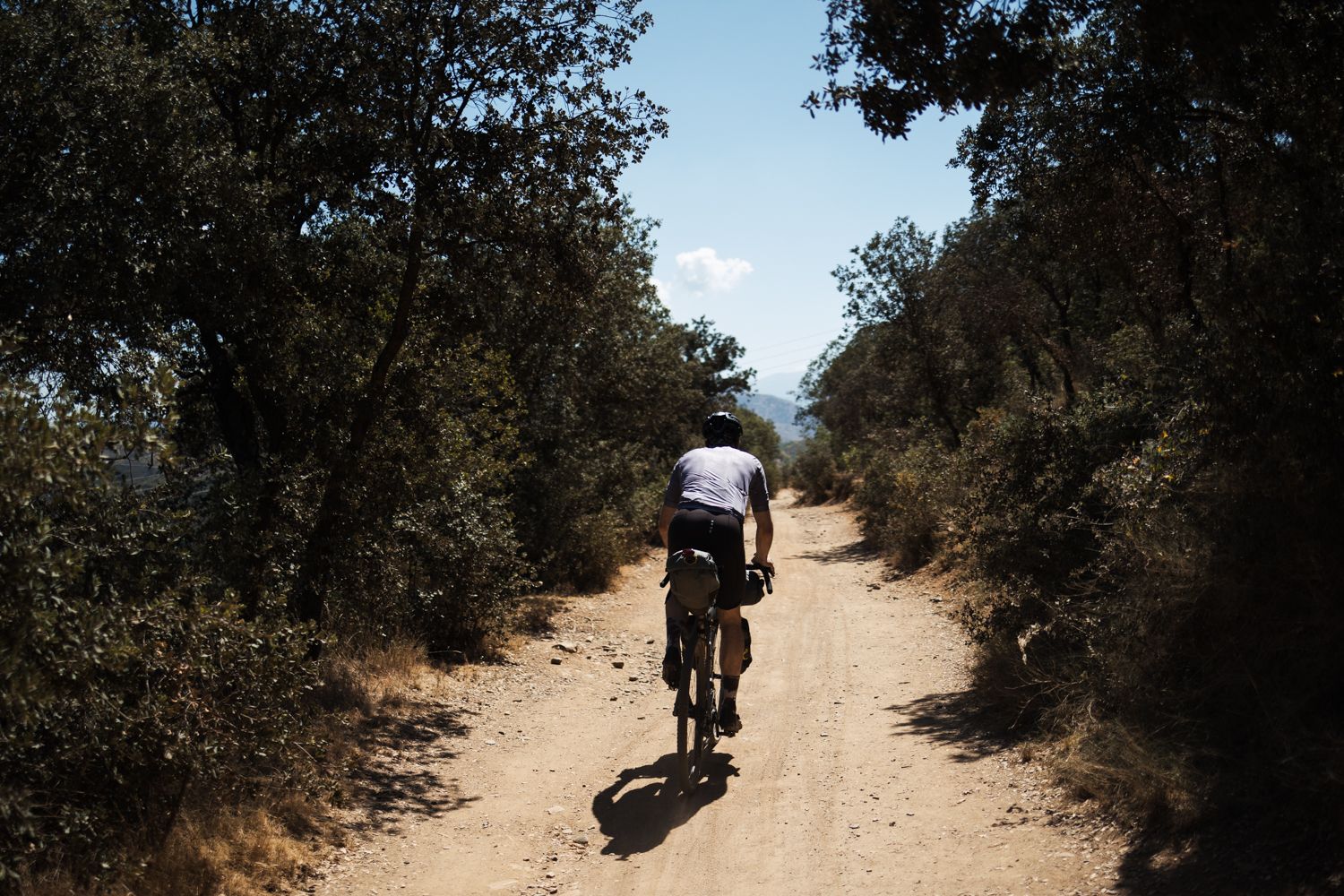
Mozarabic Way to Santiago – Gravel between two worlds
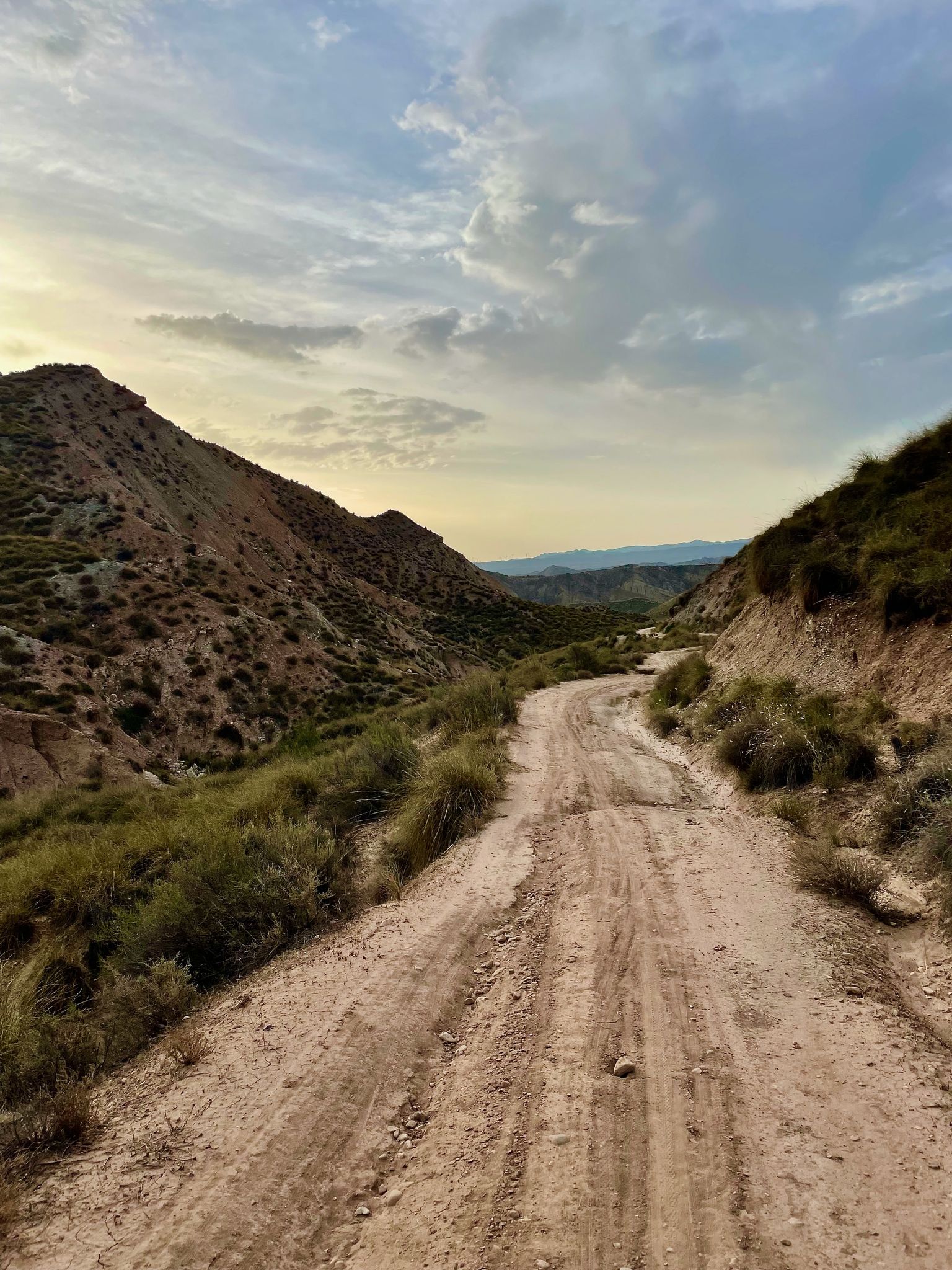
Badlands 2021 — 750km of gravel in the Spanish deserts
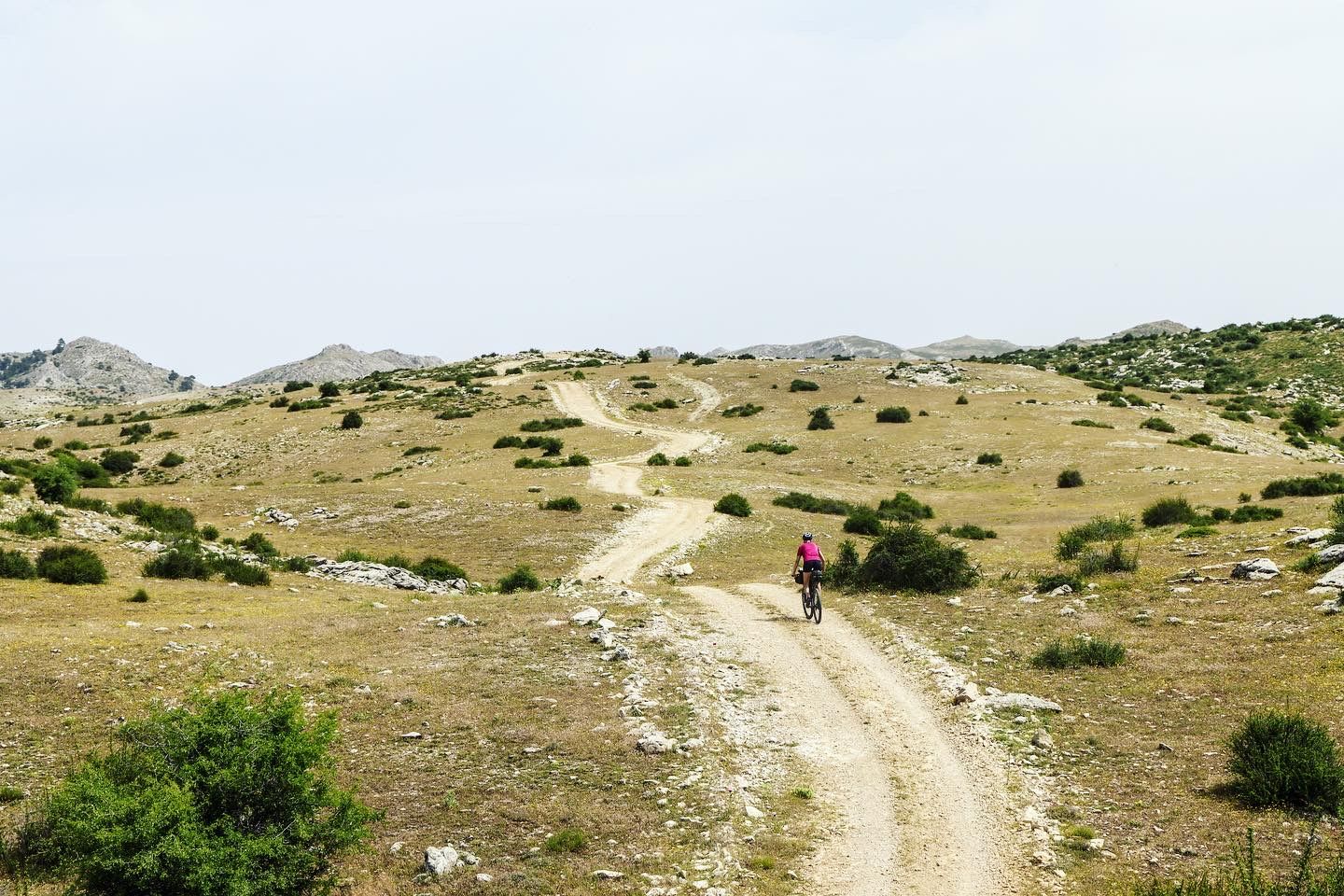
Bikepacking the mountains and deserts of Andalucía
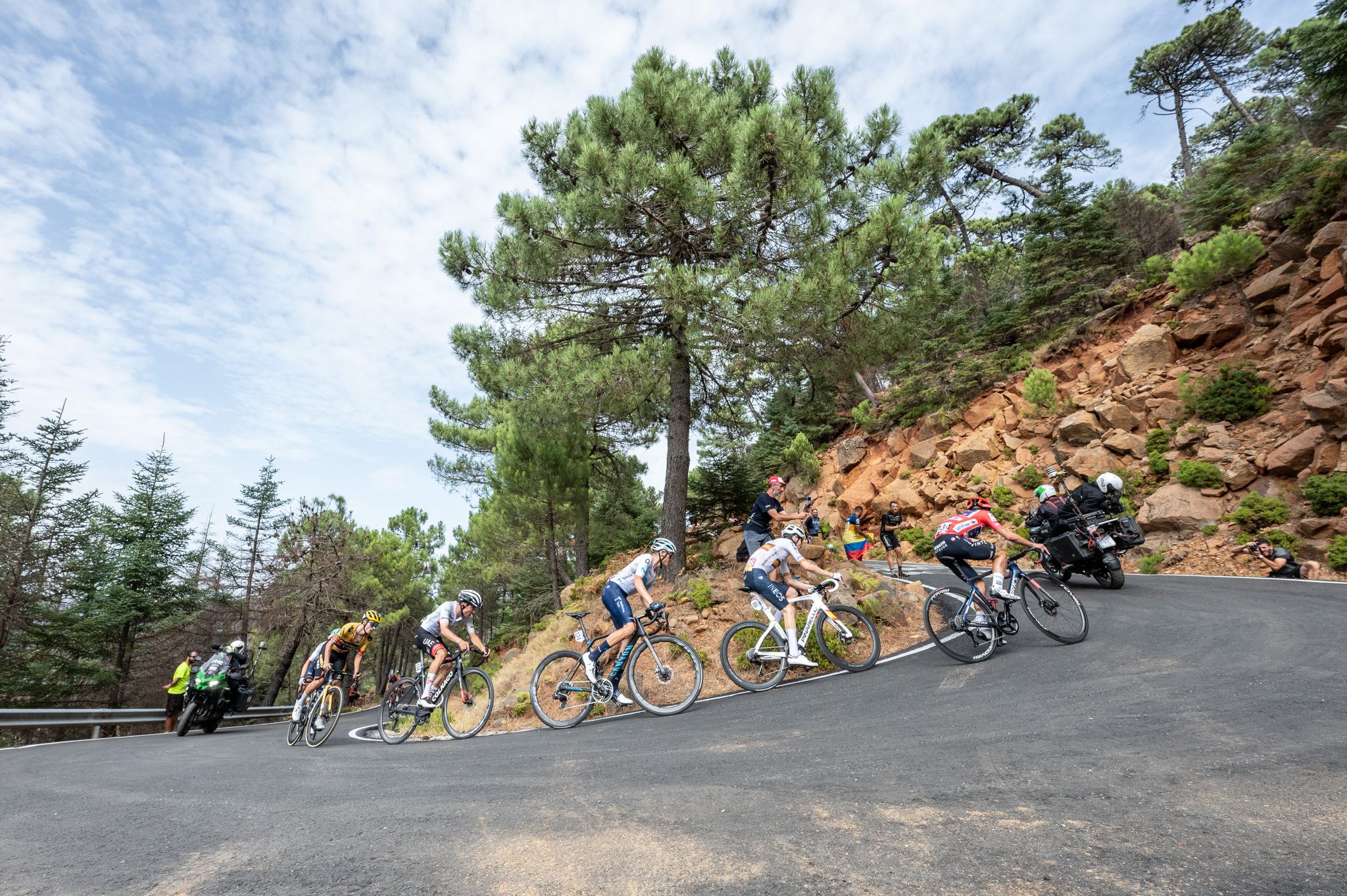
La Vuelta 26 — All Official Stages
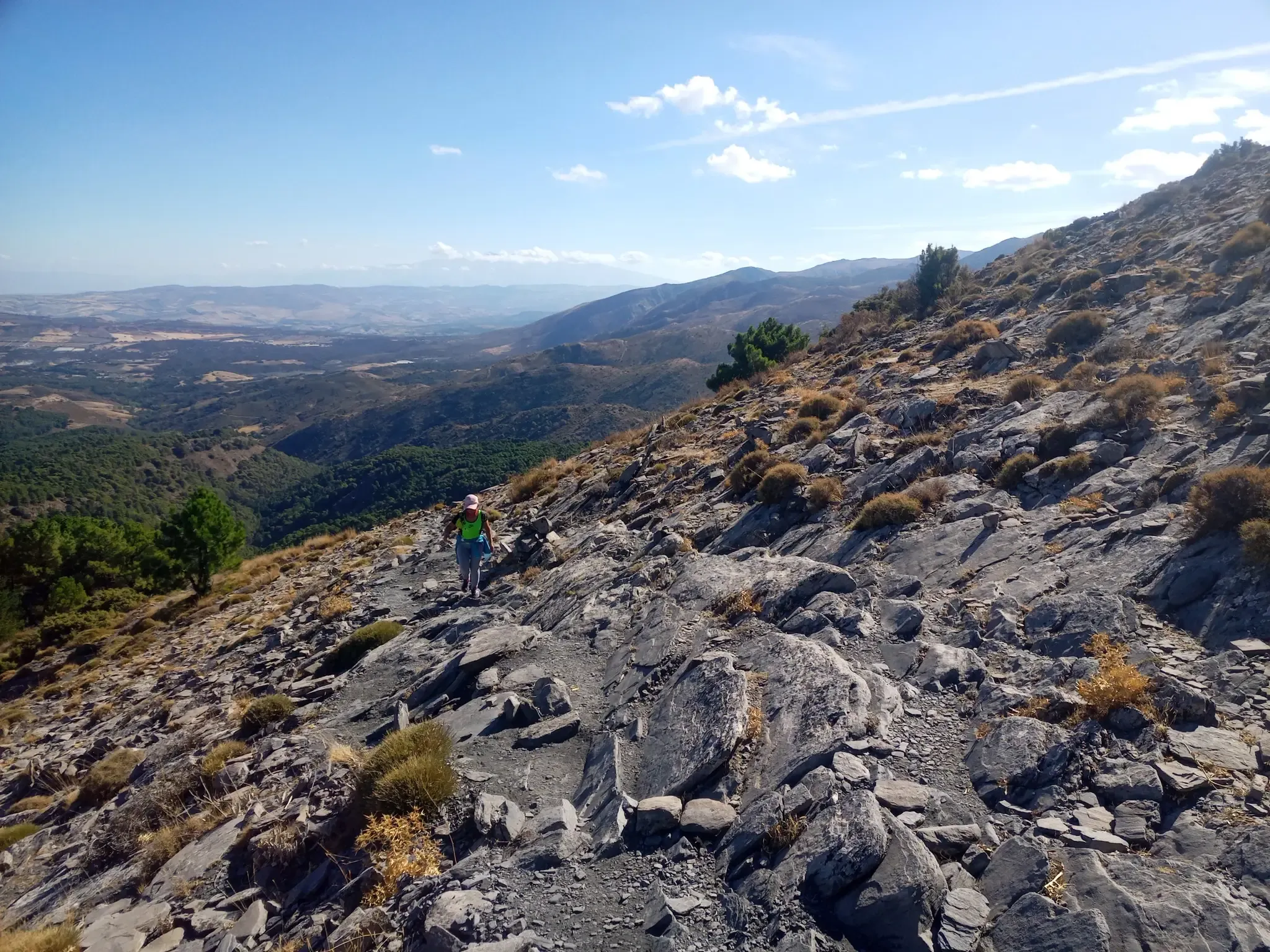
12 hiking gems throughout Spain
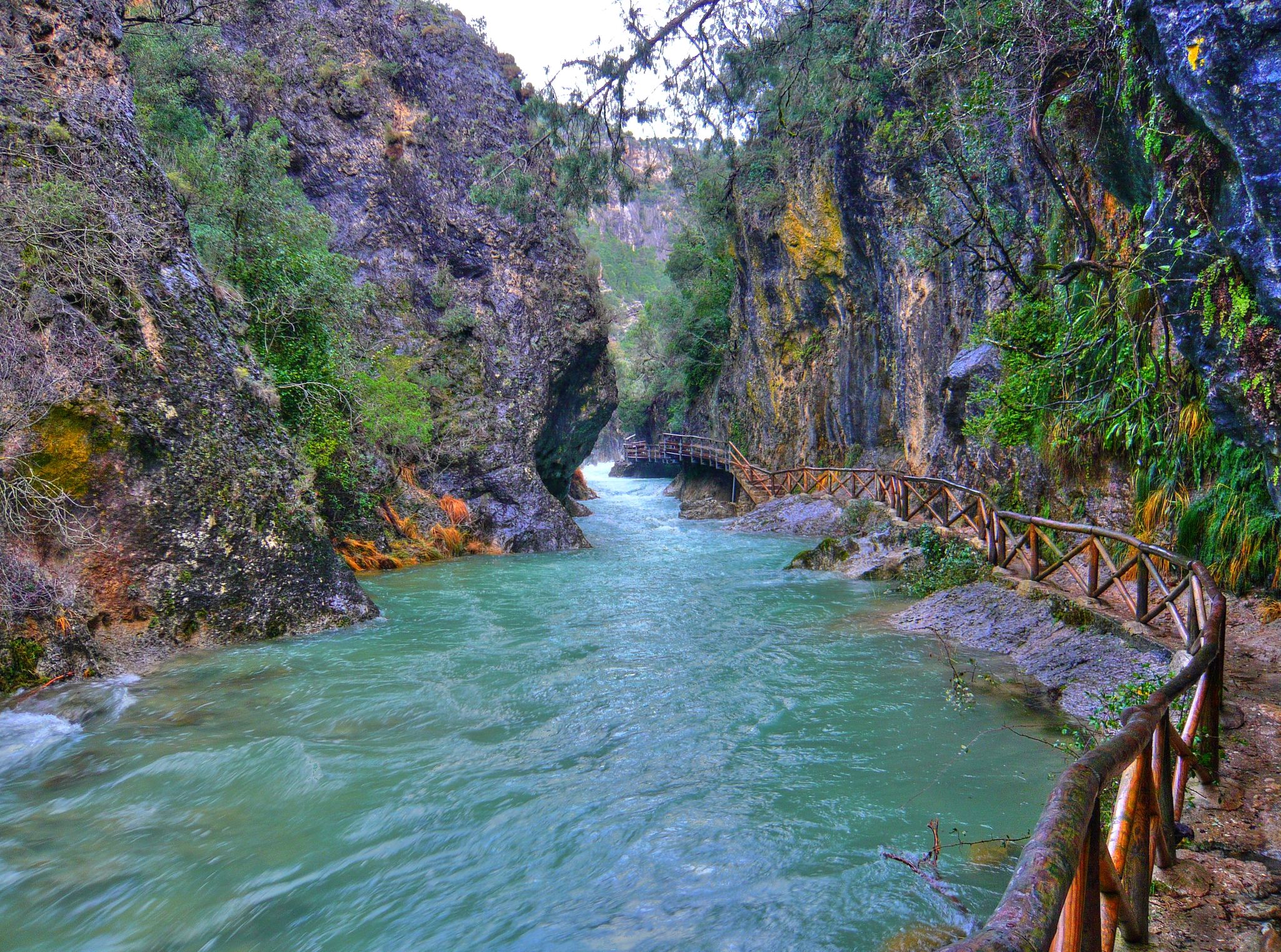
Through the Borosa Gorge to the highest peak of the Sierra de Segura
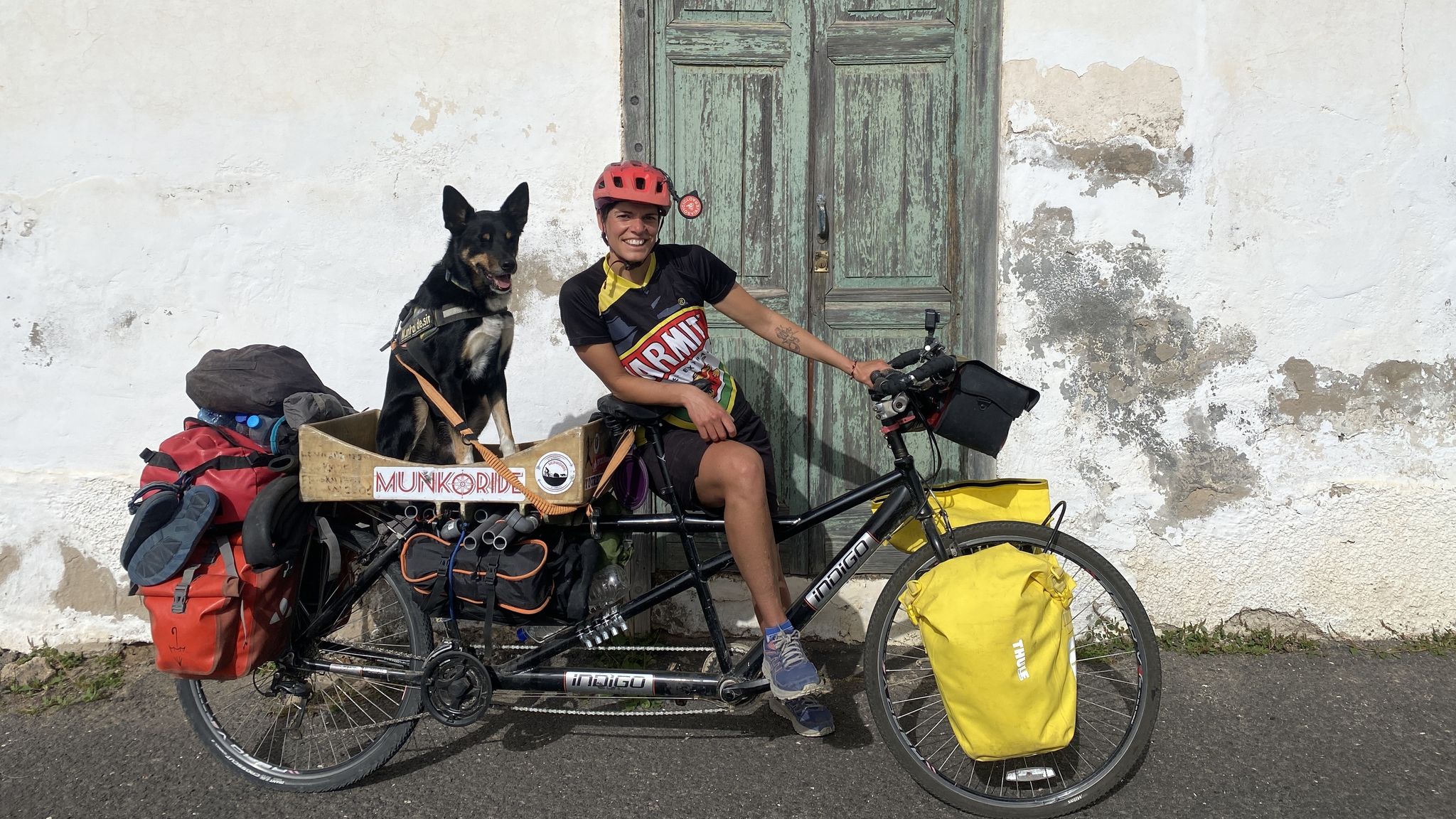
A winter getaway along the greenways of Andalusia in Spain
Jaén, inland paradise – three Tours from Cazorla
Bikepacking in Andalusia – Europe's gravel paradise
Other adventures in Jaén


Tips from the Community

Very pretty! Be prepared to get your feet wet to discover the waterfall, the different "chambers" are well worth it!
0
0

A spectacular place with a new sculpture every day. But keep in mind that it's a private space where the owner has created his own non-profit gallery. It should be respected, and if it's not well signposted, simply asking around and spreading the word will surely help ensure this unique spot remains undisturbed.
0
0

The Cueva del Agua in Bedmar y Garcíez is a fascinating place located in the Sierra Mágina Natural Park. This cave is known for its impressive geological formations created by the passage of water over time.
5
0

Roca Toñi is a very special place. It is a private area with several cave dwellings artfully carved out of the stone, as well as numerous sculptures carved into the stone or out of the stone. As this area is privately owned, you have to make an appointment in advance or be lucky enough to run into Toñi and Manuel by chance and be invited by them to take a look. It is definitely worth it.
0
0
The Cueva del Agua in Santiago-Pontones is an impressive karst formation located in the Sierra de Segura, in Jaén. This cave is known for its natural beauty and spectacular surroundings, which include waterfalls and rich vegetation.
5
0

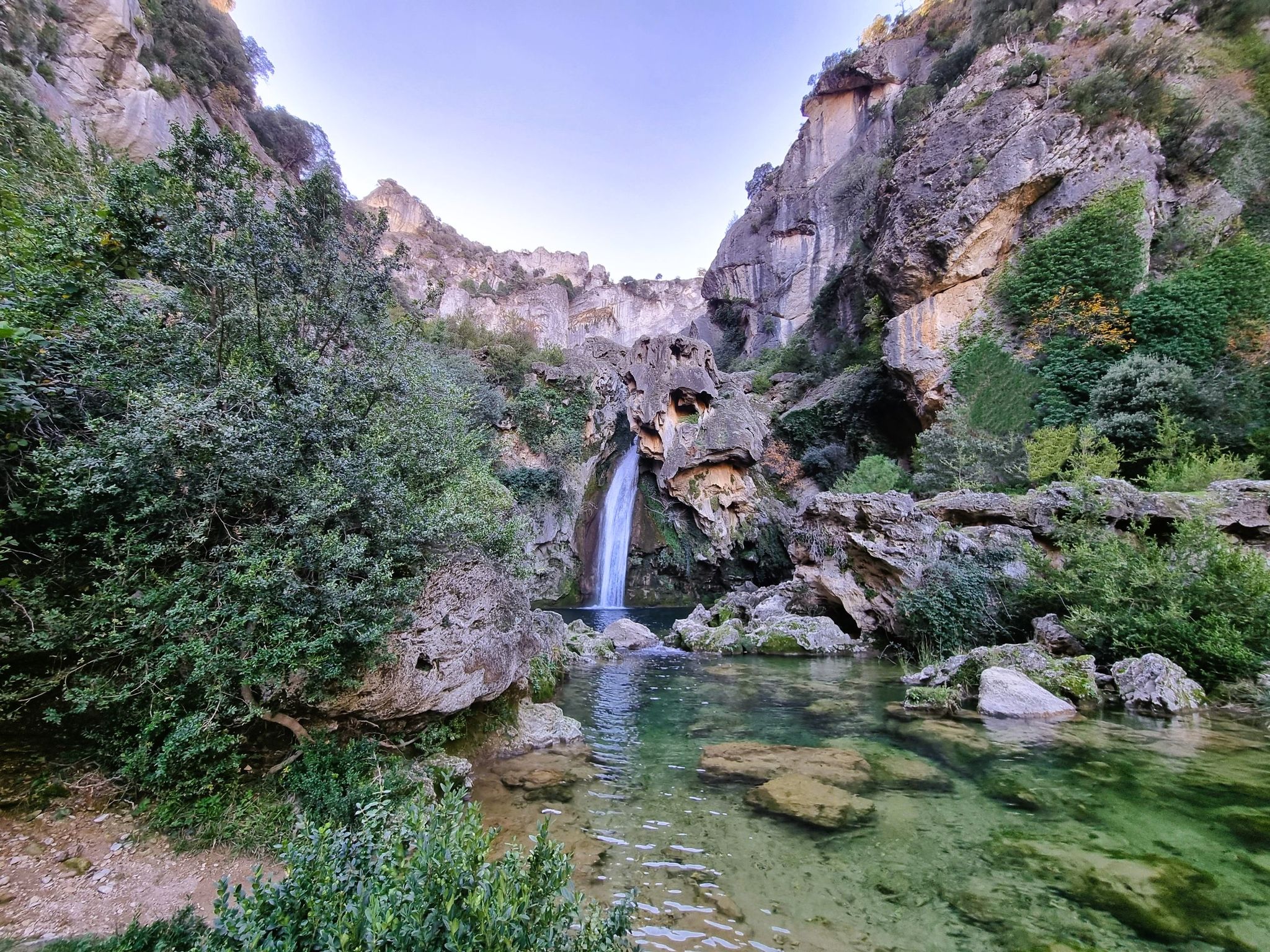
The route to the Malena Waterfall begins in Cazorla and is ideal for the whole family. It is a circular route that follows the Cerezuelo River. Along the way, you will enter a narrow gorge, crossing wooden bridges and enjoying the rich riverside vegetation. The first section of the trail will take you to the Malena waterfall itself. Near the waterfall is the Cueva de la Malena, which, according to the elders, was a refuge for bandits during the time of the reconquest. The cave is also shrouded in legends, such as that of the Tragantía, whose song warned: “I am the tragantía, daughter of the Moorish king; "Whoever hears me sing will not see the light of day." Since then, the cave has remained virtually inaccessible due to undergrowth that makes access difficult.
6
0

It is a tunnel built to channel water from the reservoir both for irrigation and for human consumption. It appears that it has not been used for many years and its construction is very deteriorated.
17
0
Frequently Asked Questions
What are some of the most geologically interesting caves in Jaén?
Jaén offers several caves with impressive geological features. The Cave of the Virgin of Tíscar and Waterfall is a natural monument known for its calcareous formations, waterfalls, and a deep gorge. The Cueva del Agua de Bedmar, located in the Sierra Mágina Natural Park, is celebrated for its geological formations created by water erosion. Additionally, the Cueva de los Murciélagos near Mancha Real features a typical karstic cavity with limestone formations.
Are there any caves in Jaén with significant historical or archaeological importance?
Yes, Jaén has several caves with rich historical and archaeological significance. The Cueva de la Graja in Jimena is a rock shelter containing rock paintings dating back between 2000 and 5000 BCE, depicting rites and pastoral activities. The Cueva del Morrón in Torres houses some of the oldest Paleolithic cave paintings in Jaén, approximately 20,000 years old. The Cueva de Apolinario in Santisteban del Puerto also features samples of Upper Paleolithic rock art. You can also explore the Rock-hewn Oratory of Valdecanales and the Giribaile Cave Dwellings.
Which caves in Jaén are suitable for families?
The Malena Waterfall and its nearby Cueva de la Malena are ideal for families. The route to the waterfall starts in Cazorla and is a circular path along the Cerezuelo River, featuring wooden bridges and rich riverside vegetation. The Cave of the Virgin of Tíscar and Waterfall is also prepared with walkways and wooden railings, making it safe for exploration by visitors of various ages.
Do I need a permit to visit any of the caves in Jaén?
Yes, for some archaeological sites, permits are required. For instance, visits to the Cueva de la Graja in Jimena, known for its ancient rock paintings, require a permit from Jimena's Town Hall. Access to the Cueva del Morrón is also highly controlled due to its delicate Paleolithic paintings and ongoing conservation efforts.
What kind of outdoor activities can I do near the caves in Jaén?
The areas around Jaén's caves offer various outdoor activities. You can find numerous running trails, such as the Río Cerezuelo Circular Trail near Cazorla. For cycling enthusiasts, there are cycling routes like the Oil Greenway Loop from Jaén. Mountain biking is also popular, with MTB trails like the Gilillo Peak Circular Route from Cazorla. Many caves are integrated into hiking paths, offering scenic walks.
Are there any caves in Jaén that are known for water features or waterfalls?
Absolutely. The Cave of the Virgin of Tíscar and Waterfall is famous for the Tíscar River flowing through a canyon with numerous waterfalls. The Cueva del Agua in Santiago-Pontones is also celebrated for its natural beauty, including waterfalls and lush vegetation. The La Toba Spring features water flowing from a cave, which then forms a striking waterfall during rainy periods.
What is the best time of year to visit the caves in Jaén?
The best time to visit the caves in Jaén generally depends on the specific cave and your activity. For caves with significant water features like the Cueva del Agua de Tíscar, spring (during snowmelt) offers the most spectacular views of waterfalls. For archaeological sites, milder temperatures in spring and autumn are ideal for comfortable exploration. Summer can be hot, but the caves themselves offer a cool respite. Always check local conditions before planning your visit.
Are there any unique cave dwellings or carved structures in Jaén?
Yes, Jaén features unique examples of human interaction with caves. Roca Toñi Sculptures and Cave Dwellings is a private area known for its cave dwellings and artfully carved sculptures. These sites offer a glimpse into historical cave architecture and artistic expression.
What should I wear when visiting caves in Jaén?
When visiting caves in Jaén, it's advisable to wear comfortable clothing and sturdy, closed-toe shoes with good grip, as paths can be uneven or wet. Even on warm days, cave interiors can be cool, so a light jacket or sweater is often recommended. For some caves, especially those with low sections like the Cueva del Agua de Tíscar, you might need to duck, so flexible clothing is beneficial.
Are there any caves in Jaén that are considered natural monuments?
Several caves and related sites in Jaén have been declared natural monuments. The Cave of the Virgin of Tíscar and Waterfall is a notable natural monument. The Cueva del Agua de Bedmar and the Cueva del Agua in Santiago-Pontones are also recognized for their natural significance. Additionally, the La Toba Spring, where water flows from a cave, is considered a natural monument.
What kind of geological formations can be found in Jaén's caves?
Jaén's caves primarily feature karstic formations, which are created by the dissolution of soluble rocks like limestone by water. This process results in impressive geological structures such as stalactites, stalagmites, flowstones, and various other speleothems. The Cueva del Agua de Tíscar, for example, is a calcareous formation, while the Cueva de los Murciélagos near Mancha Real is a typical karstic cavity with characteristic limestone formations.
Most popular routes in Jaén
Most popular attractions in Jaén

Get inspired with the komoot mobile app


Didn’t find what you were looking for?
Discover more caves in Jaén region by region:
Explore more
Extend your search for the best caves by checking out these guides of the top ones in Jaén:
