Top 20 Castles in Almería
Castles in Almería, a province in Andalusia, Spain, reflect a rich history. The region features diverse landscapes, from coastal areas overlooking the Mediterranean Sea to natural parks like Sierra María. Its strategic location has led to the construction of numerous fortifications over centuries. These structures offer insights into different historical periods and architectural styles.
Best castles in Almería
- The most popular castles is Alcazaba of Almería, a castle that is a massive medieval fortress and the second-largest Moorish fort…
Last updated: July 11, 2026
Alcazaba of Almería
Highlight • Castle
The Alcazaba was built under Caliph Abd ar-Rahman III in the 10th century. built on …
Translated by Google •
Tip by

San Felipe Castle
Highlight • Castle
Translated by Google •
Tip by

Sign up now to discover places like this
Get recommendations on the best single tracks, peaks, & plenty of other exciting outdoor places.
Sign up for free
Torre de los Alumbres
Highlight • Historical Site
Translated by Google •
Tip by
San Ramón Castle
Highlight • Castle
Translated by Google •
Tip by
Alcazaba and San Cristóbal Hill
Highlight • Castle
Translated by Google •
Tip by

Macenas Castle
Highlight • Castle
Translated by Google •
Tip by
Guardias Viejas Castle
Highlight • Castle
Translated by Google •
Tip by

Castle of the Marquis of Los Vélez
Highlight • Castle
The castle …
Translated by Google •
Tip by

Faro Beach and Roquetas de Mar Lighthouse
Highlight • Beach
Translated by Google •
Tip by
Fortaleza de Los Escullos and Dog Rock
Highlight • Castle
Los Escullos means "the sculptures," referring to the beautifully carved rocks and whimsical shapes resembling dragons and fantasy creatures.
Translated by Google •
Tip by
Sign up for free to discover even more castles in Almería.
Sign up for free
Already have an account?
Start today with a free account
Your next adventure awaits.
Login or Signup
Popular around Almería

Triathlon 360 – my journey around the world
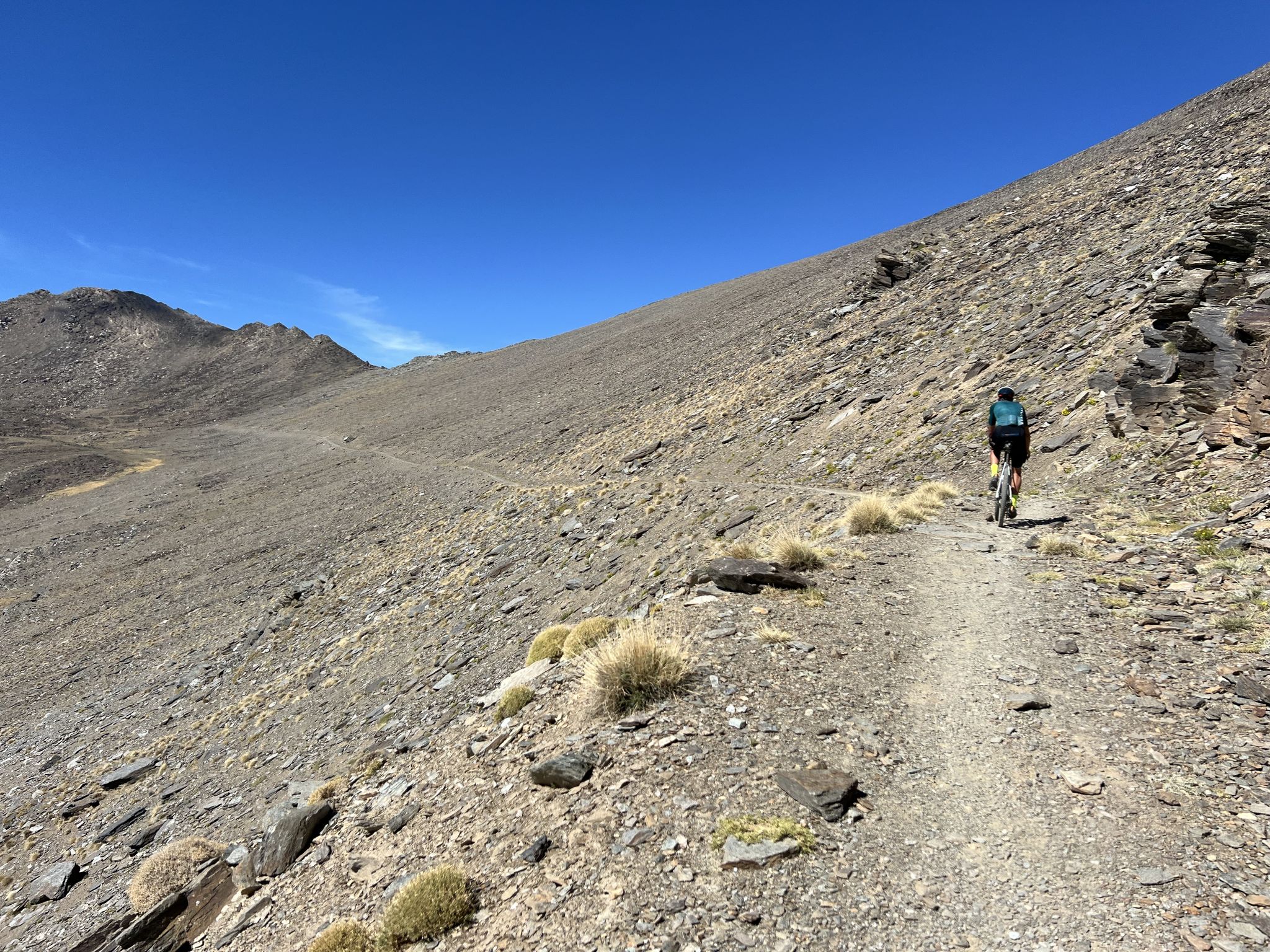
Badlands 2024 – extreme experiences and a sense of joy
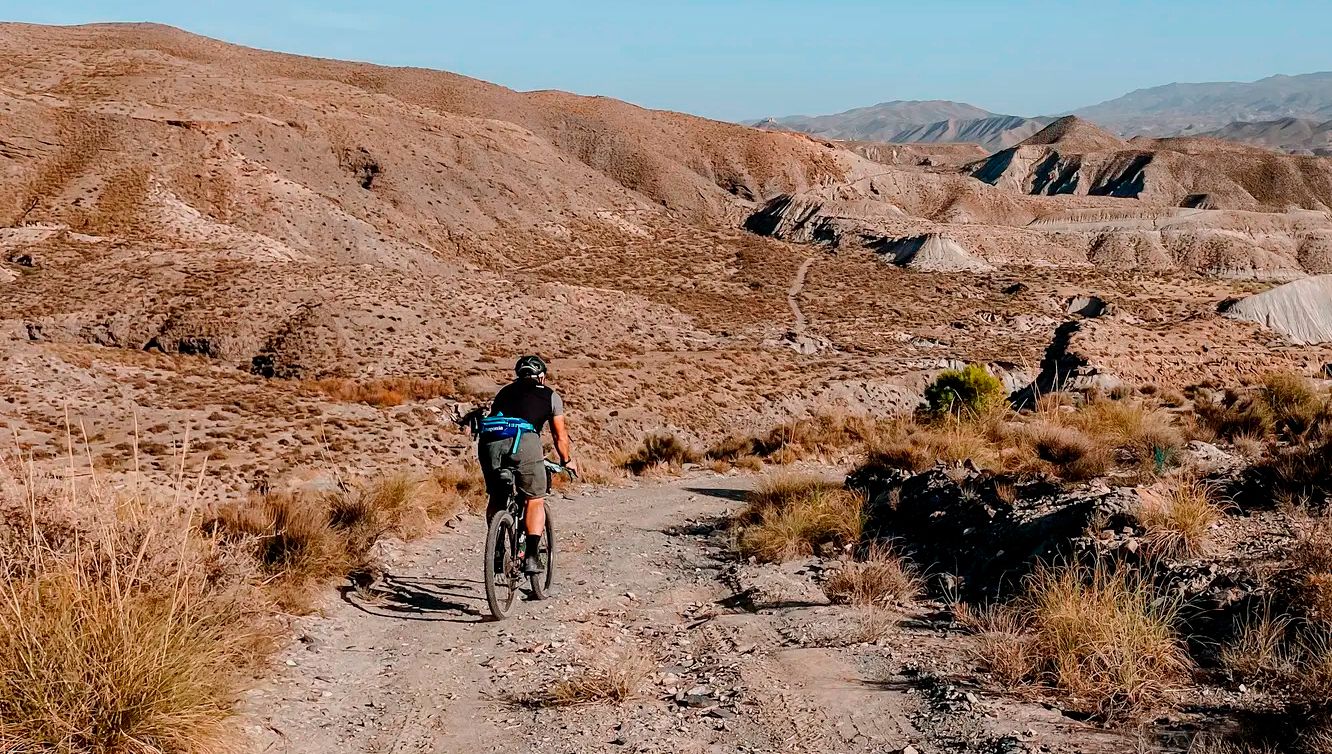
TransAlmería Gravel – Summits, dry riverbeds and deserts
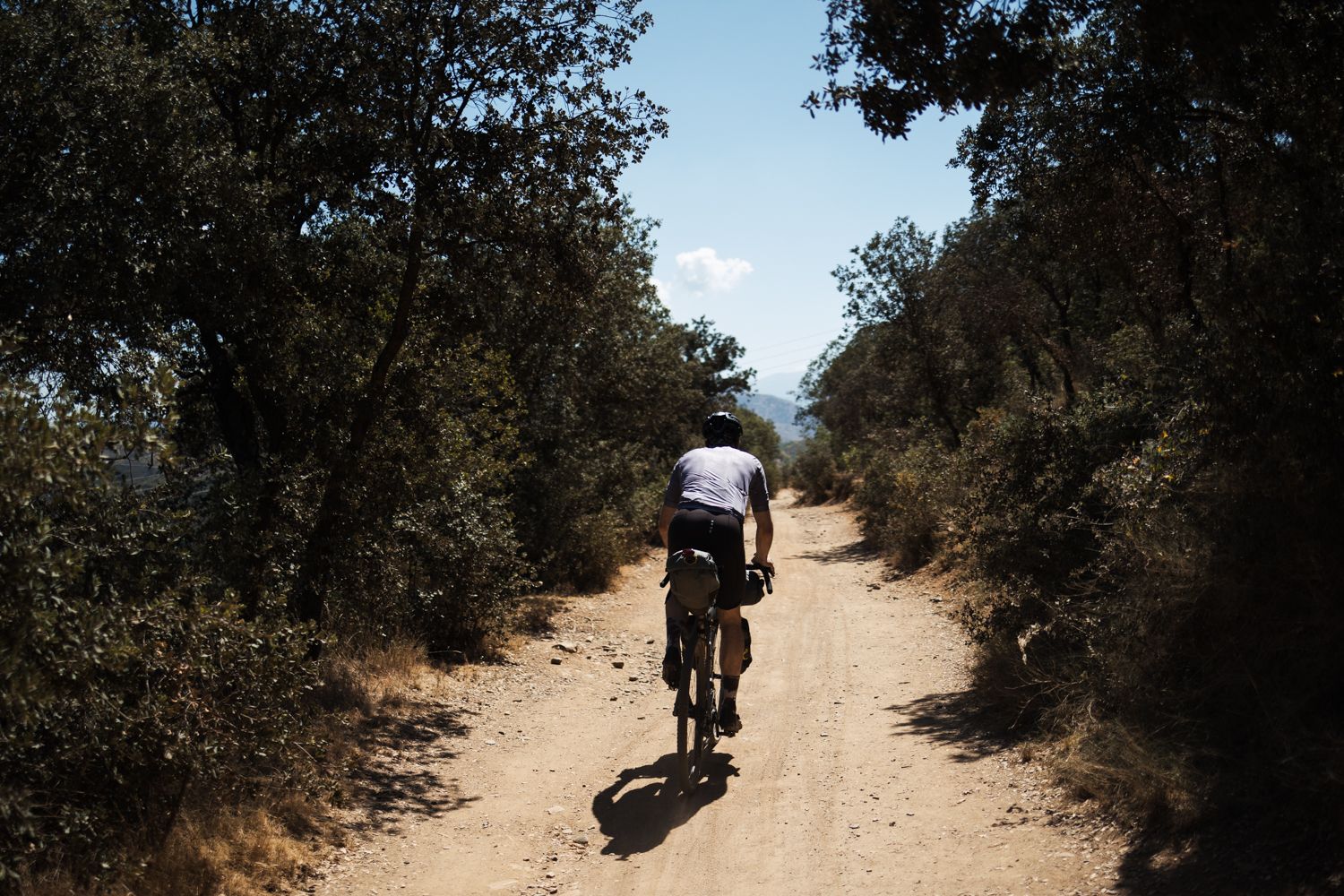
Mozarabic Way to Santiago – Gravel between two worlds
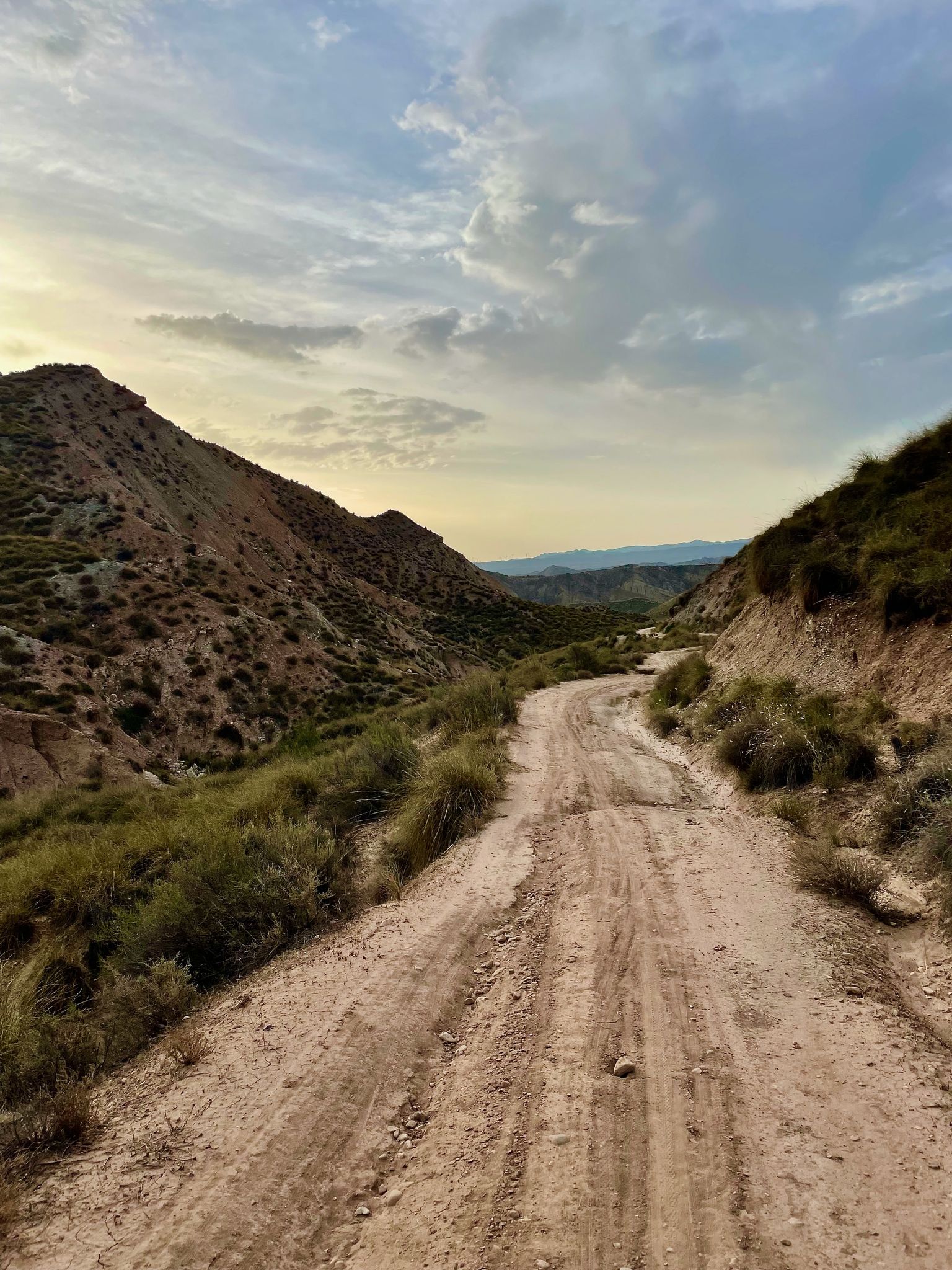
Badlands 2021 — 750km of gravel in the Spanish deserts
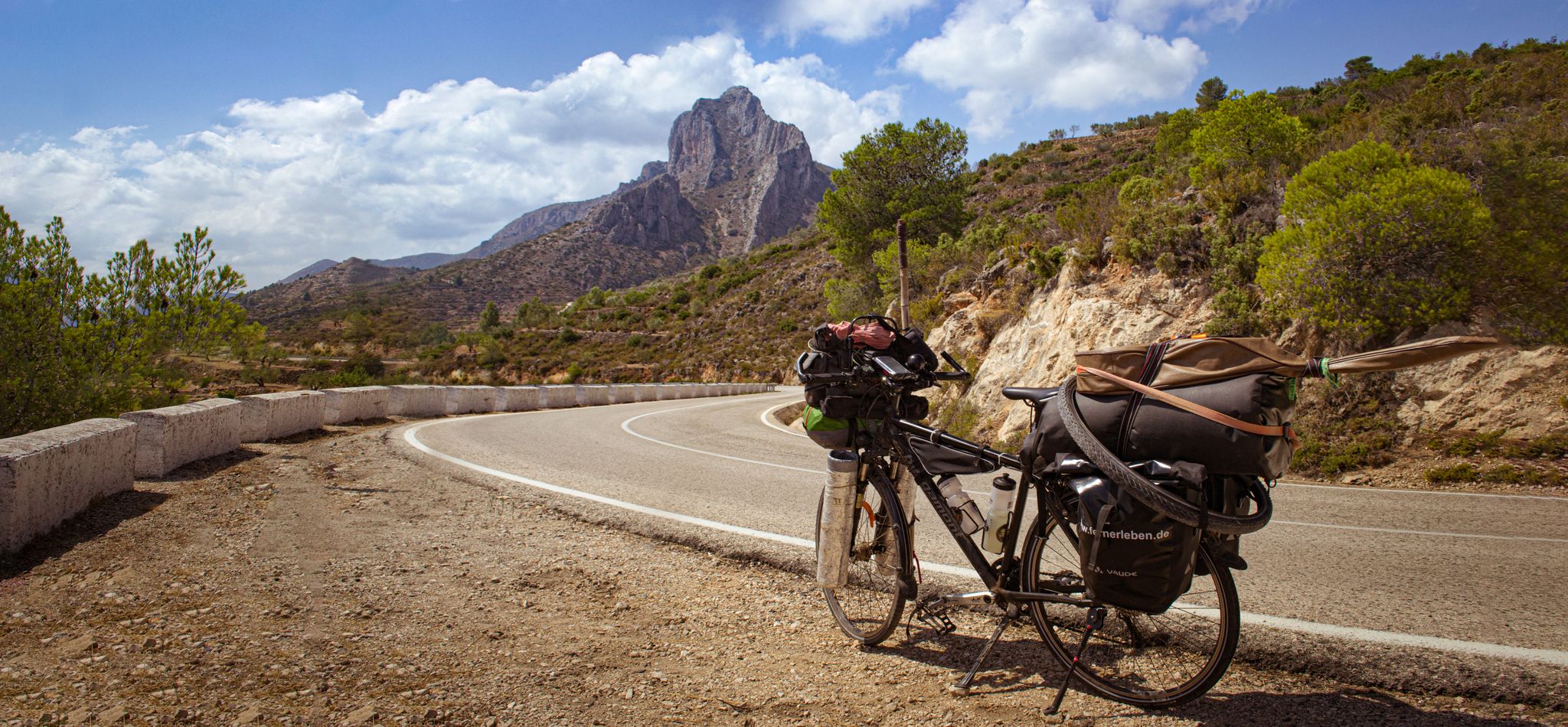
On the road to the sun — bikepacking to southeast Spain
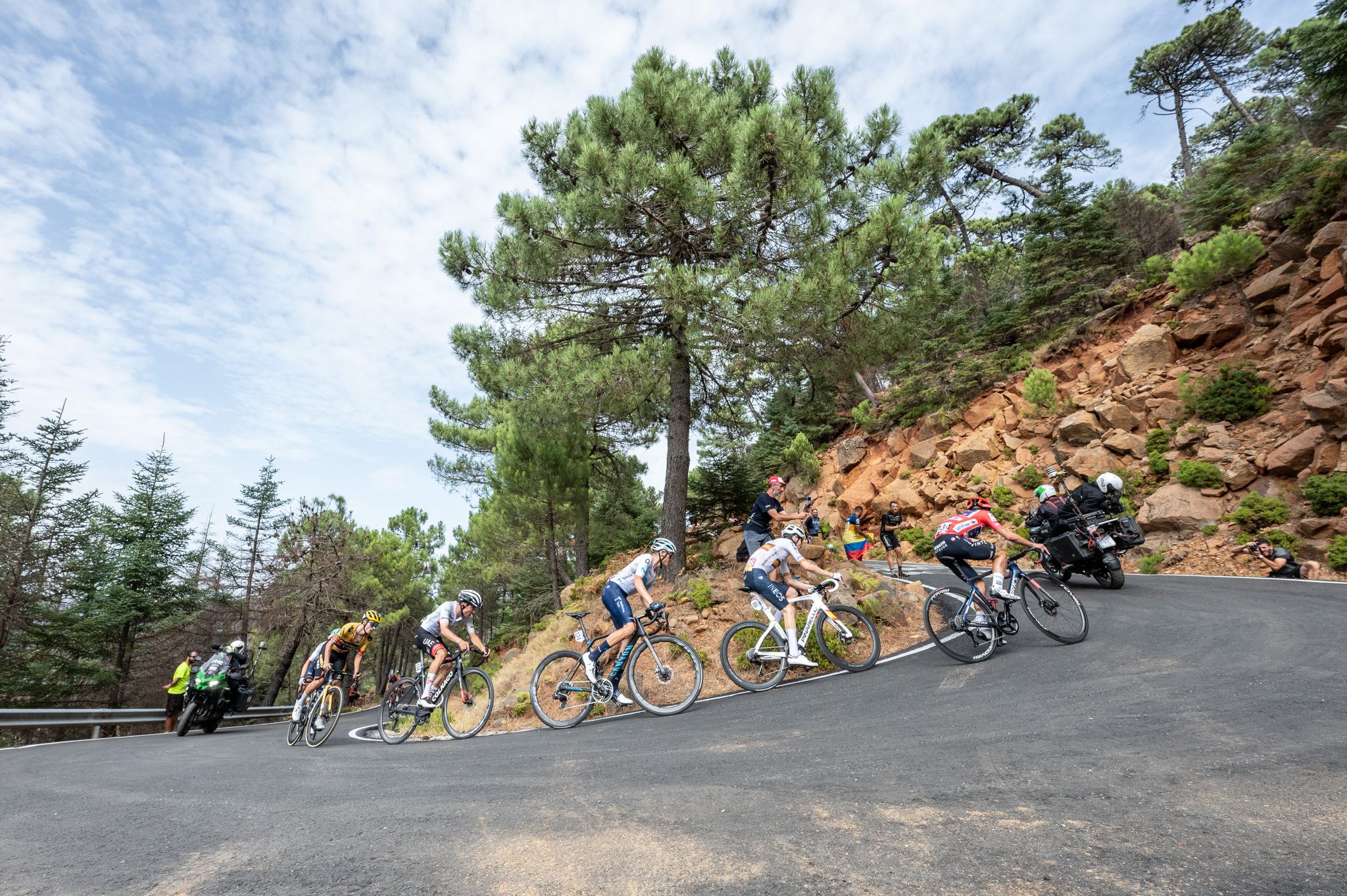
La Vuelta 26 — All Official Stages
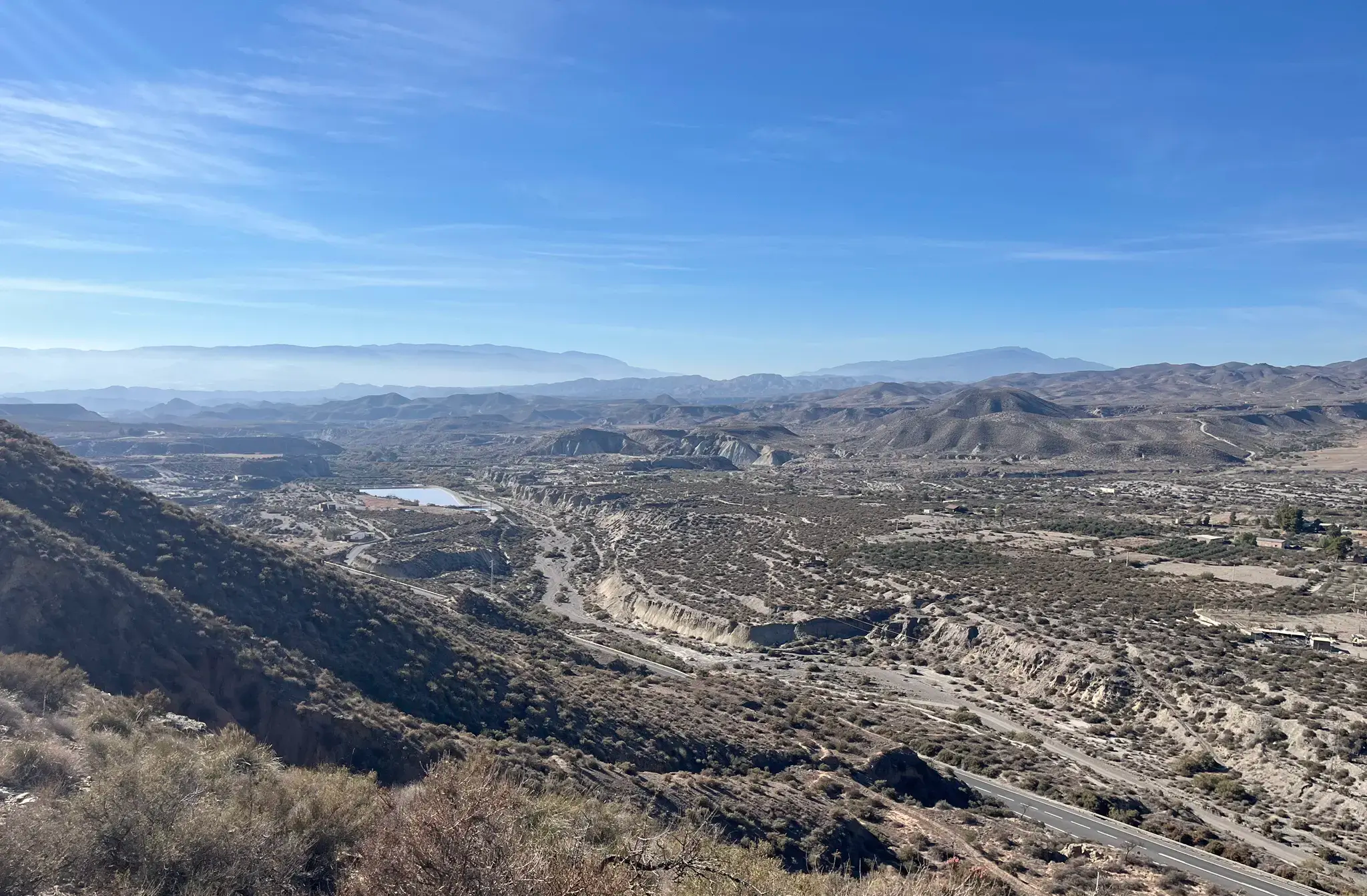
Discover the secrets of Almeria - Inland Villages (GR 244)
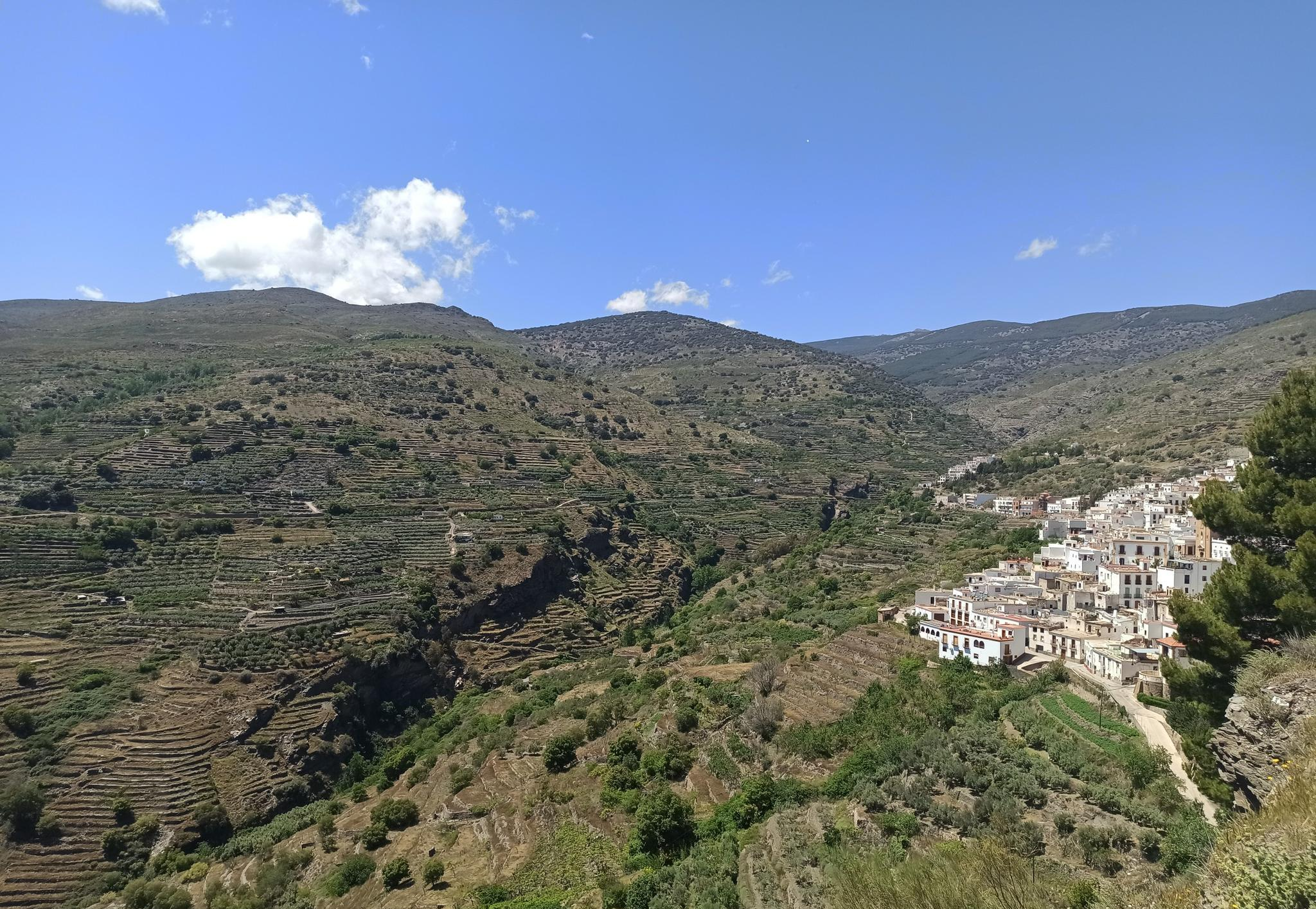
Among white villages - Path of the Alpujarra (GR 142)
The Wild Side Of Almería — Transalmería By Mountain Bike
Other adventures in Almería


Tips from the Community

Castillo Macenas, also known as Torre de Macenas, is located on the sandy beach of the same name, "Playa de Macenas." This tower was built in the 18th century to protect the city from pirate attacks.
10
0

A beautiful area for mountain biking 👍🚴♂️
0
0

Stunning views and rewarding effort!
1
0

Very well preserved, top!
0
0

The Torre de los Alumbres is a historic tower located in the province of Almería, Spain. It was built in the 16th century to protect the area from pirate attacks. The tower is a significant example of the defensive architecture of that time and is part of the rich cultural heritage of the region.
4
0
A characteristic feature is the beautiful rock formation close to the coast. Los Escullos means "the sculptures," referring to the beautifully carved rocks and whimsical shapes resembling dragons and fantasy creatures.
15
1
The fort had 4 cannons and was strategically well located near several beaches that are very beautiful by the way. The fort was restored in the 90s but is now inaccessible and somewhat dilapidated. Still, it is worth a visit if only for its location.
16
0
The Castle of San Felipe was built on the limestone cliffs around 1770 during the reign of Charles III. It was restored in 1991 and has free access to the outside and is in good condition. It is owned by the Junta de Andalucia.
17
0
Frequently Asked Questions
Which castles in Almería offer the best panoramic views?
Many castles in Almería are strategically located to provide stunning vistas. The Alcazaba of Almería, perched on a hill, offers magnificent panoramic views of the city, coastline, and the Muralla de Jayrán. Similarly, San Felipe Castle and Guardias Viejas Castle also provide excellent viewpoints of the coast and surrounding areas.
Are there family-friendly castles to visit in Almería?
Yes, several castles in Almería are suitable for families. The San Felipe Castle, Torre de los Alumbres, Macenas Castle, and Guardias Viejas Castle are all categorized as family-friendly. These sites often provide open spaces for exploration and a glimpse into history that can engage visitors of all ages.
What is the best time of year to visit the castles in Almería?
The best time to visit Almería's castles is generally during the spring (April-May) and autumn (September-October) months. During these periods, the weather is pleasant, with comfortable temperatures for exploring. Summers, particularly August, can be very hot, making outdoor exploration challenging. Winters are mild but can be cooler and wetter.
How long does it typically take to visit the Alcazaba of Almería?
Visiting the Alcazaba of Almería can take anywhere from 2 to 4 hours, depending on your interest level. It's a large complex with three distinct walled enclosures, extensive gardens, and historical ruins, offering a deep dive into Moorish and Christian architecture. Allow ample time to explore its various sections and enjoy the panoramic views.
Are there any castles in Almería that showcase Renaissance architecture?
Yes, the Castle of Vélez-Blanco, also known as the Castle of the Marquis of Los Vélez, is a prime example. Built between 1506 and 1515, it features a fascinating blend of Gothic and early Spanish Renaissance styles. While its exterior appears as a military fortress, its interior patio and noble salons were renowned for their Renaissance design, though the original patio is now in the Metropolitan Museum of Art in New York.
What kind of outdoor activities can I do near the castles in Almería?
Almería offers a variety of outdoor activities near its castles. You can find numerous hiking and mountain biking trails. For example, the Hiking in Almería guide includes routes like the 'Natural Park of Cabo de Gata – Castle of San Pedro from Las Negras'. The MTB Trails in Almería guide also features routes such as 'Presa de la Peseta — circular desde Almería' and 'Transandalus: Cabo de Gata Loop', offering opportunities to combine castle visits with active exploration.
Are there any coastal castles in Almería that protected against pirate attacks?
Yes, Almería's coastline is dotted with fortifications built to defend against pirate incursions. The Macenas Castle, an 18th-century coastal military tower, and Guardias Viejas Castle, an 18th-century coastal battery, were both erected for this purpose. The castle of Las Roquetas (part of the Faro Beach and Roquetas de Mar Lighthouse highlight) also served to protect the coast from Barbary pirates.
What historical periods are represented by the castles in Almería?
The castles in Almería span several significant historical periods. The Alcazaba of Almería primarily represents the Moorish period, with construction beginning in the 10th century and later adaptations by Christian rulers. The Castle of Vélez-Blanco showcases the transition from Gothic to early Spanish Renaissance in the 16th century. Coastal defenses like San Felipe Castle and Macenas Castle date back to the 18th century, reflecting later defensive strategies.
Are there options for public transport to reach the castles in Almería?
Public transport options vary depending on the castle's location. The Alcazaba of Almería is easily accessible within Almería city, often reachable by local bus services or a walk from the city center. For castles in more rural areas, such as Vélez-Blanco, public transport might be less frequent, and a car may be more convenient for direct access. It's advisable to check local bus schedules for specific destinations.
Can I find cafes or restaurants near the castles in Almería?
Yes, especially near the more prominent castles. The Alcazaba of Almería is located in the city, offering numerous cafes and restaurants within walking distance. Castles in towns like Vélez-Blanco will have local eateries. For coastal castles, you might find beachside chiringuitos or restaurants in nearby villages. It's always a good idea to check in advance, especially for smaller, more remote sites.
What should I wear when visiting castles in Almería?
Comfortable walking shoes are essential, as many castles involve walking on uneven surfaces, stairs, and sometimes steep inclines. During warmer months, light, breathable clothing, a hat, and sunscreen are highly recommended due to the strong sun. In cooler seasons, layers are advisable. If visiting during summer, consider bringing plenty of water.
Are there any less crowded castles near Almería worth visiting?
While the Alcazaba of Almería is popular, many other castles offer a quieter experience. The Castle of Vélez-Blanco, located in the Sierra María de Almería Natural Park, provides a unique historical and architectural experience in a less urban setting. Coastal towers like San Ramón Castle or Castillo árabe Tabernas might also offer a more tranquil visit, especially outside peak tourist seasons.
Most popular routes in Almería
Most popular attractions in Almería

Get inspired with the komoot mobile app


Didn’t find what you were looking for?
Explore Almería’s best castles region by region:
Explore more
Looking for the best castles somewhere else? Discover other guides in Almería:
