Top 4 Caves in Toledo
Best caves in Toledo, Spain, are primarily historical and archaeological sites, offering a glimpse into the region's rich past. Toledo is known for its "subterranean Toledo," a network of underground structures including Roman cisterns and medieval remains. These sites provide insight into ancient engineering and historical narratives. The area's underground features are a significant aspect of its cultural and historical landscape.
Best caves in Toledo
- The most popular caves is The Ammunition Depot, an other_man_made site with underground galleries…
Last updated: October 1, 2026
The Ammunition Depot
Highlight • Structure
Translated by Google •
Tip by

Hercules' Caves 🏛️ Toledo
Highlight • Cave
Translated by Google •
Tip by
Sign up now to discover places like this
Get recommendations on the best single tracks, peaks, & plenty of other exciting outdoor places.
Castrola Cave
Highlight • Cave
Translated by Google •
Tip by

Tasitola Cave and Lynx Trail
Highlight (Segment) • Cave
Translated by Google •
Tip by
Hinojosa de San Vicente
Highlight • Settlement
Translated by Google •
Tip by

Start today with a free account
Your next adventure awaits.
Popular around Toledo
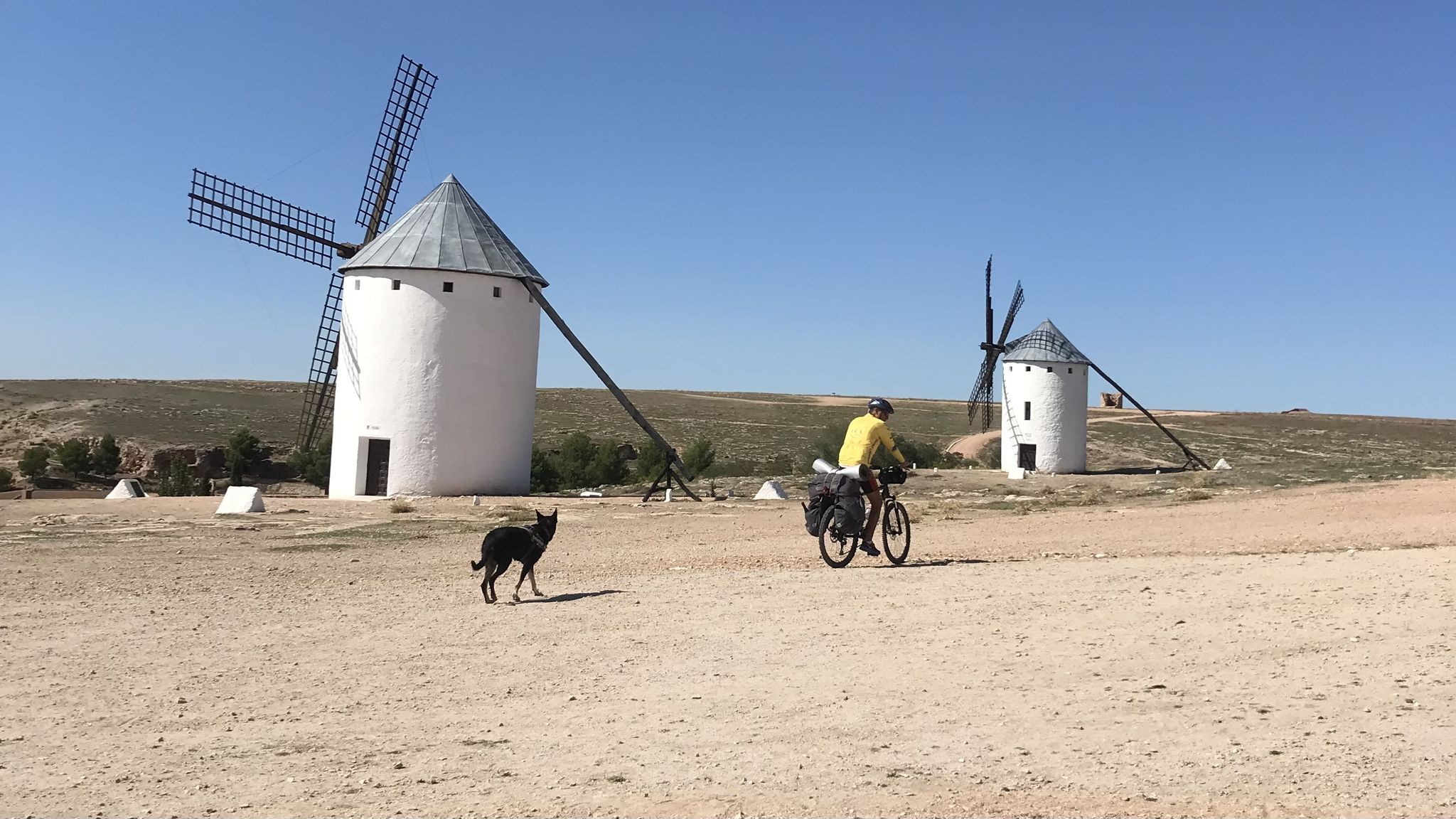
Don Quixote's route – The knight of the sorry face

Around the World in 80 Days
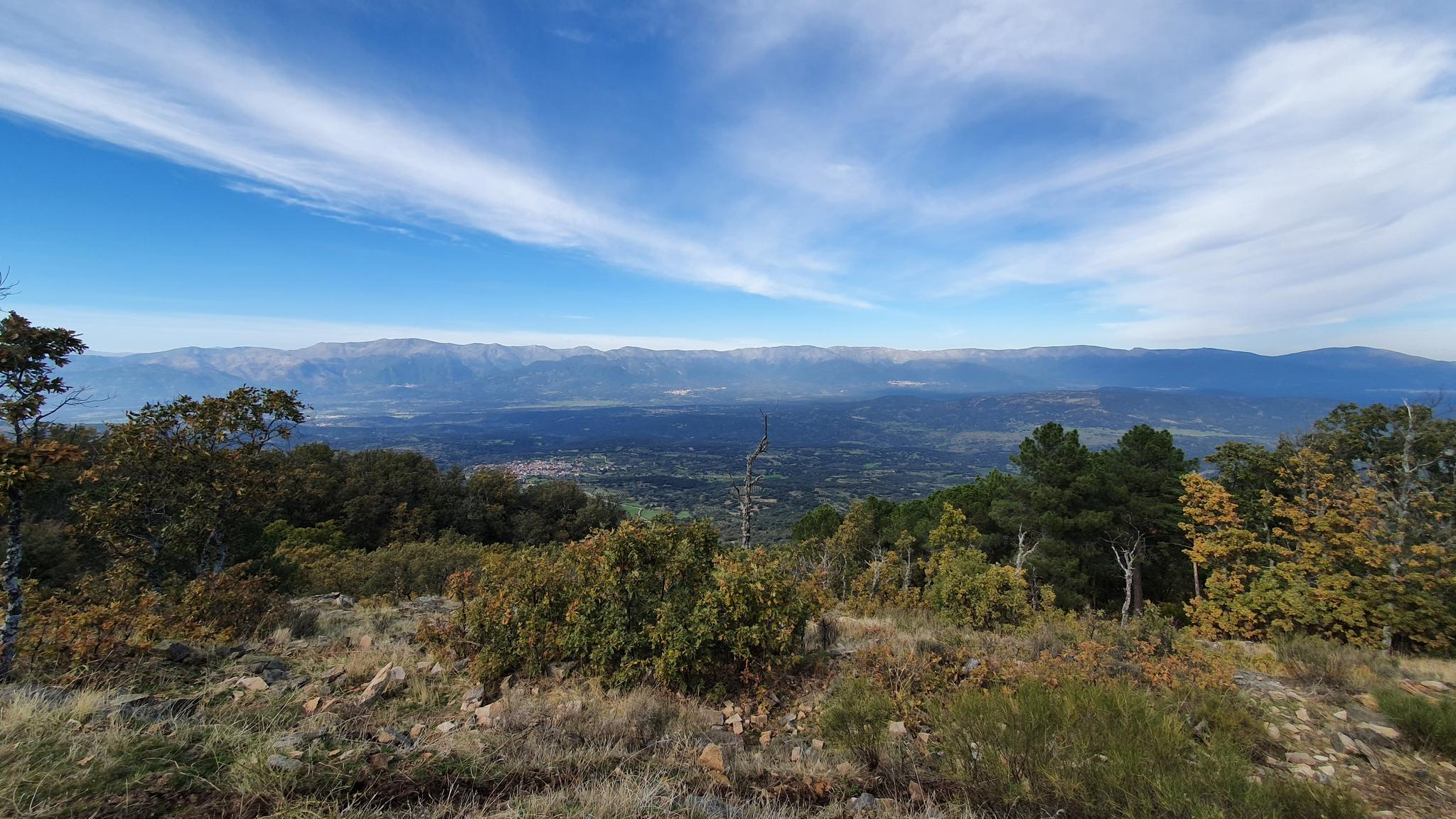
Following in the footsteps of the Lusitanian leader — Viriato Path GR 63
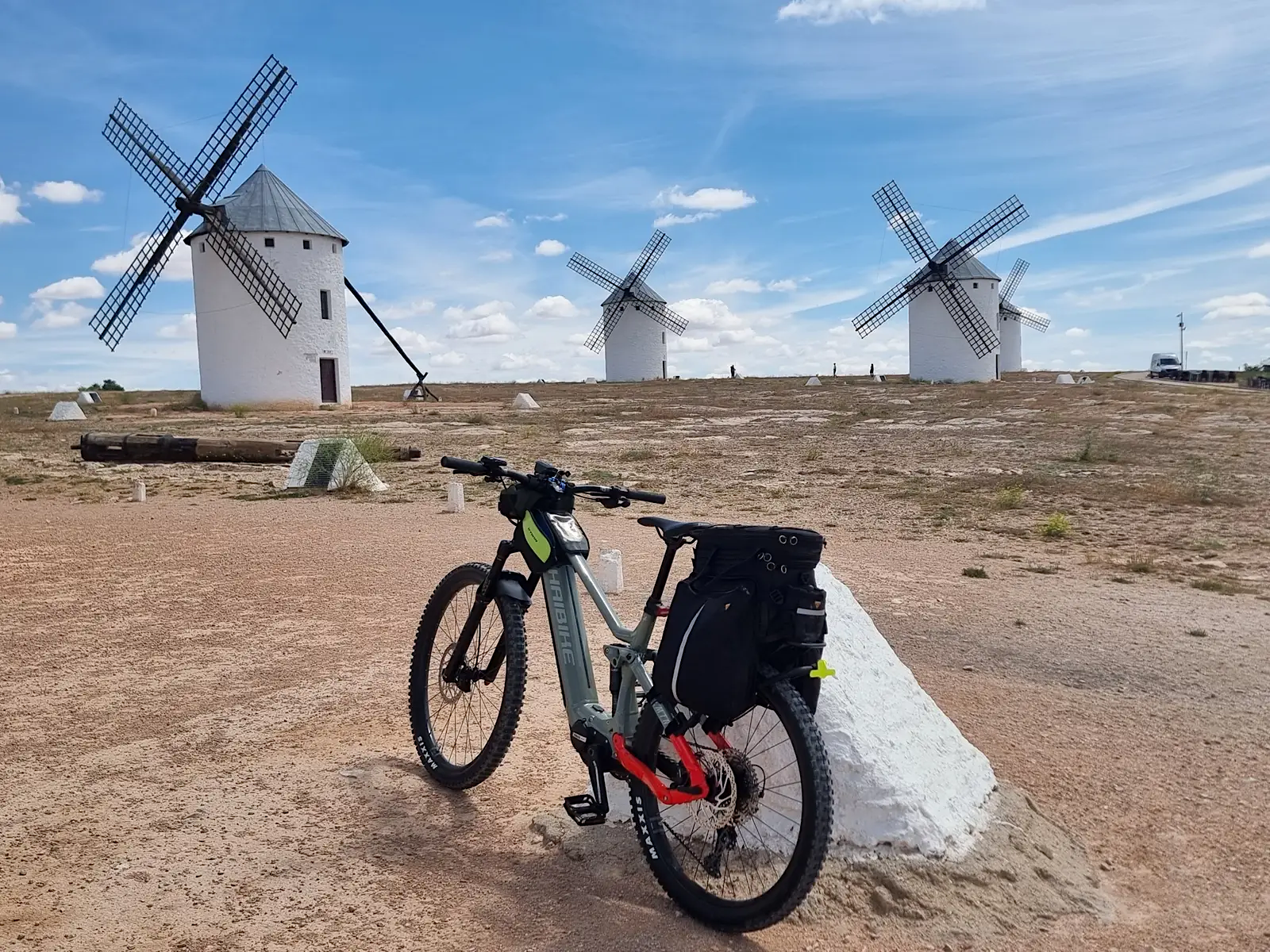
Route of Don Quixote – cycling between rivers, lagoons and hills
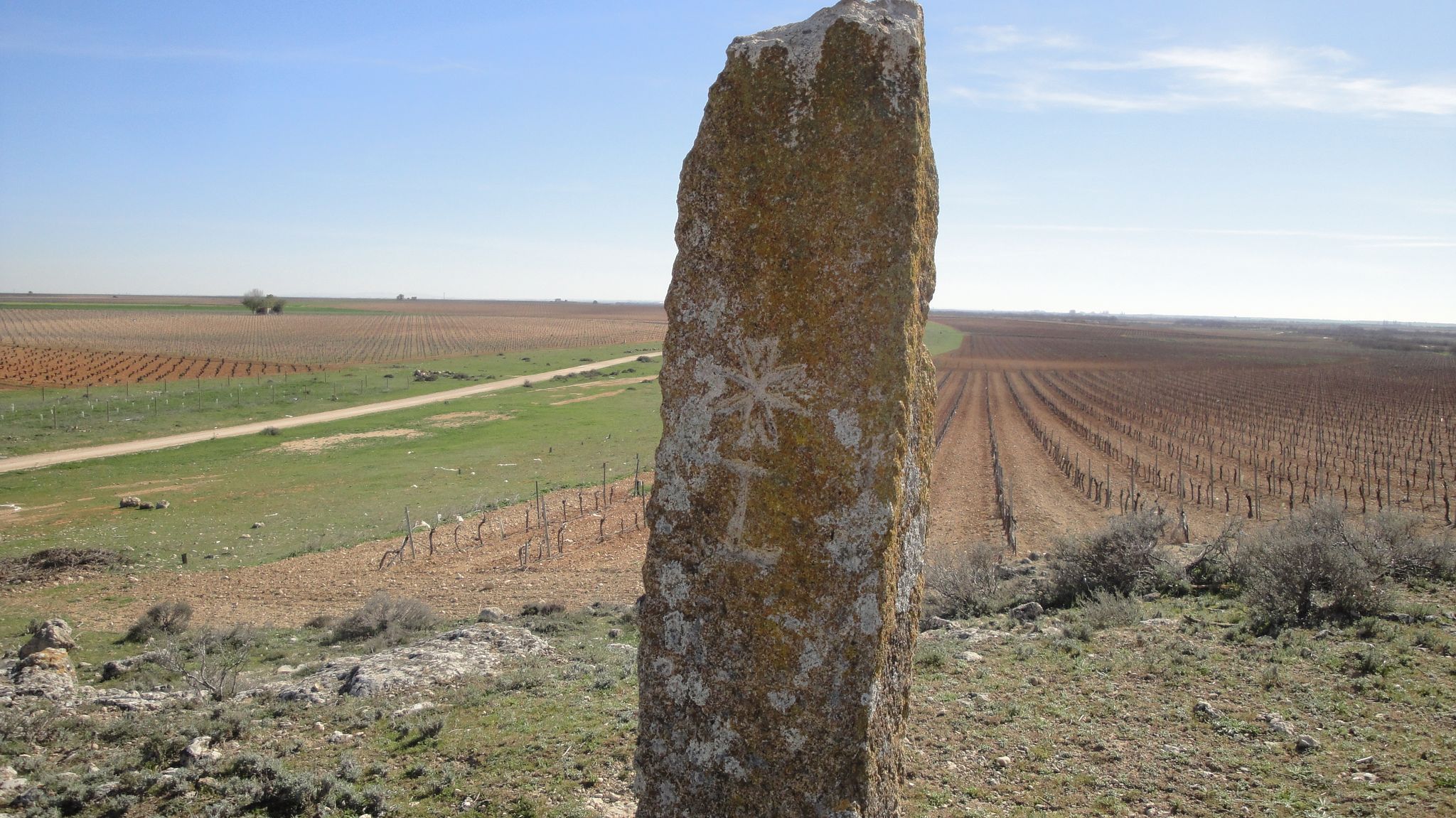
The Reconquest of La Mancha on Foot - Camino Natural del río Riánsares
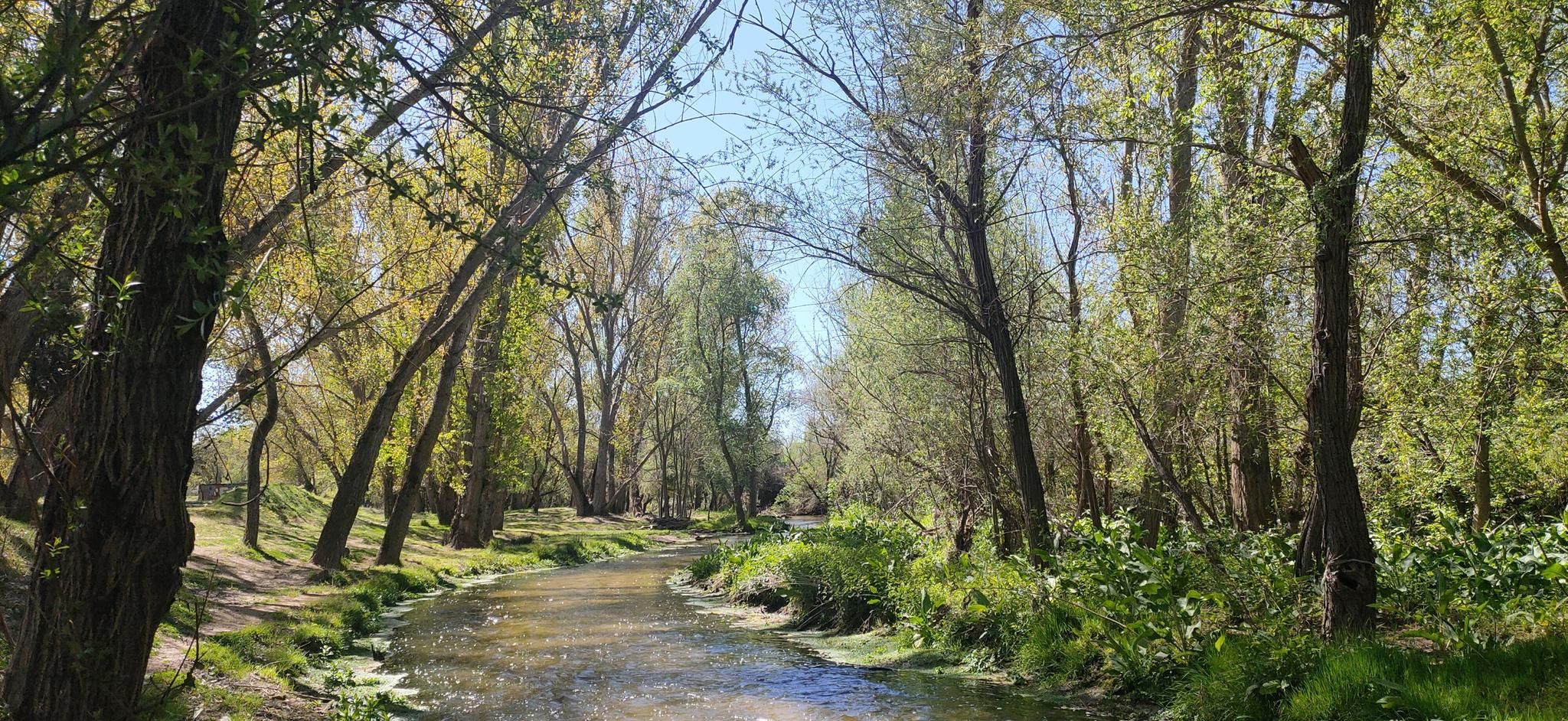
Hidden treasures in the river – hike along Spain’s Guadarrama River
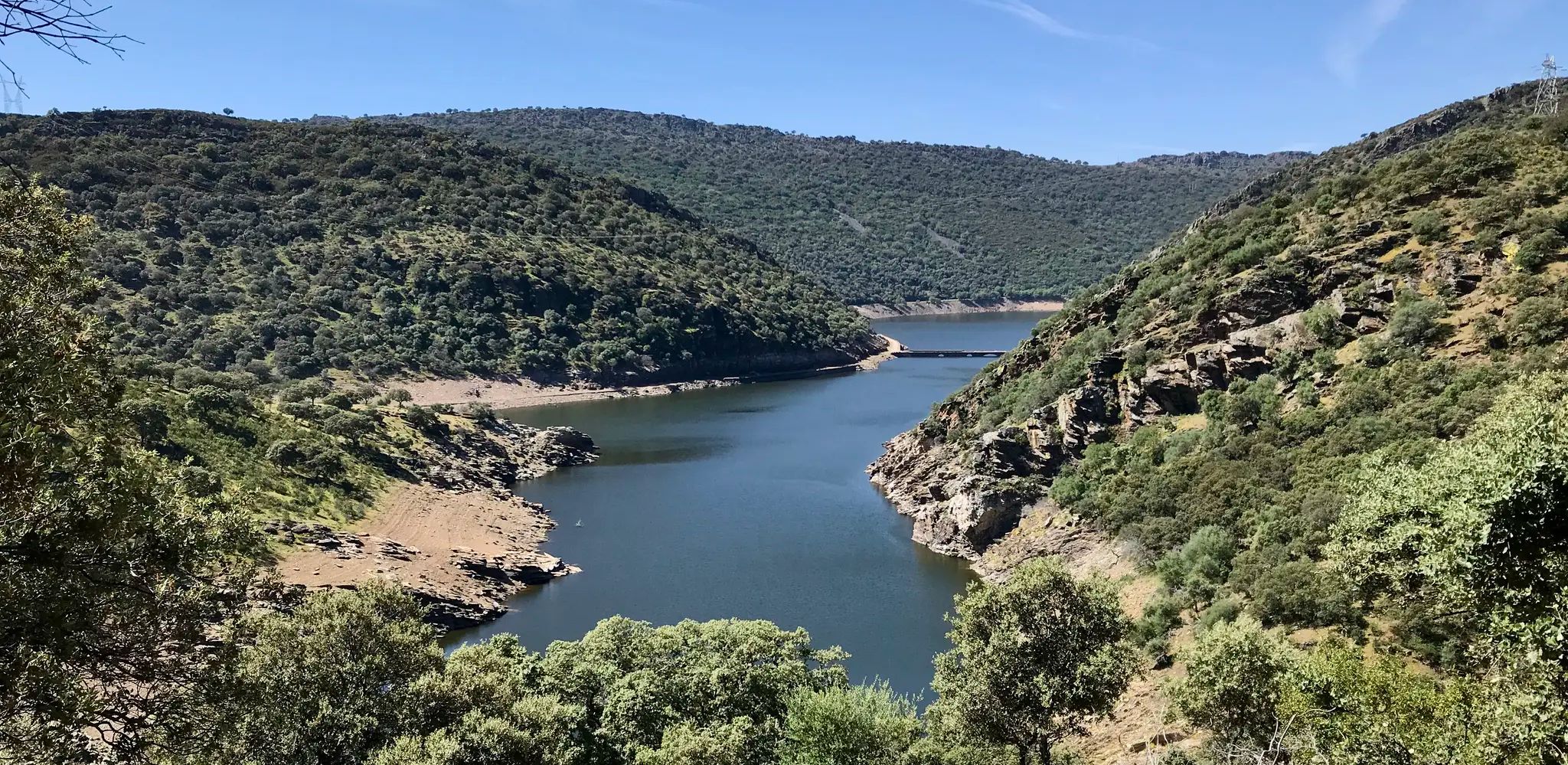
Toledo to Cedillo – Camino Natural del Tajo West
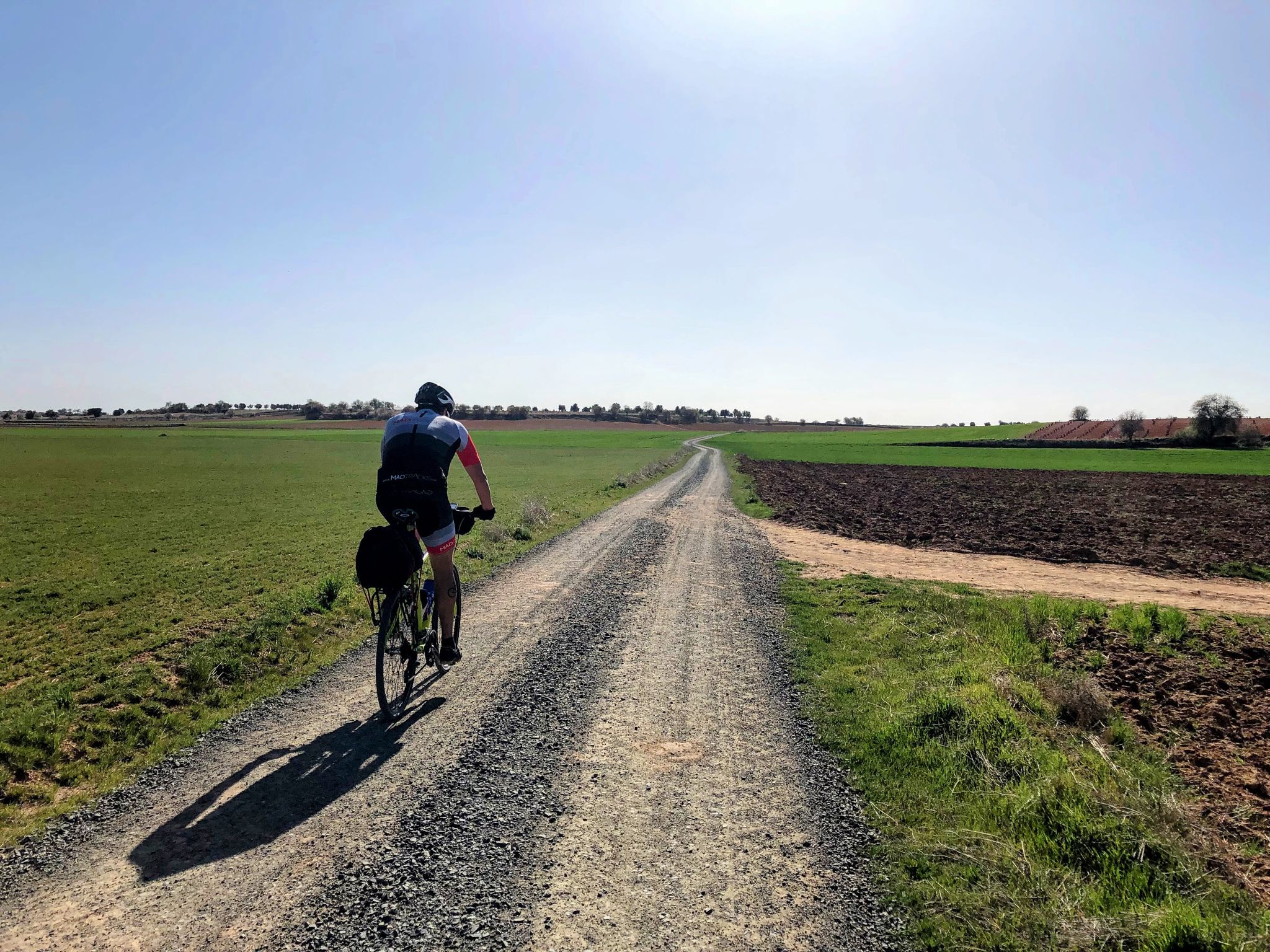
In search of the coast – Madrid to Puerto de Mazarrón
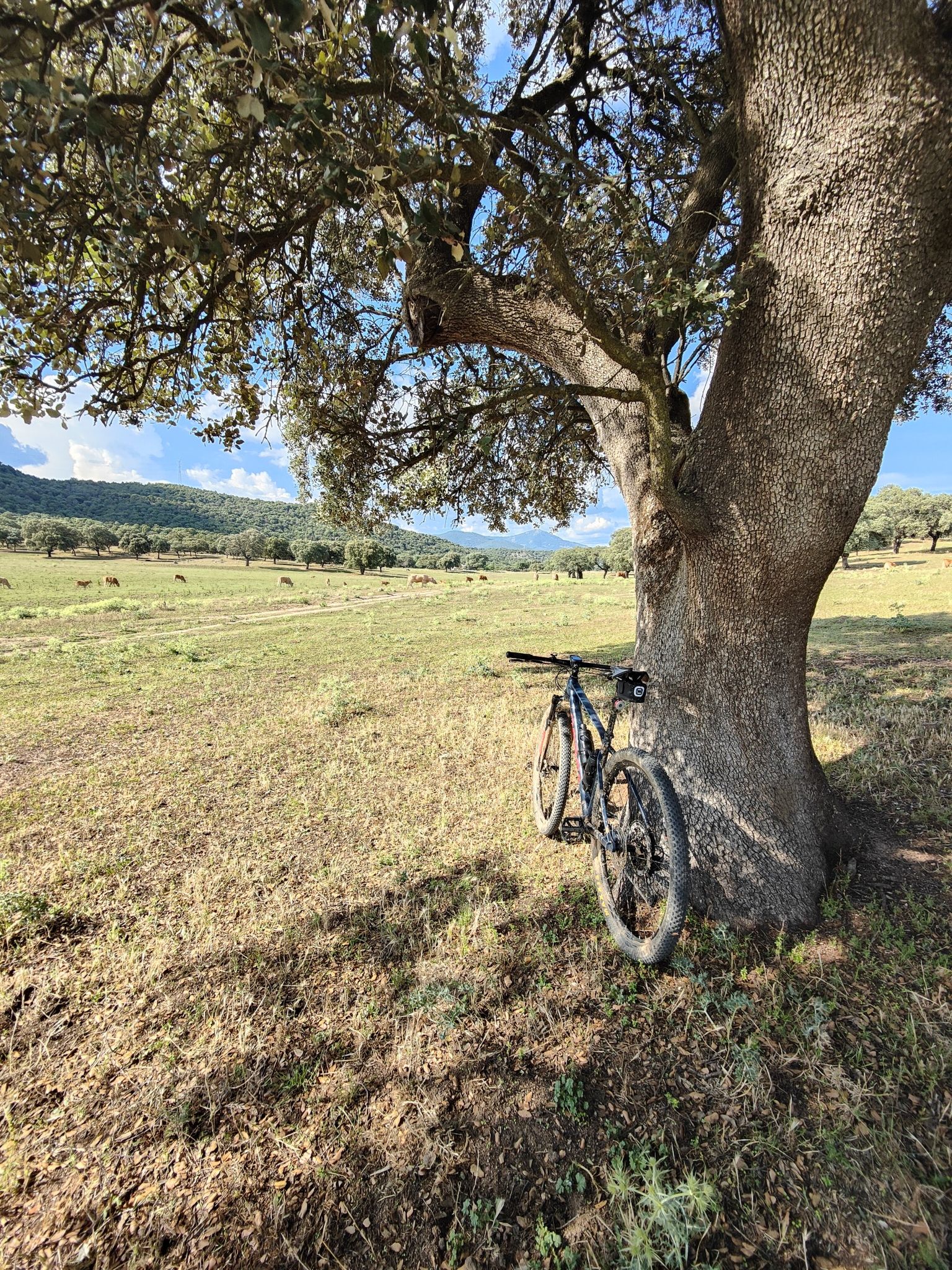
A Stronghold of Lusitania – explore the Viriato Trail on MTB
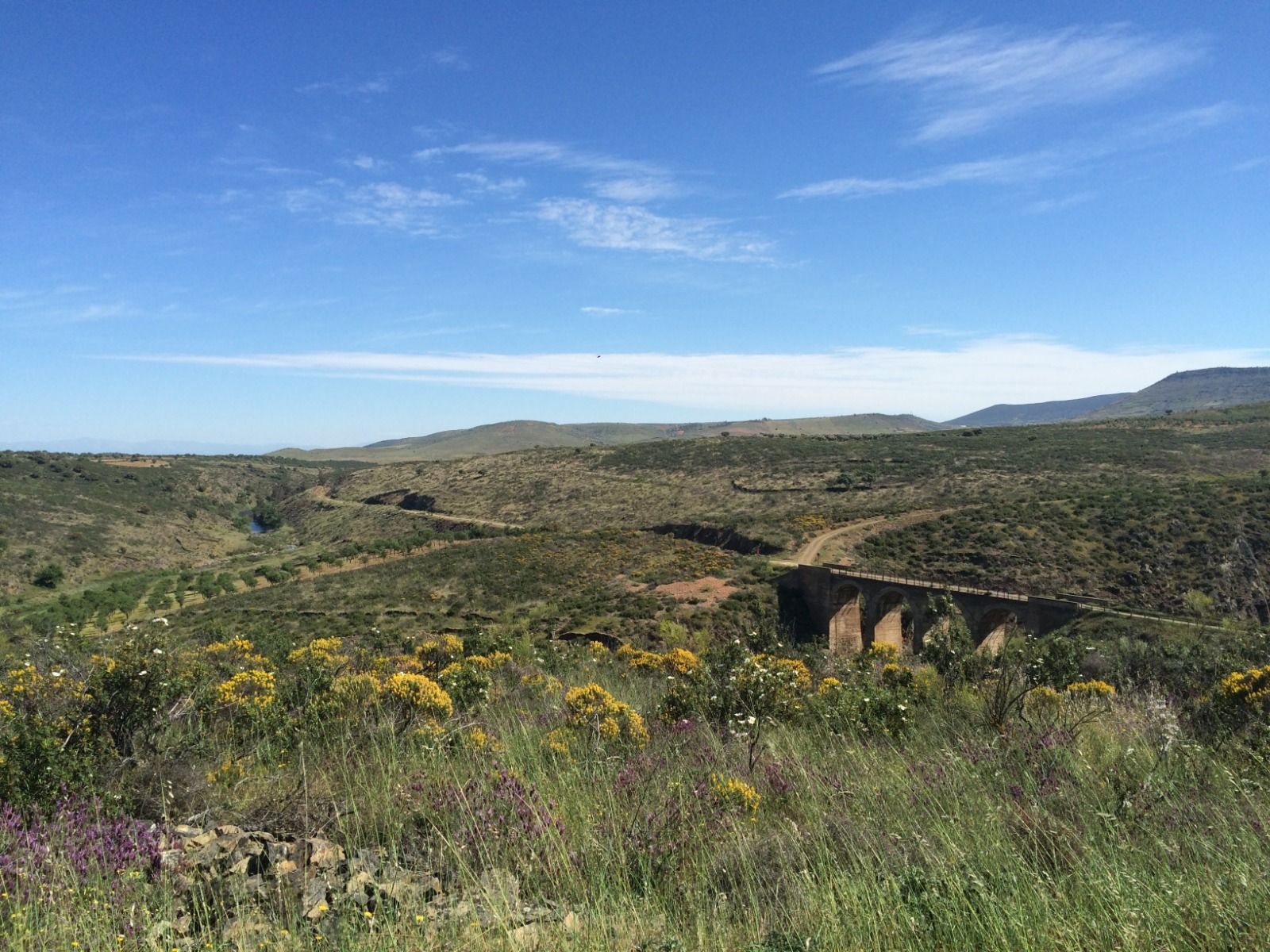
A gravel pilgrimage – Toledo to Guadalupe (GR 166)
Other adventures in Toledo


Tips from the Community

The Castrola cave owes its name to the bandit Isidoro Juárez Navarro. Son of Castor (hence the nickname Castrola) and Ascensión, he was born on April 5, 1851 in Villarrubia de los Ojos. He began his misdeeds at the age of 19 by stealing oil from a mill, being convicted along with other companions and sentenced to 2 years and 4 months in prison, which he served in the Alcalá de Henares prison. Meanwhile, he had to complete his military service, but since he was imprisoned, he had to enter the exit. He claimed to be the son of a poor and sick father whom he had to support. But they didn't listen to him and sent him to Africa. But he tried to flee, ending the event with Isidoro's bones in the dungeon. But when he leaves and is waiting to leave for Ceuta, his father helps him escape, walking through the fields, occupying the cave that bears his name, in the municipality of Madridejos, about 12 km from his hometown. The father, a member of the anti-faction militias (that's what groups of armed civilians against bandits were called), the phrase he repeats most often is "You're not a man if you don't throw yourself into the mountains." Thus, on August 6, 1873, the legend of the bandit "Castrola" begins; who occupied the cave for eight years, and they say that he left a treasure hidden in the surroundings. He died in 1881, in the town of Urda, in the place called El Puerto de la Gineta, next to the Cañada Real Soriana and very close to the La Galana valley. 8 km away in a straight line to the cave. This bandit was described as the "most terrible vermin of the Montes de Toledo"; and it was said that he instilled terror in his own companions (in fact he murdered three of them: Juan Barajas, el Mamón and el Farruco). On one occasion he even forced some reapers to eat their lunch on the corpses of their comrades, lying moments before at their feet.
1
0

Its name refers to the aromatic fennel plant, abundant in this area. In addition to the surroundings, the town's urban complex and the Church of La Concepción are worth a visit. Also worth visiting are the remains of the castle, built on top of an Islamic tower. A few meters from the castle, you can visit the cave where, according to tradition, Saints Vincent, Sabina, and Christeta, Martyrs of Talavera, took refuge during the Dacian persecution.
0
0

Underground galleries built in 1936 with the aim of storing the ammunition destined for the planes of the combat squadron of the airfield. These galleries were built manually by stonemasons from Villafranca de los Caballeros. They occupy the land of an old quarry. It was a military zone until the 70s. It still retains part of its old fence.
11
0
The powder magazine is a series of underground galleries built in 1936 with the aim of storing the ammunition destined for the planes of the combat squadron of the airfield. They were built manually by stonemasons from Villafranca de los Caballeros. They occupy the land of an old quarry. It was a military zone until the 70s.
2
0

This curious construction of caves and passages under the rock was built in 1936 in order to store the ammunition of the combat squadron. Using an old quarry, the galleries were excavated by stonemasons from Villafranca and today they are a curious and interesting place to visit.
4
1
This curious construction of caves and passages under the rock was built in 1936 in order to store the ammunition of the combat squadron. Using an old quarry, the galleries were excavated by stonemasons from Villafranca and today they are a curious and interesting place to visit and explore with the family.
2
0
Path just 500 meters from the Castrola Cave.
16
1
The "Cuevas de Hércules" surrounded by mysteries and legends, summarize in a certain way the "underground" tradition of Toledo. Tradition says that this place was carved out by Tubal or Hercules the Egyptian and would be the secret chair from which Hercules himself taught the occult sciences. It was said that in these caves there were figures or paintings hidden before the arrival of the Arabs, whose unveiling would bring great evil. The treasure found by the young Jew in the Roso de Luna manuscript is also located in these caves, just to give a few examples.
31
0
Frequently Asked Questions
What types of underground sites can I explore in Toledo?
Toledo offers a mix of historical and man-made underground sites. You can explore ancient Roman cisterns and archaeological remains, like the famous Hercules' Caves, or delve into more recent history at sites like The Ammunition Depot, which features galleries built during the Spanish Civil War.
Are there any caves in Toledo with historical legends or unique stories?
Yes, Toledo's underground sites are rich in history and legend. The Hercules' Caves are steeped in mythology, with tales of Hercules teaching occult sciences and hidden treasures. Another fascinating site is the Castrola Cave, named after a notorious 19th-century bandit who used it as a hideout, with stories of his exploits and rumored hidden treasure.
Which caves in Toledo are suitable for families?
Several sites are family-friendly. The Ammunition Depot offers an interesting exploration of historical galleries. Additionally, the settlement of Hinojosa de San Vicente includes a cave where, according to tradition, saints took refuge, offering a blend of history and local charm that can be engaging for families.
What is the best time of year to visit the caves in Toledo?
The underground sites in Toledo, particularly the historical ones like Hercules' Caves, maintain a relatively constant cool temperature year-round. This makes them a pleasant escape during the hot summer months in Toledo or a cozy activity during cooler seasons. Always check specific opening hours before your visit.
Are there any trails or outdoor activities near the caves?
Yes, near the Castrola Cave, you can find the Tasitola Cave and Lynx Trail, which is a good place for walking and exploring the forest. For more extensive outdoor activities in the wider Toledo region, you can explore various MTB Trails in Toledo or enjoy Road Cycling Routes in Toledo.
What kind of geological features can be observed in Toledo's caves?
While Toledo's most prominent 'caves' are primarily historical or man-made structures rather than natural geological formations, sites like Hercules' Caves showcase Roman engineering with barrel vaults and ancient cisterns. The region's underground landscape often reveals how human activity has shaped and utilized natural rock formations over centuries.
Are there any accessible caves for visitors with mobility challenges?
Information on specific accessibility for all sites is limited. However, the Cuevas de Hércules in Toledo, Spain, is an archaeological site that may have varying levels of accessibility due to its ancient nature. It's recommended to check directly with the site for the most current accessibility information.
What should I wear when visiting the underground sites in Toledo?
Given that many of Toledo's underground sites are historical and may involve walking through ancient structures, comfortable walking shoes are highly recommended. The temperature underground can be cooler than the surface, so a light jacket or sweater might be useful, especially during warmer months.
Can I find cafes or other amenities near the cave sites?
Many of Toledo's underground attractions, especially those within the city like Hercules' Caves, are located close to the city center where you'll find numerous cafes, restaurants, and shops. For sites further afield, such as Hinojosa de San Vicente, amenities will be available within the local village.
Are there any lesser-known or 'hidden' underground spots worth exploring in Toledo?
Beyond the well-known sites, Toledo is famous for its 'subterranean Toledo,' a network of underground structures that includes wells, Roman, Arabic, and Jewish baths, and cemeteries. While not always publicly accessible as 'caves,' these hidden layers of the city offer a fascinating glimpse into its past. The Cuevas de Hércules is a prime example of this rich underground heritage.
What is the difficulty level for exploring Toledo's caves?
Most of Toledo's accessible underground sites, such as Hercules' Caves and The Ammunition Depot, are generally considered to have an intermediate difficulty level. This typically means they involve walking on uneven surfaces, possibly some stairs, and navigating through confined spaces. They are usually suitable for most visitors but may require a moderate level of physical fitness.
Most popular routes in Toledo
Most popular attractions in Toledo

Get inspired with the komoot mobile app


Explore more
Extend your search for the best caves by checking out these guides of the top ones in Toledo:
