Top 17 Castles in the Federation of Bosnia and Herzegovina
Castles in the Federation of Bosnia and Herzegovina offer a glimpse into the region's historical periods. These structures, often strategically located on hillsides or alongside rivers, showcase diverse architectural styles from medieval, Ottoman, and Austro-Hungarian eras. The area's geography, with its rivers and hills, often dictated the placement of these fortifications. Exploring these sites provides insight into the cultural significance and past of the Federation of Bosnia and Herzegovina.
Best castles in the Federation of Bosnia and Herzegovina
- The most…
Last updated: October 28, 2026
Jajce Fortress
Highlight • Castle
Translated by Google •
Tip by

Vidoška Fortress (Stolac)
Highlight • Castle
Translated by Google •
Tip by

Sign up now to discover places like this
Get recommendations on the best single tracks, peaks, & plenty of other exciting outdoor places.
Bobovac Medieval Fortress Ruins
Highlight • Castle
Translated by Google •
Tip by
Captain's Tower
Highlight • Castle
Translated by Google •
Tip by

Stjepan Grad Fortress
Highlight • Castle
Translated by Google •
Tip by

Visočica Summit and Fortress Ruins
Highlight • Summit
Translated by Google •
Tip by
Travnik Fortress
Highlight • Castle
Some archaeologists and historians believe that there was a Neolithic settlement here. The old town …
Translated by Google •
Tip by

Srebrenik Fortress
Highlight • Castle
Translated by Google •
Tip by

Blagaj Old Town Fortress
Highlight • Castle
Tip by

Old Town of Pset Tower
Highlight • Castle
Tip by

Sign up for free to discover even more castles in the Federation of Bosnia and Herzegovina.
Already have an account?
Start today with a free account
Your next adventure awaits.
Popular around Federation of Bosnia and Herzegovina
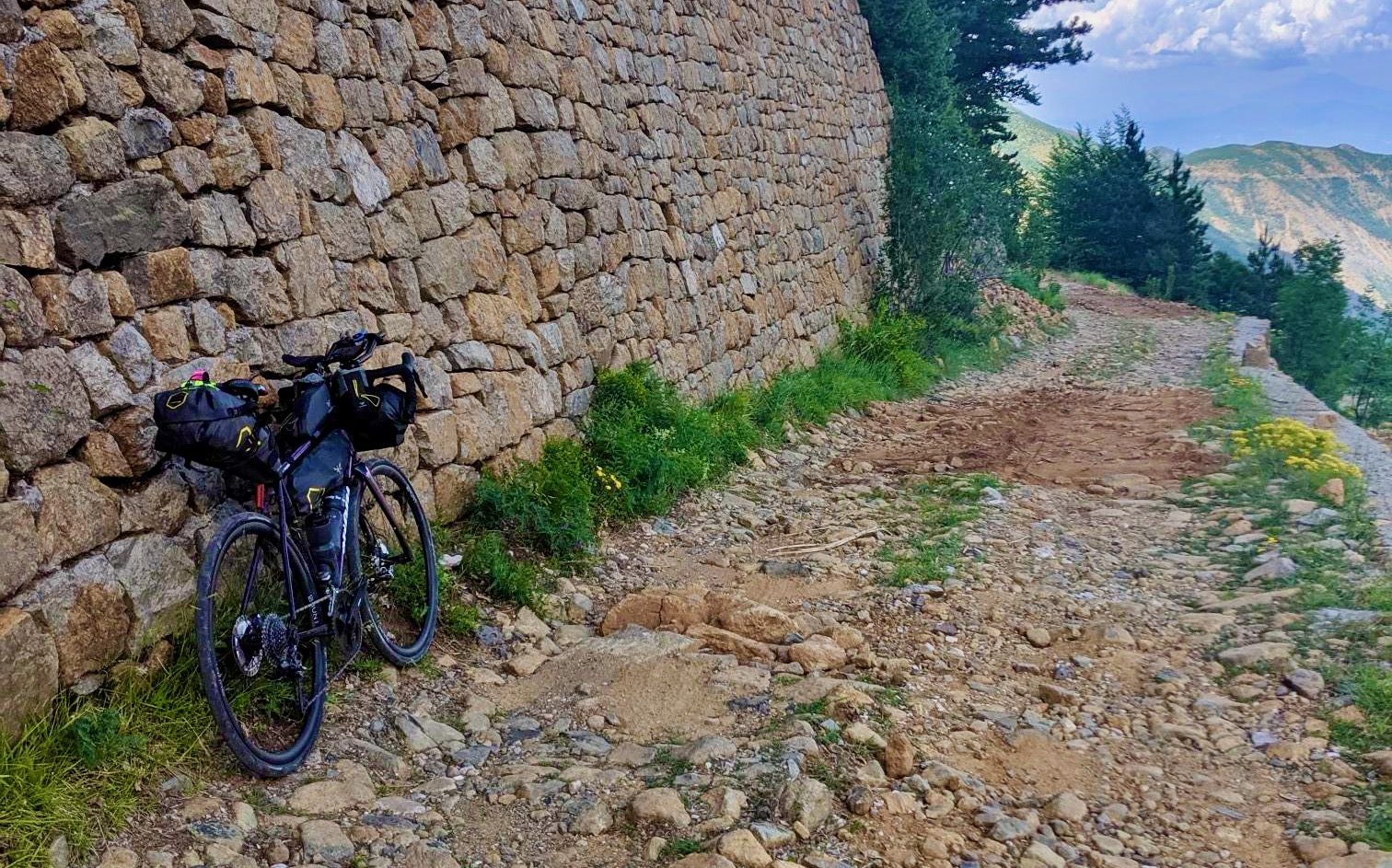
Traversing the Dinaric Alps — bikepacking from the mountains to the sea
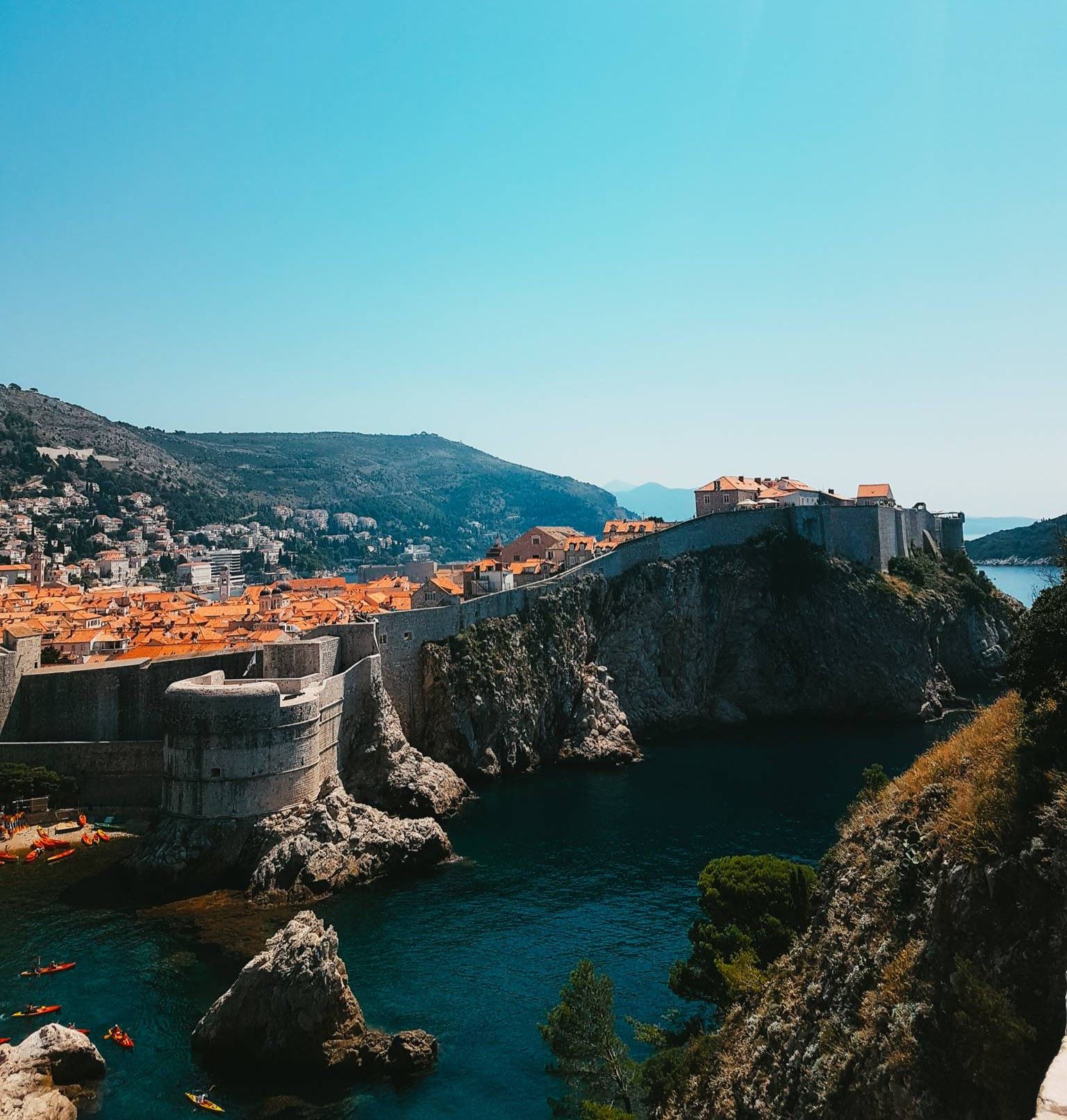
The Ciro Trail — Along the railtrail from Mostar to Dubrovnik
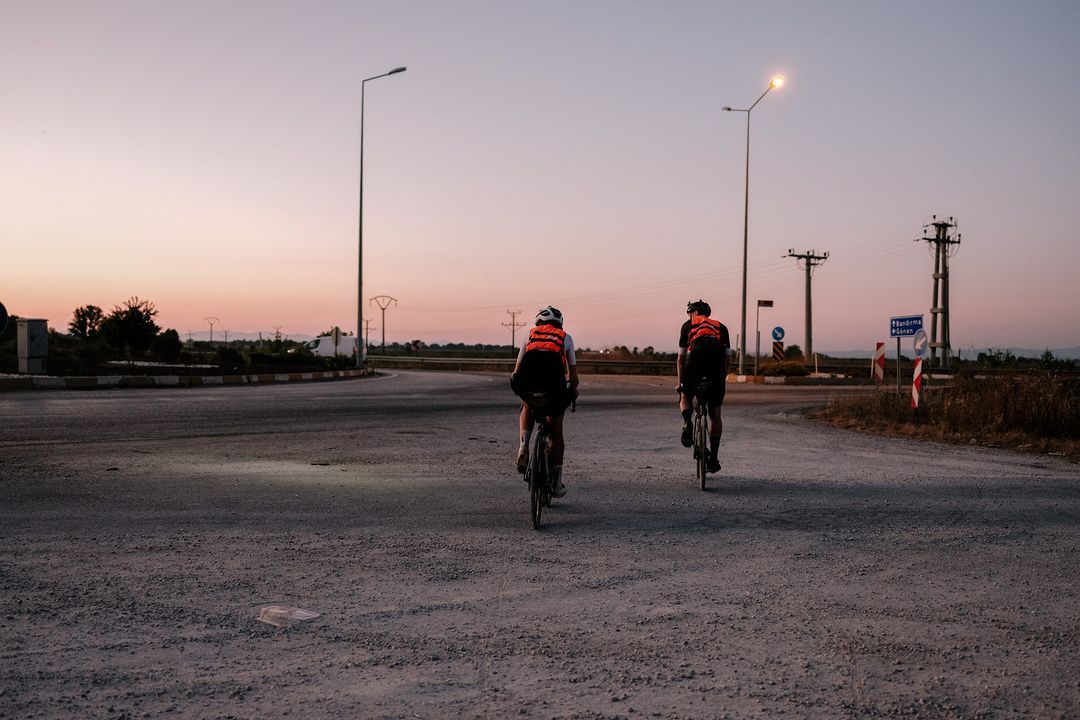
Transcontinental Race No10: crossing Europe from France to Turkey
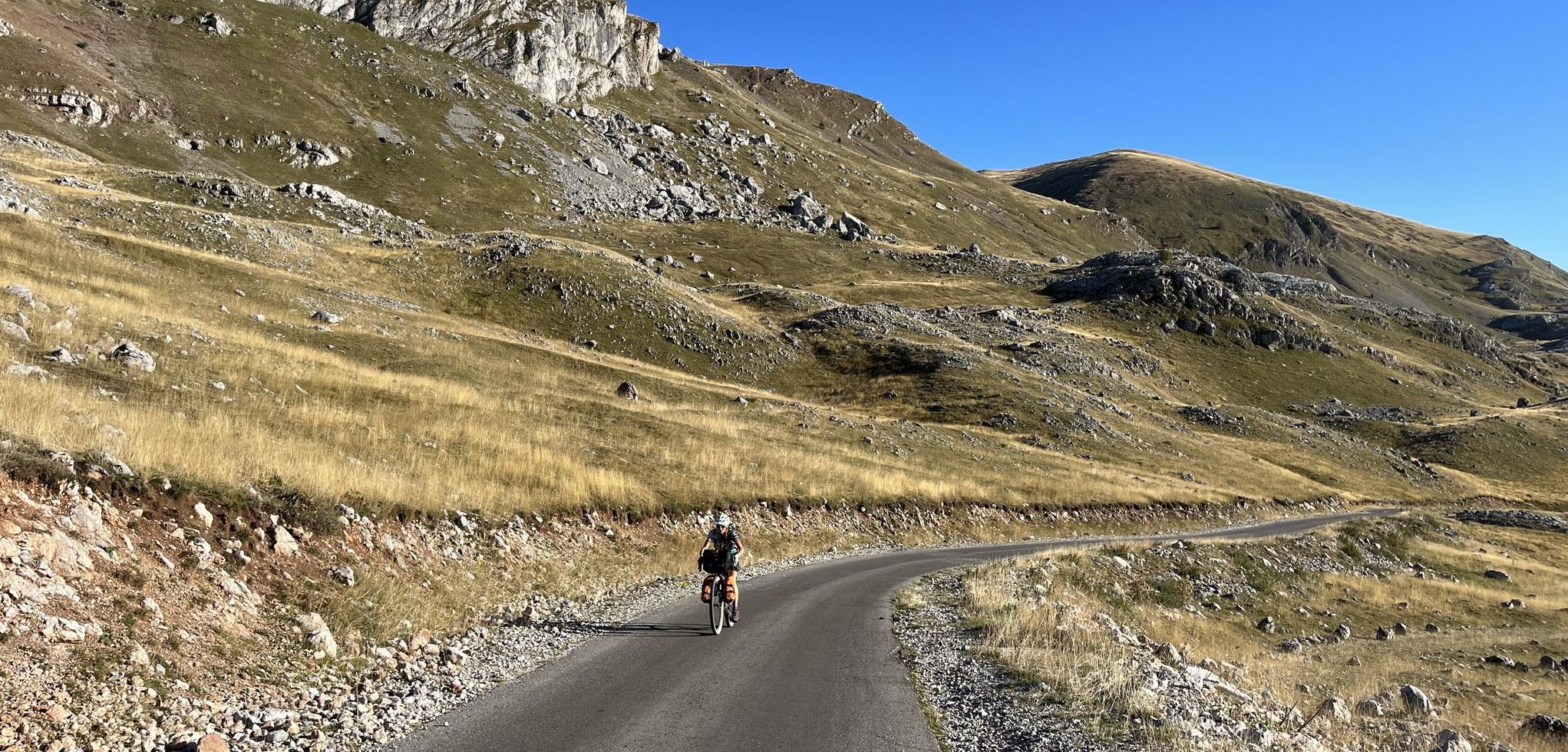
Balkan Escape – Croatia and Bosnia and Herzegovina
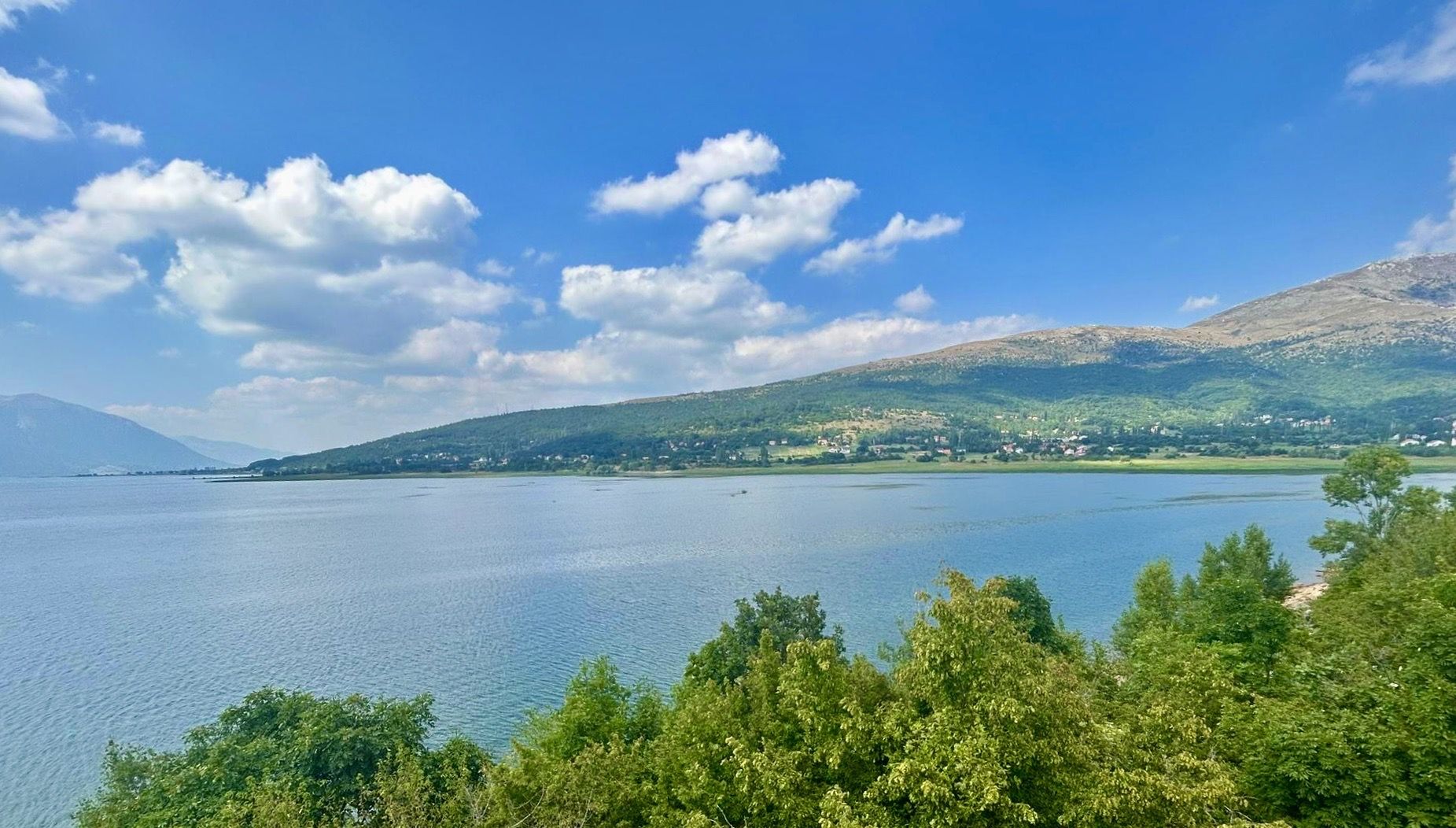
A weekend by Lake Buško – cycling the border between Croatia and Bosnia-Herzegovina
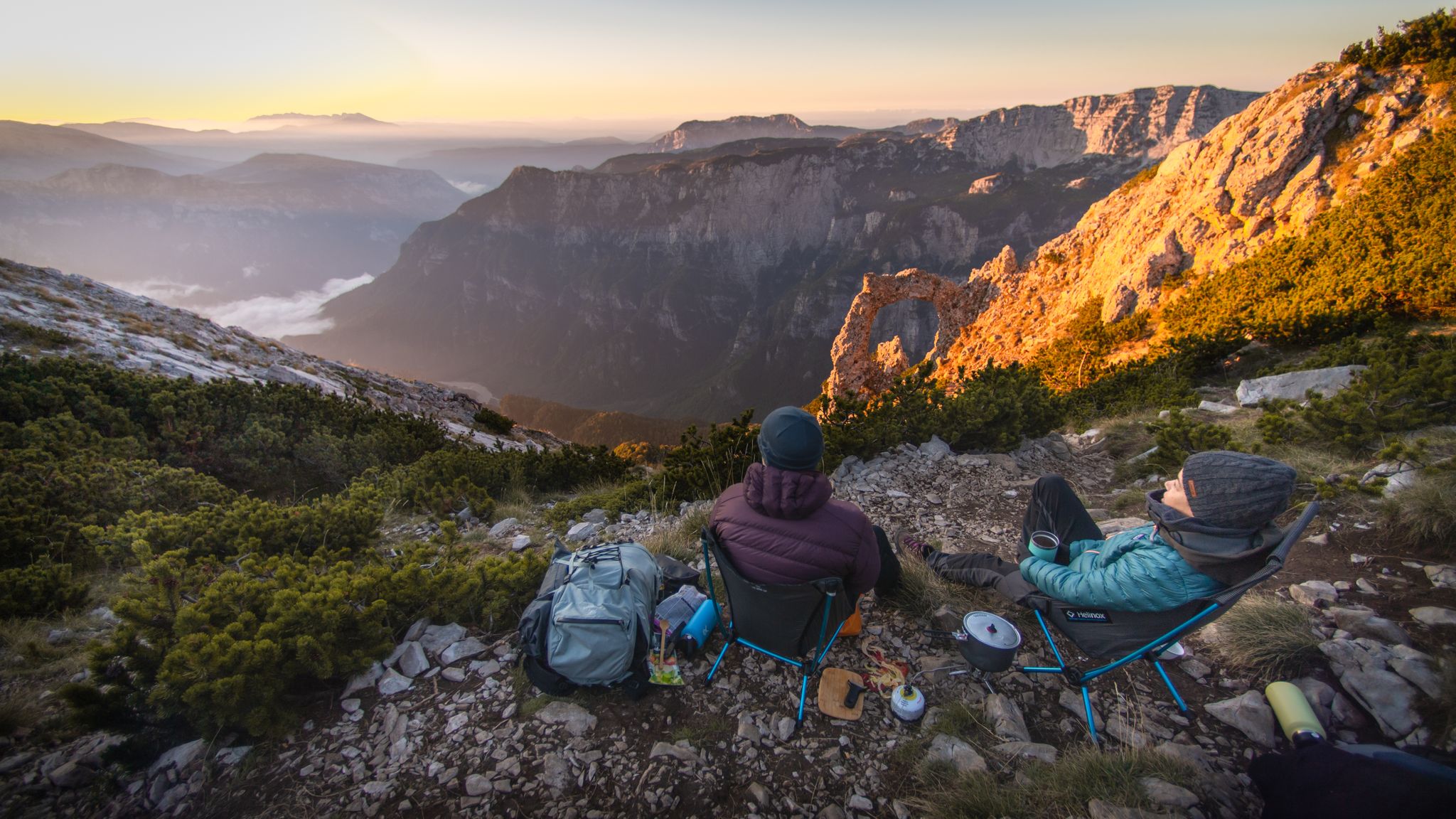
Warm earth and wild mountains — hiking in the Bosnian Alps
TCR No. 8 — racing across Europe
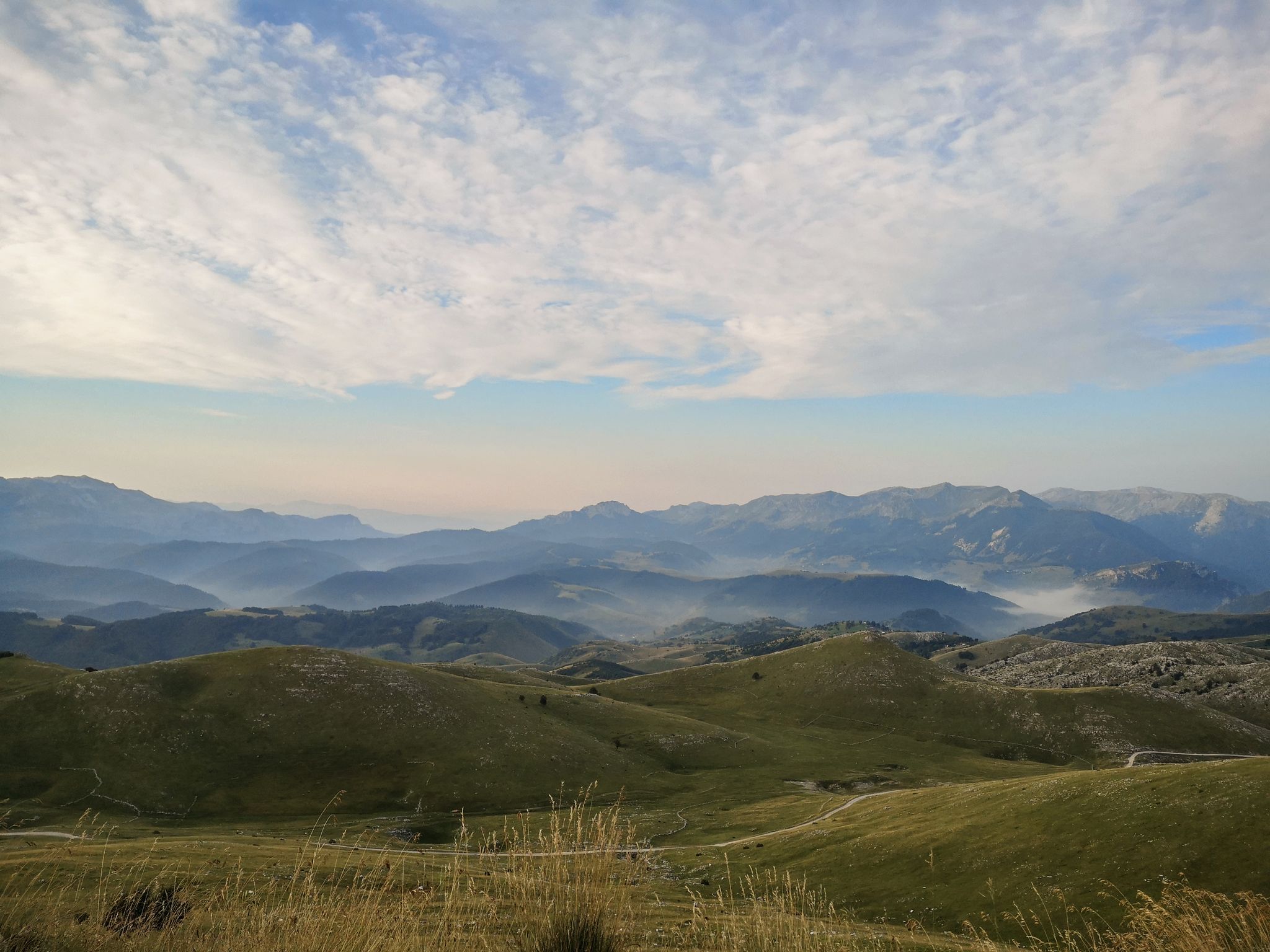
As we wrote history – the Transcontinental Race #TCRN06
Hiking in the Federation of Bosnia and Herzegovina
Cycling in the Federation of Bosnia and Herzegovina
Other adventures in the Federation of Bosnia and Herzegovina


Tips from the Community

Dolaskom austrougarskih vlasti u Bihać 1878.godine Kapetanova kula je adaptacijom unutrašnjeg prostora 1889.godine pretvorena u zatvor. Na osnovu podataka može se konstatovati da je u njoj na tri sprata moglo biti smješteno 50 zatvorenika, koji su tu izdržavali kaznu zbog težih krivičnih djela. Kapetanova kula je sve do 1959. godine služila kao Okružni zatvor. Zgrada je u potpunosti adaptirana u muzejski prostor, gdje su smještene stalne postavke, i značajna je u turističkoj ponudi Bihaća. Izvor: https://www.kulturnonaslijedjeusk.ba/bs/clanak/historijska-gradevina-kapetanova-kula-u-bihacu/19
4
2
The Captain's Tower is built of finely cut limestone. It was built on several floors; originally it had a ground floor and three upper floors, but the last restoration involved internal modifications and additions, so now, in addition to the ground floor, it has four more floors. Its external appearance has not been changed. The tower has a square base (10 x 10) and the shape of a four-sided truncated pyramid, which makes it unique compared to other towers in Bosnia and Herzegovina. It is covered with a 'tent' roof (hipped roof) with an opening. It has several openings. Source: https://www.kulturnonaslijedjeusk.ba/bs/clanak/historijska-gradevina-kapetanova-kula-u-bihacu/19
4
2
Kapetanova kula is part of the former fortress in Bihać. It has been declared a national monument of Bosnia and Herzegovina. It is located in the lower part of the city, on the left bank of the Una River. Based on available historical maps of the city and its surroundings, it can be determined that it was built before 1697. Some historians believe that Kapetanova kula was built around 1205 and that it was one of the four towers of Bihać. According to popular tradition, Hungarian King Béla IV stayed in the tower during the Tatar invasion. Source: https://sh.wikipedia.org/wiki/Kapetanova_kula_u_Biha%C4%87u
4
2

U srednjem vijeku područje današnje krupske općine pripadalo je hrvatskoj kraljevini i Ugarskoj državi. U 10. vijeku ulazilo je u sastav župe Pset. U 13. vijeku gubi se ime Pset, a prvi put se javlja ime Krupa. Za tvrđavu u Krupi čiji se ostaci nalaze na brežuljku zvanom Grad, zna se da je postojala u 13. vijeku, ali se ne zna ko je bio njen graditelj. Prvi poznati gospodari Krupe bili su vlastela Babonići. Od 1410. do 1429. Krupa je kraljevski grad kojim su upravljali kastelani u ime ugarskog kralja. Izvor: https://bs.wikipedia.org/wiki/Bosanska_Krupa
4
0
Stari grad Pset, smješten na uzvisini iznad UNe u centru Bosdanske Krupe, datira iz 12. vijeka i ima veliku historijsku i kulturnu vrijednost (nacionalni je spomenik), te je značajna turistička lokacija i atrakcija ovog grada.
4
0


Further descriptions: https://www.tzsrebrenik.ba/stari-grad-srebrenik/ https://bs.wikipedia.org/wiki/Tvr%C4%91ava_Srebrenik
4
0

The old town of Srebrenik is today increasingly interesting to visitors who come to see the stone town built on a rock with an unreal view of the valley.
0
5
Frequently Asked Questions
Which castles offer the deepest insight into the region's medieval history?
For a profound historical experience, consider visiting Travnik Fortress, a well-preserved 15th-century town-fortress with a museum showcasing its history. Jajce Fortress, once a royal capital, offers a glimpse into the Bosnian Kingdom's last stronghold. The ruins of Bobovac Medieval Fortress, a former royal seat, also provide a powerful sense of the past.
Are there castles with exceptional panoramic views?
Many castles in the Federation of Bosnia and Herzegovina are strategically located for stunning views. Jajce Fortress provides breathtaking panoramas of the town, rivers, and waterfall. Srebrenik Fortress, perched on a cliff, offers dramatic views of plains and woodlands. Additionally, Stjepan Grad Fortress near Blagaj boasts incredible vistas of the Buna River spring and Herzegovinian sunsets.
What unique architectural styles can I expect to see among the castles?
The castles showcase a blend of architectural influences due to the region's history. Travnik Fortress evolved under Ottoman rule, featuring a mosque minaret within its complex. Ostrožac Castle is particularly unique, blending medieval, Ottoman, and neo-Gothic styles, including a 19th-century palace. Počitelj Fortress also presents a distinct mix of Ottoman and medieval architecture.
Are there any castles that are particularly family-friendly?
While specific family amenities vary, castles with museums or open-air exhibits can be engaging for families. Travnik Fortress, with its museum, offers an educational experience. The expansive grounds of Tešanj Fortress, which often host cultural events, can also be enjoyable for families to explore.
What outdoor activities can I do near these castles?
Many castles are situated in scenic areas, offering opportunities for outdoor activities. Near Bobovac Medieval Fortress Ruins, you can find picturesque hiking trails. For more general outdoor pursuits, you can explore various hiking trails or running routes throughout the Federation of Bosnia and Herzegovina, often leading to viewpoints or natural attractions near historical sites.
Are there castles that are considered 'hidden gems' or less frequented?
While many castles are popular, some offer a more secluded experience. The Small Castle Ruins (Kleine Burg) in Una National Park might offer a more off-the-beaten-path adventure, combining historical exploration with natural beauty. The Visočica Summit and Fortress Ruins also provide a unique experience, known more for its connection to the 'Pyramid of the Sun' than as a traditional castle attraction.
What is the best time of year to visit castles in the Federation of Bosnia and Herzegovina?
Spring (April-May) and autumn (September-October) are generally ideal for visiting castles. The weather is pleasant for exploring outdoor sites, and the landscapes are particularly beautiful. Summer can be warm, but still suitable, especially in the mornings or late afternoons. Winter visits are possible, but some sites might have reduced hours, and snow can make access to certain ruins challenging.
Can I find cafes or amenities near these historical sites?
Amenities vary by location. Larger towns like Travnik and Jajce, where Travnik Fortress and Jajce Fortress are located, offer cafes and restaurants nearby. For example, the Plava Voda spring near Travnik Castle provides a picturesque setting for dining. For more remote ruins, it's advisable to bring your own refreshments.
Which castles are known for hosting cultural events or festivals?
Tešanj Fortress, one of the largest castles, frequently hosts cultural events and festivals, offering a vibrant atmosphere alongside its historical significance. Vidoška Fortress (Stolac) hosts a traditional medieval fair called Stolačka Tarča annually in May, which is the only one of its kind in Bosnia and Herzegovina.
What do visitors enjoy most about the castles in the Federation of Bosnia and Herzegovina?
Visitors frequently highlight the breathtaking panoramic views, the deep sense of history, and the well-preserved structures. The unique blend of architectural styles, from medieval to Ottoman and even neo-Gothic, is also a major draw. Many appreciate the opportunity to explore these sites and gain insight into the region's rich and often turbulent past.
Are there castles suitable for a day trip from Sarajevo?
Yes, several castles are accessible for day trips from Sarajevo. Travnik Fortress is a popular choice, located in the central Bosnian town of Travnik. The ruins of Bobovac Medieval Fortress, near Vareš, also make for an interesting historical day trip, especially for those who enjoy hiking.
Which castles are located near significant natural attractions?
Jajce Fortress is famously perched above the stunning Pliva River waterfall. Ostrožac Castle offers beautiful views of the Una River valley. For those interested in waterfalls, you can find various waterfall hikes in the region, some of which may be near historical sites.
Most popular routes in the Federation of Bosnia and Herzegovina
Most popular attractions in the Federation of Bosnia and Herzegovina

Get inspired with the komoot mobile app


Explore more
Looking for the best castles somewhere else? Discover other guides in the Federation of Bosnia and Herzegovina:
