Top 7 Caves in Ruse Region
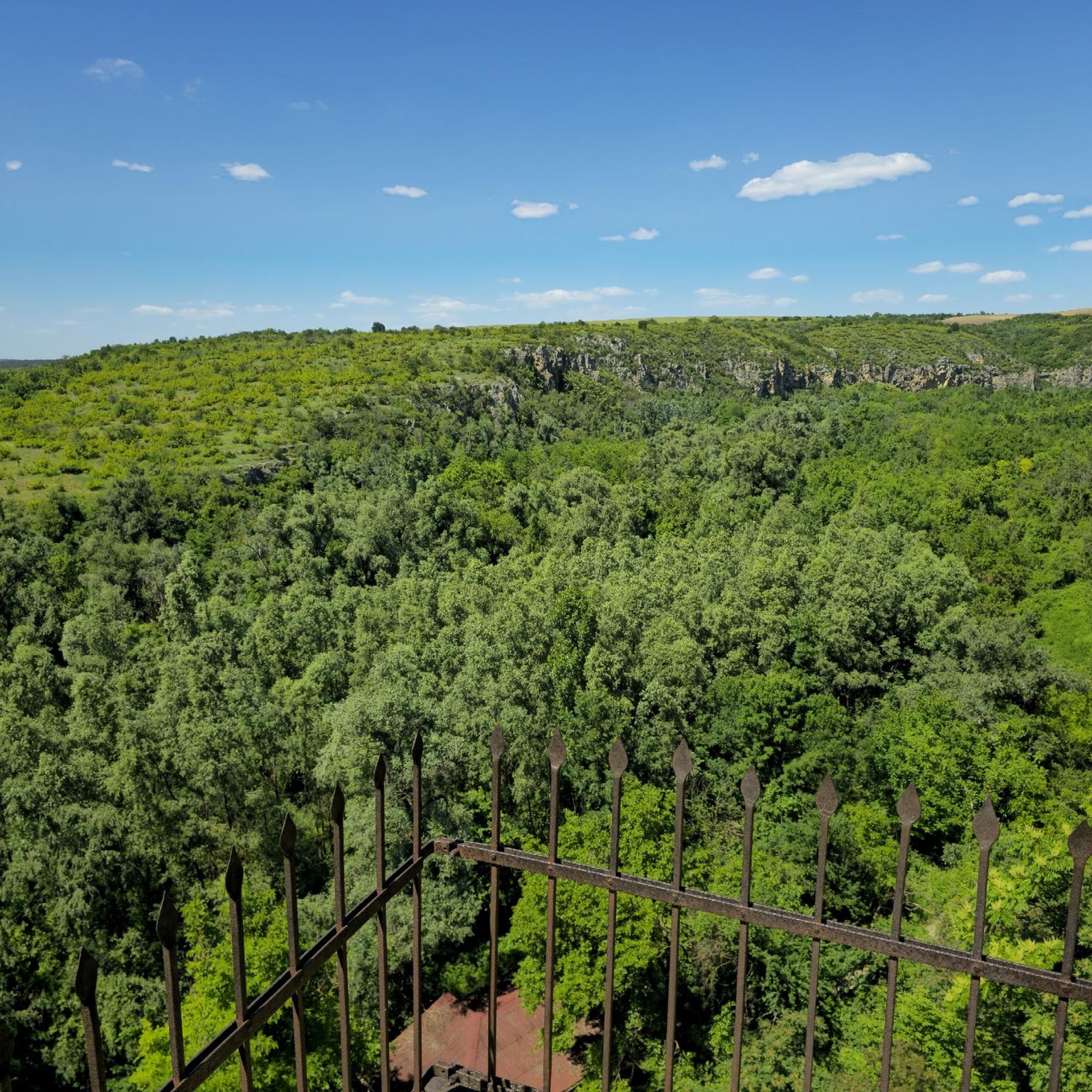
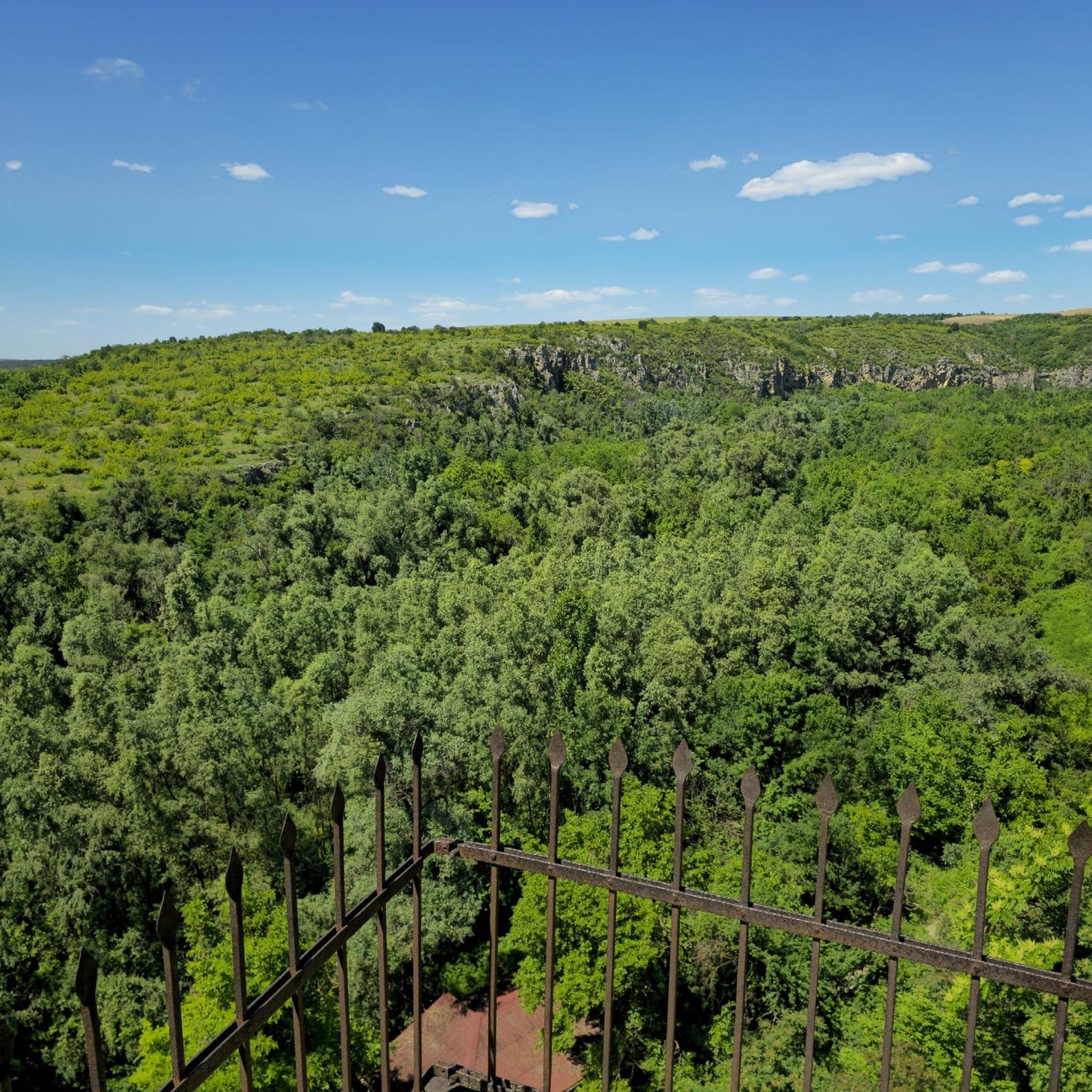
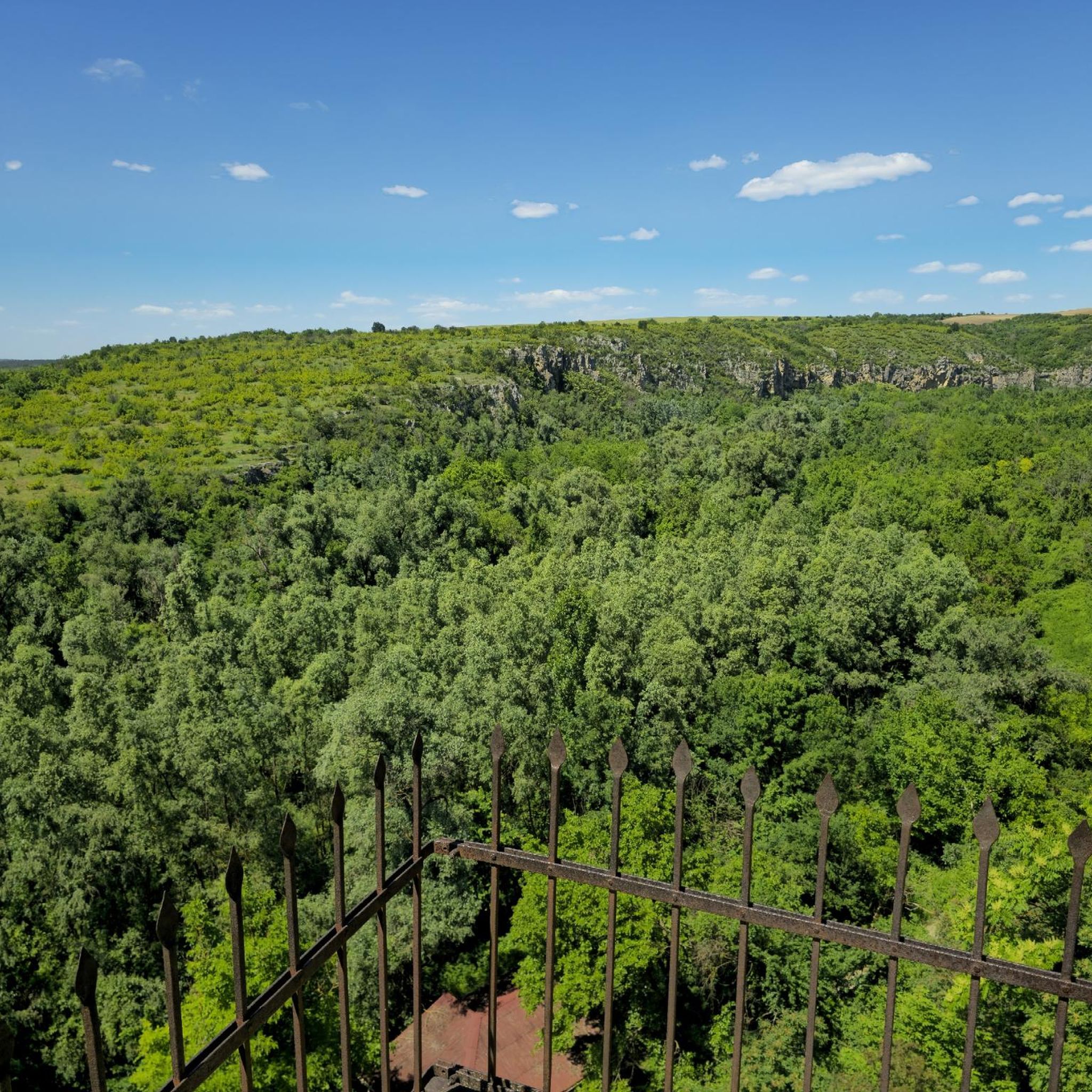
Caves in Ruse Region are a significant natural and historical feature, located in northeastern Bulgaria along the Danube River. The region is characterized by its limestone formations and the picturesque Rusenski Lom Nature Park, where many of these subterranean wonders are found. These caves often served as natural shelters and later as sites for rock-hewn monasteries, blending geological interest with cultural heritage. The landscape offers a unique combination of river valleys, cliffs, and ancient human settlements.
Best caves in Ruse…
Last updated: May 15, 2026
Rock‑Hewn Churches of Ivanovo
Highlight • Religious Site
Translated by Google •
Tip by

Basarbovo Rock Monastery
Highlight • Religious Site
Tip by
Sign up now to discover places like this
Get recommendations on the best single tracks, peaks, & plenty of other exciting outdoor places.
Sign up for free
Krushtalnyata Caves
Highlight • Cave
Tip by

Gramovets Rock Monastery and Shelter
Highlight • Religious Site
Translated by Google •
Tip by

Rock-Hewn Monastery at the Confluence of the Cherni Lom and Beli Lom
Highlight • Religious Site
Translated by Google •
Tip by
Orlova Chuka Cave
Highlight • Cave
Tip by

God's Gap Cave
Highlight • Cave
Tip by
Start today with a free account
Your next adventure awaits.
Login or Signup
Tips from the Community

The entire circular trail is very easy to walk. It has been cleared and is very well signposted.
0
0

Many bats can be observed in the caves
0
0

GERMAN Church: We are in the Church of St. Mary. It was part of the rock monastery of St. Michael the Archangel, which operated during the Second Bulgarian Empire from 1220 to around 1450. The church was carved into the rock and was painted around 1360. The entrance was where the balcony is today. The opening through which we now enter was drilled in 1936 by French scientists who were researching the wall paintings. To the left of the original entrance are depicted Tsar/King Ivan-Aleksander and his second wife, Tsaritsa/Queen Theodora, who donated funds for the carving and painting of the church. They are holding the rock in which the church is located and presenting it to St. Mary. This has been a UNESCO World Heritage Site since 1979. In the 1980s, the rock was impregnated to prevent moisture from seeping in and damaging the frescoes. The wall paintings themselves are coated with a special varnish that protects them from negative effects. Chapel: This is the chapel of Saint Gerasim Yordanski. According to legend, he healed a lion's paw. In gratitude, the lion allowed Saint Gerasim to ride it. On the west side of the chapel, the saint is depicted riding the lion among a group of worshipers on the way to Jerusalem.
2
0

The rock monastery "Gramovets" was hewn near the "Smesite" area, where the Beli and Cherni Lom rivers merge and form the beginning of the Rusenski Lom river. Most of the monastery's rooms are vertically located in the central parts of the rock massif. They are connected to each other by a path. The church is very well designed. Its ceiling has a dome, which is a rare occurrence for cave temples. In places, plaster has been preserved, covered with very pale images from the mural decoration. In an inscription carved around a cross, letters from the Glagolitic and Cyrillic alphabets are intertwined. This dates the church from the time of the First Bulgarian Kingdom. Nearby, along the river, to "Smesite", after passing a large collapse, you reach a cave Christian monastery with several floors. Steps carved into the rock lead to a church that is lower than the previous one and is also carefully designed.
0
0
A narrow path and steps lead to the temple. It is elongated and relatively low, with a well-leveled ceiling and floor. The desire to resemble the temple layout of brick churches is visible, but as far as the presence of monolithic rock allows. To the south it is open to the river valley, there are cutouts in the floor for a wooden structure. There is a rock bench next to the north wall. The place where the altar partition was placed is visible. A shallow arched niche is carefully carved in the east wall. It performs the function of the vaulted niches in brick temples - apses.
0
0
The Christian monastery is the last among the rocks along the ancient riverbed of the Cherni Lom River. It is part of the largest concentration of rock monasteries in Bulgaria - the Lom Rock Holy Mountain. It shows human processing, which led to the design of its components. The greatest attention was paid to the church and especially to its altar space. The upper part of the steps cut into the rock, leading to a rock platform, has been preserved. Around it, in a tiered manner, with the presence of half-storeys, most of the premises are developed.
0
0

The pictures in the cave have been preserved. Not restored, meaning not recreated with paint. You can see the originals. The Last Supper fresco is around 200 years older than the more famous Last Supper painting by Leonardo da Vinci. Please do not use flashlights in the cave. The frescoes are intended to remain preserved for many hundreds of years.
0
0

A path about 500m long leads to this rock church. The monks lived in the surrounding natural caves and converted this place into a chapel. There are impressive paintings on the walls and on the way to the church there are always interesting views of the valley and other rock grottos. The way back goes down a steep staircase to the car park and a small souvenir stand.
2
1
Frequently Asked Questions
What makes Orlova Chuka Cave a significant natural attraction in the Ruse Region?
Orlova Chuka Cave is recognized as the second-longest cave in Bulgaria, boasting impressive geological formations like stalactites, stalagmites, curtains, and flowstones. It features large halls such as the "Concert Hall" and is a vital habitat for 14 species of bats. The cave also holds historical significance, with evidence of human habitation dating back 200,000 years. You can find more details about this natural wonder at Orlova Chuka Cave.
What historical or religious cave sites can I visit in the Ruse Region?
The Ruse Region is rich in historical and religious cave sites. You can explore the Rock‑Hewn Churches of Ivanovo, a UNESCO World Heritage site with well-preserved frescoes. Another notable site is the Basarbovo Rock Monastery, an active monastery with rock-hewn rooms. Additionally, consider visiting the Gramovets Rock Monastery and Shelter and the Rock-Hewn Monastery at the Confluence of the Cherni Lom and Beli Lom.
What kind of geological formations can I expect to see in the Ruse Region caves?
The caves in the Ruse Region, particularly Orlova Chuka Cave, are famous for their stunning speleothems. You'll encounter a variety of formations including stalactites, stalagmites, flowstones, and cave curtains. Some areas even feature sparkling argonite crystals and dendrite geodes. The caves were formed in limestone and sandstone, originally serving as subterranean riverbeds.
What wildlife can be found in the caves of the Ruse Region?
The caves in the Ruse Region are important habitats for various wildlife, most notably bats. Orlova Chuka Cave alone hosts 14 species of bats, with a colony of 10,000 to 12,000 individuals, including three species listed on the IUCN Red List. Some rock monasteries, like Gramovets, also report significant bat populations.
What is the best time of year to visit the caves in the Ruse Region?
The caves in the Ruse Region can be visited year-round, as the internal temperature of natural caves like Orlova Chuka Cave remains a constant 14°C (57°F). However, for comfortable exploration of the surrounding Rusenski Lom Nature Park and rock-hewn sites, spring and autumn offer pleasant weather. Always check specific opening hours, as some sites may have seasonal variations.
Are the caves in the Ruse Region suitable for families with children?
Yes, several caves in the Ruse Region are suitable for families. Orlova Chuka Cave is accessible via 124 stone steps and offers guided tours, making it an educational experience. The Rock‑Hewn Churches of Ivanovo and Basarbovo Rock Monastery also provide engaging historical exploration for families, though some areas may involve stairs or uneven paths.
How accessible is Orlova Chuka Cave, and what should I expect during a visit?
Orlova Chuka Cave is made accessible by an artificial entrance constructed in 1959, involving 124 stone steps. Visits are typically guided and start at every full hour. The cave maintains a constant temperature of 14°C, so bringing a light jacket is recommended. While the total length is over 13 km, about 3 km of the upper level are lit and open to tourists. Parking is available near the entrance.
Is parking available at the main cave attractions?
Yes, parking is generally available at the main cave attractions. For Orlova Chuka Cave, parking is located near the entrance. At the Rock‑Hewn Churches of Ivanovo, car parking spaces are at the foot of the rocks. Similarly, parking is usually available at the Basarbovo Rock Monastery.
What should I wear when visiting the caves in the Ruse Region?
When visiting natural caves like Orlova Chuka Cave, it's advisable to wear comfortable walking shoes with good grip, as paths can be damp. Due to the constant 14°C temperature inside, even on a hot day, a light jacket or sweater is recommended. For rock-hewn sites, comfortable footwear is also key for navigating steps and uneven terrain.
Are there hiking or cycling routes near the caves in the Ruse Region?
Yes, the Ruse Region offers various outdoor activities near its cave attractions. You can find numerous running, cycling, and road cycling routes. For example, there are routes like "Църквата – Орлова чука loop from Tabachka" for running, and "Monument of Liberty, Ruse – Basarbovo Rock Monastery loop from Русе Товарна - спирка" for cycling. Explore more options in the Running Trails in Ruse Region and Cycling in Ruse Region guides.
What other attractions are near Orlova Chuka Cave?
Orlova Chuka Cave is conveniently located near other significant sites. You can easily combine your visit with the Rock‑Hewn Churches of Ivanovo, a UNESCO World Heritage site, and the Basarbovo Rock Monastery. All these attractions are situated within the picturesque Rusenski Lom Nature Park, offering a comprehensive day trip experience.
Are there other natural caves to explore besides Orlova Chuka Cave?
While Orlova Chuka Cave is the most prominent, the Ruse Region also features other natural cave systems. You can visit Krushtalnyata Caves, which are easily accessible from the Ivanovo Rock-Hewn Churches and offer high, wide passages with stairs. Another option is God's Gap Cave, which also serves as a viewpoint.
Can I combine a visit to the caves with other outdoor activities in the Rusenski Lom Nature Park?
Absolutely. The caves in the Ruse Region are often nestled within the Rusenski Lom Nature Park, providing excellent opportunities to combine cave exploration with other outdoor activities. You can enjoy hiking, running, or cycling on trails that wind through the park's scenic landscapes, river valleys, and cliffs. Many routes connect or pass near these natural and historical sites. For detailed routes, refer to the Caves in Ruse Region guide and related activity guides.
Most popular routes in Ruse Region
Most popular attractions in Ruse Region

Get inspired with the komoot mobile app


Didn’t find what you were looking for?
Discover more caves in Ruse Region region by region:
Explore more
Extend your search for the best caves by checking out these guides of the top ones in Ruse Region:
