Top 8 Caves in Thessaly - Central Greece
Best caves in Thessaly - Central Greece offer a blend of natural beauty and historical significance. This region features diverse cave systems, including significant archaeological sites and mythological locations. With 10 caves listed, visitors can explore ancient human history and impressive geological formations. The area's landscape provides a backdrop for exploring both well-known and lesser-known subterranean wonders.
Best caves in Thessaly - Central Greece
- The most popular caves is View from Corycian Cave, a viewpoint that provides access to…
Last updated: May 15, 2026
Chiron's Cave
Highlight • Cave
Cheiron (Greek Χείρων "hand", Latin Chiron) …
Translated by Google •
Tip by

View of the Meteora Rock Formations
Highlight • Viewpoint
Translated by Google •
Tip by

Sign up now to discover places like this
Get recommendations on the best single tracks, peaks, & plenty of other exciting outdoor places.
Sign up for free
Filakae Monakon (Monks' Prison Ruins)
Highlight • Historical Site
Translated by Google •
Tip by

Meteora Cave Dwellings
Highlight • Cave
Translated by Google •
Tip by

Sacred Secret: Delphi Cave 🗿🔥🏕️
Highlight • Cave
Tip by

Sea Cave Near Patitiri
Highlight • Cave
Translated by Google •
Tip by

View from Corycian Cave
Highlight • Viewpoint
Translated by Google •
Tip by

St Paraskevi Cave Chapel⛪ Spring💧WWII Resistance memorial🔫
Highlight • Religious Site
Tip by

Sacred cave and springs
Highlight • Cave
Tip by
View of Theopetra Rock
Highlight • Viewpoint
Translated by Google •
Tip by

Start today with a free account
Your next adventure awaits.
Login or Signup
Popular around Thessaly - Central Greece
Hellenic Mountain Race — Bikepacking through the Greek mountains
Holy mountains and their stories
Bikepacking Griekenland: van berg tot zee
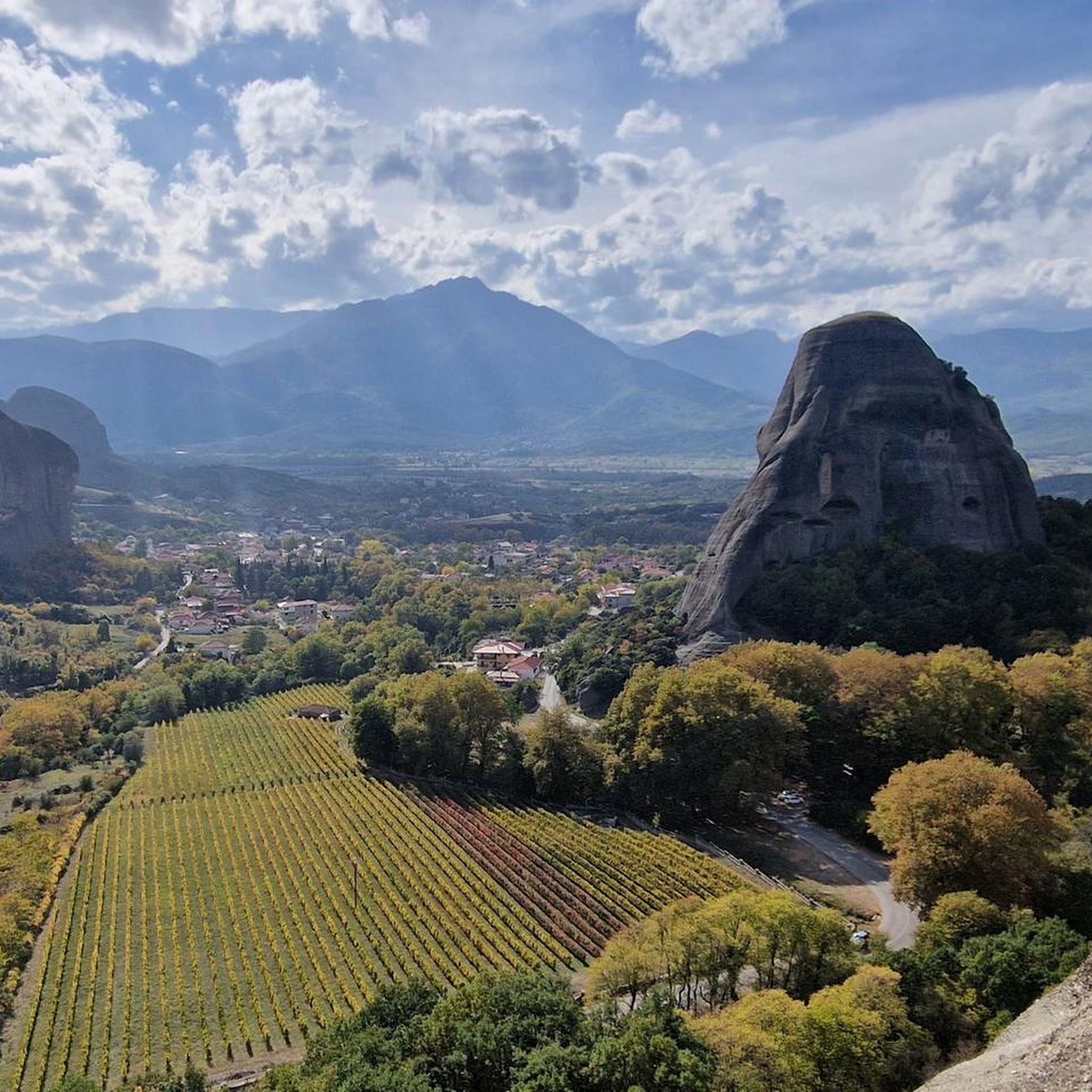
Hiking in Thessaly - Central Greece
Running Trails in Thessaly - Central Greece
Cycling in Thessaly - Central Greece
Road Cycling Routes in Thessaly - Central Greece
MTB Trails in Thessaly - Central Greece
Mountain Hikes in Thessaly - Central Greece


Tips from the Community

The place is referred to as the monks' prison. Presumably, the monks were not imprisoned there like in a traditional prison, but rather spent time there after committing sins, praying for mercy.
0
0

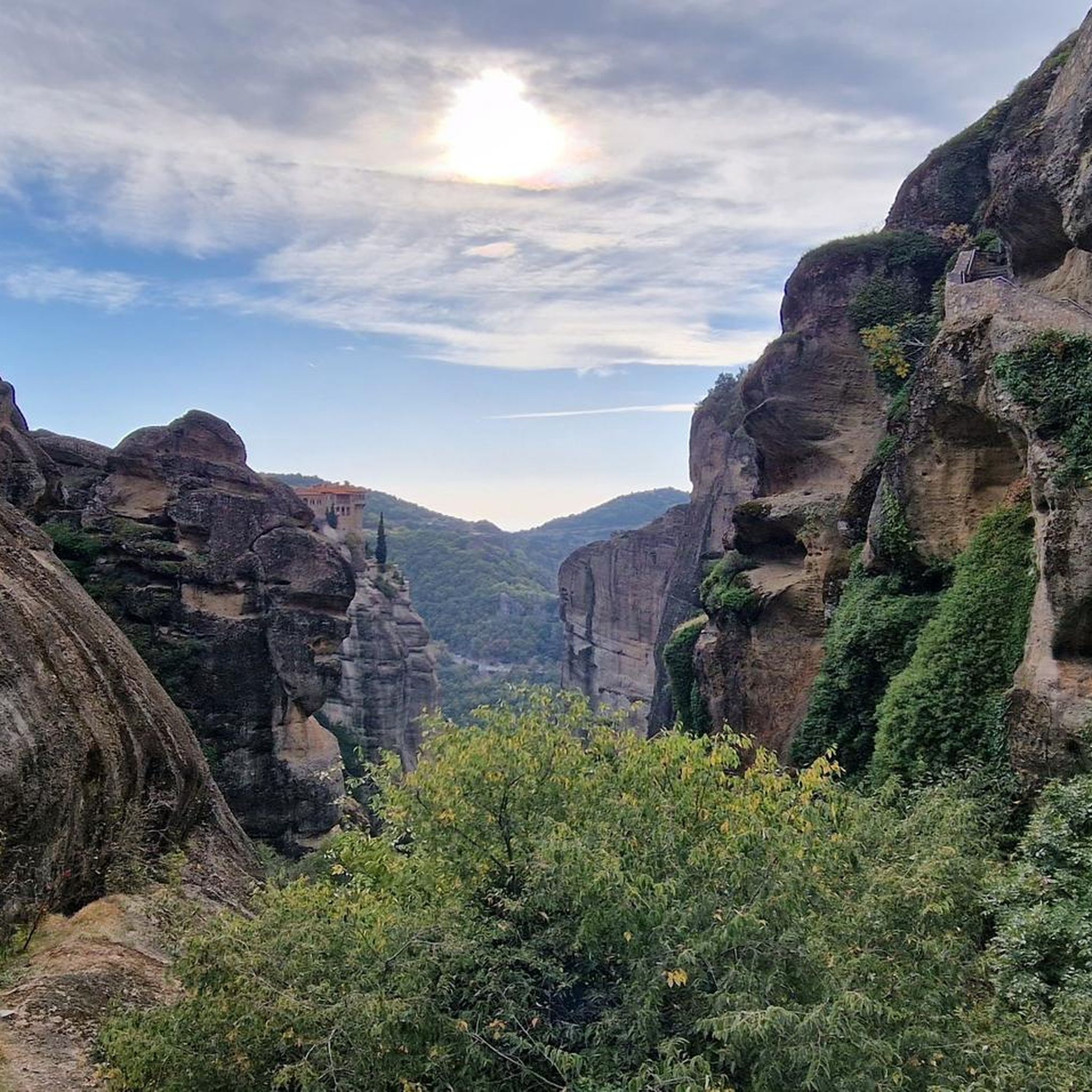
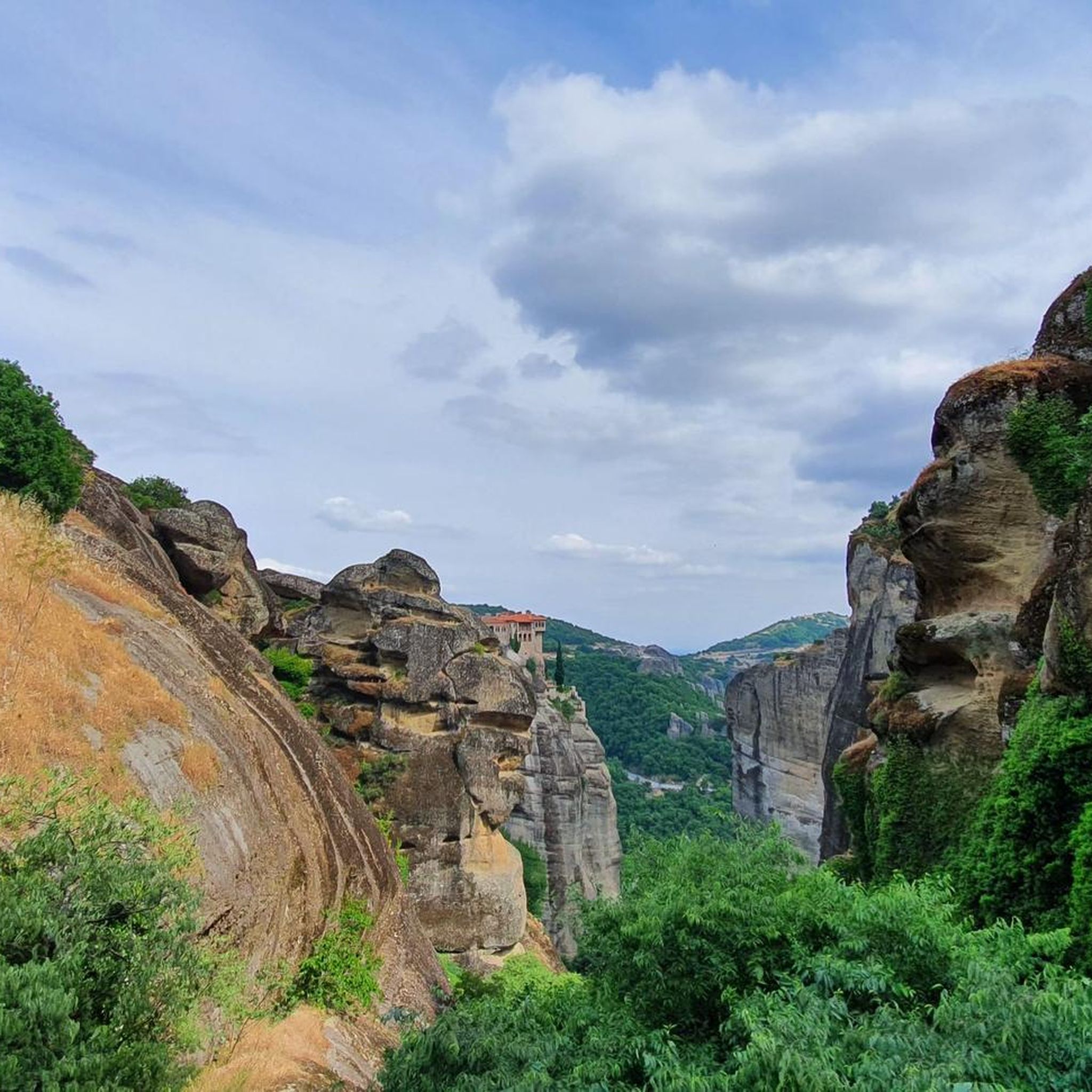
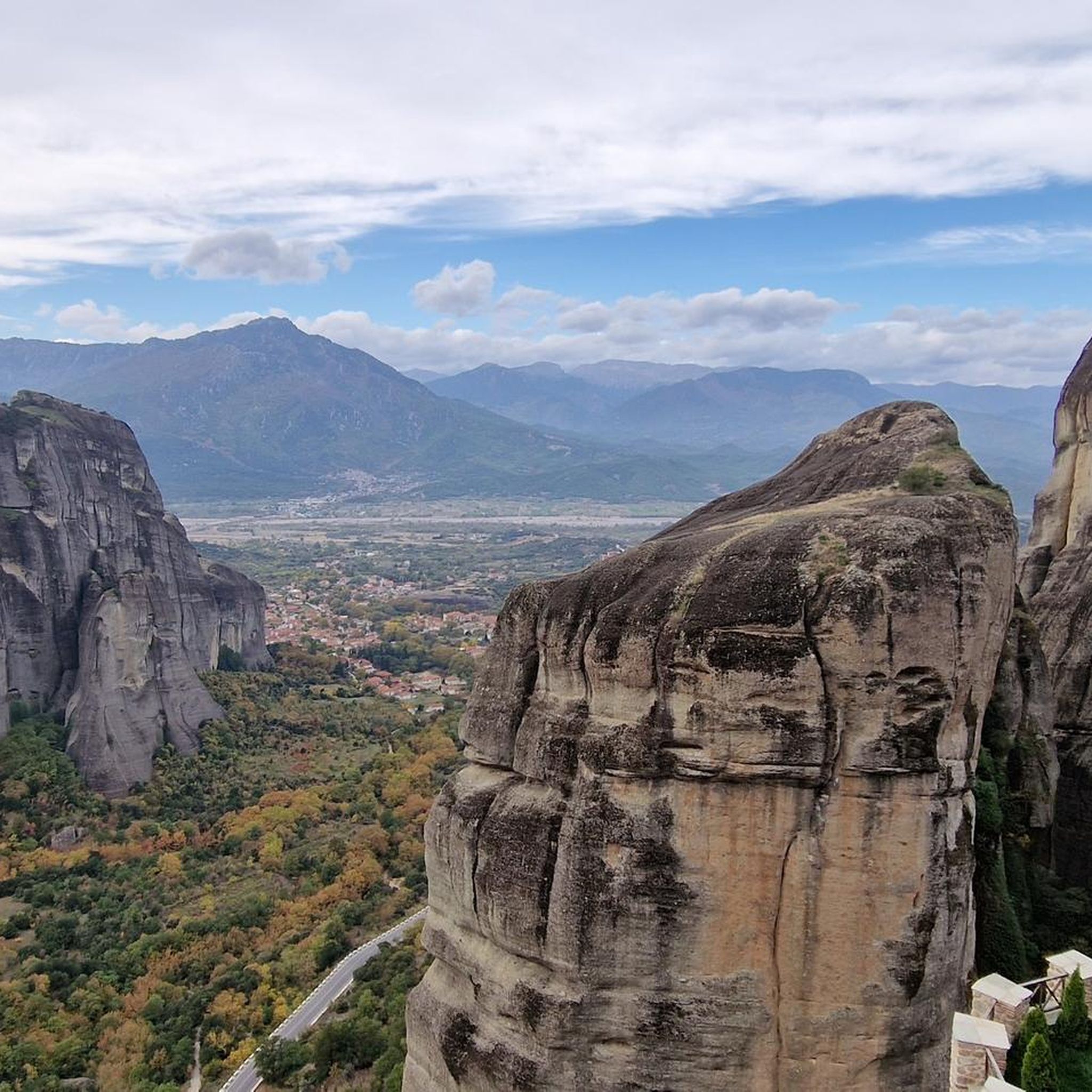
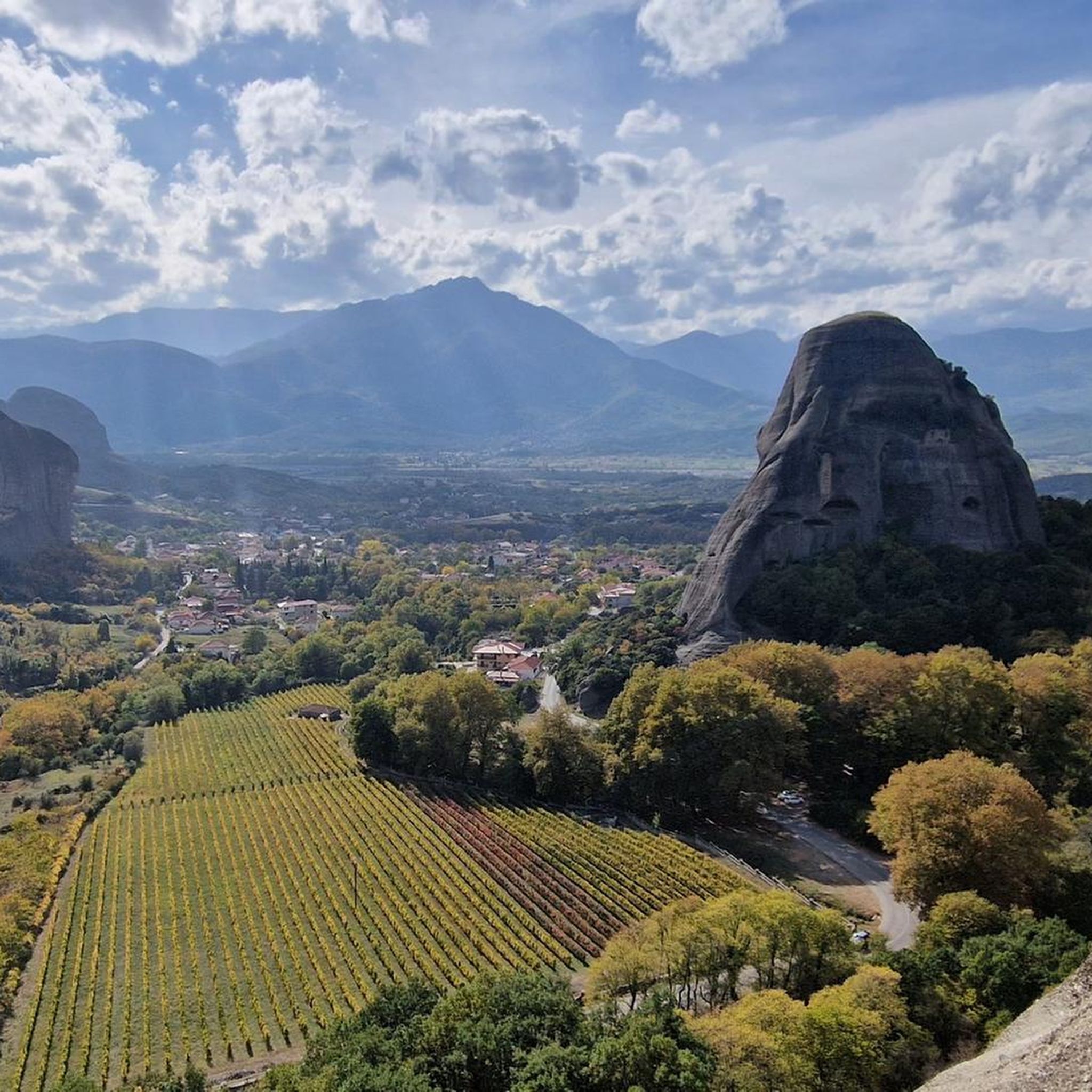
East of the Pindus Mountains, mighty sandstone cliffs rise to a height of approximately 500 meters. 24 monasteries were once built on their summits. Monks and nuns still live in six of them today. These monasteries are now UNESCO World Heritage sites and are often referred to as "floating monasteries" because they appear almost suspended in fog or low clouds.
1
0

The television series "Treasures of the World – Heritage of Humanity," which I highly recommend, introduces culture-loving viewers to special places on every continent of our planet in short episodes. Yet despite the diversity of sacred and secular objects from the long history of humanity, they all have one thing in common: they have been recognized by UNESCO as World Heritage Sites and thus enjoy a very special status. Here in Greece, one finds a site that undoubtedly deserves this distinction – even if only the ruins of the once magnificent buildings remain today: Delphi, known since pre-Christian times for the oracle associated with the deity Apollo. The following link in the ARD media library provides information (although only in German) about the sanctuary connected with an ancient oracle site in a 15-minute film =>> https://www.ardmediathek.de/video/schaetze-der-welt/ruinenstaette-delphi-apollonheiligtum-griechenland-folge-241/swr/Y3JpZDovL3N3ci5kZS82OTI2OTM4
0
0

An unpretentious walk to discover cliffs and small bays; maybe, at the end, you will even find your own personal Blue Lagoon!
1
0


You can sleep in the cave
1
0

There are several caves in the formations of the Meteora rocks. The Theopetra Cave is particularly worth mentioning. This cave is home to the oldest man-made structure in the world. It is a stone wall that closes two-thirds of the entrance to the cave. It was built 23,000 years ago, probably as a barrier against cold and wind. The first documented hermitages in Meteora date back to the 11th century. These ascetics created small prayer niches next to or in their cave dwellings. In the 14th and 15th centuries, the ascetics began to climb higher, huge rocks with the help of winches and poles. The monks not only felt undisturbed in the Meteora monasteries, but also safer from looters and raids because the monasteries could only be entered via ladders and ropes. From the 14th century onwards, the monks built 19 monasteries and the facilities were supported financially and by granting privileges by pious regional rulers such as King Symeon. Over the years, numerous monasteries and hermitages were built.
0
0
Frequently Asked Questions
What are the most historically significant caves in Thessaly and Central Greece?
The region boasts several caves with deep historical roots. Theopetra Cave, near Meteora, is one of Europe's most important prehistoric sites, with evidence of human occupation spanning over 130,000 years and the oldest known man-made structure. The Corycian Cave on Mount Parnassus was a sacred site dedicated to Pan and the Nymphs since the Neolithic era. Additionally, the caves of Loutra Pozar, while geographically in Central Macedonia, offer significant prehistoric findings, including primitive tools.
Are there any caves in the region with mythological importance?
Yes, the Corycian Cave is deeply intertwined with Greek mythology, believed to be where Apollo seduced a Corycian nymph and a place of worship for Pan and the Nymphs. Chiron's Cave is also associated with the centaur Chiron from Greek mythology.
What kind of natural features can I expect to see in the caves of Thessaly and Central Greece?
Many caves feature impressive geological formations. The Corycian Cave is renowned for its remarkable stalactites and stalagmites. The region also includes unique formations like the Sea Cave Near Patitiri, offering a different natural experience along the coast.
Are there family-friendly caves to visit in the area?
Yes, the Meteora Cave Dwellings are considered family-friendly, offering an accessible glimpse into historical cave shelters. Theopetra Cave, with its museum and prehistoric findings, can also be an engaging educational experience for families.
What outdoor activities can I do near these caves?
The region offers various outdoor activities. Near the Meteora caves, you can find numerous hiking routes, such as the 'Varlaam Monastery – Roussanou Monastery loop' or the 'Hiking loop from Holy Monastery of Great Meteoron'. For more options, explore hiking in Thessaly - Central Greece. Cycling routes are also available, including a 'Roussanou Monastery – View of Meteora Monasteries loop'. Find more details on cycling in Thessaly - Central Greece.
What is the best time to visit the caves in Thessaly and Central Greece?
The best time to visit generally depends on the specific cave and your preferred activities. Spring and autumn offer pleasant temperatures for exploring both the caves and the surrounding natural landscapes, including hiking trails. Summer can be warm, but caves often provide a cool respite. Winter might be challenging for some higher-altitude or less accessible caves.
What do visitors enjoy most about the caves in Thessaly and Central Greece?
Visitors frequently appreciate the blend of natural beauty and historical significance. The impressive rock formations and the sense of ancient history, particularly at sites like Theopetra and Corycian Cave, are often highlighted. The unique experience of exploring cave dwellings and chapels, such as the Meteora Cave Dwellings or St Paraskevi Cave Chapel, also receives positive feedback.
Are there any caves that served as refuges or had other historical uses?
Yes, the Corycian Cave served as a refuge during various conflicts throughout history. Theopetra Cave provided continuous shelter for humans for over 130,000 years. The Filakae Monakon (Monks' Prison Ruins), while not a traditional prison, was a place where monks spent time after committing sins.
What should I bring when exploring caves in the region?
For caves like the Corycian Cave, it's recommended to bring a headlamp and non-slip shoes, as the ground can be very slippery, especially in the back areas. Generally, comfortable clothing suitable for potentially damp and cool conditions, even in summer, is advisable.
Can I find any religious or sacred caves in Thessaly and Central Greece?
Absolutely. The Corycian Cave was a significant ancient sacred site. The St Paraskevi Cave Chapel is a religious building located within a cave. Additionally, the Sacred cave and springs highlight another site with religious significance.
Are there any caves near the famous Meteora monasteries?
Yes, the Meteora Cave Dwellings are located on the 'rock backside' of the famous Meteora monasteries. Theopetra Cave, a significant prehistoric site, is also approximately 5 km from Meteora.
Most popular routes in Thessaly - Central Greece
Most popular attractions in Thessaly - Central Greece

Get inspired with the komoot mobile app


Didn’t find what you were looking for?
Discover more caves in Thessaly - Central Greece region by region:
Explore more
Extend your search for the best caves by checking out these guides of the top ones in Thessaly - Central Greece:
