Top 20 Caves in La Rioja
Best caves in La Rioja offer a diverse range of subterranean experiences, from natural geological formations to historical man-made complexes. The region's landscape features karst processes that have created natural caves, alongside a rich history of human excavation for shelter, mining, and storage. These underground sites provide insights into both natural history and human adaptation over centuries. La Rioja's caves are notable landmarks, showcasing unique geological features and historical significance.
Best caves in La Rioja
- The most popular caves include Providencia Mine, a cave and historical site. This site features a huge cavity with a large upper mouth, several entrances, a small lake, and a waterfall from a spring. It provides insight into historical lead extraction in the area.
- Another must-see spot is Cave of the 100 Pillars, a historical cave complex. This network of caves is known for its numerous pillars and historical significance as a rupestrian complex.
- Visitors also love Ortigosa de Cameros, a settlement with notable caves. This area is home to natural caves like La Paz and La Viña, which are equipped for tourist visits and showcase diverse limestone formations.
- La Rioja is known for natural caves, historical mining tunnels, and ancient rupestrian complexes. These include geological formations with stalactites and stalagmites, as well as man-made excavations used for various purposes throughout history.
- The caves in La Rioja are appreciated by the komoot community, with 8 highlights photos and 8 highlights upvotes.
Last updated: July 11, 2026
Cuevas de Palomares
Highlight • Cave
Translated by Google •
Tip by

Enebro Mine of Ortaura
Highlight • Cave
Translated by Google •
Tip by
Sign up now to discover places like this
Get recommendations on the best single tracks, peaks, & plenty of other exciting outdoor places.
Sign up for free
Mina del Fresno
Highlight • Cave
Translated by Google •
Tip by

Vico Cave
Highlight • Cave
The trail is ideal for nature and outdoor lovers, and is suitable for people of different levels of hiking experience. Along the way, various species of flora and fauna can be observed, making the experience even more enriching.
Translated by Google •
Tip by

Providencia Mine
Highlight • Cave
Translated by Google •
Tip by
Monte Cantabria Archaeological Site
Highlight • Historical Site
Translated by Google •
Tip by

Ortigosa de Cameros
Highlight • Settlement
Translated by Google •
Tip by
Sala de los Moros (Moors' Cave)
Highlight • Cave
Translated by Google •
Tip by
Cave of the 100 Pillars
Highlight • Cave
Translated by Google •
Tip by
Lead Mines
Highlight • Cave
Translated by Google •
Tip by
Sign up for free to discover even more caves in La Rioja.
Sign up for free
Already have an account?
Start today with a free account
Your next adventure awaits.
Login or Signup
Popular around La Rioja
Camino Francés and Camino Finisterre – Cycling pilgrimages in Spain
Santiago de Compostela – A journey through northern Spain (10 days)
The Ignatian Way - In the footsteps of Ignatius of Loyola
Legendary climbs - Ports of La Vuelta a España

Zazpiak Bat Packing – a cycling adventure in the Basque Country
10 gravel routes to discover hidden gems in Spain
Orchards and karst peaks in La Rioja – Cidacos Greenway
An Iberian pilgrimage – French Way of Saint James
Millennial treasures on pedals – Romanesque art of Soria by MTB
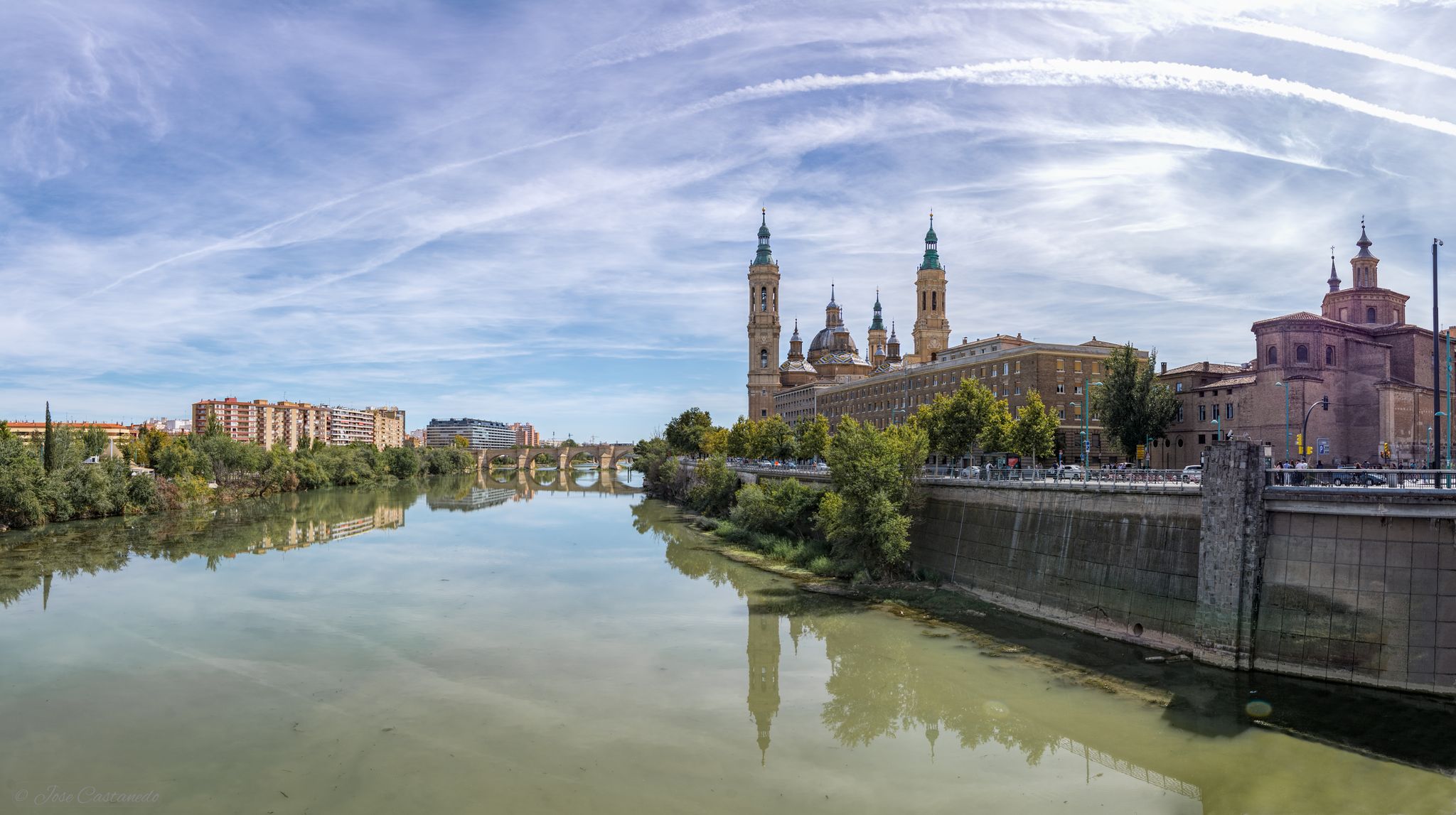
A river getaway – Ebro Natural Trail (GR 99)
Other adventures in La Rioja


Tips from the Community

The trail is ideal for nature and outdoor lovers, and is suitable for people of different levels of hiking experience. Along the way, various species of flora and fauna can be observed, making the experience even more enriching.
7
0

Access is not without risks and is not at all clear.
2
0

The archaeological ruins found on "Monte Cantabria" have historical references to the limits of the ancient kingdom of Cantabria. The settlement is now believed to have been built in pre-Roman times. Located on a plateau above the Ebro River, Monte Cantabria offers you incredible views of Logroño. There are some amazing caves built into the mountain cliff.
0
0
Just below the summit of Eagle Peak in the Sala Mountains you can find these incredible caves, curved by water and time in the clay rock. The caves are called "the Hall of the Moors".
1
0
It is difficult to reach it, and it would be somewhat easier if it were signposted.
2
0

One of the most beautiful mountain villages in the Cameros region. Filled with stone houses, it is located on the slopes of a natural canyon, the Encinedo massif. This ravine was formed through a karstic process that gave rise to several chasms and caves. Two of them can be visited, the one in La Paz and the one in La Villa.
1
0

Another mouth of the Ortaura mines. This one has almost no depth,... just 3 meters. It is more of a tasting than anything else.
3
0
Complex network of caves that is worth visiting inside and out. I could only do it outside, on weekends you can hire a guided group tour from the tourist office.
1
0
Frequently Asked Questions
What kind of natural geological features can I expect to see in La Rioja's caves?
La Rioja's natural caves, such as those in Ortigosa de Cameros, showcase impressive karst formations. You can marvel at spectacular stalactites, stalagmites, columns, and other diverse limestone structures that have formed over thousands of years. The region's landscape features processes that have created these unique underground wonders.
What is the historical significance of the caves in La Rioja?
The caves in La Rioja hold significant historical value, ranging from ancient human settlements to industrial sites. The Cave of the 100 Pillars in Arnedo is a remarkable man-made rupestrian complex, believed to have served as a refuge, hermitage, and monastery, with families living in its cave-houses until the mid-20th century. Other sites like Providencia Mine and Enebro Mine of Ortaura offer insights into historical lead and iron extraction in the area. Additionally, many underground wine cellars, known as 'calados,' dating back to the 16th century, are part of the region's winemaking heritage.
Are there family-friendly caves to visit in La Rioja?
Yes, the caves in Ortigosa de Cameros, specifically La Paz and La Viña, are well-suited for family visits. They are equipped for tourists and offer guided tours, making them an accessible and educational experience for all ages to explore natural geological formations.
What kind of tours or guided experiences are available for the caves?
For the natural caves in Ortigosa de Cameros, guided tours typically last about an hour, providing an immersive experience into their natural beauty and ancient history. For the man-made Cave of the 100 Pillars, guided tours are available, often incorporating a visit to the Interpretation Center of Life in the Caves, which details the lifestyle of Arnedo's cave-dwelling families.
Are there any caves in La Rioja that are particularly challenging to explore?
Some caves, like the Sala de los Moros (Moors' Cave), are categorized as challenging. These may involve more difficult terrain or require specific caving experience. Always check the difficulty level and any specific requirements before planning your visit to less accessible caves.
What outdoor activities can I do near the caves in La Rioja?
Beyond exploring the caves, La Rioja offers a variety of outdoor activities. You can find numerous running trails, cycling routes, and waterfall hikes throughout the region. These routes allow you to experience the diverse landscapes surrounding the cave sites.
Can I visit ancient mining tunnels in La Rioja?
Yes, La Rioja has several historical mining tunnels that can be explored. The Providencia Mine is a notable example, featuring a huge cavity with a lake and waterfall, offering insight into historical lead extraction. Other sites like the Enebro Mine of Ortaura also provide a glimpse into the region's mining past.
What are 'calados' and can I visit them in La Rioja?
'Calados' are underground wine cellars, hand-dug and prevalent in the Rioja Alta region. They were essential for winemaking, providing stable temperatures and humidity for aging wine. While not natural caves, they are a significant part of La Rioja's underground heritage. Many wineries, restaurants, and accommodations along the Rioja Alta Wine Route offer visits to these historical cellars.
Are there any caves in La Rioja with archaeological findings?
Yes, the Cueva de La Viña, part of the Ortigosa de Cameros complex, has yielded archaeological remains from the Bronze Age, suggesting it was once inhabited. This adds a layer of ancient human history to the natural geological wonders of the cave.
What do visitors enjoy most about the caves in La Rioja?
Visitors often appreciate the unique blend of natural beauty and historical significance. The stunning geological formations in natural caves like those in Ortigosa de Cameros, and the intricate man-made structures and rich history of sites like the Cave of the 100 Pillars, are frequently highlighted. The opportunity to step back in time and witness both natural processes and human ingenuity is a major draw.
Are there any caves that offer unique views or natural features like waterfalls?
Yes, the Providencia Mine is known for its unique features, including a huge cavity with a large upper mouth, several entrances, a small lake, and a waterfall that emerges from a spring inside the cave. It's a striking combination of a historical site and natural beauty.
What is the best time of year to visit the caves in La Rioja?
The caves in La Rioja can generally be visited year-round, as their internal temperatures remain relatively constant. However, for a more comfortable overall experience exploring the surrounding areas and accessing the sites, spring and autumn offer pleasant weather. Always check specific opening hours and tour availability, as these can vary seasonally.
Most popular routes in La Rioja
Most popular attractions in La Rioja

Get inspired with the komoot mobile app


Didn’t find what you were looking for?
Discover more caves in La Rioja region by region:
Explore more
Extend your search for the best caves by checking out these guides of the top ones in La Rioja:
