Top 5 Castles in Gotland
Best castles in Gotland encompass a diverse range of historical fortifications across this Swedish island in the Baltic Sea. Gotland is known for its rich history, reflected in its ancient hillforts, medieval towers, and impressive defensive structures. The island's landscape features limestone cliffs and sandy beaches, with Visby, its capital, recognized as a UNESCO World Heritage Site. These historical sites offer a tangible connection to the island's past as a strategic point in the Baltic Sea.
Best castles in Gotland
…Last updated: July 11, 2026
Visby City Wall — South Gate
Highlight • Historical Site
These smaller gates were created in 1947 because of increasing vehicle traffic especially for pedestrians.
Translated by Google •
Tip by

Visby Old Town
Highlight • Historical Site
In …
Translated by Google •
Tip by
Sign up now to discover places like this
Get recommendations on the best single tracks, peaks, & plenty of other exciting outdoor places.
Sign up for free
Destination Gotland
Highlight • Settlement
Translated by Google •
Tip by

Visby City Wall (Ringmuren)
Highlight • Monument
Translated by Google •
Tip by

The Maiden's Tower (Jungfrutornet)
Highlight • Historical Site
Translated by Google •
Tip by
Kruttornet (Gunpowder Tower), Visby
Highlight • Historical Site
Translated by Google •
Tip by
North Gate, Visby City Wall
Highlight • Historical Site
Showing Translation
Tip by
Helge ands church ruin
Highlight • Religious Site
Translated by Google •
Tip by

Start today with a free account
Your next adventure awaits.
Login or Signup
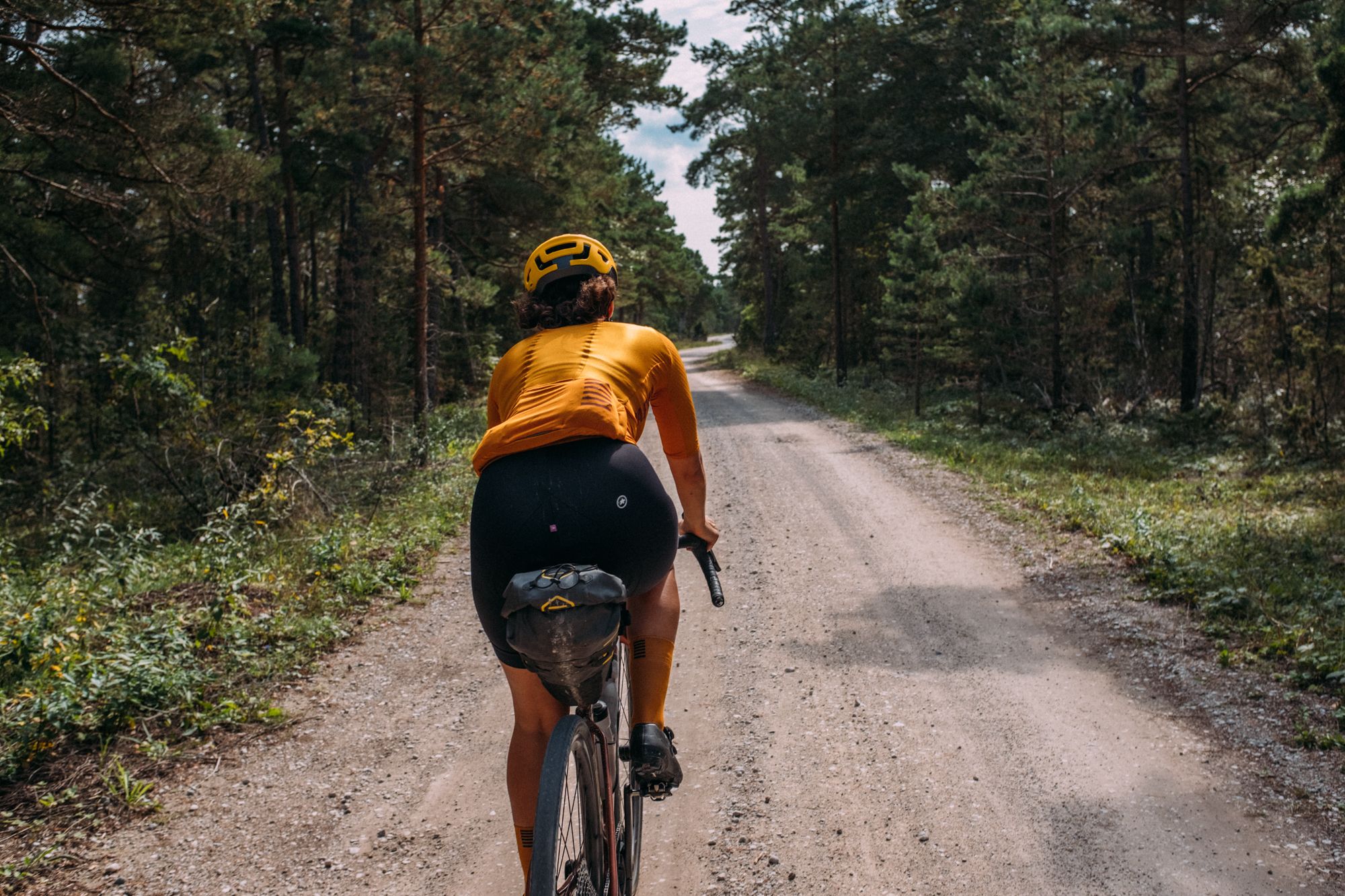
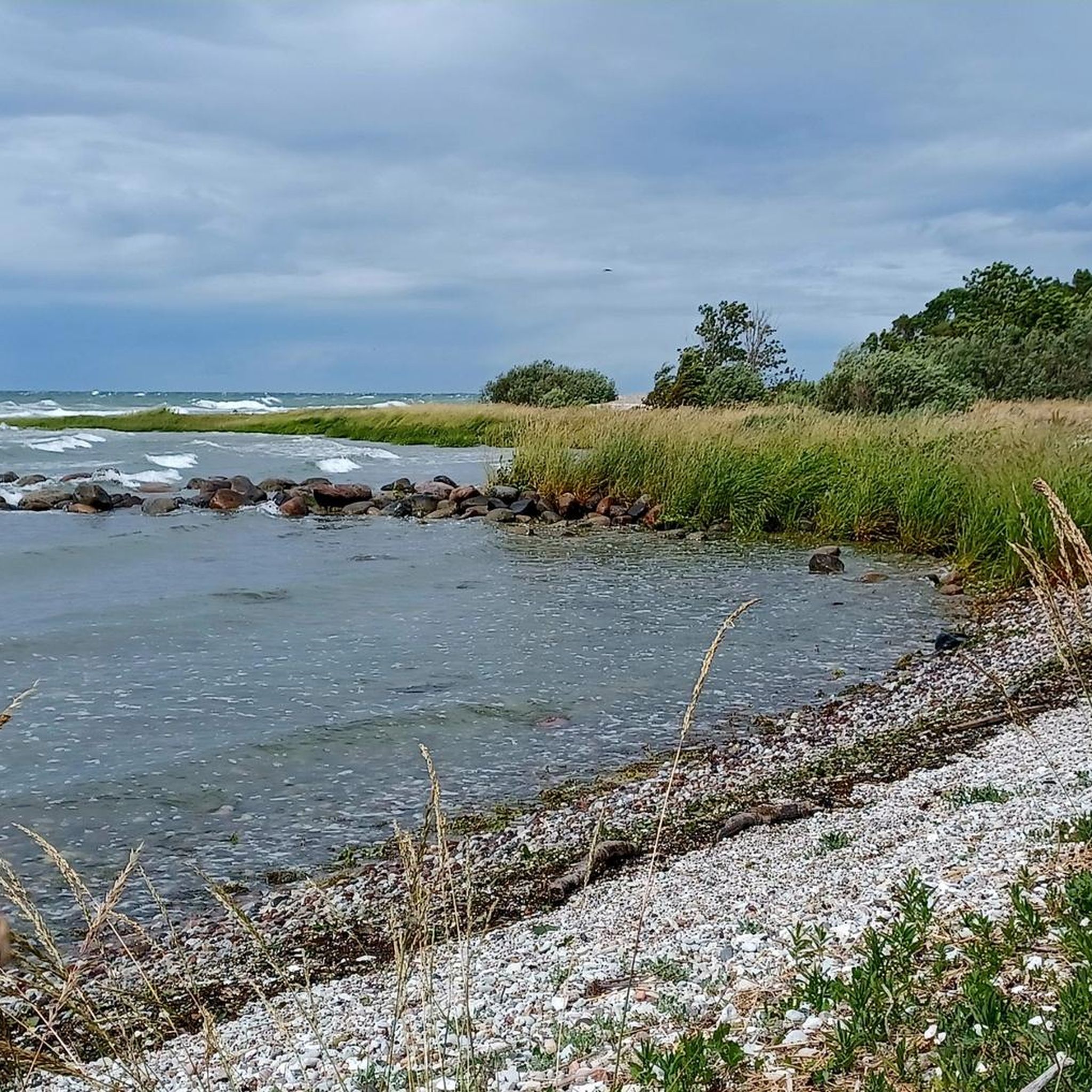
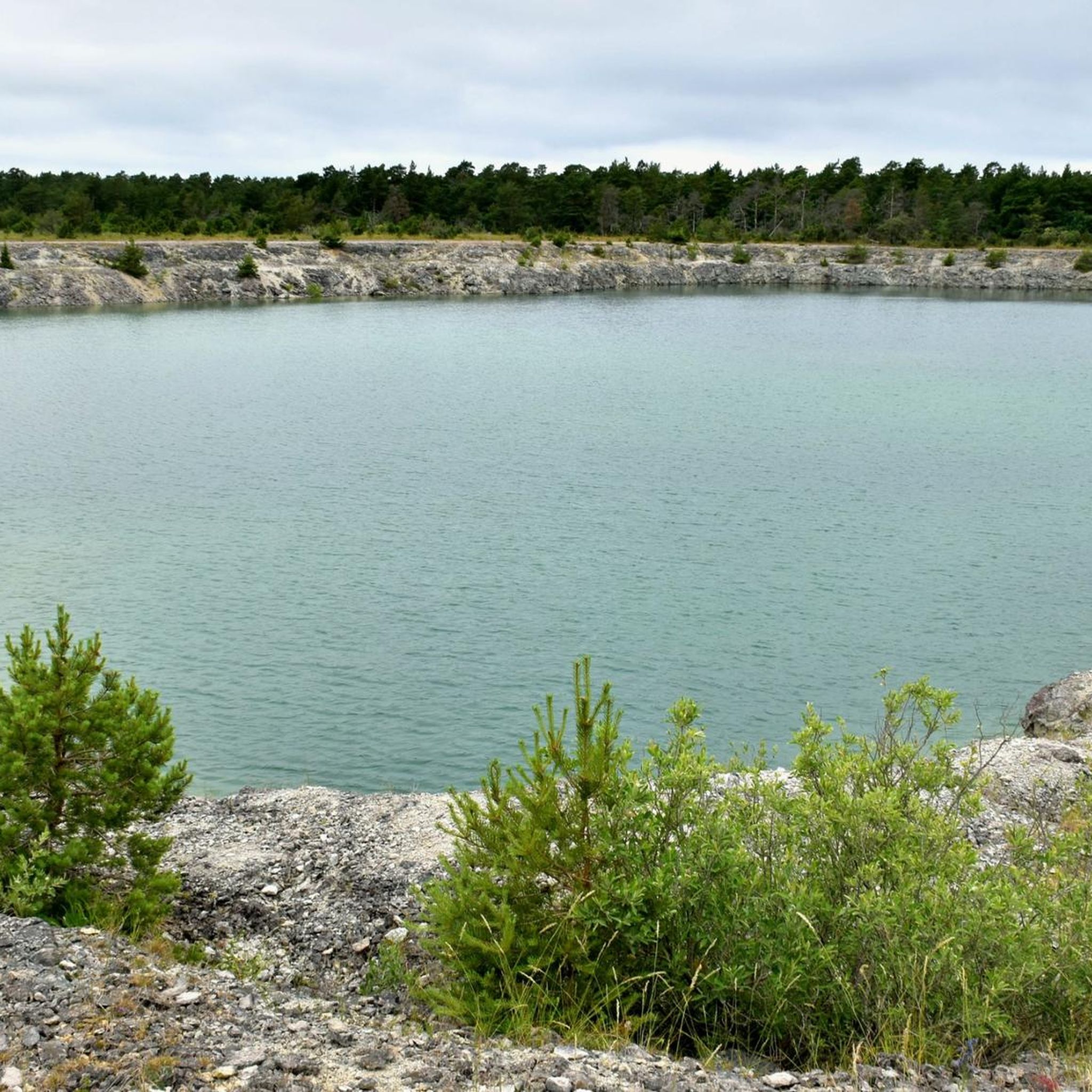
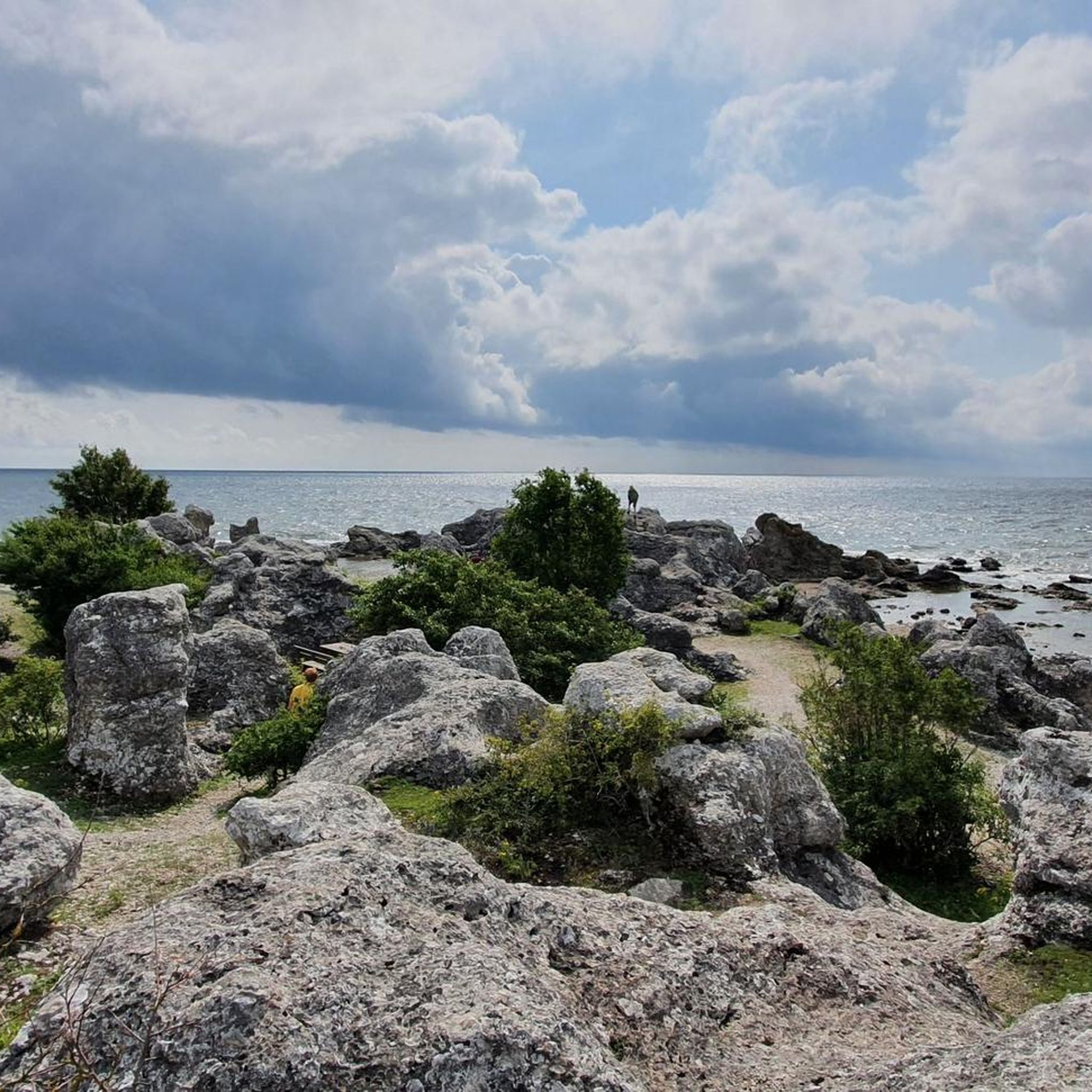

Other adventures in Gotland

Tips from the Community

Destination Gotland operates the popular ferry crossing from the Swedish mainland to the island of Gotland on behalf of the Swedish government. The fleet is one of the most modern in Europe and consists of four high-speed ferries. More than 1.6 million passengers and around 500,000 vehicles are transported to Gotland annually. The ferries depart from Nynashamn and Oskarshamn on the Swedish mainland and arrive in Visby on the west side of Gotland. The crossing takes approximately three hours and is offered up to nine times daily during the summer. Source: https://www.directferries.de/destination_gotland.htm?gclsrc=aw.ds&&utm_source=google&utm_medium=cpc&gad_source=1&gad_cam paignid=192812179&gbraid=0AAAAAD_Lt7tgSpKZjpqcbfavmQQf-GyK6&gclid=EAIaIQobChMIxrOv1ZjOjgMVNoX9BR2HsTsIEAAYASAAEgL1RvD_BwE
1
0
The city wall encloses Visby's old town for approximately 3.4–3.6 km and was considered one of the most important fortifications in Northern Europe during the Middle Ages. The complex has been a UNESCO World Heritage Site since 1995. It represents one of the best-preserved examples of a Hanseatic city wall.
3
0


Within the city walls of Visby
1
0

Gotland with the city of Visby is always worth a visit -
1
0
The entire old town with its city walls resembles a medieval open-air museum.
2
0
The entire city wall, with its many towers, is an absolute eye-catcher and offers great photo opportunities.
1
0
The city’s many preserved towers are simply stunning.
2
0
Frequently Asked Questions
What types of historical fortifications can I explore in Gotland?
Gotland offers a diverse range of historical fortifications, from ancient hillforts like Torsburgen, one of Scandinavia's largest, to medieval city walls such as the Visby City Wall, and even the ruins of strategic castles like Visborg Castle. You'll find a mix of defensive structures reflecting different eras of the island's history.
Are there significant fortifications outside of Visby?
Yes, beyond Visby, you can explore sites like Torsburgen in Kräklingbo, an enormous ancient hillfort, or the ruins of Lojsta Castle in Stånga socken, a medieval fortified estate associated with the Vitalians. These offer insights into Gotland's history beyond the urban center.
What is the most iconic fortification in Visby?
The most iconic fortification in Visby is arguably the Visby City Wall (Ringmuren). This UNESCO World Heritage Site, built in the 13th century, is remarkably well-preserved and encircles the inner town, featuring numerous original towers like the Kruttornet (Gunpowder Tower) and The Maiden's Tower (Jungfrutornet).
Are there family-friendly options among Gotland's castles and fortifications?
Many of Gotland's historical sites are family-friendly. The Visby City Wall is a great option, allowing families to walk along parts of the wall and explore its towers. The ancient hillfort Torsburgen also offers a unique outdoor experience for families interested in history and hiking in a natural setting.
Can I explore these sites with a wheelchair or stroller?
Accessibility varies by site. The Visby City Wall has some accessible sections, particularly around the main gates and along the ground level. However, exploring the full length or climbing towers might be challenging. Ruined sites like Visborg Castle and Lojsta Castle, or natural hillforts like Torsburgen, may have uneven terrain, making full accessibility difficult. It's best to check specific site conditions before visiting.
What is the best time of year to visit Gotland's historical sites?
The best time to visit Gotland's historical sites is generally during the warmer months, from late spring to early autumn (May to September). The weather is pleasant for outdoor exploration, and all sites are typically accessible. Visiting in winter can offer a unique, quieter experience, but some areas might be less accessible due to weather conditions.
Are there hiking or cycling routes near Gotland's castles?
Yes, Gotland offers various outdoor activities near its historical sites. For example, you can find numerous MTB trails and road cycling routes across the island. There are also many running trails, including routes that incorporate parts of the Visby City Wall or lead to viewpoints near historical ruins.
What kind of historical experience does Visborg Castle offer?
Visborg Castle, though now a ruin, offers a glimpse into Gotland's turbulent medieval history. Built around 1310 and later rebuilt, it served as a crucial stronghold, changing hands between Danish and Swedish forces. Its remains, located on the edge of Visby's harbor, tell a story of strategic importance and conflict, complementing the experience of the city wall.
Can I find ancient history beyond medieval times in Gotland's fortifications?
Absolutely. Torsburgen is an excellent example, dating back as early as 200 BC. This enormous hillfort provides a remarkable experience of prehistoric defense, showcasing a much deeper historical layer of Gotland compared to the medieval fortifications.
Are there guided tours available for Gotland's castles and fortifications?
While this guide doesn't list specific tours, guided historical walking tours are often available, especially for prominent sites like the Visby City Wall. These tours can provide deeper insights into the history and significance of the fortifications. It's recommended to check with local tourist information centers in Visby for current offerings.
What natural features can I see near Gotland's fortifications?
Gotland's fortifications are often set amidst beautiful natural landscapes. For instance, Torsburgen is located on a plateau hill that is also a nature reserve, offering impressive views. The Visby City Wall provides panoramic views of the city and the Baltic Sea. The island itself is known for its limestone cliffs and sandy beaches, which you might encounter on routes near these historical sites.
What should I wear when exploring Gotland's castles in summer?
In summer, comfortable walking shoes are essential, as you'll likely be exploring uneven terrain, cobblestones, or walking along walls. Light layers are advisable, as coastal winds can make it cooler even on sunny days. Don't forget sun protection like a hat and sunscreen, especially if you plan to spend extended time outdoors.
Most popular routes in Gotland
Most popular attractions in Gotland

Get inspired with the komoot mobile app


Explore more
Looking for the best castles somewhere else? Discover other guides in Gotland:
