Top 6 Caves in Gotland
Caves in Gotland are primarily formed in the island's limestone bedrock, which originated from a coral reef over 400 million years ago. This unique geology has created a diverse range of karstic caves, offering insights into millions of years of natural history. The island features several notable cave systems, including some of Sweden's longest. Visitors can explore these natural formations, which are often found within or near significant natural monuments and cliffs.
Best caves in Gotland
- The most popular caves is Lummelunda Cave, a cave system approximately 4.5 km long. It features chambers with stalactites, stalagmites, and fossils, and maintains a constant temperature of around 8 degrees Celsius.
- Another must-see spot is Linné's Cave, a cave located on the northwest side of Torsburgen's inland cliff. It measures 12 meters in height and 5 meters in depth, accessible via a staircase along the cliff wall.
- Visitors also love Högklint Cave, a cave easily reached via a staircase from the plateau. The views towards the sea and the cave itself are notable.
- Gotland is known for its karstic caves, often found within dramatic cliff formations and nature reserves. These include accessible caves with guided tours and smaller, more secluded grottoes.
- The caves in Gotland are appreciated by the komoot community, with 14 upvotes and 16 photos shared across 7 highlights.
Last updated: August 7, 2026
Linné's Cave
Highlight • Cave
Tip by

Högklint Cliffs
Highlight • Natural Monument
Source: wikipedia
Translated by Google •
Tip by

Sign up now to discover places like this
Get recommendations on the best single tracks, peaks, & plenty of other exciting outdoor places.
Sign up for free
Högklint Cave
Highlight • Cave
Translated by Google •
Tip by
Rövare Lilja's Cave
Highlight • Natural Monument
Translated by Google •
Tip by

Lummelunda Cave
Highlight • Cave
Showing Translation
Tip by

Kärleksstigen
Highlight • Trail
Translated by Google •
Tip by
Brucebo Nature Reserve
Highlight • Forest
Translated by Google •
Tip by
Start today with a free account
Your next adventure awaits.
Login or Signup

Other adventures in Gotland

Tips from the Community

Accessible via stairs, relaxed but beautiful!
0
0

Linné's cave, one of several caves on the northwest side of Torsburgen's inland cliff, measures twelve meters in height and five meters in depth, accessible via a staircase along the cliff wall. The cave's name and the origin of the term "rind hole" for its roof opening remain unclear, despite Linnaeus visiting Torsburgen in 1741. During his visit, Linnaeus observed that the plateau was nearly devoid of forest due to a great fire in 1655, but it's uncertain whether he actually explored the cave named after him.
1
0

170 SEK per person for a short guided tour in Summer 2022. Warm clothes recommended.
0
0

A short walk / bike ride from Visby takes you to Rövare Lilja's cave. Here you can peek into the cave and easily imagine barren nights where ships ran aground and the robbers took all the treasures. Good pebble beach and easy hiking for children.
3
0

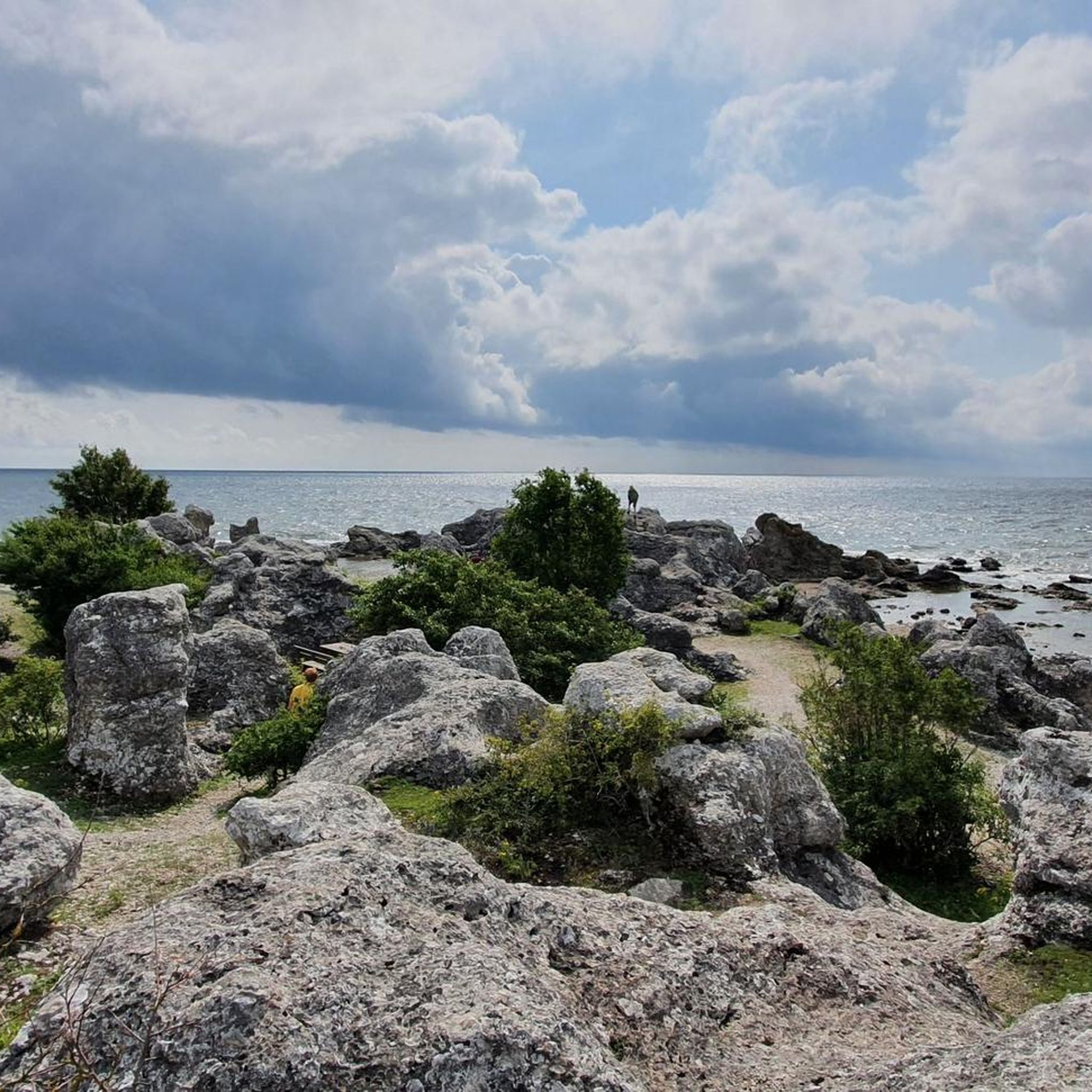
Nice short tour on the cliffs south of Visby (island of Gotland / Sweden) called Högklint with some breathtaking views, leading to Rövare Liljas Håla (The Cave of the Pirate Lilja) where the story was that a pirate called Lilja kept hos fortune that he stole from ship that he lured into wrecking along the coast.
1
0

One of the best places to enjoy the sunset weather permitting.
1
0
Very easy to reach via a staircase. The views both towards the sea and the cave are very worthwhile.
3
0

A fairly new staircase takes you from the plateau to the cave, which you absolutely should not miss on your hike.
5
0
Frequently Asked Questions
What are some of the most notable caves to explore in Gotland?
Gotland offers several captivating caves. The most prominent is Lummelunda Cave, a 4.5 km long karst system known for its stalactites, stalagmites, and fossils. Another significant site is Linné's Cave, located on Torsburgen's inland cliff. You can also visit Högklint Cave, easily accessible via a staircase with great sea views.
Are there family-friendly caves to visit in Gotland?
Yes, several caves and their surrounding areas are suitable for families. Lummelunda Cave offers standard guided tours through spacious chambers, and its visitor center includes exhibitions and nature trails, making it an educational experience for children. The area around Rövare Lilja's Cave at Högklint also features easy hiking trails and a pebble beach, which is enjoyable for children.
What kind of geological formations can be seen in Gotland's caves?
Gotland's caves are primarily karstic, formed in the island's limestone bedrock, which originated from a coral reef over 400 million years ago. In caves like Lummelunda Cave, you can see impressive stalactites, stalagmites, and fascinating fossils. An underground stream also flows through the Lummelunda system, adding to its unique features.
Are there any caves in Gotland with historical significance?
Yes, Linné's Cave is named after the renowned botanist Carl Linnaeus, who visited the Torsburgen area in 1741. While it's uncertain if he explored the cave itself, the surrounding area holds historical context from his observations. Lummelunda Cave also has a rich history, with its outer parts known for centuries and its main sections discovered by teenagers in the 1940s and 50s.
What are the accessibility options for caves in Gotland?
Some caves in Gotland are quite accessible. Högklint Cave is easily reached via a staircase from the plateau. Linné's Cave is also accessible via a staircase along the cliff wall. For Lummelunda Cave, standard guided tours navigate spacious chambers and lower passages, making it generally accessible for visitors, though deeper, more adventurous tours require special gear.
What is the best time of year to visit the caves in Gotland?
The caves in Gotland, particularly Lummelunda Cave, maintain a constant temperature of around 8 degrees Celsius year-round, making them suitable for visits in various seasons. However, the surrounding areas and trails are most enjoyable during the warmer months, typically from spring to early autumn, when the weather is pleasant for outdoor activities and amenities are fully operational.
Are there guided tours available for Gotland's caves?
Yes, Lummelunda Cave offers both standard guided tours that take visitors through spacious chambers and lower passages, as well as more adventurous tours that delve deeper into the cave system using special gear and small boats. These tours provide an in-depth experience of the cave's unique features and history.
What outdoor activities can I do near Gotland's caves?
The areas around Gotland's caves offer various outdoor activities. Near Högklint Cliffs and Rövare Lilja's Cave, you can enjoy breathtaking views and pleasant hiking trails, such as the "Love Path." The Lummelunda Cave area also features nature trails leading to the beach and through forests. For more extensive outdoor adventures, you can explore hiking routes like the "Visby Health Trail" or "Naturstig - Torsburgen" mentioned in the Hiking in Gotland guide.
Are there any caves associated with local legends or folklore?
Yes, Rövare Lilja's Cave, located near the dramatic Högklint Cliffs, is associated with a local legend. It's said that a pirate named Lilja hid his stolen fortune within this cave. This adds a touch of folklore to the natural beauty of the area.
What amenities are available near Lummelunda Cave?
The Lummelunda Cave visitor center is a comprehensive destination, offering exhibitions, nature trails, and amenities such as restaurants and cafes. This makes it convenient for visitors to spend an entire day exploring the cave and its surroundings.
What should I wear when visiting caves in Gotland?
When visiting caves in Gotland, especially Lummelunda Cave, it's advisable to dress in layers. The caves maintain a constant cool temperature of around 8 degrees Celsius (46 degrees Fahrenheit) year-round, regardless of the outside weather. Comfortable walking shoes with good grip are also recommended for navigating potentially uneven or damp surfaces.
Can I visit caves in Gotland during winter?
Yes, caves like Lummelunda Cave maintain a stable temperature of around 8 degrees Celsius throughout the year, making them a viable option even in winter. However, it's important to check the specific opening hours and tour availability for each cave, as these may vary seasonally. Access to surrounding trails might also be affected by winter conditions.
Are there any easy-to-access caves in Gotland for casual visitors?
For casual visitors, Högklint Cave is very easy to reach via a staircase from the plateau, offering rewarding views. Linné's Cave is also accessible via a staircase. Lummelunda Cave provides standard guided tours through spacious, well-maintained paths, making it suitable for most visitors without requiring special caving experience.
Most popular routes in Gotland
Most popular attractions in Gotland

Get inspired with the komoot mobile app


Explore more
Extend your search for the best caves by checking out these guides of the top ones in Gotland:
