Top 7 Gorges in Alzey-Worms
Best canyons in Alzey-Worms are characterized by unique geological formations known as "hollow ways" (Hohlwege) and gorges. These features are a distinctive part of the Rhenish Hesse landscape, primarily formed by centuries of agricultural use and water erosion in loess soil. They offer a glimpse into the region's geological and agricultural history. Visitors can explore these deeply incised natural corridors, which often host unique flora and fauna.
Best canyons in Alzey-Worms
- The most popular canyons is Alsheim Sunken Lanes,…
Last updated: September 30, 2026
Alsheim Sunken Lanes
Highlight (Segment) • Gorge
Translated by Google •
Tip by

Hollow path Alsheim
Highlight • Gorge
Otherwise, you will always find good information here: rheinhessen.de.
Showing Translation
Tip by

Sign up now to discover places like this
Get recommendations on the best single tracks, peaks, & plenty of other exciting outdoor places.
Alsheim Sunken Lane (Wahlheimer Weg)
Highlight (Segment) • Gorge
hohlwege-alsheim.de/42375.html
Translated by Google •
Tip by

Riedertal Valley
Highlight (Segment) • Gorge
On economic roads it is even and moderately the mountain ninauf.
Translated by Google •
Tip by

„Dorschberger Hohl” Hohlweg
Highlight • Gorge
Showing Translation
Tip by

Alsheim Sunken Lanes
Highlight • Gorge
The sunken lanes look more dangerous than they are. Easy to ride even without suspension forks. But you should always remember that pedestrians may also be coming towards you. …
Showing Translation
Tip by

Wormser Hollow Way in Bordsberg Nature Reserve
Highlight • Gorge
Translated by Google •
Tip by

Goldberg Hollow Way
Highlight (Segment) • Gorge
There is an exciting flora and fauna on the meter-high, steep loess slopes.
Alsheim is also widely known for its "hollow path paradise"!
hohlwege-alsheim.de/42420.html
Translated by Google •
Tip by
Sunken Lanes in Rhenish Hesse
Highlight • Trail
Translated by Google •
Tip by

Start today with a free account
Your next adventure awaits.
Popular around Alzey-Worms
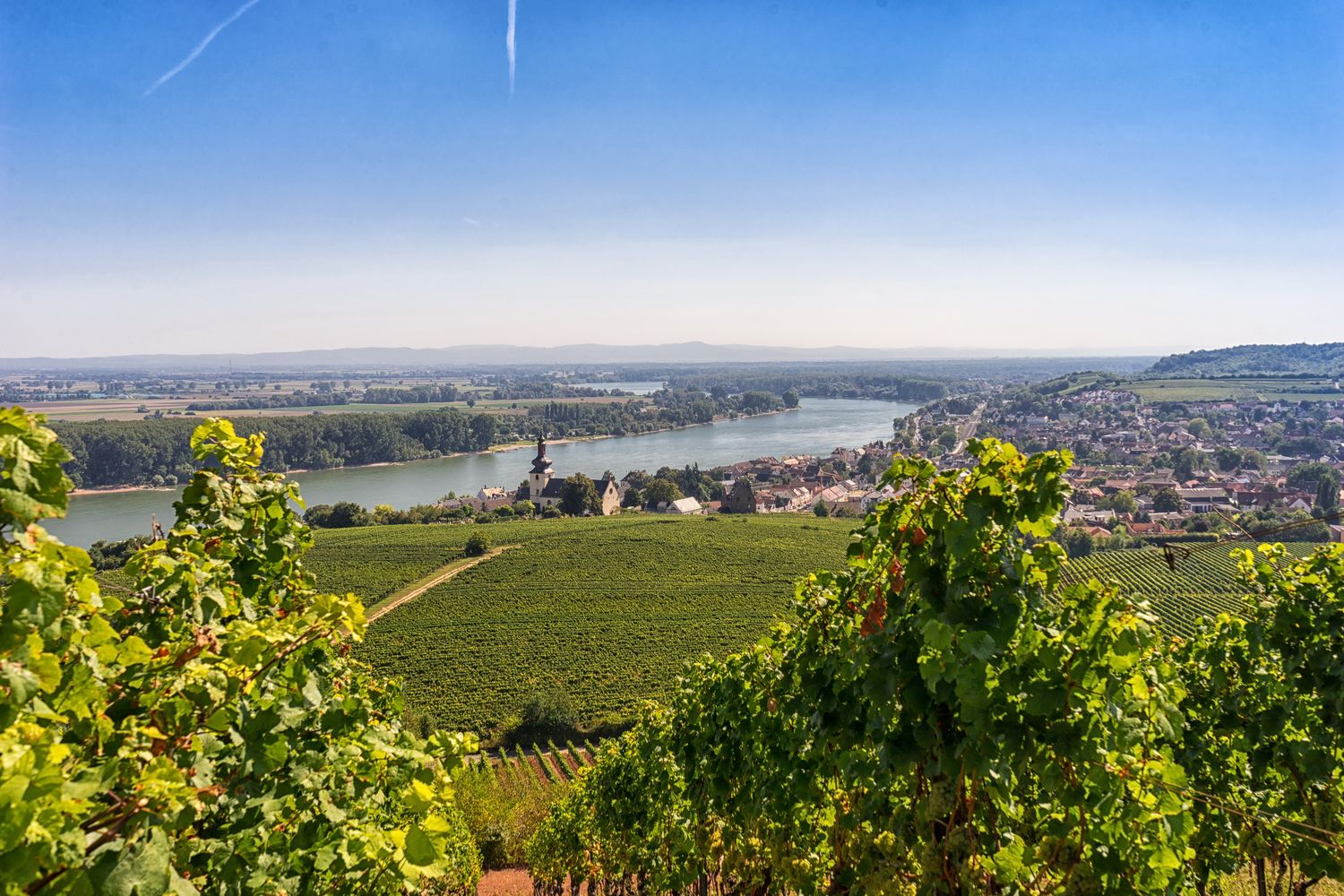
RheinTerrassenWeg – Hike through vineyards along Germany's River Rhine
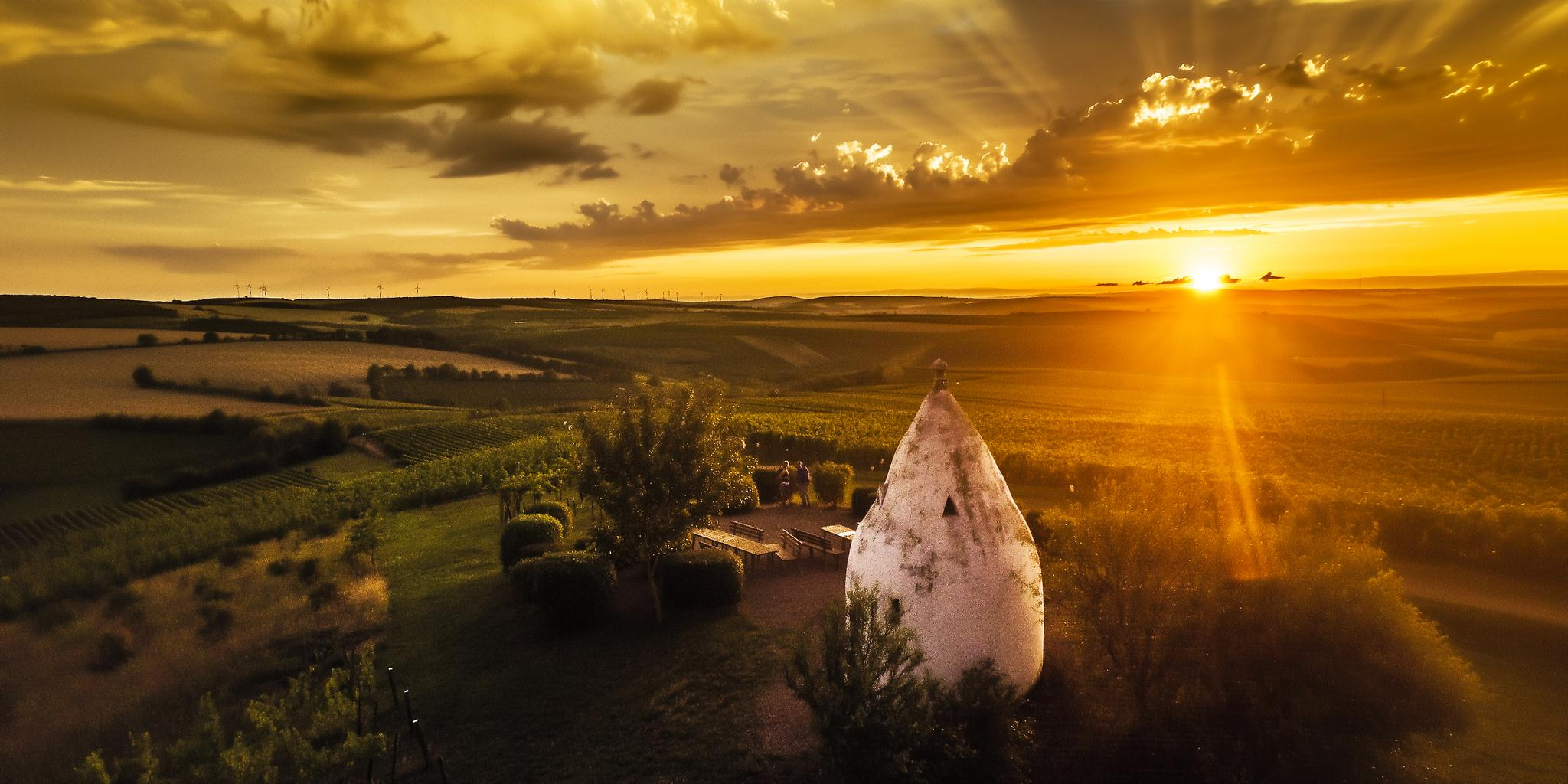
Hiking joy in Rheinhessen – experience magical moments
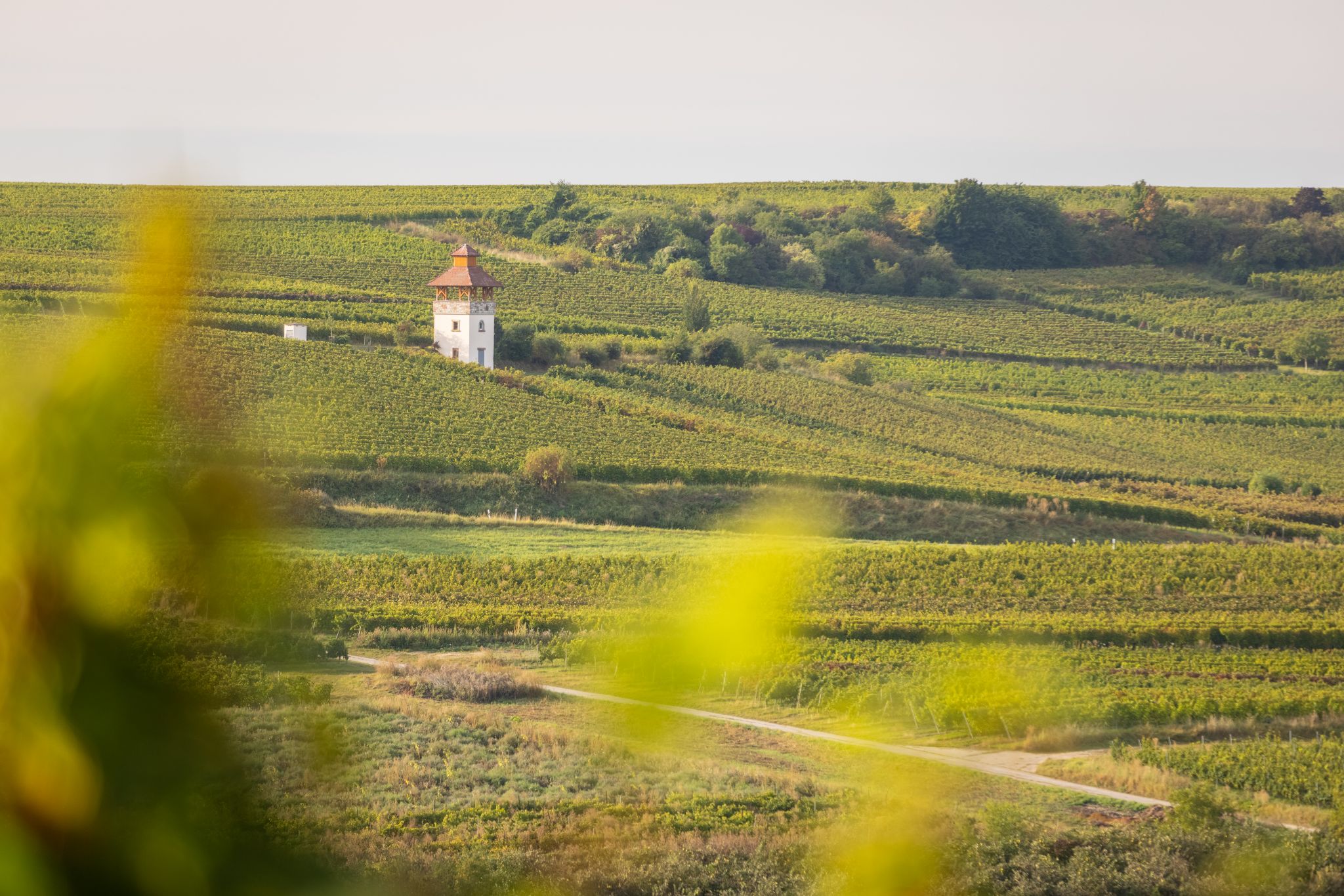
Vineyards and half-timbered houses – hiking magic in Rheinhessen
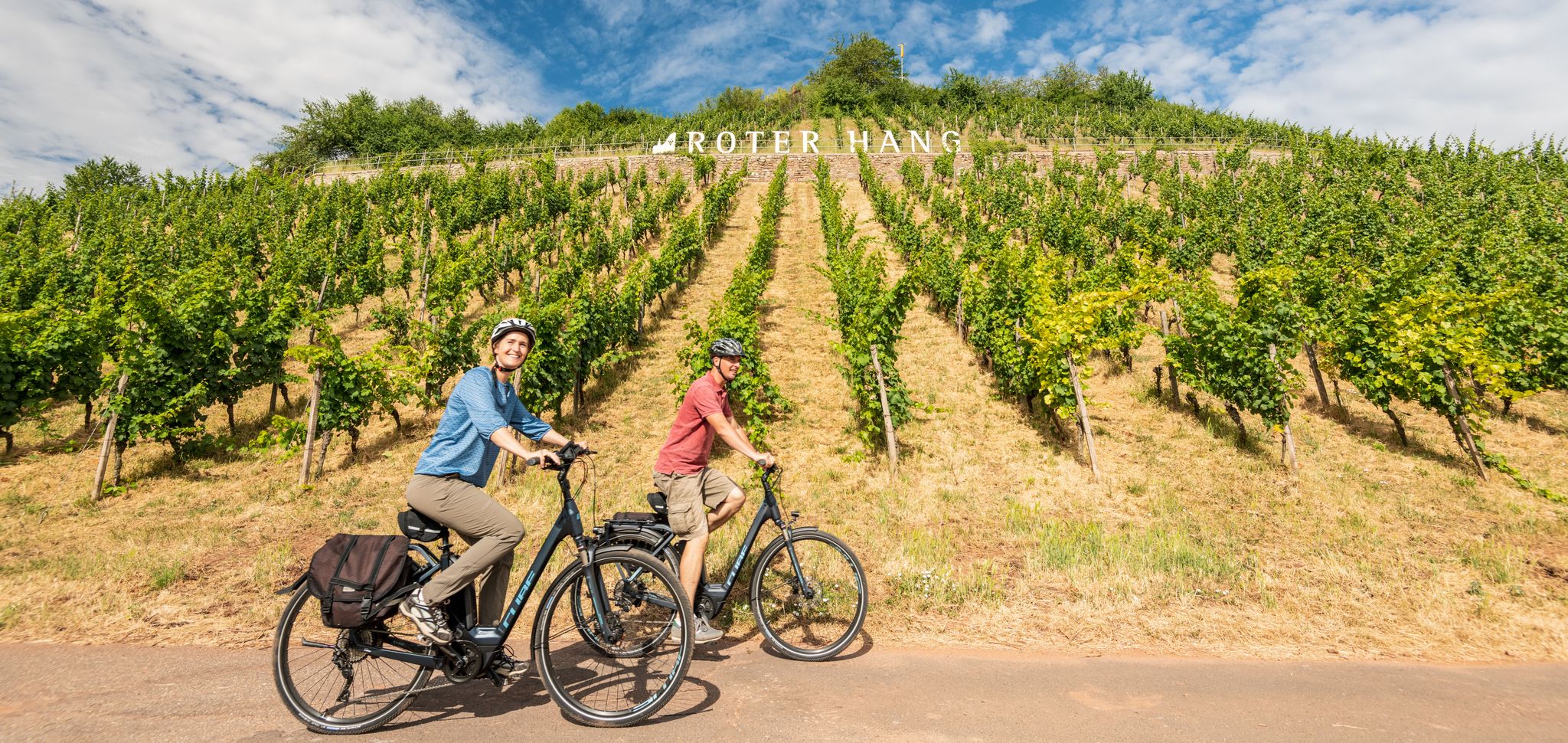
From the city to a sea of vines – cycling Tours in Rheinhessen
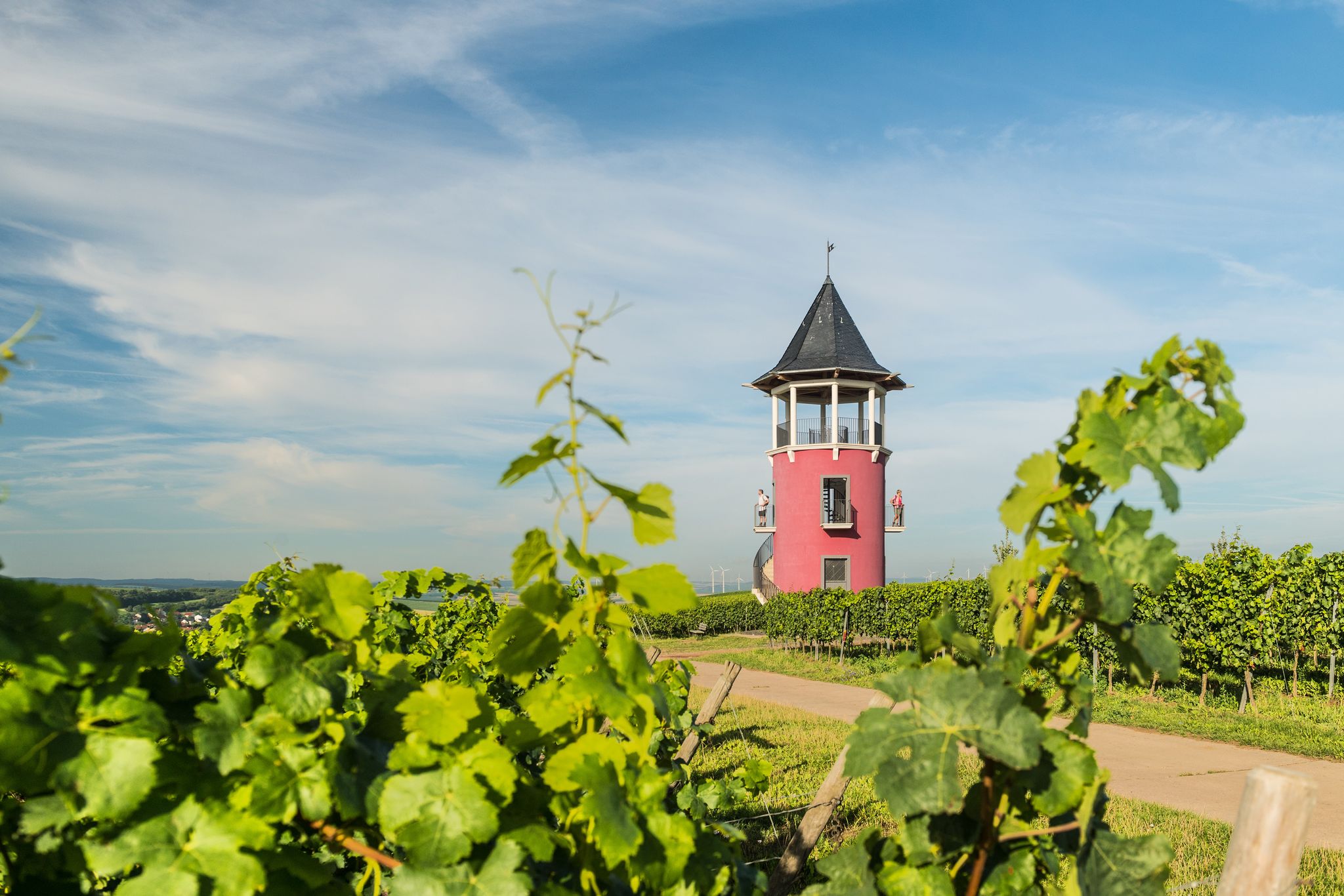
Discover Rhine Hesse along the „Hiwweltours”
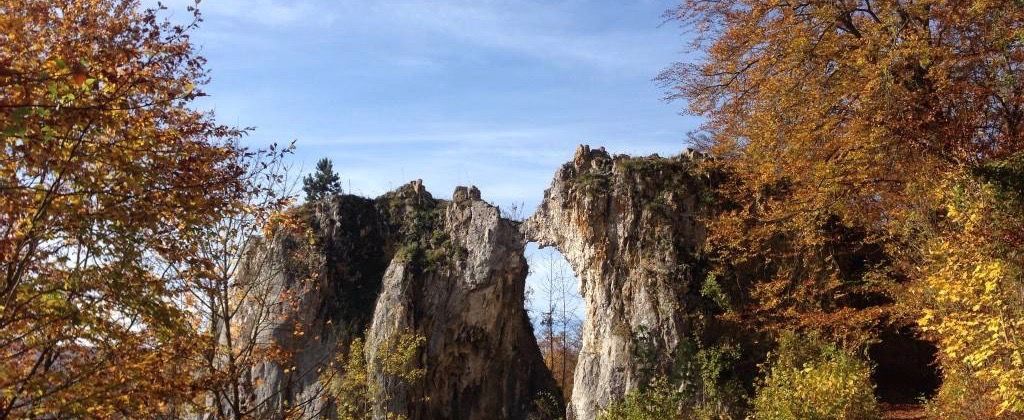
On the tracks of Homo Sapiens and ancient cultures
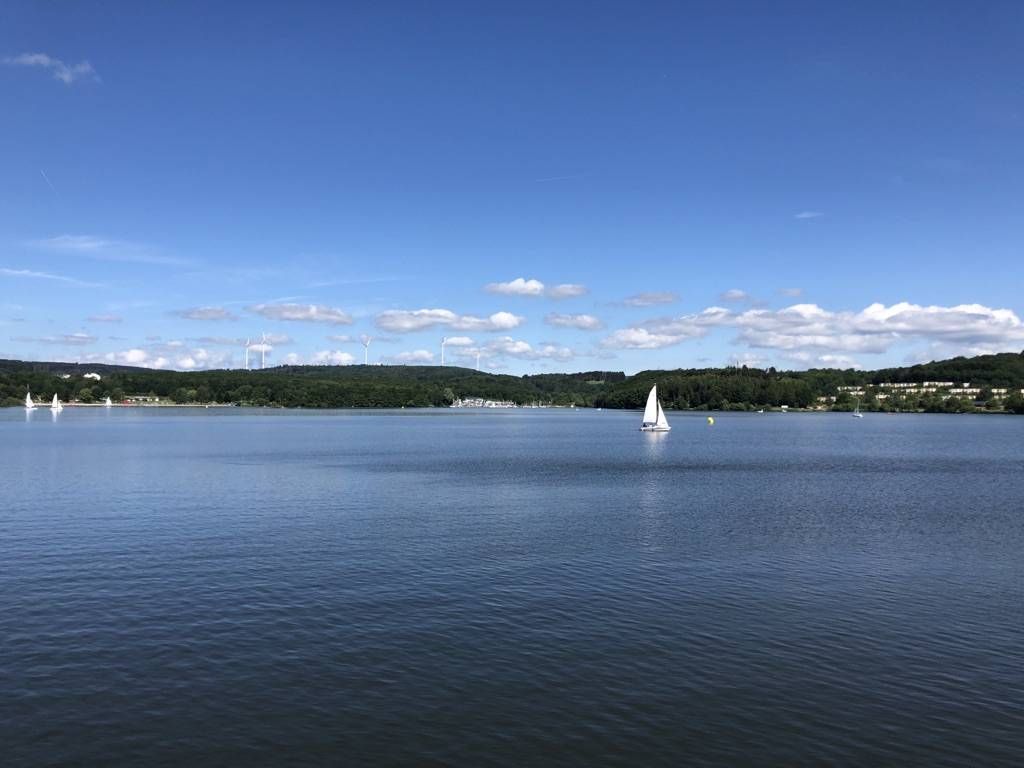
The best swimming lakes in Rhineland Palatinate and Saarland
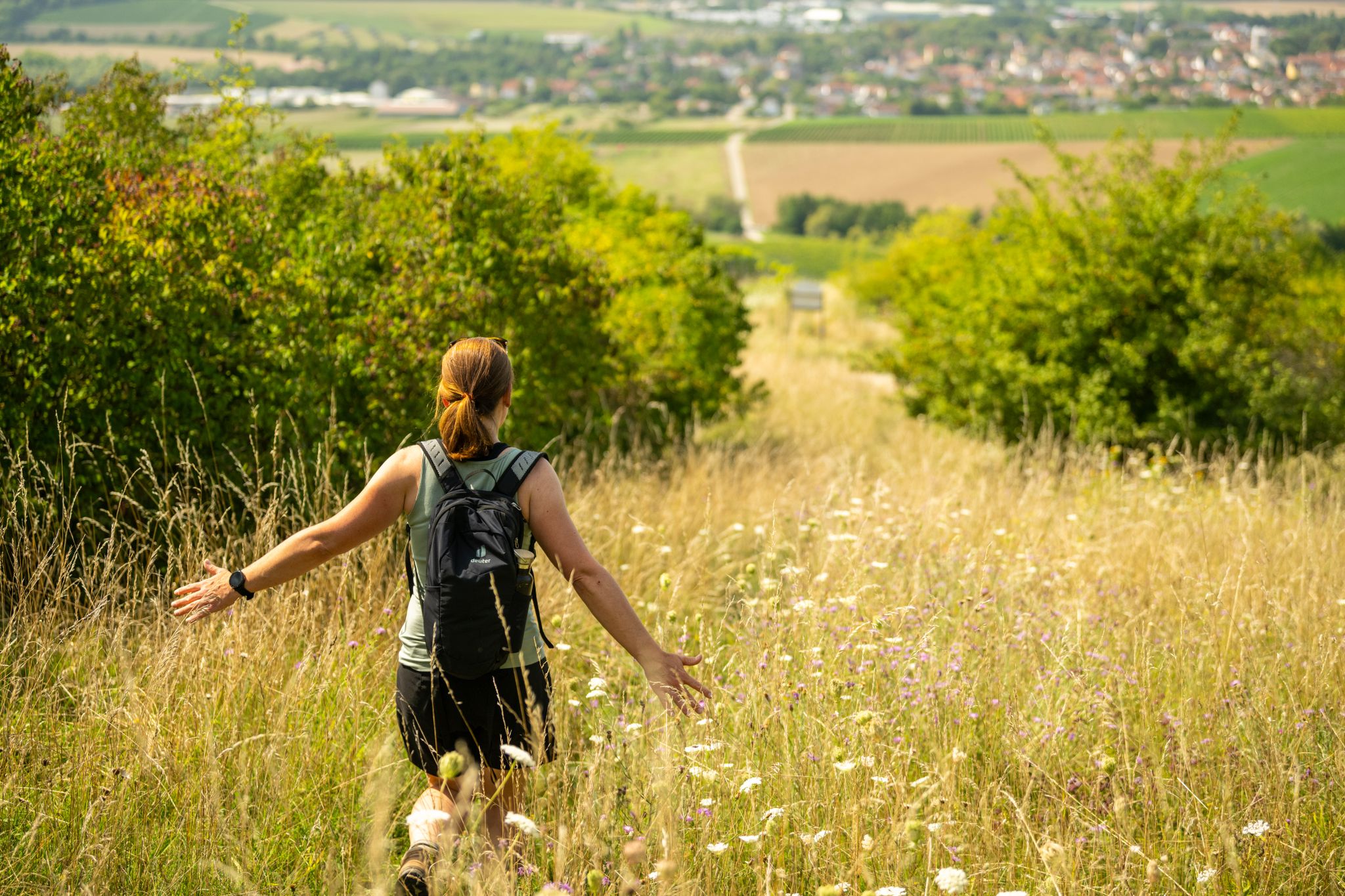
Hügel für Hügel – Rheinhessens neue Hiwweltouren

Rheinhessen mit Aussicht - Die schönsten Panoramatouren in Rheinhessen
Hiking in Alzey-Worms
Other adventures in Alzey-Worms


Tips from the Community

In the Dorschberger Hohl nature reserve, up to 15-meter-high loess walls await you, forming an unusual steppe landscape in the middle of Rheinhessen. Rare plants such as feather grass and field eryngo grow on the steep, open flanks, while sand lizards and pipistrelle bats find shelter in the crevices and niches.
1
0

This is the highlight of this stage of the Rhine Terraces Trail – the hollow ways near Alsheim, which bear witness to centuries of hard agricultural work, when heavy carts dug deep grooves into the ground along the paths. These grooves had to be repeatedly smoothed out. Along with the rain, they eroded the soil, so that the paths dug ever deeper into the landscape and are bordered by steep, horizon-covering loess walls. These provide a home for many animals, and you can see many cave entrances. The loess soil also retains heat well.
0
0

There are so many different hollow ways here
0
0

One of several ravines in the area
1
0

One of the wider ravines in the region. At the end with a view
2
0

https://www.vg-eich.de/Tourismus-Freizeit/Sehenswertes-Kultur/Ausflugsziele/index.php?La=1&object=tx,2773.832.1&kat=&kuo=2&sub=0&NavID=2773.322&La=1 The sunken lanes look more dangerous than they are. Easy to ride even without suspension forks. But you should always remember that pedestrians may also be coming towards you. So if you are a little hesitant with the front brake, you should take it easy.
0
0

the Riedertal, beautiful landscape ..., however, the concrete paths are very fragile throughout Rheinhessen. A bike without suspension is pure horror...
2
0
Worth seeing in every season. But you should drive 30 or 40 tires if you don't want to carry the street racer up high
2
0
Frequently Asked Questions
What are the unique geological features found in Alzey-Worms that are referred to as canyons?
In Alzey-Worms, the 'canyons' are primarily unique geological formations known as 'hollow ways' (Hohlwege) and gorges. These are distinctive features of the Rhenish Hesse landscape, formed over centuries by agricultural use and water erosion in loess soil. They offer a glimpse into the region's geological and agricultural history, often hosting unique flora and fauna.
Which are some of the most notable hollow ways to explore in Alzey-Worms?
Among the most notable are the Alsheim Sunken Lanes, known for their extensive network and unique flora and fauna. Another significant site is the Wormser Hollow Way in Bordsberg Nature Reserve, which features information panels and is near a wine trail. The Goldberg Hollow Way is also highly regarded for its exciting flora and fauna on steep loess slopes.
What kind of flora and fauna can I expect to see in the hollow ways?
The meter-high, steep loess slopes of the hollow ways, such as those at Goldberg Hollow Way and Alsheim Sunken Lanes, foster a unique and exciting ecosystem. The loess soil, rich in lime and retaining heat, creates fertile ground for diverse plant life. This, in turn, supports various insect species and small animals adapted to these specific habitats.
Are the hollow ways in Alzey-Worms suitable for families?
Yes, many of the hollow ways are suitable for families. For instance, Michelsberger Hohl is categorized as family-friendly. The unique experience of walking through deeply incised natural corridors and the educational aspects, like information panels at the Wormser Hollow Way, can be engaging for children.
What is the best time of year to visit the hollow ways in Alzey-Worms?
The hollow ways can be visited year-round, but spring and autumn are particularly pleasant. In spring, the unique flora comes to life, while autumn offers beautiful colors in the surrounding vineyards and forests. The loess soil can become muddy after heavy rain, so drier periods are generally more comfortable for exploration.
What historical insights do the hollow ways offer?
The hollow ways, like the Alsheim Sunken Lanes, provide significant historical insight into traditional land use. They were created over centuries as heavy carts and water erosion dug deep grooves into the loose loess soil, reflecting the agricultural practices of past generations. Information panels, such as those at the Wormser Hollow Way, often explain their formation and significance.
Are there any hiking trails near the hollow ways in Alzey-Worms?
Yes, the region offers various hiking opportunities. For example, the Wormser Hollow Way in Bordsberg Nature Reserve is situated near an interesting wine trail. For more extensive hiking, you can explore routes in the area, including those found in the Mountain Hikes in Alzey-Worms guide, which features trails like the 'Sandgrube im Pflänzer loop'.
Can I find cycling routes near the canyons or hollow ways?
Absolutely. The Alzey-Worms region is popular for cycling. You can find various routes, including those for gravel biking and road cycling. For instance, the Gravel biking in Alzey-Worms guide offers routes like the 'View of the Rhine – Sandy Beaches Along the Rhine loop from Alsheim'. The Road Cycling Routes in Alzey-Worms guide also provides options such as the 'Cycle expressway along the Rhine embankment'.
What are the typical terrain and difficulty levels for hiking in the hollow ways?
The terrain in the hollow ways is generally characterized by deeply incised paths with meter-high loess slopes. While some paths, like the Wormser Hollow Way, can be paved, others are natural earth paths. The difficulty is typically intermediate, as paths can be uneven or muddy, especially after rain. The Riedertal Valley, for example, offers quiet paths between villages.
Are there any amenities like cafes or accommodation near the hollow ways?
While specific cafes directly adjacent to every hollow way might be limited, the hollow ways are often located near villages and towns in the Alzey-Worms region. For example, the extensive network of hollow ways in Alsheim means you can find amenities within or close to the village. The region's strong viticulture also means you might find wineries or 'Straußwirtschaften' (seasonal wine taverns) nearby, especially around the Wormser Hollow Way which is close to a wine trail.
What do visitors enjoy most about the hollow ways in Alzey-Worms?
Visitors frequently appreciate the unique experience of walking through these deeply incised natural corridors. The historical context of their formation, the rich ecological diversity on the loess slopes, and the peaceful, natural surroundings are often highlighted. The combination of natural exploration with the region's renowned viticulture, as seen near the Wormser Hollow Way, is also a popular draw.
Most popular routes in Alzey-Worms
Most popular attractions in Alzey-Worms

Get inspired with the komoot mobile app


Didn’t find what you were looking for?
Want to see even more gorges? See the best ones in Alzey-Worms region by region:
Explore more
Already discovered everything in this region? See additional gorges in Alzey-Worms for your next adventure:
