Top 9 Caves in Hersfeld-Rotenburg
Caves in Hersfeld-Rotenburg offer a blend of natural geological formations and historical mining sites. This district in Germany features underground locations important for wildlife conservation and insights into the region's industrial past. The landscape includes areas with limestone formations and historical mining operations, providing diverse subterranean experiences. These sites are points of interest for nature enthusiasts and those exploring local history.
Best caves in Hersfeld-Rotenburg
- The most popular caves is Kurfürsten-Stollen Iba, a historical site that is an old…
Last updated: September 30, 2026
Hilmeser Loch Sinkhole
Highlight • Natural Monument
Translated by Google •
Tip by

Bat Cave at Ölberg, Nentershausen
Highlight • Cave
The …
Translated by Google •
Tip by

Sign up now to discover places like this
Get recommendations on the best single tracks, peaks, & plenty of other exciting outdoor places.
Kurfürsten-Stollen Iba
Highlight • Historical Site
Translated by Google •
Tip by

Ransbacher Senke Cave
Highlight • Cave
Translated by Google •
Tip by
Neuer Mut Mine near Hattenbach
Highlight • Structure
Here are the links to three of these publications in PDF …
Translated by Google •
Tip by

Mouth of the former Carl mine (1720)
Highlight • Historical Site
Translated by Google •
Tip by
Hasselfeld Tunnel
Highlight • Historical Site
Translated by Google •
Tip by
Start today with a free account
Your next adventure awaits.
Popular around Hersfeld-Rotenburg
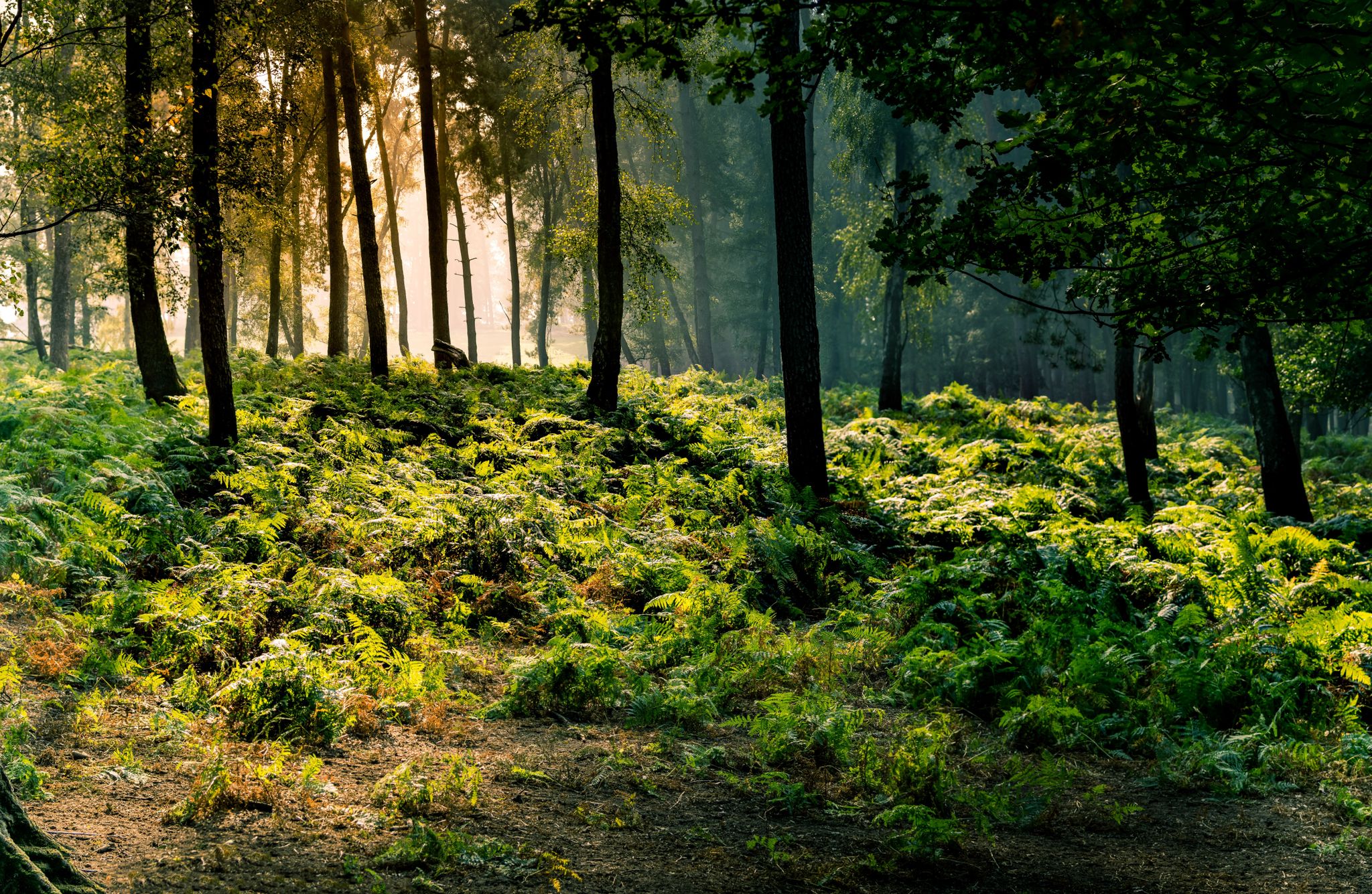
Frau Holle Trail – Nature and fairytales, eight stages
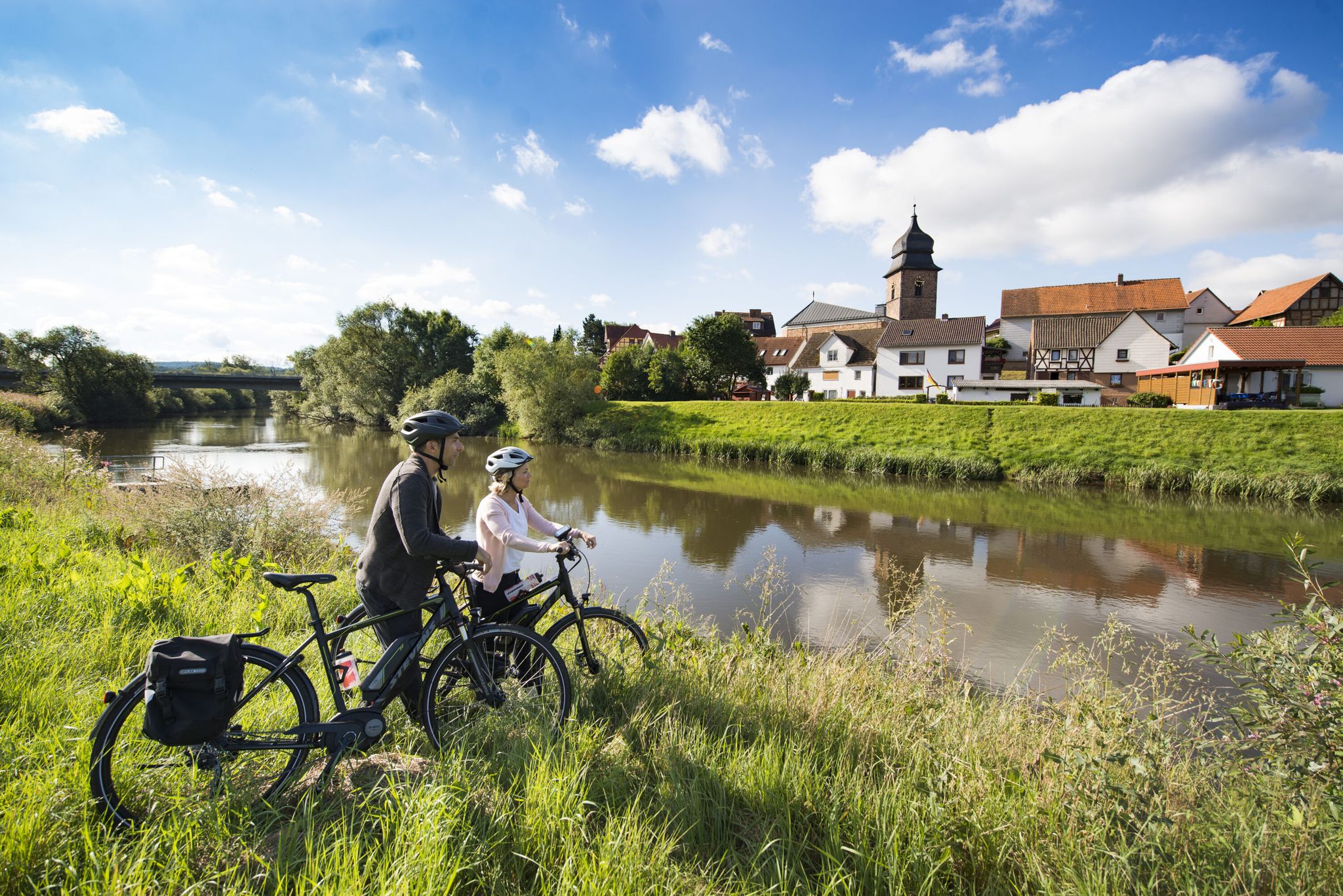
The Fulda cycle path R1 — in 5 stages from the Rhön to the Weser
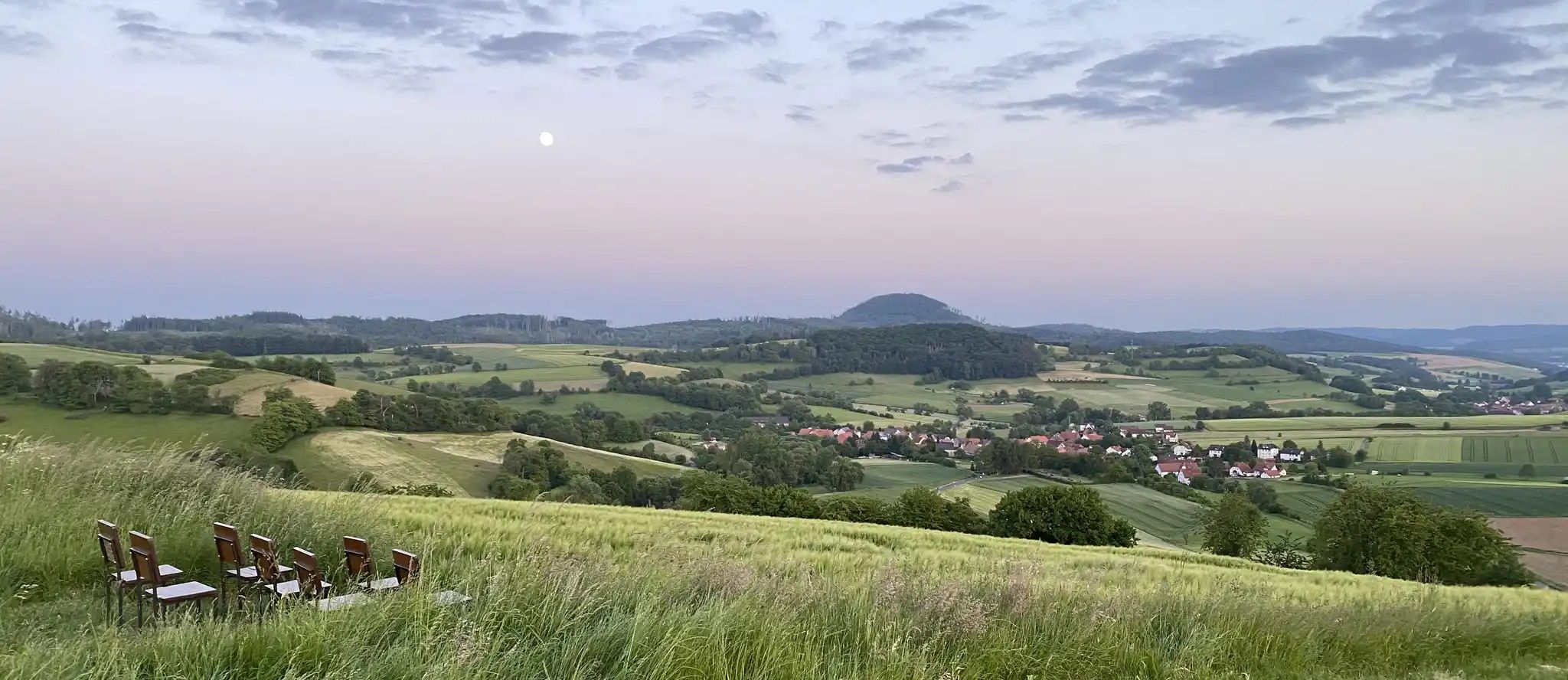
Where art meets nature – ARS NATURA art trails
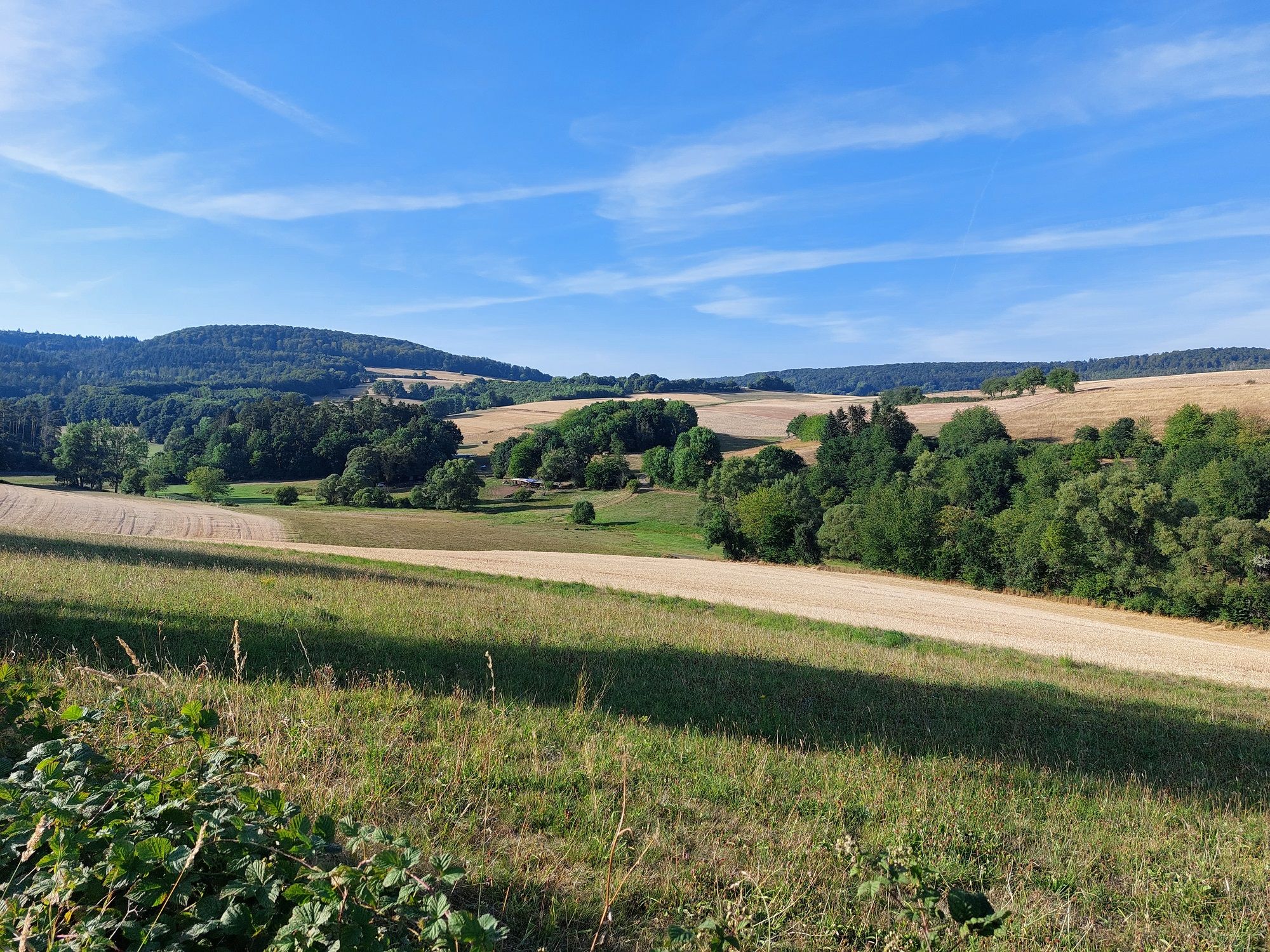
Premium hiking trails in the Knüll Nature Park
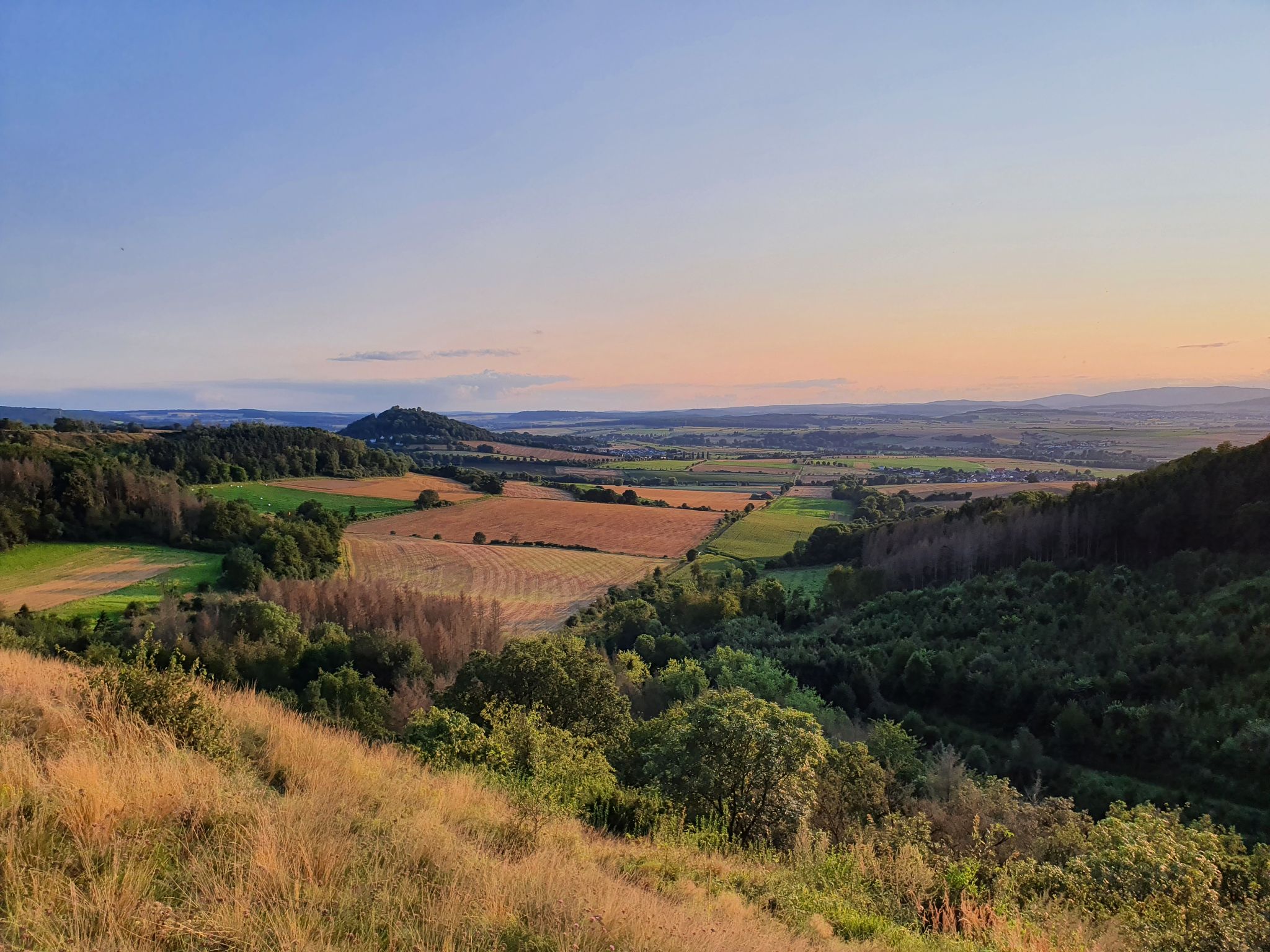
Premium hiking trails in the Knüll Nature Park
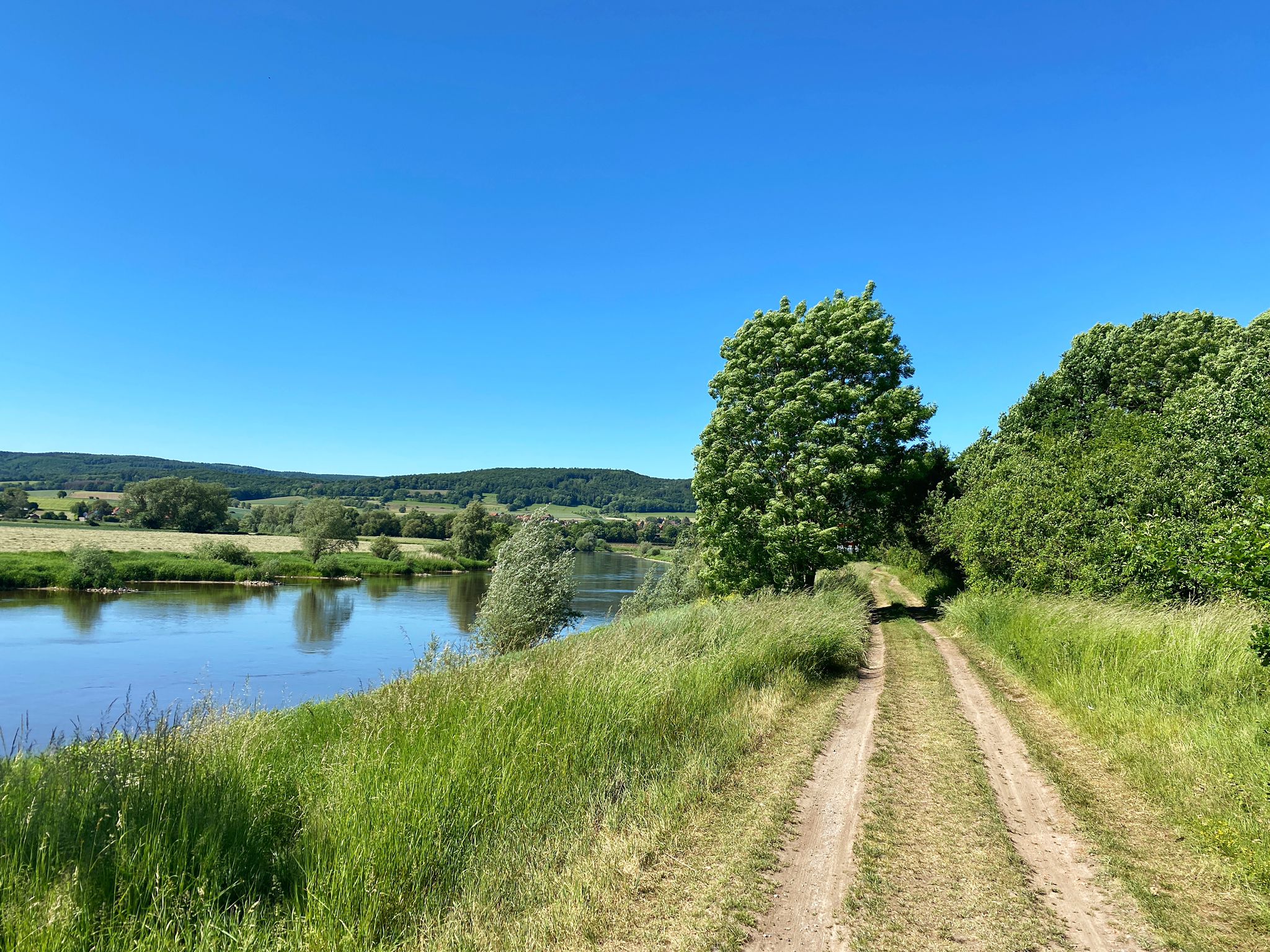
D:Route 9: Weser - Romantic Route
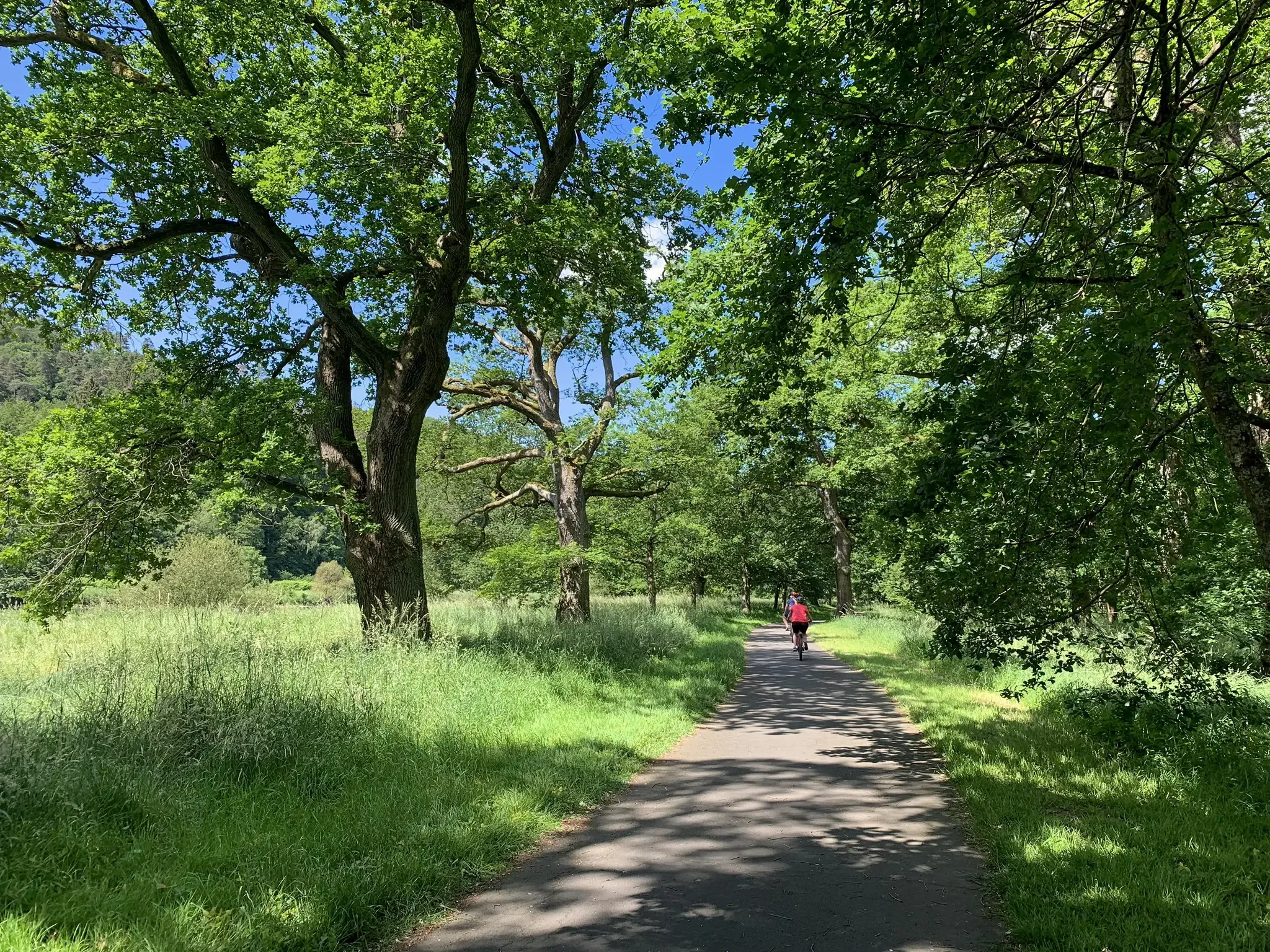
D-Route 4: Mittelland Route
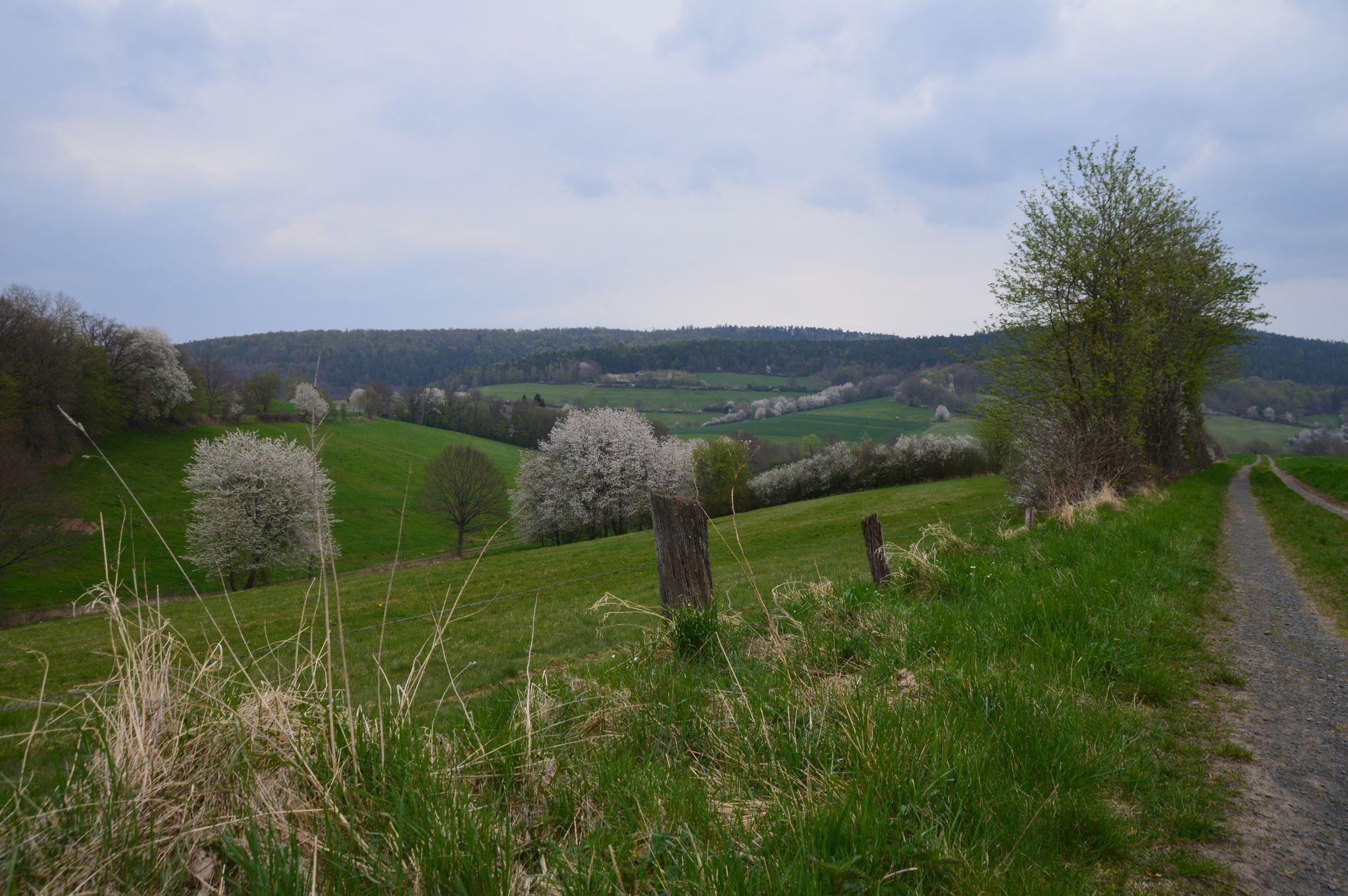
Fabelwege - Premium hiking in Knüll nature park
Extra tours North - excellent premium hiking trails of Rhön

Wintery river rides – from the Ruhr to the Elbe
Other adventures in Hersfeld-Rotenburg


Tips from the Community

The Ransbacher Senke is the largest known karst cave on Landecker.
0
0
A small collapse cave, typical for karst areas.
0
0

The Carlstollen tunnel bores over five kilometers through the mountain to below the village of Süß, reaching depths of up to 120 meters in places, and was equipped with 21 light holes (served for ventilation). The tunnels in the Richelsdorf Mountains were just 1.4 meters high and 60 centimeters wide. The entrance to the tunnel is easy to miss; it's located on the slope of the path toward the meadow!
0
0

There is a wealth of information on this topic, published in several "My Homeland" supplements of the Hersfelder Zeitung. Here are the links to three of these publications in PDF format: - November 2015; The mine near Hattenbach http://www.hersfelder-zeitung.de/bilder/2010/03/11/4602393/1497119164-2015_54_11_internet.pdf - February 2016; The mine near Hattenbach https://www.hersfelder-zeitung.de/content/hersfelder-zeitung-de/downloads/pdf/2016_55_02_internet.pdf - September 2017; The Neuer Mut mine near Hattenbach https://www.hersfelder-zeitung.de/content/hersfelder-zeitung-de/downloads/pdf/heimatland_Sep1_online2017.pdf
3
0

Inconspicuous, with the wooden gate around it, you drive past it quickly.
0
0

Since November 2020, there have again been two hibernation quarters for rare bats (Greater mouse-eared bat and Bechstein's bat) in the former mine tunnels on the Ölberg near Nentershausen. The tunnels were fitted with bat grates and can be seen very well from the path leading past. One quarter is located directly at the junction to the Bergmannspfad, the second about 100 m above (signposted in the direction of Solz).
1
0

The closed hole is the natural monument "Hilmeser Loch". The last depth measured in 2018 by the Cave Research Club Bad Hersfeld e.V. was about 20 m. Reports from the 19th century by Carl Trautvetter (first explorer) spoke of a length of 100 - 150 m. Source: S.Gress
1
0
Frequently Asked Questions
What types of caves can I explore in Hersfeld-Rotenburg?
Hersfeld-Rotenburg offers a diverse range of underground sites, including natural shaft caves, rift caves, and historical mining tunnels. These locations provide insights into both geological formations and the region's industrial past.
Which caves are important for bat conservation in the region?
Several sites are crucial for bat conservation. The Hilmeser Loch Sinkhole is a protected habitat and wintering quarter for bats. Similarly, the Bat Cave at Ölberg, Nentershausen, a former mine tunnel, serves as a vital hibernation quarter for rare species like the Greater mouse-eared bat and Bechstein's bat. The Ransbacher Senke Cave is also regionally important as a winter habitat for various bat species.
Are there any historical mining tunnels open to the public?
Yes, the Kurfürsten-Stollen Iba is an old mining tunnel with a history dating back to 1460. It is accessible for about 100 meters with illumination, allowing visitors to experience the region's mining heritage. Information boards at the entrance provide details about its history.
What geological features can I observe in the caves of Hersfeld-Rotenburg?
The region's caves showcase interesting geological formations. The Hilmeser Loch Sinkhole is a shaft cave formed by landslides in limestone. The Knots-Keller Cave, near Rotenburg an der Fulda, features a Zechstein formation, providing evidence of ancient marine environments from the Zechstein Sea.
Are the caves in Hersfeld-Rotenburg generally accessible to the public?
Public access varies by site. The Kurfürsten-Stollen Iba is accessible and illuminated for a portion of its length. Natural sites like the Hilmeser Loch Sinkhole and the Bat Cave at Ölberg, Nentershausen are natural monuments, often viewed from paths, with direct entry restricted to protect wildlife.
What outdoor activities can I combine with a visit to these caves?
You can combine cave visits with various outdoor activities. For mountain biking, explore the MTB Trails in Hersfeld-Rotenburg. If you prefer hiking, there are many Waterfall hikes in Hersfeld-Rotenburg. Gravel biking enthusiasts can find routes in the Gravel biking in Hersfeld-Rotenburg guide.
Are there any family-friendly cave experiences in the area?
The Kurfürsten-Stollen Iba is considered family-friendly. Its accessible and illuminated section, along with information boards and outdoor exhibits like mining lorries, makes it an engaging historical experience for all ages.
What is the significance of the Hasselfeld Tunnel?
The Hasselfeld Tunnel is a historical heavy spar tunnel near Süss, excavated from 1910. It served as a conveying, transport, and drainage tunnel for the Richelsdorfer Hütte. Although it was filled in and walled up in 1962, it represents an interesting part of the region's mining history.
What do visitors say about the Hilmeser Loch Sinkhole?
Visitors note that the Hilmeser Loch Sinkhole, though inconspicuous, is a significant natural monument. It's recognized as a particularly protected habitat for bats, with its burglar funnel secured by a wooden railing. The Cave Research Club Bad Hersfeld e.V. has documented and cleared it of debris multiple times.
Can I visit other historical mining sites besides Kurfürsten-Stollen Iba?
Yes, besides the Kurfürsten-Stollen Iba, you can also find the Neuer Mut Mine near Hattenbach and the Entrance of the Former Carlstollen (1720). These sites offer further glimpses into the rich mining history of the Hersfeld-Rotenburg district.
Most popular routes in Hersfeld-Rotenburg
Most popular attractions in Hersfeld-Rotenburg

Get inspired with the komoot mobile app


Didn’t find what you were looking for?
Discover more caves in Hersfeld-Rotenburg region by region:
Explore more
Extend your search for the best caves by checking out these guides of the top ones in Hersfeld-Rotenburg:
