Top 12 Caves in Werra-Meißner-Kreis
Caves in Werra-Meißner-Kreis offer diverse geological features and historical insights. This region in Germany is characterized by its natural landscapes, including volcanic formations and ancient marine deposits. The area's caves provide a glimpse into both its geological past and local folklore. Many sites are recognized as natural monuments, showcasing unique formations and ecological importance.
Best caves in Werra-Meißner-Kreis
- The most popular caves is Kitzkammer Basalt Cave, a cave that features a rock niche formed between pentagonal and polygonal basalt…
Last updated: July 24, 2026
Kitzkammer Basalt Cave
Highlight • Cave
Translated by Google •
Tip by

Wichtellöcher Caves (Abterode)
Highlight • Cave
Translated by Google •
Tip by

Sign up now to discover places like this
Get recommendations on the best single tracks, peaks, & plenty of other exciting outdoor places.
Sign up for free
Haus Halde and the Mining History of the Hoher Meißner
Highlight • Historical Site
Translated by Google •
Tip by

Knots-Keller Cave
Highlight • Cave
Here there is a Zechstein formation measuring approx. 4.50 m wide and an integrated hollow measuring approx. …
Translated by Google •
Tip by

Hohlstein Cave (Kammerbach Cave)
Highlight • Cave
Translated by Google •
Tip by

Carlsstollen
Highlight • Historical Site
Translated by Google •
Tip by

Vogelherd Cave
Highlight • Cave
The cave offers shelter and sleeping space to around 20 different species of animals all year round.
Translated by Google •
Tip by

Kirchberg Cliffs and Historic Cemetery in Berneburg
Highlight • Natural Monument
The Berneburg village community provided …
Translated by Google •
Tip by
Narrow path to the Vogelherd Cave with Goldmarie and Pechmarie
Highlight • Trail
You can avoid the paths via wide, light gravel paths (but who wants that 🙈).
Very well signposted!
Translated by Google •
Tip by
Bransroderstollen
Highlight • Historical Site
Translated by Google •
Tip by
Sign up for free to discover even more caves in Werra-Meißner-Kreis.
Sign up for free
Already have an account?
Start today with a free account
Your next adventure awaits.
Login or Signup
Popular around Werra-Meißner-Kreis
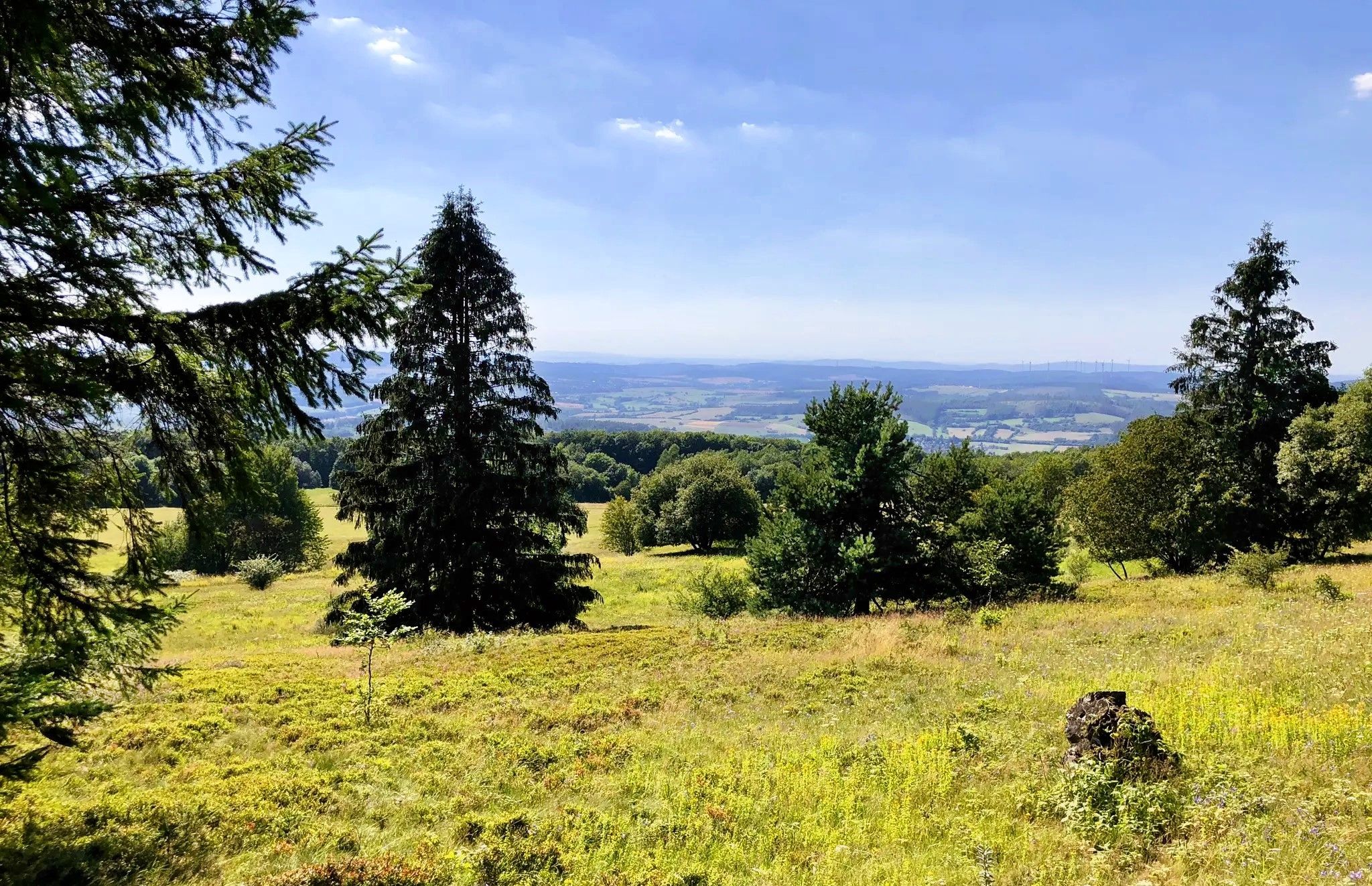
The fairytale GrimmSteig – Five-day hike in North Hesse
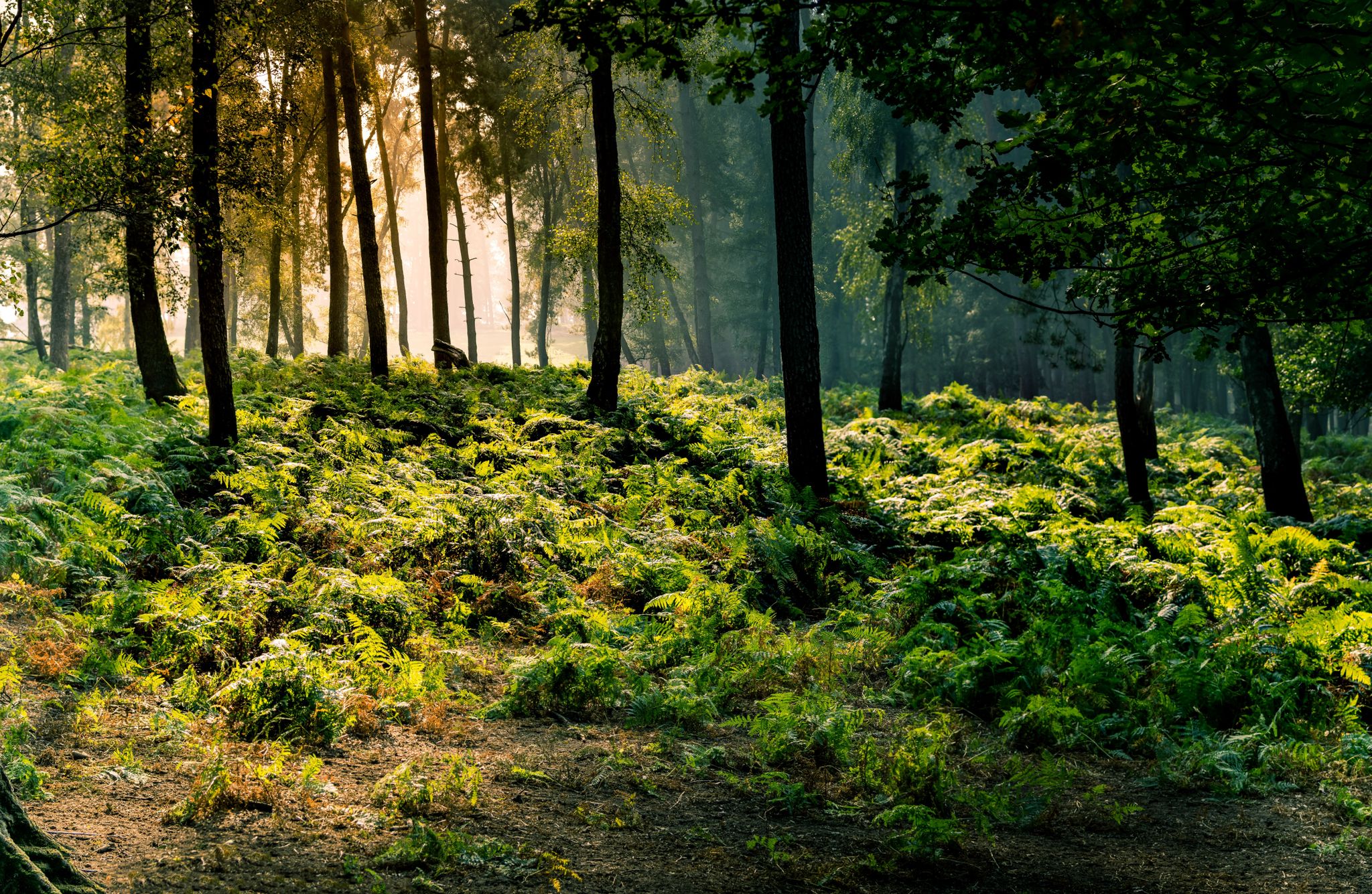
Frau Holle Trail – Nature and fairytales, eight stages
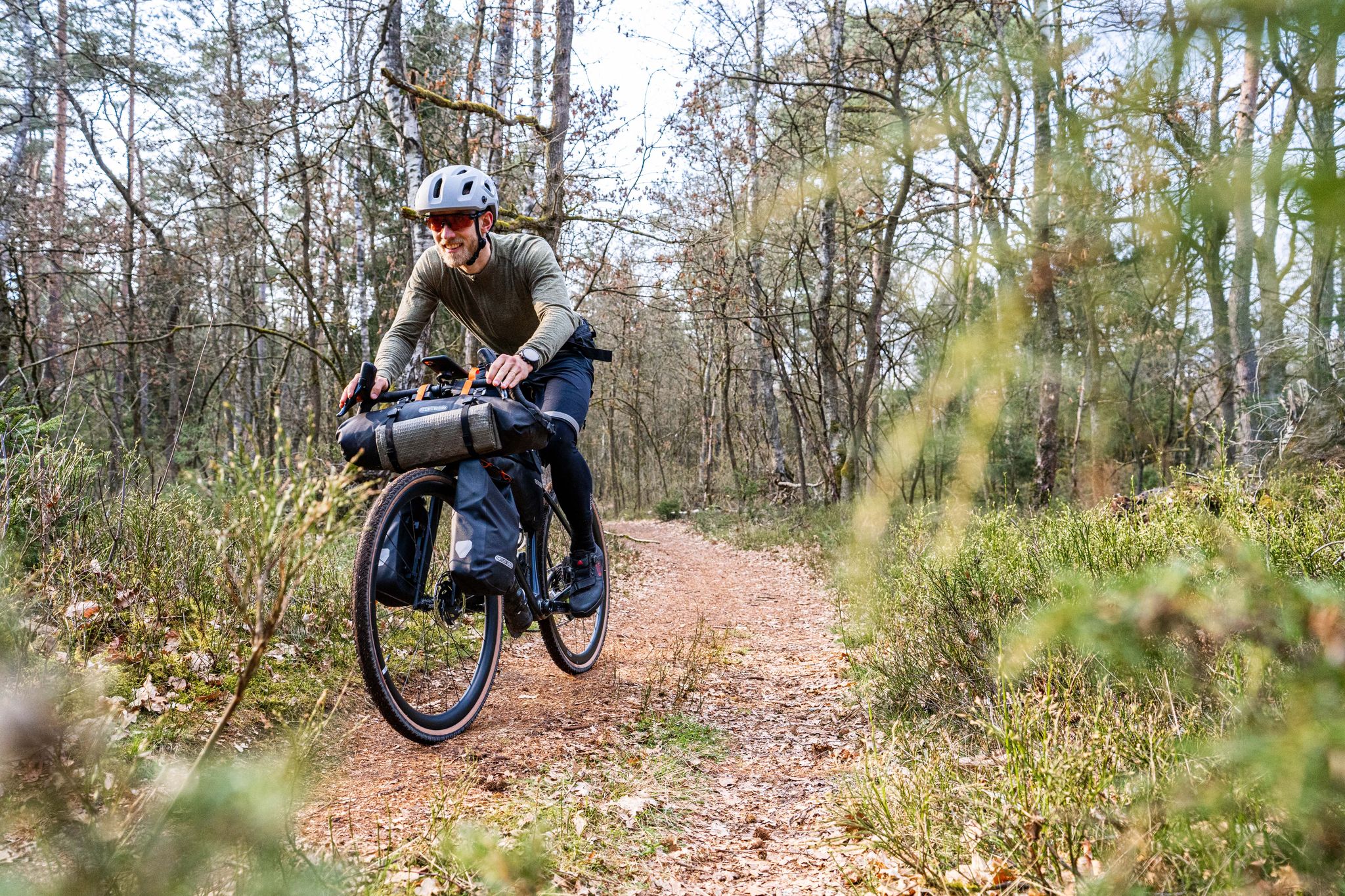
Gravel bikepacking from Hamburg to Munich
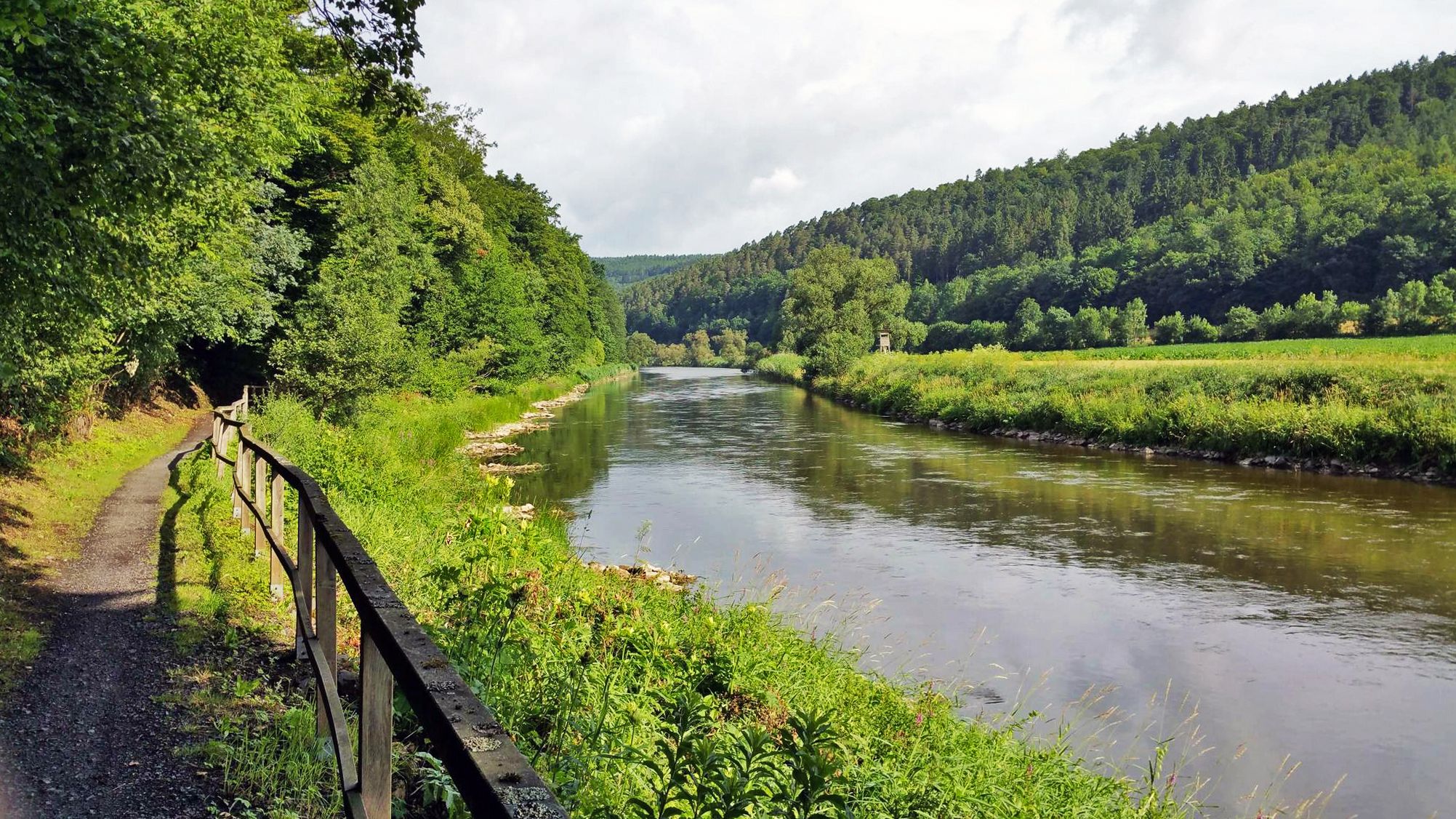
Werratal cycle path — 6 stages along the Werra to the Fulda
The National Natural Landscapes in Hessen
Autumn Hiking with a view – 7 WOW Tours between Wartburg and Hainich
Rich history and magnificent landscapes – TOP hiking trails in Eichsfeld
Travel to the Middle Ages on Germany’s Hercules-Wartburg cycle path
Wonderful Green Band
Hiking in Germany’s Kyffhäuser hills – 15 days on the Barbarossa Trail
Other adventures in Werra-Meißner-Kreis


Tips from the Community

Not much to see, but you can hear the rushing water...
0
0

The slag heap originally consisted of three houses: the still-existing, vacant "Haus Halde" from 1755 (base renewed in 1905, timber framing renewed in 1978, roof insulated in 2012), a second house that was demolished in the 1960s, and a horse stable, of which relatively little is known. The foremen lived in these houses, who oversaw mining in the Schwalbenthaler Erbstollen and the Carlsstollen and accounted for the extracted coal. The foundations of the wooden log cabin of the Eschwege Scouts (Silver Foxes) and the horse stable are still in place; the tunnels were secured in 2002. Source: https://wiki.genealogy.net/Hoher_Mei%C3%9Fner
3
0
The so-called Halde, a depression, lies 1,000 meters from the Schwalbenthal valley. The house is still preserved here. The entrance to the New Erbstollen (New Heritage Tunnel) is also located there. This drainage tunnel was excavated in 1628.
1
1

On the eastern slope of the Hohen Meißner, above the Halde house and the New Erbstollen, lies the mouth of the Carlsstollen, which was opened in 1630. A channel was used to drain the mine water, which led from the mouth of the tunnel to a cascade-shaped structure, the former "Schwalbenthal waterfall". Lignite was mined in both tunnels until 1888.
0
0
The portal of the brown coal tunnel in Bransrode was uncovered and restored in 2008. Coal was mined here until 1929. In 1923, around 200 miners were employed, producing a maximum annual output of around 95,000 tons of brown coal. https://wiki.genealogy.net/Bransrode
1
0

In 1622, the first mining in the Bransroder area took place with the excavation of the "Alte Häuser Stollen", which was in operation until 1700. As a replacement for this, the excavation of the "Bransroder Stollen" began in 1696, but was finally stopped in 1929. The tunnel portal, which had been buried in the meantime, was uncovered, secured and restored in 2008. The building is now a listed building and is home to bats in winter.
1
0

According to legend, Mother Holle imprisoned young girls here and turned them into kittens.
11
1
A little off the P23 hiking trail, but the short detour is worth it. An information board explains the formation and legends surrounding the limestone caves.
0
1
Frequently Asked Questions
What unique geological features can I find in the caves of Werra-Meißner-Kreis?
The region's caves showcase diverse geological formations. For instance, the Kitzkammer Basalt Cave features impressive pentagonal and polygonal basalt columns formed from ancient lava flows. The Knots-Keller Cave reveals Zechstein formations, offering a glimpse into marine deposits from the prehistoric Zechstein Sea. You can also explore limestone crevices at the Wichtellöcher Caves (Abterode).
Are there any family-friendly caves to visit in Werra-Meißner-Kreis?
Yes, the Wichtellöcher Caves (Abterode) are considered family-friendly, offering an imaginative experience with local legends of gnomes. The Fairy Grotto near Herleshausen, with its waterfall, also provides an engaging visit for families, though surefootedness is required to reach its second floor.
What historical or legendary connections do the caves in Werra-Meißner-Kreis have?
Many caves in the region are steeped in local folklore. The Kitzkammer Basalt Cave is linked to the 'Mother Holle' fairy tale. The Wichtellöcher Caves (Abterode) are associated with legends of helpful gnomes. Additionally, sites like Haus Halde and the Mining History of the Hoher Meißner and the Carlsstollen offer insights into the region's lignite mining history.
Which caves are currently accessible for exploration in the Werra-Meißner-Kreis?
While some caves like Hohlstein Cave are currently inaccessible due to collapse risk, you can explore the Kitzkammer Basalt Cave, the Wichtellöcher Caves (Abterode), and the Knots-Keller Cave. The Vogelherd Cave also offers an adventurous approach through narrow forest paths.
What outdoor activities can I do near the caves in Werra-Meißner-Kreis?
The Werra-Meißner-Kreis offers various outdoor activities. You can find numerous running trails, such as the 'Metal Dock at Werratalsee loop from Grebendorf', or explore MTB trails like the 'Historic Lime Kiln on the Gobert – View of Schloss Rothestein loop from Eschwege'. Gravel biking is also popular, with routes like the 'Riverside Path Along the Werra – Last Heller Weir loop from Hubenrode'. For more details, visit the Running Trails, MTB Trails, and Gravel Biking guides for the region.
Are there any caves in Werra-Meißner-Kreis that are natural monuments?
Yes, several caves in the region are recognized as natural monuments. These include the Kitzkammer Basalt Cave, the Wichtellöcher Caves (Abterode), the Knots-Keller Cave, and the Hohlstein Cave (Kammerbach Cave).
What should I wear when visiting caves in Werra-Meißner-Kreis?
When visiting caves, it's advisable to wear sturdy footwear, as paths can be uneven or slippery, especially in winter. Layered clothing is also recommended, as cave temperatures can be cooler than outside. For adventurous approaches like the Vogelherd Cave, be prepared for narrow forest paths and potentially steep sections.
Can I find circular walks that include caves in Werra-Meißner-Kreis?
Yes, many trails in the region incorporate natural sights, including caves. For example, the 'Narrow path to the Vogelherd Cave with Goldmarie and Pechmarie' is a trail that leads to a cave. You can explore various hiking and walking routes in the region that pass by or lead directly to these geological features.
What is the Elias Cave like?
The Elias Cave, located between Sängerwiese and Wartburg, is described as a small fissure cave. It offers a more intimate and less explored experience compared to some of the larger, more well-known caves in the Werra-Meißner-Kreis.
Are there any caves in the region related to mining history?
Yes, the region has a rich mining history. The Carlsstollen is a historical site that was originally built as a weather tunnel for lignite mining and later used for coal extraction. Another related site is the Bransroderstollen, which also reflects the area's mining heritage.
What do visitors enjoy most about the caves in Werra-Meißner-Kreis?
Visitors particularly enjoy the unique geological formations, such as the basalt columns of the Kitzkammer Basalt Cave, and the rich folklore associated with sites like the Wichtellöcher Caves (Abterode). The blend of natural beauty and historical context, along with the adventurous trails leading to some caves, are frequently highlighted.
Is the Hohlstein Cave (Kammerbach Cave) open to the public?
The Hohlstein Cave (Kammerbach Cave), while significant as one of Hesse's largest caves and a natural monument, is currently inaccessible due to a collapse risk. It is also an important habitat for a bat colony.
Most popular routes in Werra-Meißner-Kreis
Most popular attractions in Werra-Meißner-Kreis

Get inspired with the komoot mobile app


Didn’t find what you were looking for?
Discover more caves in Werra-Meißner-Kreis region by region:
Explore more
Extend your search for the best caves by checking out these guides of the top ones in Werra-Meißner-Kreis:
