Top 5 Caves in Landkreis Erlangen-Höchstadt
Caves in Landkreis Erlangen-Höchstadt offer access to a world of underground formations within the Franconian Switzerland region. This area is characterized by its karst landscape, which has led to the development of numerous caves and geological features. While many prominent show caves are located in neighboring districts, they are easily accessible from Erlangen-Höchstadt and contribute to the region's natural appeal. The district itself features a variety of natural and historical cave sites.
Best caves in Landkreis Erlangen-Höchstadt
- The most popular…
Last updated: May 15, 2026
Blueberry Cave
Highlight • Cave
Translated by Google •
Tip by

Jungferla Keller
Highlight • Cave
Translated by Google •
Tip by

Sign up now to discover places like this
Get recommendations on the best single tracks, peaks, & plenty of other exciting outdoor places.
Sign up for free
Felsenkeller Sauer in Röttenbach
Highlight • Historical Site
An unusual feature of the 65 meter long cellar is a centrally located, eight meter high ice cellar. Ice floes …
Translated by Google •
Tip by

Kleinseebach Sandstone Cellars
Highlight • Cave
The two upper cellars have a connecting corridor, …
Translated by Google •
Tip by
Start today with a free account
Your next adventure awaits.
Login or Signup
Popular around Landkreis Erlangen-Höchstadt
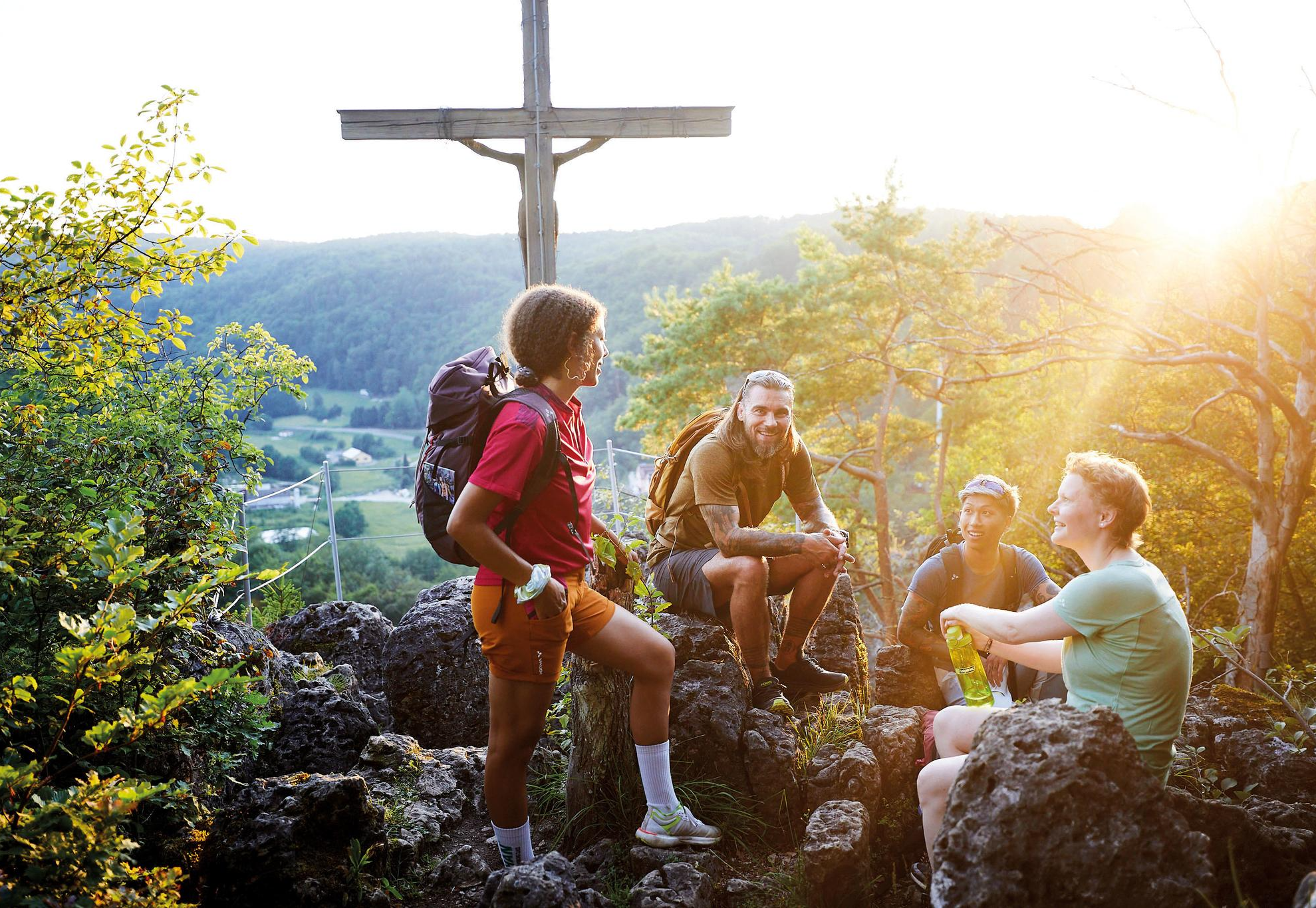
City, country, lake – VGN leisure tips 2025
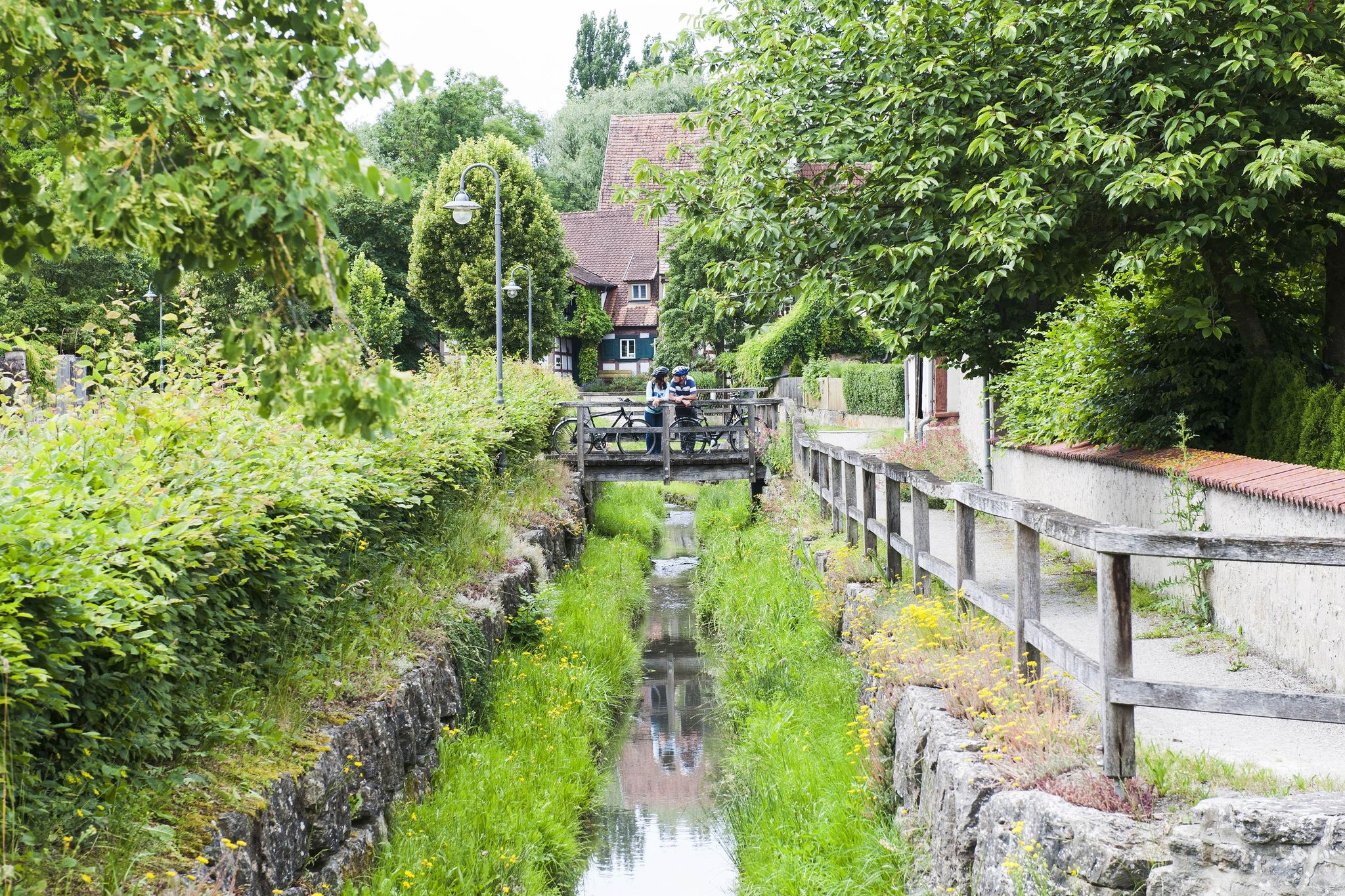
Fun, nature and culture – discover Franconia by bike
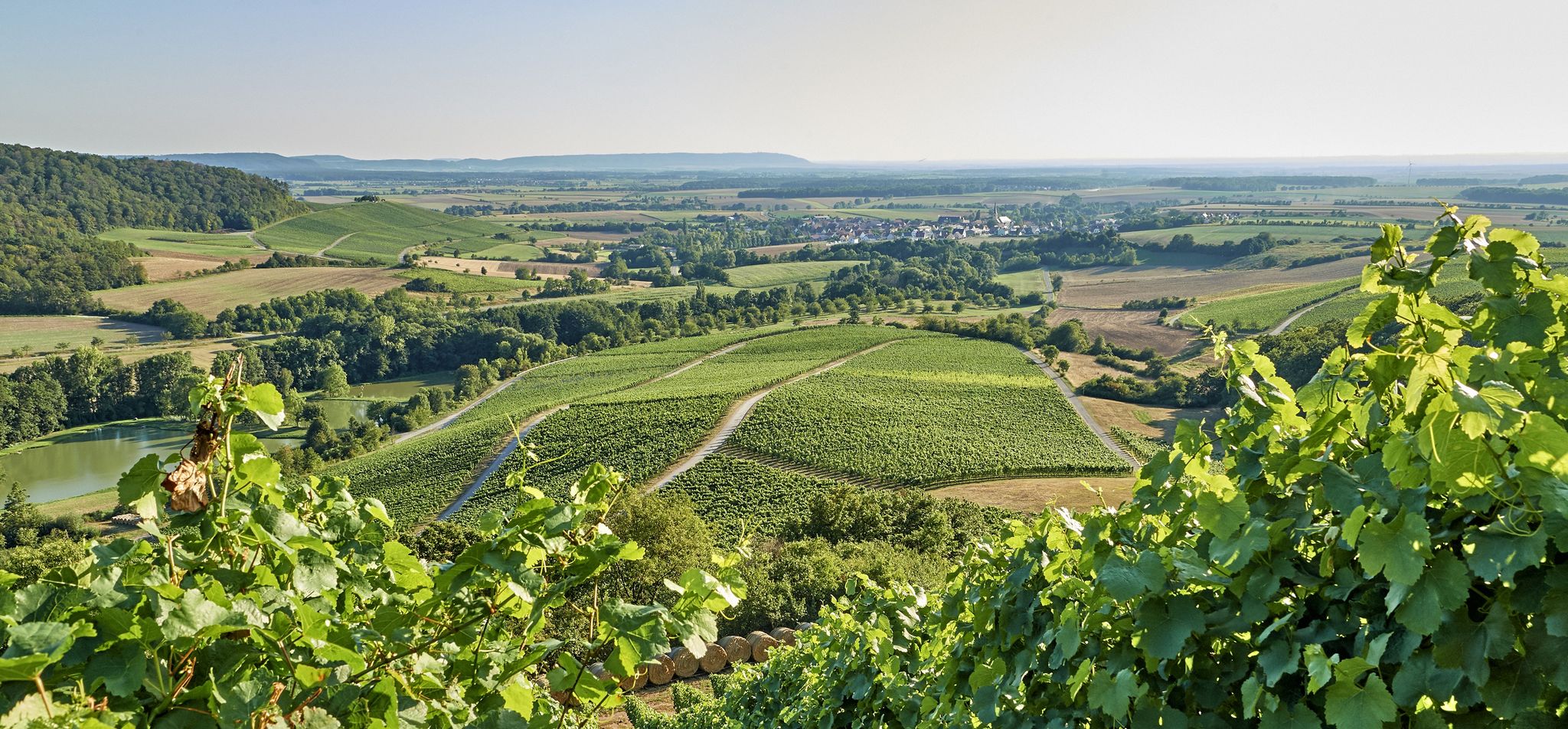
Vineyards, forests and ponds – cycling in the Steigerwald in Germany
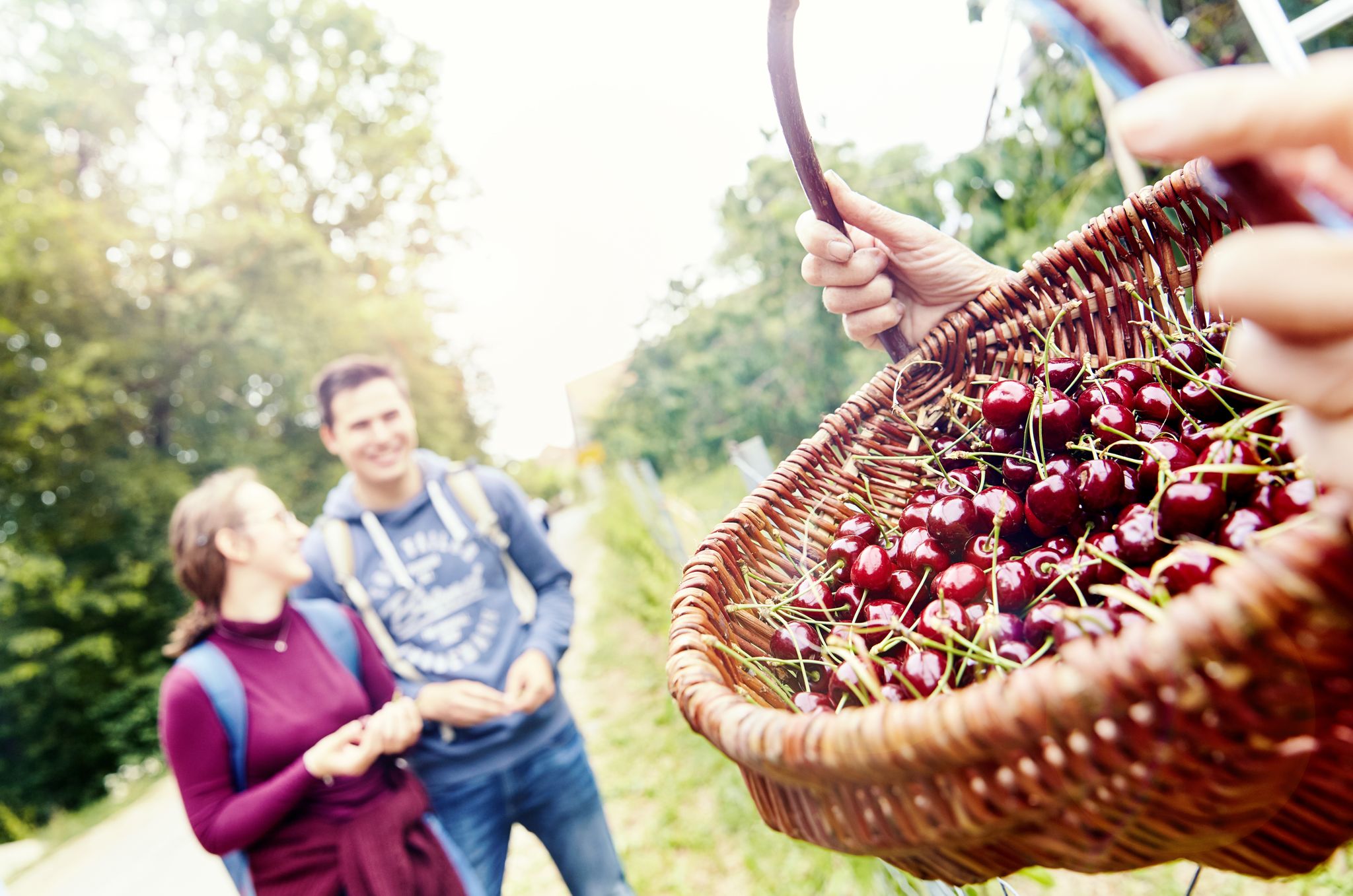
Culinary delights on the road – VGN Pleasure Tours
Ponds, woods and hills – the VGN recreational activities
On the Aisch valley cycle path 3 days through Franconia
The most beautiful swimming lakes around Nuremberg
Hiking in Landkreis Erlangen-Höchstadt
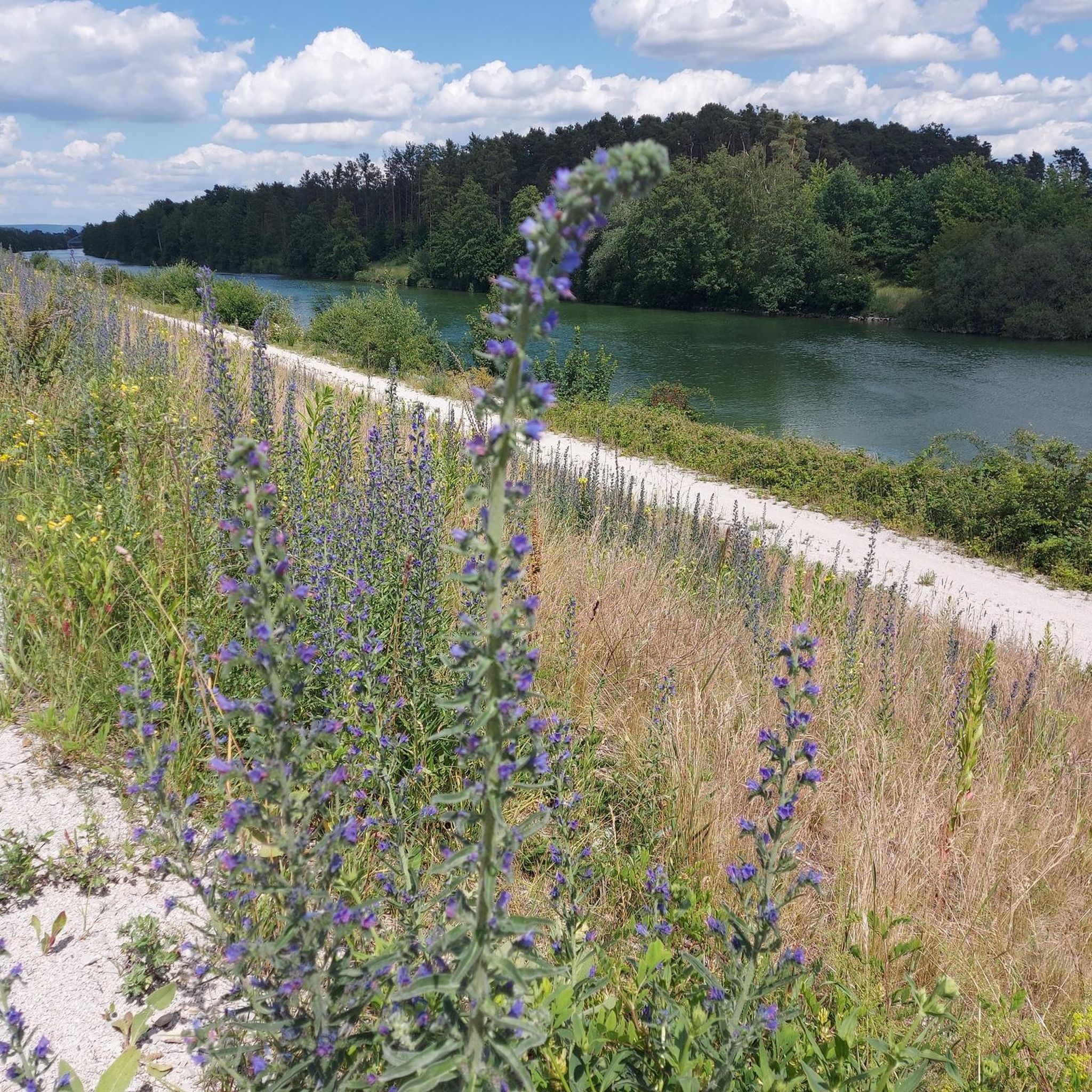
Cycling in Landkreis Erlangen-Höchstadt
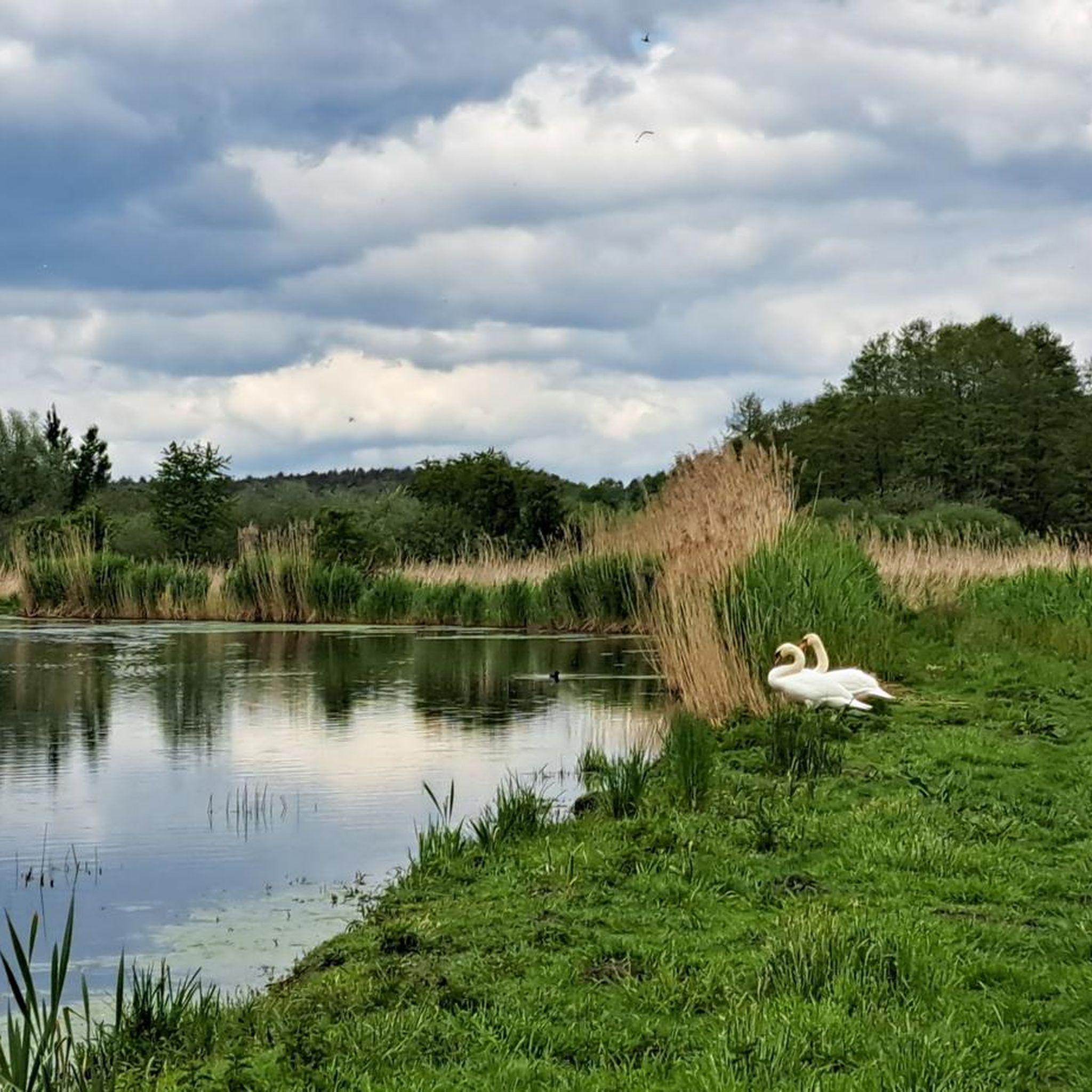
Road Cycling Routes in Landkreis Erlangen-Höchstadt
Other adventures in Landkreis Erlangen-Höchstadt


Tips from the Community

The "Jungferla Spring" originates in this 85-meter-long, multi-branched sandstone cellar. In the 1960s, the entrance to the sandstone cellar was bricked up and overgrown for safety reasons. It was thus no longer visible, but it wasn't entirely forgotten by the residents of Baiersdorf. In 2006, the water in the renovated Jungferla Fountain dried up shortly before its inauguration. This prompted the decision to search for the spring's source in the buried sandstone cellar. After extensive excavation, the former cellar entrance was found bricked up. On December 5, 2006, the cellar was entered again for the first time. Its condition was so good that the local history society, with the support of sponsors and local businesses, renovated and restored it, redesigning the entrance area. On May 25, 2008, the cellar was reopened to the public with the first "Jungferla Cellar Festival." Due to popular demand, a "cellar festival" is now held every year on Ascension Day. Sandstone or rock cellars have a long tradition in Franconia. They were used primarily for storing beer, wine, and agricultural products. Without additional cooling, the cellars maintain a constant temperature of around 8°C year-round. Because beer was stored in the cellars, a tavern was often built nearby, usually above or in front of them – which is why even today in Franconia people still go "to the cellar" rather than to a beer garden. The cellars consist of passages of varying lengths and sizes, hewn into hillsides. The cellar is closed off with a gate. {Source: Information panel on site]
0
0

These cellars probably date back to the mid-19th century and served a brewery as a cold storage facility, among other things. Festivals usually take place at this location in July. https://www.moehrendorf.de/freizeit/sehenswertes/sehenswuerdigkeiten/felsenkeller
0
0

Interesting sandstone formations, small cave
1
0

The map says Blueberry Cave! Consists of sandstone.
0
0

Unfortunately, the former Sauer Keller is no longer in use. An unusual feature of the 65 meter long cellar is a centrally located, eight meter high ice cellar. Ice floes used to be fetched from nearby ponds with wagons and thrown down through the air shafts into the cellar, where they were spread and piled up. These then slowly melted and the water seeped away. In this way, temperatures of around 8 degrees, which are ideal for storing bottom-fermented beer, could be guaranteed in the entire cellar even during the summer.
2
0

Small caves in the sandstone. Gorgeous place, has something mystical about it. 😉
0
0

Old storage cellar in the sandstone
0
0

It's amazing what nature has created here
0
1
Frequently Asked Questions
What types of caves can I explore in Landkreis Erlangen-Höchstadt?
Landkreis Erlangen-Höchstadt offers a mix of natural caves, historical cellars, and sandstone formations. These include geological features like the Blueberry Cave with its interesting sandstone formations, and man-made underground structures such as the Jungferla Keller and Felsenkeller Sauer in Röttenbach, which served historical purposes like beer storage.
Are there historical caves or cellars to visit in the region?
Yes, the region is rich in historical underground sites. The Jungferla Keller is a historical site known for a spring and a traditional basement festival. Another notable historical site is Felsenkeller Sauer in Röttenbach, a 65-meter-long cellar featuring an 8-meter-high ice cellar historically used for beer storage. The Kleinseebach Sandstone Cellars are an extensive complex used for storing produce and as an air-raid shelter during WWII, with some parts open for visits during the Hohlfest.
What are some impressive stalactite caves accessible from Landkreis Erlangen-Höchstadt?
While technically in neighboring districts, several impressive stalactite caves are easily accessible. The Devil's Cave (Teufelshöhle) in Pottenstein is one of Germany's largest, known for its rich stalactite decorations like 'The Tree' and the 'Giant Goliath,' and features a large Barbarossa Dome. The Bing Cave (Binghöhle) near Streitberg is another 'stalactite gallery cave' with diverse formations, including translucent sinter plumes and slender white candle stalagmites.
Are there family-friendly caves or activities suitable for children?
Many show caves in the broader Franconian Switzerland region offer guided tours that can be engaging for families. For instance, the Devil's Cave (Teufelshöhle) in Pottenstein offers guided tours, often with music and light shows, which can be captivating for children. The Bing Cave (Binghöhle) also provides informative guided tours. For local historical experiences, the Kleinseebach Sandstone Cellars are partially open during the annual Hohlfest, offering a unique cultural insight.
Which caves offer good accessibility for visitors with mobility considerations?
The Bing Cave (Binghöhle) near Streitberg is notable for its accessibility, with about half of its 450-meter length accessible, including for wheelchair users. While the Devil's Cave (Teufelshöhle) has easily accessible paths for its 800-meter tour, some parts include stairs and tight passageways, which might be challenging for individuals with significant mobility issues or strollers.
Can I bring my dog to the caves?
Dogs are permitted in the Devil's Cave (Teufelshöhle) in Pottenstein, making it a good option if you're exploring with your canine companion. For other caves, it's advisable to check specific regulations beforehand.
What unique geological formations can be found in the caves of this region?
The region's karst landscape has created diverse formations. The Blueberry Cave features interesting sandstone formations. The Devil's Cave (Teufelshöhle) is famous for massive stalactites and stalagmites, including 'The Tree' and the 'Giant Goliath,' and houses a cave bear skeleton. The Bing Cave (Binghöhle) showcases translucent sinter plumes, water-filled sinter pools, and eccentriques. The Riesenburg Collapse Cave (Verstürzhöhle Riesenburg) is an impressive natural formation sculpted from limestone.
Are there any caves with historical or cultural significance beyond natural formations?
Absolutely. The Jungferla Keller is a historical site associated with local legends and an annual basement festival. The Felsenkeller Sauer in Röttenbach and the Kleinseebach Sandstone Cellars are significant for their historical use in food and beer storage, and the latter also served as an air-raid shelter during WWII.
What outdoor activities can I combine with a visit to the caves?
The region offers various outdoor activities. Near the Bing Cave, you can combine your visit with a hike along a cascade waterfall to the Streitberg castle ruins. The Sophien Cave is part of a panoramic trail from Rabenstein Castle through the Ailsbach Valley. For more general outdoor exploration, you can find easy hikes, cycling routes, and even mountain hikes throughout Landkreis Erlangen-Höchstadt.
What is the best time to visit the caves in Landkreis Erlangen-Höchstadt and Franconian Switzerland?
Caves generally maintain a cool, consistent temperature year-round, making them suitable for visits in any season. The cool, humid air in caves like the Devil's Cave is even noted for potential healing effects on respiratory issues. While the caves themselves are accessible, consider the weather for any outdoor activities you plan to combine with your visit, such as hiking to castle ruins or along panoramic trails.
Are there any less crowded or more natural cave experiences available?
For a more natural and less developed experience, you might consider the Oswald Cave (Oswaldhöhle) near Muggendorf or the Quackenschloss near Engelhardsberg, which is a cave ruin safely accessible from one side. The Riesenburg Collapse Cave (Verstürzhöhle Riesenburg) also offers an impressive natural formation with many steps, providing a different kind of exploration compared to the more commercial show caves.
What should I bring when visiting caves in the region?
Even in summer, caves are cool, so bringing a light jacket or sweater is recommended. Comfortable walking shoes are essential, especially for caves with uneven paths or stairs. If you plan to visit less developed caves or combine your trip with hiking, consider appropriate outdoor gear and water. For show caves, guided tours are common, so you typically won't need specialized caving equipment.
Most popular routes in Landkreis Erlangen-Höchstadt
Most popular attractions in Landkreis Erlangen-Höchstadt

Get inspired with the komoot mobile app


Didn’t find what you were looking for?
Discover more caves in Landkreis Erlangen-Höchstadt region by region:
Explore more
Extend your search for the best caves by checking out these guides of the top ones in Landkreis Erlangen-Höchstadt:
