Top 20 Caves in Landkreis Saalfeld-Rudolstadt
Best caves in Landkreis Saalfeld-Rudolstadt offers a diverse landscape in Thuringia, characterized by its river valleys and forested hills. The region is known for its geological formations, including numerous caves that have formed over centuries. These underground sites provide insights into both natural history and past mining activities. The area combines natural exploration with historical context, making it a destination for those interested in geology and regional heritage.
Best caves in Landkreis Saalfeld-Rudolstadt
- The most popular caves is Saalfeld Fairy…
Last updated: October 14, 2026
Saalfeld Fairy Grottoes
Highlight • Cave
Translated by Google •
Tip by

Fourteen Pillars Cave
Highlight • Cave
Translated by Google •
Tip by

Sign up now to discover places like this
Get recommendations on the best single tracks, peaks, & plenty of other exciting outdoor places.
Devil's Bridge on the Gleitsch
Highlight • Natural Monument
Translated by Google •
Tip by

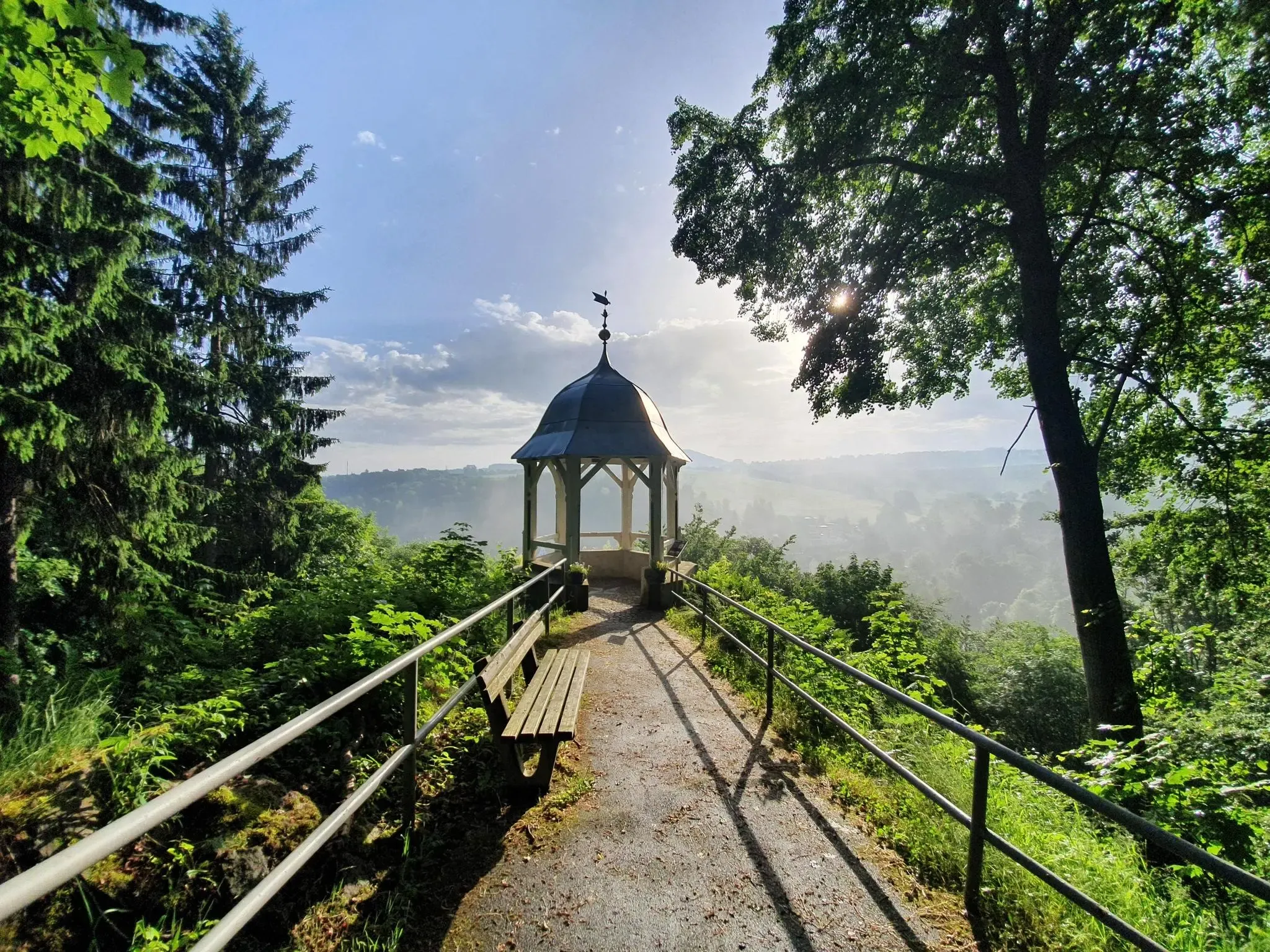
Güldene Kirche
Highlight • Viewpoint
A granite crest on the Steinberg, in which an ancient tunnel is located, was once dug for gold, is called the "Güldene Church".
A boy …
Translated by Google •
Tip by

Trailwerk Underground Kamsdorf
Highlight • Cave
trailwerk.bike/unterwelten-mtb
Translated by Google •
Tip by

Rentschenbruch Slate Quarry
Highlight • Cave
Translated by Google •
Tip by

Old Slate Mine Entrance
Highlight • Cave
Translated by Google •
Tip by

U-Verlagerung Meerschaum Cave
Highlight • Cave
Object data:
from October 1944 driving in Buntsandstein (code name Meerschaum)
planned 11 production tunnels, each 500 m long and 30000 m2 usable area, access via 2 tunnels
Translated by Google •
Tip by
Seven Pillars Cave
Highlight • Cave
Translated by Google •
Tip by

U-Verlagerung Anke Underground Facility
Highlight • Cave
Translated by Google •
Tip by
Sign up for free to discover even more caves in Landkreis Saalfeld-Rudolstadt.
Already have an account?
Start today with a free account
Your next adventure awaits.
Popular around Landkreis Saalfeld-Rudolstadt
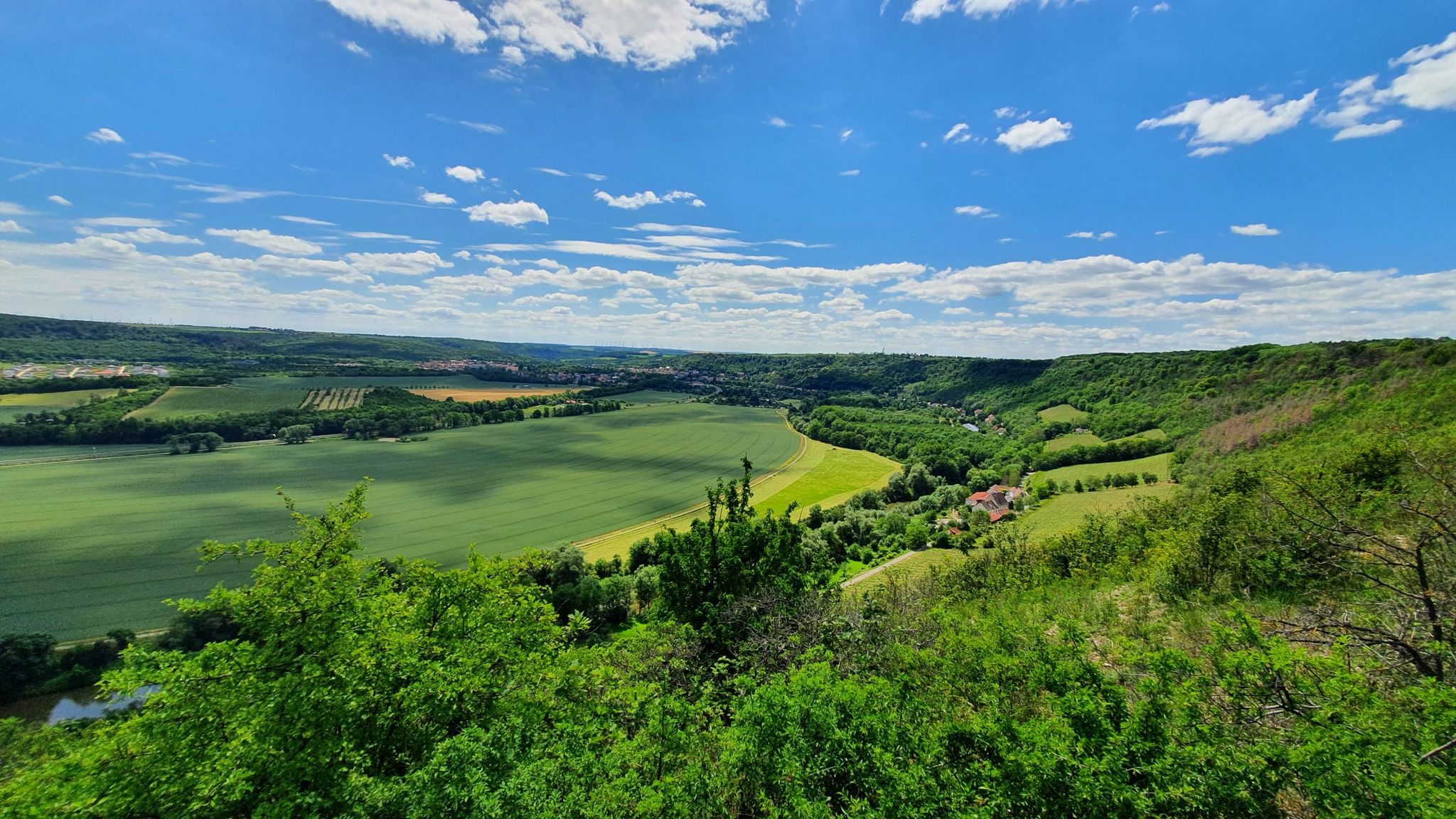
Feengrotten Kyffhäuserweg – Hike Germany's trail
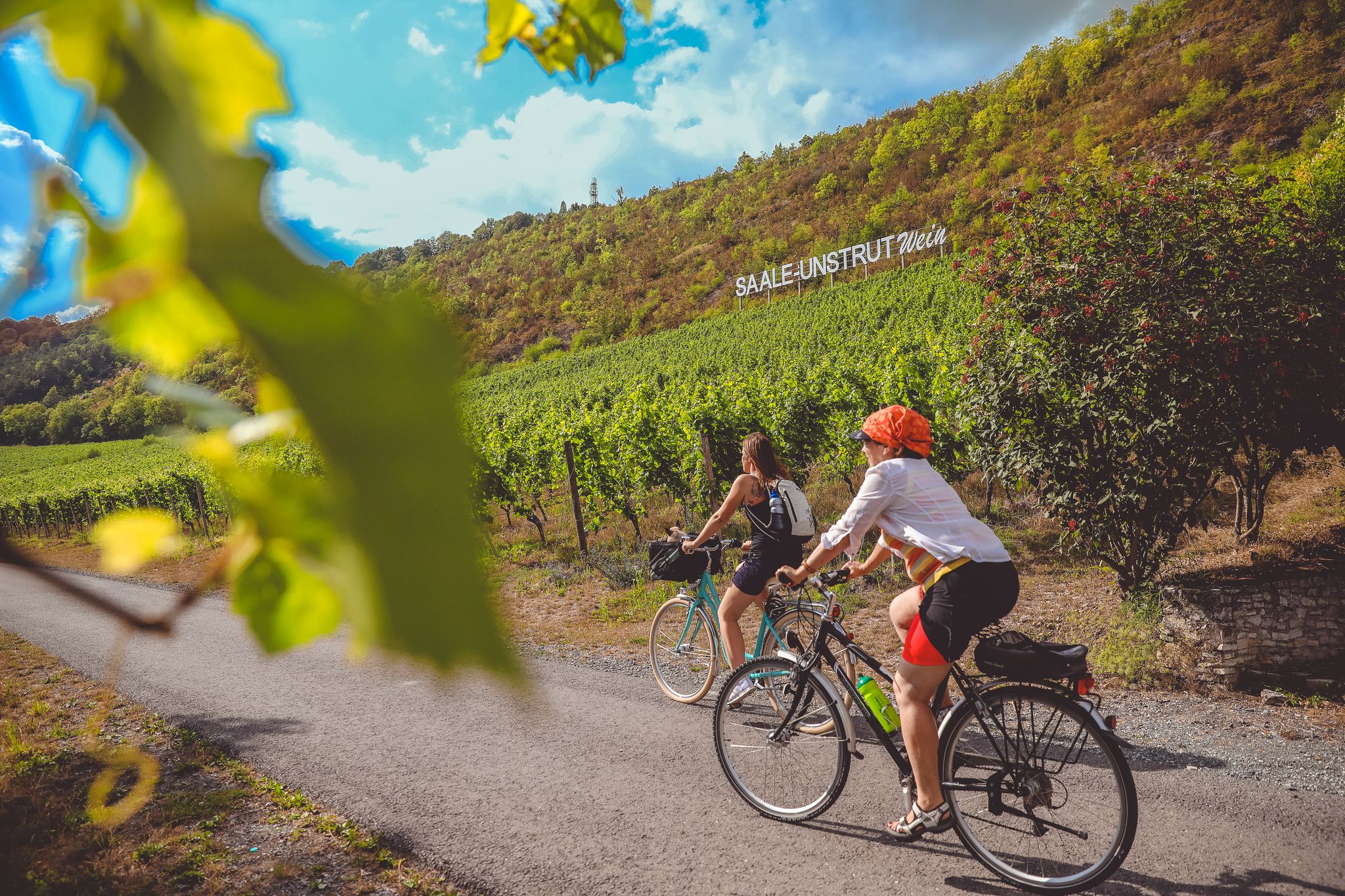
Saale Cycle Path part 2 – culture and nature along the river

Around Thuringia — 7 stages through Germany's green heart
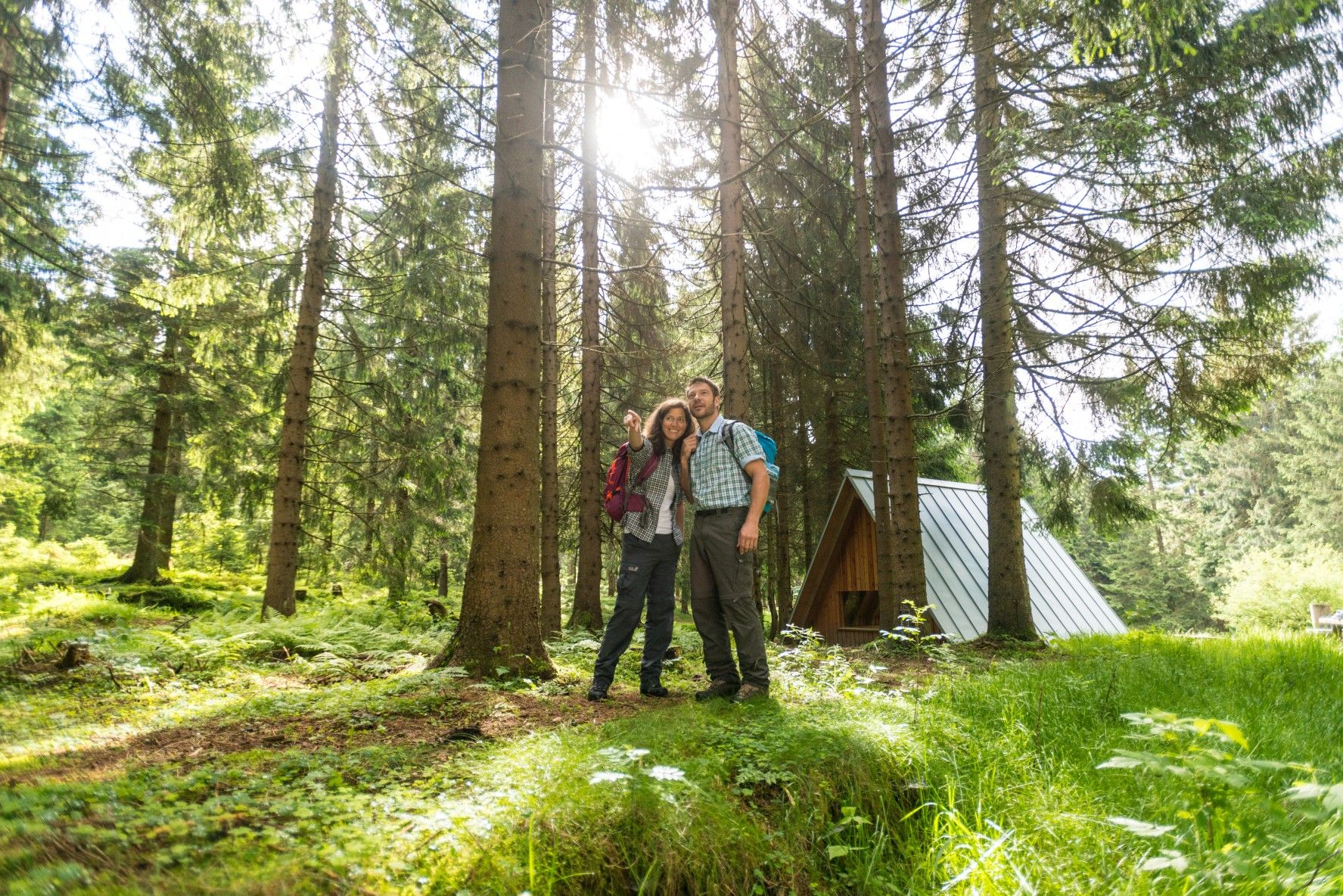
The Rennsteig — Thuringia's most beautiful hiking route
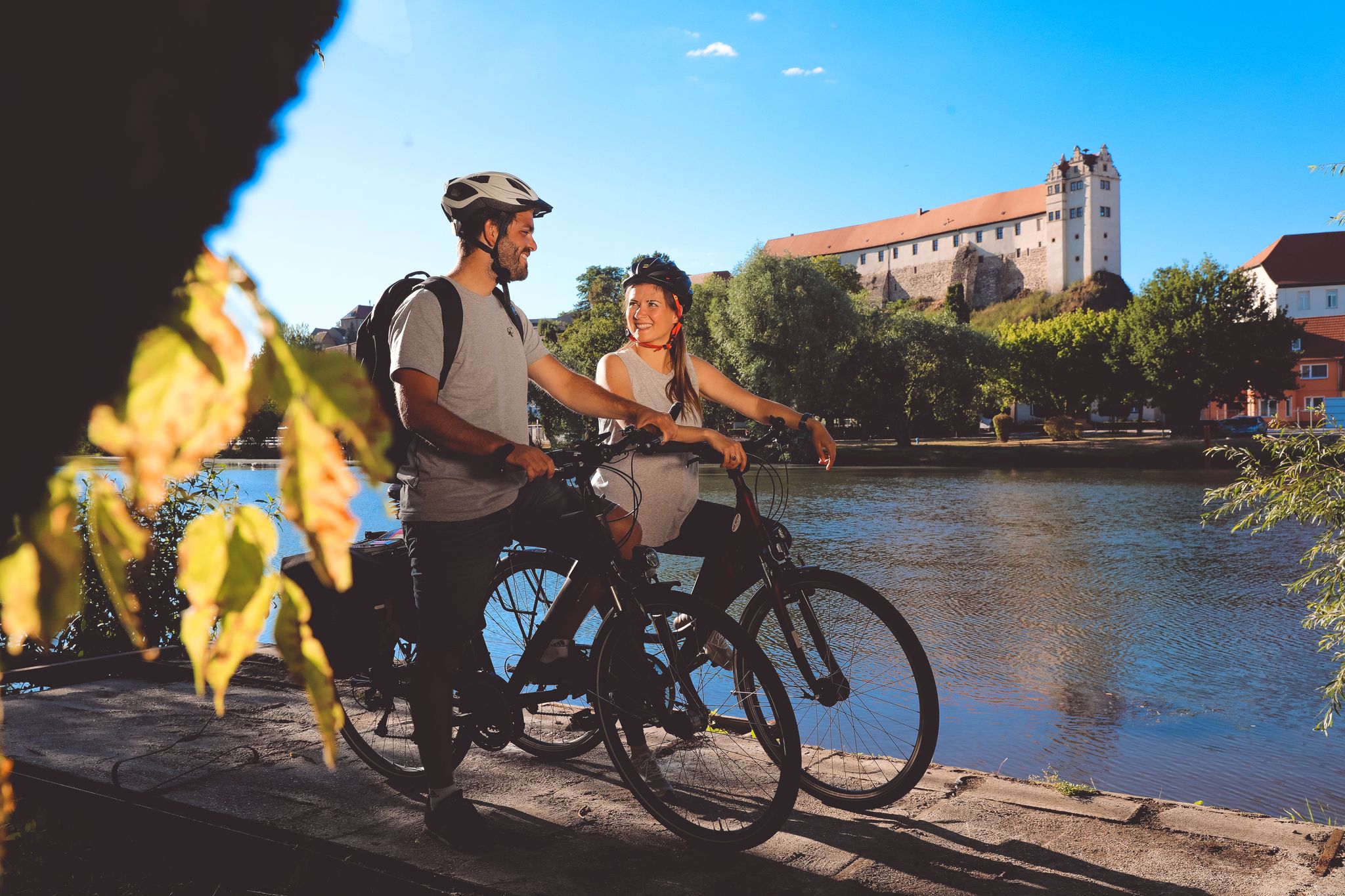
Saale Cycle Path — 9 stages from the source of the Saale to the Elbe
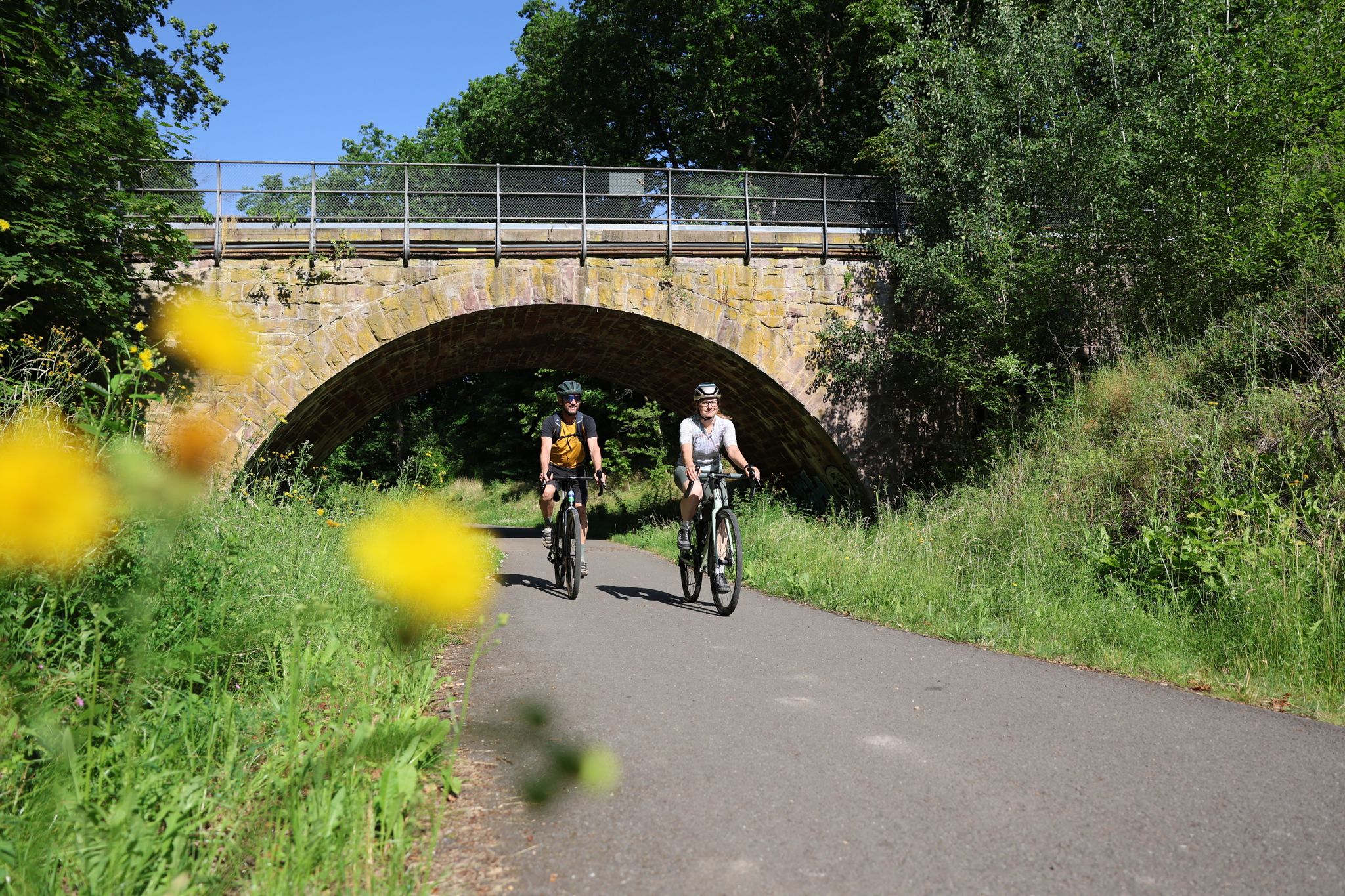
Gravel adventures in the Thuringian Forest
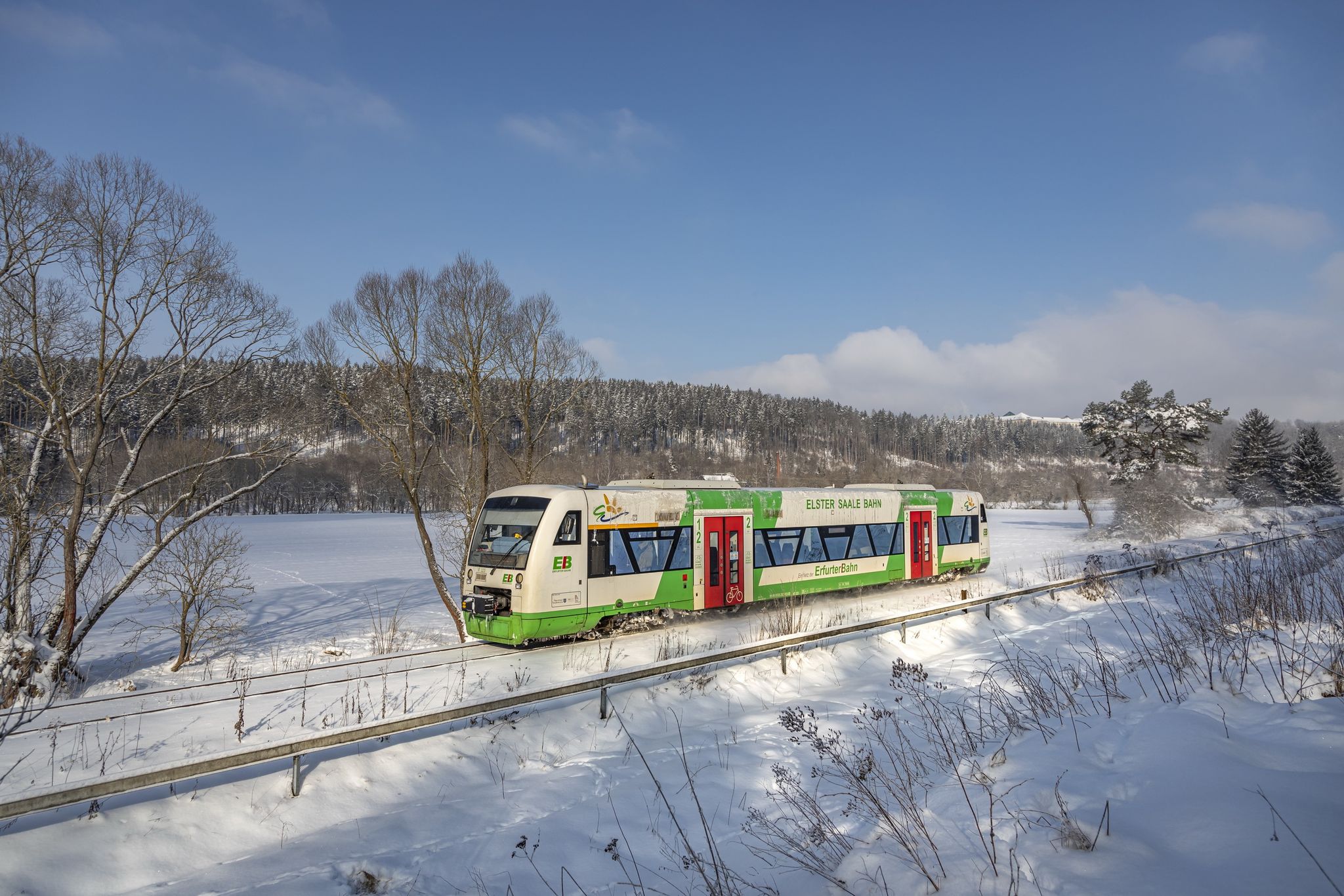
Discover Thuringia – winter hiking with the Erfurter Bahn
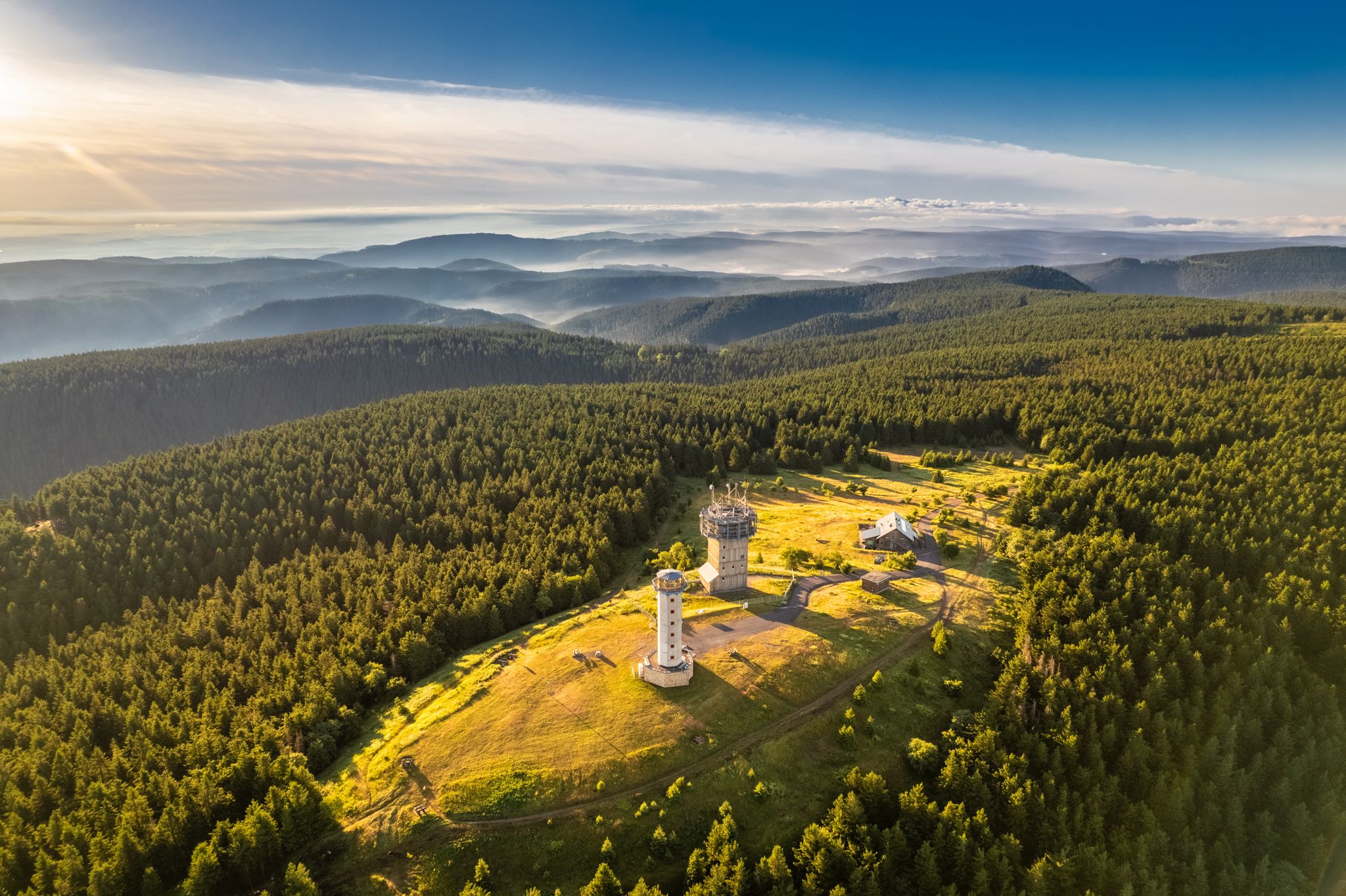
Forest, vastness and water – day trips in the Thuringian Forest
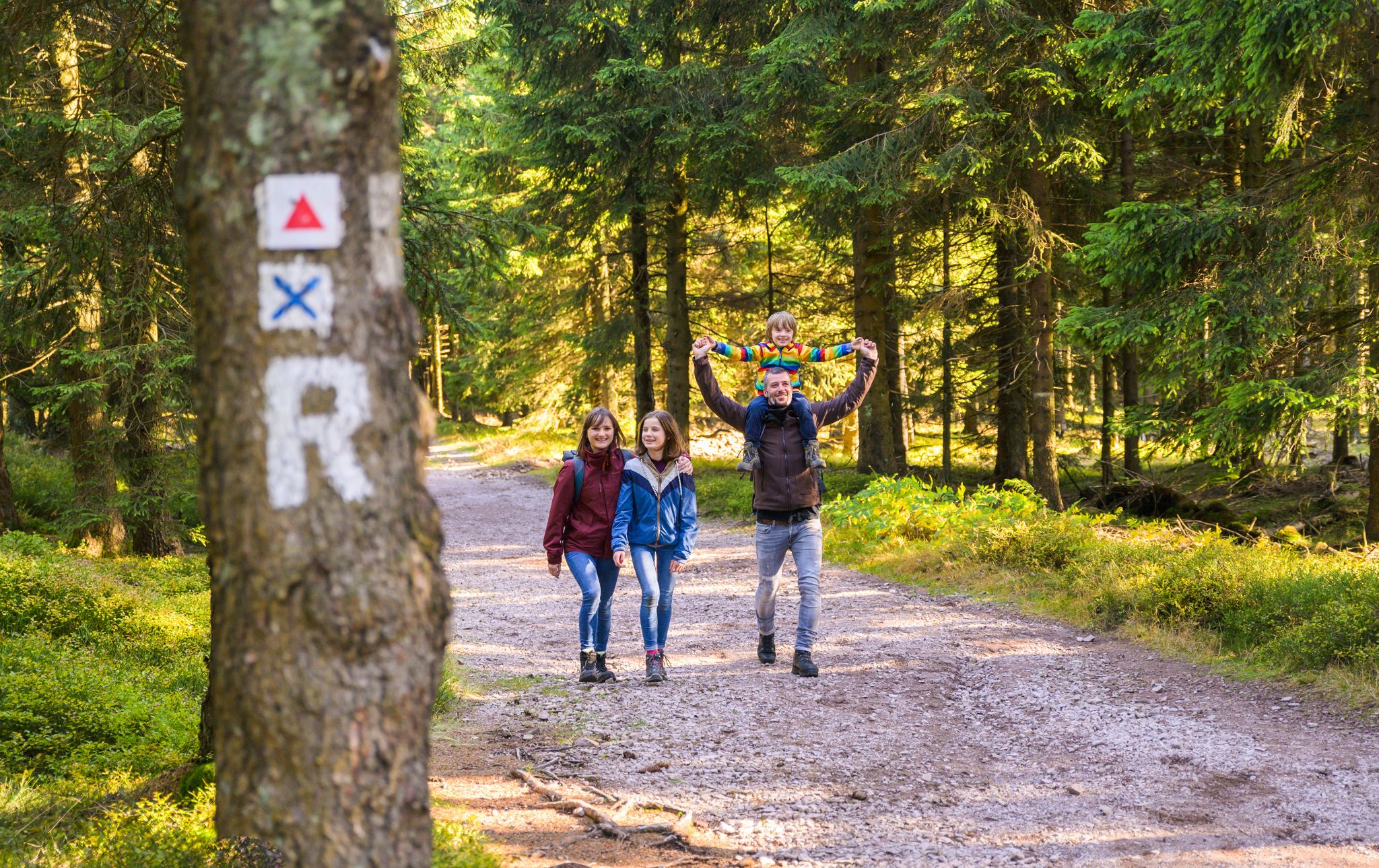
Play, nature and good fun – family hikes in the Thuringian Forest
#GoFurther – discover the views of Germany!
Other adventures in Landkreis Saalfeld-Rudolstadt


Tips from the Community

Watch out for the draft! As soon as too many particles are visible in the flashlight, turn back!
0
0
About 30cm of water during my visit. Are we talking about the manhole with the "100" spray marking? There are a few in the vicinity.
0
0

Today I walked the lower level for the first time. A small lake and a waterfall were the reward.
2
0
The first hall can also be viewed from the second opening and the first hall (back right). I don't dare go to the front because of my fear of heights. There's supposed to be a lake/waterfall at the bottom.
4
0
Too much water again today, but no stream like last time.
5
0
You don't have to crawl over the elevation. After that, things get spectacular. There are several large halls. Unfortunately, they're empty. Be careful, the first one drops at least 10 meters.
4
0
Unfortunately, there was water here today. Without rubber boots, no chance.
7
0
Frequently Asked Questions
What makes the Saalfeld Fairy Grottoes unique?
The Saalfeld Fairy Grottoes are renowned as the "most colorful cave grottoes in the world" by the Guinness Book of World Records. They are a former alum shale mine transformed into a captivating underground world with countless vibrant mineral formations. A highlight is the "Fairy Kingdom" (Märchendom), where illuminated deposits reflect in a still pool, creating an illusion of miniature castles.
Are there family-friendly activities at the Saalfeld Fairy Grottoes?
Yes, the Saalfeld Fairy Grottoes offer several family-friendly options. Above ground, the Grottoneum Adventure Museum provides interactive exhibits on geology and mining history. Additionally, the Feenweltchen (Fairy World Adventure Forest) is an outdoor adventure park with a fairytale playground, perfect for children.
What other caves can I visit in Landkreis Saalfeld-Rudolstadt?
Beyond the famous Fairy Grottoes, you can explore the Fourteen Pillars Cave, a historical site resulting from past sand mining, known for its distinct pillars. Another interesting spot is the Trailwerk Underground Kamsdorf, which offers a unique experience in a former mining area, including underground tours.
What kind of tours are available at the Saalfeld Fairy Grottoes?
The Saalfeld Fairy Grottoes offer various guided tours, including classic tours, themed tours, and special children's tours. These tours allow visitors to explore the fascinating underground world and learn about its natural beauty and historical context. For booking and specific tour details, it's best to check their official website.
Is the Saalfeld Fairy Grottoes accessible for visitors with specific health conditions?
The air quality within the Saalfeld Fairy Grottoes is noted for its purity and is recommended for chronically ill people. This makes it a unique destination for those seeking a beneficial environment.
Are dogs allowed in the caves of Landkreis Saalfeld-Rudolstadt?
While specific policies vary by location, the Saalfeld Fairy Grottoes generally do not permit dogs inside the grottoes themselves, with exceptions for assistance dogs. It's always advisable to check the specific dog policy of any cave attraction before your visit.
What are the geological features of the Saalfeld Fairy Grottoes?
The Saalfeld Fairy Grottoes are former alum shale mines where water dripping through the relatively soft rock has created countless vibrant mineral formations, known as speleothems. These formations are responsible for the grottoes' spectacular and diverse colors, making them a geological marvel.
What outdoor activities can I do near the caves in Landkreis Saalfeld-Rudolstadt?
The region offers diverse outdoor activities. You can find various mountain hikes, running trails, and cycling routes. For example, there are moderate mountain hikes like the Kickelhahn Tower loop from Ilmenau, or challenging cycling routes such as the Saale Cycle Path loop from Breternitz.
Where can I find historical cave sites in the region?
Many caves in Landkreis Saalfeld-Rudolstadt have historical significance. The Saalfeld Fairy Grottoes originated from a 16th-century alum shale mine. The Fourteen Pillars Cave is a historical site from past sand mining. Even the Devil's Bridge on the Gleitsch, a natural monument, has historical context with prehistoric findings.
What is the best way to get to the Saalfeld Fairy Grottoes?
The Saalfeld Fairy Grottoes are a popular tourist attraction, and information on parking and public transport options is generally available. For detailed directions and current information on how to reach the grottoes, it is recommended to consult their official website or local tourist information.
Are there any other notable natural monuments with cave formations in the area?
Yes, the Devil's Bridge on the Gleitsch is a natural monument that includes cave formations. It's a popular hiking destination offering wide views from the cliff and is known for its impressive natural rock formations.
What should I wear for a cave tour in Thuringia?
Caves maintain a consistently cool temperature year-round, regardless of the outside weather. It's advisable to wear warm clothing, even in summer, and comfortable, sturdy shoes with good grip, as surfaces can be damp or uneven.
Most popular routes in Landkreis Saalfeld-Rudolstadt
Most popular attractions in Landkreis Saalfeld-Rudolstadt

Get inspired with the komoot mobile app


Didn’t find what you were looking for?
Discover more caves in Landkreis Saalfeld-Rudolstadt region by region:
Explore more
Extend your search for the best caves by checking out these guides of the top ones in Landkreis Saalfeld-Rudolstadt:
