Top 18 Caves around Rheinfelden (Baden)
Caves around Rheinfelden (Baden) are found in a region characterized by its geological formations, particularly the Dinkelberg area with its Muschelkalk rock. This geological composition has facilitated the formation of subterranean cavities through erosion. The area offers diverse natural landscapes, including riverine environments along the Rhine and forested hills. Rheinfelden (Baden) is situated in a border region, contributing to a blend of natural and historical sites.
Best caves around Rheinfelden (Baden)
- The most popular caves is Ermitage Arlesheim Landscape Garden…
Last updated: August 7, 2026
Ermitage Arlesheim Landscape Garden
Highlight • Natural Monument
Translated by Google •
Tip by

Erdmann Cave, Hasel
Highlight • Cave
The measured total length of the cave is 2185 meters, the visible part of the cave …
Translated by Google •
Tip by

Sign up now to discover places like this
Get recommendations on the best single tracks, peaks, & plenty of other exciting outdoor places.
Sign up for free
Teufelsloch Sinkhole
Highlight • Natural Monument
Translated by Google •
Tip by

Roniger Rock Cellar in Magden
Highlight • Cave
Translated by Google •
Tip by

Teufelhof Basel: Archaeological Cellar and Inner City Wall
Highlight • Historical Site
Translated by Google •
Tip by

Sign up for free to discover even more caves around Rheinfelden (Baden).
Sign up for free
Already have an account?
Start today with a free account
Your next adventure awaits.
Login or Signup
Popular around Rheinfelden (Baden)
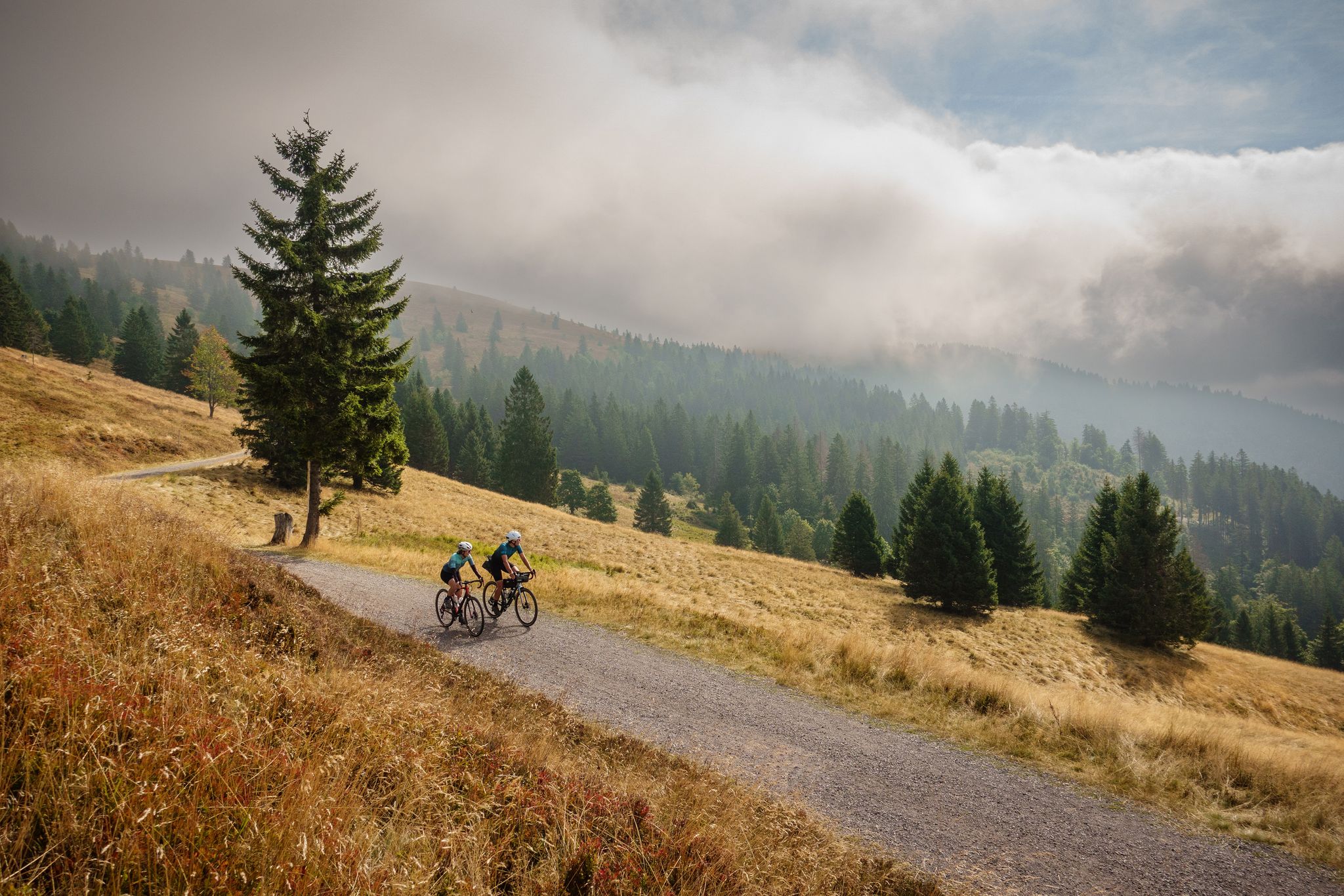
Nature, mountains and freedom – gravel and cycle Tours in the Black Forest
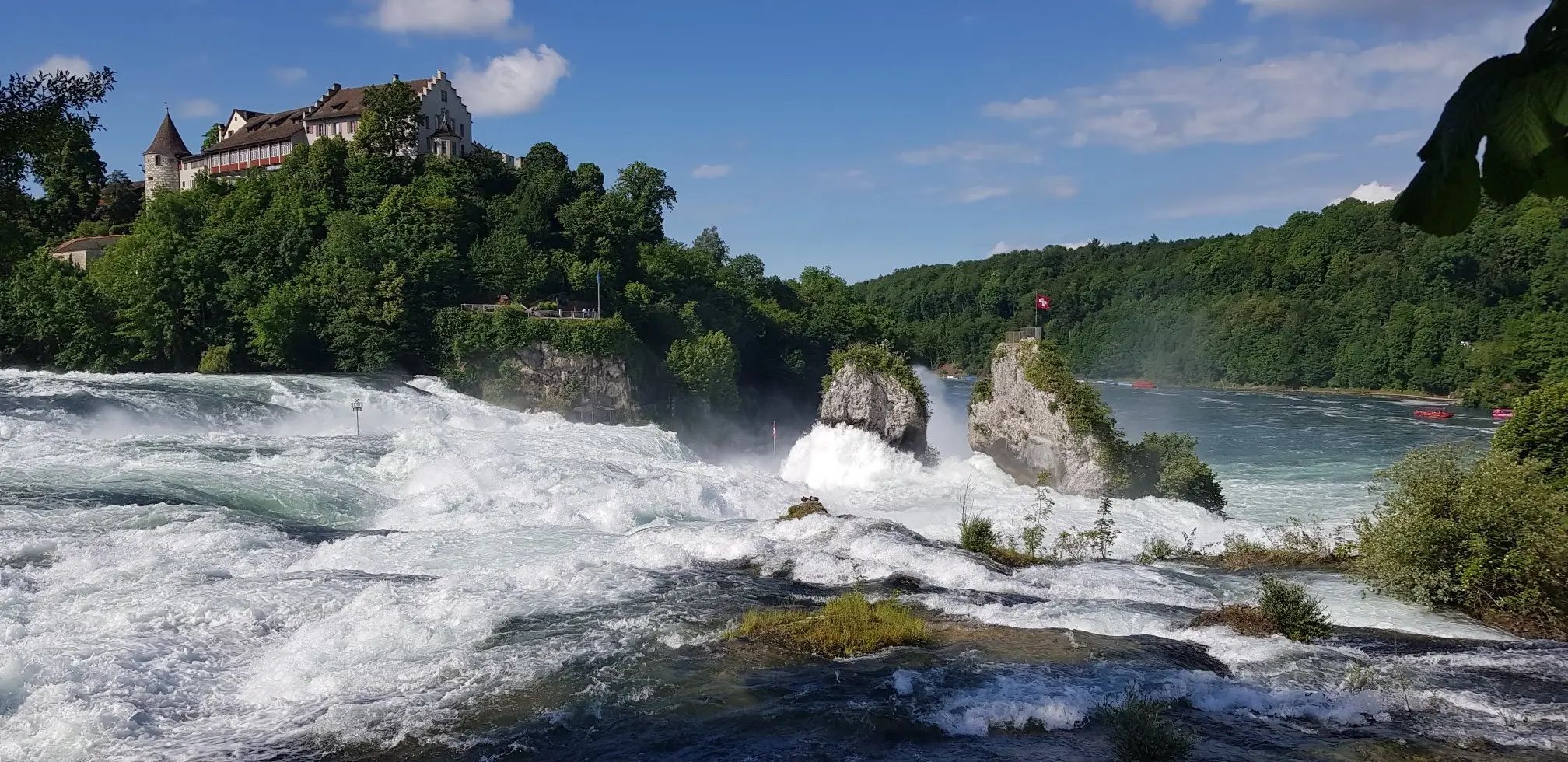
Hochrhein-Höhenweg – Forests and rivers from Germany to Switzerland
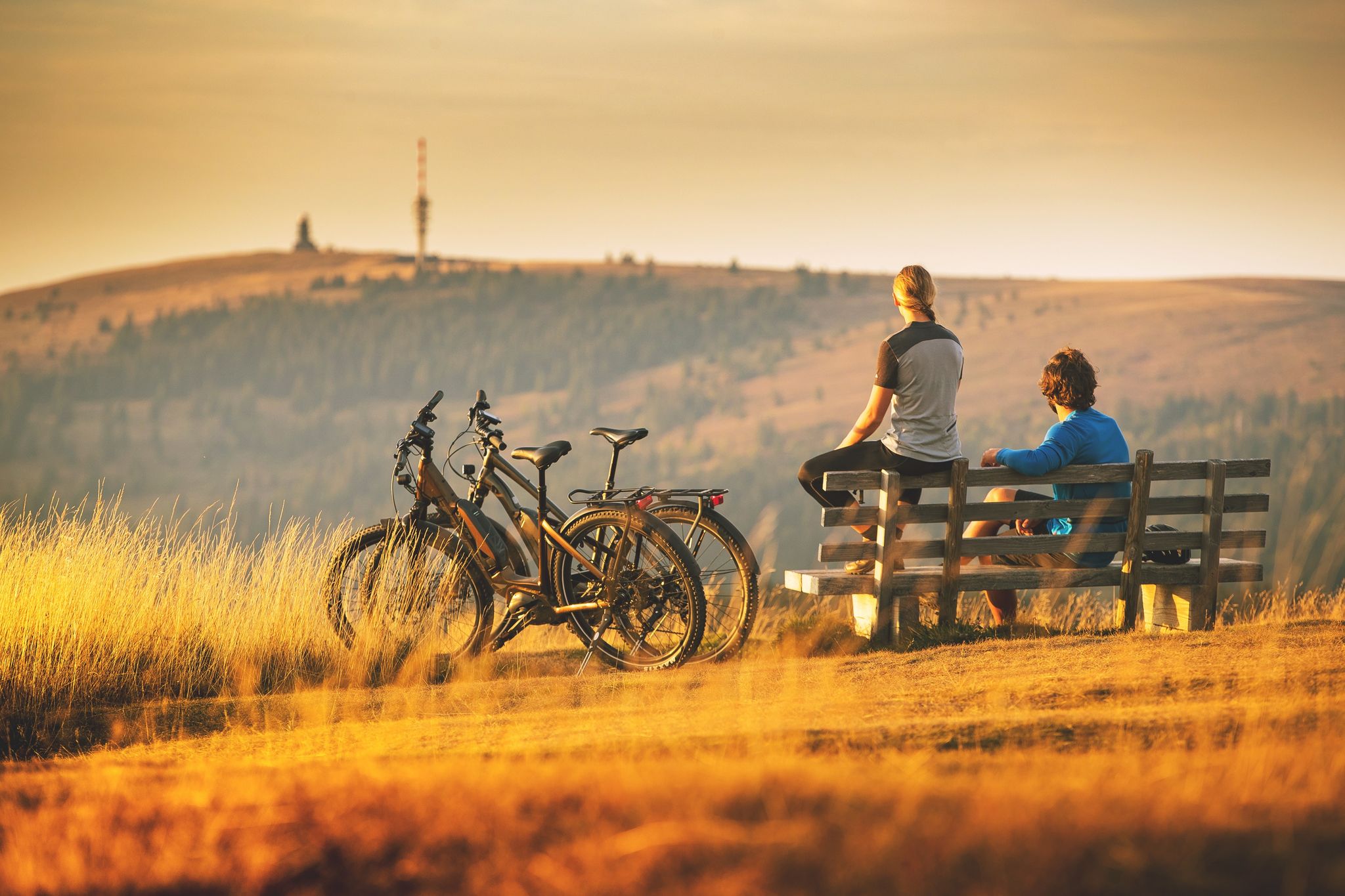
Sunny rides up to heights in the Black Forest
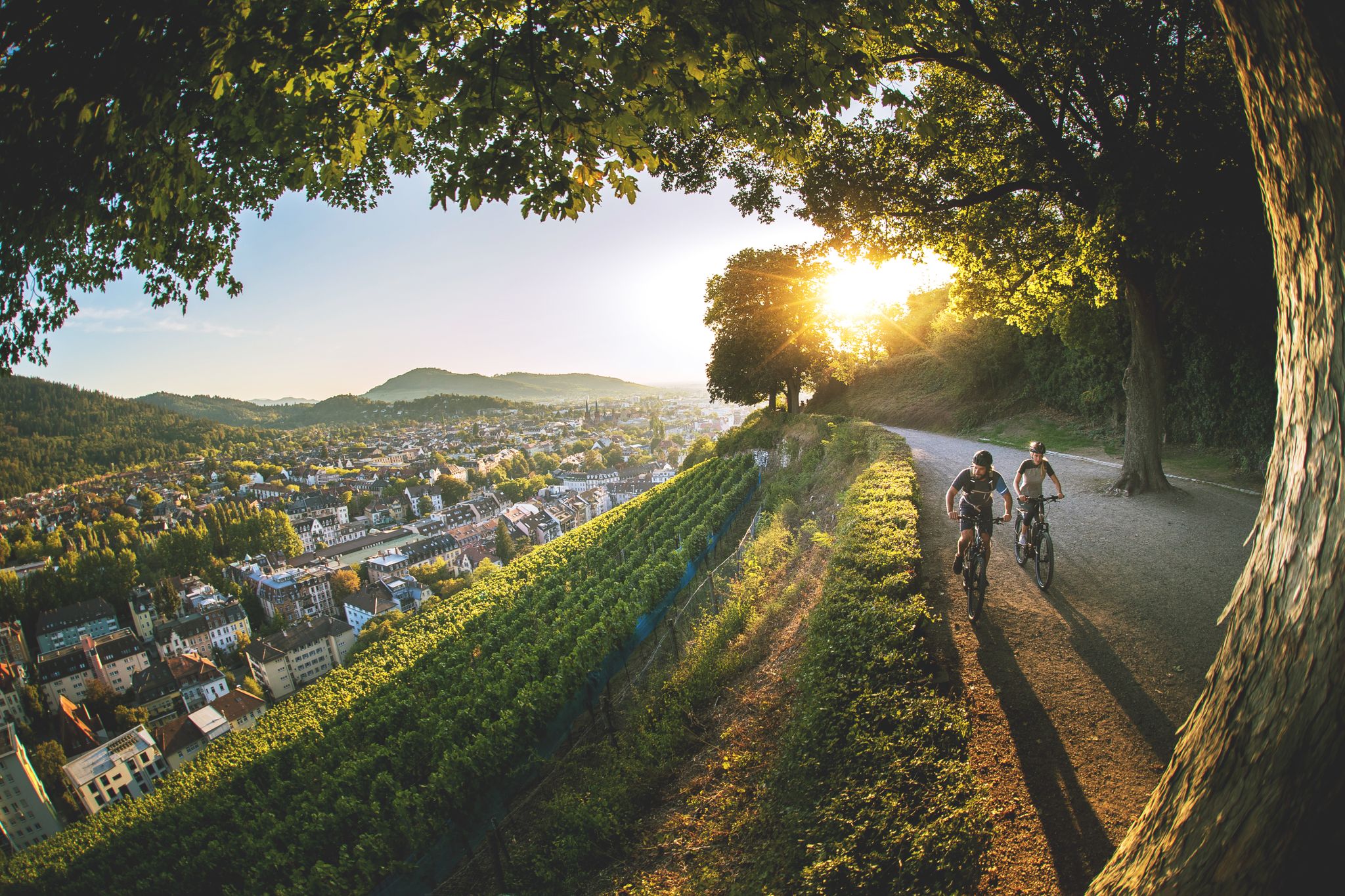
Black Forest gateau and how to burn it off again
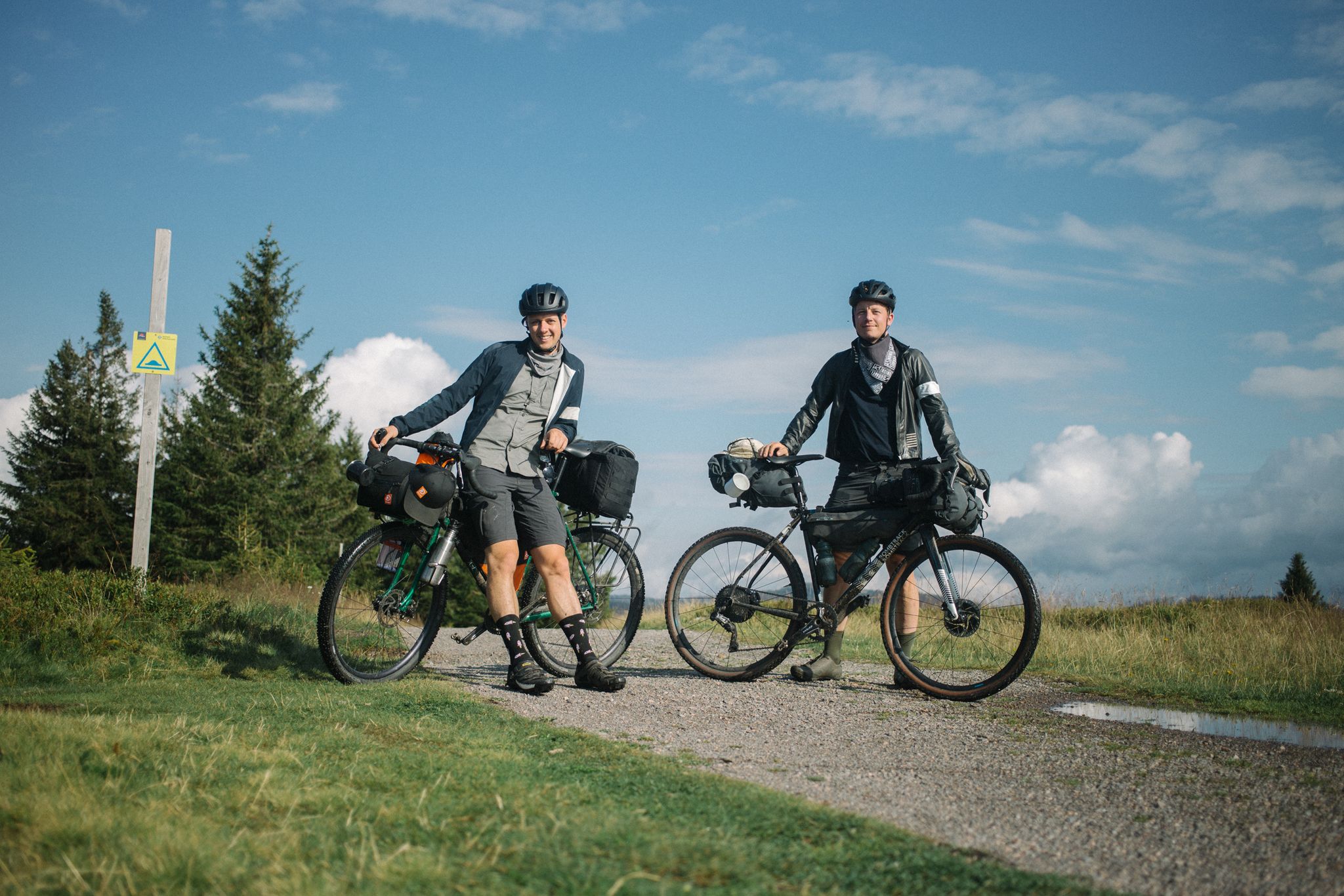
Bikepacking the Black Forest and Alsace
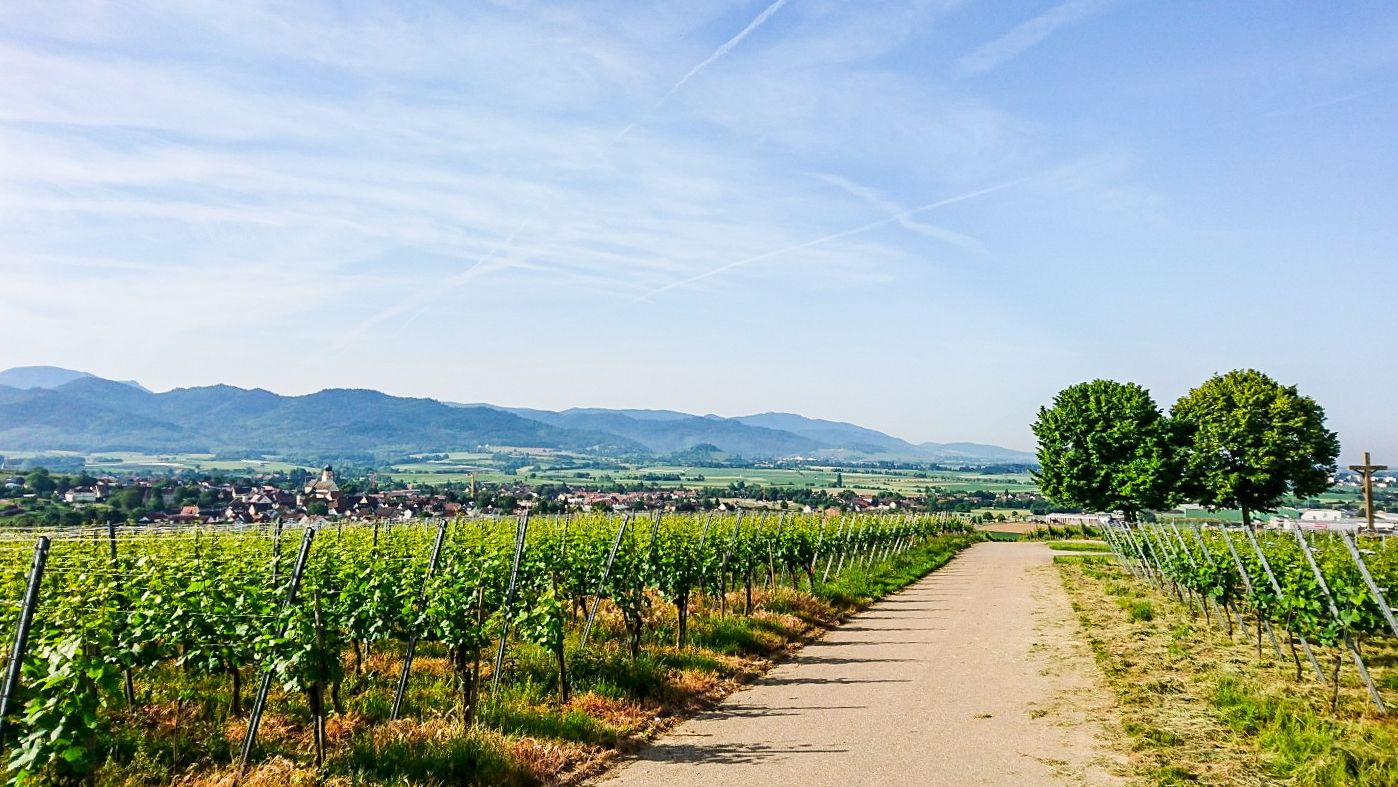
Südschwarzwald-Radweg – 5 stages of pleasing nature
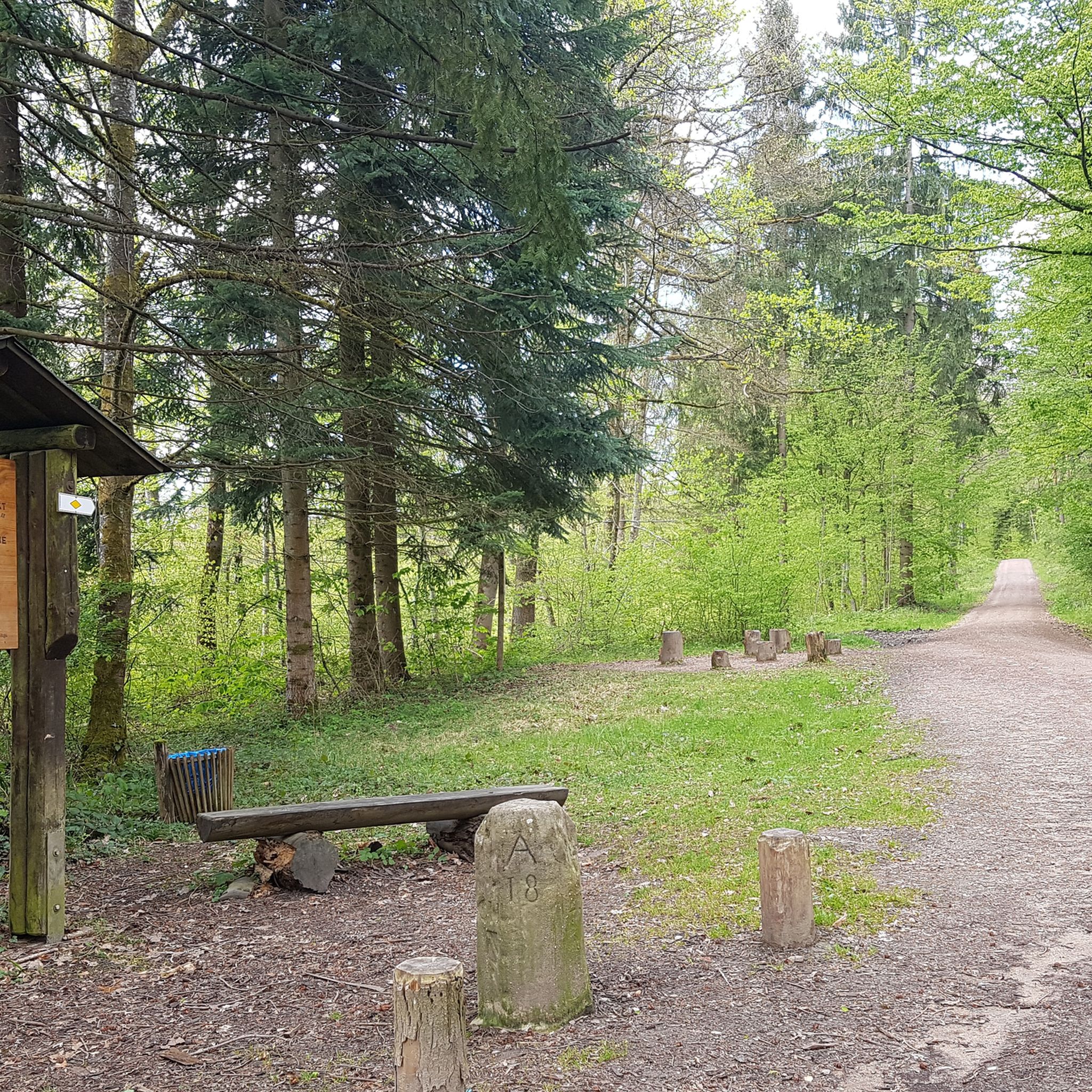
Hiking around Rheinfelden (Baden)
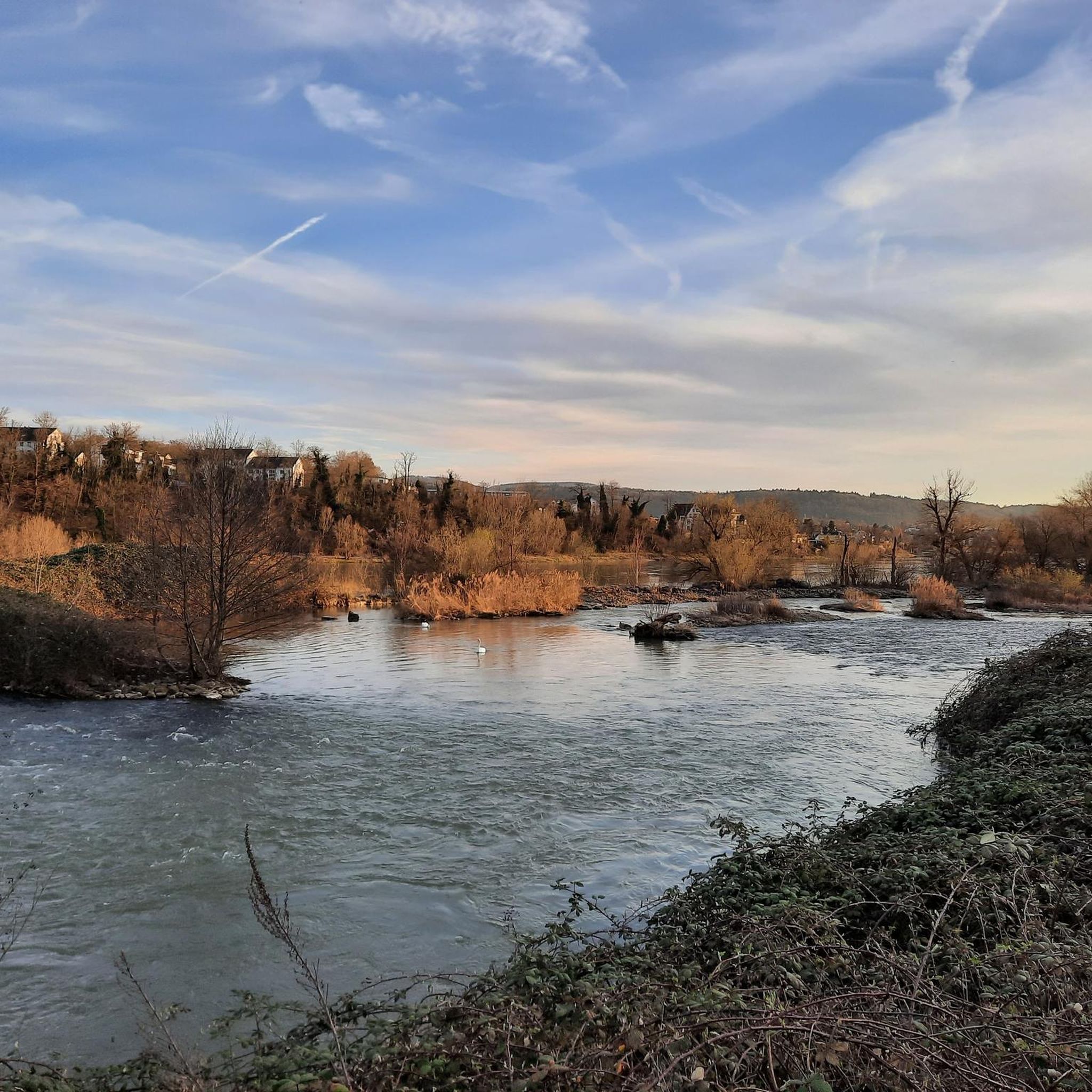
Cycling around Rheinfelden (Baden)
MTB Trails around Rheinfelden (Baden)
Road Cycling Routes around Rheinfelden (Baden)
Other adventures around Rheinfelden (Baden)


Tips from the Community

With a flashlight you can look inside pretty well.
0
0

The Teufelhof Basel is a hotel in Basel's old town in two historic buildings at Leonhardsgraben 47-49. Parts of the building complex (Leonhardgraben 47) and the cellar (archaeological monument) are listed in the canton of Basel-Stadt's inventory of monuments. The idea behind the operation is to operate independent art and culture as part of a "self-subsidization" of the cultural operation through a parallel hotel and restaurant operation. Due to objections, the permit had to be obtained before the Swiss Federal Court before the opening. After this six-and-a-half-year waiting period, the hotel opened on April 28, 1989. The Teufelhof Basel now employs 70 people. The hotel consists of two buildings, the art hotel and the gallery hotel. The art hotel has eight rooms and one suite, all of which are designed as habitable works of art. The gallery hotel has 20 rooms and four junior suites and is also used as an exhibition space. Nine art rooms were designed by various artists as experiential spatial art. The artists are free to paint directly on the walls or work with materials in the room. The Teufelhof also regularly supports artists with exhibitions or projects of various kinds. The cultural operations include a theater with cabaret performances and satirical programs. The promotion of regional individual artists and groups - from accompanying rehearsals in the in-house theater to premieres in the Teufelhof - also plays an important role in the program planning. The theater is financed by the Teufelhof Basel, but since 2002 has also received a contribution from the two cantons of Basel-Stadt and Basel-Landschaft. In addition to the cultural operations in the sense of the theater and the art hotel, the house also houses two restaurants, the gourmet restaurant "Bel Etage" and the restaurant "Atelier". The house also houses a coffee bar, a gallery hotel with changing exhibitions that is offered as a free platform for the artists, a wine shop "falstaff" and a small archaeological museum, embedded in the historic Basel city walls from the 11th and 13th centuries. Source: https://de.wikipedia.org/wiki/Teufelhof_Basel
0
0

The Ermitage is a large and lovingly designed green area from 1785, with three idyllic ponds, several romantic grottos, historical buildings, pretty walking paths between the shore and the edge of the forest and, on top of it all, the castle ruins of Bierseck Castle, as the crowning glory of the whole. It is a wonderful place for physical and mental relaxation, but those seeking peace and quiet should visit outside of the holidays or weekends. It is a real visitor magnet. Warning! The grottos can only be reached on foot and via steep stairs. The rest of the garden is mostly wheelchair accessible and suitable for pushchairs. There are no parking spaces directly at the Ermitage! Free entry!
0
0

Fine cookie. "Made with love".
1
0

The Hermitage in Arlesheim is a romantic landscape garden based on the English model. It is a place of silence, peace, contemplation, and for some even a place of strength. The meandering, playful paths make you want to discover the various nooks and crannies of the Hermitage. Here you can meet the hermit Brother Klaus or discover small cave entrances. The Hermitage also has a beautifully landscaped pond. The wooden footbridge that leads into the pond invites you to linger. The Hermitage has its charm in every season. It was opened in 1785. There is so much to say and learn about the Hermitage that it is worth taking part in one of the regular tours. Ask the Arlesheim Tourist Office or the "Friends of the Hermitage" association. Towards the end of the 18th century, the largest English garden in Switzerland was created on the Birseck castle hill. English gardens combine the natural landscape with artificial elements that are based on nature. Observation platforms, waterfalls, suspension bridges and hermits' cells were created, which were connected by winding paths. Even in ancient times, the area around the Ermitage was apparently a sacred landscape. Finds in the caves prove that this area was already inhabited in the Stone Age. "The sensitive people who live close to nature must have always noticed the high vibrations at the Ermitage, which is why it can be assumed that the hill with its caves has been the home of wise women and men for thousands of years." And even today, a secret hovers over the landscape. There are intense power spots right next to the grotto complex in the entrance area, at the rock overhang at the carousel square or on the square of the Temple Rustique. These are the power spots whose vibrations help to open the inner eyes. The Ermitage has become a true place of pilgrimage for many who know the importance of such places and appreciate their influence. Source: Pier Hänni, Magical Jura. Hikes to places of power from Schaffhausen, via Basel to the Neuenburg Jura, AT Verlag, Baden and Munich, pp. 76-80.
1
0

If you come by here (in the afternoon) you can visit one of the oldest stalactite caves in Germany. But above all, the cycle path along the Hasel to the mouth of the Wehra in Wehr-Öflingen is beautifully situated
0
0
Several hermitages and small caves are located in this beautiful complex.
0
0

It is the largest English landscaped garden in Switzerland. There is a lot to see there: Birseck Castle, small caves, small lakes and various wild places baptized with romantic names.
1
0
Frequently Asked Questions
What are the most notable natural caves in the Rheinfelden (Baden) region?
The two most prominent natural caves are the Tschamberhöhle and the Erdmann Cave, Hasel. The Tschamberhöhle is an active stream cave known for its underground waterfall, while the Erdmannshöhle is celebrated for its ancient stalactite and stalagmite formations.
Are there any family-friendly caves to visit around Rheinfelden (Baden)?
Yes, the Erdmann Cave, Hasel is suitable for families, offering guided tours through its accessible sections. It also has amenities like a barbecue area and playground nearby. The Ermitage Arlesheim Landscape Garden, which features small caves, is also considered family-friendly.
What unique geological features can I expect to see in the caves of this region?
The Tschamberhöhle is an active stream cave, showcasing ongoing geological processes with diverse passages, halls, and a 5-meter-high waterfall. The Erdmann Cave, Hasel is famous for its spectacular stalactites and stalagmites, including one that was once considered Germany's largest and oldest, estimated at 135,000 years old.
What is the best time to visit the caves in Rheinfelden (Baden)?
The Erdmann Cave, Hasel is typically closed over the winter months, so it's best to visit during the warmer seasons. The Tschamberhöhle maintains a cool temperature of around 10 °C, offering a refreshing escape on warm days.
What should I wear when visiting the caves?
For the Tschamberhöhle, visitors are equipped with helmets and flashlights. Given the cool temperatures (around 10 °C) inside both the Tschamberhöhle and other caves, it's advisable to wear warm clothing, even on a hot day, and sturdy, comfortable shoes.
Are there any historical or man-made subterranean structures in the area?
Yes, the region also features historical man-made structures. The Roniger Rock Cellar in Magden is a historical vaulted cellar built for brewing. In Basel, the Teufelhof Basel: Archaeological Cellar and Inner City Wall allows you to explore parts of old city walls from the 11th and 13th centuries.
How long does a typical visit to the caves take?
The accessible section of the Erdmann Cave, Hasel is 360 meters long and is explored via guided tours. The Tschamberhöhle has over 500 meters accessible to visitors. The duration of a visit will depend on the specific cave and whether you join a guided tour, but generally, allow at least an hour or two for a thorough exploration.
Are there hiking opportunities near the caves?
Yes, the Erdmann Cave, Hasel has nearby hiking trails. You can find various hiking routes in the broader Rheinfelden (Baden) area, including those that pass by natural features like the Teufelsloch Sinkhole. Explore more options on the Hiking around Rheinfelden (Baden) guide.
What other outdoor activities can I combine with a cave visit?
Besides hiking, the region offers various outdoor activities. You can explore waterfall hikes, such as those mentioned in the Waterfall hikes around Rheinfelden (Baden) guide. Gravel biking is also popular, with routes available in the Gravel biking around Rheinfelden (Baden) guide.
Is there parking available at the caves?
Yes, parking is available at the Erdmann Cave, Hasel. For the Tschamberhöhle, it is located directly on the banks of the Rhine, and information regarding specific parking facilities can often be found on local tourism websites like tourismus-rheinfelden.de.
What is the Tschamberhöhle known for?
The Tschamberhöhle is an active stream cave, notable as one of only three public Muschelkalk caves in Germany. It's known for its diverse passages, expansive halls, and a captivating 5-meter-high underground waterfall at the end of the accessible section. Visitors are provided with helmets and flashlights for exploration.
Are there any sinkholes or other unique natural monuments in the area?
Yes, the Teufelsloch Sinkhole is a natural monument near Rheinfelden (Baden). It's a funnel-shaped sinkhole where rising gases can be detected, offering a unique natural spectacle.
Most popular routes around Rheinfelden (Baden)
Most popular attractions around Rheinfelden (Baden)

Get inspired with the komoot mobile app


Explore more
Extend your search for the best caves by checking out these guides of the top ones around Rheinfelden (Baden):
